


Advantages of powder metallurgy technology and sintering
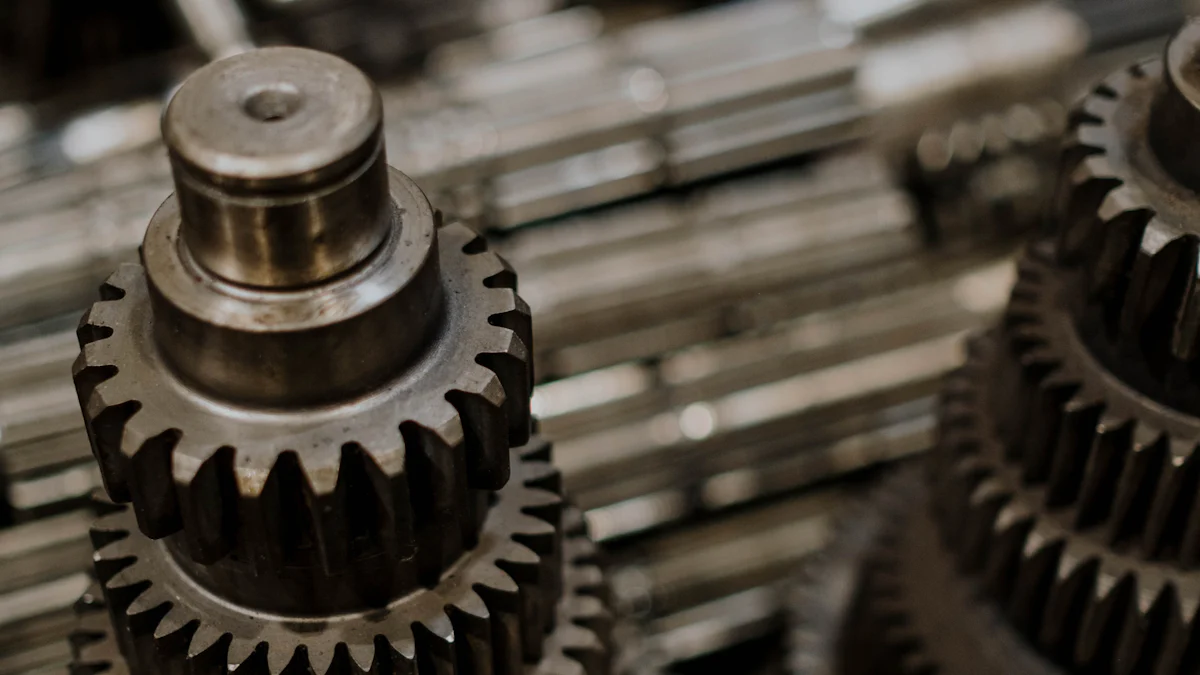
I’ve seen how the advantages of Powder Metallurgy technology and sintering redefine manufacturing. These technologies minimize waste, consuming up to 90% less material than machining. They also use 15% less energy, reducing greenhouse gas emissions. With a global market size projected to reach $7.59 billion by 2030, the adoption of powder metallurgy technology and sintering continues to grow across industries like automotive and aerospace.
Key Takeaways
- Powder metallurgy uses less material, cutting waste by 90%. This saves money and helps the environment.
- Sintering makes parts stronger and tougher. It is important for cars and planes that need strong parts.
- Using powder metallurgy costs more at first but saves money later. It is great for making many items at once.
How Powder Metallurgy and Sintering Work
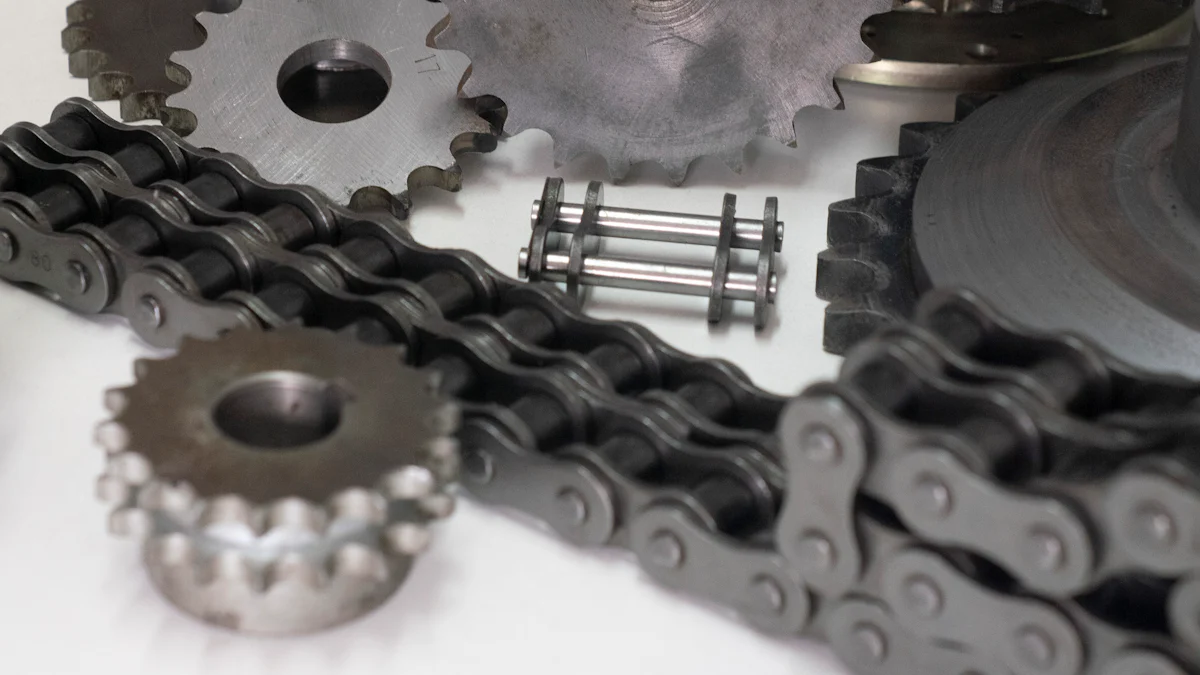
Overview of Powder Metallurgy
I’ve always found powder metallurgy fascinating because it transforms raw materials into high-performance components with remarkable efficiency. The process begins with powder production, where materials like iron, copper, or steel are converted into fine particles. This can be achieved through methods such as chemical reduction or atomization. For instance, atomization involves forcing molten metal through a nozzle and breaking it into tiny droplets using high-pressure water or gas. These droplets solidify into uniform particles, ready for the next steps.
Once the powder is prepared, it undergoes blending to ensure uniformity. The mixed powder is then compacted into a desired shape using high-pressure dies at room temperature. This step creates a "green part," which has the basic geometry but lacks strength. The final step, sintering, binds the particles together through heat, creating a durable and precise component.
The Sintering Process Explained
Sintering is where the magic happens. I’ve seen how this stage transforms a fragile green part into a robust, high-quality product. The process occurs in a controlled furnace environment and involves several critical stages:
| Stage | Description | Contribution to Quality |
|---|---|---|
| Zone 1: Delubing | Removes lubricants to prevent contamination. | Ensures a clean starting point for sintering. |
| Zone 2: Finish Delube Oxide Reduction | Burns off remaining lubricants and reduces oxides. | Prevents interference with diffusion and mechanical performance. |
| Zone 3: Sintering | Bonds particles at the atomic level. | Enhances strength and performance. |
| Zone 4: Initial Cooling | Stabilizes microstructure through controlled cooling. | Maintains structural integrity. |
| Zone 5: Final Cooling | Brings the component to room temperature. | Completes the transformation to a finished part. |
During sintering, the material undergoes solid-state diffusion, where particles bond at the atomic level without melting. This results in components with exceptional mechanical properties, such as high tensile strength and fatigue resistance. Recent innovations, like ultra-high-temperature sintering, have further improved material performance, making this process indispensable for industries requiring precision and durability.
Key Advantages of Powder Metallurgy and Sintering
Material Efficiency and Waste Reduction
I’ve always been impressed by how powder metallurgy minimizes material waste. Unlike traditional machining, which can lose up to 80% of the metal, powder metallurgy loses only 1-5%. This efficiency stems from its ability to produce near-net shape parts, which require little to no machining after formation. The compaction step eliminates excess scrap metal, ensuring a material utilization rate as high as 98%.
Industries like automotive and aerospace have embraced this technology to reduce waste and improve sustainability. For example, powder metallurgy enables the production of lightweight, high-strength components, which not only conserve materials but also enhance fuel efficiency and lower emissions. This process proves that manufacturing can be both efficient and environmentally responsible.
Cost-Effectiveness in Mass Production
Powder metallurgy excels in mass production. By using over 97% of the starting material, it significantly reduces waste-related costs. The process also eliminates the need for extensive finishing, saving both time and resources. While the initial investment in equiPment like presses and sintering furnaces can be high, the long-term savings in material and energy costs make it a cost-effective choice for large-scale manufacturing.
For small-scale production, however, the economics may not be as favorable. High upfront costs can outweigh the benefits for limited runs. But for industries requiring consistent, high-volume output, powder metallurgy offers unmatched cost advantages.
Precision and Consistency in Manufacturing
I’ve seen firsthand how powder metallurgy ensures precision and consistency. The process begins with the production of uniform metal powders, followed by high-pressure compaction and controlled sintering. This method allows for the creation of complex geometries with tight tolerances, ensuring every component meets exact specifications.
Industries like automotive and aerospace rely on this precision for critical parts such as gears, turbine blades, and engine components. The ability to tailor material compositions further enhances performance, making powder metallurgy indispensable for applications requiring reliability and accuracy.
Environmental Sustainability
Powder metallurgy aligns perfectly with sustainability goals. The process generates minimal waste, with a scrap rate of only about 3%. It also consumes less energy compared to traditional methods, reducing the carbon footprint of manufacturing. By decreasing reliance on virgin materials and optimizing resource utilization, powder metallurgy supports a circular economy.
Many industries have adopted this technology to meet environmental standards like ISO 14001. Whether it’s reducing emissions in automotive manufacturing or conserving resources in aerospace, powder metallurgy demonstrates that sustainability and innovation can go hand in hand.
Design Flexibility for Complex Parts
One of the most exciting aspects of powder metallurgy is its design flexibility. The process enables the production of intricate shapes and complex geometries that are difficult to achieve with traditional methods. Components can be made from unique alloys tailored to specific performance requirements, such as wear resistance or high-temperature stability.
Applications range from automotive engine components to medical implants, showcasing the versatility of this technology. Powder metallurgy empowers manufacturers to push the boundaries of design, creating parts that are both functional and innovative.
Practical Applications Across Industries

Automotive and Transportation
I’ve seen how powder metallurgy revolutionizes the automotive and transportation sectors. This technology enables the production of high-performance components with unmatched precision and efficiency. Key applications include:
- Engine components like sprockets, gears, camshafts, and connecting rods.
- Bearings and bushings, which demand wear resistance and high precision.
- Brake components, including anti-lock braking system (ABS) speed sensor rings.
- Exhaust system parts, such as sensor bosses and repairs.
- Structural elements like seat mechanisms and steering system parts.
Powder metallurgy also improves automotive performance. It reduces component weight, enhancing fuel efficiency and lowering emissions. The ability to produce complex geometries, such as transfer case gears, ensures optimal functionality. This process delivers consistent quality, making it indispensable for mass production in the automotive industry.
Aerospace and Defense
In aerospace and defense, powder metallurgy meets stringent requirements for strength, durability, and weight reduction. I’ve observed its application in producing lightweight components like fuel nozzles, which reduce weight by 25%, and turbine blades made from Al-SiC MMC, which enhance fuel efficiency. Aircraft brake pads, crafted from iron or copper powder, withstand high loads and temperatures.
This technology also enables the creation of corrosion-resistant alloys tailored for extreme conditions. Thermal spray coatings, another innovation, extend the service life of engine parts. Powder metallurgy’s ability to produce complex geometries and reduce material waste makes it a cost-effective solution for aerospace applications.
Medical Devices and Tools
Powder metallurgy plays a critical role in the medical field. It allows for the production of high-purity materials, reducing contamination risks in devices like surgical tools and implants. I’ve seen how this technology enables intricate designs, such as prosthetic twin connecting plates and endoscopic graspers.
The use of materials like titanium and cobalt-chromium alloys ensures biocompatibility and exceptional mechanical properties. For example:
| Material | Application |
|------------------------------|-------------------------------------------------|
| Stainless steel | Corrosion-resistant medical devices |
| Titanium and titanium alloys | Dental implants and joint replacements |
| Cobalt-chromium alloys | Orthopedic implants with superior durability |
Powder metallurgy’s cost-effectiveness and ability to produce durable, customized components make it invaluable in healthcare.
Consumer Electronics and Industrial Equipment
I’ve noticed how powder metallurgy enhances consumer electronics and industrial equipment. It produces components like heat sinks, connectors, and structural parts with high precision. The process supports green manufacturing by minimizing waste and energy consumption.
Applications extend to power tools, sporting equipment, and appliances. For example:
| Benefit | Description |
|-----------------------------|-------------------------------------------------------------------------------------------------|
| Cost-effectiveness | Lower sintering temperatures reduce production costs. |
| Precise Forming Ability | Tight tolerances ensure accuracy in final products. |
| Complex Shapes | Enables internal features for cooling systems. |
Powder metallurgy’s versatility and efficiency make it a cornerstone of modern manufacturing.
Powder metallurgy and sintering redefine manufacturing by offering unmatched efficiency, precision, and sustainability. These technologies minimize waste, utilize over 97% of materials, and reduce energy consumption through lower sintering temperatures. Companies like BMW and GE Aviation have revolutionized production with powder metallurgy, creating high-performance components while cutting costs.
Manufacturers can overcome challenges like initial tooling costs by leveraging powder metallurgy’s cost-effectiveness in medium to high-volume production. Its ability to produce near-net shape parts eliminates extensive finishing, saving time and resources. Adopting these technologies enables businesses to innovate, enhance product quality, and achieve long-term efficiency.
Explore how the advantages of powder metallurgy technology and sintering can transform your manufacturing processes and drive innovation in your industry.
FAQ
What materials can be used in powder metallurgy?
I’ve worked with materials like iron, copper, aluminum, and titanium. Each offers unique properties, making them suitable for applications requiring strength, corrosion resistance, or lightweight designs.
How does powder metallurgy compare to traditional machining?
Powder metallurgy wastes less material and produces near-net shape parts. Traditional machining generates more scrap, increasing costs and environmental impact. Powder metallurgy also excels in precision.
Is powder metallurgy suitable for small-scale production?
I’ve found it less cost-effective for small runs due to high tooling costs. However, it’s ideal for medium to high-volume production where economies of scale apply.
💡 Tip: Powder metallurgy is perfect for industries needing precision, sustainability, and cost efficiency. Explore its potential to revolutionize your manufacturing processes!