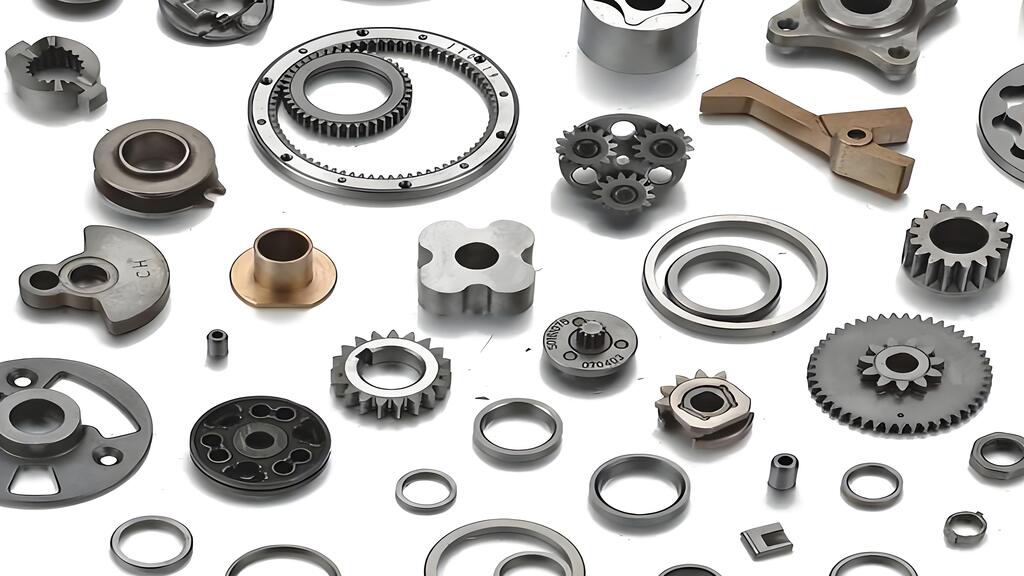


Application of die casting
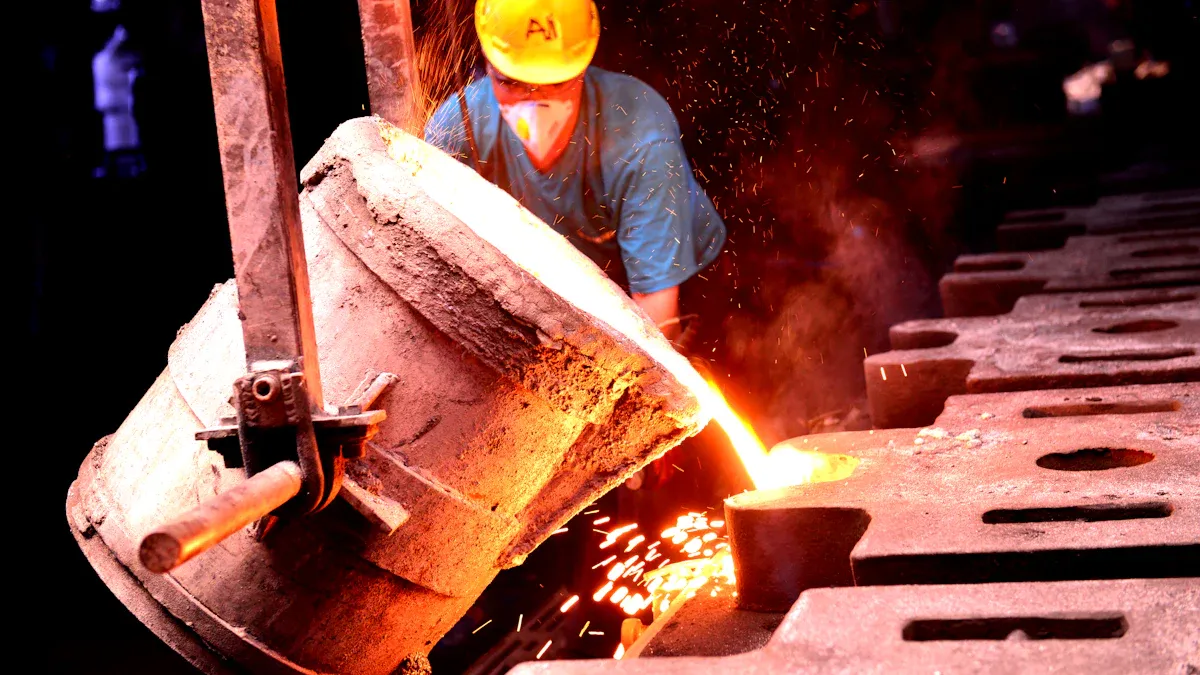
Die Casting stands out as a highly versatile manufacturing process, capable of producing intricate designs with exceptional precision. Its application of die casting allows for the creation of components with tight tolerances and complex geometries, making it indispensable across industries.
High-Pressure Die Casting is renowned for producing durable, high-strength parts, meeting the rigorous demands of modern manufacturing.
The automotive industry dominates the application of die casting, accounting for approximately 62% of the global market share in 2024. Lightweight aluminum components, such as engine parts and battery housings, are pivotal in advancing fuel efficiency and sustainability. Other prominent sectors include aerospace, consumer electronics, medical devices, and industrial equiPment, where the application of die casting enables the creation of durable casings, precise instruments, and high-performance components.
Application of die casting in Automotive Industry
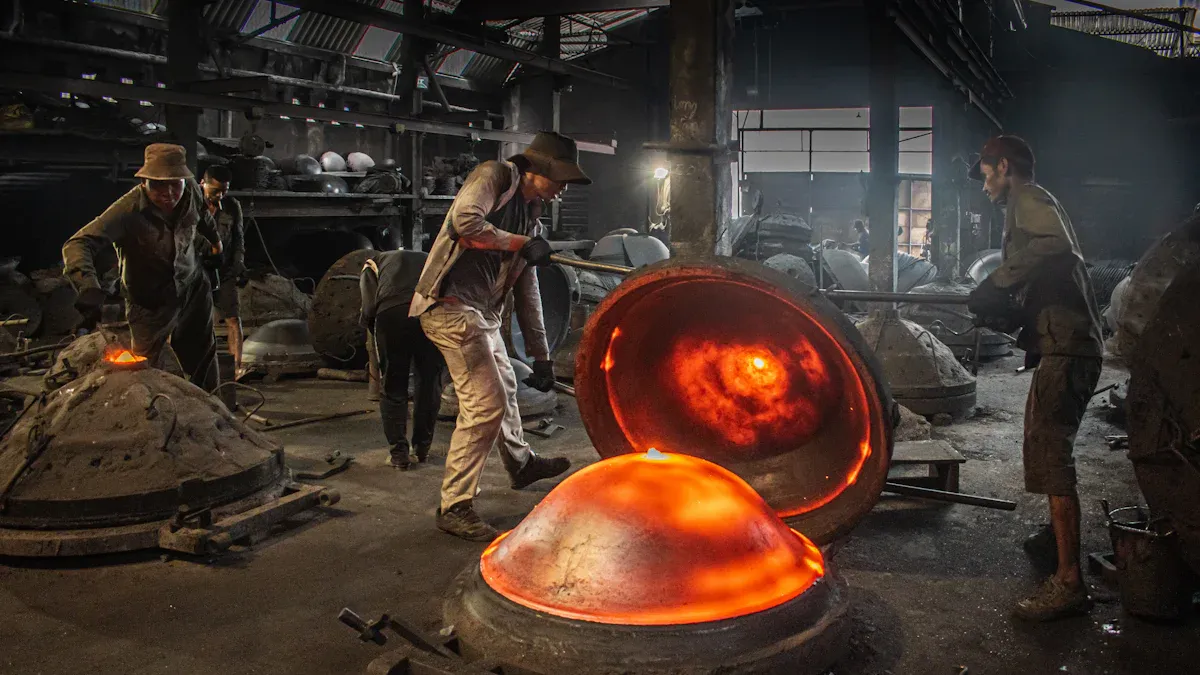
Engine and Transmission Components
Die casting plays a pivotal role in manufacturing engine and transmission components for the automotive industry. This process enables the production of intricate parts such as engine blocks, cylinder heads, and transmission cases with high precision and durability. Aluminum die casting dominates this segment due to its lightweight properties and excellent machinability. Magnesium die casting is also gaining traction, offering even lighter alternatives despite its technical challenges.
The automotive parts die-casting market reflects the growing demand for these components. In 2024, it is expected to reach a valuation of approximately $46.13 billion, with projections indicating growth to $62.28 billion by 2029. This steady increase highlights the importance of die casting in meeting the industry's evolving needs for high-performance and cost-effective solutions.
Lightweight Structural Parts
The application of die casting in lightweight structural parts has revolutionized vehicle design. By reducing the weight of critical components, manufacturers achieve significant cost savings and improved fuel efficiency. For instance, a lighter chassis requires less material, which lowers production costs. Additionally, reduced weight decreases shipping expenses and allows for smaller engines, brakes, and supporting structures, further enhancing overall efficiency.
Integrated die-casting techniques consolidate multiple parts into a single unit. This approach minimizes assembly time and reduces manufacturing costs, making it a preferred choice for automotive manufacturers. The ability to produce lightweight yet robust components aligns with the industry's push toward sustainability and performance optimization.
Wheels and Chassis Components
Die casting is instrumental in producing wheels and chassis components that combine strength, durability, and lightweight properties. Aluminum alloys are commonly used for these parts, ensuring they can withstand the stresses of daily use while contributing to overall vehicle weight reduction. The precision offered by die casting ensures that these components meet stringent safety and performance standards.
The growing adoption of die casting for wheels and chassis components reflects the automotive industry's focus on innovation and efficiency. By leveraging this technology, manufacturers deliver vehicles that meet consumer demands for reliability, fuel efficiency, and sustainability.
Application of die casting in Aerospace Industry
Aircraft Engine Components
Die casting plays a critical role in manufacturing aircraft engine components, where precision and durability are paramount. This process enables the production of intricate parts such as turbine blades, compressor housings, and engine casings with tight tolerances. Aluminum alloys dominate this application due to their lightweight properties and ability to withstand high temperatures.
High-quality castings extend the lifespan of engine components by up to 30%, according to the American Foundry Society. Additionally, aluminum alloys used in these parts exhibit impressive tensile strength. In their "as cast" state, they achieve approximately 19,000 psi, while solution heat treatment and artificial aging increase this value to around 30,000 psi. These characteristics ensure that die-cast engine components meet the rigorous demands of aerospace performance and safety standards.
Lightweight Structural Parts
Reducing weight is a top priority in aerospace manufacturing, as it directly impacts fuel efficiency, emissions, and overall performance. Die casting facilitates the production of lightweight structural parts, such as wing ribs, fuselage sections, and landing gear components, using materials like aluminum and magnesium alloys. These alloys offer high tensile strength while maintaining a low weight, making them ideal for aerospace applications.
The strength-to-weight ratio of aluminum die castings enhances maneuverability and increases payload capacity. For example, the Boeing 787 achieved a 20% weight savings, resulting in a 10-12% improvement in fuel efficiency. Furthermore, die casting provides near-net shapes, reducing post-processing steps and accelerating production timelines. This efficiency translates into significant cost savings, with a 1% reduction in an aircraft’s weight saving hundreds of thousands of dollars annually in fuel costs.
Cabin Interior Components
Die casting contributes to the production of cabin interior components, ensuring both aesthetic appeal and functional reliability. Parts such as seat frames, overhead bins, and armrests benefit from the precision and durability of this manufacturing process. Aluminum and magnesium alloys are commonly used, offering lightweight solutions that enhance passenger comfort and safety.
The ability to achieve tight tolerances, ranging from +/- .002” to +/- .005”, ensures that interior components fit seamlessly within the aircraft's design. Advanced machining techniques further refine these tolerances to +/- .00002, enabling the creation of highly detailed and customized parts. By leveraging die casting, manufacturers produce cabin components that meet stringent aerospace standards while maintaining cost-effectiveness and efficiency.
Application of die casting in Consumer Electronics
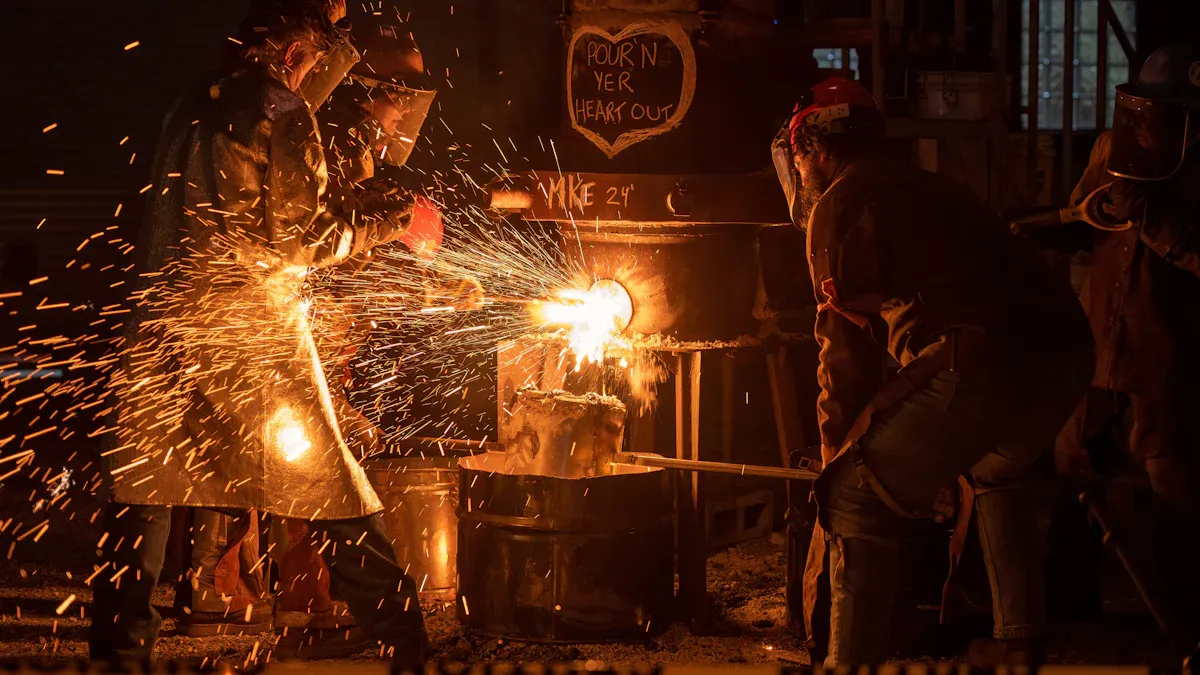
Smartphone Frames and Casings
Die casting has revolutionized the production of smartphone frames and casings by enabling the creation of lightweight, durable, and aesthetically appealing designs. Manufacturers often use ADC12 aluminum alloy due to its excellent thermal conductivity and mechanical properties. However, thermal stress during the cooling process can lead to defects such as hot cracks and inclusions. These issues may affect the material's mechanical integrity and contribute to uneven internal structures, which exacerbate thermal stress. Despite these challenges, die casting remains a preferred method for producing high-performance smartphone components, as it ensures precision and cost-efficiency.
The growing demand for sleek and robust smartphone designs has further fueled the adoption of die casting. This process allows manufacturers to achieve intricate geometries and tight tolerances, meeting the industry's stringent quality standards. By leveraging advanced die-casting techniques, companies can produce frames and casings that enhance both the functionality and aesthetics of modern smartphones.
Laptop and Tablet Housings
Die casting plays a crucial role in manufacturing laptop and tablet housings, offering a perfect balance between strength and lightweight properties. Aluminum and magnesium alloys are commonly used materials, each providing unique benefits. Aluminum ensures sturdiness and excellent heat transfer properties, while magnesium offers lighter designs and improved heat management. These materials enable manufacturers to create slim, durable, and thermally efficient housings that meet consumer expectations for portability and performance.
The efficiency and reliability of die-cast housings have made them a cornerstone in the consumer electronics sector. The following table highlights the benefits of materials used in laptop and tablet housings:
| Material | Application | Benefits |
|---|---|---|
| Aluminum | Heat sinks for laptops and tablets | Good heat transfer properties, sturdiness |
| Magnesium | Laptop frames | Lighter design, better heat management |
| Magnesium | Mobile phone frames | Slimmer designs with maintained strength |
| Magnesium | Electronic enclosures | Excellent EMI/RFI shielding properties |
By utilizing these materials, manufacturers can produce housings that not only protect internal components but also enhance the overall user experience.
Heat Sinks and Cooling Components
The application of die casting in heat sinks and cooling components has significantly improved the thermal management of consumer electronics. Aluminum alloys dominate this segment due to their superior heat dissipation capabilities and structural integrity. Die casting enables the production of complex geometries that maximize surface area, enhancing heat transfer efficiency.
For laptops and tablets, die-cast heat sinks ensure optimal cooling performance, preventing overheating and extending the lifespan of electronic components. The precision of die casting allows manufacturers to create intricate designs that fit seamlessly into compact devices. This process also reduces material waste, contributing to cost savings and environmental sustainability.
The consumer electronics market continues to embrace die casting for its ability to deliver high-quality, reliable cooling solutions. As devices become more powerful and compact, the demand for efficient thermal management systems will only increase, solidifying die casting's role in this critical application.
Application of die casting in Industrial and Agricultural Equipment
Machinery Components
Die casting plays a vital role in the production of machinery components for industrial applications. This process ensures the creation of durable and precise parts that meet the rigorous demands of heavy-duty equipment. Manufacturers rely on die casting to produce components such as gearboxes, motor housings, and brackets, which require high dimensional accuracy and strength.
Modern die casting machines enhance operational performance by reducing unplanned production downtime. Real-time monitoring systems ensure dependable repeatability, producing consistent, high-quality parts—additionally, Industry 4.0 systems track process measurement data for individual components, enabling effective quality control. Machine learning algorithms further optimize production by identifying settings that may lead to defects, allowing technicians to make quick adjustments. These advancements streamline operations and improve reliability, even for technicians with minimal training.
The application of die casting in machinery components supports industries by delivering parts that withstand extreme conditions while maintaining cost-efficiency. This capability makes it an indispensable manufacturing method for industrial equipment.
Hydraulic and Pneumatic Parts
Hydraulic and pneumatic systems rely on die-cast components for their efficiency and reliability. Parts such as valve bodies, pump housings, and cylinder heads benefit from the precision and durability offered by die casting. Aluminum and zinc alloys are commonly used due to their excellent machinability and resistance to wear.
Die casting ensures that these components meet the stringent requirements of hydraulic and pneumatic systems, where even minor defects can lead to operational failures. The process allows for the production of intricate geometries with tight tolerances, ensuring seamless integration into complex systems. Real-time monitoring during production further enhances quality, reducing the likelihood of defects and ensuring consistent performance.
By leveraging die casting, manufacturers produce hydraulic and pneumatic parts that deliver optimal performance under high-pressure conditions. This reliability is crucial for industries such as construction, manufacturing, and agriculture, where these systems play a critical role.
Agricultural Machinery Parts
The agricultural sector benefits significantly from the application of die casting in machinery parts. Components such as engine housings, transmission cases, and structural brackets are essential for the operation of tractors, harvesters, and other agricultural equipment. Die casting provides the strength and durability needed to withstand the harsh environments and heavy workloads typical in farming operations.
Aluminum and magnesium alloys are frequently used in agricultural machinery parts due to their lightweight properties and corrosion resistance. These materials reduce the overall weight of equipment, improving fuel efficiency and ease of operation. Additionally, the precision of die casting ensures that parts fit perfectly, minimizing wear and extending the lifespan of machinery.
The integration of advanced technologies, such as Industry 4.0 systems, further enhances the production of agricultural machinery parts. These systems enable real-time monitoring and quality control, ensuring that each component meets the required standards. By adopting die casting, the agricultural industry achieves a balance between performance, durability, and cost-effectiveness.
Application of die casting in Medical Devices
Surgical Instruments
Die casting plays a crucial role in the production of surgical instruments, ensuring precision, durability, and reliability. Manufacturers use this process to create intricate tools such as forceps, clamps, and scissors with tight tolerances. Aluminum and stainless steel alloys are commonly employed due to their corrosion resistance and biocompatibility.
The ability to produce lightweight yet robust instruments enhances the efficiency of surgical procedures. For example, die-cast instruments reduce hand fatigue for surgeons during lengthy operations. Additionally, the smooth surface finish achieved through die casting minimizes the risk of bacterial contamination, meeting stringent hygiene standards in the medical field.
Note: The application of die casting in surgical instruments not only improves functionality but also ensures cost-effective mass production, making high-quality tools accessible to healthcare providers worldwide.
Medical Equipment Housings
Die casting is widely used to manufacture housings for medical equipment, including diagnostic machines, ventilators, and imaging devices. These housings require a combination of strength, lightweight properties, and aesthetic appeal, which die casting effectively delivers.
Aluminum and magnesium alloys dominate this application due to their excellent thermal conductivity and electromagnetic shielding capabilities. These properties are essential for protecting sensitive electronic components within medical devices. For instance, die-cast housings for MRI machines ensure proper heat dissipation, preventing overheating and maintaining operational efficiency.
The precision of die casting allows manufacturers to create complex designs with integrated features such as mounting points and cable channels. This reduces assembly time and enhances the overall functionality of the equipment. By leveraging die casting, the medical industry achieves durable and reliable housings that meet rigorous performance standards.
Precision Components for Diagnostic Tools
Diagnostic tools, such as blood analyzers, ultrasound machines, and endoscopic devices, rely on die-cast components for their accuracy and performance. The application of die casting enables the production of intricate parts like sensor housings, connectors, and brackets with exceptional precision.
Aluminum and zinc alloys are preferred materials for these components due to their machinability and dimensional stability. Die casting ensures that each part meets the exact specifications required for seamless integration into diagnostic systems. For example, sensor housings produced through die casting maintain tight tolerances, ensuring accurate readings and reliable results.
The process also supports miniaturization, a growing trend in medical technology. By producing smaller, more efficient components, die casting contributes to the development of compact and portable diagnostic tools. This innovation enhances accessibility to medical care, particularly in remote or underserved areas.
Application of die casting in Electrical and Construction Industries
Electrical Enclosures and Components
Die casting plays a pivotal role in manufacturing electrical enclosures and components, offering unmatched precision and durability. This process ensures the production of high-quality parts such as junction boxes, switchgear housings, and motor casings. Aluminum die casting dominates this segment due to its excellent thermal conductivity and electromagnetic shielding properties, which are essential for protecting sensitive electronic systems.
The efficiency of die casting makes it the fastest and most economical method for producing non-ferrous components. The cycle time for creating these parts ranges from less than a second for small components to three minutes for larger ones. This rapid production capability supports the growing demand for electrical enclosures, driven by advancements in consumer electronics, 5G infrastructure, and electric power tools.
| Aspect | Details |
|---|---|
| Process | Die casting involves injecting molten metal under high pressure into a steel mold (die). |
| Cycle Time | Ranges from less than a second for small components to three minutes for larger castings. |
| Production Efficiency | Considered the fastest and most economical method for producing precise non-ferrous components. |
The electrical and electronics segment is projected to grow at approximately 6% from 2024 to 2029, reflecting the increasing reliance on die-cast components for modern technology.
Window and Building Frames
The application of die casting extends to the construction industry, particularly in the production of window and building frames. Aluminum die casting is widely used for these applications due to its lightweight nature, which simplifies installation and reduces structural loads. This characteristic also contributes to lower transportation costs and easier handling on construction sites.
Die casting allows for the creation of complex shapes, enabling manufacturers to produce frames with intricate designs that enhance both functionality and aesthetic appeal. For example, window frames made through die casting offer superior strength and durability while maintaining a sleek appearance. The process also supports high-volume production at a low cost per unit, making it an economically advantageous choice for large-scale construction projects.
Decorative Hardware and Fixtures
Decorative hardware and fixtures, such as door handles, lighting fixtures, and hinges, benefit significantly from die casting. This process enables the production of parts with intricate details and smooth finishes, meeting the dual requirements of functionality and visual appeal. Aluminum and zinc alloys are commonly used for these applications, offering a perfect balance of strength, corrosion resistance, and lightweight properties.
The ability to produce high-quality decorative hardware at scale has made die casting a preferred method in the construction industry. Manufacturers can create custom designs that align with architectural trends while ensuring durability and cost-efficiency. The growing adoption of die casting in this sector reflects its versatility and effectiveness in meeting diverse construction needs.
Benefits of Die Casting in These Applications
Precision and Complexity
Die casting excels in producing components with intricate designs and tight tolerances, making it ideal for industries requiring high precision. Advanced technologies, such as magma simulation software, optimize product designs by addressing common defects like porosity and shrinkage. This ensures that manufacturers achieve consistent quality and reliability.
The process also supports the creation of custom geometries with tolerances as low as ±0.005 inches, significantly surpassing traditional methods like sand casting, which typically achieve tolerances of ±0.03 inches. This level of precision minimizes material waste and ensures that parts meet exact specifications.
| Property | Accuracy (%) | Importance in Die Casting Process |
|---|---|---|
| Impact Strength | > 95 | High reliability in performance |
| Ultimate Tensile Strength | > 95 | High reliability in performance |
| Thermal Conductivity | > 90 | Important for thermal properties |
| Electrical Conductivity | > 90 | Important for electrical properties |
The ability to produce complex designs with high accuracy makes die casting indispensable for applications in aerospace, automotive, and consumer electronics.
Cost-Effectiveness for Mass Production
Die casting offers unparalleled efficiency for mass production. The use of permanent metal dies allows for rapid production cycles, enabling manufacturers to produce large volumes of components in a short time. Although the initial tooling costs are high, the process becomes highly economical for large production runs.
Key advantages include:
- High dimensional accuracy, reducing the need for post-processing.
- Consistent quality across all units, ensuring reliability.
- Minimal material waste, contributing to cost savings.
For example, die casting achieves excellent dimensional accuracy, often producing parts that are usable "as cast." This reduces machining requirements and accelerates production timelines. The process is particularly beneficial for industries like automotive and construction, where high-volume production is essential.
Durability and Strength
Die-cast components are renowned for their strength and durability, making them suitable for demanding applications. Materials like aluminum and zinc alloys provide excellent resistance to wear, heat, and corrosion. These properties ensure that parts can withstand harsh conditions, whether in industrial machinery or aerospace environments.
The process also enhances the structural integrity of components. For instance, die-cast products exhibit high impact strength and fatigue resistance, ensuring long-term performance. This durability reduces the need for frequent replacements, offering cost savings over time.
Die casting's ability to combine precision, cost-effectiveness, and durability makes it a preferred choice across various industries. Its application of die casting continues to drive innovation and efficiency in modern manufacturing.
Emerging Trends in Die Casting Applications
Lightweight Materials in Automotive and Aerospace
The demand for lightweight materials in automotive and aerospace industries continues to grow as manufacturers prioritize fuel efficiency and performance. Die casting has become a cornerstone in this evolution, enabling the use of advanced materials like aluminum and magnesium alloys. These materials offer an exceptional strength-to-weight ratio, making them ideal for reducing vehicle and aircraft weight without compromising structural integrity.
Advances in die casting processes, such as vacuum and low-pressure die casting, have further enhanced the quality of lightweight components. These innovations minimize defects like porosity and improve the mechanical properties of cast parts. For instance, magnesium alloys are increasingly adopted for their lightweight and strong properties, addressing the industry's need for high-performance materials.
Note: The integration of lightweight materials through die casting not only improves fuel efficiency but also aligns with sustainability goals by reducing emissions during operation.
Miniaturization in Electronics
The trend of miniaturization in electronics has revolutionized the manufacturing landscape. Die casting plays a pivotal role in producing intricate and compact components essential for modern devices like smartphones, tablets, and laptops. Electric hot chamber die casting machines provide the precision and repeatability required for manufacturing these small-scale parts.
Zinc die casting, in particular, excels in creating components with tight tolerances, ensuring seamless integration into compact electronic systems. This process is also cost-effective, reducing material waste and energy consumption. As consumer electronics become smaller and more sophisticated, the demand for highly accurate die-cast components continues to rise.
As consumer electronics continue to become smaller and more compact, the need for miniaturized components is on the rise. HPDC plays a critical role in enabling the production of these tiny, yet highly precise parts.
The expanding consumer electronics market underscores the importance of die casting in meeting the industry's evolving needs. Manufacturers rely on this technology to produce lightweight, durable, and efficient components that enhance device performance.
Sustainability and Recycling in Die Casting
Sustainability has become a central focus in the die casting industry. Foundries are increasingly adopting eco-friendly practices, recognizing that environmental responsibility can align with profitability. Life cycle assessments of zinc alloy die-cast products highlight their low environmental impact, supporting sustainable practices through a CO2-neutral approach.
Recycling plays a significant role in reducing the environmental footprint of die casting. Nearly all die-cast products today contain post-consumer recycled aluminum, with approximately 95% of aluminum die casts utilizing only recycled material. This high recycling rate not only conserves natural resources but also reduces energy consumption during production.
- Key sustainability trends in die casting include:
- Energy-efficient processes and cleaner technologies.
- Recycling practices that minimize waste and emissions.
- Integration of the Industrial Internet of Things (IIoT) for real-time monitoring and optimization.
The application of die casting continues to evolve, driven by advancements in materials, processes, and sustainability practices. These trends ensure that die casting remains a vital manufacturing method across industries.
Challenges and Limitations of Die Casting
High Initial Tooling Costs
Die casting requires significant upfront investment in tooling and equipment. The creation of high-quality steel molds, known as dies, involves precision engineering and advanced manufacturing techniques. These molds must withstand extreme pressures and temperatures, making them expensive to produce. For small production runs, the high initial costs can outweigh the benefits of die casting, making it less economical compared to other manufacturing methods.
Operational data highlights additional challenges, such as the need for skilled labor and energy optimization. Skilled labor costs, including wages and training, directly impact operational efficiency. Furthermore, die-casting machines consume substantial energy, increasing production costs. Addressing these issues requires a focus on waste reduction and continuous improvement to enhance cost-effectiveness.
| Challenge | Explanation |
|---|---|
| Waste Reduction | Minimizing material waste is essential for cost savings and environmental responsibility. |
| Continuous Improvement | Fostering a culture of continuous improvement is vital for long-term success in die-casting. |
| Energy Consumption | Optimizing energy usage of die-casting machines is crucial for cost savings and sustainability. |
| Skilled Labor Costs | Labor costs include wages, benefits, and training, impacting operational efficiency. |
| Quality Control Measures | Investing in quality control minimizes defects and ensures compliance, contributing to customer satisfaction. |
The table above illustrates the operational challenges that manufacturers face when implementing die casting processes. Overcoming these barriers requires strategic planning and investment in advanced technologies.
Material Limitations
Die casting primarily uses non-ferrous metals such as aluminum, magnesium, and zinc. While these materials offer excellent properties like lightweight and corrosion resistance, they have limitations. For instance, aluminum alloys may not perform well under extremely high temperatures, restricting their use in certain applications. Similarly, magnesium, though lightweight, is prone to oxidation and requires protective coatings.
The process also struggles with casting ferrous metals like steel due to their higher melting points. This limitation narrows the range of materials available for die casting, making it unsuitable for applications requiring extreme strength or heat resistance. Manufacturers must carefully evaluate material properties to ensure compatibility with the intended application.
Environmental Considerations
Die casting poses environmental challenges, particularly in terms of energy consumption and waste generation. The process involves melting metals at high temperatures, which requires significant energy input. This contributes to greenhouse gas emissions, especially when fossil fuels power the production facilities.
Recycling practices help mitigate some environmental impacts. For example, nearly 95% of aluminum die-cast products use recycled material, reducing the need for virgin resources. However, achieving sustainability requires further advancements in energy-efficient technologies and waste management systems.
Tip: Manufacturers can adopt cleaner technologies and integrate real-time monitoring systems to optimize energy usage and reduce emissions. These measures align with global sustainability goals and enhance the environmental performance of die-casting operations.
Despite these challenges, die casting remains a vital manufacturing process. Addressing its limitations through innovation and sustainable practices will ensure its continued relevance in modern industries.
The application of die casting spans a wide range of industries, from automotive and aerospace to consumer electronics and medical devices. Its ability to produce intricate, high-strength components with precision makes it indispensable in modern manufacturing. Industries benefit from its cost-effectiveness, especially in mass production, and the durability of the parts it creates ensures long-term reliability.
Emerging trends, such as the use of lightweight materials and advancements in sustainability, signal a promising future for die casting. As industries evolve, this manufacturing process will continue to drive innovation and efficiency, solidifying its role as a cornerstone of industrial production.
FAQ
What is die casting?
Die casting is a manufacturing process that involves injecting molten metal into a steel mold under high pressure. It produces precise, durable components with complex geometries, commonly using non-ferrous metals like aluminum, magnesium, and zinc.
Which industries benefit most from die casting?
Automotive, aerospace, consumer electronics, medical devices, and construction industries rely heavily on die casting. It enables the production of lightweight, durable, and high-precision components essential for their operations.
Why is aluminum commonly used in die casting?
Aluminum offers excellent strength-to-weight ratios, corrosion resistance, and thermal conductivity. These properties make it ideal for applications requiring lightweight yet durable components, such as automotive and aerospace parts.
How does die casting support sustainability?
Die casting promotes sustainability through high recycling rates. Approximately 95% of aluminum die-cast products use recycled material, reducing energy consumption and conserving natural resources.
What are the main limitations of die casting?
Die casting faces challenges like high initial tooling costs, limited material options (e.g., difficulty casting ferrous metals), and environmental concerns related to energy consumption during production.
Can die casting produce miniature components?
Yes, die casting excels in creating miniature components with tight tolerances. This capability supports industries like consumer electronics, where compact and intricate parts are essential.
How does die casting ensure precision?
Die casting achieves precision through advanced technologies like magma simulation software. These tools optimize designs, reduce defects, and enable tolerances as low as ±0.005 inches.
What materials are commonly used in die casting?
Aluminum, magnesium, and zinc are the most common materials. Each offers unique benefits, such as lightweight properties, corrosion resistance, and machinability, catering to diverse industry needs.