

Introduction
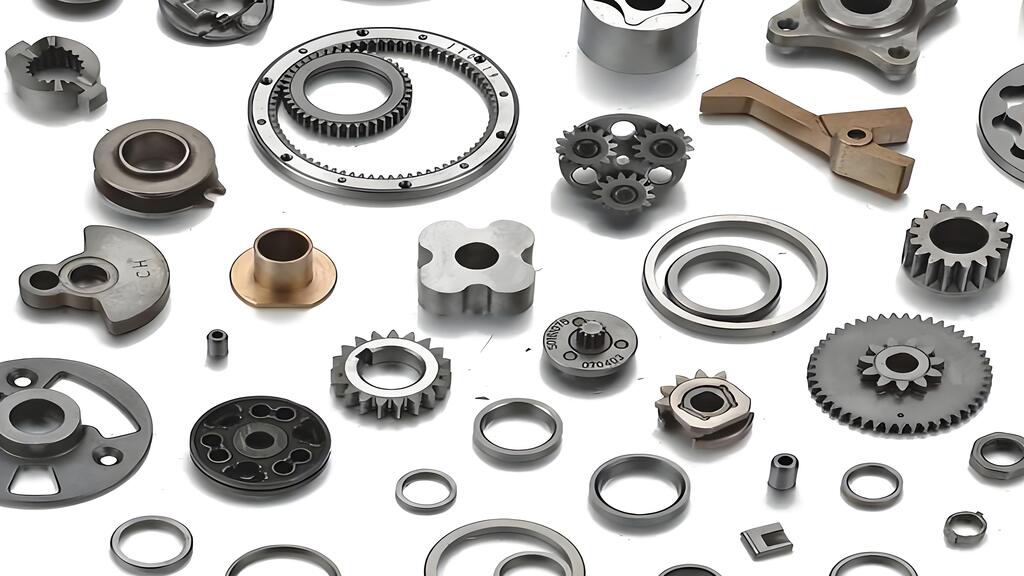
Choosing between die casting and metal injection molding can shape a project’s cost, timeline, and performance from the start. Die casting is often the better fit for high-volume production of precise, nonferrous parts, but MIM can handle smaller, more intricate geometries and a broader range of alloys. Understanding where each process excels helps avoid expensive design changes, unrealistic tooling choices, and mismatched material selection. This article compares the two methods in practical terms so you can evaluate complexity, production volume, material limits, and unit economics before committing to a manufacturing path.
Why Die Casting vs Metal Injection Molding Matters
Selecting the optimal manufacturing method for metal components is a critical engineering decision that dictates unit economics, material properties, and go-to-market timelines. Among the most prominent methods for high-volume production are die casting and metal injection molding (MIM). While both processes utilize mold cavities to produce near-net-shape parts, their underlying mechanics, material compatibility, and cost structures are fundamentally different.
A miscalculation in process selection can lead to severe financial consequences. Over-engineering a simple aluminum enclosure for MIM will result in catastrophic material costs, while attempting to die cast a complex stainless steel medical device is physically impossible. Understanding the strategic implications of each method ensures that product develoPment aligns with manufacturing realities.
Production Volume, Part Complexity, and End-Use Needs
Production volume and part complexity serve as the primary filters when evaluating these technologies. Die casting is traditionally favored for medium to extremely high production volumes, often requiring minimum order quantities (MOQs) of 10,000 units to justify the initial setup, with peak efficiency realized at volumes exceeding 100,000 parts annually. At scale, the per-part cost drops precipitously due to rapid cycle times.
Metal injection molding is similarly scaled for high volumes, typically starting around 10,000 to 20,000 units, but it excels specifically when part complexity is exceptionally high. If a component requires intricate internal geometries, multiple cross-holes, or fine gear teeth that would demand extensive secondary CNC machining if cast or forged, MIM often provides a more favorable return on investment by achieving these features right out of the mold.
Why Early Process Selection Affects Tooling Strategy
The commitment to a specific manufacturing process locks in the tooling strategy, making early selection imperative. Die casting dies are subjected to immense thermal and mechanical stress, requiring high-grade H13 tool steel and complex cooling channels. Consequently, tooling costs can range from $15,000 for simple components to well over $100,000 for large, multi-cavity automotive parts.
Metal injection molding utilizes tooling similar to plastic injection molding, as the feedstock is injected at significantly lower temperatures and pressures. MIM molds generally cost between $5,000 and $50,000. Attempting to pivot from MIM to die casting late in the development cycle not only wastes initial tooling investments but also necessitates a complete redesign of the component to accommodate different draft angles, wall thicknesses, and shrinkage rates.
Core Differences Between Die Casting and Metal Injection Molding
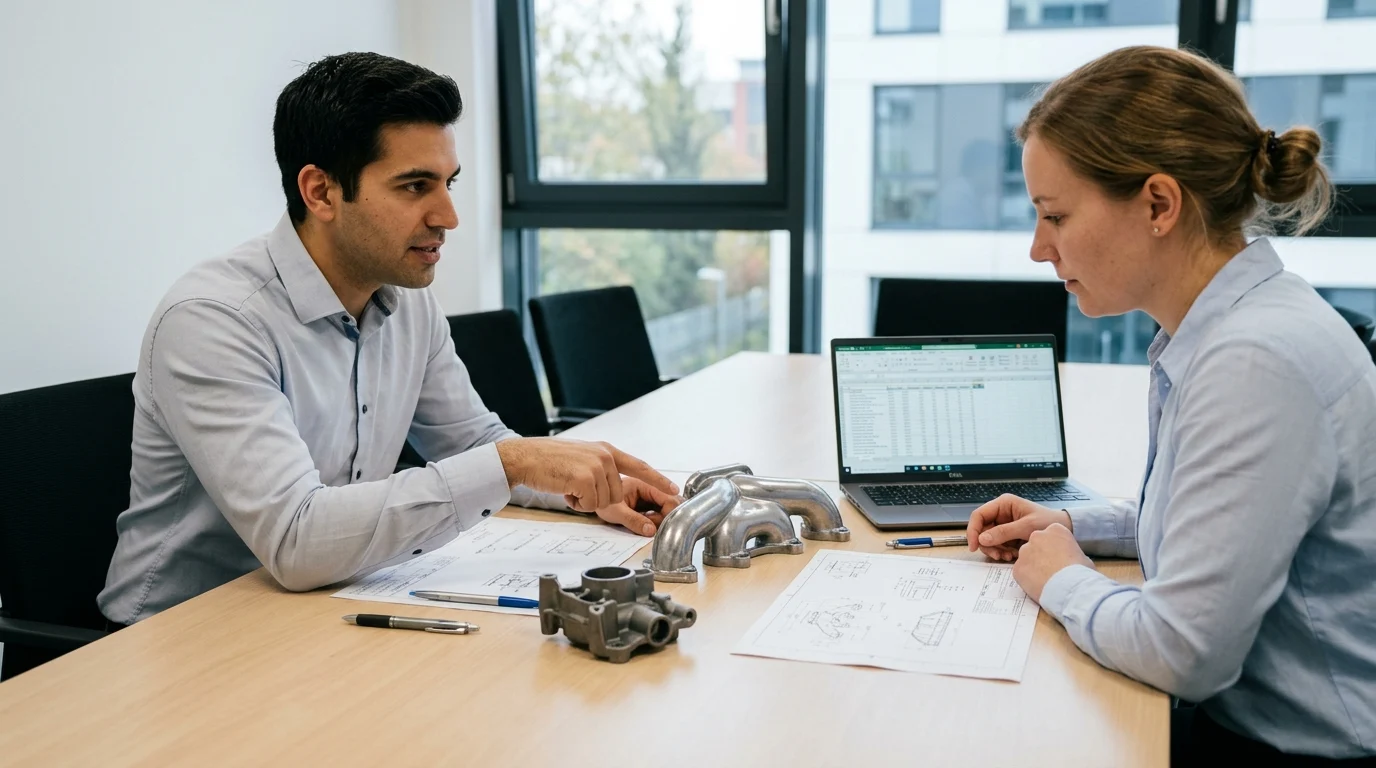
Understanding the core mechanics of each process clarifies why they serve different manufacturing niches. One relies on the rapid solidification of molten liquid, while the other depends on particle fusion through advanced powder metallurgy.
How Die Casting Works
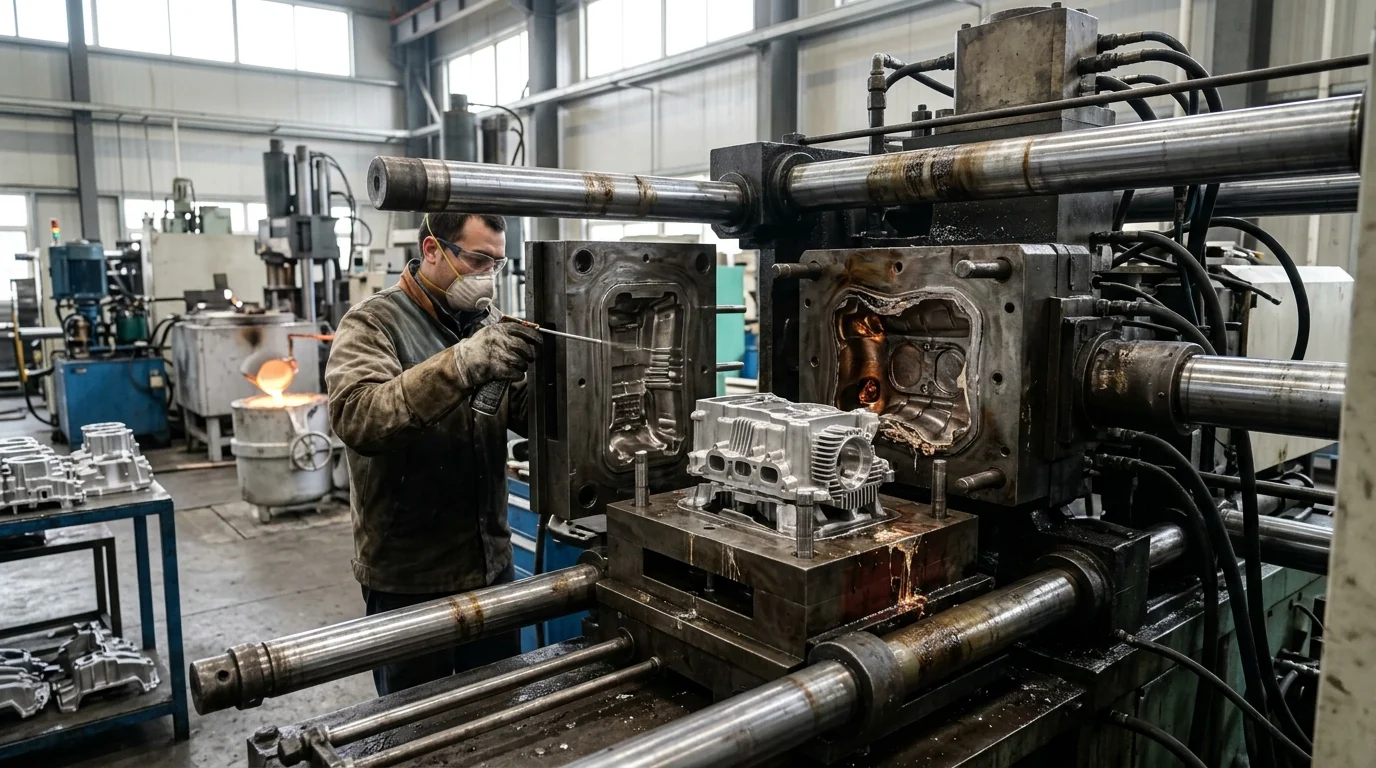
Die casting involves melting non-ferrous metals and forcing the molten alloy into a precision-machined steel die under extreme pressure, typically ranging from 1,500 to 25,000 psi. The high pressure ensures the metal rapidly fills the cavity before solidifying.
Once the part cools—often in a matter of seconds—the die opens, and ejector pins push the near-net-shape component out. This rapid cycle time makes it one of the most efficient manufacturing processes available for large-scale production, capable of producing hundreds of parts per hour per machine. The process can be divided into hot-chamber and cold-chamber methods, depending on the melting point of the specific alloy being used.
How Metal Injection Molding Works
Metal injection molding is a multi-step process that merges plastic injection molding techniques with powder metallurgy. Fine metal powder is blended with a thermoplastic and wax binder to create a moldable "feedstock." This feedstock is injected into a mold to form a "green part," which is oversized and fragile.
The part then undergoes a debinding process—using solvents, heat, or catalytic environments—to remove the primary binders, resulting in a porous "brown part." Finally, the component is sintered in a highly controlled furnace at temperatures near the metal's melting point (often between 1,200°C and 1,400°C for steel alloys). During sintering, the part shrinks isotropically by 15% to 22%, achieving a final theoretical density of 96% to 99%.
Comparison of Materials, Tolerances, and Part Size
The most profound differences lie in material selection and physical scale. Die casting is strictly limited to metals with lower melting points relative to the steel die; aluminum, zinc, and magnesium are the industry standards. Conversely, MIM excels with high-melting-point, hard-to-machine metals, including stainless steels (like 17-4 PH and 316L), titanium, and soft magnetic alloys.
Regarding part size, die casting can produce massive components weighing up to 50 pounds or more, such as engine blocks. MIM is economically and physically restricted to small components, typically weighing under 100 grams, with optimal performance seen in parts under 50 grams. In terms of precision, die casting can hold tolerances of ±0.002 inches per inch (±0.05 mm/mm), while MIM typically achieves tolerances of ±0.3% to ±0.5% of the nominal dimension.
| Specification | Die Casting | Metal Injection Molding (MIM) |
|---|---|---|
| Typical Materials | Aluminum, Zinc, Magnesium | Stainless Steel, Titanium, Low-Alloy Steels |
| Optimal Part Weight | 50 g to 25+ kg | 0.1 g to 100 g |
| Standard Tolerances | ±0.002 in/in (±0.05 mm/mm) | ±0.3% to ±0.5% of nominal dimension |
| Theoretical Density | Subject to minor internal porosity | 96% to 99% |
| Cycle Time | Seconds to minutes | Days (due to batch debinding/sintering) |
Cost, Performance, and Design Tradeoffs
The engineering selection process ultimately balances mechanical performance requirements against unit cost constraints. Each method presents distinct advantages and limitations that directly impact the final product's physical viability and commercial profitability.
Main Cost Drivers
Material and processing costs diverge significantly between the two methods. MIM feedstock is highly engineered and expensive, often costing between $10 and $25 per kilogram, making it cost-prohibitive for large parts. In contrast, standard die casting alloys like A380 aluminum cost approximately $2 to $4 per kilogram.
However, MIM offsets its material costs through minimal material waste and the elimination of secondary machining for complex features. Tooling longevity also plays a role in cost amortization; aluminum die casting dies may experience thermal fatigue after 100,000 shots, whereas MIM molds, operating under gentler injection conditions, can easily exceed 300,000 shots before requiring major maintenance.
Accuracy, Strength, Density, and Surface Finish
Mechanical integrity and surface finish are critical performance variables. MIM parts boast excellent isotropic strength due to their high sintered density. For instance, a MIM 17-4 PH stainless steel part can achieve a tensile strength of up to 1,150 MPa after heat treatment, far surpassing the capabilities of cast aluminum, which typically hovers around 300 to 320 MPa.
Regarding surface finish, MIM generally produces a superior as-sintered finish (Ra 0.8 to 1.6 µm) compared to the as-cast finish of die cast parts (Ra 3.2 to 6.3 µm), though both can be polished, plated, or coated. Internal porosity is a known constraint in standard die casting due to entrapped gas during high-speed injection, whereas MIM parts exhibit uniform, interconnected micro-porosity that rarely impacts structural integrity.
Design Limits for Wall Thickness, Undercuts, and Geometry
Design guidelines dictate the physical geometry achievable by each process. Die casting requires careful attention to uniform wall thicknesses, ideally between 1.5 mm and 3.0 mm, to prevent sink marks and uneven cooling.
MIM accommodates much thinner walls, successfully molding sections down to 0.5 mm, but struggles with thick cross-sections (greater than 10 mm) because the binder is difficult to evacuate during the debinding phase, leading to internal defects and cracking.
Both processes can accommodate undercuts using side-actions or sliders in the tooling. However, designers must account for the severe 15-22% shrinkage in MIM; heavy undercuts or unsupported overhanging features may sag or warp during the high-temperature sintering phase unless custom ceramic setters are used to support the part.
How to Choose the Right Process
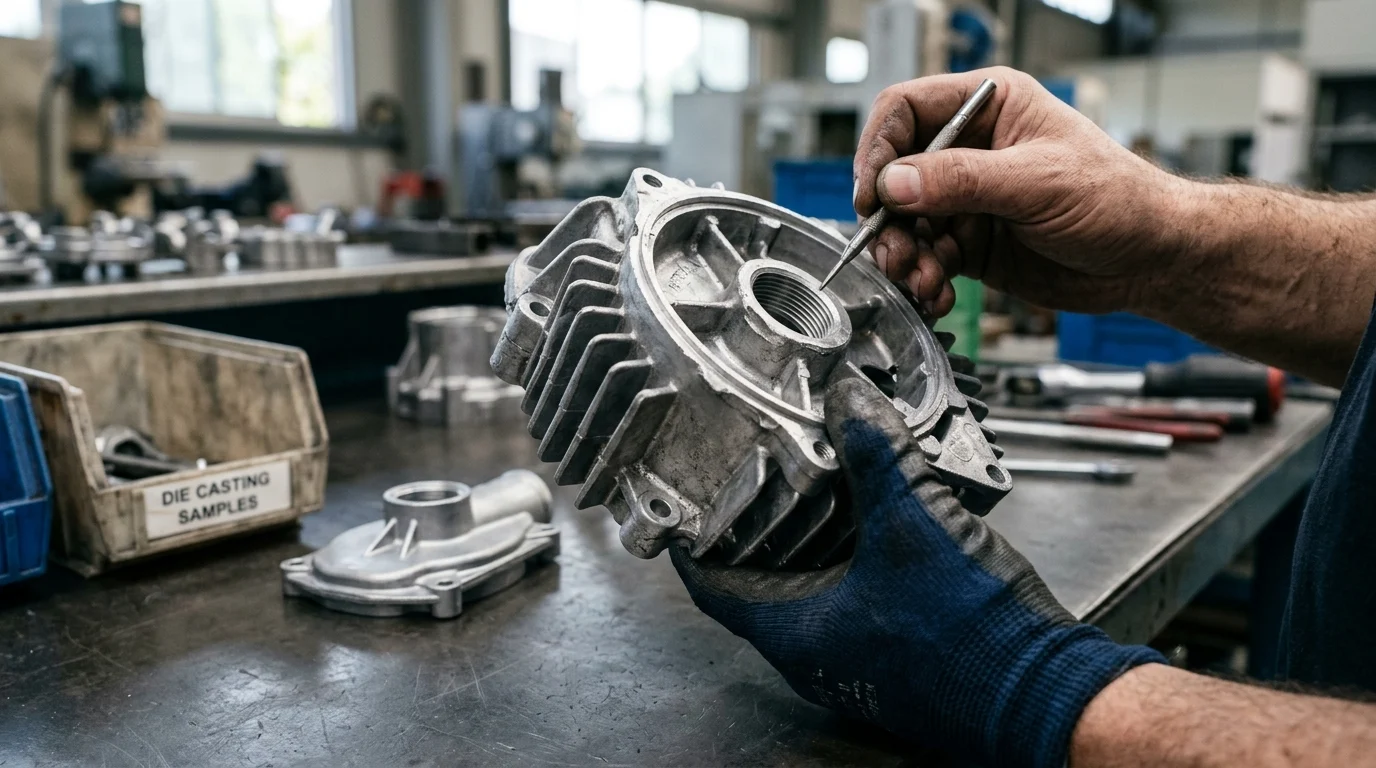
Selecting the optimal manufacturing route requires a holistic review of the product's lifecycle, supply chain requirements, and technical specifications. A structured evaluation prevents costly misalignments between component design and process capabilities.
Key Project Inputs to Review
Engineers must evaluate three critical inputs: mass, material, and volume. If the part weighs more than 150 grams, metal injection molding is almost universally disqualified due to exorbitant feedstock costs and debinding limitations.
Material requirements are equally decisive; if the application demands the hardness, corrosion resistance, or magnetic properties of stainless steel or titanium, die casting is technically impossible. Finally, volume dictates feasibility. Projects requiring fewer than 5,000 units annually will struggle to amortize the tooling costs for either process, making CNC machining or additive manufacturing more viable alternatives.
How to Evaluate Supplier Capability and Quality Control
Partnering with the right manufacturer requires rigorous vetting of their quality management systems. For metal injection molding, the supplier's control over feedstock blending and furnace atmosphere is paramount. Buyers should look for strict adherence to ISO 9001 and request historical data on dimensional stability across multiple sintering batches.
For die casting, particularly in automotive or aerospace applications, IATF 16949 certification is often mandatory. Buyers must audit the die caster's thermal management capabilities, shot-monitoring technology, and secondary machining infrastructure. Acceptable defect rates should be negotiated upfront, with top-tier suppliers consistently maintaining defect rates below 500 Parts Per Million (PPM).
When Each Process Is the Better Fit
The decision ultimately hinges on aligning the component's physical traits with the process's economic strengths. Die casting is the definitive choice for large, structural components requiring low-cost materials, excellent heat dissipation, and rapid production cycles. It dominates automotive housings, telecommunications enclosures, and consumer electronics chassis.
Conversely, metal injection molding is the superior fit for micro-sized, highly intricate components that require the mechanical properties of steel or titanium. It is the preferred method for medical forceps, orthodontic brackets, firearm trigger mechanisms, and complex aerospace fasteners.
| Project Requirement | Recommended Process | Primary Reason |
|---|---|---|
| Part weight > 150g | Die Casting | MIM feedstock is too expensive; thick walls fail in debinding. |
| Requires Stainless Steel | MIM | Die casting cannot process ferrous metals due to high melting points. |
| High thermal conductivity | Die Casting | Aluminum alloys offer superior heat dissipation for electronics. |
| Complex internal cavities | MIM | Excels at intricate geometries without secondary machining. |
| Tight budget for raw material | Die Casting | Aluminum ingots ($2-$4/kg) are vastly cheaper than MIM feedstock. |
Key Takeaways
- The most important conclusions and rationale for Die Casting
- Specs, compliance, and risk checks worth validating before you commit
- Practical next steps and caveats readers can apply immediately
Frequently Asked Questions
When should I choose die casting over metal injection molding?
Choose die casting for medium-to-high volumes of non-ferrous parts, especially aluminum or zinc, when you need fast cycle times and lower unit cost at scale.
When is metal injection molding the better option?
MIM is better for very complex, small metal parts with fine details, like internal channels or gear teeth, where machining would be costly.
Can die casting make stainless steel parts?
No. Die casting is mainly for non-ferrous metals, so stainless steel parts are usually better suited to MIM or another process.
How do tooling costs compare between die casting and MIM?
Die casting tooling is usually higher, often $15,000 to over $100,000. MIM tooling is generally lower, about $5,000 to $50,000.
What production volume makes these processes worthwhile?
Both processes usually make sense around 10,000+ units. Die casting becomes especially cost-effective above 100,000 parts per year.