


Exploring Metal-Ceramic Dental Restorations
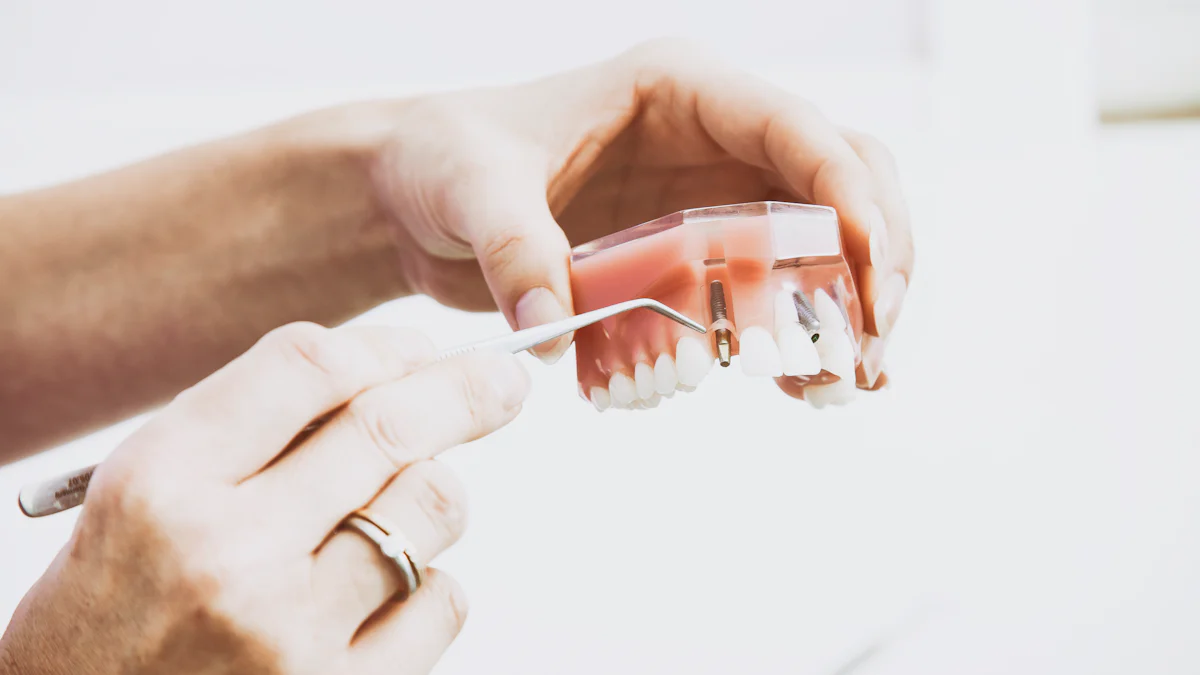
Dental restorations play a crucial role in maintaining oral health and aesthetics. Among various options, metal-ceramic restorations, known for their unique blend of strength and beauty, stand out. These metal-ceramic restorations combine the durability of metal alloys with the natural appearance of Ceramic Materials. Studies show that metal-ceramic systems, including metal ceramics, boast impressive success rates, with 95% to 100% survival after 3, 5, and 10 years. Their biocompatibility and aesthetic appeal make metal-ceramic restorations a preferred choice in modern dentistry, ensuring both functionality and a pleasing smile for patients.
Understanding Metal-Ceramic Restorations
Composition and Materials
Metal-ceramic restorations rely on a harmonious blend of materials to achieve both strength and aesthetic appeal. The composition of these restorations involves two primary components: metals and ceramics.
Types of Metals Used
The metal framework forms the backbone of metal-ceramic restorations. Dentists often choose metals based on their properties such as tensile strength, compressive strength, and corrosion resistance. Commonly used metals include:
- Gold Alloys: Known for their biocompatibility and ease of use.
- Palladium Alloys: Offer excellent corrosion resistance.
- Nickel-Chromium Alloys: Provide high strength and durability.
These metals ensure that the restoration can withstand the forces of chewing and biting, making them ideal for posterior crowns.
Ceramic Materials and Their Properties
Ceramic materials cover the metal framework, providing a natural appearance. Porcelain is the most frequently used ceramic due to its ability to mimic the translucency and color of natural teeth. Key properties of ceramic materials include:
- Aesthetic Appeal: Ceramics offer a natural look that blends seamlessly with existing teeth.
- Biocompatibility: They are safe for use in the mouth and do not cause adverse reactions.
- Wear Resistance: Ceramics resist wear, maintaining their appearance over time.
The combination of these materials results in a restoration that is both functional and visually pleasing.
Manufacturing Process
Creating metal ceramic restorations involves precise techniques to ensure a perfect fit and finish. The process includes both laboratory and clinical techniques.
Laboratory Techniques
In the laboratory, technicians follow a detailed procedure to craft the restoration. The process begins with obtaining a metal support, which serves as the foundation. Technicians then apply ceramic layers through a firing process. This step ensures that the ceramic adheres securely to the metal, meeting both functional and aesthetic requirements. The laboratory process demands accuracy to achieve the desired outcome.
Clinical Techniques
Clinicians play a crucial role in the success of metal ceramic restorations. They begin by preparing the tooth and taking an impression, which serves as a model for the laboratory. Once the restoration is ready, clinicians carefully fit it to the patient's tooth, ensuring comfort and functionality. They make adjustments as necessary to achieve a perfect fit. This collaboration between the laboratory and clinical settings ensures the restoration meets the patient's needs.
Metal ceramic restorations continue to be a cornerstone in restorative dentistry. Their unique combination of materials and meticulous manufacturing process results in durable and aesthetically pleasing outcomes.
Advantages of Metal-Ceramic Restorations
Durability and Strength
Metal ceramic restorations offer remarkable durability and strength, making them a reliable choice for dental patients. These restorations withstand the rigors of daily use, providing long-lasting solutions for dental issues.
Longevity of Restorations
Metal ceramic crowns and bridges exhibit impressive longevity. Studies indicate that these restorations maintain a success rate of 97% during the first seven and a half years. Even after a decade, 95% of these restorations remain intact. This longevity ensures that patients enjoy the benefits of their dental work for many years, reducing the need for frequent replacements.
Resistance to Wear and Tear
The combination of metal and ceramic materials in these restorations contributes to their resistance to wear and tear. The metal framework provides a sturdy base, while the ceramic overlay offers a hard, wear-resistant surface. This dual-layer construction allows metal ceramic restorations to endure the forces of chewing and biting without significant degradation over time.
Aesthetic Benefits
In addition to their strength, metal ceramic restorations provide aesthetic advantages that enhance the patient's smile. These restorations blend seamlessly with natural teeth, offering a pleasing appearance.
Natural Appearance
The ceramic component of metal ceramic restorations mimics the translucency and color of natural teeth. This quality allows the restorations to blend harmoniously with the patient's existing teeth, creating a natural and attractive smile. Patients often appreciate this aesthetic benefit, as it boosts their confidence and satisfaction with their dental work.
Customization Options
Dentists can customize metal ceramic restorations to meet the specific needs and preferences of each patient. They can adjust the shade and shape of the ceramic to match the patient's natural teeth, ensuring a personalized fit. This customization enhances the overall appearance and functionality of the restoration, providing a tailored solution for each individual.
Metal ceramic restorations continue to be a popular choice in dentistry due to their durability, strength, and aesthetic appeal. By combining the best properties of metal and ceramic materials, these restorations offer patients a reliable and visually pleasing option for dental care.
Comparative Analysis with Other Restorations
Metal-Ceramic vs. All-Ceramic
Strength Comparison
Metal ceramic restorations excel in strength compared to all-ceramic options. The metal framework provides a robust foundation, reducing the risk of fracture. This durability makes metal ceramic restorations ideal for areas subjected to high biting forces, such as molars. In contrast, all-ceramic restorations, while aesthetically pleasing, often face technical challenges like chipping. Dentists prefer metal ceramic systems for their reliability and longevity, ensuring patients receive durable dental solutions.
Aesthetic Differences
Both metal ceramic and all-ceramic restorations offer aesthetic benefits, but they achieve them differently. Metal ceramic restorations combine the strength of metal with the natural look of ceramics, providing excellent aesthetic results. The ceramic overlay mimics the translucency of natural teeth, blending seamlessly with the patient's smile. All-ceramic restorations, however, offer superior translucency and color matching, making them a preferred choice for front teeth where appearance is paramount. Despite this, metal ceramic restorations still deliver outstanding aesthetic outcomes, especially when strength is a priority.
Metal-Ceramic vs. Metal-Only
Cost Considerations
When comparing costs, metal ceramic restorations often present a more economical option than metal-only restorations. The combination of metal and ceramic materials allows for a balance between cost and performance. Metal-only restorations, while strong, may not provide the same aesthetic appeal, potentially leading to additional expenses for cosmetic enhancements. Metal ceramic restorations offer a cost-effective solution by delivering both durability and visual appeal in one package.
Clinical Applications
Metal ceramic restorations find diverse applications in clinical settings. They are suitable for single tooth restorations and full mouth reconstructions, offering versatility in treatment planning. The metal framework ensures stability, while the ceramic overlay provides a natural appearance. Metal-only restorations, on the other hand, are typically reserved for situations where aesthetics are less of a concern, such as in posterior teeth. Dentists often choose metal ceramic restorations for their ability to meet both functional and aesthetic needs, making them a popular choice in modern dentistry.
Clinical Applications and Case Studies
Common Clinical Scenarios
Metal ceramic restorations find widespread use in various clinical scenarios due to their durability and aesthetic appeal. Dentists often choose these restorations for both single tooth restorations and full mouth reconstructions.
Single Tooth Restorations
In single tooth restorations, metal ceramic crowns provide a reliable solution. Dentists select these crowns for their strength and ability to withstand biting forces. The metal framework offers a sturdy base, while the ceramic overlay ensures a natural appearance. Patients benefit from the longevity of these restorations, which maintain their integrity over many years. The combination of metal and ceramic materials makes these crowns ideal for posterior teeth, where strength is crucial.
Full Mouth Reconstructions
For full mouth reconstructions, metal ceramic restorations offer versatility and effectiveness. Dentists use them to restore multiple teeth, ensuring both functionality and aesthetics. The metal framework provides stability across the dental arch, while the ceramic overlay delivers a pleasing appearance. These restorations help patients regain their oral health and confidence, offering a comprehensive solution for extensive dental work.
Case Studies
Examining case studies highlights the success and lessons learned from using metal ceramic restorations in clinical practice.
Successful Outcomes
Case Study 1: Restoring Functionality and Aesthetics
A patient presented with significant wear on their molars. The dentist opted for metal ceramic crowns due to their strength and aesthetic qualities. Over five years, the crowns maintained their appearance and function, demonstrating the durability of metal ceramic restorations. The patient reported satisfaction with the natural look and feel of their restored teeth.
Case Study 2: Comprehensive Full Mouth Reconstruction
In another case, a patient required a full mouth reconstruction. The dentist used metal ceramic bridges and crowns to restore the patient's bite and smile. The treatment plan included careful material selection and precise manufacturing techniques. After seven years, the restorations remained intact, showcasing the long-term success of metal ceramic systems.
Lessons Learned
Customization and Material Selection: Dentists learned the importance of customizing restorations to match the patient's natural teeth. Selecting the right metal and ceramic materials proved crucial for achieving both strength and aesthetics.
Collaboration Between Clinicians and Technicians: Successful outcomes depended on effective collaboration between clinicians and dental technicians. Accurate impressions and precise laboratory work ensured a perfect fit and finish for the restorations.
Metal ceramic restorations continue to play a vital role in modern dentistry. Their application in various clinical scenarios and the insights gained from case studies underscore their value in providing durable and aesthetically pleasing dental solutions.
Metal-ceramic restorations offer numerous benefits, including durability, strength, and aesthetic appeal. They serve as a reliable choice for various dental applications, from single tooth restorations to full mouth reconstructions. Scientific Research Findings indicate that metal-ceramic systems remain the gold standard for posterior tooth restorations, despite the rise of all-ceramic alternatives like zirconia. Future trends in dental restorations may see innovations in material compatibility and manufacturing techniques. Practitioners should consider metal-ceramic options for their proven track record and adaptability in meeting both functional and aesthetic needs.