

How Foundry Casting Actually Works

Metal castings are essential to 90% of all manufactured goods. Foundry casting remains one of the most basic manufacturing processes that shapes our modern world.
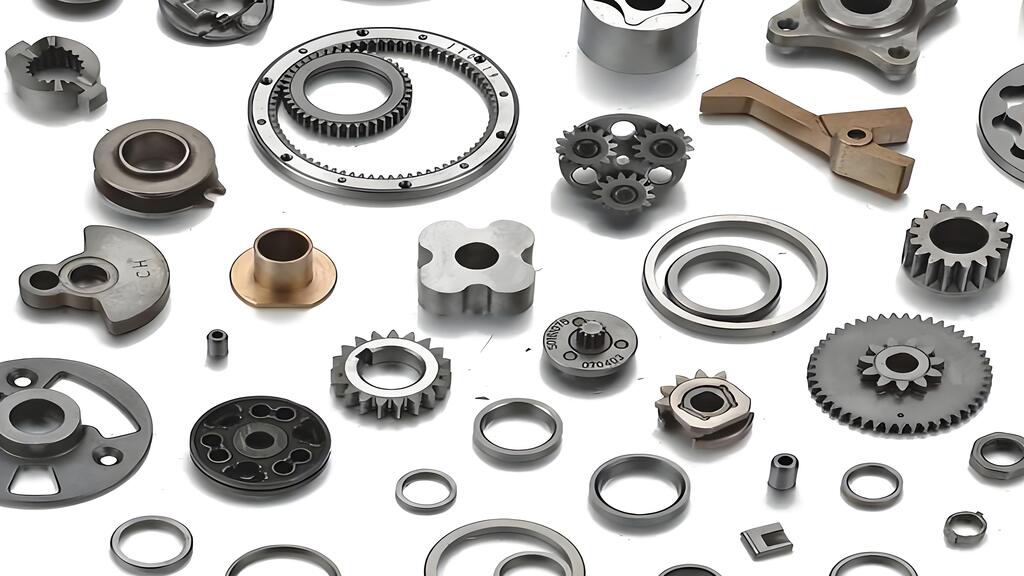
A foundry serves as a specialized workshop where metals melt and transform into shapes. These facilities create large volumes of complex Metal Parts through economical solutions. Skilled workers can produce intricate shapes and durable components that other methods simply can't match. The versatility of foundries allows them to work with metals like iron, steel, aluminum, brass, bronze, and zinc. This makes them vital production centers for countless industries.
Foundry metal casting's global reach shows remarkable numbers. The United States holds its position as the world's second-largest cast metal producer with 12,250,000 metric tons yearly. China leads the pack by producing over 44,500,000 metric tons. Foundries also drive the manufacturing recycling movement. They melt and recast millions of tons of scrap metal each year to create new durable goods. This piece takes you through the complete foundry process and shows how molten material becomes precision components.
Understanding the Role of a Metal Foundry

Metal foundries are the backbone of manufacturing industries worldwide. These specialized facilities melt and shape metals into specific forms that become building blocks for countless products. Their reach and influence go way beyond their factory walls. Both ferrous and non-ferrous foundries create components that power everything from vehicles to aircraft.
Definition of a Foundry vs Casting Process
A foundry is a manufacturing facility that melts metals and pours them into molds to create specific shapes. Casting is the actual process where liquid material flows into a mold, solidifies, and comes out as the finished product. The difference between these terms matters because people often use them interchangeably. They represent two separate concepts - one is the physical workshop, while the other is the technical procedure. A foundry gives you the environment, equiPment, and expertise. Casting is the method that turns raw metals into usable components.
Types of Foundries: Ferrous and Non-Ferrous
The main difference between foundries comes from their work with ferrous or non-ferrous metals. Ferrous foundries work with iron-based metals that contain much iron, such as cast iron and steel. These facilities make components known for exceptional strength. They play a vital role in construction, machinery, and infrastructure. Non-ferrous foundries work with metals that have little iron content - aluminum, copper, brass, bronze, zinc, and precious metals. These components are valued for their light weight, corrosion resistance, and ability to conduct electricity.
Common Applications in Automotive and Aerospace
The automotive industry needs foundry castings for critical components. Iron foundries produce vital vehicle parts like brake rotors, calipers, suspension components, engine blocks, and transmission housings. The worldwide market for automotive casting products grows at about 5% CAGR. This growth shows their lasting value in vehicle manufacturing.
Aerospace applications use investment casting to produce high-strength metal parts that meet aircraft components' strict requirements. Aerospace foundries typically work with specialized alloys. These include nickel-based superalloys, titanium, and stainless steel to create turbine blades, engine mounts, landing gear components, and safety-critical parts. Investment casting achieves precision that allows complex cooling channels and intricate geometries. This precision optimizes efficiency and durability in harsh operating environments.
Step-by-Step Breakdown of the Foundry Casting Process

The foundry casting process changes raw metal into precisely shaped components through specialized operations. Quality control and expertise play vital roles at each step to create the final product.
Pattern Making and Mold Preparation
Pattern creation marks the beginning of the foundry process. A replica of the desired part serves as the pattern, made slightly larger to account for metal shrinkage during cooling. Patterns can be crafted from wood, plastic, metal, or clay. Modern facilities now use computer-generated models and 3D printing technology. Workers pack sand around the pattern in a two-piece container called a flask to prepare the mold. They compact sand in both the bottom half (drag) and top half (cope) to capture every detail of the pattern. The pattern comes out carefully, leaving a cavity that shapes the casting.
Core Insertion for Hollow Sections
Cores prove essential when castings need internal cavities or complex hollow sections. Sand and binders make up these inserts that create spaces where molten metal shouldn't flow. Workers manufacture cores separately using hot-box or cold-box methods and position them precisely within the mold cavity before closing it. Chaplets—small metal supports that become part of the final casting—prevent cores from floating or moving during pouring.
Melting and Alloying in Induction or Cupola Furnaces
Two types of furnaces handle metal melting. Electromagnetic fields in induction furnaces heat metal with precise temperature control and clean melting conditions. Tall, chimney-like cupola furnaces burn coke to generate heat, making them ideal for continuous high-volume production of cast iron. Molten metal temperatures typically range between 1317°C and 1757°C. The specific alloy determines the required temperature.
Pouring Molten Metal into the Mold
Workers transfer the melted metal to ladles for pouring and remove impurities from the surface. The pouring technique must ensure smooth metal flow with minimal turbulence to avoid defects. Foundry technicians keep the ladle close to the mold opening, which reduces oxidation and turbulence.
Solidification and Cooling Time Considerations
Solidification starts when the molten metal begins cooling. The mold walls initiate the cooling process, and crystals form to create the casting's grain structure. Casting size, wall thickness, and material affect cooling time substantially. Small castings might cool in 10-30 minutes, while large ones need 10-36 hours. The metal must cool properly to prevent defects like shrinkage cavities, cracks, and poor mechanical properties.
Post-Casting Operations and Finishing Techniques

A casting starts its trip through finishing operations right after it solidifies. These steps turn a rough casting into a working part. The quality, looks, and performance of the final product depend on these techniques.
Shakeout and Removal of Mold Material
The casting separates from its mold after the molten metal hardens. This process is called "shakeout." The timing here is vital. Taking the casting out too early can lead to unwanted chemical reactions or "galvanizing embrittlement". Most foundries use vibration tables that shake the mold hard. This makes the sand fall off the casting through holes for reuse. Small shops might do this by hand. Workers use tongs to pull out the casting and tap it to clear away leftover material.
Fettling: Removing Runners, Risers, and Flash
Fettling cuts away extra material from the casting. This removes:
- Sprues and gates (metal entry channels)
- Risers (shrinkage prevention reservoirs)
- Flash (extra metal along mold lines)
- Runners (channels that spread metal)
Workers cut these parts off with oxy-acetylene torches, saws, or grinders. Flash—thin metal layers form when molten metal leaks between mold halves. Clean edges need extra attention here.
Heat Treatment for Mechanical Properties
Heat treatment improves casting properties a lot through controlled heating and cooling. Common methods include:
- Annealing: Makes metal softer and more flexible with slow heating and cooling
- Normalizing: Heats metal past critical temperature then air cools it for even grain structure
- Quenching: Cools hot metal faster in water, oil, or polymer to make it harder and stronger
- Tempering: Follows quenching to reduce brittleness while keeping strength
These steps improve tensile strength, fatigue resistance, and corrosion resistance.
Surface Cleaning: Shot Blasting and Sanding
Shot blasting shoots small steel balls or abrasive materials at castings to remove tough sand, scale, and dirt. This cleans the surface and creates textures that help paint stick better. Equipment ranges from tumble belt machines for small parts to spinner hanger systems for big or delicate pieces.
Sanding creates smooth surfaces using finer grits progressively from 60-80 up to 220-240. Different metals need different approaches. Aluminum works better with finer grits and lubricants. Steel can handle rougher sanding.
Final Machining and Dimensional Accuracy
Casting gets parts close to their final shape, but many jobs just need tighter tolerances. Turning, milling, and grinding remove extra material for exact dimensions. This creates smooth surfaces, threads, holes, and fitting points for proper assembly.
Machining helps spot hidden defects before parts go into service. It costs more, but you can't skip it for parts that need exact measurements or work in tough conditions.
Safety, Layout, and Efficiency in Foundry Design

Foundry environments create unique challenges that need careful attention to safety and efficiency. A well-designed foundry reduces workplace injuries and improves production outcomes.
High-Temperature Safety Protocols
Foundries operate at temperatures above 1425°C, which creates major heat-related hazards. Workers need proper heat stress management because they work near incandescent melting pots that range from 800°C to 1500°C. OSHA regulations require complete Heat Injury and Illness Prevention Plans (HIIPP) with engineering controls, administrative measures, and emergency response procedures. New workers must adapt to heat exposure through gradual increases over several days.
Foundry Floor Layout for Efficient Metal Flow
The right foundry layout cuts material handling distances and removes crisscrossing process paths. A case study showed that better workstation positions cut transportation distances from 467.7m to 198.3m. This led to a 58% decrease in throughput time. Production efficiency improves with well-placed weighbridges and direct paths between workstations that interact.
Use of PPE and Fire-Resistant Materials
Foundry workers need specialized protection, including:
- Molten metal protective clothing made from aluminized fabrics
- Heat-resistant gloves and foot protection with metatarsal guards
- Respiratory protection against dust and fumes
- Hard hats and face shields for complete protection
Fire-resistant materials help control heat and prevent fire hazards. These materials ensure compliance with industry safety standards.
Automation and Robotics in Modern Foundries
Robotic systems now handle dangerous tasks like molten metal pouring and material movement. Automation has cut workplace injuries in foundries, and some facilities report 15% increases in overall production. This is a big deal as it means that automated pouring systems have reduced scrap by 40% or more while making the process more consistent with better quality.
Conclusion
Modern manufacturing's lifeblood remains foundry casting. This age-old craft transforms raw metals into precision components that drive countless industries. What started as primitive methods has evolved into sophisticated processes that blend automation and robotics while staying true to basic metallurgical principles.
Creating a finished part from molten metal requires several specialized steps. The process begins with pattern creation, which sets the stage for careful mold preparation to capture every detail. Complex hollow sections come to life through core insertion. The right metal composition depends on proper melting techniques. The newly formed castings cool under controlled conditions after careful pouring. Final machining delivers dimensional accuracy after the castings go through finishing operations like shakeout, fettling, heat treatment, and surface cleaning.
A well-laid-out foundry design puts efficiency and worker safety first. These high-temperature environments need strict protocols, specialized protective equipment, and smart workflow patterns. On top of that, modern facilities use automation to handle dangerous tasks. This reduces workplace injuries and makes production more consistent.
This industry's global impact speaks volumes. China produces over 44 million metric tons each year, leading worldwide production. The United States holds strong as the second-largest producer. The industry's environmentally responsible manufacturing shows in its metal recycling programs. These programs turn millions of tons of scrap into new durable goods yearly.
Without doubt, foundry casting will keep its vital role in manufacturing as technologies advance and needs grow. This ancient craft has been refined through centuries of breakthroughs. It bridges our industrial past with manufacturing's future by turning molten metal into components that build our world.
Key Takeaways
Understanding foundry casting reveals how 90% of manufactured goods depend on this fundamental process that transforms molten metal into precision components through specialized techniques and equipment.
• Foundries operate as specialized facilities melting metals at 1317-1757°C, with ferrous foundries handling iron-based metals and non-ferrous working with aluminum, copper, and other alloys
• The casting process follows five critical steps: pattern making, core insertion for hollow sections, metal melting in furnaces, precise pouring, and controlled cooling times
• Post-casting operations including shakeout, fettling, heat treatment, and surface cleaning transform rough castings into finished components meeting exact specifications
• Modern foundry design prioritizes worker safety through specialized PPE, heat stress protocols, and automation that reduces injuries while improving production efficiency by up to 15%
• Global foundry production exceeds 56 million metric tons annually, with China leading at 44.5 million tons and the US producing 12.25 million tons
The foundry industry continues evolving through automation and robotics while maintaining its essential role in manufacturing everything from automotive components to aerospace parts, proving that this ancient craft remains indispensable in modern production.
FAQs
Q1. What is the foundry casting process? The foundry casting process involves melting metal, pouring it into molds, allowing it to solidify, and then finishing the resulting parts. It includes steps like pattern making, mold preparation, core insertion, melting and pouring metal, cooling, and post-casting operations like fettling and heat treatment.
Q2. What are the main types of foundries? There are two main types of foundries: ferrous and non-ferrous. Ferrous foundries work with iron-based metals like cast iron and steel, while non-ferrous foundries handle metals such as aluminum, copper, brass, and zinc.
Q3. How does automation impact modern foundries? Automation in modern foundries has significantly improved safety and efficiency. Robotic systems now handle dangerous tasks like pouring molten metal, reducing workplace injuries. Some facilities report up to 15% increases in overall production and 40% reductions in scrap due to automated processes.
Q4. What safety measures are crucial in foundry operations? Key safety measures in foundries include high-temperature safety protocols, proper use of Personal Protective Equipment (PPE), implementation of fire-resistant materials, and comprehensive Heat Injury and Illness Prevention Plans (HIIPP). These measures help protect workers from heat-related hazards and other risks associated with foundry work.
Q5. How important is the foundry industry globally? The foundry industry plays a crucial role in global manufacturing. China leads worldwide production with over 44 million metric tons annually, while the United States is the second-largest producer at 12.25 million metric tons. Foundries contribute significantly to sustainable manufacturing through metal recycling, transforming millions of tons of scrap into new products each year.