


How Sintered Gears Enhance Industrial Durability in 2025
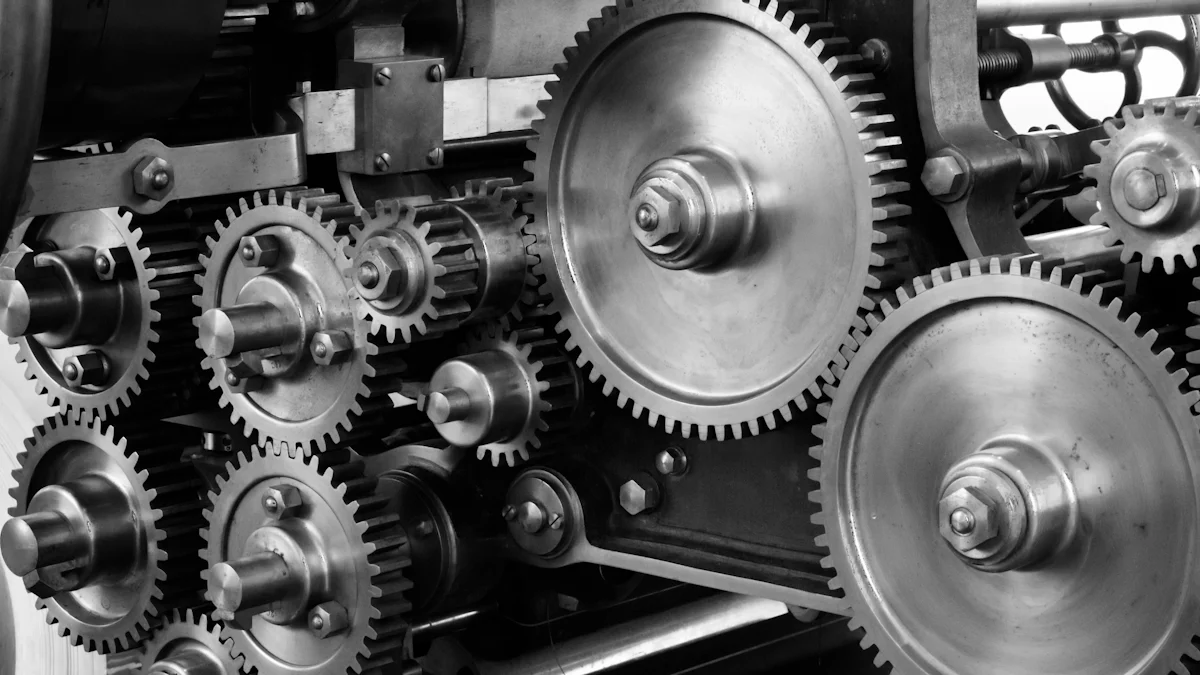
I’ve seen how industries demand components that can endure extreme conditions while maintaining efficiency. Sintered Gears meet this need by combining advanced material science with precision engineering. Their lightweight yet durable design makes them indispensable, especially in electric vehicles and compact machinery. With innovations in sintered-gears manufacturing, these gears now offer unmatched reliability and eco-friendly production.
📊 Key Trends in 2025:
Trend/Challenge Description Adoption in EVs Increasing use of sintered gears in electric vehicles for lightweight strength. Advancements in Manufacturing Powder Metallurgy enhances precision and efficiency. Sustainability Shift Eco-friendly processes using recyclable materials. Miniaturization Demand Compact gear systems drive new opportunities.
Key Takeaways
- Sintered gears are strong but light, perfect for small machines and EVs.
- They lubricate themselves, cutting maintenance time and saving money.
- Eco-friendly production of sintered gears lowers waste and supports green goals.
Understanding Sintered Gears
What Are Sintered Gears?
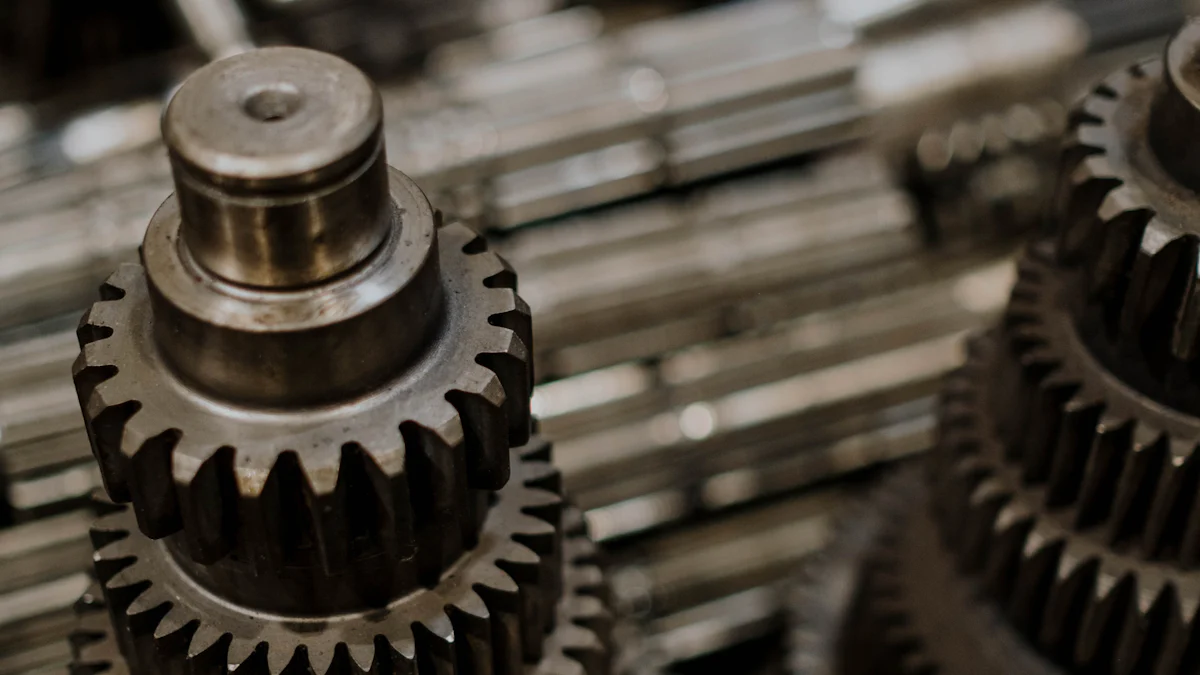
I’ve always been fascinated by how sintered gears redefine industrial manufacturing. These gears are created through a process called powder metallurgy, where metal powders are compacted and sintered under high heat. This method produces gears with exceptional strength and precision, making them ideal for demanding applications. Unlike traditional gears, sintered gears achieve near-net shapes during production, which minimizes material waste and eliminates the need for extensive finishing.
The materials used in their production play a critical role in their durability. Manufacturers often use ferrous and non-ferrous alloys, carefully selected for their ability to withstand high loads and friction. The sinter-hardening process further enhances their structural integrity, ensuring they perform reliably in high-stress environments. This combination of advanced materials and innovative sintered-gears-manufacturing techniques allows these gears to meet the rigorous demands of modern industries.
Unique Properties of Sintered Gears
Sintered gears stand out due to their unique properties. Their porous structure gives them self-lubricating capabilities, reducing the need for external lubrication and improving operational efficiency. I’ve seen how this feature alone can significantly lower maintenance costs in industrial settings. Additionally, these gears can be impregnated with specific materials to enhance characteristics like wear resistance or thermal stability.
The sintering process also allows for the creation of intricate designs that traditional methods struggle to achieve. This flexibility enables manufacturers to produce complex shapes at a lower cost, making sintered gears a cost-effective solution. Their high material utilization and reduced waste contribute to environmentally friendly manufacturing, aligning with the sustainability goals of 2025.
In my experience, the ability to customize sintered gears for specific applications makes them invaluable across industries. Whether it’s their precision, durability, or eco-friendly production, these gears continue to set new standards in sintered-gears-manufacturing.
Key Durability Challenges in 2025
Wear and Tear in High-Stress Environments
I’ve observed that industrial environments in 2025 demand components capable of withstanding extreme stress. Gears often face immense pressure, high rotational speeds, and continuous friction. These conditions accelerate wear and tear, leading to frequent breakdowns. Traditional gears struggle to maintain their integrity under such circumstances. Sintered gears, however, excel in these environments. Their sinter-hardening process enhances hardness and wear resistance, ensuring they endure heavy loads without compromising performance. This durability makes them indispensable in industries like automotive and heavy machinery, where reliability is non-negotiable.
Environmental Factors Impacting Durability
Environmental conditions play a significant role in gear longevity. I’ve seen how factors like temperature, humidity, and corrosion can degrade gear performance over time. For instance:
- High humidity increases corrosion rates, weakening gear structures.
- Extreme temperatures alter material properties, reducing strength.
- Poor design can trap water or debris, exacerbating corrosion risks.
Sintered-gears-manufacturing addresses these challenges effectively. Manufacturers use corrosion-resistant alloys like stainless steel and apply surface treatments such as galvanizing to protect against environmental damage. Heat-treating processes further enhance resistance, ensuring gears perform reliably even in harsh conditions.
Demand for Cost-Effective, Long-Lasting Solutions
Industries today prioritize cost efficiency without sacrificing quality. I’ve noticed that traditional machined gears often come with higher upfront costs due to labor-intensive processes and material waste. Sintered gears, on the other hand, offer a more economical alternative. Their production minimizes waste and energy consumption, reducing initial investment. Additionally, their durability translates to lower maintenance costs over time. This balance of affordability and performance makes sintered gears a preferred choice for modern industrial applications.
Technological Advancements in Sintered-Gears-Manufacturing
Innovations in Material Science
I’ve seen remarkable breakthroughs in material science that have transformed sintered-gears-manufacturing. Engineers now use custom alloys and fine carbides to enhance wear resistance, significantly extending the lifespan of these gears. Lubricant impregnation has also become a game-changer, reducing friction and improving performance in high-stress environments.
The porous structure of sintered gears offers another advantage. It absorbs vibrations, which dampens noise during operation. This feature is especially valuable in industries like automotive, where quieter machinery improves user experience. Powder metallurgy has also enabled the creation of complex geometries, allowing manufacturers to design intricate shapes that traditional methods cannot achieve. These advancements ensure that sintered gears meet the rigorous demands of modern applications.
Advanced Manufacturing Techniques
The precision of sintered-gears-manufacturing has reached new heights thanks to advanced techniques. I’ve observed how the fusion of metal particles during the sintering process enhances both strength and durability. This meticulous process ensures that the gears can withstand high loads and friction, making them ideal for demanding applications like automotive engines and heavy machinery.
Manufacturers now use powder molding to achieve near-net shapes, reducing material waste and production costs. Impregnated lubrication and custom alloys further improve wear properties, ensuring these gears perform reliably over time. The sinter-hardening process optimizes material efficiency, making production more sustainable while maintaining exceptional quality.
Integration with Smart Technologies
The integration of smart technologies has revolutionized sintered-gears-manufacturing. I’ve seen how sensors embedded in these gears provide real-time data on performance metrics like temperature, load, and wear. This data allows industries to predict maintenance needs, reducing downtime and improving operational efficiency.
Smart technologies also enable adaptive manufacturing processes. Machines can now adjust parameters like pressure and temperature during sintering to achieve optimal results. This level of precision ensures that every gear meets exact specifications, enhancing reliability across various applications. As industries embrace automation, the role of smart technologies in manufacturing will only grow, driving further innovation in sintered gears.
Practical Benefits of Sintered Gears
Reduced Maintenance and Downtime
I’ve seen how maintenance costs and unexpected downtime can cripple industrial operations. Sintered gears address this challenge with their exceptional durability and self-lubricating properties. Their porous structure allows for lubricant impregnation, reducing friction and wear during operation. This feature minimizes the need for frequent lubrication, saving time and resources. Additionally, the sinter-hardening process enhances their surface hardness, ensuring they withstand heavy loads and high rotational speeds without degradation. By using sintered gears, industries can achieve longer operational cycles and fewer interruptions, which directly improves productivity.
Cost Savings for Industrial Operations
Sintered gears offer significant cost advantages over their lifecycle. Their production process, based on powder metallurgy, reduces material waste and energy consumption. Unlike traditional machined gears, which require specialized equipment and skilled labor, sintered gears are more economical to produce. This makes them ideal for high-volume applications where cost efficiency is critical. Over time, their durability and reduced maintenance needs further contribute to savings. I’ve noticed that industries adopting sintered gears benefit from lower initial expenses and long-term operational cost reductions, making them a smart choice for budget-conscious projects.
Enhanced Performance and Reliability
The performance metrics of sintered gears demonstrate their reliability in demanding industrial settings. Their ability to achieve complex geometries with tight tolerances ensures precise and consistent performance. The sintering process enhances material efficiency, reducing waste while maintaining structural integrity. These gears also exhibit superior wear resistance and strength, enabling them to handle heavy loads and harsh environments.
| Performance Metric | Description |
|---|---|
| Precision and Complex Geometry | Achievable complex shapes with minimal post-processing and tight tolerances for accurate performance. |
| High Material Efficiency | Reduced waste in manufacturing compared to traditional methods, leading to cost savings. |
| Strength and Wear Resistance | High surface hardness and structural integrity for durability under heavy loads and superior wear resistance. |
| Cost-Effectiveness | Efficient production minimizes costs, ideal for high-volume manufacturing without quality compromise. |
I’ve seen how these attributes make sintered gears a reliable and high-performing solution for industries requiring consistent, long-lasting components.
Case Studies or Examples
Automotive Industry Applications
I’ve seen firsthand how sintered gears have revolutionized the automotive industry. Their precision and durability make them indispensable in critical components. For example:
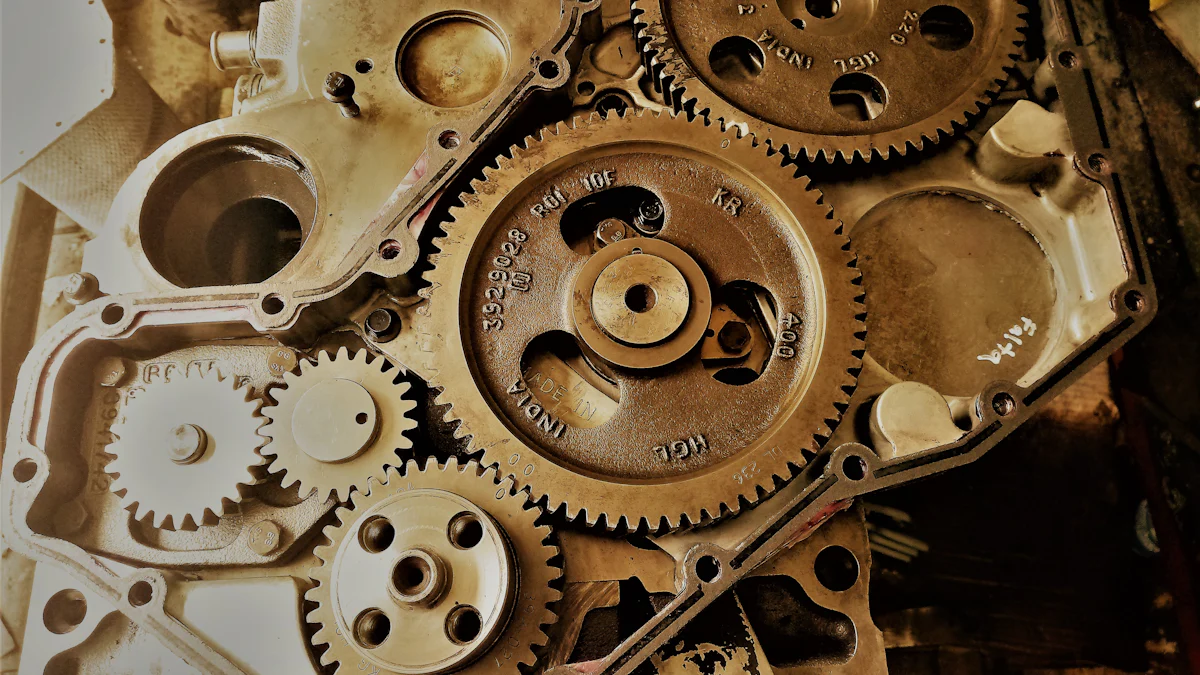
- Transmission gears benefit from their high wear resistance and ability to handle extreme rotational speeds.
- Engine timing gears rely on their dimensional accuracy to ensure smooth operation.
- Differential gears use their strength and reliability to manage torque distribution effectively.
These applications highlight the versatility of sintered gears. Their ability to achieve complex geometries with tight tolerances ensures seamless integration into modern vehicles. I’ve noticed that their lightweight design also contributes to improved fuel efficiency, aligning with the automotive industry's push for sustainability in 2025.
Heavy Machinery and Equipment Use Cases
Sintered gears play a vital role in heavy machinery and industrial equipment. I’ve observed how their cost-effective production and high material efficiency make them a preferred choice for manufacturers. Their ability to create intricate shapes that traditional machining cannot achieve allows for innovative designs in machinery.
Key benefits include:
- High surface hardness and structural integrity, ensuring durability under heavy loads.
- Adaptability and reliability in applications like industrial machinery and automotive engines.
- Suitability for high-volume manufacturing without compromising quality.
These features make sintered gears ideal for demanding environments. Their performance under extreme stress and heavy loads ensures consistent operation, reducing downtime and maintenance costs.
Success Stories from Leading Companies
Several leading companies have embraced sintered gears to enhance their operations. I’ve seen automotive giants integrate these gears into their electric vehicle transmissions, achieving lightweight strength and improved efficiency. Heavy equipment manufacturers have adopted sintered gears for their ability to withstand harsh conditions while maintaining performance.
One notable example involves a global machinery company that replaced traditional gears with sintered alternatives in their construction equipment. The result? A 20% reduction in maintenance costs and a significant improvement in operational reliability. These success stories demonstrate the transformative impact of sintered gears across industries.
💡 Insight: Sintered gears are not just components; they are enablers of innovation and efficiency in modern industrial applications.
Sintered gears are transforming industrial durability with their innovative properties and efficient manufacturing. I’ve seen how they address wear, stress, and environmental challenges while aligning with industry goals for sustainability.
- 🌱 Future Trends:
- Rising EV adoption drives demand for lightweight, durable gears.
- Eco-friendly processes use recyclable materials.
- Industry 4.0 boosts robotics applications.
Their energy-efficient production reduces waste and emissions, ensuring they remain vital for evolving industries.
FAQ
What industries benefit the most from sintered gears?
I’ve seen industries like automotive, aerospace, and heavy machinery thrive with sintered gears. Their durability, precision, and cost-effectiveness make them ideal for high-performance applications.
How do sintered gears contribute to sustainability?
Sintered gears reduce material waste through efficient powder metallurgy. Their eco-friendly production aligns with sustainability goals by minimizing energy consumption and using recyclable materials.
Can sintered gears handle extreme conditions?
Yes, they excel under stress. I’ve observed their high hardness and wear resistance ensure reliable performance in harsh environments, including high temperatures and heavy loads.
💡 Pro Tip: Sintered gears are a game-changer for industries seeking durable, cost-effective, and sustainable solutions.