


Introduction
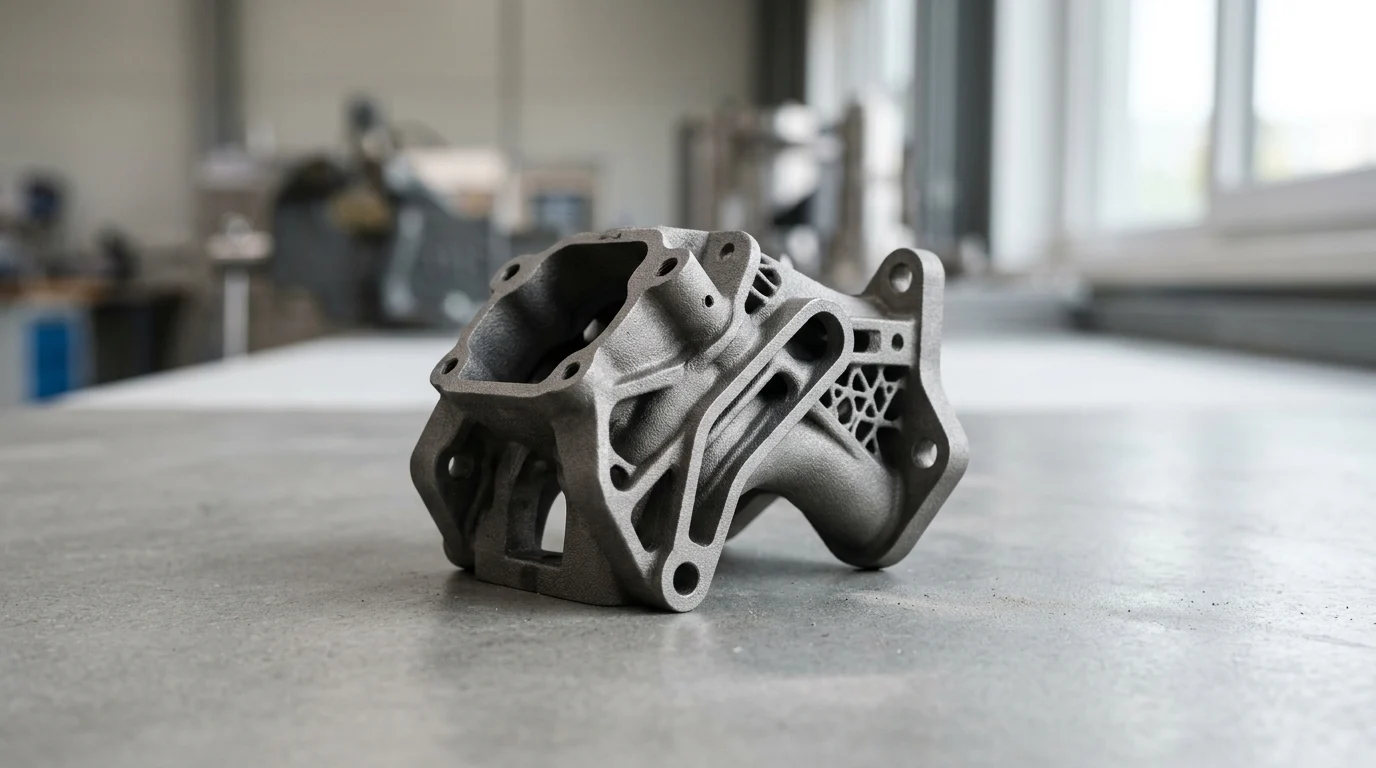
Manufacturers are under pressure to deliver complex parts at lower cost, higher volume, and with less material waste. Metal sintering offers a practical alternative to traditional machining by forming near-net-shape components directly from powdered metal, reducing scrap and shortening production cycles. This shift matters most when designs include intricate features that are expensive or difficult to machine from solid stock. Understanding where Sintered Parts outperform subtractive methods helps engineers and buyers make better sourcing decisions, especially when performance, scalability, and unit cost all shape the final choice.
Why Metal Sinter Matters in Modern Manufacturing Strategy
As manufacturing supply chains face unprecedented pressure to optimize costs and scale production, powder metallurgy—specifically metal sintering—has emerged as a critical strategic alternative to subtractive manufacturing. Traditional machining, while highly precise, often struggles to maintain commercial viability at massive production volumes due to extended cycle times and significant material waste. Metal Sintering addresses these systemic inefficiencies, allowing component engineers to rethink how complex, high-volume parts are specified and procured.
How cost pressure, design complexity, and production scale shape
adoption
The adoption of sintered metal components is primarily driven by the intersecting demands of cost reduction, design complexity, and production scale. In subtractive processes, machining complex geometries from solid billet or bar stock can generate up to 50% material waste in the form of swarf. In contrast, metal sintering achieves material utilization rates exceeding 97%. When annual production volumes surpass the 15,000 to 20,000 unit threshold, the amortization of custom compaction tooling becomes negligible. At this scale, the near-net-shape capabilities of powder metallurgy drastically reduce piece-part costs, often yielding a 30% to 50% cost reduction compared to multi-axis CNC machining.
Where sintered metal parts create commercial value beyond cost
reduction
Beyond unit cost savings, sintered metals offer unique physical properties that cannot be replicated through traditional melting, casting, or machining. The inherent porosity of a pressed and sintered part can be precisely controlled, typically ranging from 10% to 25% by volume. This characteristic is commercially exploited to manufacture self-lubricating bearings, where the microscopic pores are vacuum-impregnated with oil, eliminating the need for external lubrication systems in automotive and industrial appliance assemblies. Furthermore, powder metallurgy allows for the custom blending of elemental powders, enabling the creation of bespoke alloys and composite materials with tailored magnetic, thermal, or wear-resistant properties that provide a distinct competitive advantage.
What Metal Sinter Is and How It Differs from Other
To effectively leverage powder metallurgy, engineering teams must understand the fundamental mechanics of the sintering process. Unlike processes that rely on removing material or pouring molten metal into a mold, sintering is a solid-state manufacturing technique. It relies on applying extreme pressure to metal powders, followed by controlled thermal processing to fuse the particles at the molecular level without reaching full liquefaction.
How the sintering process compares with machining and casting
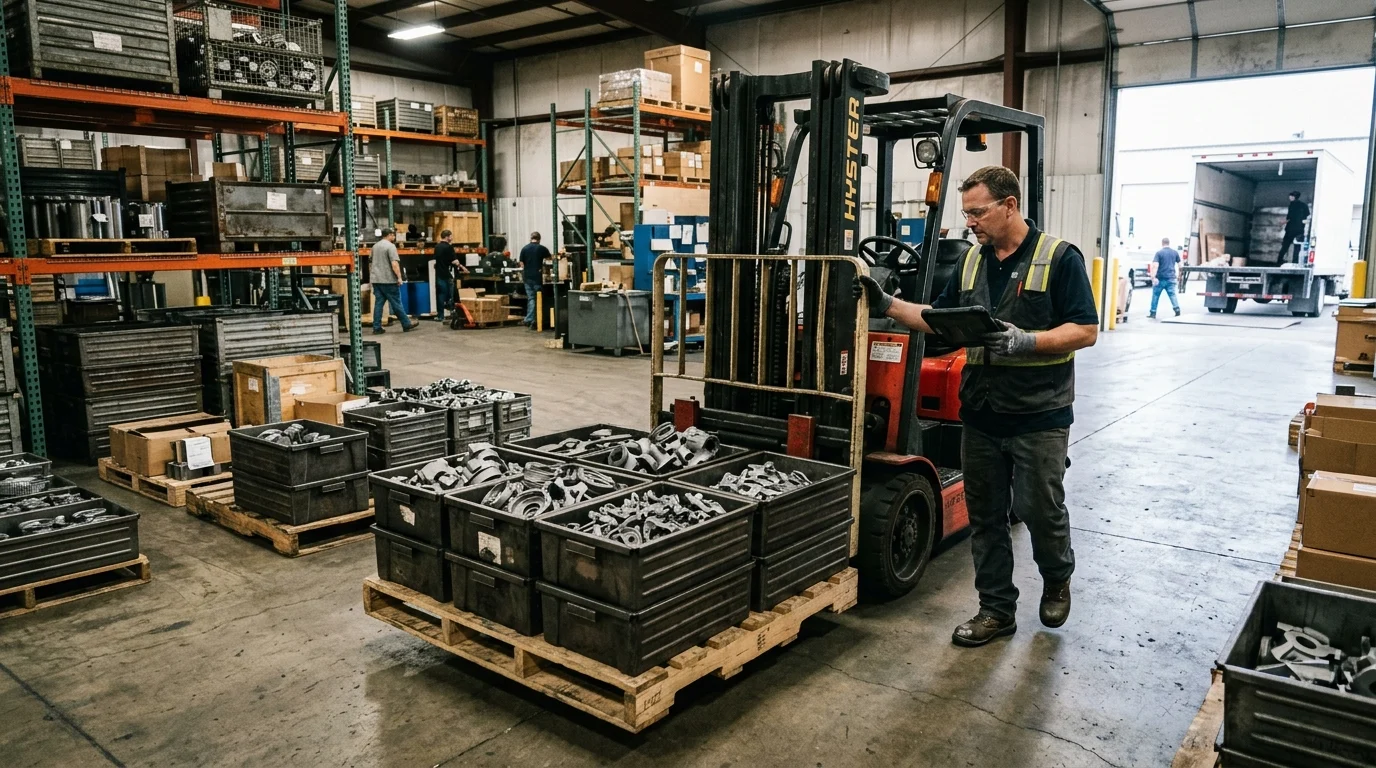
The production cycle begins by blending elemental or pre-alloyed metal powders with specialized solid lubricants. This mixture is gravity-fed into a rigid precision die and compacted under immense pressure, typically ranging from 20 to 50 tons per square inch (tsi). The resulting "green part" holds its shape but lacks structural integrity. It is then conveyed through a continuous sintering furnace operating in a controlled atmosphere just below the melting point of the primary base metal—around 1,120°C for standard iron-based alloys. This thermal cycle causes the powder particles to bond via solid-state diffusion. In contrast to casting, which suffers from liquid-state shrinkage and internal gas voids, sintering provides highly predictable dimensional stability. Compared to machining, it bypasses the slow, sequential removal of material, forming complex profiles in a single rapid compaction stroke.
Which geometries, tolerances, densities, and materials are reali
stic
Sintering excels at producing geometries with uniform cross-sections, intricate splines, and gear teeth. However, because the compaction punches operate strictly on a vertical axis, undercuts, cross-holes, and reverse tapers cannot be molded directly and require secondary machining. Standard sintered components routinely achieve densities between 80% and 95% of their theoretical maximum (e.g., 6.4 to 7.3 g/cm³ for steel alloys). Dimensional tolerances directly out of the furnace typically hold at ±0.05 mm (IT8 to IT9 quality grades), though secondary sizing or coining operations can tighten these tolerances to ±0.02 mm. Common materials include iron, carbon steel, copper-infiltrated steels, brass, and increasingly, stainless steel for high-corrosion environments.
What comparison table helps manufacturers evaluate options
To facilitate process selection, procurement and engineering teams rely on comparative data to weigh the distinct advantages and limitations of each manufacturing method.
| Feature | Metal Sintering | CNC Machining | Investment Casting |
|---|---|---|---|
| Material Utilization | 97%+ | 40% - 60% | 85% - 90% |
| Standard Tolerance | ±0.05 mm | ±0.01 mm | ±0.13 mm |
| Production Rate | 500 - 3,000 parts/hr | 10 - 50 parts/hr | 50 - 200 parts/hr |
| Tooling Investment | High ($5,000 - $25,000) | Low ($0 - $500) | Medium ($2,000 - $10,000) |
| Ideal Annual Volume | > 15,000 units | < 10,000 units | 1,000 - 20,000 units |
Why Manufacturers Choose Sintered Metal Parts for Complex Components
The decision to transition a component to powder metallurgy is rarely based on a single factor. Instead, manufacturers evaluate a matrix of production efficiencies, mechanical requirements, and lifecycle costs. For complex components, the compounding benefits of the sintering process often outpace traditional fabrication methods, generating substantial return on investment (ROI) over the product's lifespan.
How material utilization, cycle time, repeatability, and seconda
ry operations affect ROI
The primary ROI driver for sintered parts is the dramatic reduction in cycle time coupled with near-zero material waste. Automated compaction presses can yield production rates of 1,000 to 3,000 parts per hour, a throughput that multi-axis CNC lathes and mills simply cannot match. This high-speed repeatability ensures that part number 100,000 is dimensionally identical to part number 10, minimizing inspection bottlenecks and scrap rates. Furthermore, by achieving near-net shape directly from the furnace, manufacturers can eliminate costly secondary operations such as broaching, hobbing, or profile milling, directly lowering the total cost of goods sold.
When strength, porosity, surface finish, and dimensional control
matter most
While historical perceptions sometimes categorized sintered parts as weak, modern powder metallurgy achieves remarkable mechanical properties. High-density sintered steels, particularly when subjected to secondary heat treatments like carburizing or carbonitriding, can achieve ultimate tensile strengths exceeding 800 MPa, rivaling many wrought alloys. When surface finish is critical, pressed and sintered parts typically yield an Ra of 1.6 to 3.2 µm, which is suitable for most mechanical interfaces without additional grinding. The ability to selectively control porosity also allows engineers to specify dense, high-strength characteristics for load-bearing zones while maintaining porous networks in other areas for acoustic damping or fluid filtration.
Which industries and part types are best suited to
sintering
The automotive sector remains the dominant consumer of sintered metal components, accounting for nearly 70% of the global powder metallurgy market. Typical automotive applications include engine timing sprockets, transmission synchronizer hubs, variable valve timing (VVT) components, and oil pump gears. Beyond automotive, the power tool and home appliance industries heavily utilize sintered planetary gears, eccentric cams, and structural brackets. These sectors demand millions of identical, complex parts annually, making the high tooling investment of sintering highly economical and strategically vital.
How to Evaluate a Metal Sinter Supplier
Identifying a capable metal sinter supplier requires a specialized vetting process. Because powder metallurgy involves custom chemical blending, proprietary tooling design, and highly controlled thermal processing, the supplier acts as an extension of the OEM's engineering team. Assessing a supplier's technical maturity and quality infrastructure is critical to mitigating supply chain risk.
What technical, quality, and compliance checks to complete
Baseline compliance begins with internationally recognized quality management standards. For automotive applications, IATF 16949 certification is mandatory, while ISO 9001 serves as the minimum threshold for general industrial applications. Buyers must audit the supplier's metallurgical laboratory capabilities, ensuring they can perform in-house density testing, microstructural analysis, and carbon-control verification. A tier-one sintering supplier should demonstrate historical defect rates below 50 Parts Per Million (PPM) and maintain rigorous statistical process control (SPC) over their compaction press tonnages and furnace temperature profiles, which are the two most critical variables in the process.
How to review tooling design, prototyping, PPAP, and production
readiness
The design and procurement of compaction tooling is the most capital-intensive phase of onboarding a new sintered part. Buyers should review the supplier's tooling lifecycle management; premium tungsten carbide dies typically yield 100,000 to 500,000 strokes before requiring refurbishment. During the Advanced Product Quality Planning (APQP) phase, engineers must align on Production Part Approval Process (PPAP) Level 3 requirements. Because true sintered prototypes require the actual production tooling—an investment often ranging from $5,000 to $20,000—suppliers should offer the ability to machine early-stage prototypes from sintered blanks of the exact target alloy, providing accurate mechanical data before hard tooling is cut.
What practical steps reduce supplier-selection risk
To insulate production lines from disruption, procurement teams must evaluate the supplier's equipment redundancy and disaster recovery plans. A robust supplier will have multiple compaction presses of similar tonnage (e.g., redundant 100-ton or 200-ton presses) and parallel sintering furnaces to prevent a single point of failure from halting deliveries. Additionally, securing transparent agreements on tooling ownership, powder raw material indexing, and minimum order quantities (MOQs)—which generally start at 5,000 to 10,000 pieces per run—ensures long-term commercial alignment and reduces the risk of sudden price escalations.
When Metal Sinter Is Better Than Traditional Machining
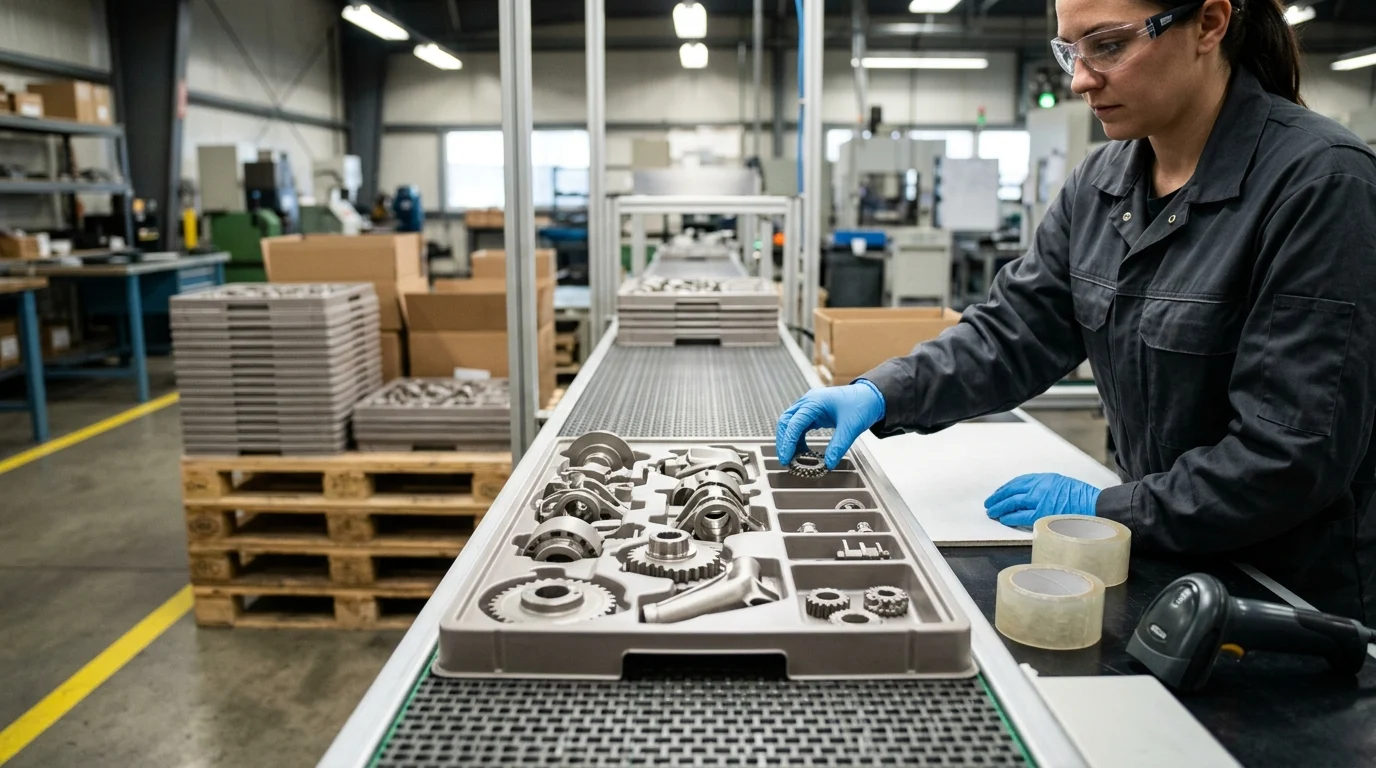
Transitioning from traditional subtractive machining to powder metallurgy is a calculated strategic move. The decision hinges on identifying the exact intersection where the high upfront capital expenditure of sintering tooling is offset by the dramatic reduction in variable piece-part costs.
What decision framework balances annual volume, part complexity
, and total cost
An effective decision framework evaluates three primary axes: annual production volume, geometric complexity, and material utilization. Machining is highly efficient for low-volume, simple parts, but costs escalate linearly with volume and exponentially with geometric complexity.
| Decision Factor | Stick with CNC Machining | Switch to Metal Sintering |
|---|---|---|
| Annual Volume | Under 10,000 units | Over 15,000 units |
| Geometry | Simple profiles, deep cross-holes | Complex profiles, gears, splines |
| Material Waste | Low (bar stock matches part size) | High (machining from large billets) |
| Lead Time Needs | Immediate (days to weeks) | Long-term planning (10 - 14 weeks for tooling) |
By plotting these factors, engineering and procurement teams can objectively assess the viability of redesigning a component for the powder metallurgy process.
How procurement and engineering can identify the tipping point
for switch-over
The tipping point for switch-over typically reveals itself during total cost of ownership (TCO) modeling. For a moderately complex steel gear, the breakeven point usually occurs between 15,000 and 20,000 units annually. At this volume, a $15,000 tooling investment is amortized to less than $1.00 per part. If the sintered part saves $2.50 in machining time and raw material waste compared to the CNC equivalent, the ROI on the tooling is realized well within the first production year. Procurement and engineering must collaborate early in the product lifecycle to identify these high-waste, high-volume machined components, ensuring that the switch to metal sintering is engineered into the blueprint rather than treated as an afterthought.
Key Takeaways
- The most important conclusions and rationale for Metal Sinter
- Specs, compliance, and risk checks worth validating before you commit
- Practical next steps and caveats readers can apply immediately
Frequently Asked Questions
When is metal sintering more cost-effective than CNC machining?
It usually becomes attractive above 15,000–20,000 parts annually, when tooling cost is spread across volume and piece-part cost can drop 30%–50%.
What part features are best suited to metal sintering?
Uniform cross-sections, splines, gear teeth, and other near-net-shape profiles work best. Undercuts, cross-holes, and reverse tapers usually need secondary machining.
How accurate are sintered metal parts?
Typical as-sintered tolerances are around ±0.05 mm. With sizing or coining, many parts can be tightened to about ±0.02 mm for better fit and consistency.
Why do manufacturers choose JHPIM sintered metal parts for high-volume production?
JHPIM can support powder metallurgy projects that need high material utilization, repeatable dimensions, and lower waste, especially for complex parts produced at scale.
Can sintered metal parts provide functions that machined parts cannot?
Yes. Controlled porosity can create self-lubricating bearings, and custom powder blends can improve wear, magnetic, or thermal performance for specific applications.