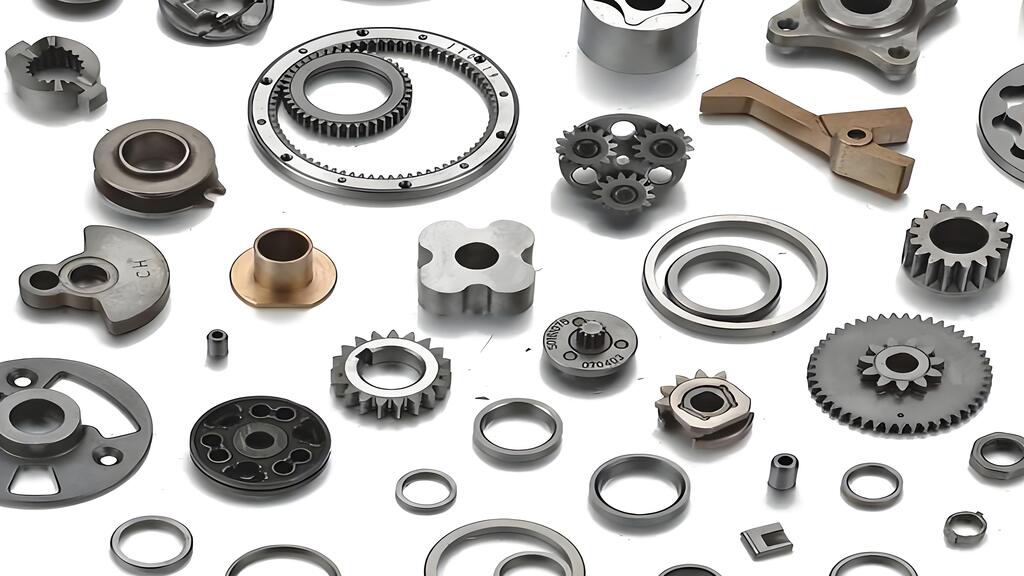
Powder Metallurgy Oil Pump Gear
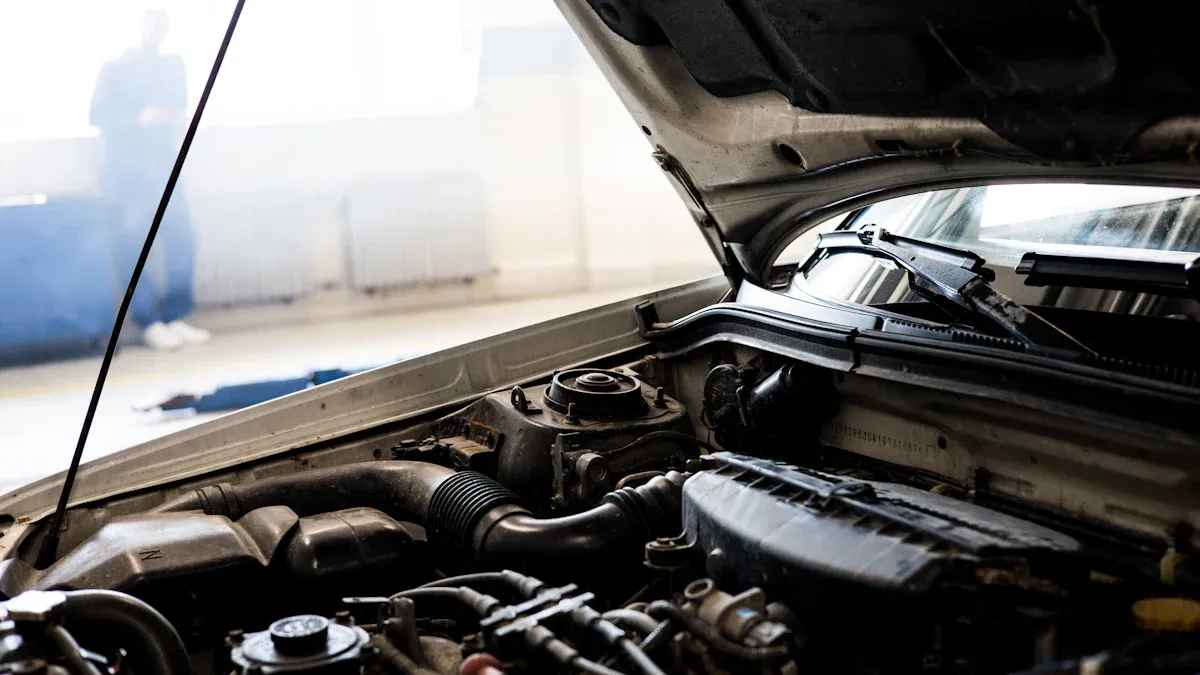
A powder metallurgy (PM) oil pump gear is a crucial component manufactured by compacting metal powders into a specific shape and then Sintering them. This gear's primary function involves circulating lubricating oil throughout an engine. It ensures all moving parts receive necessary lubrication. Unlike gears produced through traditional machining or casting, PM gears are formed directly from powdered materials. This method offers distinct advantages. The PM oil pump gear holds significant importance in modern engines, contributing to their efficiency and durability.
Key Takeaways
- Powder metallurgy (PM) oil pump gears are important engine parts. They move oil to keep engine parts lubricated.
- PM gears save money. They use less material and need fewer steps to make than other gears.
- PM makes gears with exact shapes. This means less extra work is needed to finish them.
- PM gears can be made with special materials. This makes them strong and resistant to wear.
- PM gears have tiny holes. These holes hold oil, which helps the gears lubricate themselves.
- Making PM gears involves mixing powders, pressing them, and heating them. Then, they get the final touches.
- PM gears are good for cars and trucks. But they might not be best for engines that run very fast or have strong shocks.
- New ways of making PM gears are always being found. These new ways make them even better and help the environment.
Advantages of Powder Metallurgy for Oil Pump Gear Manufacturing
Cost-Effectiveness and Material Efficiency for Oil Pump Gear Production
Reduced Material Waste
Powder metallurgy (PM) significantly reduces material waste. The process forms components directly from metal powders, minimizing the need for extensive machining. This contrasts sharply with traditional manufacturing methods, which often involve removing large amounts of material as chips or scrap. PM's near net-shape capability ensures that manufacturers use most of the raw material in the final product. This efficiency leads to substantial savings in material costs.
Lower Production Costs
PM offers lower production costs. The process requires fewer manufacturing steps compared to conventional methods. This reduction in steps translates to less labor, energy, and tooling expenses. The ability to produce complex shapes in a single operation further contributes to cost savings. This makes PM an economically attractive option for high-volume production of components like the Oil Pump Gear.
Net-Shape Manufacturing of Oil Pump Gear Components
Minimized Secondary Machining
Net-shape manufacturing is a key advantage of PM. This process produces components very close to their final dimensions and shape. Consequently, it minimizes or eliminates the need for secondary machining operations. This saves time and reduces manufacturing costs. It also improves overall production efficiency.
Complex Geometries with High Precision
PM excels at creating complex geometries with high precision. The powder compaction process allows for intricate designs that would be difficult or impossible to achieve with other manufacturing techniques. This precision ensures that components like the oil pump gear fit perfectly and function optimally within their assemblies. The ability to form detailed features directly from powder enhances design flexibility.
Tailored Properties and Performance of Oil Pump Gears
Customizable Material Composition
PM allows for highly customizable material compositions. Manufacturers can blend various metal powders and alloying elements to achieve specific material properties. This flexibility enables the creation of materials perfectly suited for the demanding environment of an engine. They can fine-tune the composition to meet precise performance requirements.
Enhanced Wear Resistance
PM parts exhibit enhanced wear resistance. Their uniform microstructure and the ability to incorporate strengthening elements contribute to superior mechanical properties. This is particularly true for fatigue and wear resistance. Powdered metal parts can be as strong as, and in some cases, stronger than traditionally manufactured parts. This improved wear resistance extends the lifespan of the oil pump gear.
Optimized Strength
Manufacturers can optimize the strength of PM oil pump gears. They use specific material compositions to achieve desired strength levels. Iron-based alloys, especially low-alloyed iron-based powders, are common when high material strength is necessary. Steel alloys, including sinter-hardened steels, offer high hardness directly after sintering. Stainless steel provides corrosion resistance. Alloy additives like nickel, molybdenum, and chromium enhance properties. Carburizing, a heat treatment process, increases surface hardness and wear resistance. This process heats the component in a carbon-rich environment, allowing carbon atoms to diffuse into the surface. This forms hard carbides, creating a hardened layer. This layer improves load-bearing capacity while maintaining a tough, ductile core, which benefits gears.
Controlled Porosity for Oil Retention
Controlled porosity is a unique advantage of PM. The inherent porosity of PM materials allows for the impregnation of lubricants, such as oil or graphite. The material retains these lubricants. This provides continuous lubrication at the contact surfaces, effectively reducing friction. A density gradient, characterized by higher porosity and lower density at the surface, enables the retention of more lubricant precisely at the critical interface. This localized increase in lubricant availability directly contributes to reduced friction and improved lubrication efficiency. Controlled porosity in PM oil pump gears enhances oil retention and lubrication efficiency. Surface cavities act as oil reservoirs and debris traps, reducing friction and wear. Under elastohydrodynamic lubrication, these cavities can also increase fluid pressure, leading to a 'micro bearing effect.' This effect improves load-carrying capacity and further reduces friction. The effectiveness depends on the pore structure. Small, closed porosity can improve lubricant load-carrying capacity and reduce friction. Large or open porosity can increase surface roughness and friction. Therefore, a careful balance between porosity and surface finishing is crucial for optimal performance.
Improved Surface Finish and Noise Reduction in Oil Pump Gears
Inherent Surface Quality
The powder metallurgy process inherently produces components with a fine surface finish. Manufacturers compact metal powders tightly within a die cavity. This action forms a smooth surface on the green compact. Subsequent sintering at high temperatures further refines this surface. This method avoids the distinct tool marks often left by traditional machining operations. Manufacturers can achieve specific surface roughness requirements directly from the PM process. This inherent quality minimizes friction and wear during operation.
Potential for Quieter Operation
Precise dimensions and superior surface finish contribute significantly to quieter operation. Gears with smooth surfaces and accurate profiles mesh more efficiently. This reduces friction and minimizes vibrations during rotation. Less vibration directly translates to lower noise levels. Furthermore, the controlled porosity within PM materials offers a unique advantage. These microscopic pores can absorb sound energy, providing a damping effect. This inherent damping capability helps reduce operational noise. A quieter Oil Pump Gear contributes to overall engine refinement and enhances the driving experience.
The Manufacturing Process of a Powder Metallurgy Oil Pump Gear
The creation of a powder metallurgy (PM) oil pump gear involves several distinct stages. Each step contributes significantly to the final product's quality and performance. Manufacturers carefully control each phase to ensure the gear meets stringent specifications.
Powder Selection and Blending for Oil Pump Gears
Types of Metal Powders Used
The manufacturing process begins with selecting appropriate metal powders. Engineers commonly use iron-based powders due to their cost-effectiveness and mechanical properties. They often incorporate alloying elements like copper, nickel, and molybdenum to enhance specific characteristics such as strength, hardness, and wear resistance. For applications requiring corrosion resistance, stainless steel powders are a viable option. The choice of powder directly influences the final gear's performance.
Importance of Precise Blending
After selecting the powders, precise blending occurs. Manufacturers mix different metal powders and lubricants in specific ratios. This blending process ensures a homogeneous distribution of all components throughout the mixture. Proper blending is critical for achieving uniform density, consistent mechanical properties, and predictable shrinkage during sintering. Inconsistent blending can lead to defects and compromise the gear's structural integrity.
Compaction of Oil Pump Gear Powders
Pressing Powder into a Green Compact
Compaction is the next crucial step. Manufacturers load the blended powder into a die cavity. A press then applies high pressure, typically ranging from 30 to 60 tons per square inch, to the powder. This pressure compacts the loose powder particles, forming a "green compact." This compact has the approximate shape and size of the final gear but lacks significant strength. The green compact holds its shape due to mechanical interlocking between the powder particles.
Role of Dies and Punches
Dies and punches play a vital role in the compaction process. The die defines the outer shape of the gear, while punches form the internal features and apply the necessary pressure. Manufacturers design these tools with high precision to ensure the green compact achieves the desired dimensions and intricate details. The quality of the dies and punches directly impacts the dimensional accuracy and surface finish of the compacted part.
Sintering for Strong Oil Pump Gears
High-Temperature Thermal Treatment
Sintering is a high-temperature thermal treatment that transforms the fragile green compact into a strong, functional component. This process occurs in a controlled atmosphere furnace at temperatures below the melting point of the primary metal. For an Oil Pump Gear, manufacturers typically sinter the component at temperatures ranging from 1050°C to 2000°C. This heat treatment causes the powder particles to bond metallurgically.
Bonding of Particles
During sintering, the high temperatures promote atomic diffusion between adjacent powder particles. This diffusion leads to the formation of strong metallurgical bonds at the contact points. The particles essentially "weld" together, creating a solid, cohesive structure. This bonding process significantly increases the strength and hardness of the gear.
Creation of Strong, Porous Structure
Sintering also influences the final porosity of the gear. The process reduces the overall volume of the compact, increasing its density. However, some controlled porosity remains, which can be beneficial for applications like oil pump gears. This porosity allows for oil retention, contributing to self-lubrication. The furnace's atmosphere significantly impacts the quality of the final product. It envelops the part to provide safe conditions for bonding and alloying, removes mold lubricant and oxides, and prevents oxidation while reducing naturally occurring oxides. For steel, sintering temperatures range from 2050°F to 2400°F in a nitrogen-rich, endothermic gas or vacuum atmosphere. Iron typically sinters between 2010°F and 2100°F in an endothermic gas or nitrogen/hydrogen mix. For oil pump gears, solid phase sintering is performed in a decomposed ammonia atmosphere to achieve metallurgical bonding between powder particles.
Secondary Operations for Finishing Oil Pump Gears
After sintering, powder metallurgy components often undergo several secondary operations. These steps further refine their properties, dimensions, and surface finish. Manufacturers carefully select these processes to optimize the gear's performance and durability.
Sizing and Coining
Manufacturers often perform sizing and coining operations after sintering. These processes involve repressing the sintered part in a die. This action increases hardness and makes parts more accurate and smoother by reducing surface irregularities. It also improves the surface through controlled plastic deformation that seals pores. Furthermore, sizing and coining help fix dimensions that might have changed due to uneven heating or cooling. These operations ensure the gear meets precise dimensional tolerances for optimal meshing and function.
Infiltration
Infiltration is another critical secondary operation. This process involves filling the pores of the sintered part with a lower-melting-point metal, typically copper. Copper infiltration in powder metallurgy significantly enhances the strength and hardness of components, making them highly suitable for automotive applications like gears. This process also improves the material's tensile strength and overall durability, which is crucial for reliable mechanical parts such as those found in hydraulic pressure systems like pumps.
Infiltration increases the density of powder metallurgy parts, particularly for iron-based components, which often suffer from low strength and insufficient hardness. Copper infiltration can raise the density of iron-based parts to 7.5g/cm3. The infiltration process allows copper to quickly penetrate and diffuse into powder metal components, leading to solid solution strengthening, which directly enhances the part's strength.
Heat Treatment
Heat treatment processes further refine the mechanical properties of PM components. These treatments involve heating and cooling the components under controlled conditions. Common methods include carburizing, quenching, and tempering. Carburizing introduces carbon to the surface, increasing surface hardness and wear resistance. Quenching rapidly cools the part, locking in desired microstructures. Tempering then reduces brittleness while maintaining hardness. These processes significantly improve the gear's overall strength, fatigue resistance, and longevity in demanding engine environments.
Surface Finishing
Surface finishing operations provide the final touches to the Oil Pump Gear. These processes enhance the component's aesthetic appeal and functional performance. Deburring removes any sharp edges or burrs left from manufacturing. Polishing creates a smoother surface, further reducing friction and wear during operation. Manufacturers may also apply specialized coatings to improve corrosion resistance or reduce friction. These finishing steps ensure the gear meets precise specifications for smooth and efficient operation within the engine.
Critical Properties and Performance of Powder Metallurgy Oil Pump Gears
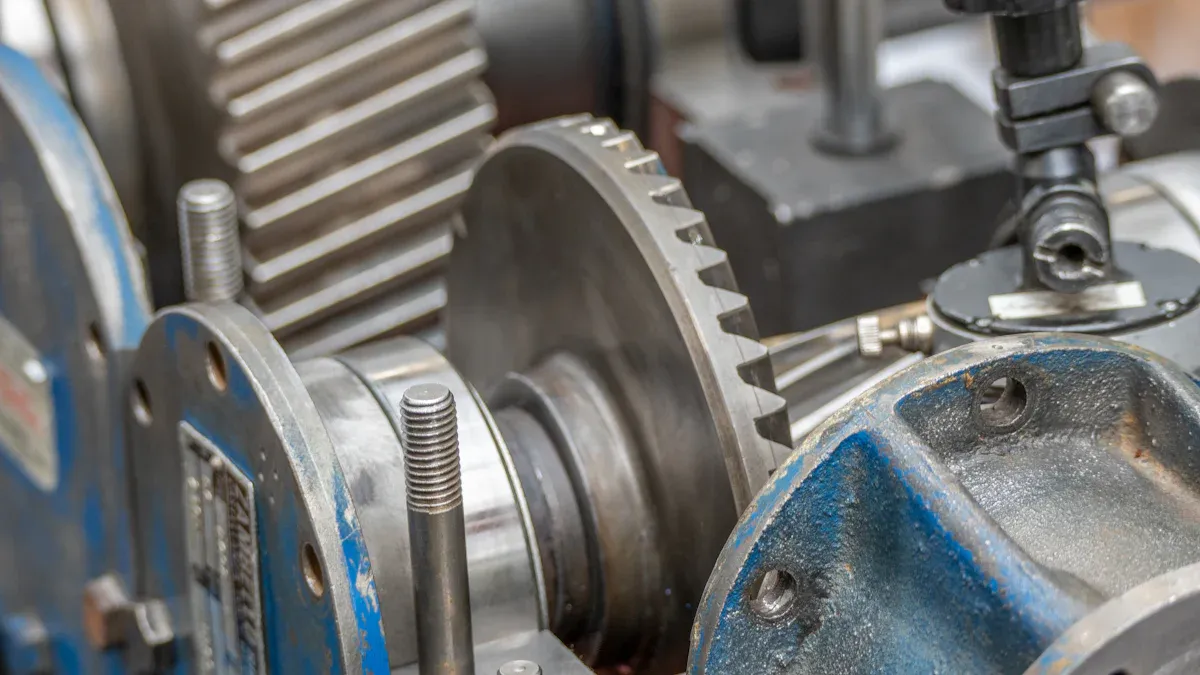
Powder metallurgy (PM) oil pump gears possess specific properties that make them ideal for demanding engine applications. Manufacturers carefully control these characteristics during production. This ensures optimal performance and longevity.
Density and Porosity Control in Oil Pump Gears
Aid in Self-Lubrication
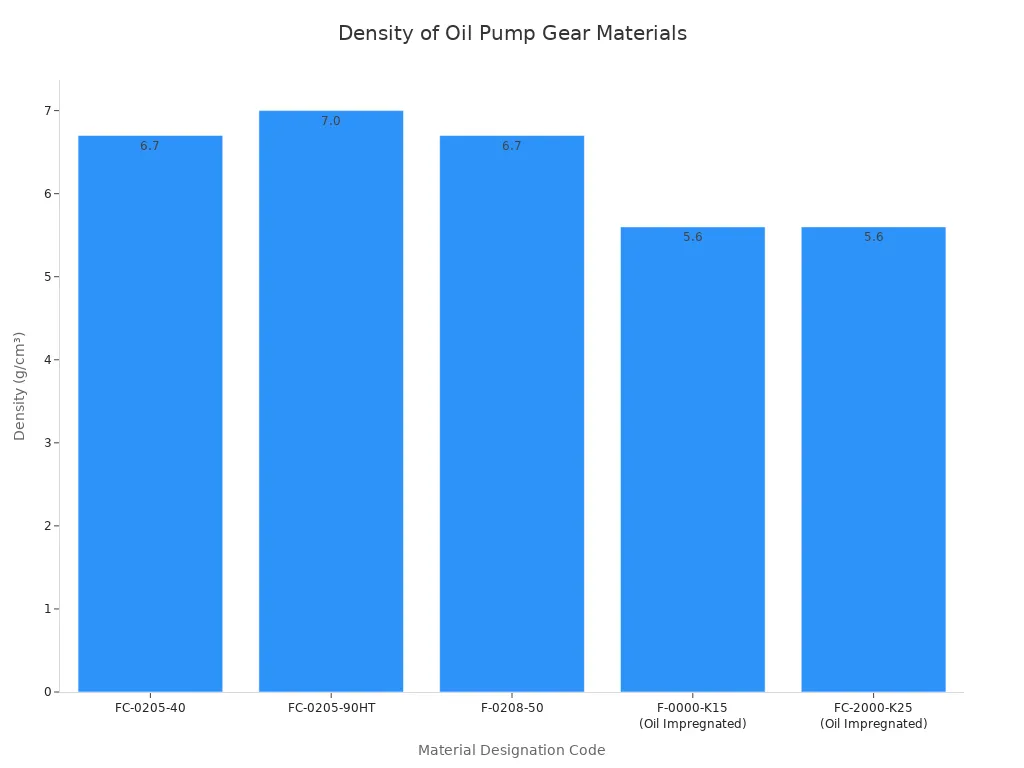
Controlled porosity is a hallmark of PM technology. This unique characteristic allows PM oil pump gears to retain lubricants within their structure. This inherent self-lubrication significantly reduces friction and wear during operation. It also extends the gear's service life. For self-lubricating applications, materials like F-0000-K15 and FC-2000-K25, which are oil-impregnated, are specified with particular density ranges. FC-0208 is a common material for sintered parts such as oil pump rotors and gears.
| Material Designation Code | Density (g/cm³) |
|---|---|
| FC-0205-40 | 6.7 |
| FC-0205-90HT | 7.0 |
| F-0208-50 | 6.7 |
| F-0000-K15 (Oil Impregnated) | 5.6-6.0 |
| FC-2000-K25 (Oil Impregnated) | 5.6-6.0 |
Weight Reduction Benefits
PM parts offer significant weight reduction. The controlled porosity contributes to a lower overall density compared to fully dense materials. This weight saving is crucial in automotive applications. It improves fuel efficiency and reduces emissions.
Mechanical Strength and Wear Resistance of Oil Pump Gears
Tensile Strength
PM oil pump gears exhibit impressive tensile strength. This property measures a material's resistance to breaking under tension. Manufacturers can achieve high tensile strength through careful material selection and processing. For example, custom engine parts, powder metallurgy oil pump rotors can reach up to 1250 MPa. Sintered oil pump gears can achieve an ultimate tensile strength of 1650 MPa.
| Material/Part Type | Tensile Strength |
|---|---|
| Custom Engine Parts Powder Metallurgy Oil Pump Rotor | 1250 MPa Max. |
| Sintered Oil Pump Gear | 1650 MPa Ultimate |
| Fuel Pump Rotors (Powder Metallurgy) | 1250 MPa Max. |
| Oil Pump Rotor PM Sintered | 560 N/mm² |
Hardness
Hardness is another critical mechanical property. It indicates a material's resistance to indentation and scratching. PM gears can achieve high hardness levels through alloying and heat treatment processes like carburizing. This enhances their durability in abrasive environments.
Fatigue Resistance
PM components demonstrate excellent fatigue resistance. This refers to a material's ability to withstand repeated stress cycles without failure. This property is vital for gears operating under continuous load variations.
Gear Longevity
The combination of high strength, hardness, and fatigue resistance ensures exceptional gear longevity. PM oil pump gears reliably perform over extended periods. This reduces maintenance needs and improves engine reliability.
Dimensional Accuracy and Repeatability for Oil Pump Gears
Precision Achievable with PM
Powder metallurgy produces gears with remarkable dimensional accuracy. This precision is a key advantage of the PM process. It minimizes the need for post-sintering machining. PM can produce gears with high AGMA quality numbers, such as AGMA 6 or higher. An AGMA 8 quality gear, achievable with powder metal, has a tooth-to-tooth composite error tolerance of 0.0010 inches and a total composite error of 0.0019 inches. These close tolerances are achievable at high production rates.
Consistent Gear Meshing
High dimensional accuracy translates directly to consistent gear meshing. Precisely manufactured gears engage smoothly. This reduces noise, vibration, and wear. It also ensures efficient power transmission within the engine's lubrication system. For sinter-hardened parts, powder metallurgy offers dimensional capabilities typically 25% better than heat-treated processes. While powder metal components can hold closer limits than often perceived, design considerations like component size, complexity, material choice, density, and sintering parameters influence achievable tolerances.
Applications of Powder Metallurgy Oil Pump Gears
Powder metallurgy (PM) oil pump gears find widespread use across various industries. Their unique properties make them suitable for critical applications where reliability and efficiency are paramount.
Automotive Engine Oil Pump Gears
Primary Use in Engine Lubrication Systems
PM oil pump gears serve as essential components in engine lubrication systems. They ensure a continuous flow of oil to all moving parts. This lubrication prevents friction and wear, which extends engine life. The gears operate under demanding conditions, including high temperatures and varying speeds. Their robust construction handles these challenges effectively.
Cars, Trucks, and Motorcycles
Automotive manufacturers widely adopt PM oil pump gears for cars, trucks, and motorcycles. These vehicles rely on efficient lubrication for optimal performance. The gears contribute to fuel efficiency and reduced emissions. Their precision and durability make them a preferred choice for these applications.
Oil Pump Gears in Other Fluid Power Systems
Hydraulic Systems
PM oil pump gears also play a vital role in various hydraulic systems. These systems require precise fluid control and reliable operation. PM gears provide the necessary strength and wear resistance for such demanding environments. They are commonly employed in the hydraulic circuits of both mobile and stationary machinery. Specific applications include excavators, agricultural tractors, lifts, and presses. These machines depend on consistent hydraulic pressure for their functions.
Industrial Lubrication Systems
Industrial machinery often utilizes PM oil pump gears in its lubrication systems. Factories and plants use these systems to maintain the smooth operation of heavy equipment. The gears ensure that critical machinery components receive adequate lubrication. This prevents costly breakdowns and extends the lifespan of industrial assets.
Specialized Oil Pump Gears for Heavy Duty Applications
Heavy Truck Components
Heavy trucks operate under extreme loads and continuous use. Their engines require exceptionally durable components. PM oil pump gears meet these stringent requirements. They provide reliable lubrication for powerful diesel engines. This ensures the longevity and performance of heavy-duty vehicles.
Off-Highway Equipment
Off-highway equipment, such as construction vehicles and mining machinery, also benefits from PM oil pump gears. These machines work in harsh environments, often facing dirt, dust, and extreme temperatures. The gears' enhanced wear resistance and strength ensure consistent lubrication. This reliability is crucial for maintaining operational efficiency in challenging conditions.
Challenges and Considerations for Powder Metallurgy Oil Pump Gears
Potential Limitations at High RPMs and Loads
Risk of Shattering Compared to Alternatives
Powder metallurgy (PM) components face specific challenges under extreme operating conditions. At high RPMs and loads, they can shatter due to engine frequencies and vibrations. This behavior is often described as shattering like glass. In contrast, alternative materials like steel, wrought, or cast metals do not exhibit this shattering at engine-produced frequencies. PM gears are also brittle and do not perform well under shock loads; shock loads are their "worst nightmare." They do not achieve the same tensile strengths as wrought or cast metals, which generally have higher tensile strengths. Therefore, PM gears are not suitable for performance or aftermarket oil pumps with high revs, harmonics, vibrations, and shock loadings. Alternatives are superior for performance engines, especially in applications with significant harmonics and torsional loads, though PM gears are cheaper to produce. The Oil Pump Gear specifically requires careful consideration of these factors.
| Failure Mode/Characteristic | Powder Metallurgy (PM) Gears | Alternative Materials (Steel/Wrought/Cast) |
|---|---|---|
| Failure at High RPMs/Loads | Shatter due to engine frequencies and vibrations; described as shattering like glass. | Do not shatter at engine-produced frequencies; 'normal steel' is superior. |
| Brittleness/Shock Loads | Brittle; not good under shock loads; shock loads are their 'worst nightmare'. | Less brittle; better under shock loads. |
| Tensile Strength | Do not achieve the same tensile strengths as wrought or cast metals. | Higher tensile strengths. |
| Suitability for Performance Engines | Not suitable for performance or aftermarket oil pumps with high revs, harmonics, vibrations, and shock loadings. | Superior for performance engines, especially in applications with significant harmonics and torsional loads. |
| Cost | Cheaper to produce. | Generally more expensive. |
Importance of Material Selection and Design
Careful material selection and design are paramount to mitigate these limitations. The material must possess adequate strength, hardness, and wear resistance to withstand significant stresses like bending, torsion, and fatigue. Low-alloy steels, iron-based alloys, and some non-ferrous alloys are examples. Higher density materials generally offer better strength and load-bearing capacity, crucial for efficient power transmission. This requires balancing with cost and processability. Materials with inherent self-lubricating properties, such as copper-based alloys or iron-copper-graphite compositions, are beneficial as they minimize friction and wear, improving performance and durability. Manufacturers can blend various powdered metals like bronze, steel, stainless steel, nickel steels, copper, and tungsten in different proportions. This fine-tunes mechanical properties. Blending enhances specific properties like strength, wear resistance, corrosion resistance, and optimizes the strength-to-weight ratio. Precise control over compaction and sintering enables the achievement of desired porosity levels. This is critical for high-density gears or oil-impregnated gears that offer self-lubrication.
Customization and OEM Requirements for Oil Pump Gears
OEM CNC Machining and Polishing
Original Equipment Manufacturers (OEMs) often have specific requirements for PM components. These requirements frequently necessitate post-sintering operations. CNC machining provides final tolerances, complex shapes, high-precision features, threads, undercuts, or transverse holes. Grinding achieves a smooth, refined surface finish for parts with rough surfaces, burrs, or flashes. Secondary processing is also required for side holes after sintering. These steps ensure the PM gear meets the exact specifications for integration into complex engine systems.
Drawing-Based Customization Options
OEMs demand full customization of complex structure, density, and technical requirements. Manufacturers offer extensive customization options based on detailed drawings.
- Radial dimensions can range from 5 to 250 mm, and heights can go up to 200mm.
- Edges should be chamfered rather than rounded, typically with a chamfer angle of 30°-45°.
- A minimum wall thickness of 1.50mm prevents cracks.
- A taper angle (draft angle) of 1 to 3° facilitates easier part removal.
- Radial tolerances can achieve IT8-IT9 for sintered products and IT5-IT7 after sizing.
- Form and orientation tolerances include roundness ±0.03mm, concentricity ±0.05mm, and verticality ±0.05mm. Material options include:
- Iron-based mixed powders: FC-0205, FN-0205, FD-0205, FLC-4608, and more.
- Copper-based mixed powders: 660 Bronze, 663 Bronze, CT-1000, etc.
- Iron & copper mixed powders: FX-1005, FX-2005.
- Stainless steel mixed powders: SS 304, SS 316, SS 410, and others. Available gear types include spur, helical, bevel, internal, and transmission gears. The module (gear size) is adjustable to suit different torque and speed conditions. Ultra-tight tolerances ensure high precision and minimal backlash. Surface treatments like anti-corrosion coatings and heat treatments (case hardening, tempering) improve hardness and wear resistance.
Future Trends and Innovations in Powder Metallurgy Oil Pump Gear Technology
The field of powder metallurgy (PM) continues to evolve, driving significant advancements in the design and production of components like the Oil Pump Gear. Future trends focus on enhancing material properties, optimizing manufacturing processes, and improving sustainability. These innovations promise even greater performance and efficiency for PM parts.
Advanced Materials and Alloys for Oil Pump Gears
New Powder Compositions
Researchers are continuously developing novel powder compositions. These new blends incorporate advanced alloying elements and ceramic particles. They aim to create materials with superior mechanical properties. These materials offer increased strength, hardness, and wear resistance. Such advancements allow PM oil pump gears to operate effectively in more demanding engine environments.
Enhanced Performance
These new materials directly translate into enhanced performance for oil pump gears. They provide greater durability and reliability. This allows for longer service intervals and reduced maintenance needs. Engineers can design gears for higher operating temperatures and pressures, pushing the boundaries of engine efficiency.
Process Optimization and Automation for Oil Pump Gear Production
Improvements in Manufacturing Efficiency
Process optimization and automation are transforming PM manufacturing. Powder forging, for example, produces highly stressed structural components with improved material properties and density. This process leads to better fatigue endurance, optimized fillet geometry, and superior surface finishes compared to some machining processes. Proprietary processes like Sinta-Carb® allow for a carburized case to form during sintering. This creates a desirable, gradual case-hardness gradient. It provides higher case strength with lower induced stresses from subsequent quenching operations. Ultimately, this enhances gear performance and resistance to tooth-bending fatigue.
Quality Control Advancements
The industry sees significant advancements in quality control. Manufacturers integrate smart solutions, such as IoT-enabled manufacturing processes. These systems enhance quality control and process efficiency. Investment in automation and real-time monitoring systems aligns with Industry 4.0 principles. This improves product consistency and enables customization. Advanced industry-specific innovations like additive manufacturing and laser sintering also reduce lead times and tooling costs.
Sustainability Aspects of Powder Metallurgy Oil Pump Gears
Environmental Benefits of PM
Powder metallurgy offers substantial environmental benefits. The process inherently minimizes material waste. It uses raw materials efficiently. This reduces the overall environmental footprint of manufacturing. PM also requires less energy compared to traditional metalworking techniques.
Reduced Waste
PM's near net-shape capability significantly reduces waste. Manufacturers produce parts close to their final dimensions. This minimizes the need for extensive machining and subsequent scrap generation. This commitment to reduced waste aligns with global sustainability goals.
Powder metallurgy (PM) offers significant advantages for manufacturing the Oil Pump Gear. It provides cost-effectiveness, precise net-shape capabilities, and customizable material properties. Technological advancements, including new alloys and process automation, continually enhance PM gear performance. This reaffirms its crucial role and future potential across automotive and industrial sectors. PM stands as a superior solution for this vital engine component.
FAQ
What is a powder metallurgy (PM) oil pump gear?
A PM oil pump gear is an engine component. Manufacturers create it by compacting metal powders and then sintering them. It circulates lubricating oil throughout an engine. This ensures all moving parts receive necessary lubrication.
What are the main advantages of using PM for oil pump gears?
PM offers several advantages. These include cost-effectiveness, net-shape manufacturing, and tailored material properties. It also provides enhanced wear resistance and improved surface finish. These benefits contribute to efficient and durable engine operation.
How does powder metallurgy reduce manufacturing costs?
PM reduces costs by minimizing material waste. It also requires fewer manufacturing steps. This process produces complex shapes in a single operation. This efficiency leads to significant savings in labor, energy, and tooling expenses.
Can PM oil pump gears be customized for specific applications?
Yes, manufacturers can fully customize PM oil pump gears. They adjust material composition and design based on detailed drawings. This allows for specific radial dimensions, wall thicknesses, and precise tolerances. OEMs often require this customization.
How does porosity benefit PM oil pump gears?
Controlled porosity is a unique advantage. It allows the gear to retain lubricants within its structure. This provides continuous self-lubrication. It significantly reduces friction and wear. Porosity also contributes to weight reduction.
What are the key steps in manufacturing a PM oil pump gear?
The process involves several steps. First, powder selection and blending occur. Next, compaction forms a green compact. Sintering then bonds the particles. Finally, secondary operations like sizing and heat treatment finish the gear.
Are there any limitations for PM oil pump gears at high RPMs?
Yes, PM gears can face limitations at very high RPMs and loads. They may shatter due to engine frequencies and vibrations. They are also brittle under shock loads. Material selection and design are crucial to mitigate these risks.