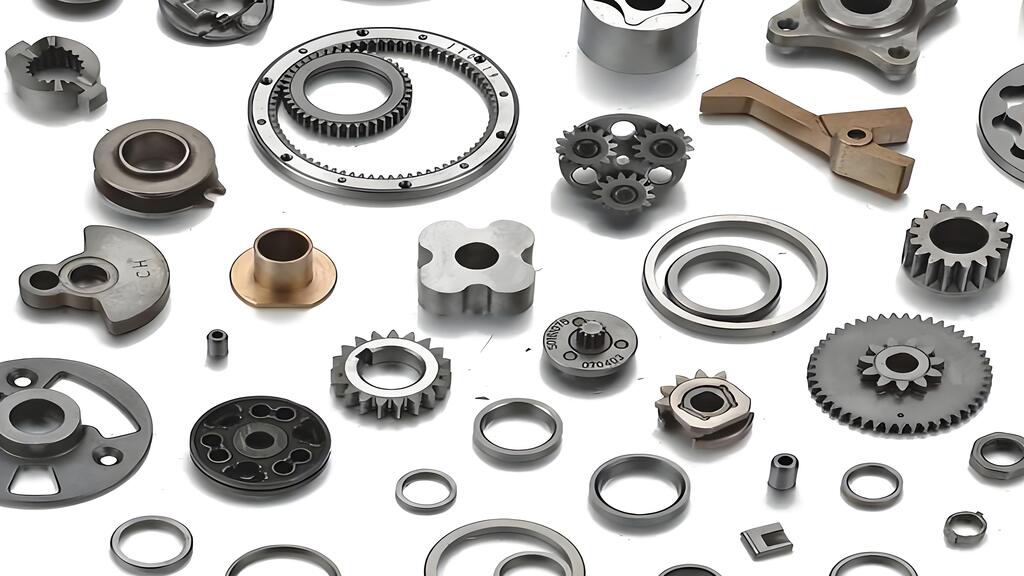


Sintered Carbide Nozzles and Wear Parts: Applications and Features
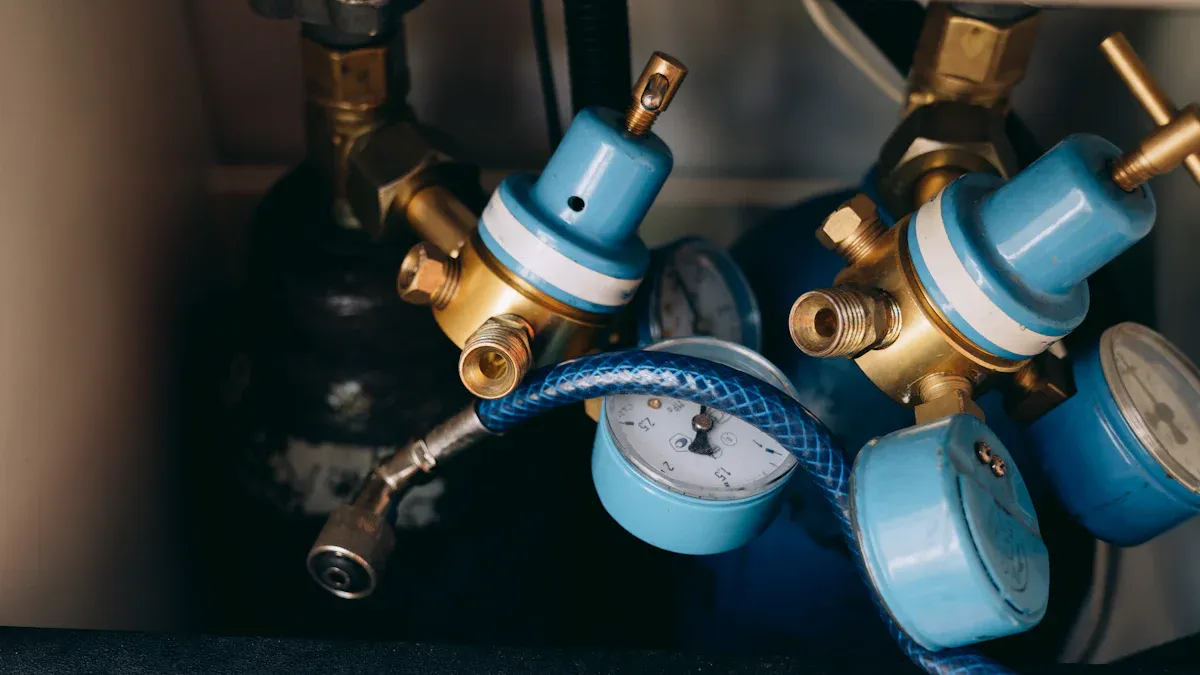
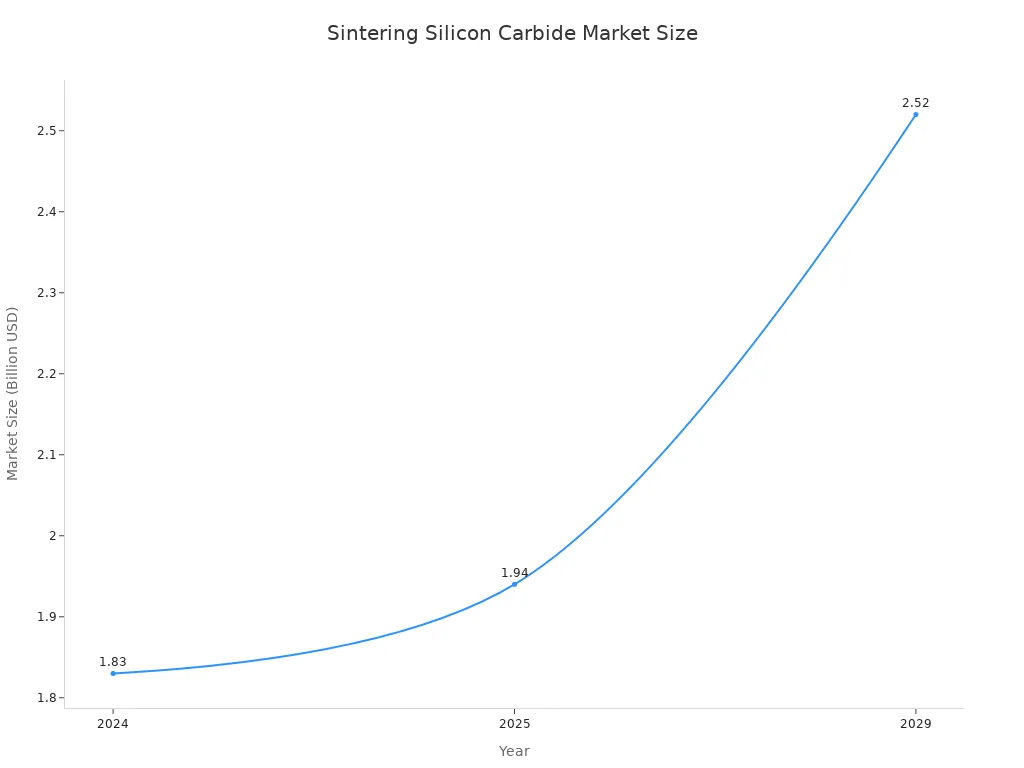
Sintered carbide is a composite material celebrated for its extreme hardness and exceptional durability. This engineered material combines metallic carbides, primarily tungsten carbide, with a binder metal through a high-temperature Sintering Process. The global market for Sintering Silicon Carbide demonstrates significant growth, reflecting the increasing demand for such robust materials.
Its unique characteristics make sintered carbide indispensable for critical industrial components. These components, including Sintered Carbide Nozzles, withstand severe wear, abrasion, and high temperatures. They ensure precision and longevity in demanding applications.
Key Takeaways
- Sintered carbide is a very hard material. It is made by mixing metal powders and heating them.
- This material is super strong. It can handle tough conditions like high heat and lots of rubbing.
- Sintered carbide nozzles help with many jobs. They are used for blasting, cutting with water, and spraying liquids.
- These nozzles last a very long time. They help save money and keep machines running smoothly.
- Sintered carbide parts protect machines. They make tools, bearings, and grinding parts last longer.
- Many industries use sintered carbide. This includes mining, oil, car making, and even medical tools.
- Choosing the right type of sintered carbide is important. It depends on what job it needs to do.
- New ideas are making sintered carbide even better. It will be used more in clean energy and advanced machines.
Understanding Sintered Carbide: The Foundation of Durability
What Defines Sintered Carbide?
Composition and Manufacturing Process
Sintered carbide is a sophisticated composite material. Its primary components often include tungsten, titanium, tantalum, and niobium. Binding materials like cobalt or nickel hold these hard particles together. For atmospheric pressure sintered silicon carbide, the main components are silicon (Si) and carbon (C). This material forms a non-metallic carbide through silicon and carbon covalent bonds, with a chemical formula of SiC.
The manufacturing of cemented carbide involves several interconnected stages. First, raw materials like tungsten carbide powder (WC) and cobalt (Co) binder are precisely weighed. Optional additives such as titanium carbide (TiC) may also be included. Next, powders undergo wet milling in alcohol for homogeneity, followed by spray drying to create granules. Forming then occurs, either through pressing to create 'green' compacts or injection molding for complex geometries. Sintering is the core process for full densification through controlled heating cycles. This process includes debinding and pre-sintering (400°C–800°C) for wax removal and oxide reduction. Solid-phase sintering (800°C–1300°C) involves diffusion bonding of WC particles and shrinkage. Liquid-phase sintering (1400°C–1500°C) sees cobalt melt, forming a metallic matrix and eliminating pores. Finally, controlled cooling occurs, sometimes with Hot Isostatic Pressing (HIP) to eliminate residual porosity. Advanced sintering technologies like vacuum sintering and hydrogen sintering are also employed.
Core Material Characteristics
The unique composition and manufacturing process give sintered carbide exceptional characteristics. It possesses a fine-grained microstructure, which contributes significantly to its strength and durability. The material's inherent properties make it suitable for extreme conditions.
Why Sintered Carbide Excels in Demanding Environments
Unmatched Hardness and Compressive Strength
Sintered carbides, also known as hardmetals or cermets, are inherently harder and more wear-resistant than tool steels. They possess greater thermal stability. These materials are commonly used in high-volume manufacturing and can be used in high-speed and hard machining operations. This is especially true when combined with appropriate coatings. The hardness changes reported for cryogenically treated sintered carbides are more moderate compared to tool steels. However, these treatments can significantly improve the hot hardness of complex WC–Co alloys.
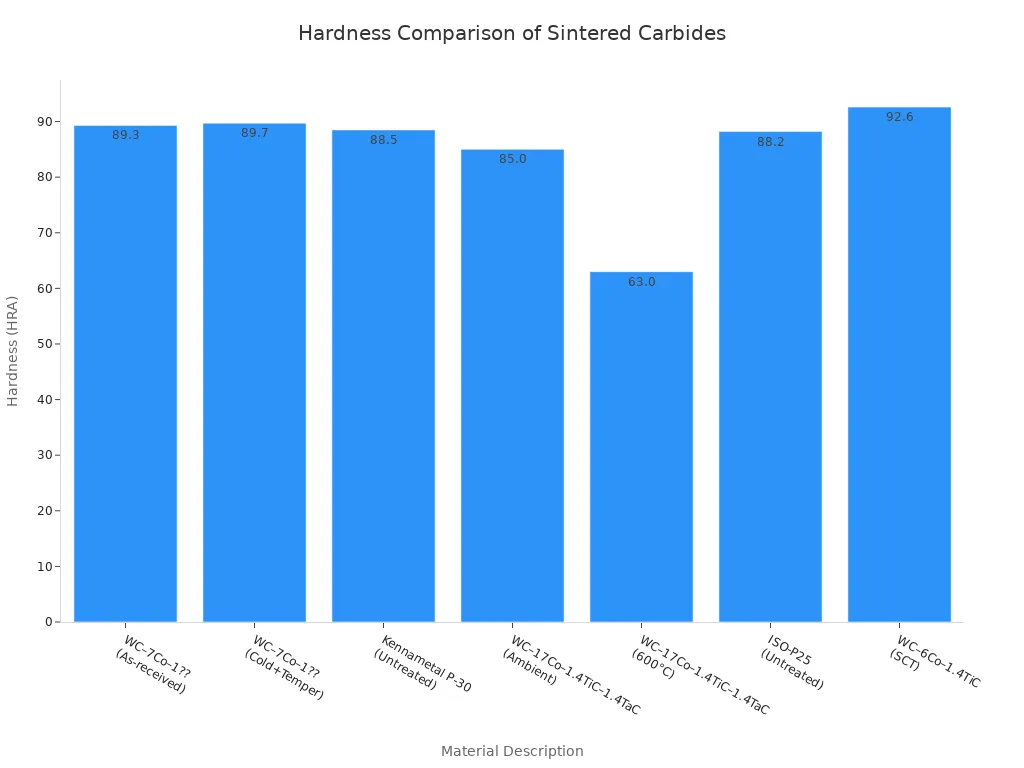
For example, WC–7Co–1?? (As-received) shows a hardness of 89.3 HRA. Silicon carbide can reach 2500 Knoop hardness.
Superior Resistance to Wear and Abrasion
Sintered carbide effectively resists abrasive wear. Abrasive wear is defined as the loss of material due to hard particles or hard protuberances. Its extreme hardness allows it to withstand constant friction and impact from abrasive media. This resistance ensures components maintain their shape and function over extended periods.
Stability Under High Temperatures and Pressures
Sintered carbide maintains its structural integrity and performance even under high temperatures and pressures. Its thermal stability prevents deformation or degradation in harsh operating conditions. This makes it ideal for applications where other materials would quickly fail.
Sintered Carbide Nozzles: Precision, Performance, and Longevity
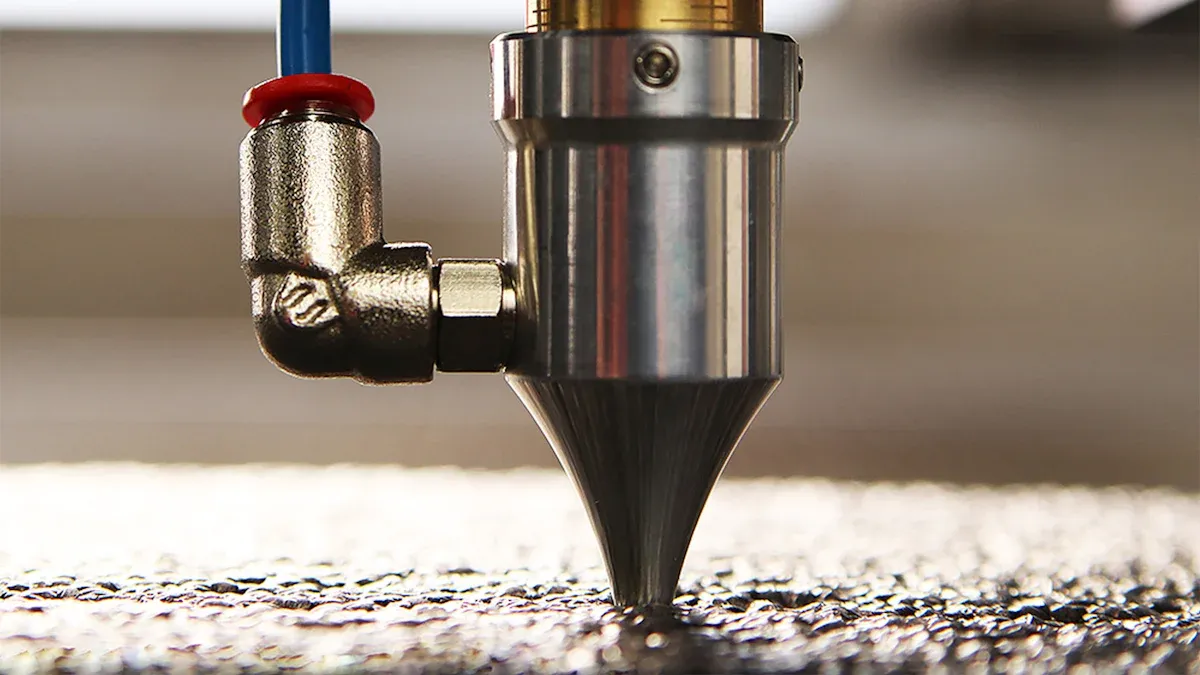
Sintered carbide nozzles represent a cornerstone in various industrial processes, delivering unparalleled precision, consistent performance, and extended operational life. Their robust nature makes them ideal for applications where other materials quickly succumb to wear and tear.
Critical Roles of Sintered Carbide Nozzles
Sintered carbide nozzles perform essential functions across diverse industries, enabling efficient and precise operations.
Abrasive Blasting and Shot Peening
In abrasive blasting and shot peening, Sintered Carbide Nozzles are indispensable. They direct high-velocity streams of abrasive media, such as sand, grit, or shot, onto surfaces for cleaning, deburring, or strengthening. The extreme hardness of sintered carbide resists the constant impact and friction from these abrasive particles, maintaining the nozzle's shape and performance. This ensures consistent blast patterns and efficient material removal or surface treatment.
High-Pressure Waterjet Cutting and Cleaning
High-pressure waterjet technology relies heavily on the durability of Sintered Carbide Nozzles. These nozzles form and accelerate water streams, often mixed with abrasives, to cut through tough materials or clean stubborn residues. Industries extensively use these nozzles for precision cutting of metals, stone, glass, ceramics, and composite materials in automotive, aerospace, and construction sectors. They also find application in ship maintenance, industrial equiPment refurbishment, and infrastructure cleaning. Furthermore, medical device production and optical component manufacturing utilize them for high-precision tasks, including rapid prototyping and micromachining.
Spray Drying and Atomization
Spray drying and atomization processes convert liquids into fine droplets or powders. Sintered carbide nozzles play a crucial role here by creating precise, consistent spray patterns. This consistency is vital for product quality in industries like food processing, pharmaceuticals, and chemical manufacturing. The nozzles resist wear from corrosive or abrasive slurries, ensuring uniform droplet size and efficient drying.
Fluid Handling and Flow Control
In fluid handling and flow control systems, Sintered Carbide Nozzles manage the flow and pressure of various liquids and gases. They provide accurate metering, mixing, and dispensing capabilities. Their wear resistance ensures that the internal bore remains stable, preventing changes in flow rates or spray characteristics over time. This reliability is critical for processes requiring exact fluid delivery, such as chemical injection or lubrication systems.
Advantages of Utilizing Sintered Carbide Nozzles
The adoption of sintered carbide nozzles offers significant benefits, translating into improved operational efficiency and cost savings for industrial users.
Extended Operational Lifespan
Sintered carbide nozzles boast an exceptionally long operational lifespan. For instance, in abrasive blasting, tungsten carbide nozzles typically last 500-1000 hours, a remarkable improvement compared to standard steel nozzles which only last 10-20 hours. This represents a 25-50 times longer service life. Their high Vickers hardness, reaching 2600 HV, far surpasses ceramic (2000 HV) and hardened steel (800 HV), directly contributing to their longevity. This extended life means fewer replacements and less downtime.
Consistent Spray Patterns and Flow Rates
Maintaining consistent spray patterns and flow rates is paramount for product quality and process efficiency. Sintered carbide nozzles excel in this area. They resist bore enlargement and deformation, which commonly plague nozzles made from softer materials. This dimensional stability ensures that the spray angle, droplet size, and flow volume remain constant throughout the nozzle's service life. For example, tungsten carbide nozzles maintain their bore diameter and profile 5-10 times longer than ceramic options, guaranteeing steady performance.
Significant Reduction in Downtime and Maintenance
The superior durability of sintered carbide nozzles directly leads to a significant reduction in downtime and maintenance requirements. Fewer nozzle changes mean less interruption to production schedules. This also translates into substantial cost savings over the lifecycle of the equipment. While initial costs might be higher, carbide nozzles offer approximately 76% lifecycle cost savings, costing around $120 per 1,000 hours compared to $500 for steel alternatives. Furthermore, venturi-style carbide nozzles can increase production rates by up to 70%, further enhancing overall productivity and minimizing the need for frequent adjustments or repairs.
Sintered Carbide Wear Parts: Protecting Industrial Machinery
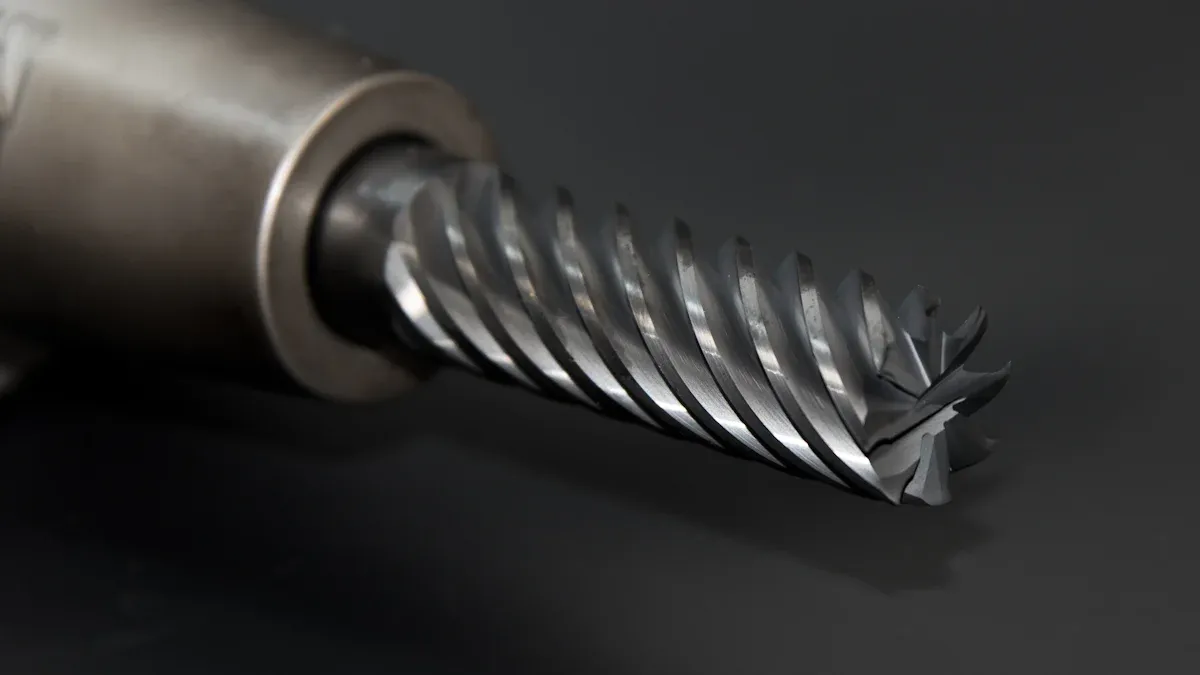
Sintered carbide wear parts play a crucial role in safeguarding industrial machinery. They extend equipment life and enhance operational efficiency. These components withstand extreme conditions, preventing premature failure and reducing maintenance needs.
Diverse Applications of Sintered Carbide Wear Parts
Sintered carbide finds application in numerous critical components across various industries. Its exceptional properties make it ideal for parts facing severe wear.
Cutting Tools, Inserts, and Dies
Sintered carbide is a primary material for many cutting tools and inserts. Manufacturers use it extensively for:
- Cutting inserts and cutting tools.
- Drawing dies.
It also forms the core of various dies:
- Punches and dies: These components work together in stamping dies. The punch applies force, and the die provides counterforce. Cemented carbide's high wear resistance significantly extends tool life in these applications.
- Forming and bending dies: These dies shape metal sheets into complex forms. The material's high hardness allows it to withstand extreme forces during the shaping process.
- Progressive dies: These dies perform multiple operations on a single metal sheet. Operations include punching, bending, and forming. High wear resistance and strength enable extended multi-operation performance.
- Blanking dies: These dies cut metal sheets into specific shapes. High hardness maintains a sharp cutting edge over long periods, ensuring precise cuts.
Bearings, Bushings, and Seal Rings
Sintered carbide significantly enhances the durability of bearings, bushings, and seal rings. Tungsten Carbide Bearing Bushings protect machine shafts and bearings. They reduce wear and extend machine life. These components withstand harsh environments. This includes high speed, high temperature, high pressure, and strong corrosion. They suit mechanical equipment requiring high strength and wear resistance.
Sintered Silicon Carbide (SiC) also serves as a traditional material for bushings and bearings in pumps. This is particularly true for sealless pumps within the petrochemical and power industries. Its high hardness and ability to resist abrasive wear in solid media are key reasons for its selection.
Grinding Media and Pulverizing Components
Sintered carbide excels in grinding media and pulverizing components. These parts face constant impact and abrasion. The material's extreme hardness ensures it maintains its shape and effectiveness. It efficiently breaks down tough materials like minerals, ores, and ceramics. This leads to consistent particle size reduction and longer component life.
Rollers, Punches, and Pistons
Rollers, punches, and pistons made from sintered carbide offer superior performance. Rollers in various manufacturing processes benefit from its wear resistance, maintaining precise dimensions. Punches, similar to those in dies, endure repetitive impact and force. Sintered carbide ensures their longevity and accuracy. Pistons, especially in high-pressure or abrasive fluid systems, resist wear and maintain sealing integrity.
Industries Reliant on Sintered Carbide Wear Parts
Many industries depend on sintered carbide wear parts for their demanding operations. These materials provide the reliability and longevity necessary for continuous production.
Mining, Construction, and Quarrying
The mining, construction, and quarrying industries operate in extremely abrasive environments. Equipment faces constant exposure to rock, soil, and other hard materials. Sintered carbide wear parts, such as drill bits, cutting tools for excavators, and crusher components, withstand these harsh conditions. They significantly extend the operational life of heavy machinery. This reduces downtime and improves productivity in these rugged sectors.
Oil, Gas, and Petrochemical Operations
Oil, gas, and petrochemical operations present some of the most challenging environments for industrial components. Sintered carbide plays a vital role in these sectors. Its extreme hardness allows components to withstand high-stress and abrasive environments. It offers resistance to wear and corrosion, extending the lifespan of tools and parts. This remarkable durability ensures components last longer in demanding applications.
Manufacturers use sintered carbide for wear parts and dies, as well as drill tips, tunneling equipment, and wear-resistant inserts in rugged environments. This significantly reduces downtime and replacement costs compared to conventional alternatives. This directly contributes to extended tool life.
Sintered carbide provides superior wear resistance due to its exceptional hardness. It withstands abrasive forces, maintaining component shape in high-stress environments. This extends lifespan by reducing the need for frequent replacements. It also offers superior strength and toughness. This enhances the structural integrity of alloys, allowing them to endure heavy loads and resist deformation. This is crucial for components subjected to extreme pressures or impacts. Furthermore, it provides improved heat resistance and stability. This enables components to withstand high temperatures without significant degradation. It ensures stability in demanding environments like those found in oil and gas. Enhanced corrosion resistance also protects components from moisture, chemicals, and other corrosive agents. This prolongs their lifespan and reduces maintenance costs in corrosive environments.
Agriculture and Food Processing
In agriculture, sintered carbide wear parts enhance the durability of farming equipment. Components like tillage tools, spray nozzles, and harvesting machine parts benefit from its wear resistance. This ensures longer service life in abrasive soil conditions. The food processing industry also utilizes sintered carbide. It ensures hygiene and prevents contamination. Components like cutting blades, pump seals, and homogenizer parts resist wear from abrasive food products and cleaning agents.
Automotive and Aerospace Manufacturing
The automotive and aerospace industries demand high precision and reliability. Sintered carbide wear parts meet these stringent requirements. In automotive manufacturing, it appears in stamping dies, engine components, and braking systems. Its hardness and wear resistance ensure consistent quality and extended part life. Aerospace applications include precision machining tools, bearings, and structural components. These parts must withstand extreme temperatures, pressures, and corrosive environments. Sintered carbide's properties contribute to the safety and performance of aircraft and spacecraft.
Key Features and Benefits of Sintered Carbide Components
Sintered carbide components offer significant advantages across various industrial applications. They enhance operational efficiency, deliver long-term cost-effectiveness, and contribute to sustainable industrial practices.
Enhancing Operational Efficiency and Output
Sintered carbide components directly improve how industries operate. They boost production and ensure consistent product quality.
Increased Production Rates
The exceptional durability of sintered carbide parts allows machinery to run longer without interruption. This directly translates into faster production cycles. Industries experience less downtime for repairs or replacements. This continuous operation maximizes output and meets demanding production schedules more effectively.
Improved Product Quality and Consistency
Sintered carbide components significantly improve product quality and consistency in manufacturing processes. Their high hardness and wear resistance ensure tools maintain their precise dimensions and cutting edges. This allows for the creation of complex geometries, which traditional machining methods cannot achieve. The uniform microstructure of sintered carbide also enhances mechanical properties. This leads to a lower total cost of ownership due to longer component life. Manufacturers ensure consistent quality through rigorous quality control measures. These include:
- Incoming Quality Control (IQC): Inspectors check raw materials for purity, particle size distribution, and contamination.
- In-Process Quality Control (IPQC): Monitoring during forming, assembly, and sintering includes dimensional checks, temperature profiling, and defect detection.
- Final Quality Control (FQC): Finished products undergo rigorous testing for mechanical strength, density, surface finish, and dimensional accuracy. This meticulous process ensures every component meets high standards.
Delivering Long-Term Cost-Effectiveness
Investing in sintered carbide components yields substantial long-term financial benefits for businesses.
Lower Maintenance and Replacement Costs
The extended lifespan of sintered carbide parts dramatically reduces maintenance and replacement costs. Components like Sintered Carbide Nozzles last significantly longer than those made from softer materials. This means fewer purchases of new parts and less labor spent on changing them. Businesses save money on both materials and labor over time.
Reduced Energy Consumption
Sintered carbide plates are a game-changer in energy efficiency, offering superior performance over traditional materials. Their ability to reduce friction, improve durability, and optimize thermal conductivity makes them a smart choice for industries looking to enhance productivity while cutting energy costs.
| Feature | Sintered Carbide Plates | Steel | Titanium | Ceramic |
|---|---|---|---|---|
| Hardness | Extremely High | Moderate | High | Very High |
| Wear Resistance | Excellent | Low | Moderate | High |
| Thermal Conductivity | High | Moderate | Low | Low |
| Friction Reduction | High | Low | Moderate | High |
| Lifespan | Longest | Short | Long | Moderate |
| Energy Efficiency | Excellent | Low | Moderate | High |
| Their low-friction surface minimizes energy loss in mechanical systems, leading to lower operational costs. Unlike standard steel, carbide plates dissipate heat more efficiently, preventing overheating and reducing cooling requirements. A longer lifespan means fewer replacements, which cuts down on production downtime and resource consumption. Enhanced cutting efficiency ensures machines consume less power while maintaining high performance. |
Contributing to Sustainable Industrial Practices
Sintered carbide components also play a vital role in promoting environmental sustainability within industries.
Minimizing Material Waste
The extended lifespan of sintered carbide components significantly minimizes material waste. For example, SiC crucibles can last over 100 sintering cycles. This reduces the need for frequent replacements, decreasing waste and alleviating landfill burden. Superior thermal conductivity of SiC crucibles enhances sintering process efficiency, leading to reduced energy consumption and a smaller carbon footprint. By prolonging component life, the demand for raw materials significantly lowers. This contributes to the conservation of resources and mitigates the environmental impact of extraction and processing. Using SiC crucibles in processes like lithium-ion battery cathode material sintering substantially cuts down on waste, aligning with sustainable practices and environmental regulations. Reprocessing old carbide bits also significantly reduces landfill waste and conserves raw materials.
Extending Equipment Life Cycles
The inherent durability and wear resistance of sintered carbide components extend the overall life cycles of industrial equipment. Machinery equipped with these parts operates reliably for longer periods. This reduces the frequency of equipment replacement and the associated environmental impact of manufacturing new machines. This approach supports a more circular economy.
Selecting the Optimal Sintered Carbide Grade
Choosing the correct sintered carbide grade is crucial for maximizing performance and longevity in industrial applications. An optimal selection ensures efficiency, reduces wear, and prevents premature component failure. Several factors guide this important decision.
Factors Guiding Grade Selection
Specific Application Requirements
Application requirements significantly influence the choice of a specific sintered carbide grade. Engineers must consider a balance between hardness and toughness. A grade that is too hard can lead to micro-breakages or catastrophic failure. Conversely, a grade that is too tough will wear out quickly or necessitate reduced cutting speeds, impacting productivity.
Different materials require specific combinations of hardness and toughness. For instance, steel and stainless steel often require tougher grades for interrupted cuts. Aluminum, however, can use medium-hard grades. The type of machining application also dictates the tool's demands. Continuous turning generally benefits from harder grades. Milling or heavy interrupted turning requires tougher grades due to the nature of the cut. Cutting speed, which can vary with diameter in operations like turning and parting, also influences the appropriate grade selection.
| Material | Turning (Continuous) | Turning (Light Interrupted) | Turning (Heavy Interrupted) | Milling |
|---|---|---|---|---|
| Steel | Hard | Medium | Tough | Tough |
| Stainless Steel | Hard | Medium | Tough | Tough |
| Aluminum | Hard | Medium-Hard | Medium | Medium |
| Inconel | Very Hard | Hard | Medium | Tough |
| Titanium | Very Hard | Hard | Medium | Medium |
Coatings also play a role. CVD coatings are thicker, offer better heat barriers, and allow higher cutting speeds. However, they are not suitable for sharp edges and are prone to cracks. PVD coatings are thinner, tougher, can be applied to sharp edges, and have smoother surfaces. They require lower cutting speeds. Post-treatments, such as sandblasting or polishing, smooth the coating layer, reducing friction and heat.
| Material | Turning (High Speed) | Turning (Low Speed) | Parting and Grooving | Milling |
|---|---|---|---|---|
| Steel | CVD | PVD | PVD | PVD / Thin CVD |
| Stainless Steel | Thin CVD | PVD | PVD | PVD / Thin CVD |
| Aluminum | Uncoated | Uncoated | Uncoated | Uncoated |
| Inconel | Thin PVD | Thin PVD | Thin PVD | PVD |
| Titanium | Thin PVD / Uncoated | Thin PVD / Uncoated | Thin PVD / Uncoated | PVD / Uncoated |
Operating Environment and Conditions
Operating environment conditions, particularly temperature and corrosiveness, significantly influence sintered carbide grade selection. Cobalt, a common binder in tungsten carbides, provides strength and toughness. However, it is highly susceptible to chemical reactions with corrosive agents. This leads to 'cobalt leaching' and structural degradation. While cobalt binders resist organic solvents and weak acids, they rapidly deteriorate in strong acids like hydrochloric and hydrofluoric. The severity of corrosion is also affected by the temperature, density, and electrical conductivity of the corrosive agents. To mitigate this, alloying cobalt with chromium, molybdenum, or nickel can improve corrosion resistance. Nickel substitution proves most effective in highly corrosive environments. Therefore, the choice of tungsten carbide grade, including its corrosion resistance, must be tailored to the specific application and its environmental demands.
Materials Being Processed or Handled
The specific materials being processed or handled directly dictate the required properties of the sintered carbide. Different workpiece materials demand varying levels of hardness, toughness, and wear resistance from the carbide component.
| Letter | Material | Color | Hardness Level (05-45) |
|---|---|---|---|
| P | Steel | Blue | 05 (very hard) to 45 (very tough) |
| M | Stainless Steel | Yellow | 05 (very hard) to 45 (very tough) |
| K | Cast Iron | Red | 05 (very hard) to 45 (very tough) |
| N | Non-Ferrous | Green | 05 (very hard) to 45 (very tough) |
| S | Super-Alloys | Orange | 05 (very hard) to 45 (very tough) |
| H | Hardened Steel | Grey | 05 (very hard) to 45 (very tough) |
Common Sintered Carbide Grades and Their Uses
Tungsten Carbide-Cobalt (WC-Co) Grades
Cemented carbides are composite materials. They consist of hard carbide particles bonded by a metallic binder. The carbide phase, typically tungsten carbide (WC), constitutes between 70% and 97% of the total weight. Its average grain size ranges from 0.4 to 10 μm. Cobalt (Co) serves as the basic binder phase in WC-Co compositions. Other carbides like titanium carbide (TiC), tantalum carbide (TaC), and niobium carbide (NbC) can be included. The cobalt binder can also be alloyed with or replaced by other metals such as iron (Fe), chromium (Cr), nickel (Ni), or molybdenum (Mo).
WC-Co is the most prevalent grade. It offers a balance of hardness and toughness. Cobalt content enhances toughness, which is crucial for impact resistance. These grades possess excellent hardness, fracture strength, and wear resistance. Their mechanical properties depend highly on tungsten carbide grain size and binder phase amount. Hardness and tensile strength increase with decreasing grain size. Fracture toughness increases with increasing grain size. Industries widely use WC-Co for cutting tools. They apply it in extreme temperature and pressure environments like machining, grinding, and bearing. It is predominantly used in the machining industry, including tools for geologic mining, drilling, and turning of specialty metals. It is also used for wear parts.
Tungsten Carbide-Nickel (WC-Ni) Grades
Tungsten Carbide-Nickel (WC-Ni) grades offer an alternative to WC-Co, particularly in corrosive environments. Nickel acts as the binder instead of cobalt. This substitution provides enhanced corrosion resistance. WC-Ni grades are suitable for applications where chemical exposure is a primary concern. They maintain good hardness and wear resistance, making them valuable in chemical processing and marine industries.
Specialized and Binderless Carbide Grades
Specialized and binderless carbide grades cater to unique and extreme applications. Binderless carbides, for example, consist almost entirely of tungsten carbide. They offer exceptional hardness and wear resistance. However, they have lower toughness. Manufacturers use them in applications requiring maximum abrasion resistance and minimal impact. Other specialized grades incorporate various carbides and binders. These are engineered for specific properties like extreme heat resistance or unique chemical inertness. These advanced materials push the boundaries of performance in highly demanding industrial settings.
Innovations and Future Outlook for Sintered Carbide Technology
Sintered carbide technology continues to evolve, pushing the boundaries of material science and expanding its utility across critical industries. Researchers develop new materials and refine manufacturing processes. These efforts promise even greater performance and broader applications for these robust components.
Advancements in Material Science and Manufacturing
Material scientists actively pursue innovations that enhance sintered carbide properties and production efficiency.
Novel Binder Systems and Additives
Significant advancements occur in novel binder systems for sintered carbide. Researchers explore bio-derived binders and powders, utilizing materials like rice-husk silica and lignin-based resins. These provide carbon-negative feedstocks. In-situ phase change binders, which jet low-melting metal salts, integrate directly into the alloy matrix. This eliminates the need for infiltration. Functionally graded droplet control uses dual printheads to vary binder rheologies. This enables localized porosity for thermal management. Machine learning also plays a role in binder design. Generative models propose novel monomer structures. They optimize for cure kinetics, viscosity, and ecotoxicity before laboratory synthesis. In-situ alloying and reactive powder blends allow printing multiple simple powders that alloy during sintering. Examples include Cu-Sn to form bronze with enhanced tensile strength, and Fe-Al intermetallics for high oxidation resistance. High-entropy alloy (HEA) binders for WC-based cemented carbides demonstrate superior wettability. This results from Cr adsorption and Al-controlled interfacial reactions, optimizing bonding strength. HEA binders significantly outperform traditional Co-based binders in high-temperature oxidation and corrosion resistance. This is due to their sluggish diffusion effect and stable passive oxide layer formation. Optimization of water-soluble binder systems is also crucial for powder extrusion printing of silicon carbide ceramics. This indicates a recent advancement in binder technology for this material.
Enhanced Grain Structure Control
Controlling the grain structure of sintered carbide remains a key area of research. Manufacturers precisely manipulate grain size and distribution. This directly influences the material's mechanical properties. Finer-grain structures generally increase hardness and wear resistance. Coarser grains can improve toughness. Advanced sintering techniques and additive manufacturing methods allow for more precise control over microstructure. This leads to components with tailored properties for specific demanding applications.
Expanding Horizons for Sintered Carbide Applications
The unique properties of sintered carbide open new possibilities in emerging and high-tech sectors.
Renewable Energy Systems
Sintered carbide finds increasing use in renewable energy systems. In solar energy, recrystallized Silicon Carbide (R-SiC) serves in high-temperature solar collectors. It forms heat exchangers and absorber tubes in Concentrated Solar Power (CSP) systems. R-SiC withstands temperatures over 1600°C and offers exceptional thermal conductivity. High-purity R-SiC crucibles are also essential for melting and recrystallizing silicon in photovoltaic manufacturing. This ensures high-quality silicon wafers for PV cells. For wind energy, R-SiC's wear and corrosion resistance make it valuable for offshore wind turbine bearings and seals. Its high thermal conductivity also makes R-SiC ideal for cooling systems in wind turbine power electronics. In battery technology, R-SiC is utilized in high-temperature components like sintering furnace linings for lithium-ion battery materials. It also shows promise for battery casings and separators in next-generation solid-state batteries. For hydrogen energy, R-SiC's corrosion resistance extends the lifespan of electrodes in electrolysis. It also finds use in components like interconnects and seals in hydrogen fuel cells.
Advanced Aerospace Components
Sintered silicon carbide is an advanced engineering ceramic material. It is indispensable in high-tech fields like aviation. Its outstanding performance, including high temperature resistance, corrosion resistance, and wear resistance, makes it a preferred material for demanding aerospace applications. Sintered carbide is used in critical engine components such as turbine blades, combustion chambers, and bearings. It withstands high temperatures, extreme pressures, and provides exceptional wear resistance and dimensional stability. It is also instrumental in crafting various sensors for aerospace applications. These include pressure sensors, temperature sensors, accelerometers, and gyroscopes. Sintering techniques ensure the precision, reliability, and durability required for these components in demanding aerospace environments.
Precision Medical Devices
The medical device manufacturing sector is increasingly adopting sintered carbide. This is due to its high performance and durability. There is a growing preference for high-performance and durable cutting tools. Carbide burrs see increased adoption in this industry. This creates new growth opportunities. The emphasis on sustainability drives demand for carbide burrs. They offer efficient material removal with minimal waste. High-precision cutting tools, often made of carbide, are crucial for machining artificial acetabula. These require materials with high strength, chemical stability, low friction, high wear resistance, and biocompatibility. Carbide tools are also used in the production of surgical instruments. These demand high precision for complex geometries and strict tolerances. Customized prosthetics, enabled by high-precision cutting tools, become increasingly important. They allow for devices tailored to individual patient physiology.
Sintered carbide plays a pivotal role in driving industrial efficiency and durability. These advanced materials, exemplified by robust Sintered Carbide Nozzles, significantly impact performance and generate substantial cost savings. They reduce maintenance needs and extend equipment lifespan. The continuous evolution of sintered carbide technology promises even greater future applications, ensuring its indispensable presence across various sectors.
FAQ
What is sintered carbide?
Sintered carbide is a composite material. It combines hard metallic carbides, primarily tungsten carbide, with a binder metal. A high-temperature sintering process creates this material. It offers extreme hardness and exceptional durability for industrial applications.
Why do industries prefer sintered carbide nozzles?
Industries prefer sintered carbide nozzles for their precision, performance, and longevity. They provide consistent spray patterns and flow rates. These nozzles also significantly extend operational lifespans, reducing downtime and maintenance needs in demanding applications.
What are the main advantages of using sintered carbide wear parts?
Sintered carbide wear parts offer superior resistance to wear and abrasion. They also provide unmatched hardness and compressive strength. These properties protect industrial machinery, extend equipment life, and enhance operational efficiency in harsh environments.
How does one select the optimal sintered carbide grade?
Selecting the optimal grade involves considering specific application requirements. One must also evaluate the operating environment and conditions. The materials being processed or handled also guide this decision. This ensures the best balance of hardness and toughness.
Does sintered carbide contribute to sustainable industrial practices?
Yes, sintered carbide contributes to sustainability. Its extended lifespan minimizes material waste. It also prolongs equipment life cycles. This reduces the need for frequent replacements and conserves resources, supporting a more circular economy.
Which industries heavily rely on sintered carbide components?
Many industries rely on sintered carbide components. These include mining, construction, and quarrying. Oil, gas, and petrochemical operations also depend on them. Agriculture, food processing, automotive, and aerospace manufacturing sectors also utilize these durable materials extensively.
What innovations are shaping the future of sintered carbide technology?
Innovations include novel binder systems and additives. Enhanced grain structure control also drives advancements. These developments expand sintered carbide applications into renewable energy, advanced aerospace components, and precision medical devices.