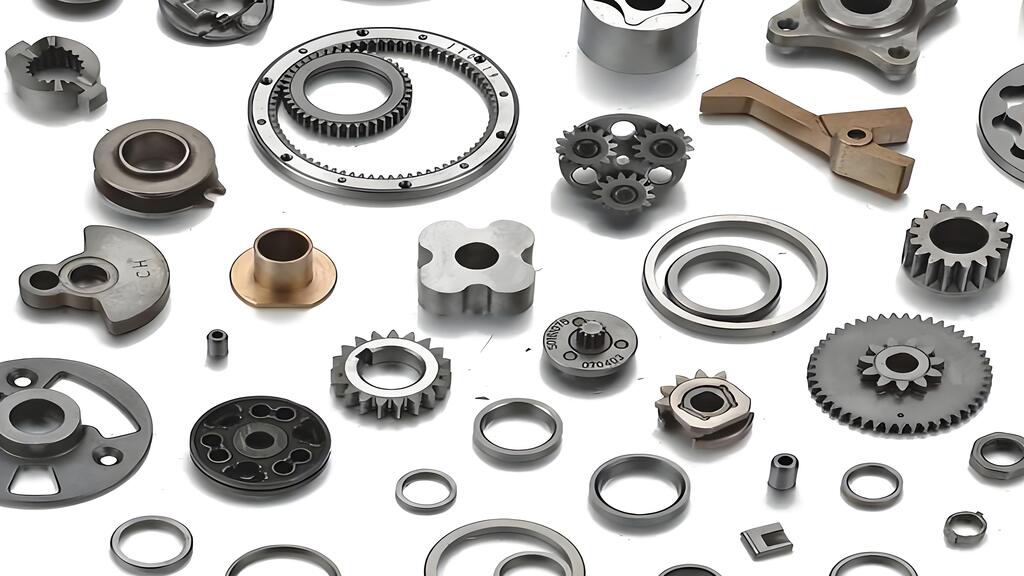


Stainless steel powder
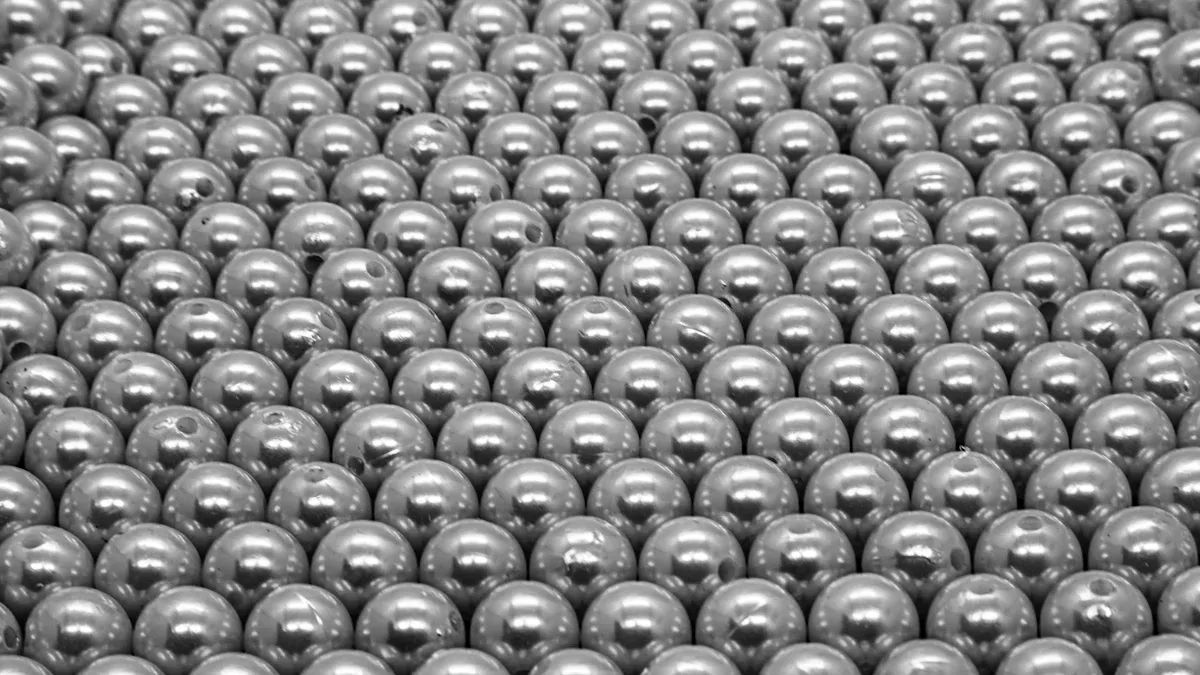
Stainless steel powder consists of finely milled particles made from stainless steel alloys. Manufacturers use it to create durable, corrosion-resistant parts for industries such as automotive, aerospace, and construction. The global stainless steel market reached USD 117.63 billion in 2023, with continued expansion driven by its strength, versatility, and sustainability. Scientific analysis confirms its superior mechanical properties and weldability, making it essential for advanced manufacturing methods like Powder Metallurgy and metal injection molding.
Key Takeaways
- Stainless steel powder is made of tiny particles from stainless steel alloys, used to make strong, corrosion-resistant parts.
- Common grades like 304L, 316L, and 17-4PH offer different strengths and corrosion resistance for various industries.
- Powder particle size and shape affect how well it flows and packs, impacting manufacturing quality and final part strength.
- Main production methods include gas atomization for spherical powders and mechanical milling for irregular shapes.
- Stainless steel powder shows excellent corrosion, oxidation, hardness, and wear resistance, making it ideal for tough environments.
- It supports advanced manufacturing like 3D printing, powder metallurgy, and Metal Injection Molding for complex, precise parts.
- Using stainless steel powder improves material efficiency, reduces waste, and supports sustainable manufacturing practices.
- Proper handling, storage, and safety measures are essential to protect workers and maintain powder quality.
What is Stainless Steel Powder?
Stainless steel powder refers to finely divided particles produced from stainless steel alloys. Manufacturers design these powders for advanced manufacturing processes, including powder metallurgy and metal injection molding. The unique properties of stainless steel powder stem from its precise chemical composition and controlled particle characteristics.
Composition and Alloy Grades
Common Grades (e.g., 316, 316L, 304L)
Manufacturers produce stainless steel powder in several alloy grades, each tailored for specific applications. The most widely used grades include:
- 304L: Known for excellent corrosion resistance and weldability, often used in food processing and medical devices.
- 316 and 316L: Contain higher levels of nickel and molybdenum, providing superior resistance to pitting and crevice corrosion. These grades are common in the marine, chemical, and pharmaceutical industries.
- 17-4PH: A precipitation-hardened grade valued for its high strength and hardness, frequently used in aerospace and medical implants.
Recent technical reports highlight the growing adoption of ultra-high purity and specialty grades. For example, Sandvik developed a 17-4PH powder for orthopedic implants, achieving over 98% yield strength consistency. Ultra-fine 316L powders, with particle sizes below 10 microns, now enable micro-scale 3D printing with tensile strengths above 490 MPa.
Alloying Elements and Their Roles
The performance of stainless steel powder depends on its elemental composition. The table below summarizes the typical weight percentages for 316L stainless steel powder, as detailed in recent scientific studies:
| Element | Weight % |
|---|---|
| Iron (Fe) | Balance |
| Chromium (Cr) | ~17.04 |
| Nickel (Ni) | ~12.01 |
| Molybdenum (Mo) | ~2.4 |
| Manganese (Mn) | ~1.5 |
| Silicon (Si) | ~0.9 |
| Carbon (C) | ~0.028 |
| Oxygen (O) | ~0.068 |
| Sulfur (S) | ~0.008 |
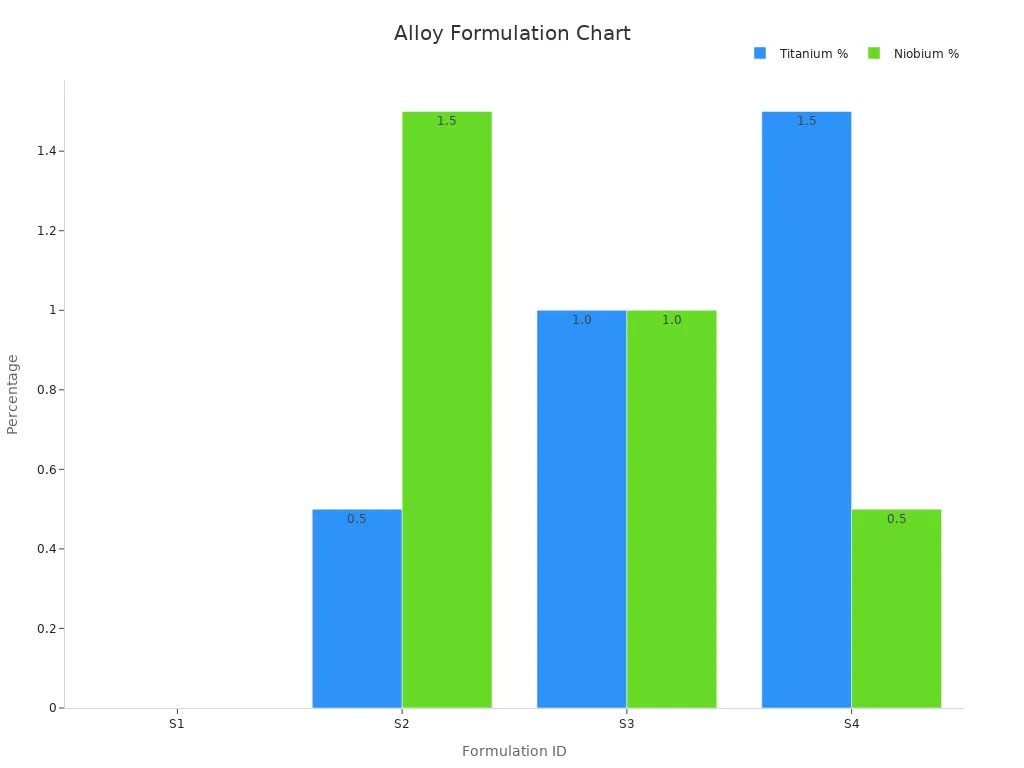
Chromium provides corrosion resistance by forming a passive oxide layer. Nickel enhances ductility and toughness. Molybdenum increases resistance to pitting and crevice corrosion. Small additions of titanium and niobium, as seen in advanced formulations, further improve mechanical properties and stability.
Forms and Particle Characteristics
Particle Size and Shape
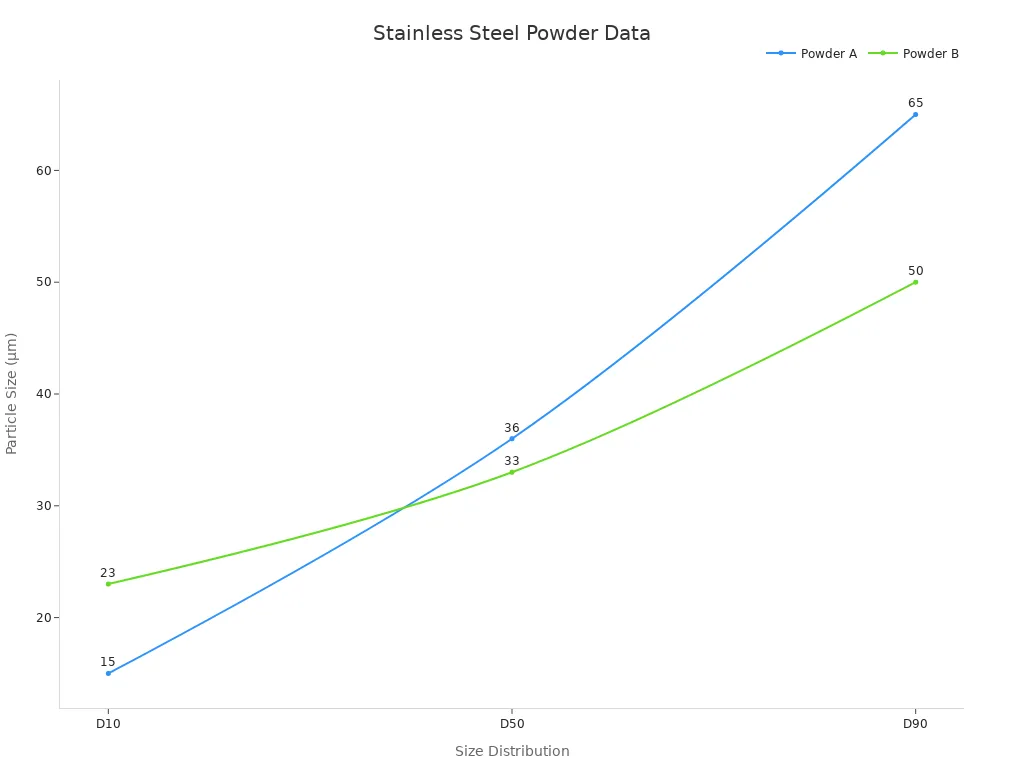
Particle size and shape play a critical role in determining the flowability, packing density, and sintering behavior of stainless steel powder. Experimental data show that industrial powders exhibit a broad size distribution. For example, two batches of 316L powder demonstrated the following particle size percentiles:
| Powder | D10 (μm) | D50 (μm) | D90 (μm) |
|---|---|---|---|
| A | 15 | 36 | 65 |
| B | 23 | 33 | 50 |
These values indicate that most particles range from below 10 microns up to 65 microns. Fine powders, typically 10–20 microns, are preferred for metal injection molding, while additive manufacturing often uses spherical powders with D50 values around 30–40 microns.
Morphology and Appearance
The morphology of stainless steel powder affects its performance in manufacturing processes. Most powders produced by atomization methods display a mix of spherical and irregular shapes. Spherical particles offer better flowability and packing, which is essential for additive manufacturing and powder metallurgy. However, satellite particles and elongated shapes often appear due to the atomization process. These features can influence powder behavior during compaction and sintering.
Advanced characterization techniques, such as scanning electron microscopy and dynamic image analysis, reveal that stainless steel powders are rarely perfectly spherical. The presence of non-spherical particles and satellites impacts flow properties and the quality of finished components. Manufacturers continue to refine production methods to achieve higher circularity and more uniform particle size distributions.
Note: The choice of particle size and morphology directly impacts the success of powder metallurgy and metal injection molding applications. Consistent particle characteristics ensure reliable sintering, high density, and optimal mechanical properties in finished parts.
How is Stainless Steel Powder Made?
Manufacturers use several advanced techniques to produce stainless steel powder, each method tailored to achieve specific particle characteristics and performance requirements. The main production routes include atomization, mechanical, and chemical processes.
Atomization Techniques
Atomization remains the most widely adopted method for producing high-quality stainless steel powder. This process involves breaking molten metal into fine droplets, which then solidify into powder particles.
Gas Atomization
In gas atomization, high-pressure inert gas jets disintegrate a stream of molten stainless steel. This technique produces powders with spherical shapes and controlled particle sizes, ideal for additive manufacturing and powder metallurgy. Studies show that ultrasonic atomization, a variant of gas atomization, achieves powder production efficiency up to 80.6% under optimal conditions. Nearly half of the powder falls within the 50-80 µm range, with a significant portion below 50 µm. These powders display high sphericity, low porosity, and excellent flowability, making them suitable for demanding industrial applications. Process parameters such as torch current and wire feed speed play a crucial role in determining powder yield and quality.
Note: Ultrasonic atomization produces finer, more uniform powders with improved flowability and reduced oxygen content compared to traditional gas atomization.
Water Atomization
Water atomization uses high-pressure water jets to fragment molten metal. This method typically yields irregularly shaped particles with a wider size distribution. Water-atomized powders are often used in applications where high flowability is not critical, such as certain powder metallurgy processes. The process offers cost advantages and high throughput, but the resulting powder may require additional processing to improve its properties.
Mechanical Production Methods
Mechanical methods involve physically breaking down solid stainless steel into powder form. These techniques are suitable for producing larger quantities of powder with specific particle size requirements.
Milling Processes
Milling processes use mechanical forces to grind stainless steel into fine particles. Ball mills, attrition mills, and hammer mills are common equipment choices. The resulting powder often has a larger particle size and less spherical morphology compared to atomized powders. A regression model explains 74% of the variability in powder yield based on factors such as chip size, milling mass, and milling time. Mechanically produced powder meets deposition system requirements but may show lower flowability and less predictable part density in additive manufacturing.
Mechanical Alloying
Mechanical alloying blends elemental or pre-alloyed powders through repeated welding, fracturing, and re-welding in a high-energy mill. This process enables the creation of unique alloy compositions and microstructures not achievable by conventional melting. Mechanical alloying is especially useful for developing advanced stainless steel powder grades with enhanced properties.
Chemical Production Methods
Chemical methods rely on controlled reactions to produce stainless steel powder with high purity and tailored particle characteristics.
Reduction Processes
Reduction processes involve converting metal oxides into metallic powder using reducing agents such as hydrogen or carbon monoxide. This method produces fine, high-purity powders suitable for specialized applications, including electronics and medical devices.
Electrolytic Production
Electrolytic production uses an electric current to deposit stainless steel onto a cathode from a solution containing metal ions. The deposited metal is then removed and processed into powder. Electrolytic powders offer high purity and controlled particle size, making them valuable for critical applications.
Manufacturers select the production method based on the desired powder properties, application requirements, and economic considerations.
Key Properties of Stainless Steel Powder
Physical Properties
Density and Flowability
Density and flowability play a crucial role in the performance of stainless steel powder during manufacturing. Engineers measure flowability using several methods, such as angle of repose (AOR), Hausner ratio, and shear cell tests. A smaller AOR indicates better flow, which is essential for consistent powder layering in additive manufacturing and powder metallurgy. Bulk density and tap density measurements help calculate flow indices like Carr’s index and Hausner ratio. These indices allow classification of powders into flow groups. Dynamic AOR, measured in rotating vessels, assesses flow stability under different conditions. Particle size distribution also affects flowability; powders with a span (S) of 1.5 or less show good flow, while higher values indicate resistance to flow. Shear cell measurements and Jenike flow index classification are standard in the industry. Flowability depends on particle shape, size, humidity, and handling equipment, making it a property influenced by both material and process. Higher density in stainless steel powder metallurgy parts leads to improved tensile strength, yield strength, and impact energy. Increased density also reduces porosity, enhancing corrosion resistance by limiting the penetration of corrosive media.
Surface Finish and Polishing
The surface finish of components produced from stainless steel powder directly impacts their appearance and function. Spherical particles and controlled particle size distribution contribute to smoother surfaces after sintering or additive manufacturing. Manufacturers can achieve high-quality surface finishes through post-processing techniques such as polishing, grinding, or chemical treatments. A refined surface finish not only improves aesthetics but also enhances wear resistance and reduces friction in moving parts.
Chemical Properties
Corrosion Resistance
Stainless steel powder exhibits excellent corrosion resistance due to its alloy composition and the formation of a stable passive oxide film. Chemical analysis using X-ray fluorescence spectroscopy (XRF) and energy dispersive X-ray spectroscopy (EDS) confirms the presence of key elements such as chromium, nickel, and molybdenum. These elements promote the formation of a protective Cr2O3 layer. Electrochemical tests, including potentiodynamic polarization and electrochemical impedance spectroscopy (EIS), evaluate corrosion resistance in environments like 3.5 wt.% NaCl solution. The table below summarizes the chemical composition of stainless steel powder and samples prepared by selective laser melting (SLM):
| Element | Powder (wt.%) | SLM-prepared sample (wt.%) |
|---|---|---|
| C | 0.03 | - |
| Cr | 17.5–18.0 | 18.67 |
| Cu | 0.50 | 0.04 |
| Mn | 2.0 | 1.13 |
| Mo | 2.25–2.50 | 2.55 |
| Ni | 12.5–13 | 11.84 |
| P | 0.025 | - |
| S | 0.01 | - |
| Si | 0.75 | - |
| Fe | Balance | Balance |
Electrochemical impedance results show that as-built samples have the highest corrosion resistance, attributed to a stable passive film and the concentration of alloying elements at sub-grain boundaries.
Oxidation Resistance
Stainless steel powder also demonstrates strong oxidation resistance. The chromium content ensures the rapid formation of a thin, adherent oxide layer when exposed to air or high temperatures. This layer protects the underlying metal from further oxidation, making the powder suitable for demanding environments such as chemical processing and marine applications.
Mechanical Properties
Hardness and Strength
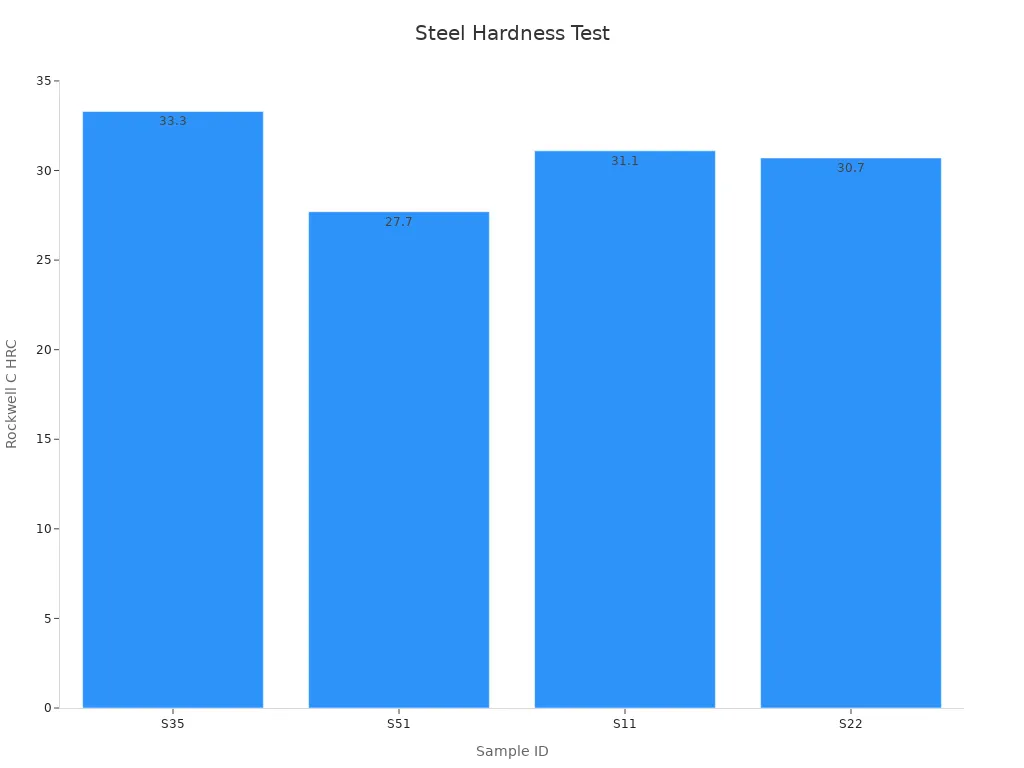
Mechanical properties such as hardness and strength determine the suitability of stainless steel powder for structural applications. Quantitative tests, including Rockwell C hardness and standardized tensile testing (ASTM E8/E8M), provide reliable data. For example, samples produced with optimized laser power and scanning speed achieve Rockwell C hardness values up to 33.3 HRC. Low porosity levels, achieved through precise process control, further enhance mechanical strength. The chart below illustrates the hardness values for different processing conditions:
Wear Resistance
Stainless steel powder offers excellent wear resistance, especially when processed to achieve high density and uniform microstructure. The combination of alloying elements and controlled particle morphology reduces material loss during friction and abrasion. This property is vital for components exposed to repetitive motion or harsh operating conditions.
Main Applications of Stainless Steel Powder
Stainless steel powder plays a pivotal role in modern manufacturing, enabling the production of high-performance components across a wide range of industries. Its unique properties support advanced processes such as additive manufacturing, powder metallurgy, and metal injection molding. These applications drive innovation in sectors like aerospace, automotive, medical devices, and consumer products.
Additive Manufacturing and 3D Printing
Additive manufacturing, often called 3D printing, uses stainless steel powder to build parts layer by layer. This approach allows engineers to create complex shapes that traditional methods cannot achieve.
Prototyping and Custom Parts
Engineers rely on stainless steel powder for rapid prototyping and the production of custom parts. The powder’s excellent flowability and controlled particle size distribution, typically ranging from 10 to 100 micrometers, ensure precise layering and high-quality surface finishes. Companies in the aerospace and automotive sectors use 3D printing to produce lightweight brackets, housings, and fixtures. For example, Airbus achieved a 45% weight reduction in aircraft brackets by switching to 3D printed stainless steel components, while maintaining strength and stiffness. This capability shortens lead times and reduces material waste compared to traditional subtractive manufacturing.
Complex Geometries and Thin-Walled Devices
Additive manufacturing excels at producing intricate geometries and thin-walled devices. Stainless steel powder enables the fabrication of lattice structures, conformal cooling channels, and internal features that enhance performance. Experimental studies show that 3D printed molds with conformal cooling channels can reduce production cycle times by up to 30%. These molds maintain durability over extended use, with no deterioration observed after six months. The ability to tailor alloy composition during printing further expands design possibilities, supporting the creation of high-performance parts for demanding environments.
Tip: Powder bed fusion technologies, such as selective laser melting (SLM), dominate the market for metal additive manufacturing. Stainless steel powders hold a 25.6% share in this segment, with automotive and aerospace industries representing nearly 77% of the demand.
Powder Metallurgy (PM)
Powder metallurgy uses stainless steel powder to produce components through compaction and sintering. This process offers cost-effective solutions for high-volume production and complex part geometries.
Sintered Components
Manufacturers press stainless steel powder into precise shapes using dies and then sinter the compacted parts at high temperatures. This method produces dense, strong components with excellent corrosion resistance. Automotive sensor housings, gears, and structural parts often rely on powder metallurgy for their consistent quality and mechanical performance. Market research highlights the dominance of stainless steel grades like 434L and 410L in powder metallurgy, especially in the automotive and aerospace sectors.
Compaction and Sintering Processes
The compaction process shapes the powder into a "green" part, which then undergoes sintering to bond the particles and achieve final strength. Hot isostatic pressing (HIP) further enhances density and mechanical properties. Powder metallurgy enables the efficient use of material, reducing waste and supporting sustainability goals. Regional trends show North America and Europe leading in technological advancements, driven by regulatory demands for lightweight, durable components.
| Material Type | Common Stainless Steel Grades | Key Properties | Industrial Applications |
|---|---|---|---|
| Stainless Steel | 316L, 17-4PH, 304L, 420 | Corrosion resistance, high strength | Aerospace, automotive, consumer products |
Metal Injection Molding (MIM)
Metal injection molding combines the versatility of plastic injection molding with the strength of stainless steel powder. This process enables the mass production of small, intricate metal parts with tight tolerances.
Small, Intricate Parts
MIM uses a feedstock of stainless steel powder mixed with a polymer binder. The mixture is injected into molds to form complex shapes, then undergoes debinding and sintering to produce fully dense metal parts. This technique excels at manufacturing small, detailed components such as medical device instruments, watch cases, and electronic connectors. The ability to achieve fine features and smooth surfaces makes MIM ideal for high-precision applications.
High-Volume Production
Manufacturers choose MIM for its efficiency in producing large quantities of parts with consistent quality. The process supports high-volume production runs, meeting the demands of industries like automotive, electronics, and medical devices. Research shows that metal extrusion additive manufacturing (metal MEX) shares key steps with MIM, including feedstock preparation and sintering, highlighting the versatility of stainless steel powder in both processes. Partnerships in medical device manufacturing further illustrate the widespread adoption of MIM technology.
Stainless steel powder enables the creation of components that meet strict industry standards for strength, durability, and corrosion resistance. Its role in powder metallurgy and metal injection molding continues to expand as manufacturers seek innovative solutions for complex, high-performance parts.
Coatings and Surface Treatments
Thermal Spraying
Thermal spraying uses stainless steel powder to create protective coatings on metal surfaces. Engineers feed the powder into a high-temperature spray gun. The gun melts the powder and propels it onto the target surface. The molten particles cool and solidify, forming a dense, durable layer.
Thermal spraying offers several advantages:
- Corrosion Protection: The coating shields the base material from moisture, chemicals, and salt.
- Wear Resistance: The sprayed layer reduces abrasion and extends the lifespan of machinery parts.
- Thermal Barrier: The coating insulates components exposed to high temperatures.
Industries such as aerospace, automotive, and energy rely on thermal spraying for critical components. For example, turbine blades, exhaust systems, and pump shafts often receive stainless steel coatings. These coatings maintain performance in harsh environments.
Note: The choice of particle size and morphology in the powder affects the coating's density and adhesion. Spherical powders with controlled size distribution produce smoother, more uniform coatings.
Surface Hardening and Finishing
Surface hardening improves the wear resistance and durability of metal parts. Stainless steel powder plays a key role in processes like laser cladding and plasma transferred arc (PTA) welding. Technicians apply a layer of powder to the surface and use a heat source to fuse it with the base material.
Key benefits of surface hardening with stainless steel powder include:
- Enhanced Hardness: The treated surface withstands repeated friction and impact.
- Improved Fatigue Life: Components resist cracking and deformation under stress.
- Superior Surface Finish: The process produces a smooth, polished appearance.
Manufacturers use these techniques for gears, valves, and cutting tools. The result is a component that combines a tough core with a hard, wear-resistant surface.
Stainless steel powder also supports advanced finishing methods. Polishing and buffing with fine powder grades achieve mirror-like surfaces for medical devices and decorative parts.
Other Industrial Uses
Filtration and Catalysts
Stainless steel powder enables the production of porous filters and catalyst supports. Engineers compact and sinter the powder to create structures with controlled pore sizes. These filters remove particles, bacteria, and contaminants from liquids and gases.
Common applications include:
- Water Treatment: Stainless steel filters purify drinking water and industrial fluids.
- Chemical Processing: Filters withstand corrosive chemicals and high temperatures.
- Catalyst Supports: The powder forms a stable base for catalysts in chemical reactions.
A table below summarizes the advantages of stainless steel powder in filtration and catalyst applications:
| Feature | Benefit |
|---|---|
| Corrosion resistance | Long service life |
| High strength | Withstands pressure differentials |
| Precise porosity | Customizable filtration levels |
Stainless steel powder filters offer easy cleaning and reusability, making them cost-effective for many industries.
Medical, Marine, and Architectural Applications
Stainless steel powder finds use in specialized fields due to its unique properties.
- Medical Devices: Manufacturers use the powder to produce surgical instruments, implants, and dental tools. The material resists corrosion and supports sterilization.
- Marine Equipment: Stainless steel powder components withstand saltwater exposure. Shipbuilders use them for pumps, valves, and fasteners.
- Architectural Elements: Designers incorporate stainless steel powder in decorative panels, railings, and fixtures. The powder enables intricate shapes and smooth finishes.
Engineers value stainless steel powder for its biocompatibility, durability, and aesthetic appeal. These qualities support innovation in healthcare, shipbuilding, and modern architecture.
Tip: Selecting the right grade and particle size ensures optimal performance in each application. Consulting with materials experts helps match powder properties to project requirements.
Advantages of Using Stainless Steel Powder
Versatility in Manufacturing Processes
Stainless steel powder stands out for its adaptability across a wide range of manufacturing techniques. Producers can tailor the powder’s particle shape, size, and purity to suit specific processes. The following table summarizes how different production methods yield powders with unique characteristics, supporting diverse industrial applications:
| Manufacturing Process | Particle Morphology | Particle Size Range (μm) | Purity Level | Typical Applications |
|---|---|---|---|---|
| Gas atomization | Spherical | 5 – 150 | High | Additive manufacturing, surface coating |
| Water atomization | Irregular, spherical | 20 – 300 | Medium | Press and sinter parts, coatings |
| Air plasma atomization | Mostly spherical | 10 – 150 | Medium | Metal injection molding, pressing |
| Centrifugal atomization | Spherical | 20 – 150 | High | Additive manufacturing |
| Mechanical milling | Irregular, angular | 1 – 350 | Low | Press and sinter parts |
| Electrolysis | Dendritic, irregular | 1 – 150 | Medium | Surface coating, powder metallurgy |
| Metal reduction | Irregular, porous | 10 – 150 | Low | Press and sinter parts |
Manufacturers select the appropriate powder based on the intended application, considering factors such as particle morphology, size, and purity. This flexibility enables stainless steel powder to support additive manufacturing, powder metallurgy, surface coatings, brazing, and welding. The adaptability of stainless steel powder ensures efficient production of both simple and complex components.
Superior Corrosion and Wear Resistance
Stainless steel powder delivers exceptional corrosion and wear resistance, outperforming many alternative materials. Coatings produced by advanced techniques, such as extremely high-speed laser metal deposition, demonstrate significantly higher polarization resistance and lower corrosion current density compared to conventional coatings. These coatings also exhibit refined microstructures with ultrafine grains, which increase hardness and reduce wear weight loss. For example, high-velocity oxy-fuel thermal spray coatings achieve minimal porosity and high microhardness, resulting in dense, durable protective layers.
Nickel-free stainless steels, when combined with biocompatible materials, further enhance wear resistance and corrosion behavior. Tribological studies confirm that stainless steel-based materials maintain superior performance in demanding environments, including biomedical and industrial applications. These properties make stainless steel powder a preferred choice for components exposed to harsh conditions, ensuring long service life and reliability.
Design Flexibility and Customization
Engineers value stainless steel powder for its unmatched design flexibility. The layer-by-layer approach of metal additive manufacturing allows the creation of intricate geometries and internal features that traditional methods cannot achieve. The design process starts with digital modeling, where engineers optimize print orientation, support structures, and heat management for each part.
- 3D printing with stainless steel powder enables:
- Production of complex, customized parts without the need for dedicated tooling.
- Precise control over geometry and internal structures.
- Rapid iteration and refinement of designs.
- Scalability from prototypes to full production runs.
Material selection and powder preparation ensure the desired mechanical properties and surface finish. Post-processing techniques, such as polishing and heat treatment, further support customization. Studies show that even after multiple cycles of powder reuse, part quality remains high, supporting both economic and environmental goals. This flexibility empowers manufacturers to respond quickly to changing requirements and deliver tailored solutions for a wide range of industries.
Material Efficiency and Sustainability
Stainless steel powder stands at the forefront of sustainable manufacturing. Engineers and manufacturers value its ability to maximize material usage while minimizing waste. The powder-based approach enables precise control over the amount of material used in each part. This efficiency reduces scrap and supports environmentally responsible production.
Additive manufacturing processes, such as binder jetting (BJ) and laser powder bed fusion (LPBF), use stainless steel powder to build parts layer by layer. These methods allow for the creation of complex geometries that traditional manufacturing cannot achieve. As a result, manufacturers use only the necessary amount of powder, leaving little excess. This approach leads to significant reductions in material waste and supports just-in-time production.
Metal injection molding (MIM) also leverages stainless steel powder for high-volume production. MIM achieves excellent material efficiency, especially when producing small, intricate parts. At medium to high production volumes, MIM offers the lowest unit cost among common powder-based methods. However, its environmental impact remains higher at low volumes due to the use of consumables. As production scales up, the environmental footprint per part decreases sharply.
The following table summarizes the cost efficiency, environmental impact, and sustainability advantages of key manufacturing processes using stainless steel powder:
| Manufacturing Process | Cost Efficiency | Environmental Impact | Material Efficiency & Sustainability Advantages |
|---|---|---|---|
| Metal Injection Molding (MIM) | Lowest unit cost at medium to high volumes | Higher at low volumes; reduces up to 85% with volume increase | Produces microscale features; environmental impact amortizes with volume increase |
| Binder Jetting (BJ) | Higher unit cost than MIM | Driven by raw materials and utilities; less sensitive to volume | Enables complex geometries with less material waste; suitable for microscale devices |
| Laser Powder Bed Fusion (LPBF) | Highest unit cost | Driven by raw materials and utilities; less sensitive to volume | Produces complex geometries with minimal waste; supports rapid customization and just-in-time production |
Stainless steel powder also supports recycling and reusability. Unused powder from additive manufacturing can be collected, sieved, and reused in future builds. This practice further reduces waste and conserves resources. Many manufacturers implement closed-loop systems to recover and recycle powder, enhancing overall sustainability.
♻️ Stainless steel powder enables manufacturers to align with global sustainability goals. By reducing waste, supporting recycling, and enabling efficient production, it helps industries lower their environmental footprint while maintaining high-quality standards.
The combination of material efficiency and sustainable practices positions stainless steel powder as a key enabler of responsible manufacturing in the modern era.
Considerations and Challenges with Stainless Steel Powder
Handling and Safety Precautions
Dust Hazards and Personal Protection
Stainless steel powder presents unique safety challenges during handling and processing. The fine particles can become airborne, creating inhalation risks for workers. Many stainless steel powders contain elements such as nickel and cobalt, which are classified as carcinogenic and sensitizing substances. Inhalation of dust or fumes generated during cutting, grinding, or welding may lead to organ damage, allergic reactions, or increased cancer risk.
- Engineering controls, including local ventilation and fume extraction, help maintain exposure below legal limits.
- Personal protective equipment (PPE) such as respirators, gloves, and safety goggles protects against inhalation and physical injuries.
- Workers must remain cautious of sharp edges and flying particles, especially when removing banding or handling bulk material.
- Occupational exposure limits for hazardous elements guide safe workplace practices.
- Welding fumes may contain hexavalent chromium, which requires additional precautions and trained personnel.
Employers should provide regular safety training and enforce strict use of PPE to minimize health risks.
Storage and Contamination Prevention
Proper storage of stainless steel powder ensures both safety and material integrity. Powders should be kept in sealed, labeled containers to prevent moisture absorption and contamination from foreign particles. Storage areas must remain dry and well-ventilated. Segregating different alloy grades avoids cross-contamination, which can compromise product quality. Regular inspections and inventory rotation help maintain powder freshness and performance.
Cost and Economic Factors
Raw Material and Production Costs
Stainless steel powder production involves significant raw material and processing expenses. Economic studies show that powders such as 316L and 17-4 PH command high prices, especially in additive manufacturing. Only a small fraction—typically 5-20%—of the powder volume fuses into finished parts, making the effective material cost up to five times higher than the raw powder price. Powder reuse cycles can reduce waste and lower costs, but initial investments in technology and infrastructure remain substantial.
- Stainless steel powder supports high material efficiency, reducing overall waste.
- Shorter production cycles and reduced tooling requirements contribute to a competitive total cost of ownership.
- Localized, on-demand manufacturing can optimize supply chains and lower logistics expenses.
- High upfront costs for equipment and regulatory compliance may impact operational budgets.
- Supply chain disruptions and talent shortages can further influence production costs.
Recycling and Sustainability
Recycling unused powder from additive manufacturing and powder metallurgy processes enhances sustainability. Manufacturers often collect, sieve, and reuse powder, reducing waste and conserving resources. As production volumes increase, the environmental impact per part decreases, supporting industry sustainability goals.
Quality Control and Consistency
Particle Size Distribution
Consistent particle size distribution (PSD) is critical for reliable performance in stainless steel powder applications. Manufacturers use test certificates to document mesh passing percentages, chemical composition, density, flow rate, and morphology. Standardized measurements, such as those defined by ASTM B822, ensure powders meet strict quality requirements.
| Quality Control Aspect | Description | Test Standard / Statistic | Importance |
|---|---|---|---|
| Particle Size Distribution (PSD) | Measurement of particle size range and distribution | ASTM B822 | Ensures consistent flowability, packing density, and final microstructure |
| Powder Test Certificates | Documentation of PSD, chemistry, density, flow, morphology | Mesh passing, SEM micrographs | Provides traceability and verifies PSD consistency across production lots |
| Statistical Measures | Median particle size (D50), narrow PSD | D10, D50, D90 percentiles | Critical for consistent packing, flowability, and laser melting behavior |
| Morphology Verification | SEM micrographs for shape and surface features | Visual inspection | Ensures spherical shape and absence of satellites for optimal performance |
Purity and Contamination Risks
Maintaining high purity in stainless steel powder is essential for achieving desired mechanical and chemical properties. Manufacturers monitor for contamination from foreign metals, moisture, or organic materials. Regular quality checks, including chemical analysis and scanning electron microscopy, help detect impurities. Strict handling protocols and clean storage environments further reduce contamination risks, ensuring consistent product quality for demanding industrial applications.
Stainless steel powder enables advanced manufacturing across industries by offering strength, corrosion resistance, and design flexibility. Technical guidelines, such as ASTM F3049-14 and standards from ISO and NIST, highlight its industrial significance and the need for consistent powder characterization. Manufacturers rely on stainless steel powder for additive manufacturing, powder metallurgy, and metal injection molding. Users benefit from reliable performance and efficient production. For optimal results, they should consult materials experts to match powder properties with specific application requirements.
FAQ
What is the main advantage of stainless steel powder in manufacturing?
Stainless steel powder enables precise control over part geometry and material usage. Manufacturers achieve complex shapes, high strength, and excellent corrosion resistance. This material supports advanced processes like additive manufacturing, powder metallurgy, and metal injection molding.
How do manufacturers select the right stainless steel powder grade?
Engineers consider application requirements, such as corrosion resistance, strength, and biocompatibility. They review alloy composition, particle size, and morphology. Consulting with materials experts ensures the best match for each project.
Is stainless steel powder safe to handle?
Proper handling keeps stainless steel powder safe. Workers use personal protective equipment, such as gloves and respirators. Facilities maintain good ventilation and follow strict storage protocols to prevent dust exposure and contamination.
Can stainless steel powder be recycled or reused?
Yes. Manufacturers often collect unused powder from additive manufacturing or powder metallurgy processes. They sieve and test the powder for quality before reuse. This practice reduces waste and supports sustainability goals.
What industries use stainless steel powder most frequently?
Aerospace, automotive, medical device, and consumer electronics industries use stainless steel powder extensively. These sectors value its strength, corrosion resistance, and ability to form complex, high-precision parts.
How does particle size affect the performance of stainless steel powder?
Particle size influences flowability, packing density, and sintering behavior. Fine powders suit metal injection molding, while spherical, medium-sized powders work best for additive manufacturing. Consistent particle size ensures reliable part quality.
What is the difference between powder metallurgy and metal injection molding?
Powder metallurgy compacts and sinters stainless steel powder into parts. Metal injection molding mixes powder with a binder, injects it into molds, then removes the binder and sinters the part. MIM excels at producing small, intricate components in high volumes.
Are there any special storage requirements for stainless steel powder?
Manufacturers store stainless steel powder in sealed, labeled containers. They keep storage areas dry and clean to prevent moisture absorption and contamination. Regular inspections help maintain powder quality and safety.