

The Ultimate Metal Injection Molding Cost Estimator's Handbook
Metal injection molding (MIM) necessitates precise cost estimation to navigate the intricate landscape of manufacturing expenses. This blog offers a structured approach to understanding the critical elements influencing Injection Molding Costs. By delving into the nuances of Metal Injection Molding cost estimators, readers can gain insights into optimizing production budgets effectively.
Understanding Metal Injection Molding
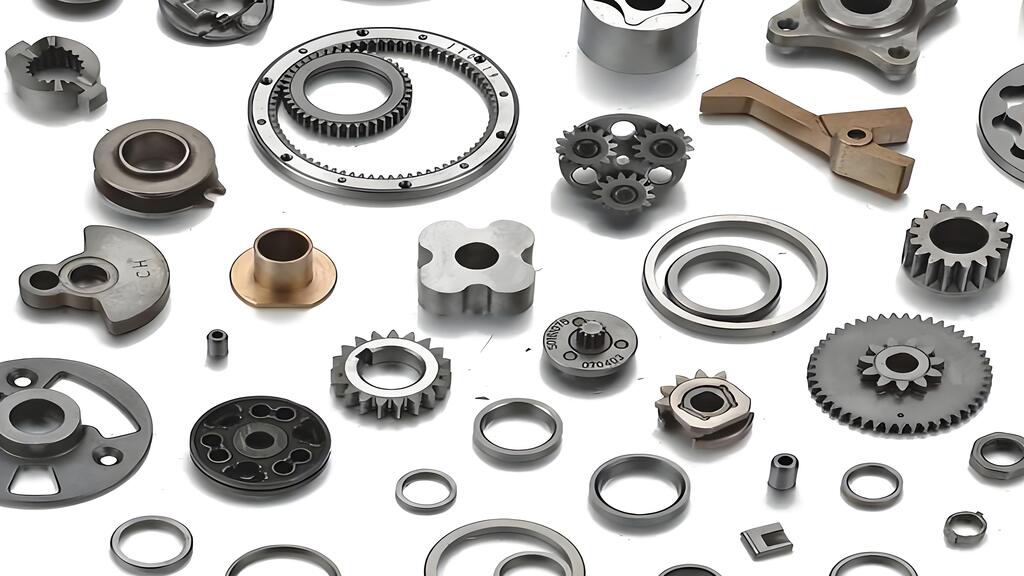
Metal Injection Molding (MIM) stands at the intersection of Injection Molding and Metal Fabrication, offering a unique approach to producing intricate metal parts. The process of MIM involves several distinct steps, including compounding, molding, debinding, and Sintering. Unlike traditional metal forming techniques like machining or investment casting, MIM combines the design flexibility of plastic injection molding with the durability and strength of metals.
Basics of Injection Molding
Definition and Process
The Metal Injection Molding (MIM) process integrates the versatility of plastic injection molding with the robustness of metal materials. It allows for the creation of complex part geometries efficiently and cost-effectively. By injecting a mixture of binder and metal powder into molds, manufacturers can achieve precise shapes that meet stringent requirements.
Applications and Benefits
Metal injection molding finds extensive applications across various industries such as aerospace, automotive, and medical devices. Its ability to work with a wide range of alloys—from stainless steel to tungsten alloy—makes it a versatile choice for producing high-quality parts. The benefits include enhanced design freedom, improved mechanical properties, and cost-effective manufacturing solutions.
Injection Molding Cost Overview
Typical Costs Involved
Understanding the Injection Molding Cost landscape is crucial for effective budget planning. Costs can vary significantly based on factors like material selection, part complexity, and production volume. By analyzing typical expenses involved in each stage of the process, manufacturers can optimize their budgets effectively.
Comparison with Other Methods
Compared to conventional manufacturing methods like machining or casting, metal injection molding offers distinct advantages in terms of cost-efficiency and production speed. The ability to create intricate parts with tight tolerances at a lower cost makes MIM a preferred choice for industries requiring high-volume production runs.
Metal Injection Molding Cost Estimator
Importance and Usage
A reliable metal injection molding cost estimator plays a vital role in assessing the economic viability of MIM projects. By accurately predicting costs associated with tool fabrication, material selection, labor expenses, and production volume, estimators enable manufacturers to make informed decisions regarding project feasibility.
Key Features to Look For
When selecting an injection molding cost estimator, key features to consider include accuracy in cost predictions, user-friendly interface, compatibility with different alloys, and the ability to factor in variables like cycle time and mold complexity. Choosing a robust estimator ensures precise budget planning for successful project execution.
Factors Affecting Injection Molding Costs
Material Costs
Feedstock Prices
Metal injection molding (MIM) entails meticulous cost evaluation to navigate the intricate landscape of manufacturing expenses. When analyzing material costs, feedstock prices play a pivotal role in determining the overall budget. The feedstock for Metal Injection Molding (MIM) can cost up to $12 per pound, significantly higher than conventional powder metallurgy materials. This difference underscores the importance of carefully assessing and optimizing feedstock expenses to ensure cost-effective production.
Material Selection
Another critical aspect influencing material costs in metal injection molding is the process of material selection. Manufacturers must consider various factors such as alloy properties, part requirements, and production volume when choosing the appropriate material for MIM projects. Opting for cost-effective yet high-quality materials can lead to significant savings in the long run, enhancing the overall economic viability of injection molding processes.
Mold Costs
Tooling Costs
In metal injection molding, tooling costs represent a substantial portion of the overall expenses incurred during production. Professional industrial injection molding equipment typically costs between $50,000 and $200,000, depending on factors like mold complexity and customization requirements. By investing in high-quality molds that offer durability and precision, manufacturers can mitigate potential maintenance costs and ensure consistent part quality throughout production cycles.
The intricacy of mold design directly impacts mold costs in metal injection molding projects. Complex geometries or intricate part features may necessitate specialized tooling solutions, leading to higher initial investments. However, optimizing mold design for efficiency and repeatability can help offset these expenses over time by streamlining production processes and reducing material waste.
Production Costs
Labor and Overhead
Beyond material and mold-related expenses, labor and overhead costs are significant contributors to overall production expenditures in metal injection molding. Skilled labor required for operating machinery, monitoring quality control measures, and conducting post-processing tasks adds a layer of complexity to cost estimation. Additionally, overhead expenses such as facility maintenance, utilities, and administrative overhead must be factored into budget planning to ensure comprehensive cost coverage.
Cycle Time and Efficiency
Efficient utilization of resources plays a crucial role in optimizing production costs for metal injection molding projects. Minimizing cycle times through streamlined workflows, automated processes, and optimized machine settings can lead to increased productivity and reduced operational expenses. By focusing on enhancing production efficiency without compromising on quality standards, manufacturers can achieve cost savings while maintaining high manufacturing standards.
Tools for Cost Estimation
Injection Molding Cost Estimate Tools
In the realm of metal injection molding, software solutions stand out as indispensable tools for precise cost estimation. These advanced programs leverage sophisticated algorithms to analyze various cost factors and provide accurate projections. By inputting key parameters such as material selection, part complexity, and production volume, manufacturers can obtain detailed insights into the financial aspects of their projects. The intuitive interfaces of these software solutions streamline the estimation process, enabling efficient budget planning and resource allocation.
The advent of AI-powered estimators has revolutionized the landscape of injection molding cost analysis. By harnessing the power of artificial intelligence and machine learning algorithms, these cutting-edge tools offer unparalleled accuracy in predicting project costs. AI-powered estimators can process vast amounts of data quickly, identifying cost drivers and optimizing budget allocations with precision. Manufacturers benefit from real-time cost estimations that reflect dynamic market conditions and evolving project requirements.
Manual Cost Estimation Methods
Calculation Formulas
While software solutions and AI-powered tools provide advanced capabilities for cost estimation, calculation formulas remain fundamental in analyzing injection molding expenses. These formulas encompass essential cost components such as material costs, labor expenses, and overhead charges. By applying established formulas tailored to specific project parameters, manufacturers can derive comprehensive cost breakdowns that guide decision-making processes effectively.
Adhering to industry standards is paramount in ensuring accurate and reliable cost estimations for metal injection molding projects. Industry benchmarks establish norms for material pricing, labor rates, and production overheads based on prevailing market conditions. By aligning cost estimates with industry standards, manufacturers gain a competitive edge through optimized budget planning and enhanced financial transparency.
Injection Molding Quote
How to Obtain Accurate Quotes
Securing accurate quotes is a critical step in the metal injection molding procurement process. To obtain precise quotes, manufacturers should provide detailed project specifications to potential suppliers or service providers. Clear communication regarding part geometries, material requirements, production volumes, and quality standards ensures that quotes reflect the true scope of the project. Requesting multiple quotes from different vendors allows for comparative analysis to identify cost-effective solutions.
Factors Influencing Quotes
Several factors influence the quotes received during the injection molding procurement phase. Material selection plays a significant role in determining costs due to varying material prices and availability. Part complexity impacts tooling requirements and production timelines, affecting overall pricing structures. Production volumes also influence quotes by leveraging economies of scale or volume discounts offered by suppliers.
Tips to Reduce Injection Molding Costs
Designing for Cost Efficiency
Simplifying Mold Design
Manufacturers can achieve significant cost savings by simplifying mold design during the metal injection molding process. By reducing unnecessary complexities and streamlining the mold structure, costs associated with tool fabrication and maintenance can be minimized. Emphasizing straightforward geometries and standardized components not only enhances manufacturing efficiency but also reduces lead times for part production.
Optimizing Part Design
When it comes to reducing injection molding costs, optimizing part design is a critical consideration. By designing parts with cost-efficiency in mind, manufacturers can minimize material waste, shorten cycle times, and enhance overall production efficiency. Incorporating features that facilitate easy demolding, such as draft angles and uniform wall thicknesses, contributes to lower manufacturing expenses without compromising part quality.
Production Optimization
Reducing Cycle Time
Efficiently managing cycle time is essential for controlling total injection molding costs. By implementing strategies to optimize cooling processes, automate repetitive tasks, and fine-tune machine settings, manufacturers can reduce production timelines and enhance throughput rates. Minimizing idle time between cycles and maximizing machine utilization ensures cost-effective operations while meeting project deadlines effectively.
Improving Moldability
Enhancing moldability through thoughtful design considerations is key to achieving cost savings in metal injection molding projects. By selecting materials with favorable flow properties, optimizing gate locations, and minimizing undercuts or complex features, manufacturers can streamline the molding process and decrease the risk of defects or rework. Prioritizing moldability in part design leads to smoother production runs and improved overall cost efficiency.
Cautionary Tale
Common Pitfalls
In the realm of metal injection molding, several common pitfalls can escalate production costs if left unaddressed. Overlooking design-for-manufacturability principles, neglecting material selection criteria, or underestimating production volumes are common pitfalls that can lead to budget overruns. By proactively identifying and mitigating these challenges early in the project lifecycle, manufacturers can prevent costly errors and ensure successful project outcomes.
Lessons Learned
Reflecting on past experiences offers valuable insights into optimizing injection molding costs effectively. Learning from previous projects helps manufacturers identify recurring cost drivers, refine cost estimation methodologies, and implement best practices for future endeavors. By leveraging lessons learned from both successes and setbacks, organizations can continuously improve their cost management strategies and drive sustainable growth in the competitive landscape.
Summarizing the intricate realm of Injection Molding Costs is essential for effective budget planning. Understanding the nuances of material and mold expenses, alongside production overheads, enables manufacturers to optimize their part manufacturing budgets efficiently. Emphasizing the significance of accurate cost estimation ensures cost-effective production runs and enhances overall project feasibility. As future trends in cost estimation tools evolve, embracing advanced techniques to estimate piece price and mold costs at the concept design stage will further enhance product cost-effectiveness.