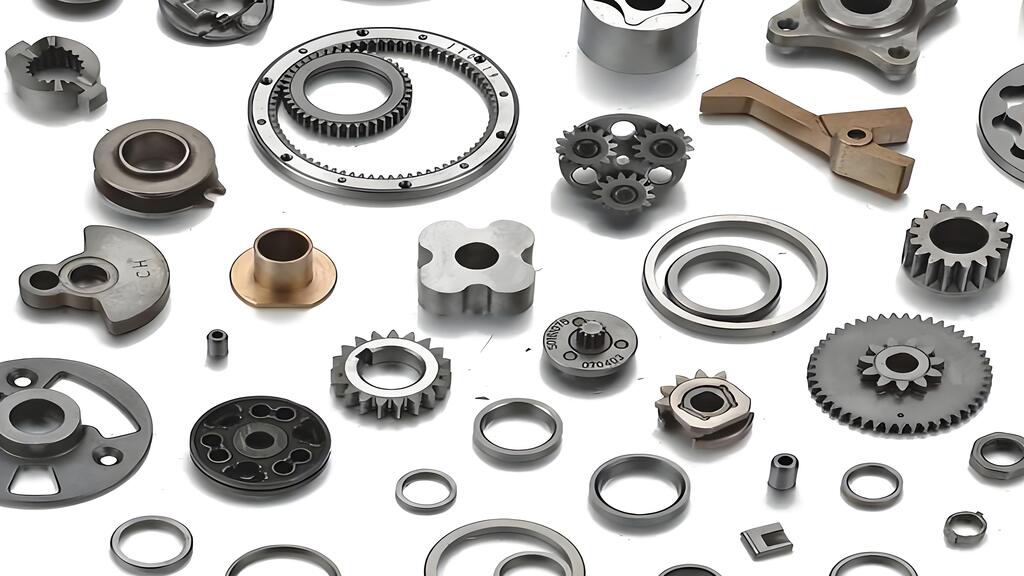


What is ceramic tube?
Ceramic tubes maintain their shape at extreme temperatures and don't warp, crack, or break down. These tubes are a great way to get essential components in industrial settings that need reliable performance. The tubes' construction uses specialized materials like alumina, silicon carbide, and zirconia. Their strong thermal stability and durability are nowhere near what metals and plastics can offer in harsh conditions.
These tubes resist thermal shock remarkably well and handle sudden temperature changes without any damage. High-purity ceramic tubes with more than 99% zirconia or alumina resist chemicals effectively. Different porcelain tubes show unique properties based on their alumina content. Alumina ceramic tubing works best at high temperatures because of its thermal stability and high melting point. The ceramic insulation tubes' non-conductive nature makes them vital in electrical applications to prevent any collateral damage from electrical transmission.
You'll find ceramic tubes for high-temperature use in industries of all sizes. They serve in industrial furnaces, laboratory research, manufacturing, and 3D printing applications. Engineers choose small ceramic and zirconia ceramic tubes especially when they need exceptional performance in extreme conditions.
Material Breakdown of Common Ceramic Tubes
Ceramic tubes get their remarkable properties from their base materials. Each material brings its special features that work best for different uses. Let's look at why these materials perform so well in tough environments.
Alumina (Al2O3): High Melting Point and Strength
Aluminum oxide ceramic tubes have impressive heat resistance. High-purity versions can handle temperatures up to 1750°C. These tubes are strong too, with flexural strength of 52-55 Kpsi based on their purity. You can find alumina ceramic tubes in different grades, with purity levels from 95% to 99.8%. The tubes get stronger and handle heat better as their alumina content goes up.
These tubes are great electrical insulators with volume resistivity above 10^14 Ohm-cm at room temperature. They resist corrosion from acids, alkalis, and organic solvents well, which makes them perfect for harsh chemical settings.
Silicon Carbide: Abrasion and Thermal Shock Resistance
Silicon carbide tubes are almost as hard as diamond and conduct heat really well. They come in pressureless sintered, reaction bonded, and recrystallized types. These tubes stay strong at temperatures up to 1650°C. The material barely expands when heated (4.0-4.7 × 10^-6/°C), so it handles sudden temperature changes better.
Silicon carbide ceramic tubes are tough against wear with hardness ratings of 90-110 HRA. Their strength varies by type - pressureless sintered SiC can reach 400 MPa. These features make them ideal for medium-frequency forging furnaces and metal work.
Zirconia: High Toughness and Chemical Stability
Zirconia ceramic tubes can take extreme heat up to 2400°C, way higher than alumina's melting point. These tubes have a unique feature: they conduct electricity above 800°C because oxygen ions can move through their crystal structure.
People call zirconia "ceramic steel" because it's so tough. It's strong when bent and resists wear well. Adding materials like yttria or ceria makes zirconia even tougher through phase transformation.
Mullite and Corundum: Low Expansion and High Refractoriness
Mullite (Al6Si2O13) handles heat well and melts above 1900°C. It barely expands when heated, which means better thermal shock resistance.
Corundum, which is crystalline aluminum oxide, is denser and harder. When you combine corundum and mullite, you get the best of both materials. This mix is mechanically strong and handles temperature changes well. The more free corundum you add, the stronger and more elastic these composites become.
Performance Comparison: High-Purity vs Common Ceramic Tubes
Physical properties show clear differences between high-purity and common ceramic tubes. These differences affect real-world uses. Picking the right grade means knowing how these materials behave in different ways.
99.8% vs 95% Alumina: Strength and Density Differences
High-purity alumina ceramics work better in tough environments. The 99.8% alumina reaches 70,000 psi flexural strength while 95% alumina tops out at 50,000 psi. The compressive strength jumps from 350,000 psi in 95% alumina to 370,000 psi in purer versions. This strength difference matters a lot when the material needs to handle heavy loads.
The material's density goes up with purity, too. It rises from 3.7 g/cm³ in 95% alumina to 3.9 g/cm³ in 99.8% alumina ceramic tubes. The denser 99.8% alumina has fewer pores, which creates an even structure that lasts longer in harsh conditions.
Thermal Conductivity and Electrical Insulation Metrics
Pure ceramic tubes handle heat better. To cite an instance, see how alumina ceramics keep their electrical resistance even when hot. Regular ceramics lose their insulating properties as temperatures climb.
Different makers produce ceramics with varying thermal conductivity. Aluminum nitride ceramics conduct heat at 80-200 W/mK at 20°C, while basic alumina ranges from 18-36 W/mK. These differences show why you need actual manufacturer data instead of general numbers.
Surface Finish and Friction Coefficient in Drawn Wire Applications
Surface finish makes a big difference in precise jobs like wire drawing. Diamond-polished ceramic tubes get so smooth they're like mirrors. This is a big deal as it means that friction drops and wire quality improves. Zirconia ceramics, once polished right, have static friction coefficients of 0.2-0.3 and dynamic friction coefficients of 0.1-0.2.
In wire making, well-finished ceramic rings last four times longer than carbide-coated options and seven times longer than hardened steel rings. So, pure ceramic tubes with fine grain structures can be made very smooth, which helps make better wire by cutting down friction.
Use Cases Across Industries
Ceramic tubes play vital roles in many industries by leveraging their unique properties and performance features. These components are incredibly durable and work well in the most demanding industrial settings.
Petrochemical Applications with High-Temperature Tubing
Ceramic tubing stands up to extreme temperatures and harsh chemical conditions in petroleum processing. Standard materials often fail in these environments. Silicon carbide ceramic tubes work great in petrochemical settings because they resist corrosive substances like acids, alkalis, and harmful gasses. Alumina ceramic tubing helps protect equiPment from breaking down in these tough conditions and extends equipment's life even under constant chemical exposure.
Ceramic Tubes in Laboratory and Analytical Equipment
Research labs and analytical devices depend on ceramic tubes as key components in their furnaces. High-purity alumina tubes line test electric furnaces and keep heating elements separate from test materials. These parts shine in applications that need precise temperature control and can handle temperatures up to 1800°C. Labs also use ceramic tubing to protect soil analysis equipment and support various chemical processes.
Water Transport and Underground Piping with Ceramic Tubes
Ceramic tubes prove their worth in municipal water systems. They resist thermal shock and handle compression forces well, which makes them perfect for underground piping. These pipes stay strong even when the ground shifts or temperatures change, and that's why they last so long underground.
Thermocouple Manufacturing Using Ceramic Insulation Tubes
Temperature measurement relies heavily on ceramic insulation tubes to build thermocouples. These tubes shield thermocouple wires and protect sensitive measuring parts from harsh environments, corrosive materials, and physical stress. MEGATITE™ 450 and MEGATITE™ 300 tubes keep sensors safe at temperatures up to 1950°C. These ceramic protection tubes help get accurate temperature readings in everything from industrial monitoring to scientific research.
Choosing the Right Ceramic Tube for Your Application
Choosing the right ceramic tubes needs careful evaluation of operating conditions and application requirements. Yes, it is important to match ceramic material properties with specific usage scenarios that will give a better performance and longer life.
Temperature Range and Chemical Exposure Considerations
Temperature resistance is a vital selection criterion for ceramic tubes. Alumina ceramic tubes stay stable at temperatures up to 1700°C, based on purity levels. Zirconia tubes can handle even more extreme conditions with temperatures up to 2000°C. You should first determine your application's maximum operating temperature and pick tubes with temperature ratings above this threshold.
Chemical compatibility needs equal focus while selecting ceramic tubing. Different Ceramic Materials react differently to corrosive substances:
- Alumina offers excellent resistance to acids, alkalis, and most organic solvents
- Silicon carbide works best in corrosive chemical processing environments
- Zirconia shows exceptional chemical stability against strong acids and alkalis
High-purity ceramic tubes give better chemical resistance. To name just one example, see single-crystal sapphire (pure alumina) which shows minimal weight loss (≈0.00 mg/cm²) after exposure to nitric acid (60%) at 90°C for 24 hours.
Tube Size and Wall Thickness Selection
Dimensional accuracy is significant for proper installation and best performance. Standard ceramic tubes come in sizes from 0.5mm to 170mm in outer diameter, and custom sizes can be made for specific needs. Wall thickness ranges from 0.5mm to 20mm, with thicker walls giving better pressure resistance.
Thin-walled ceramic tubes have advantages like lower heating energy needs and better thermal shock resistance. The key is to balance mechanical strength requirements with thermal performance while picking wall thickness.
When to Use Small Ceramic Tubes vs Large Diameter Tubes
We used small ceramic tubes (inner diameter 1-6mm, outer diameter 1.5-8mm) in precision applications like temperature sensors, electronic equipment protection, and precision instruments. These smaller tubes give higher precision and flexibility in tight spaces.
Large diameter ceramic tubes work better in industrial applications that need substantial material flow or thermal insulation. Common uses include chemical processing equipment, furnace components, and thermocouple protection tubes. Size selection should factor in operational requirements like flow rates, pressure conditions, and installation constraints.
Conclusion
Ceramic tubes are key components in many industrial applications because of their thermal stability and chemical resistance properties. We looked at different ceramic materials like alumina, silicon carbide, zirconia, mullite, and corundum. Each material has unique benefits based on specific operational needs. High-purity ceramic tubes perform better than standard options, especially with mechanical strength, thermal conductivity, and surface finish.
Ceramic tubing's versatility shows up clearly in petrochemical processing, laboratory equipment, water transport systems, and temperature measurement applications. These uses demonstrate the material's durability and how well it adapts to different operating conditions. The right material selection depends on temperature ranges, chemical exposure scenarios, and size requirements.
Despite advances in material science, ceramic tubes remain irreplaceable. They can withstand extreme temperatures without breaking down, resist corrosive substances effectively, and keep their shape under stress. These qualities make them crucial for many critical applications. Engineers and designers must understand each ceramic formulation's benefits to achieve the best performance in challenging industrial environments.
FAQs
Q1. What are ceramic tubes used for in electrical wiring?
Ceramic tubes are used as insulators in knob and tube wiring systems, an early standardized method of electrical wiring in buildings. They protect wires passing through wooden joists and studs, preventing electrical fires.
Q2. Are ceramic tubes still found in modern homes?
While no longer used in new construction, ceramic tubes can still be found in older homes built before the 1950s that have not had their electrical systems fully updated. However, many insurance companies require replacement of knob and tube wiring.
Q3. Are ceramic tubes dangerous if found in a home?
Ceramic tubes themselves are not inherently dangerous. However, the knob and tube wiring system they're part of can pose safety risks if not properly maintained or if it has been improperly modified over time. It's best to have an electrician inspect any old wiring.
Q4. Can ceramic tubes be repurposed for other uses?
Yes, some people repurpose these ceramic tubes as knife sharpeners due to their abrasive surface. They can also be used for craft projects or as collectible items for those interested in historical building materials.
Q5. How can I identify if my home has knob and tube wiring?
Look for ceramic tubes in exposed areas like attics or basements. Other signs include cloth-covered wires running between ceramic knobs on wooden surfaces, fuse boxes instead of circuit breakers, and a lack of grounding wires in outlets. If unsure, consult a licensed electrician