

What is Galvanized Steel?
Galvanized steel is steel that has undergone a protective zinc coating process. This treatment prevents rust and corrosion, extending the material's lifespan. Over the past decade, galvanized steel has gained prominence in construction and manufacturing due to its durability and resistance to environmental factors.
The industry has experienced significant changes, with major operators emerging and a growing demand from regions like Southeast Asia and Africa. These develoPments underscore the material's critical role in modern infrastructure and manufacturing processes.
Key Takeaways
- Galvanized steel is steel coated with zinc to prevent rust and corrosion, extending its lifespan significantly.
- There are several types of galvanized steel, including hot-dip, electro-galvanized, and mechanical, each with unique properties and uses.
- Hot-dip galvanized steel offers excellent corrosion resistance and can last up to 50 years outdoors, making it ideal for construction.
- Electro-galvanized steel has a thinner zinc layer, providing a shiny finish suitable for indoor applications like appliances.
- Galvannealed steel is great for painting due to its smooth surface, while zinc-aluminum coated steel excels in high-temperature environments.
- Galvanized steel is widely used in construction, automotive, and agriculture due to its strength, durability, and low maintenance needs.
- The material is cost-effective, requiring minimal upkeep, which saves money over time and reduces environmental impact.
- Galvanized steel is 100% recyclable, making it an eco-friendly choice for various industries.
Types of Galvanized Steel
Galvanized steel comes in various types, each with unique properties and applications. Understanding these types helps industries select the right material for their specific needs.
Hot-Dip Galvanized Steel
Hot-dip galvanized steel is one of the most common forms of galvanized steel. This process involves cleaning the steel, applying a flux, and then immersing it in molten zinc. The result is a thick coating that provides excellent corrosion resistance.
| Feature | Hot-Dip Galvanizing |
|---|---|
| Coating Thickness | 80 to 100 µm |
| Appearance | Dull, uneven, rough |
| Cost | Cheaper, mass production |
| Common Applications | Scaffolding, support steel, piping |
The hot-dip method yields a robust zinc-iron alloy coating, which enhances durability. This type of galvanized steel can last up to 50 years in outdoor environments, making it ideal for structures exposed to harsh weather conditions.
Electro-Galvanized Steel
Electro-galvanized steel employs a different technique. It uses electroplating to deposit a thin layer of zinc onto the steel surface. This method results in a uniform and shiny finish, but the coating is significantly thinner than that of hot-dip galvanized steel.
| Property | Electro-Galvanized Steel |
|---|---|
| Coating Thickness | 10 to 12 µm |
| Corrosion Resistance | Moderate (10-20 years) |
| Weldability | Easier |
| Aesthetic Finish | More uniform |
While electro-galvanized steel offers a more aesthetically pleasing appearance, its corrosion resistance is lower. This type is best suited for indoor applications, such as appliances and automotive parts, where exposure to moisture is limited.
Mechanical Galvanized Steel
Mechanical galvanized steel involves a unique process where steel parts are tumbled with zinc powder. This method creates a flash coating of zinc, resulting in a thinner layer compared to hot-dip galvanizing.
| Feature | Mechanical Plating |
|---|---|
| Coating Thickness | 0.2 to 4.3 mils |
| Bond Strength | Weaker bond |
| Corrosion Protection | Limited, less effective |
| Common Uses | Fasteners, but less reliable for corrosion protection |
Mechanical plating provides a cost-effective solution for smaller components. However, its limited corrosion protection makes it less suitable for outdoor applications.
Other Types of Galvanized Steel
In addition to hot-dip, electro-galvanized, and mechanical galvanized steel, several other types of galvanized steel exist. Each type serves specific purposes and offers distinct advantages.
Galvannealed Steel
Galvannealed steel undergoes a two-step process. First, manufacturers hot-dip galvanize the steel. Then, they heat it to create a zinc-iron alloy coating. This process enhances the steel's paintability and weldability.
| Feature | Galvannealed Steel |
|---|---|
| Coating Thickness | 30 to 50 µm |
| Surface Finish | Smooth, matte |
| Common Applications | Automotive parts, appliances |
Galvannealed steel is ideal for applications requiring painting or coating. Its smooth surface allows for better adhesion of paints and finishes.
Zinc-Aluminum Coated Steel
Zinc-aluminum coated steel combines the benefits of both zinc and aluminum. This type features a coating that typically consists of 55% aluminum and 43.5% zinc, providing superior corrosion resistance.
| Property | Zinc-Aluminum Coated Steel |
|---|---|
| Coating Thickness | 30 to 80 µm |
| Corrosion Resistance | Excellent |
| Heat Resistance | High |
Zinc-aluminum coated steel is particularly effective in high-temperature environments. Industries often use it in roofing, siding, and other exterior applications.
Pre-Galvanized Steel
Pre-galvanized steel is produced by galvanizing steel sheets before they are formed into products. This method provides a uniform coating on all surfaces.
| Feature | Pre-Galvanized Steel |
|---|---|
| Coating Thickness | 20 to 30 µm |
| Cost | Generally lower |
| Common Uses | Light structural applications |
Pre-galvanized steel is cost-effective and suitable for lighter applications. However, it may not offer the same level of corrosion resistance as hot-dip galvanized steel.
Properties of Galvanized Steel
Corrosion Resistance
Corrosion resistance is one of the most significant properties of galvanized steel. The zinc coating acts as a barrier, protecting the underlying steel from moisture and environmental contaminants. This protective layer significantly extends the lifespan of the steel, especially in moderate environments.
| Coating Type | Protection Duration in Moderate Environments |
|---|---|
| G30 | 5–10 years |
| G90 | 20 years or more |
Thicker zinc coatings provide a stronger barrier against moisture and contaminants. They reduce the likelihood of rust formation on the steel surface. Additionally, thicker coatings offer prolonged protection as they take longer to erode in corrosive environments. However, in highly corrosive areas, such as coastal regions or industrial zones, galvanized steel can have a lifespan reduced to just 5–10 years.
Durability
Durability is another key property of galvanized steel. This material can last over 20 years in harsh outdoor conditions. It resists heavy winds and hail, making it ideal for structures that must endure tough weather.
- Galvanized steel boasts impressive longevity, lasting over 20 years even in harsh outdoor conditions.
- It can shrug off heavy winds and hail.
- The material can withstand significant impacts without warping or breaking.
These characteristics make galvanized steel a preferred choice for outdoor applications, including construction and infrastructure projects. Its ability to maintain structural integrity under adverse conditions ensures that it remains a reliable option for builders and manufacturers alike.
Strength
The strength of galvanized steel is comparable to that of non-galvanized steel. Hot-dip galvanizing does not significantly alter the mechanical properties of the steel. However, galvanized steel exhibits a lower ultimate tensile strength compared to its non-galvanized counterpart.
| Property | Non-Galvanized Steel | Galvanized Steel |
|---|---|---|
| Upper Yield Strength (σUYS) | 340 MPa | N/A |
| Lower Yield Strength (σLYS) | 297 MPa | N/A |
| Ultimate Tensile Strength (σTS) | 432 MPa | 404 MPa |
| Elongation | 32% | 36% |
Despite this difference, galvanized steel maintains adequate strength for various applications. Its elongation property allows it to deform without breaking, which is crucial in construction and manufacturing settings.
Appearance
The appearance of galvanized steel varies significantly based on the galvanization method used. Each type of galvanized steel presents distinct visual characteristics that can influence its application in various industries.
-
Hot-Dip Galvanized Steel:
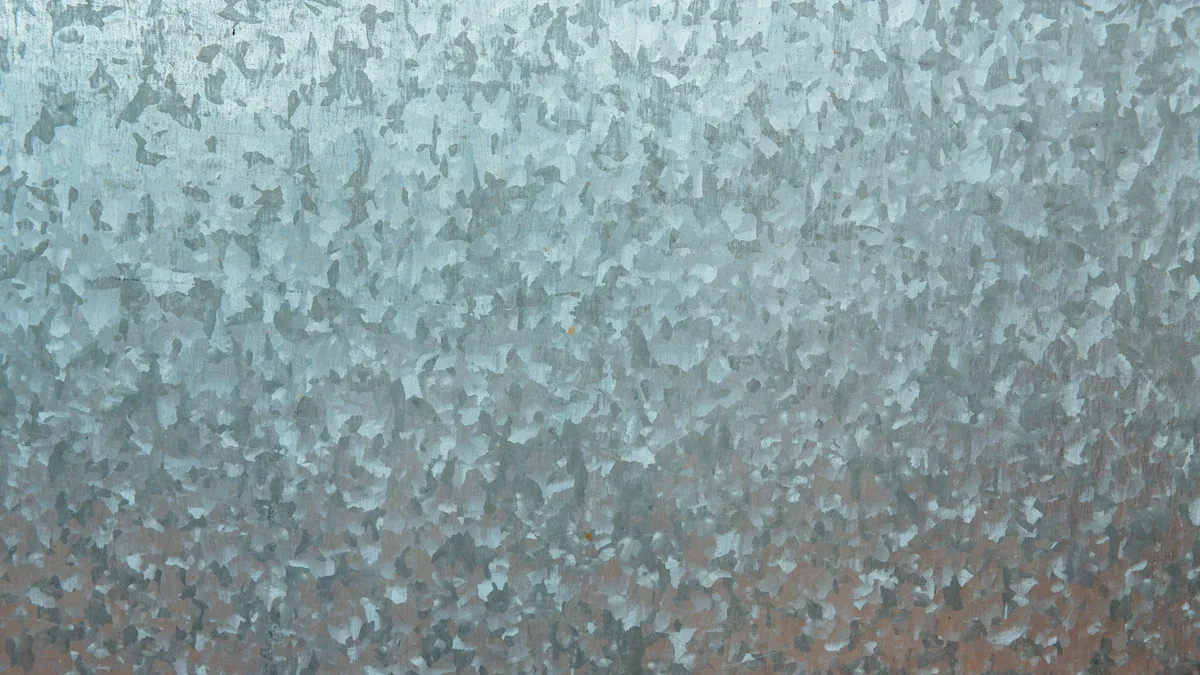
- This type typically exhibits a dull, uneven, and rough surface. The thick zinc coating creates a textured finish that may appear mottled.
- The color ranges from a silvery-gray to a more muted tone, depending on the thickness of the coating and the environmental conditions during the galvanization process.
-
Electro-Galvanized Steel:
- In contrast, electro-galvanized steel features a smooth and shiny surface. The uniform coating provides a polished look, making it aesthetically appealing for indoor applications.
- This type often retains a bright metallic finish, which can enhance the overall appearance of products like appliances and automotive parts.
-
Galvannealed Steel:
- Galvannealed steel presents a smooth, matte finish that is ideal for painting. The zinc-iron alloy coating allows for excellent paint adhesion, making it a popular choice in the automotive industry.
- Its surface is less reflective than that of electro-galvanized steel, providing a more subdued appearance.
-
Zinc-Aluminum Coated Steel:
- This type combines the benefits of zinc and aluminum, resulting in a unique appearance. The coating typically has a silvery sheen with a slight metallic luster.
- The visual appeal of zinc-aluminum coated steel makes it suitable for architectural applications, such as roofing and siding.
-
Pre-Galvanized Steel:
- Pre-galvanized steel features a uniform coating on all surfaces, which can appear slightly less robust than hot-dip galvanized steel. The finish is generally smooth, but it may lack the same level of corrosion resistance.
- This type is often used in light structural applications where aesthetics are less critical.
The appearance of galvanized steel not only affects its aesthetic appeal but also its functionality. For instance, the smooth finish of electro-galvanized steel enhances its suitability for applications requiring a polished look, while the rough texture of hot-dip galvanized steel provides better grip and adhesion in construction settings.
Uses of Galvanized Steel

Construction Industry
Galvanized steel plays a vital role in the construction industry. Builders and architects favor this material for its strength and corrosion resistance. It is commonly used in various applications, including:
- Structural Framework: Galvanized steel beams and columns provide robust support for buildings and bridges.
- Roofing and Siding: The material's durability makes it ideal for roofing sheets and siding panels, protecting structures from harsh weather.
- Fencing and Gates: Galvanized steel fencing offers security and longevity, making it a popular choice for residential and commercial properties.
- Scaffolding: The lightweight yet strong nature of galvanized steel allows for safe and efficient scaffolding systems.
The ability of galvanized steel to withstand environmental factors ensures that structures maintain their integrity over time. Its low maintenance requirements further enhance its appeal in construction projects.
Automotive Industry
In the automotive industry, galvanized steel has become a preferred material for manufacturers. Its advantages include:
- Cost-Effectiveness: Galvanized steel has a low initial cost compared to most treated steels, making it an economical choice for vehicle production.
- Durability: The material's longevity, with a life expectancy of around 50 years, contributes to the reliability of vehicles.
- Maintenance Savings: Lower maintenance costs result from the material's resistance to corrosion, saving time and resources on repairs.
- Self-Healing Properties: The galvanized coating protects sharp corners and recesses, ensuring that even minor damages do not compromise the steel's integrity.
Approximately 80% of automobile bodies are made from galvanized steel, providing rust resistance and marketing advantages. Its versatility allows for easy shaping and manipulation, enhancing usability in automotive design.
Electrical Applications
Galvanized steel is essential in electrical transmission and distribution systems. Its properties make it suitable for various applications, including:
- Power Transmission Infrastructure: The durability of galvanized steel components ensures they require little to no maintenance, lasting over 70 years.
- Lattice Towers and Poles: These structures have supported high-voltage electricity transmission for over a century, demonstrating their reliability.
- Substation Expansion: The flexibility of galvanized steel allows for easy design adaptations, facilitating the expansion of substations.
- Emergency Repairs: Components can be stockpiled for emergency repairs without compromising their corrosion protection.
The hot-dip galvanizing process guarantees complete coverage, protecting against internal corrosion in tubular structures. This reliability makes galvanized steel a preferred choice for electrical applications.
Agricultural Equipment
Galvanized steel plays a crucial role in the agricultural sector. Farmers and manufacturers rely on its properties to enhance the durability and longevity of various equipment. The following are some common applications of galvanized steel in agriculture:
-
Fencing: Galvanized steel fencing provides a robust barrier for livestock and crops. Its corrosion resistance ensures that it withstands harsh weather conditions, reducing the need for frequent replacements.
-
Storage Tanks: Farmers use galvanized steel for water storage tanks. The material's ability to resist rust and corrosion makes it ideal for holding water and other liquids, ensuring safe storage for agricultural needs.
-
Equipment Frames: Many agricultural machines, such as tractors and harvesters, utilize galvanized steel in their frames. This choice enhances the strength and durability of the equipment, allowing it to endure heavy loads and rough terrain.
-
Irrigation Systems: Galvanized steel pipes are commonly used in irrigation systems. Their resistance to corrosion ensures that water flows freely without contamination, promoting healthy crop growth.
-
Livestock Housing: Structures like barns and animal shelters often incorporate galvanized steel. The material's durability protects livestock from environmental elements, ensuring their safety and comfort.
Farmers appreciate the low maintenance requirements of galvanized steel. The protective zinc coating significantly reduces the risk of rust, allowing agricultural equipment to last longer and perform better.
Other Uses of Galvanized Steel
Beyond agriculture, galvanized steel finds applications in various industries due to its unique properties. Here are some notable uses:
-
Manufacturing: Many manufacturers utilize galvanized steel for producing appliances, furniture, and other consumer goods. The material's corrosion resistance and aesthetic appeal make it a popular choice.
-
Construction: In addition to structural applications, galvanized steel is used for roofing, siding, and gutters. Its ability to withstand the elements ensures that buildings remain protected over time.
-
Transportation: Galvanized steel components are essential in the transportation sector. They are used in the construction of trailers, railings, and other infrastructure, providing strength and durability.
-
Outdoor Furniture: Many outdoor furniture pieces feature galvanized steel. This choice ensures that the furniture can withstand exposure to the elements, maintaining its appearance and functionality.
-
Signage: Galvanized steel is often used for road signs and billboards. The material's resistance to corrosion ensures that signs remain visible and intact for extended periods.
The versatility of galvanized steel makes it an invaluable resource across multiple industries. Its ability to resist corrosion and maintain structural integrity under various conditions ensures its continued relevance in modern applications.
Advantages of Galvanized Steel
Galvanized steel offers numerous advantages that make it a preferred choice across various industries. Its cost-effectiveness, low maintenance requirements, and impressive longevity contribute to its widespread use.
Cost-Effectiveness
Galvanized steel stands out as a cost-effective option compared to other materials. The initial cost of galvanized steel is approximately 1.1 to 1.5 times that of ordinary steel, depending on the thickness of the zinc coating. In contrast, stainless steel can be about four to five times more expensive. This price difference makes galvanized steel an attractive choice for budget-sensitive projects.
- Initial Cost: Galvanized steel is generally less expensive than stainless steel.
- Maintenance Costs: While galvanized steel may incur higher maintenance costs if the zinc coating is damaged, its overall lifecycle cost remains lower than that of painted carbon steel.
The lifecycle assessment indicates that galvanized steel often requires no maintenance throughout its service life, which can exceed 50 years. This aspect significantly enhances its cost-effectiveness.
Low Maintenance
One of the key benefits of galvanized steel is its low maintenance requirement. The protective zinc coating effectively shields the steel from corrosion, reducing the need for frequent inspections and repairs. Regular maintenance tasks include:
| Maintenance Task | Frequency | Key Points |
|---|---|---|
| Regular Inspections | Quarterly or biannually | Inspect exterior, roof, seams, foundation, vents, and access points for damage and functionality. |
| Cleaning | Annual deep cleaning | Ensure thorough drying to prevent corrosion. |
| Corrosion Prevention | As needed | Touch-up painting and apply rust inhibitors to minimize corrosion. |
| Structural Repairs | As needed | Promptly repair cracks and replace worn components to maintain structural integrity. |
These tasks are minimal compared to other materials, making galvanized steel an ideal choice for industries looking to reduce maintenance efforts and costs.
Longevity
The longevity of galvanized steel is another significant advantage. Under optimal conditions, hot-dip galvanized steel can last from 50 to over 120 years. The expected lifespan varies based on environmental factors, such as soil conditions. For instance:
| Soil Condition | Average Service Life |
|---|---|
| Harsh Soils | Approximately 50 years |
| Best Soils | Exceeds 120 years |
The combination of barrier, cathodic, and zinc patina protection contributes to a maintenance-free lifespan. This durability reduces the need for replacements, conserving resources and minimizing environmental impact.
Environmental Benefits
Galvanized steel offers several environmental benefits that contribute to sustainable practices in construction and manufacturing. Its unique properties not only enhance durability but also promote eco-friendliness. Here are some key advantages:
-
Recyclability:
- Galvanized steel is 100% recyclable. When structures reach the end of their life cycle, they can be melted down and repurposed into new steel products. This process conserves natural resources and reduces waste in landfills.
-
Reduced Maintenance:
- The protective zinc coating significantly lowers the need for maintenance. Structures made from galvanized steel require fewer repairs and replacements over time. This longevity minimizes the environmental impact associated with manufacturing new materials.
-
Lower Carbon Footprint:
- The production of galvanized steel involves less energy compared to other materials, such as stainless steel. The lower energy consumption during manufacturing results in reduced greenhouse gas emissions.
-
Sustainable Resource Use:
- Zinc, the primary component of the galvanization process, is abundant and widely available. The use of this resource supports sustainable mining practices and reduces the reliance on more scarce materials.
-
Long Lifespan:
- Galvanized steel can last over 50 years in outdoor environments. This extended lifespan means fewer resources are consumed over time, contributing to a more sustainable approach to construction and manufacturing.
Tip: When selecting materials for construction projects, consider the environmental impact. Choosing galvanized steel can lead to significant long-term benefits for both the project and the planet.
-
Energy Efficiency:
- Structures made from galvanized steel often exhibit better energy efficiency. Their durability and resistance to corrosion reduce the need for heating and cooling systems, leading to lower energy consumption in buildings.
-
Minimal Chemical Use:
- Unlike painted steel, which requires chemical coatings, galvanized steel relies on its zinc layer for protection. This reduces the need for harmful chemicals, promoting a healthier environment.
Disadvantages of Galvanized Steel
Limited Aesthetic Options
Galvanized steel presents certain aesthetic limitations that may not suit all architectural designs. The hot-dip galvanization process results in a spangled or patterned surface due to zinc crystallization. This characteristic gives galvanized steel a rustic, industrial appearance. Such a look may not align with projects that require a more polished or refined finish.
Additionally, the natural matte gray finish of galvanized steel may not meet specific color requirements for branding or safety. This limitation can affect its visual appeal in various architectural contexts, making it less desirable for applications that prioritize aesthetics.
Risk of Damage
Galvanized steel is susceptible to damage from impact or abrasion. Studies indicate that it exhibits a characteristic damage value of 2.5% of the surface when subjected to impact tests. This vulnerability highlights the potential for localized damage, which can compromise the integrity of the material.
- Softness: Galvanized steel is softer than other coated steels, making it more prone to scratching. In contrast, galvannealed steel offers better abrasion resistance due to its smoother and more durable surface.
- Wear Behavior: The wear behavior of galvanized coatings depends on factors such as microstructure and hardness. These factors are critical in assessing performance under abrasive conditions.
Other Disadvantages of Galvanized Steel
While galvanized steel has many advantages, it also has some notable drawbacks. For instance, the production process involves hazardous chemicals like zinc and hydrochloric acid, which can lead to air pollution. Additionally, wastewater generated during galvanization often contains high levels of pollutants, negatively impacting water quality and aquatic life.
Welding galvanized steel can also pose challenges. The zinc coating complicates the welding process due to its high melting point, requiring more heat than carbon steel. Furthermore, painting over galvanized surfaces necessitates careful preparation. Contaminants can lead to coating failure if proper adhesion is not ensured.
| Disadvantage | Description |
|---|---|
| Environmental Impact | Production involves hazardous chemicals, affecting air and water quality. |
| Welding Challenges | High melting point of zinc complicates welding processes. |
| Painting Difficulties | Requires careful preparation to ensure proper adhesion and prevent coating failure. |
Galvanized steel plays a crucial role in modern industries due to its remarkable properties. Its corrosion resistance, durability, and wide range of applications make it a preferred choice in construction, automotive, agriculture, and telecommunications. Notably, galvanized steel requires no maintenance once treated, allowing for easy inspection and long-term reliability.
Looking ahead, the galvanized steel market is projected to grow to $248.46 billion by 2031, driven by infrastructure expansion and the rise of electric vehicles. Innovations such as alloy galvanizing and thin-film techniques enhance its performance in challenging environments. As industries continue to evolve, galvanized steel will remain a vital material, adapting to meet future demands.
FAQ
What is the primary benefit of galvanized steel?
Galvanized steel's primary benefit is its corrosion resistance. The zinc coating protects the steel from moisture and environmental factors, significantly extending its lifespan.
How long does galvanized steel last?
Galvanized steel can last between 50 to over 120 years, depending on environmental conditions and the thickness of the zinc coating.
Can galvanized steel be painted?
Yes, galvanized steel can be painted. However, proper surface preparation is essential to ensure good adhesion and prevent coating failure.
Is galvanized steel recyclable?
Absolutely! Galvanized steel is 100% recyclable. It can be melted down and repurposed into new steel products, promoting sustainability.
What industries commonly use galvanized steel?
Galvanized steel is widely used in construction, automotive, electrical applications, and agriculture due to its durability and corrosion resistance.
Does galvanized steel require maintenance?
Galvanized steel requires minimal maintenance. The protective zinc coating reduces the need for frequent inspections and repairs, making it a low-maintenance option.
What are the disadvantages of galvanized steel?
Disadvantages include limited aesthetic options, susceptibility to damage, and challenges in welding and painting due to the zinc coating.
How is galvanized steel produced?
Galvanized steel is produced through processes like hot-dip galvanizing, electro-galvanizing, and mechanical galvanizing, each offering different coating thicknesses and properties.