

Introduction
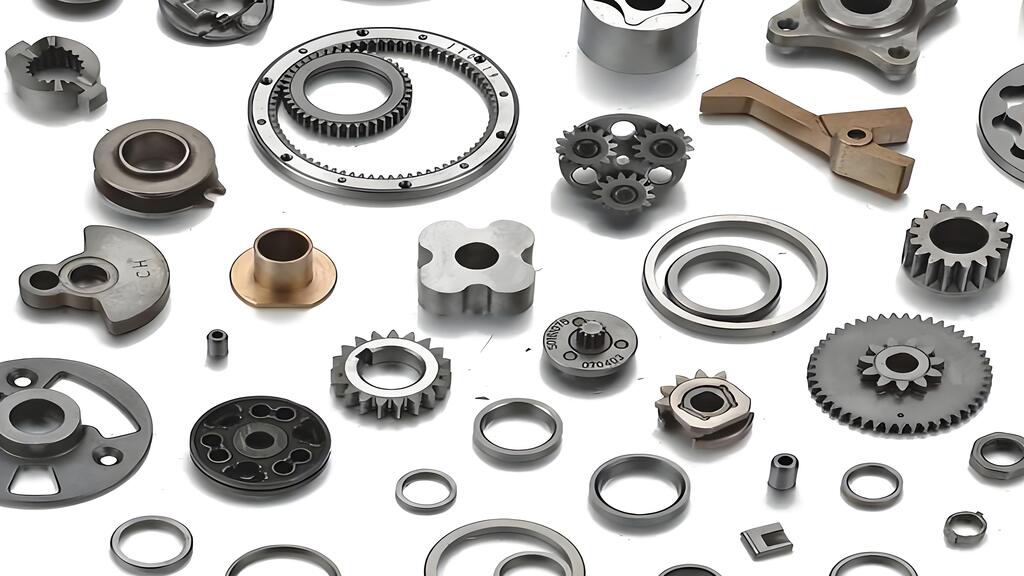
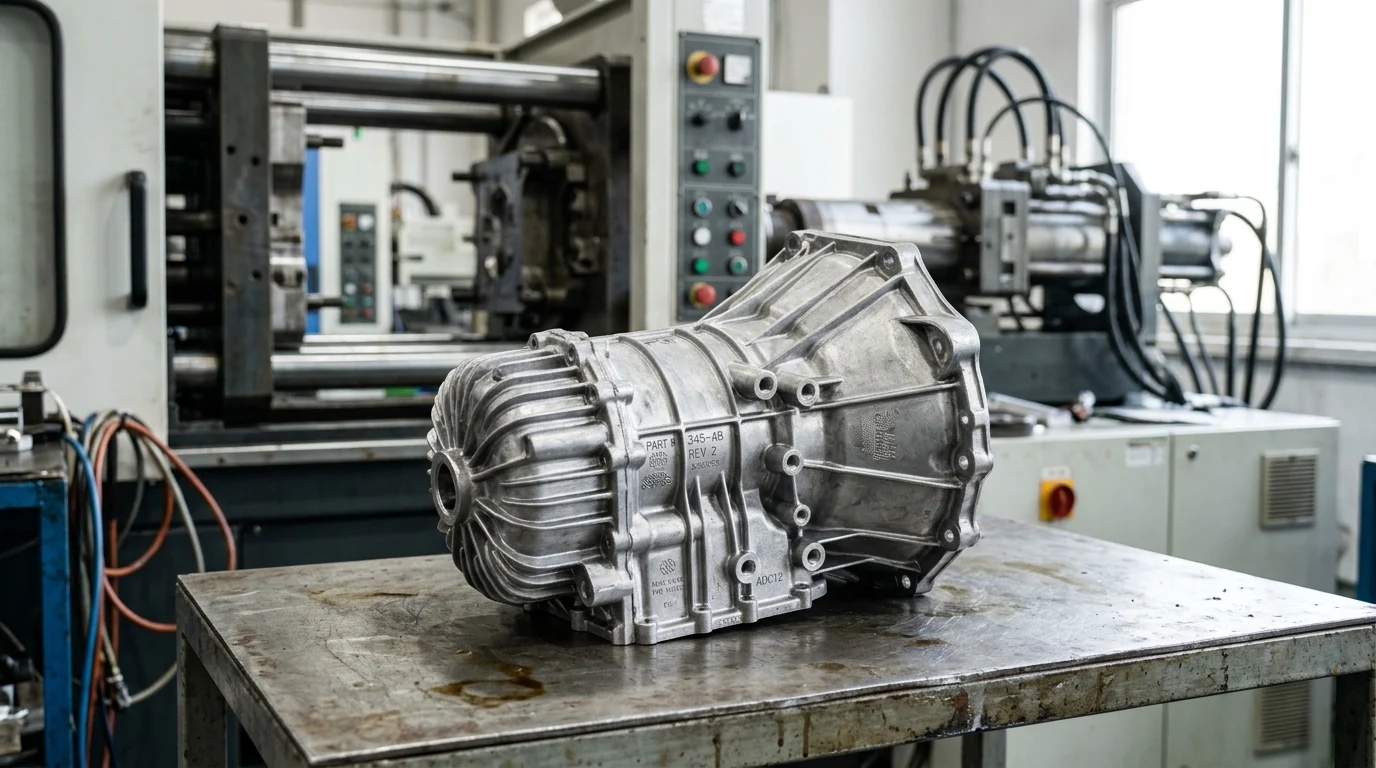
Automotive manufacturers increasingly turn to precision Aluminum Die Casting when they need lighter, stronger, and more production-efficient parts at OEM scale. This process supports complex geometries, tight tolerances, and near-net-shape components that can reduce machining, consolidate assemblies, and improve consistency across high-volume programs. For engineers and sourcing teams, understanding these advantages is essential when evaluating materials, cost, thermal performance, and manufacturability for modern vehicle platforms. The discussion below explains how aluminum die casting fits automotive requirements, where it delivers the most value, and what to look for in a manufacturing partner for precision OEM parts.
Why OEM automotive programs use precision aluminum die casting
The automotive industry is undergoing a systemic shift toward lightweighting to meet stringent fuel efficiency mandates and maximize electric vehicle (EV) battery range. Original EquiPment Manufacturers (OEMs) increasingly rely on precision aluminum die casting to replace heavy ferrous metal components. By transitioning from cast iron to high-pressure aluminum die casting, engineers can achieve weight reductions of up to 40% per component without sacrificing structural integrity or crashworthiness.
Precision die casting enables the high-volume production of complex, near-net-shape geometries that consolidate multiple sub-assemblies into single monolithic parts. This manufacturing consolidation reduces downstream assembly time, mitigates supply chain complexity, and minimizes the risk of fastener failure in high-vibration automotive environments.
Key benefits for automotive parts
Aluminum die casting offers an unparalleled combination of high strength-to-weight ratios, dimensional stability, and excellent thermal conductivity. For instance, the widely specified A380 aluminum alloy exhibits a thermal conductivity of approximately 96 W/m·K, making it highly effective for dissipating heat in powertrain and electronic control unit (ECU) applications.
Furthermore, the process yields exceptional surface finishes and tight tolerances right out of the mold, significantly reducing the need for extensive secondary CNC machining. Aluminum's inherent corrosion resistance and ability to withstand elevated operating temperatures make it a highly reliable choice for components subjected to harsh under-hood environments or external road conditions.
Common vehicle systems and applications
In internal combustion engine (ICE) vehicles, aluminum die casting is the standard for engine blocks, cylinder heads, transmission housings, and oil pans. These components require strict pressure-tightness to prevent fluid leaks under high-stress conditions. In chassis and suspension systems, die-cast aluminum steering knuckles and control arms contribute to reduced unsprung mass, thereby improving vehicle handling and ride dynamics.
The rise of electric mobility has introduced a new class of ultra-large die-cast applications. EV battery enclosures, stator housings, and gigacast underbody structures represent a rapidly growing segment. A structural EV battery tray, for example, can weigh between 50 to 80 kg and requires massive high-pressure die casting machines—often exceeding 3,000 to 6,000 tons of locking force—to ensure complete cavity fill and structural rigidity.
What defines OEM precision die casting for automotive parts
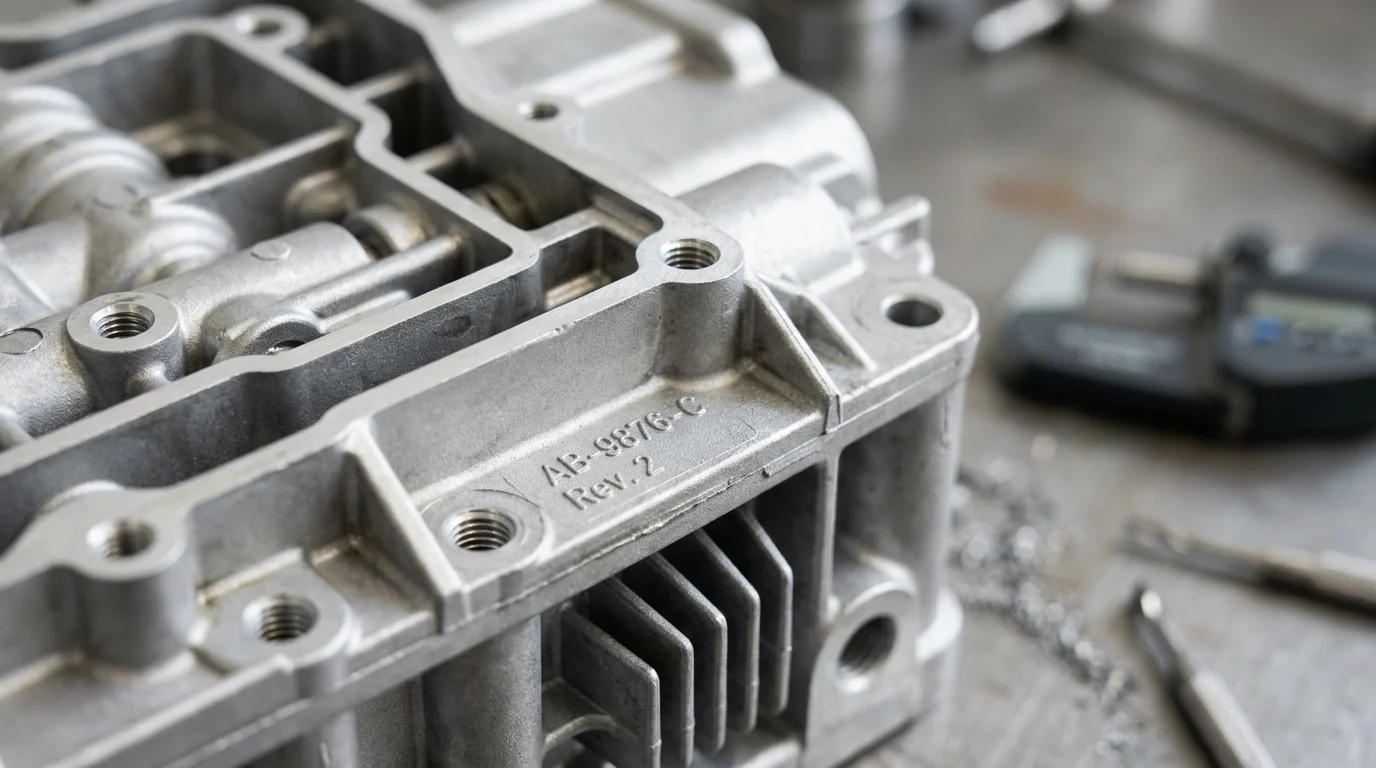
OEM precision die casting extends beyond basic foundry operations; it requires exacting metallurgical science, advanced computational fluid dynamics, and highly controlled injection machinery. To meet automotive specifications, manufacturers must maintain precise control over molten metal temperatures, injection speeds, and applied pressures, which typically range from 1,500 to over 25,000 psi.
Alloys, tolerances, and wall thickness
The selection of the appropriate aluminum alloy dictates the mechanical properties and castability of the final part. While A380 is the standard for general-purpose automotive components, alloys like A356 or AlSi10Mg are preferred for structural parts requiring high ductility and crash performance. Advanced die casting processes can achieve minimum wall thicknesses of 1.5mm to 2.0mm, allowing for significant material savings while maintaining structural ribs for stiffness.
Precision die casters routinely hold linear tolerances of ±0.05 mm on critical dimensions. Achieving these specifications requires meticulous thermal management of the die and automated ladle systems to ensure consistent shot volumes.
| Alloy Grade | Key Characteristics | Typical Automotive Application | Typical Yield Strength (MPa) |
|---|---|---|---|
| A380 (ADC12) | Excellent castability, good thermal properties | Transmission housings, brackets | 160 |
| A356 | High ductility, excellent crashworthiness | Suspension components, wheels | 170 (T6 treated) |
| A360 | Superior corrosion resistance, pressure tightness | Water pumps, marine-grade auto parts | 170 |
| AlSi10Mg | High strength, optimized for thin walls | EV battery enclosures, structural nodes | 150 |
Tooling, gating, and process control
Tooling design is a critical determinant of part quality and program economics. OEM-grade dies are typically machined from premium H13 tool steel and subjected to proprietary heat treatments to withstand the severe thermal cycling of molten aluminum. A well-maintained die casting mold is generally rated for a tooling life of 100,000 to 150,000 shots before requiring major refurbishment or replacement.
Gating and runner systems are optimized using mold flow simulation software to eliminate turbulence and air entrapment during the injection phase. Advanced manufacturers utilize vacuum die casting technology to evacuate air from the die cavity milliseconds before metal injection. This process control can reduce internal porosity to less than 1%, which is essential for structural parts that require subsequent T6 heat treatment or structural welding.
Die casting compared with other manufacturing methods
When selecting a manufacturing process, automotive engineers must weigh production volume, tooling investment, and part complexity. While sand casting and gravity die casting offer lower initial tooling costs, they cannot match the cycle times or dimensional accuracy of high-pressure die casting (HPDC) for volumes exceeding 10,000 units annually.
Compared to CNC machining from solid billet, HPDC drastically reduces material waste and per-piece processing time, though it requires a much higher upfront capital expenditure for the steel mold.
| Manufacturing Process | Optimal Production Volume | Relative Tooling Cost | Typical Dimensional Tolerance |
|---|---|---|---|
| High-Pressure Die Casting | > 10,000 units/year | Very High | ± 0.05 mm |
| Gravity Die Casting | 1,000 - 10,000 units/year | Medium | ± 0.25 mm |
| Sand Casting | < 1,000 units/year | Low | ± 0.75 mm |
| CNC Machining (Billet) | Prototyping / Low Volume | None / Very Low | ± 0.01 mm |
How to evaluate a die casting manufacturer
Vetting an aluminum die casting manufacturer requires evaluating their quality management systems, engineering bench strength, and historical performance in the automotive sector. For OEM programs, the margin for error is virtually nonexistent. Suppliers are typically expected to maintain a defect rate of less than 50 PPM (parts per million) to avoid line stoppages at the OEM assembly plant.
Certifications, PPAP, and traceability
Participation in the automotive supply chain mandates strict adherence to international quality standards. IATF 16949:2016 certification is a non-negotiable baseline, ensuring the manufacturer operates with a process-oriented approach focused on continuous improvement and defect prevention. Before mass production begins, the supplier must complete a rigorous Production Part Approval Process (PPAP), typically at Level 3, which includes dimensional layouts, material certifications, and capability studies (Cpk > 1.33).
Traceability is equally critical for automotive safety components. Advanced die casters implement part-level traceability using laser-etched QR codes or dot-peen marking. This ensures that every casting can be traced back to its specific production shift, machine parameter log, and raw material batch. PPAP records and traceability data are generally retained for the active life of the part plus one calendar year, ensuring compliance with OEM warranty requirements.
Quality control and defect prevention
Defect prevention in die casting relies on continuous monitoring and automated inspection rather than end-of-line sorting. Manufacturers deploy in-line sensors to monitor shot velocity, intensification pressure, and die temperature profiles, instantly flagging any cycle that deviates from the validated process window.
For structural and pressure-retaining components, non-destructive testing (NDT) is mandatory. High-resolution X-ray inspection and 3D CT scanning are used to detect sub-surface porosity and shrinkage voids, ensuring compliance with ASTM E505 reference radiographs. Additionally, automated Coordinate Measuring Machines (CMM) verify critical tolerances, while leak testing stations pressurize fluid-handling parts to 2-3 bar to confirm hermetic seals. Top-tier suppliers target an Overall Equipment Effectiveness (OEE) of greater than 85%, reflecting high availability, performance, and yield.
How to reduce sourcing and launch risk
Successfully launching an automotive die casting program requires proactive risk management throughout the sourcing lifecycle. Delays in tooling, unexpected secondary machining costs, or quality failures during validation can severely disrupt vehicle launch schedules. A structured approach to the RFQ (Request for Quote) and industrialization phases is vital to locking in quality and controlling the total landed cost.
RFQ-to-launch workflow
The workflow from initial RFQ to mass production launch typically spans 12 to 16 weeks for standard automotive tooling, extending up to 24 weeks for ultra-large gigacasting dies. The process begins with rigorous Design for Manufacturability (DFM) reviews. Engaging the die caster early in the DFM phase can reduce tooling adjustments and engineering changes by up to 30%.
Following DFM, mold flow simulations dictate the tool build. Once the die is cut, the manufacturer produces initial samples for First Article Inspection (FAI). Only after the FAI samples pass dimensional and metallurgical validation does the program move into run-at-rate testing to verify cycle times and process stability before final OEM sign-off.
Cost drivers and total landed cost
Understanding the cost structure of a die-cast part is crucial for accurate budget forecasting. Raw aluminum material typically accounts for 40% to 50% of the final piece price, making the program sensitive to global commodity indices (e.g., LME aluminum prices). The remainder of the piece price is driven by machine hourly rates, which correlate directly with the required locking tonnage—ranging from $60 per hour for small 400-ton machines to over $200 per hour for 2,000+ ton presses.
Total landed cost calculations must also factor in secondary operations such as CNC machining, surface treatments (e.g., anodizing or e-coating), and logistics. Sourcing from a supplier capable of handling casting, machining, and finishing under one roof eliminates multi-margin stacking and reduces work-in-progress (WIP) transit costs.
Supplier comparison criteria
Comparing suppliers solely on the quoted piece price often obscures hidden launch risks. Procurement teams must evaluate a supplier's financial stability, as die casting is a highly capital-intensive business; an undercapitalized supplier may cut corners on tool maintenance or raw material quality.
Geographic location and logistics play a pivotal role in total cost and risk mitigation. Sourcing from a domestic or nearshore supplier within a 500-mile radius can reduce logistics costs by 15% to 20% compared to deep-sea freight, while simultaneously eliminating the risk of port delays and reducing the carbon footprint of the automotive supply chain.
How to choose the right aluminum die casting partner
Selecting the right aluminum die casting partner is a strategic decision that impacts the entire lifecycle of an automotive vehicle program. The ideal partner acts as an extension of the OEM's engineering team, offering the scale to handle high-volume production and the agility to adapt to design iterations. A critical benchmark is ensuring the supplier maintains at least 20% open machine capacity to absorb sudden demand spikes or schedule fluctuations.
Decision criteria for supplier selection
Key decision criteria should include the supplier's equipment redundancy and technological maturity. A facility relying on a single, aging 1,200-ton press poses a severe bottleneck risk; partners with multiple machines in the required tonnage class offer necessary production security. Furthermore, evaluate their commitment to automation. Advanced facilities utilize automated ladles, die sprayers, and robotic part-extraction arms, which drastically reduce cycle time variations and minimize human error.
Engineering support is another primary differentiator. Suppliers who offer robust in-house tool design and flow simulation capabilities can solve complex geometric challenges faster than those who outsource their tooling engineering. This in-house expertise is invaluable when troubleshooting porosity issues or optimizing wall thicknesses for weight reduction.
Final shortlist and next steps
Once the supplier pool is narrowed to a final shortlist, physical or comprehensive virtual plant audits are the next critical step. Automotive OEMs and Tier 1 suppliers typically conduct VDA 6.3 process audits to evaluate the manufacturer's operational controls. Achieving a VDA 6.3 audit score of >80% (a 'B' rating) is widely considered the standard baseline for approval in European and global automotive supply chains.
The final steps involve reviewing the detailed tooling timeline, establishing key performance indicators (KPIs) for the launch phase, and finalizing the commercial agreements regarding metal market indexing. By systematically validating the supplier's technical capabilities, quality culture, and financial health, automotive programs can secure a highly reliable die casting partner for the life of the vehicle architecture.
Key Takeaways
- The most important conclusions and rationale for Die Casting
- Specs, compliance, and risk checks worth validating before you commit
- Practical next steps and caveats readers can apply immediately
Frequently Asked Questions
Why do OEMs choose aluminum die casting for automotive parts?
It cuts component weight by up to 40%, supports complex one-piece designs, and delivers high-volume consistency for engine, transmission, and EV parts.
Which aluminum alloys are commonly used for automotive die casting?
A380 is common for housings and brackets, A356 for structural parts needing ductility, A360 for corrosion resistance, and AlSi10Mg for thin-wall EV components.
What tolerances and wall thicknesses can precision aluminum die casting achieve?
Critical dimensions can reach about ±0.05 mm, and typical minimum wall thickness is 1.5 to 2.0 mm, depending on alloy, geometry, and tooling.
What automotive parts can JHPIM support with OEM die casting services?
JHPIM can support housings, covers, brackets, oil pans, transmission parts, ECU heat-dissipating components, and selected EV structural aluminum castings.
How does tooling design affect die-cast part quality?
Proper gating, runner layout, and thermal control reduce porosity, air entrapment, and dimensional variation, helping achieve pressure-tight, repeatable automotive parts.