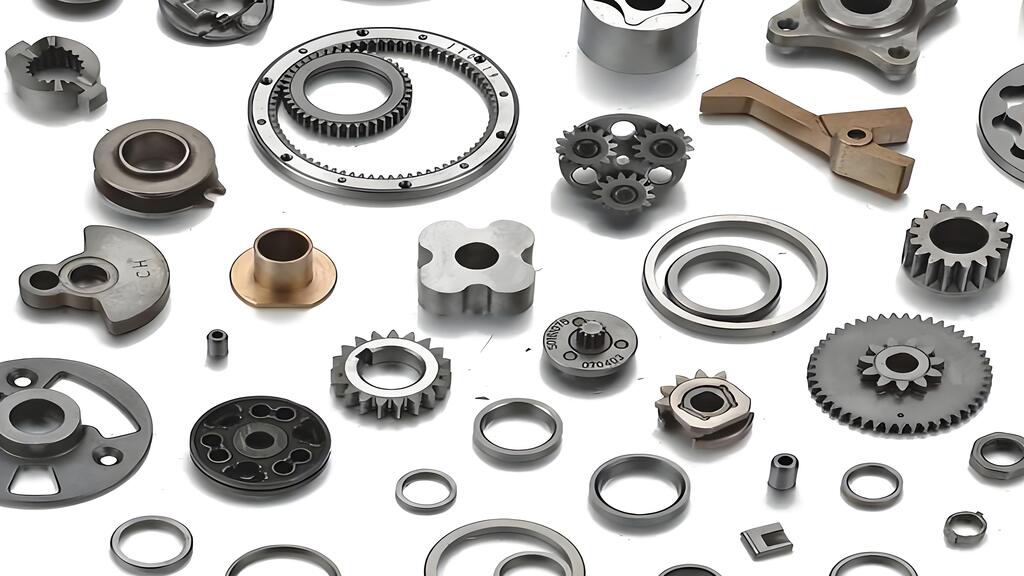


Ceramic Materials in Electric Vehicles
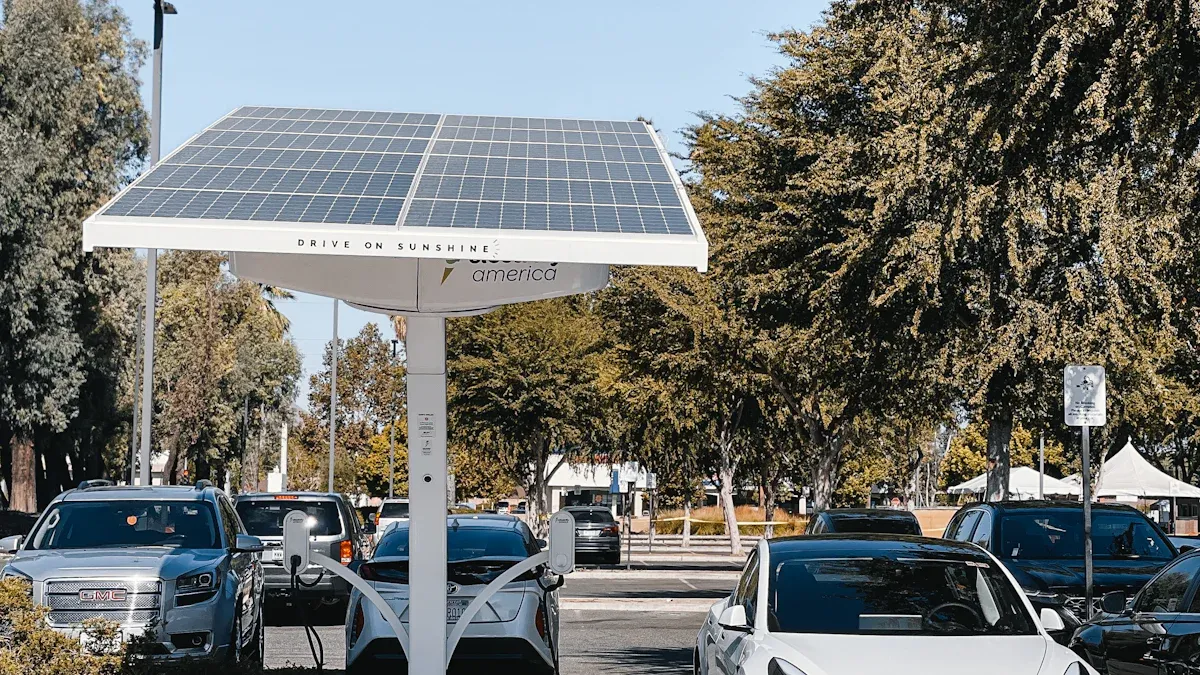
Electric Vehicles demand superior insulation and enhanced efficiency. Ceramic Materials are indispensable for the safety and performance of these vehicles. Higher voltages, increased power density, and the pursuit of extended range place escalating demands on EV components. The advanced properties inherent in Ceramic Materials uniquely address these critical challenges.
Key Takeaways
- Ceramic materials are important for electric vehicles. They make EVs safer and work better.
- EVs need strong insulation. This protects against high voltage and heat.
- Ceramics stop electrical problems. They also keep batteries from getting too hot.
- Ceramic Parts help make EVs lighter. Lighter cars can drive farther.
- Ceramic materials improve EV motors. They reduce rubbing and make motors last longer.
- Ceramics are better than old materials. They handle heat and electricity well.
- New ceramic ideas will make future EVs even better. This includes safer batteries.
The Critical Need for Advanced Insulation in Electric Vehicles
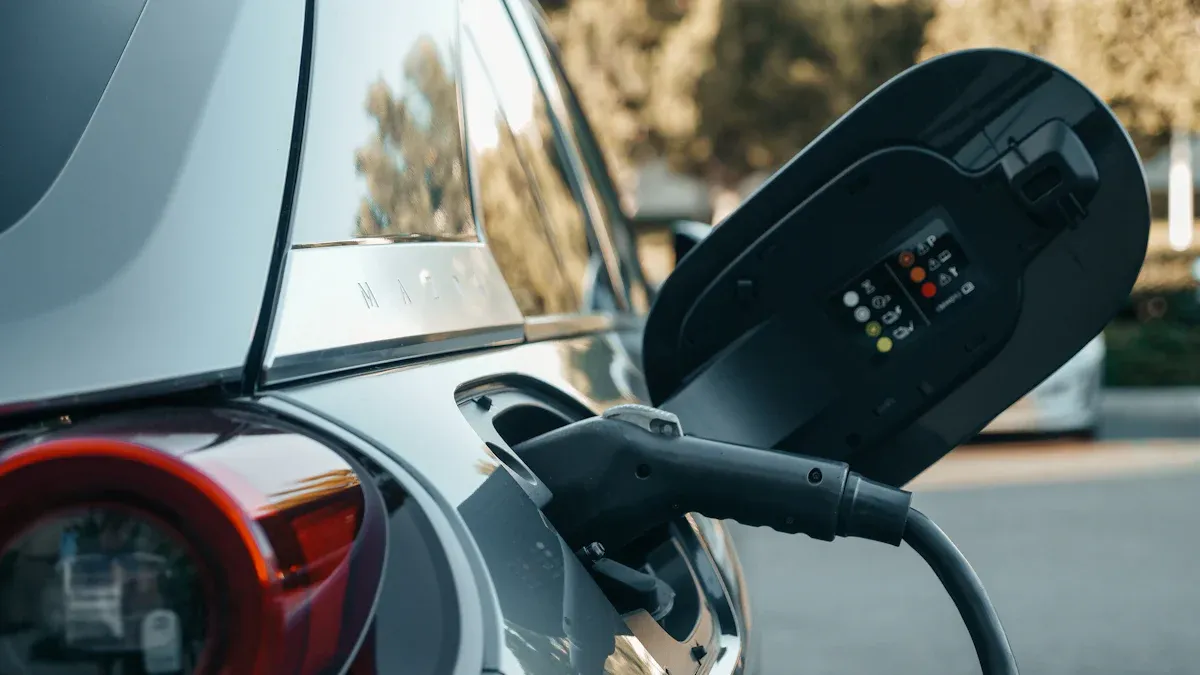
High Voltage and Thermal Management Challenges in EVs
Operating in High Voltage Environments
Electric vehicles operate with significant electrical power. Their battery packs and power electronics typically function within a DC voltage range of 200 to 800 volts. Many current electric cars, such as Tesla models, use 400-volt systems. Newer, high-performance, and luxury models, like the Porsche Taycan, utilize 800-volt systems. These higher voltages offer advantages such as faster charging and increased power delivery. High-voltage battery packs, for instance, range from 200V to 800V, with examples including the Nissan Leaf at approximately 360V and the Tesla Model S at around 400V.
Heat Generation from Batteries, Motors, and Power Electronics
Electric vehicle components generate substantial heat during operation. Batteries, motors, and power electronics all contribute to the thermal load. For optimal performance, a lithium-ion battery's temperature should remain between 25°C and a maximum of 45°C. Temperatures exceeding 40°C can cause severe and irreversible damage to the battery. The coolant temperature for the motor and electronic control system must not exceed 60°C. Effective thermal management is crucial to prevent overheating and maintain component longevity.
Limitations of Traditional Insulation Materials
Traditional insulation materials often struggle to meet the rigorous demands of electric vehicles. Moisture and corrosive substances on high-voltage connectors can create ionic conductive channels, leading to insulation failure. Electrical stresses from high voltage or current can cause arcing, degrading insulation. Mechanical stresses, such as frequent startup cycles or improper cable routing, physically damage insulation. Chemical stresses from corrosive chemicals or contamination also reduce insulation resistance. Over time, insulation naturally ages and becomes brittle, making older wiring vulnerable to isolation loss. Leakage from power battery cells or water ingress into the battery pack further compromises insulation, creating conductive paths and lowering resistance.
Safety Implications of Inadequate Insulation in EVs
Risks of Electrical Shorts and System Failures
Inadequate insulation poses significant risks of electrical shorts and system failures. A loss of electrical isolation from a high-voltage source can energize conductive parts, leading to indirect contact with high voltage. Research by the Battelle Memorial Research Institute, contracted by NHTSA, identified various scenarios where electrical isolation failure could lead to electric shock. If a human body contacts an energized electrical protection barrier, most current would flow through the vehicle's chassis due to its significantly lower resistance, but the risk of shock remains.
Preventing Thermal Runaway in Battery Packs
Robust insulation is vital for preventing thermal runaway in battery packs. Thermal runaway, a self-heating chain reaction, can occur at temperatures between 70-100°C. This phenomenon causes the destruction of battery cells and can propagate to adjacent ones, leading to catastrophic failure. Proper insulation helps contain heat and prevents the rapid temperature escalation that triggers thermal runaway.
Protecting Occupants and Emergency Responders
Effective insulation protects both vehicle occupants and emergency responders. It prevents unintended electrical pathways, safeguarding individuals from electric shock. In accident scenarios, compromised insulation could expose occupants or first responders to high voltages. High-quality insulation ensures the electrical system remains isolated, even under stress, thereby enhancing overall safety.
Ceramic Materials: Superior Insulators for Electric Vehicles
Electric vehicles demand materials that offer exceptional electrical insulation and thermal resilience. Ceramic Materials consistently outperform traditional options in these critical areas, making them indispensable for modern EV design. Their unique properties directly address the stringent requirements of high-voltage systems and extreme operating temperatures.
Exceptional Dielectric Strength and Thermal Stability of Ceramic Materials
Preventing Electrical Breakdown with High Dielectric Strength
Dielectric strength measures a material's ability to withstand an electric field without experiencing electrical breakdown. Ceramic materials possess inherently high dielectric strength. This characteristic means they can endure significant voltage differences across their structure without allowing current to pass through, effectively preventing electrical shorts and arcing. In high-voltage EV components, this property is crucial for maintaining system integrity and ensuring safety. It safeguards against unintended electrical pathways, which could otherwise lead to component failure or hazardous situations.
Withstanding Extreme Temperatures Without Degradation
Electric vehicle systems generate considerable heat, particularly in batteries, motors, and power electronics. Traditional insulation materials often degrade or lose their insulating properties when exposed to elevated temperatures. Ceramic materials, however, exhibit remarkable thermal stability. They maintain their structural integrity and electrical insulation capabilities even under extreme thermal loads. This resistance to heat-induced degradation ensures consistent performance and longevity for critical EV components, contributing to the overall reliability of the vehicle.
Specific Ceramic Materials Applications for Insulation
Ceramic Coatings for Battery Cells and Modules
Battery cells and modules require robust insulation to manage heat and prevent electrical interference. Ceramic coatings provide an effective solution. Engineers utilize ceramic papers as an insulation material between individual battery cells and their outer packaging. These papers offer high thermal stability, good mechanical properties, and low thermal conductivity. They provide effective insulation within minimal space, which is vital for compact battery pack designs. Such coatings help regulate temperature distribution and enhance the safety of the battery system.
Ceramic Separators Enhancing Battery Safety
Separators play a critical role in lithium-ion batteries by preventing direct contact between the anode and cathode while allowing ion flow. Ceramic separators significantly enhance battery safety. They improve thermal stability and adhesion, which are crucial for preventing thermal runaway and battery failure, especially in electric vehicles. Traditional polyolefin-based separators are prone to thermal failure due to low transition temperatures (135 °C for PE and 165 °C for PP) and poor wetting properties. In contrast, ceramic-coated separators offer superior thermal stability. While commercial ceramic-coated separators with binders have shown effectiveness, their protection is limited by the thermal stability of the polymeric binder and issues like delamination or slippage of the ceramic layer. The primary goal is to ensure the shutdown and breakdown temperatures of separators are as far apart as possible, thereby delaying or avoiding thermal runaway.
Ceramic Substrates for Power Electronics Modules
Power electronics modules, such as inverters and converters, manage the flow of high-voltage electricity in EVs. These modules require substrates that can dissipate heat efficiently while providing excellent electrical insulation. Ceramic materials serve as ideal substrates due to their thermal and electrical properties. Common types of ceramic substrates employed in these modules include:
- Alumina (Al₂O₃)
- Aluminum Nitride (AlN)
- Silicon Carbide (SiC)
- Silicon Nitride
These materials offer high thermal conductivity to draw heat away from sensitive electronic components and superior electrical insulation to prevent short circuits.
Ceramic Insulators for High-Voltage Cabling and Connectors
High-voltage cabling and connectors are critical pathways for electrical power throughout an EV. These components demand robust insulation to prevent current leakage and ensure occupant safety. Ceramic insulators provide a durable and reliable solution. Their high dielectric strength and resistance to environmental factors like moisture and chemicals make them ideal for protecting these vital connections. They ensure the integrity of the electrical system, even under demanding operating conditions.
Improving Overall EV Safety and Reliability with Ceramic Materials
The widespread application of Ceramic Materials across various EV components significantly enhances overall vehicle safety and reliability. From battery packs to power electronics and cabling, ceramics provide a robust defense against electrical breakdown and thermal degradation. Their ability to perform consistently in harsh environments contributes to the long-term durability of electric vehicles, instilling greater confidence in their performance and safety for both manufacturers and consumers.
Enhancing Electric Vehicle Efficiency Through Ceramic Properties
Electric vehicles constantly seek ways to improve efficiency, which directly translates to extended range and better performance. Ceramic properties offer significant advantages in reducing energy loss, lightweighting, and enhancing motor performance.
Reducing Energy Loss with Ceramic Materials in Power Electronics
High Thermal Conductivity of Ceramic Substrates (e.g., AlN, SiC)
Power electronics in electric vehicles generate considerable heat. Efficiently managing this heat is crucial for minimizing energy loss. Ceramic substrates, such as Aluminum Nitride (AlN) and Silicon Carbide (SiC), possess high thermal conductivity. This property allows them to dissipate heat effectively. For example, AlN typically exhibits a thermal conductivity between 150-250 W/mK, while SiC ranges from 120-250 W/mK. However, the thermal conductivity of most ceramic materials, including AlN, can decrease as temperature increases. AlN's thermal conductivity might drop by approximately 10-15% between room temperature and 100°C. In contrast, SiC shows relatively minor performance degradation in high-temperature environments, making it advantageous for such applications. For specific compositions, like a single-phase equimolar SiC-AlN, a minimum thermal conductivity of 40 W m−1 K−1 was observed at a Sintering temperature of 2150°C.
| Material | Thermal Conductivity (W/mK) |
|---|---|
| Aluminum Nitride (AlN) | 150-250 |
| Silicon Carbide (SiC) | 120-250 |
Optimal Operating Temperatures for Power Semiconductors
Maintaining optimal operating temperatures for power semiconductors is vital for their efficiency and longevity. Ceramic substrates are utilized in automotive control units due to their thermal conductivity and resilience. They are particularly well-suited for power electronics in electric vehicles, where effective heat dissipation prevents overheating and ensures system reliability. Modern EVs and hybrids rely on high-power electronics for battery management, motor control, and engine control units (ECUs). These systems generate substantial heat, often exceeding 200°C. Ceramic PCBs, with their high thermal conductivity and low Coefficient of Thermal Expansion (CTE), ensure reliable operation under these demanding conditions. For instance, in an EV charging station, a ceramic PCB can manage currents up to 200 A while maintaining a temperature rise of less than 20°C, thanks to its efficient heat dissipation. Silicon nitride substrates are especially important for maintaining optimal operating temperatures in EV power semiconductors. They efficiently dissipate heat, provide electrical insulation, and offer structural support against thermal stress. Their high thermal conductivity, combined with mechanical strength and thermal shock stability, prevents overheating and ensures long-term reliability under frequent temperature fluctuations.
Minimizing Energy Loss and Maximizing Power Delivery
Efficient heat dissipation directly contributes to minimizing energy loss in power electronics. When components operate at optimal temperatures, they experience less electrical resistance and leakage, leading to higher energy conversion efficiency. This allows the system to maximize power delivery to the motor and other components, ultimately improving the vehicle's overall performance and range.
Lightweighting and Structural Integrity with Advanced Ceramic Materials
High Strength-to-Weight Ratios of Advanced Ceramics
Advanced ceramics possess exceptionally high strength-to-weight ratios. This means they offer significant mechanical strength and stiffness while remaining remarkably light. This characteristic makes them ideal for applications where reducing mass is critical without compromising structural integrity.
Contribution to Overall Vehicle Lightweighting for Extended Range
Reducing the overall weight of an electric vehicle directly impacts its energy consumption. A lighter vehicle requires less energy to accelerate and maintain speed, thereby extending its driving range. Advanced ceramics contribute significantly to this lightweighting effort by replacing heavier metallic components with lighter, yet equally strong, ceramic alternatives.
Improving Energy Efficiency and Performance
Lightweighting not only extends range but also improves the vehicle's dynamic performance. A lighter EV can accelerate faster and handle more responsively. This enhanced performance, combined with improved energy efficiency, makes for a more compelling and sustainable driving experience.
Role of Ceramic Matrix Composites (CMCs) in Structural Components
Ceramic Matrix Composites (CMCs) play a crucial role in enhancing structural integrity. CMCs combine structural ceramics as the matrix with high-strength fibers, whiskers, and particles as reinforcing materials. This results in outstanding properties such as high specific strength, high specific stiffness, excellent thermal physical stability, oxidation resistance, and corrosion resistance. CMCs enhance toughness and prevent catastrophic failure through engineered interfaces between the matrix and reinforcement, controlling crack propagation and improving overall mechanical performance for high-stress applications. For example:
- Ford's ceramic-reinforced battery enclosure system, using aluminum oxide and silicon nitride composites, reduces weight by 25% and improves crash protection by 30% compared to traditional metallic structures.
- Ceramic-coated brake rotors, designed for EV regenerative braking systems, dissipate heat more efficiently and reduce wear by up to 60%.
- Thermal barrier ceramic coatings on motor housings improve efficiency by maintaining optimal operating temperatures and reducing thermal losses by approximately 15%.
- CMCs in critical drivetrain components withstand extreme thermal cycling (from -40°C to 800°C) while maintaining dimensional stability.
- Ceramic-based power electronics substrates improve thermal conductivity by 40% compared to traditional materials, enabling higher power density in inverters and converters.
Improved Performance of Electric Motors with Ceramic Materials
Reducing Friction and Wear with Ceramic Bearings
Electric motors benefit significantly from ceramic bearings. These bearings are known for their superior hardness and corrosion resistance. They are gaining popularity in EVs for their ability to withstand high temperatures and harsh operating environments, particularly in motor components. CoorsTek, a pioneer in ceramic bearing technology, offers a premium ceramic product line called Cerbec. While balls are the most common shape for their ceramic bearing elements, the company also produces cylinders and tapered rollers. These ceramic bearings often use hybrid configurations, combining ceramic balls with steel raceways, to reduce friction and wear in EV motor shaft bearings. Silicon nitride (Si3N4) is a specific ceramic material highlighted for its lighter weight, reduced friction, less wear, and lower operating temperature compared to steel counterparts. NSK also offers deep-groove ball bearings with ceramic balls, known as ceramic hybrid bearings, as a solution to electrical discharge current in electric motors. These bearings use the high electrical insulating properties of ceramic balls to create a high resistance barrier, protecting against electrical erosion.
Ceramic Coatings for Motor Components to Enhance Durability
Ceramic coatings applied to motor components enhance their durability. These coatings provide a hard, wear-resistant surface that protects against abrasion, corrosion, and high temperatures. This protection extends the lifespan of critical motor parts, reducing the need for frequent maintenance and replacement.
Achieving Higher Efficiency and Longer Lifespan for Motors
By reducing friction and wear with ceramic bearings and enhancing durability with ceramic coatings, electric motors achieve higher efficiency and a longer lifespan. Less friction means less energy wasted as heat, directly improving the motor's energy conversion efficiency. The increased durability ensures consistent performance over many years, contributing to the overall reliability and value of the electric vehicle.
Advantages of Ceramic Materials Over Traditional EV Materials
Electric vehicles require materials that offer superior performance and reliability. Ceramic Materials consistently surpass traditional options in several key areas, providing significant advantages for EV components.
Performance Comparison of Ceramic Materials
Superior Thermal Resistance and Management
Ceramic materials offer exceptional thermal resistance and management capabilities. They withstand much higher temperatures than many polymer-based insulation materials. For instance, traditional foam insulates up to 300°C, and polymer aerogels can handle temperatures from -196°C to 500°C.
| Material Type | Thermal Conductivity (W/(m·K)) | Temperature Resistance (°C) |
|---|---|---|
| Traditional foam | 0.02~0.04 | ≤300 |
| Polymer aerogels | 0.020–0.035 | −196~500 |
Ceramics exhibit a wide range of thermal conductivities. Some ceramics, like Macor (1.5 W/mK) and silicate ceramics (2-4 W/mK), provide excellent thermal insulation. Others, such as Alumina (25-40 W/mK), Aluminum Nitride (170-220 W/mK), and Beryllia (300 W/mK), are designed for high thermal conductivity. This versatility allows engineers to select the right ceramic for specific thermal management needs, from insulation to heat dissipation, often outperforming polymers in high-temperature environments.
Enhanced Electrical Insulation Capabilities
Ceramic materials demonstrate superior electrical insulation capabilities, especially under high voltage conditions. They generally outperform organic insulators like polymers, rubber, and glass.
| Property | Ceramic Materials (Typical) | 3240 Epoxy Sheet (Typical) |
|---|---|---|
| Dielectric Strength | 10-35 kV/mm | 8-16 kV/mm |
Ceramics possess high dielectric strength, allowing them to withstand high voltages for extended periods without breakdown. They also exhibit high volume resistivity, even at elevated temperatures, effectively resisting electric current flow. Kyocera, for example, produces high-voltage ceramic feedthroughs (30kV or higher) that maintain stable high voltage, reduce conditioning time, and offer compact designs. Specific ceramics like Alumina, Aluminum Nitride, and Silicates provide excellent dielectric strength and resistivity, crucial for EV safety.
High Mechanical Strength and Wear Resistance
Technical ceramics offer significantly higher hardness and wear resistance compared to many metals.
| Property | Technical Ceramics | Metals |
|---|---|---|
| Hardness | Extremely high (e.g., SiC, B₄C) | Moderate to high (e.g., steel) |
| Wear Resistance | Excellent (low friction, abrasion-resistant) | Good (but can wear over time) |
Ceramics generally outperform metals in wear-intensive environments. Aluminas provide good hardness and wear resistance. Silicon Carbides exhibit exceptional hardness and rigidity. Silicon Nitrides offer high temperature strength and an outstanding combination of mechanical and thermal properties. Zirconias are durable ceramics with exceptional fracture toughness, impact, and fatigue resistance. These properties make ceramics ideal for powertrain components requiring mechanical strength and longevity.
Durability and Reliability in Harsh EV Environments
The combined superior thermal resistance, electrical insulation, and mechanical strength of ceramics contribute to their exceptional durability and reliability. They withstand the harsh operating conditions within EVs, including extreme temperatures, high voltages, and mechanical stresses, ensuring consistent performance.
Long-Term Reliability and Cost-Effectiveness of Ceramic Materials
Extended Component Lifespan and Reduced Maintenance
Ceramic materials' inherent properties lead to extended component lifespans. Their resistance to wear, heat, and electrical degradation means parts last longer. This reduces the frequency of maintenance and replacement, lowering overall operating costs for electric vehicles.
Justifying Initial Investment Through Enhanced Performance
While the initial cost of ceramic components might be higher than traditional materials, their enhanced performance justifies this investment. Improved efficiency, increased safety, and superior durability translate into better vehicle performance and a more reliable product.
Contribution to Overall Vehicle Longevity
The use of durable ceramic components significantly contributes to the overall longevity of electric vehicles. Vehicles equipped with these advanced materials maintain their performance and safety standards over a longer operational period, enhancing their value and sustainability.
Future Trends and Innovations in Electric Vehicle Ceramic Materials
Advanced Ceramic Composites and Nanomaterials for EVs
Revolutionizing EV Design and Performance with New Ceramic Formulations
New ceramic formulations are revolutionizing electric vehicle design and performance. High Temperature Material Systems (HTMS) has joined the Mobilise accelerator program. This initiative aims to advance its ceramic composite EV battery enclosure system. The goal is to develop lighter, safer, and more cost-effective battery enclosures using a UK-focused supply chain. This program provides mentoring, funding, and technical validation. It accelerates the development of HTMS's high-temperature composite technology for the automotive sector. These advancements promise significant improvements in vehicle safety and efficiency.
Emerging Ceramic Technologies for Next-Generation EVs
Emerging ceramic technologies hold great promise for next-generation electric vehicles. Ceramic-based solid-state batteries are a breakthrough technology. These batteries offer higher energy density, improved safety, and a longer lifespan compared to traditional lithium-ion batteries. Companies like Toyota and Samsung SDI are developing ceramic electrolytes. These replace conventional liquid electrolytes, which helps reduce the risk of thermal runaway and battery degradation. Advanced ceramic materials are also increasingly used in new energy electric vehicles. They offer special performance advantages. HIP silicon nitride bearing balls show significant application prospects. High thermal conductivity silicon nitride substrates are also noted for their potential in new energy electric vehicles.
Sustainability and Manufacturing Challenges for EV Ceramic Materials
Efforts for Sustainable Ceramic Production and Recycling
Research efforts actively develop sustainable production methods and recyclable ceramic materials. Environmental regulations encourage manufacturers to adopt sustainable practices. Growing consumer awareness also favors eco-friendly materials and manufacturing processes. Artificial intelligence (AI) plays a crucial role in these efforts. AI optimizes raw material selection and streamlines manufacturing processes. This enhances productivity, innovation, and sustainability within the industry. The expansion of the electric vehicle (EV) industry drives the development of specialized electrical ceramics for batteries and power modules. This development couples with a strong emphasis on sustainable, closed-loop battery recycling systems. These systems minimize the environmental footprint of EV components.
Scalability of Ceramic Manufacturing for the Growing EV Industry
Scaling up the manufacturing of advanced ceramic materials for the growing EV industry presents several challenges. These include high production costs and limited availability of raw materials. Specialized manufacturing processes are also necessary. New United States tariffs significantly impact global supply chains and cost structures for advanced ceramics in EVs. Elevated import duties on raw materials and finished products compel manufacturers to diversify their sources. They also invest in domestic production capabilities and adopt more vertically integrated business models. This shift fosters partnerships and localized manufacturing. It positions domestic suppliers to meet increased demand driven by OEMs' risk mitigation strategies. Adapting to these evolving tariff policies is crucial for maintaining supply chain resilience and financial performance in the EV sector.
Ceramic materials are foundational to the ongoing revolution in electric vehicles. They provide unparalleled safety through superior insulation and boost performance through enhanced efficiency. Their unique properties address the core challenges of high voltage, thermal management, and lightweighting. This makes them indispensable for the widespread adoption and advancement of EVs. Continuous innovation in ceramic materials promises even greater breakthroughs, solidifying their critical role in shaping the future of sustainable transportation. 🚀
FAQ
What makes ceramic materials superior insulators in electric vehicles?
Ceramic materials offer high dielectric strength. This prevents electrical breakdown. They also withstand extreme temperatures without degrading. These properties ensure consistent insulation performance. This protects EV components from electrical shorts and heat damage.
How do ceramic materials enhance battery safety in EVs?
Ceramic separators prevent direct contact between battery electrodes. This reduces the risk of thermal runaway. Ceramic coatings on battery cells also manage heat effectively. These applications significantly improve overall battery safety and reliability. 🔋
Can ceramic materials help make electric vehicles lighter?
Yes, advanced ceramics have high strength-to-weight ratios. They replace heavier metal components. This reduces the vehicle's overall mass. Lightweighting extends driving range and improves energy efficiency.
Where are ceramic materials used in EV power electronics?
Ceramic substrates like Aluminum Nitride (AlN) and Silicon Carbide (SiC) are crucial. They dissipate heat efficiently from power semiconductors. This maintains optimal operating temperatures. These materials minimize energy loss and maximize power delivery.
Do ceramic bearings really improve electric motor performance?
Absolutely. Ceramic bearings reduce friction and wear significantly. They are harder and more corrosion-resistant than steel. This leads to higher motor efficiency and a longer operational lifespan. Less friction means less energy waste.
Why are ceramic materials considered durable for harsh EV environments?
Ceramics possess superior thermal resistance, electrical insulation, and mechanical strength. They withstand extreme temperatures, high voltages, and mechanical stresses. This ensures consistent performance and reliability over the vehicle's lifetime. 💪
What future innovations can we expect from ceramic materials in EVs?
Future innovations include advanced ceramic composites and nanomaterials. These will lead to lighter, safer battery enclosures. Ceramic-based solid-state batteries are also emerging. They promise higher energy density and improved safety for next-generation EVs.