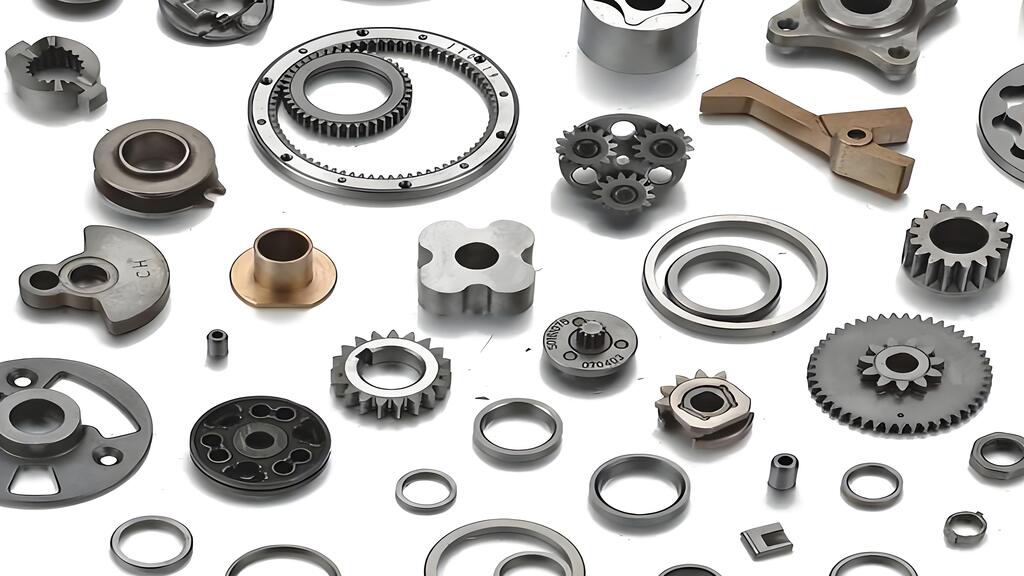


How to Make Metal Powder: A Step-by-Step Guide for Manufacturers
 Powder metallurgy saves 15% more energy compared to traditional machining methods. This advantage explains why manufacturers need to master metal powder production to stay competitive.
Metal powder manufacturing has expanded into industries of all sizes - from automotive to aerospace and electronics. The industry's most common technique, metal atomization, creates spherical particles in exact sizes and shapes. Metal powder atomization works with iron, aluminum, copper, and nickel, which makes it adaptable to many applications.
Modern manufacturers can choose from four production methods: solid-state reduction, atomization, electrolysis, and chemical processes. Each method's benefits depend on the product's final use. High-value products often need electrolysis despite its energy costs, while atomization excels at creating iron, copper, and aluminum powders.
This piece guides manufacturers through everything they need to create quality metal powders. It covers production optimization and safe handling practices that industrial applications demand.
Step 1: Select the Right Metal Material

The right metal material choice serves as the foundation of successful Powder Metallurgy. Metal selection shapes the final product's performance, manufacturing needs, and budget-friendly solutions.
Popular choices: iron, copper, aluminum, nickel
Iron-based powders lead the powder metallurgy market. They deliver excellent magnetic properties, good compressibility, and cost less than other options. Copper powders shine in electronic components where high electrical and thermal conductivity matter along with corrosion resistance. Aluminum powders help reduce weight and boost thermal conductivity. Nickel powders resist oxidation at high temperatures and stay strong in extreme conditions.
Think over the mechanical and magnetic properties
Manufacturers must review both mechanical and magnetic traits based on what the application needs. Pure iron shows soft magnetic behavior but finds limited use in AC systems due to low electrical resistivity. Iron-nickel alloys combine soft magnetic behavior with decent resistivity and good thermal traits.
AISI420, a martensitic stainless steel with 12-14% chromium, shows excellent hardness and ferromagnetic properties. This makes it perfect for surgical instruments and needle valves. Metal powders often prove stronger than their traditionally made counterparts. Pure iron made through laser powder bed fusion displays high hardness, tensile strength, and good ductility.
Alloy options and custom blends
Metal powders come in three types: admixed powders with elemental alloying powders added to base elements, partially alloyed powders with diffusion-bonded additives, and prealloyed powders atomized from alloyed furnace melts. Each type brings its microstructural traits and performance benefits.
Custom powder blends can match specific needs in industries of all sizes. Cobalt-chrome, stainless steel-17-4PH, and nickel alloy-stainless steel blends let you customize material properties like strength, wear resistance, or corrosion resistance. These cost less than high-purity grades. Ningbo Jiehuang crafts custom powder blends using various metals that meet clients' specific performance needs worldwide, especially in Italy, Poland, Denmark, the USA, and the UK markets.
Step 2: Choose a Powder Production Method

Manufacturers must choose the right metal material and then find the quickest way to produce the powder. Different techniques create powders with unique properties that work best for specific uses.
Solid-state reduction for sponge-like powders
Solid-state reduction is one of the 100-year old ways to make metal powders. The process starts when manufacturers crush magnetite ore and mix it with coke and lime before putting it in a silicon carbide retort. The filled retort moves through a long kiln where reduction happens, which creates an iron "cake" and slag. The powder gets separated and annealed, which results in a very irregular, porous structure. These sponge-like particles are a great way to get "green strength," so die-pressed compacts are easy to handle before Sintering. Today, sponge iron makes up about 30% of iron powder that goes into powder metallurgy structural parts.
Powder atomization for spherical particles
Atomization breaks down a thin stream of molten metal with high-energy fluid jets. Gas atomization is the most prominent method to produce metal powders and creates spherical particles that work perfectly for additive manufacturing. The process uses inert gasses like nitrogen or argon to break molten metal into tiny droplets that become solid before they touch anything. Water atomization creates less spherical particles but offers economical solutions and higher production volumes. Plasma atomization also uses plasma torches above 10,000°C to melt and atomize metals, which produces highly flowable, pure spherical powders from wire feedstock.
Electrolysis for high-purity needs
Electrolysis creates extremely pure metal powders by depositing metal ions from a solution onto a cathode. The process works best when specific conditions stay stable, such as the right electrolyte composition, temperature, and current density. This method shines especially when you have high-conductivity copper powders to make, but it also works for iron, chromium, and magnesium production. The energy costs are higher, but electrolysis remains crucial for applications that just need premium-grade powders.
Chemical methods for fine control
Chemical methods cover oxide reduction, precipitation from solutions, and thermal decomposition of compounds like carbonyls and hydrides. These techniques create powders with consistent size and shape while letting manufacturers control particle characteristics precisely. The carbonyl process makes fine nickel or iron powders through reaction with carbon monoxide under pressure. These powders, after milling and annealing, are more than 99.5% pure. Chemical approaches help manufacturers like Ningbo Jiehuang create specialized powder formulations that meet their global clients' exact requirements.
Step 3: Optimize for Application and Efficiency

The production method's age determines how metal powders can be optimized for specific applications. The success of powder metal manufacturing depends on matching particle characteristics to intended use cases while considering multiple production factors.
Powder metal manufacturing for additive processes
Different additive manufacturing technologies just need specific powder properties. Powder Bed Fusion (PBF) processes just need powders with excellent flowability and uniform sphericity to create consistent powder layers. Metal Extrusion (MEX) stands out as the most environmentally responsible AM process because it blends fine metal powders with binders. This eliminates process losses from spatter or trapped powder. Binder Jetting (BJT) powders must discharge easily from feed hoppers and spread faster to form uniform layers. Directed Energy Deposition (DED) reduces material waste by a lot, with buy-to-fly ratios below 1.5:1 compared to traditional milling's 4:1 ratio.
Matching powder type to end-use (e.g., automotive, electronics)
Metal powders serve several vital functions in automotive applications:
- Aluminum alloy powders create lightweight, high-strength pistons improving fuel efficiency
- Stainless steel powders manufacture exhaust systems due to their temperature and corrosion resistance
- Copper alloy powders produce brake components with excellent wear resistance
Electronics manufacturing employs metal powders for conductive pastes in printed circuit boards. Silver, copper, and nickel powders enhance electrical conductivity. Nickel and copper powders provide affordable coating solutions for EMI and RFI shielding.
Balancing cost, purity, and sustainability
Metal powders make up to one-third of an AM component's production cost. Manufacturers must optimize powder usage through effective recycling strategies. Studies show AM processes can avoid over 40% of waste material, with 95% of unused powder potentially reusable. However, powder recycling creates challenges as oxygen content increases and particles become less spherical with multiple reuse cycles.
Ningbo Jiehuang creates custom powder formulations that balance cost, purity, and sustainability for global clients. Their products reach worldwide markets, especially Italy, Poland, Denmark, USA, and UK. Send your specifications to get immediate help with optimizing your metal powder manufacturing process.
Step 4: Handle and Store Powders Safely
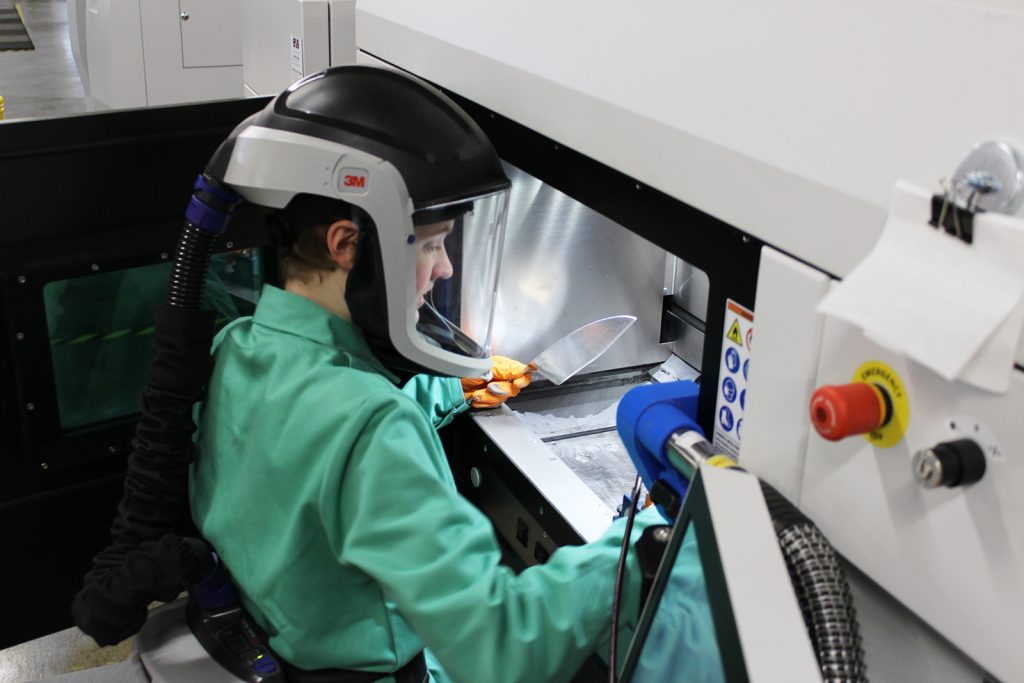
Safety plays a vital role in metal powder production. Metal particles are microscopic and highly reactive. This creates serious risks that need careful attention to avoid accidents.
Avoiding ignition and dust explosions
Metal powders become very dangerous when they spread in air and form explosive mixtures. The U.S. Chemical Safety and Hazard Investigation Board reported 281 combustible dust incidents between 1980 and 2005. These led to 119 deaths and 718 injuries. A thin dust layer of just 1/32-inch—about as thick as a dime—can fuel an explosion.
You need to prevent ignition sources. Metal dusts need five elements to explode: fuel (the powder itself), oxygen, ignition, dust dispersion, and confinement. The risk goes down substantially if any of these factors is removed. Static electricity is particularly dangerous. All equipment needs proper bonding and grounding. Tools used around metal powders should be non-sparking and made of conductive materials.
Proper storage under inert gases
Metal powders need storage in sealed containers within controlled environments. This prevents oxidation and moisture absorption. Powders exposed to regular air can deteriorate faster. This leads to quality problems and makes them more hazardous.
The ADDvance® powder cabinet offers specialized storage. It measures and fixes moisture levels while keeping an inert atmosphere. This makes storage time longer, cuts down waste, and improves operator safety. Reactive metals like aluminum, titanium, and sodium must be stored under inert gasses like argon or nitrogen. These metals can catch fire on their own when exposed to moisture.
Protective equipment and ventilation
Operators who handle metal powders must wear detailed personal protective equipment, including:
- NIOSH-approved full-face respirators or powered air purifying respirators
- Powder-impermeable protective gloves and arm protectors
- Electrostatic discharge-resistant steel-toed shoes
- Fire-resistant lab coats or coveralls
Good ventilation systems are a vital safety element. Local exhaust ventilation should capture fumes and particles right at the source. Powder handling areas need isolation from other manufacturing spaces. This happens through physical barriers, access restrictions, and tack mats at exits to stop powder from spreading throughout facilities.
Ningbo Jiehuang follows these strict safety protocols in their powder metallurgy operations. This ensures their products meet international safety standards worldwide.
Conclusion
Metal powder manufacturing is the life-blood of modern industrial production that offers amazing versatility in many applications. This guide explored the key steps manufacturers must follow to create high-quality metal powders that meet specific requirements. The right base materials are the foundations of successful powder metallurgy. The choice of production method—whether atomization, solid-state reduction, electrolysis, or chemical processes—affects the final powder characteristics by a lot.
Powder optimization for specific applications is vital to maximize efficiency and performance. Automotive components, electronic devices, and aerospace parts just need unique powder properties that manufacturers must evaluate carefully. The balance between cost, purity, and sustainability creates challenges that need smart solutions and state-of-the-art approaches.
Safety is a vital part of metal powder production. The right handling protocols, storage under inert gasses, and detailed protective equipment protect workers and facilities from potential hazards linked to these reactive materials.
Manufacturers who want to improve their powder metallurgy capabilities should work with experts in the field. Ningbo Jiehuang, a well-known powder metallurgy products company in China, has customers worldwide - especially in Italy, Poland, Denmark, USA, UK and other countries. You can send your drawings, and they will respond right away!
Powder metallurgy technology keeps advancing. Manufacturers who become skilled at these four critical steps will be at the vanguard of state-of-the-art solutions. The manufacturing future belongs to those who can control metal powders' unique advantages while managing challenges effectively. Time and resources invested in understanding metal powder production basics will create major competitive advantages in today's technology-driven digital world.
FAQs
Q1. What are the main methods for producing metal powders? There are four primary methods for producing metal powders: solid-state reduction, atomization, electrolysis, and chemical processes. Each method offers unique benefits depending on the desired powder properties and end-use applications.
Q2. How does the choice of metal material affect powder production? The choice of metal material directly influences the powder's performance characteristics, manufacturing process requirements, and cost-effectiveness. Popular choices include iron, copper, aluminum, and nickel, each offering distinct properties suitable for different applications.
Q3. What safety precautions are necessary when handling metal powders? Safety is crucial when handling metal powders. Key precautions include preventing ignition sources, storing powders under inert gases, using proper protective equipment, and ensuring adequate ventilation. These measures help avoid dust explosions and protect workers from potential hazards.
Q4. How can manufacturers optimize metal powders for specific applications? Optimization involves matching powder characteristics to intended use cases. For example, additive manufacturing processes require specific powder properties like flowability and particle size distribution. Manufacturers must also balance factors such as cost, purity, and sustainability to meet application requirements efficiently.
Q5. What are the basic steps in the powder metallurgy process? The powder metallurgy process typically involves three main steps: powder production (including mixing and blending), compaction of the powder in a die, and sintering the compacted shape in a controlled atmosphere. This process allows for the creation of complex parts with unique material properties.