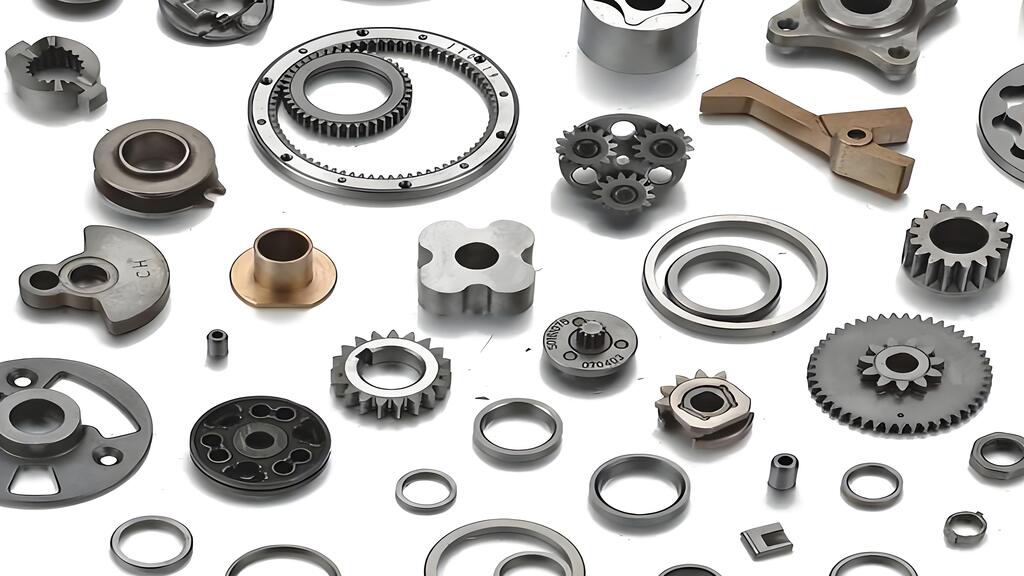
Magnesium alloy products
Magnesium alloy products consist of magnesium combined with other metals, enhancing their properties for various applications. These alloys play a crucial role in modern manufacturing, particularly due to their lightweight nature and high strength. Over the past decade, industries such as automotive and aerospace have increasingly adopted magnesium alloys. This shift stems from advancements in alloy properties and a rising demand for lightweight materials, particularly with the growth of electric vehicles. As manufacturers innovate and introduce new alloys, the significance of magnesium alloy products continues to expand.
Key Takeaways
- Magnesium alloys are lightweight, making them ideal for industries like automotive and aerospace. Their low density helps improve fuel efficiency in vehicles and aircraft.
- These alloys have a high strength-to-weight ratio, meaning they are strong yet light. This quality allows them to perform well in demanding applications.
- Magnesium alloys resist corrosion better than before due to advanced surface treatments. This makes them suitable for use in harsh environments.
- The damping capacity of magnesium alloys is excellent, helping to reduce vibrations. This feature is important for applications where noise and component fatigue are concerns.
- Magnesium alloys are used in various sectors, including aerospace, automotive, electronics, and medical devices, due to their unique properties and benefits.
Benefits of Magnesium Alloy Products

Lightweight Nature
Magnesium alloy products are renowned for their lightweight characteristics. With a density of only 1.738 g/cm³, magnesium is significantly lighter than many commonly used metals. For comparison, aluminum has a density of 2.70 g/cm³, titanium is 4.50 g/cm³, and steel weighs in at 7.85 g/cm³. This lightweight nature allows manufacturers to create products that reduce overall weight without sacrificing performance.
| Metal | Density (g/cm³) |
|---|---|
| Magnesium | 1.738 |
| Aluminum | 2.70 |
| Titanium | 4.50 |
| Steel | 7.85 |
The reduced weight of magnesium alloys contributes to improved fuel efficiency in vehicles and aircraft. As industries strive for sustainability, the lightweight nature of magnesium alloys becomes increasingly valuable.
High Strength-to-Weight Ratio
Another significant advantage of magnesium alloy products is their high strength-to-weight ratio. These alloys exhibit remarkable mechanical properties, making them suitable for demanding applications. For instance, when tested, AM60B magnesium alloy with 0.1 wt.% graphene showed a yield strength increase of 13.4% compared to the baseline. This enhancement demonstrates how magnesium alloys can outperform other lightweight metals in mechanical stress tests.
| Property | AM60B with 0.1 wt.% Graphene | AM60B without Graphene | AM60B with 0.2 wt.% Graphene |
|---|---|---|---|
| Yield Strength | +13.4% | Baseline | Decreased |
| Elongation | +8.8% | Baseline | Brittle fracture observed |
| Tensile Strength | Enhanced | Baseline | Reduced |
This combination of strength and lightness makes magnesium alloys ideal for applications in the aerospace and automotive sectors, where performance and efficiency are critical.
Corrosion Resistance
Corrosion resistance is another essential benefit of magnesium alloy products. While magnesium is naturally susceptible to corrosion, advancements in surface treatments have significantly improved its durability. Various methods enhance corrosion resistance, including:
- Chemical conversion coatings that form protective layers through chemical reactions with the magnesium substrate.
- Plasma electrolytic oxidation (PEO), which creates a ceramic oxide film that enhances corrosion performance.
- Superhydrophobic coatings that prevent moisture infiltration, further protecting the alloy.
These treatments ensure that magnesium alloys can withstand harsh environments, making them suitable for diverse applications, from automotive components to medical devices.
Damping Capacity
Damping capacity refers to a material's ability to dissipate energy from vibrations. Magnesium alloy products excel in this area, making them highly valuable in applications where vibration control is essential. Their damping capacity often exceeds that of traditional materials, such as steel, titanium, and aluminum.
- Magnesium alloys exhibit a damping capacity over 10 times greater than that of steel, titanium, or aluminum.
- Specific damping values for magnesium alloys frequently exceed 10, categorizing them as high-damping materials.
- The damping capacities of Mg-X alloys generally range from greater than 10 to less than 100.
This superior damping capacity is crucial for vibration-sensitive applications. Magnesium alloys effectively dissipate energy from vibrations, which helps reduce noise and enhances the longevity of components. Research indicates that pure magnesium has a damping factor significantly better than traditional materials. This characteristic makes magnesium alloys a superior choice for industries requiring precision and reliability.
In sectors such as aerospace and automotive, where vibration can lead to component fatigue and failure, the use of magnesium alloy products can significantly improve performance. By minimizing vibrations, manufacturers can enhance the durability of their products, leading to longer service life and reduced maintenance costs.
Overall, the high damping capacity of magnesium alloys positions them as an excellent option for applications that demand both lightweight materials and effective vibration control.
Applications of Magnesium Alloy Products

Aerospace Industry
Magnesium alloy products find extensive use in the aerospace industry due to their lightweight and high-strength characteristics. These alloys contribute significantly to reducing the overall weight of aircraft, which is crucial for fuel efficiency and performance. Common applications include:
- Aircraft interiors, such as passenger seating components
- Instrument display panels in cockpits
- Jet engine fan frames
- Engine thrust reversers
- Spacecraft structures
The benefits of magnesium alloys in aerospace applications are substantial. For instance, alloys like Elektron® 43 and Elektron® 21 offer a high strength-to-weight ratio, making them lighter than aluminum and steel while maintaining exceptional strength. This quality is vital for reducing launch costs and enhancing fuel efficiency.
| Benefit | Description |
|---|---|
| High Strength-to-Weight Ratio | Magnesium alloys like Elektron® 43 and Elektron® 21 are lighter than aluminum and steel while maintaining exceptional strength, crucial for reducing launch costs. |
| Fuel-Efficient Spacecraft Materials | Lighter spacecraft lead to improved fuel efficiency, resulting in cost savings and extended mission capabilities. |
| Thermal Stability in Demanding Applications | These alloys withstand extreme temperature variations, ensuring structural integrity during re-entry and in deep space. |
Automotive Sector
In the automotive sector, magnesium alloy products are increasingly recognized for their ability to enhance vehicle performance while reducing weight. Magnesium is the lightest among structural metals, providing significant weight savings compared to aluminum. For example, magnesium components can be up to 33% lighter than aluminum, leading to improved fuel economy.
- Lightweighting can lead to a 7% improvement in fuel economy for every 10% reduction in vehicle weight.
- Magnesium alloys are essential for producing various automotive components, including:
| Component Type | Benefits |
|---|---|
| Mg-Al-based alloys | Optimal room-temperature strength and ductility |
| Die cast parts | Excellent fluidity and dimensional stability |
| Lightweight structures | Significant weight reduction for fuel efficiency |
The continuous growth in Magnesium Die Casting and aluminum alloying represents approximately 35-37% of total magnesium industry growth. This trend highlights the increasing demand for magnesium alloys in mass production, where effective ductility and castability are essential.
Electronics and Consumer Goods
Magnesium alloy products are also making significant inroads into the electronics and consumer goods sectors. Their lightweight nature and structural integrity make them ideal for portable devices such as mobile phones and laptops. The demand for lightweight materials in consumer electronics is a major growth factor for magnesium alloys, as they outperform traditional materials like aluminum and steel.
- Magnesium alloys enhance the durability of electronic devices by providing superior RFI shielding, which protects sensitive components from interference.
| Property | Benefit |
|---|---|
| Lightweight | Enhances the portability of devices like smartphones and laptops. |
| High Thermal Conductivity | Improves heat dissipation, preventing overheating in electronic devices. |
| Strength-to-Weight Ratio | Provides structural integrity while keeping devices lightweight. |
The integration of magnesium alloy products in consumer electronics not only improves durability but also enhances overall device performance. As manufacturers continue to innovate, the use of magnesium alloys in this sector is expected to grow.
Medical Devices
Magnesium alloy products have emerged as a promising material in the medical device industry. Their unique properties make them suitable for various applications, particularly in implants and surgical instruments. One of the primary advantages of magnesium alloys is their biocompatibility. The body can effectively remove degradation products without causing adverse effects on organs. This characteristic is crucial for medical applications, as it minimizes the risk of complications associated with traditional materials.
The tensile strength of magnesium alloys is comparable to that of natural bone. This similarity makes them ideal for load-bearing applications, such as orthopedic implants. By using magnesium alloys, manufacturers can create devices that support the body's natural structure while promoting healing. Furthermore, these alloys can be designed for tailored degradation, which encourages new bone growth. This feature eliminates the need for secondary surgical procedures often required with traditional permanent implants.
The benefits of magnesium alloy products in medical devices can be summarized as follows:
- Biocompatibility and osteogenesis: Magnesium alloys promote bone growth and integrate well with biological tissues.
- Biodegradability and avoidance of a second surgery: These alloys degrade over time, reducing the need for additional surgical interventions.
- Favorable mechanical properties: Their strength and lightweight nature enhance the performance of medical devices.
- Machinability and dimensional stability: Magnesium alloys can be easily shaped and maintain their form during use.
- High damping capacity: This property helps reduce vibrations, which is beneficial in sensitive medical applications.
Despite these advantages, the interaction between magnesium corrosion and biological responses remains complex. A deeper understanding of how these metals interact with cells and biomolecules is necessary. This complexity can lead to the generation of reactive intermediates that may affect overall biocompatibility. Therefore, ongoing research is essential to fully harness the potential of magnesium alloys in medical applications.
Manufacturing Processes of Magnesium Alloy Products
Magnesium alloy products undergo various manufacturing processes that significantly influence their mechanical properties and applications. Understanding these processes is essential for optimizing the performance of the final products.
Casting Techniques
Casting techniques play a vital role in shaping magnesium alloys. Several methods are commonly used, each with distinct advantages:
| Casting Technique | Description |
|---|---|
| Sand Casting | Commonly used in aerospace applications, offers weight advantages and improved properties over older alloys. |
| Permanent Mold Casting | Suitable for alloys that work well in sand casting, but some alloys, like magnesium-zinc-zirconium, are not recommended. |
| Die Casting | Primarily uses magnesium-aluminum-zinc alloys, with AZ91A and AZ91B being the most common variants. |
These casting methods can yield favorable mechanical and plastic properties, even at elevated temperatures. However, the presence of intermetallic phases at grain boundaries may lower tensile strength and plasticity.
Extrusion Methods
Extrusion is another critical process for producing magnesium alloy profiles. Key parameters include:
| Key Parameter | Description |
|---|---|
| Extrusion Temperature | Critical for dynamic recrystallization; optimal range for AZ31 alloy is 350-400°C, with 380°C recommended. |
| Extrusion Speed | Must be controlled to prevent uneven metal flow and reduce tensile strength and cracking. |
| Extent of Deformation | Effective control improves extrusion rate and yield, crucial for successful magnesium alloy profiles. |
Extrusion significantly impacts the microstructure of magnesium alloys. For instance, extrusion at 320 °C can reduce the size of Zr-rich particles, enhancing corrosion resistance and mechanical properties.
Machining and Fabrication
Machining magnesium alloys presents unique challenges. Key issues include:
- Fire Hazard: The fine chips and dust produced during machining are highly flammable, posing a significant risk of fire.
- Tool Wear: The soft and abrasive nature of magnesium leads to rapid wear of cutting tools, necessitating frequent replacements.
- Heat Generation: Low thermal conductivity results in localized heat, which can warp the workpiece and reduce tool life.
- Surface Finish Challenges: Achieving a high-quality surface finish is difficult due to burrs and machining deformation.
Despite these challenges, effective fabrication techniques such as Selective Laser Melting (SLM) and Wire Arc Additive Manufacturing (WAAM) have emerged. These methods allow for the production of complex geometries and refined grain structures, enhancing the mechanical properties of magnesium alloy products.
Potential Drawbacks of Magnesium Alloy Products
Cost Considerations
Magnesium alloy products often come with higher costs compared to alternatives like aluminum and titanium. The extraction and processing of high-purity magnesium contribute significantly to these expenses. The following table illustrates the cost levels of various materials:
| Material | Cost Level | Notes |
|---|---|---|
| Magnesium | High | High-purity magnesium and alloys are costly; extraction and processing are expensive. |
| Aluminum | Low | Widely used; moderate price for pure aluminum, but some alloys can be more expensive. |
| Titanium | Very High | High raw material and processing costs; used in high-end applications due to performance. |
Factors such as raw material costs, specialized processing techniques, and safety considerations during machining further elevate the overall manufacturing costs of magnesium alloys. These financial implications can deter adoption in cost-sensitive markets.
Limited Availability
The availability of magnesium alloys poses another challenge. Currently, China dominates global magnesium production, accounting for over 85% of the supply. This concentration creates vulnerabilities in the supply chain. For instance, the 2021 magnesium shortage led to a price increase of over 400%. Such volatility complicates long-term procurement strategies for industries reliant on magnesium alloys.
- Limited availability affects adoption due to high production costs.
- Scarcity of raw materials hinders manufacturers' ability to meet demand for lightweight materials.
- Stringent regulatory guidelines complicate the supply chain, impacting the transition to magnesium alloys.
Susceptibility to Corrosion in Certain Environments
Magnesium alloys, particularly the Mg-Al alloy AZ61, exhibit vulnerability to stress corrosion cracking (SCC) in specific environments. Studies indicate that physiological conditions, such as simulated body fluid and whole blood, can exacerbate corrosion issues. Mechanical stress during implantation may lead to premature failure of these alloys in medical applications.
To mitigate corrosion risks, manufacturers can implement several protective measures:
- Formation of a surface barrier layer to isolate bulk materials from the environment.
- Hydrothermal treatment of Al-enriched Mg alloys to create a uniform surface with excellent corrosion resistance.
- Tailoring the orientation of the top microsheet layer to produce a water-repellent surface.
Understanding these potential drawbacks is essential for industries considering magnesium alloy products. While they offer numerous benefits, addressing these challenges will be crucial for their widespread adoption.
Magnesium alloy products offer numerous benefits, including a lightweight nature, a high strength-to-weight ratio, and corrosion resistance. Their applications span across industries such as aerospace, automotive, electronics, and medical devices.
Magnesium alloys play a crucial role in advancing technology. They enable manufacturers to create innovative solutions that enhance performance and efficiency.
Looking ahead, the future of magnesium alloys appears promising. As industries continue to seek lightweight materials, magnesium alloys will likely gain further traction, driving advancements in various sectors. 🌟
FAQ
What are magnesium alloys?
Magnesium alloys consist of magnesium combined with other metals, enhancing their properties. They are lightweight, strong, and resistant to corrosion, making them suitable for various applications in industries like aerospace, automotive, and medical devices.
How do magnesium alloys compare to aluminum?
Magnesium alloys are lighter than aluminum, with a density of 1.738 g/cm³ compared to aluminum's 2.70 g/cm³. This lightweight nature contributes to improved fuel efficiency and performance in applications where weight reduction is critical.
Are magnesium alloys prone to corrosion?
While magnesium alloys can corrode, advancements in surface treatments have improved their corrosion resistance. Techniques such as chemical conversion coatings and plasma electrolytic oxidation help protect magnesium alloys in harsh environments.
What are the main applications of magnesium alloys?
Magnesium alloys find applications in aerospace, automotive, electronics, and medical devices. Their lightweight and strong characteristics make them ideal for components that require durability and efficiency.
What are the manufacturing processes for magnesium alloys?
Common manufacturing processes for magnesium alloys include casting, extrusion, and machining. Each method influences the mechanical properties and suitability of the final products for specific applications.