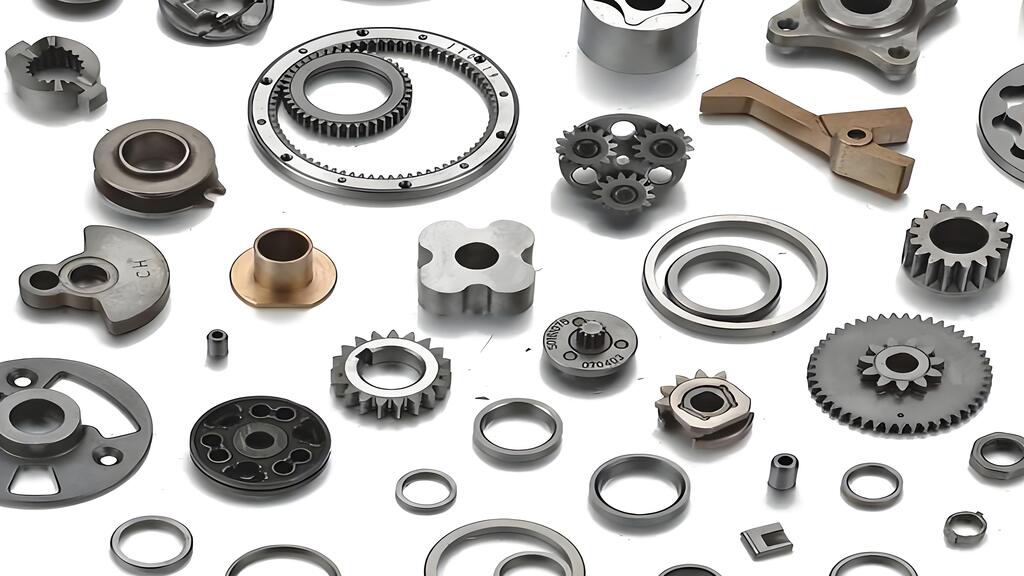


Tungsten Alloy in Medical Devices

Tungsten alloy finds increasing utilization in medical devices. Its exceptional density, radiopacity, and mechanical strength make it ideal for various applications. These properties enable precise shielding, accurate imaging, and robust structural components. The North American medical tungsten alloy collimator market projects a 6-8% compound annual growth rate over the next five years. Furthermore, the medical tungsten alloy shield market anticipates 11.5% growth from 2025 to 2029, reaching an estimated $2.46 billion. This growth highlights the material's critical role in advancing medical technology.
Key Takeaways
- Tungsten alloy is a key material in medical devices. It offers high density, strength, and radiopacity.
- This material protects patients and staff from radiation. It makes medical imaging clearer.
- Tungsten alloy is strong and lasts a long time. It works well in surgical tools and implants.
- It is safe for the human body. It resists corrosion from body fluids.
- Tungsten alloy helps make medical devices smaller. It allows for new, advanced designs.
- It improves patient safety. It makes diagnostic tests more accurate.
- Using tungsten alloy saves money over time. Devices last longer and need fewer replacements.
- Making tungsten parts is hard. New methods like 3D printing help create complex shapes.
The Unique Properties Driving Tung Tungsten Alloy's Medical Adoption
Exceptional Density and Radiopacity of Tungsten Alloy
How high density contributes to radiation shielding effectiveness
High density makes materials effective at blocking radiation. Tungsten alloy excels in this area. Its dense atomic structure absorbs X-rays and gamma rays efficiently. This property protects both patients and medical personnel from harmful radiation exposure. For instance, NAECOMET materials, with nominal tungsten content ranging from 90-97%, achieve densities from 17 to 19 g/cm³. These high densities ensure superior radiation attenuation. Tungsten alloys used in medical imaging equiPment for radiation shielding typically have a density range of 16.85 g/cm³ to 18.85 g/cm³. ASTM B777 specified tungsten alloys, also used for medical radiation shielding, exhibit a high density ranging from 17.0 to 18.5 g/cc.
The role of radiopacity in clear medical imaging
Radiopacity refers to a material's ability to appear opaque on X-ray images. Tungsten alloy's high radiopacity makes it invaluable for medical imaging. It creates clear, distinct markers or components visible during diagnostic procedures. This clarity helps medical professionals accurately identify device placement or anatomical structures. It improves the precision of diagnoses and treatments.
Comparison of tungsten alloy with other dense materials for medical use
Tungsten alloy offers significant advantages over other dense materials, such as lead. Lead is also dense and radiopaque, but it poses toxicity concerns. Tungsten alloy provides comparable or superior shielding capabilities without the environmental and health risks associated with lead. Its non-toxic nature makes it a safer choice for medical applications. This allows for broader use in direct patient contact scenarios.
Superior Mechanical Strength and Durability of Tungsten Alloy
High tensile strength for demanding medical applications
Tensile strength measures a material's resistance to breaking under tension. Tungsten alloy possesses exceptional tensile strength. This makes it suitable for medical devices that undergo significant stress. Components in surgical tools or implantable devices require this robustness. They must withstand repeated forces without deforming or fracturing.
Hardness and wear resistance in surgical instruments
Hardness and wear resistance are crucial for surgical instruments. Instruments must maintain sharp edges and precise shapes through many uses and sterilization cycles. Tungsten is utilized in surgical instruments and implants due to its biocompatibility and corrosion resistance. It is specifically applied in orthopedic implants, dental instruments, and surgical tools. This offers durable and reliable solutions for patient care. Tungsten alloy balls and cubes are also used in medical applications like radiation shielding and brachytherapy. Their high density and hardness are crucial for absorbing and blocking radiation. This protects patients and staff.
Fatigue resistance for long-term device performance
Medical devices, especially implants, must perform reliably over many years. Fatigue resistance describes a material's ability to withstand repeated stress cycles without failure. Tungsten alloy exhibits excellent fatigue resistance. This ensures the long-term integrity and functionality of devices. It reduces the need for premature replacements.
Biocompatibility and Corrosion Resistance of Tungsten Alloy
Safety profile for direct patient contact and implantation
Biocompatibility is a critical factor for any material used in the human body. Tungsten alloy demonstrates a favorable safety profile. It is non-toxic and does not cause adverse reactions when in contact with tissues. Biocompatible alloys, including those used in metal injection molding (MIM) for medical and orthopedic applications, must meet stringent criteria. These materials are designed to integrate with the human body. They must be non-toxic, non-carcinogenic, and non-allergenic. They must also avoid immune responses and support tissue integration.
Resistance to biological fluids and sterilization processes
Medical devices face harsh environments, including exposure to biological fluids and rigorous sterilization procedures. Tungsten alloy exhibits excellent corrosion resistance. It withstands these conditions without degrading. This property maintains the device's integrity and prevents the release of harmful substances.
Minimizing adverse reactions in the human body
The body's immune system can react to foreign materials. Tungsten alloy's inert nature minimizes the risk of such reactions. Validation of these alloys is performed through ISO and ASTM testing standards. This ensures long-term compatibility in vivo. It covers aspects like materials science, corrosion resistance, and mechanical behavior. Examples of relevant standards include ASTM F90-23 for Wrought Cobalt-20Chromium-15Tungsten-10Nickel Alloy for Surgical Implant Applications and ASTM F1091-20 for Surgical Fixation Wire. These standards confirm the material's suitability for direct patient contact and implantation.
Thermal Stability and Electrical Conductivity of Tungsten Alloy
Performance under varying temperature conditions in medical devices
Medical devices often operate in environments with fluctuating temperatures or generate significant heat themselves. Materials must maintain their structural integrity and performance under these conditions. Tungsten exhibits a thermal conductivity of 173 W/(m·K) at 22 °C. Pure tungsten has a thermal conductivity of 164 W/(M·K). This high thermal conductivity allows tungsten to efficiently dissipate heat, preventing overheating in sensitive components. It also ensures consistent performance when devices need to maintain a specific temperature. Tungsten nickel copper alloys offer excellent electrical conductivity and high thermal stability. This makes them suitable for medical technology applications due to their non-magnetic nature.
Applications requiring specific electrical properties in medical instruments
Certain medical instruments rely heavily on specific electrical properties for their function. Tungsten Alloy provides unique advantages in these areas. For instance, its ability to be heated by an electric current is essential for cauterization and electrosurgery. In these procedures, a metal probe heats to a dull red glow, or a high-frequency current applies to tissue. Tungsten's heat resistance is also crucial. It maintains its shape and does not deform at the high temperatures required for efficient cutting and cauterizing tissue in procedures like electrocauterization and surgical ablation.
Furthermore, tungsten's ability to maintain straightness and shape at small diameters is vital for directional accuracy in neural probes. Even though tungsten is not particularly conductive, electric current is utilized for stimulation and probing. Its excellent electrical conductivity is useful in various electronic applications within medical devices. Importantly, tungsten's non-magnetic properties make it suitable for applications where magnetism is undesirable, particularly for medical imaging equipment.
Diverse Applications of Tungsten Alloy in Modern Medicine
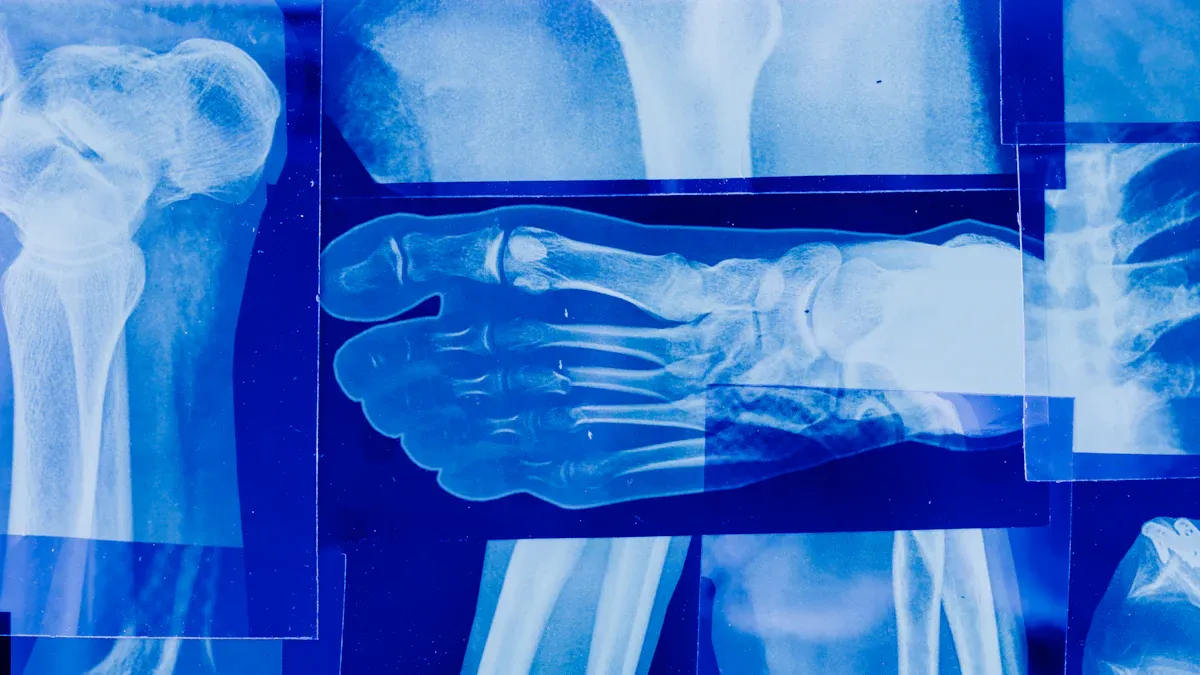
Tungsten alloy's exceptional properties enable its widespread use across various medical fields. It plays a crucial role in enhancing patient safety, improving diagnostic accuracy, and advancing therapeutic efficacy.
Advancements in Radiation Shielding with Tungsten Alloy
Tungsten alloy has revolutionized radiation shielding, offering superior protection in numerous medical applications.
Collimators and their role in radiotherapy
Collimators precisely shape radiation beams in radiotherapy. Tungsten alloy's high density makes it an ideal material for these components. It effectively blocks stray radiation, ensuring accurate targeting of cancerous cells while sparing healthy tissue. Innovations include a tungsten-antimony bilayer shield. This shield significantly reduces radiation doses for both patients and operators during CT fluoroscopy. It provides more dose-efficient reduction for radiation workers compared to using tungsten or antimony alone.
Shielding blocks for precise radiation delivery
Medical professionals use tungsten alloy shielding blocks to customize radiation fields. These blocks protect sensitive organs during radiation therapy. They offer a non-toxic alternative to lead, providing comparable or superior shielding performance. A tungsten-antimony composite shield, for example, reduces absorbed radiation dose in the female breast during chest multidetector CT (MDCT) by up to approximately 70%. Tungsten and tin elements are also valid alternatives to lead for radiation protection in the diagnostic range. They offer lower thickness, significant mechanical properties, and chemical stability. A tungsten-tin combination (45% Tungsten-55% Tin) provides nearly 15% more radiation attenuation compared to lead shields for thyroid protection against scattered radiation in brain CT scans, with lower toxicity.
Protective components in diagnostic imaging equipment
Tungsten alloy is integral to diagnostic imaging equipment. It forms protective components in X-ray and CT shielding panels and collimators. These components safeguard both patients and staff from unnecessary radiation exposure. The material's high density allows for miniaturization of medical devices. This enables its use in smaller, more lightweight equipment like portable X-ray machines while maintaining essential radiation protection.
Personal protective equipment for medical personnel
Medical personnel also benefit from tungsten alloy in personal protective equipment. Flexible and non-toxic polymer tungsten, a composite of tungsten powder and polymers, offers an environmentally friendly alternative to lead. Its pliability allows for easy machining and molding into complex shapes. This makes it suitable for lightweight shielding garments and protective aprons. This material provides radiation shielding performance comparable to or better than lead, effectively blocking harmful radiation without leakage.
Precision in Surgical Instrumentation with Tungsten Alloy
Tungsten alloy significantly enhances the precision and durability of surgical instruments.
High-precision surgical tools and their benefits
Surgical tools require extreme precision and durability. Tungsten carbide needle holders and forceps grasp more securely and last longer than their stainless steel counterparts. Tungsten carbide scissors and bone rasps cut better and need much less sharpening than similar conventional instruments. Examples include SuperCut Tungsten Carbide Ring Scissors, Tungsten Carbide Scissors, and Tungsten Carbide Forceps.
Counterweights for balanced instruments
Balance is critical for surgical instruments, especially in robotic surgery.
Counterweights contribute to the stability and balance of robotic surgical equipment, ensuring successful precision in surgical performance. Tungsten alloy's high density makes it an excellent material for these counterweights. It allows for compact designs that provide optimal balance and control.
Components requiring rigidity and fine control
Many surgical instruments demand high rigidity and fine control. Tungsten alloy's superior mechanical strength ensures these components maintain their shape and function under stress. This allows surgeons to perform delicate procedures with greater accuracy.
Minimally invasive surgical device components
Minimally invasive surgery relies on small, robust instruments. Tungsten alloy's strength and density enable the creation of compact yet highly effective components for these devices. This facilitates complex procedures through tiny incisions, leading to faster patient recovery.
Innovation in Implantable Devices Using Tungsten Alloy
Tungsten alloy is driving innovation in implantable medical devices, offering enhanced functionality and safety.
Radiopaque markers for accurate imaging of implants
Accurate imaging of implants is essential for patient care. Tungsten offers outstanding visibility as a material for radiopaque markers. Radiopacity, a material's ability to attenuate X-ray photons, is directly proportional to its electron density. Tungsten, a high atomic number (high-Z) element, contributes to a higher electron density. This property allows tungsten to achieve high X-ray attenuation coefficients, leading to greater contrast during fluoroscopy. It makes implant markers more clearly discernible, thereby enhancing imaging accuracy.
Components in pacemakers and defibrillators
Pacemakers and defibrillators require highly reliable and biocompatible components. Tungsten (W) is considered a promising candidate for bioresorbable electronic implants due to its mechanical, electrical, and biocompatible properties. It has the potential to form components for self-sufficient electronically active implants, including batteries, wires, interconnects, and electrodes for molecular sensing. Tungsten Rhenium Alloy Wire is utilized in implantable devices, specifically in neurostimulation devices, where its strength, biocompatibility, corrosion resistance, and stability in bodily environments are crucial for consistent electrical delivery and long-term use.
Orthopedic implants requiring high strength
Orthopedic implants, such as joint replacements, demand exceptional strength and durability. Tungsten alloy's high tensile strength and fatigue resistance make it suitable for these demanding applications. It ensures the long-term integrity and performance of implants within the body.
Drug delivery systems utilizing tungsten alloy
Tungsten alloy also shows promise in advanced drug delivery systems. Its biocompatibility and inertness make it a potential material for components that precisely control the release of therapeutic agents. This can lead to more effective and targeted treatments.
Enhancing Imaging and Diagnostics with Tungsten Alloy
Tungsten alloy's unique properties significantly advance medical imaging and diagnostic capabilities. It enables clearer images, more precise targeting, and safer procedures.
X-ray targets for efficient radiation generation
X-ray tubes form the core of many diagnostic imaging systems. They generate X-rays by accelerating electrons towards a target material. This target must withstand extreme heat and high-energy electron bombardment. Tungsten serves as the primary material for X-ray targets due to its exceptional characteristics. Its high atomic number (74) efficiently produces X-rays. Tungsten also boasts a remarkably high melting point (3422 °C) and excellent thermal conductivity. These properties allow the target to dissipate heat rapidly, preventing damage during continuous operation. This ensures consistent and efficient radiation generation, which is crucial for high-quality diagnostic images.
Components in CT scanners for image quality
Computed Tomography (CT) scanners rely on precise X-ray beams to create detailed cross-sectional images of the body. Tungsten components play a vital role in optimizing image quality within these systems. Collimators, often made from tungsten, precisely shape the X-ray beam. They reduce scatter radiation, which can degrade image clarity. This precise beam shaping ensures only the intended area receives radiation, leading to sharper images and reduced patient dose. Tungsten's high density and ability to absorb stray radiation contribute directly to the superior resolution and contrast seen in modern CT scans.
Contrast agents for improved diagnostic clarity
Contrast agents enhance the visibility of specific tissues, organs, or blood vessels during medical imaging. Traditional agents, like iodine or barium, have limitations, including potential allergic reactions or insufficient contrast in certain scenarios. Researchers explore tungsten-based nanoparticles and compounds as next-generation contrast agents. Tungsten's high atomic number provides strong X-ray absorption, offering superior contrast enhancement. These novel agents could potentially offer better targeting capabilities, allowing for more precise visualization of tumors or vascular structures. Their development aims to improve diagnostic accuracy and patient safety.
Components for particle therapy systems
Particle therapy, including proton and carbon ion therapy, represents an advanced form of radiation treatment for cancer. It delivers highly conformal radiation doses to tumors while minimizing damage to surrounding healthy tissue. These systems require extremely precise control over the particle beams. Tungsten components are indispensable in the beam delivery nozzles and collimators of particle therapy machines. Their high density and stopping power effectively shape and direct the high-energy particle beams. This ensures accurate dose delivery to the tumor volume. Tungsten's robustness also withstands the intense particle bombardment, maintaining the integrity and precision of these critical components over time.
Key Advantages of Tungsten Alloy Over Traditional Materials

Tungsten alloy offers significant benefits compared to conventional materials in medical applications. These advantages translate directly into enhanced patient safety, improved diagnostic accuracy, and greater cost-effectiveness for healthcare systems.
Enhanced Patient Safety and Outcomes with Tungsten Alloy
The inherent properties of tungsten contribute substantially to safer medical environments and better patient results.
Reduced radiation exposure for patients and staff
This material provides superior radiation shielding. This property significantly reduces unwanted radiation exposure for both patients undergoing procedures and the medical personnel performing them. For instance, a tungsten apron offers substantially greater protection than a lead apron. The following table illustrates this difference in shielding effectiveness:
| Shielding Material | Distance from Source | Shielding Effect (%) |
|---|---|---|
| Lead Apron (0.35 mmPb equivalent) | 50 cm | 6.3 ± 0.3 |
| Tungsten Apron (2 mmPb equivalent) | 50 cm | 42.1 ± 0.2 |
| Lead Apron (0.35 mmPb equivalent) | 1 m | 6.1 ± 0.5 |
| Tungsten Apron (2 mmPb equivalent) | 1 m | 43.3 ± 0.3 |
| Lead Apron (0.35 mmPb equivalent) | 2 m | 6.4 ± 0.9 |
| Tungsten Apron (2 mmPb equivalent) | 2 m | 42.6 ± 0.6 |
Furthermore, studies show a marked reduction in total and average daily radiation exposure when using tungsten aprons. A tungsten apron resulted in a total radiation exposure of 0.12 ± 0.07 mSv per patient care, with an average daily exposure of 0.03 ± 0.03 mSv. This compares favorably to a commercial lead apron, which showed 0.36 ± 0.18 mSv total exposure and 0.07 ± 0.05 mSv average daily exposure in a previous study. This reduction in exposure minimizes long-term health risks for everyone involved.
Reliable device performance minimizing risks
The robust nature of tungsten ensures reliable device performance. This reliability directly minimizes risks during medical procedures. Devices made with tungsten provide:
- Sharper PET/SPECT image clarity and more consistent dose control, which is crucial for theranostic workflows.
- Enhanced diagnostic accuracy and therapeutic planning, guiding treatment in real-time.
- Compact scanner designs, greater imaging clarity by reducing scatter, and safe outpatient scanning environments.
- Accurate detection and image clarity.
- Safe operation for patients and clinical staff.
- Device reliability in high-dose and high-resolution environments.
The material's superior tensile strength (980MPa compared to 621MPa for stainless steel) allows for stronger, smaller, more durable, and more precise medical equipment. This enables enhanced automation, longevity, and control in surgical robot cables, endoscopic equipment, load-bearing components, precision tools, and robotic arm mechanisms. Improved durability and corrosion resistance mean devices can be used longer and withstand physiological fluids and sterilization processes. This also allows for smaller and finer components while maintaining load-bearing capacity, leading to less invasive equipment.
Improved precision in therapeutic procedures
Tungsten's properties enable greater precision in therapeutic procedures. Its density and strength allow for the creation of highly accurate tools and components. This precision ensures treatments target specific areas effectively, leading to better patient outcomes and reduced collateral damage to healthy tissues.
Superior Diagnostic Accuracy and Efficacy of Tungsten Alloy
Tungsten's unique characteristics significantly enhance the accuracy and effectiveness of medical diagnostics.
Sharper and clearer medical imaging
The high radiopacity of tungsten contributes to sharper and clearer medical images. Components like collimators and X-ray targets, when made from tungsten, optimize the X-ray beam. This results in images with higher contrast and resolution. Clinicians can then visualize anatomical structures and abnormalities with greater clarity.
More precise targeting in interventional procedures
Tungsten plays a crucial role in precise targeting during interventional procedures.
- Tungsten alloy collimators shape and direct radiation beams. They ensure only the targeted area receives exposure by absorbing stray radiation. This process enhances image clarity and minimizes radiation dose to non-target tissues. Collimators are integrated into imaging devices like X-ray tubes, CT scanners, and fluoroscopy units. They define the size and shape of the radiation beam, focusing it on the area of interest. Stray or scatter radiation is absorbed by the tungsten alloy, preventing it from reaching unintended areas. This improves image clarity and reduces unnecessary exposure.
- Tungsten alloy shields protect healthy tissues around targeted areas. For example, they contour around tumors to ensure precise radiation delivery during radiation therapy. They also safeguard sensitive organs from scatter radiation during procedures like catheterizations or angiographies.
Better differentiation of tissues and structures
The material's excellent radiopacity allows for better differentiation of tissues and structures in medical images. This is particularly important when using tungsten-based contrast agents or markers. These agents provide enhanced visibility, helping medical professionals distinguish between healthy and diseased tissues more effectively.
Extended Device Lifespan and Cost-Effectiveness of Tungsten Alloy
The durability of tungsten translates into longer device lifespans and significant cost savings for healthcare providers.
Durability and resistance to wear and tear
Tungsten exhibits exceptional hardness and resistance to wear and tear. This makes it ideal for instruments that undergo frequent use and sterilization. Tungsten carbide, for instance, enhances surgical instruments such as scalpels, forceps, needle holders, and scissors. It provides improved cutting precision, longevity, and resistance to corrosion. This ensures the sharpness and performance of surgical instruments, enabling precise procedures. Similarly, it provides superior wear resistance, extended lifespan, and excellent biocompatibility for dental devices like drills, burs, and prosthetics. This ensures precise procedures and optimal patient outcomes.
Reduced need for frequent replacements
The high durability and fatigue resistance of tungsten mean medical devices last longer. This reduces the need for frequent replacements. Instruments maintain their integrity and functionality over many cycles of use and sterilization.
Long-term economic benefits for healthcare providers
The extended lifespan of tungsten-containing devices offers significant long-term economic benefits. Healthcare providers save on procurement costs due to less frequent purchasing of new instruments. Reduced maintenance and replacement needs also lower operational expenses. This contributes to a more cost-effective healthcare delivery system.
Facilitating Miniaturization and Design Flexibility with Tungsten Alloy
Tungsten's unique characteristics significantly contribute to the miniaturization and design flexibility of medical devices. This allows for the creation of smaller, more efficient, and more versatile instruments and implants.
High density allowing for smaller, more effective components
The exceptional density of tungsten directly enables the creation of smaller, yet highly effective, medical components. Manufacturers can design compact and sturdy parts without compromising durability. This characteristic holds particular value in the premium segment of the wearable market, where consumers seek devices offering both style and substance. Tungsten's high density allows for more compact devices without sacrificing functionality. This enables the development of sleeker and more aesthetically pleasing designs. Metal injection molding (MIM) technologyfurther enhances the performance of tungsten components. MIM ensures uniform microstructures and achieves higher densities than traditional Powdered Metallurgy. This advanced manufacturing process allows for the fabrication of intricate tungsten parts while maintaining tight tolerances and excellent mechanical properties.
Enabling compact and advanced device designs
Miniaturization, driven by tungsten's properties, leads to the development of highly compact and advanced medical device designs. For instance, tungsten finds use in tubing for minimally invasive laparoscopic and endoscopic procedures, providing essential mechanical strength. Its radiopacity proves invaluable in fluoroscopy applications, allowing clear visualization of instruments during procedures. Furthermore, tungsten serves as an environmentally safe radiation shielding material, offering a density greater than lead.
Advanced manufacturing techniques, such as 3D printing of tungsten powder, enable the creation of intricate, high-precision components. These include collimators and radiation shields for CT, SPECT, MR, and X-ray imaging systems. This additive manufacturing technique allows for complex geometries not achievable with traditional machining, effectively removing design limitations. The combination of tungsten's superior radiation absorption and thermal resistance, along with 3D printing, makes it possible the develop of compact, even handheld, lightweight medical scanners. These innovative devices can target individual organs with high accuracy, revolutionizing diagnostic capabilities.
Integration into complex medical systems
The ability to create smaller, more robust, and precisely manufactured components allows for seamless integration into complex medical systems. These miniaturized tungsten parts contribute to the overall efficiency and functionality of advanced diagnostic equipment, surgical robots, and implantable devices. Their compact nature frees up space, allowing engineers to incorporate more features or reduce the overall size of the system. This integration facilitates the development of next-generation medical technologies, enhancing both diagnostic accuracy and therapeutic outcomes.
Challenges and Future Directions for Tungsten Alloy in Medicine
The integration of advanced materials like tungsten into medical devices presents both significant opportunities and complex challenges. Addressing these hurdles is crucial for expanding its role in healthcare.
Manufacturing and Fabrication Complexities of Tungsten Alloy
Producing medical-grade components from tungsten demands specialized techniques due to its inherent properties.
Precision machining of intricate tungsten alloy parts
Machining intricate parts from tungsten requires extreme precision and specialized tools. Tungsten's extreme density, hardness (Mohs 7.5 compared to steel's 4-4.5), and high heat resistance make it exceptionally difficult to cut and shape with conventional tools. Drilling and tapping these alloys necessitate specialized tungsten carbide tools. Solid carbide drills are recommended for multiple holes due to tungsten's hardness. Thread-forming taps are only suitable for small holes, and solid carbide taps are preferred for their durability. A cautious, methodical approach is necessary to extend tool life and prevent damage to expensive workpieces. Maintaining sharp tools is critical for achieving desired precision and avoiding damage. Effective machining requires rigid fixturing and minimal spindle runout. Only highly skilled machinists can effectively machine this material. Tooling must be strong enough to withstand its hardness, necessitating careful research into alloys and collaboration with tooling vendors. Precise adjustment of feeds and speeds is crucial to prevent tool breakage or part damage while maintaining efficiency.
Overcoming challenges in forming and joining
Forming and joining tungsten components also pose significant challenges. Its brittle nature at room temperature makes traditional forming methods difficult. Specialized techniques, often involving elevated temperatures, are necessary to achieve desired shapes without cracking. Welding and brazing also require careful control to prevent embrittlement and maintain mechanical integrity.
Advanced manufacturing techniques for medical-grade components
Advanced manufacturing techniques are transforming the production of tungsten materials. Additive Manufacturing (AM), also known as 3D printing, offers significant advantages over traditional methods. Processes like Laser Powder Bed Fusion (LPBF), Directed Energy Deposition (DED), and Electron Beam Melting (EBM) allow for the creation of complex or arbitrary shapes with increased geometrical design freedom and rapid prototyping capabilities. These techniques enable control over the microstructure and mechanical properties of tungsten materials, influenced by alloying elements, impurities, thermomechanical treatment, and production history. The integration of AI-driven processes further optimizes production and enhances quality control, leading to improved efficiency and product consistency in manufacturing.
Balancing Cost with Performance Benefits of Tungsten Alloy
The superior performance of tungsten often comes with a higher initial cost, necessitating a careful balance.
Initial material cost versus long-term value
The initial material cost for tungsten can be higher than traditional alternatives. However, its exceptional durability, extended lifespan, and superior performance often translate into significant long-term value. Reduced replacement frequency and enhanced device reliability can offset the upfront investment.
Strategies for cost-effective production
Manufacturers are exploring various strategies for cost-effective production. Optimizing manufacturing processes, reducing material waste, and scaling production can help lower unit costs. Research into more efficient extraction and refining methods also contributes to cost reduction.
Economic impact on healthcare systems
The economic impact on healthcare systems is a key consideration. While initial costs might be higher, the benefits of improved patient outcomes, reduced radiation exposure, and longer device lifespans can lead to overall cost savings. These savings come from fewer complications, less need for repeat procedures, and reduced operational expenses.
Innovations in Tungsten Alloy Composites
Future advancements in medical applications will likely involve innovative tungsten composites.
Developing new alloys with tailored properties
Researchers are developing new alloys with tailored properties to meet specific medical needs. These innovations aim to enhance material characteristics such as flexibility, strength, and biocompatibility, expanding the range of potential applications.
Combining tungsten with other materials for enhanced functionality
Combining tungsten with other materials creates composites with enhanced functionality. Poly-tungsten, a composite material combining tungsten with polymers, offers the density and shielding capability of tungsten with increased flexibility and easier handling. This material is non-toxic compared to lead, minimizing health risks, and is more eco-friendly. It is also more flexible than pure tungsten and requires less volume than lead for similar radiation protection, making it easier to integrate into medical devices. Other innovations include enhanced material properties through nanotechnology for improved attenuation and reduced weight.
Research into advanced material science for medical applications
Ongoing research in advanced material science focuses on pushing the boundaries of tungsten's medical utility. This includes customization via additive manufacturing for patient-specific shields, improving comfort and safety. Development of lightweight, ergonomic designs for easier handling and installation is also a focus. Furthermore, researchers are exploring the integration of smart technologies, such as embedded sensors, for real-time radiation monitoring. Research into composite materials aims to enhance attenuation properties while reducing weight and cost. The adoption of Industry 4.0 principles, including automation and digital quality control, ensures consistent product quality and reduced manufacturing costs.
Expanding Horizons for Tungsten Alloy in Medical Technology
The medical field continuously seeks innovative materials. This drive pushes the boundaries of what devices can achieve. Tungsten's unique properties position it for significant growth in future medical applications.
New frontiers in minimally invasive surgery
Minimally invasive surgery demands instruments that are both small and incredibly strong. Tungsten's high density and mechanical strength enable the creation of micro-instruments. These tools offer surgeons enhanced precision and control. Its radiopacity also provides clear visualization during complex procedures. This allows for more delicate operations with reduced patient trauma and faster recovery times. Future developments may see tungsten components in advanced robotic surgical systems, providing unparalleled stability and fine motor control.
Role in advanced diagnostics and personalized medicine
Tungsten plays a crucial role in the evolution of advanced diagnostics. Its high atomic number makes it an excellent material for micro-collimators in high-resolution imaging systems. These systems deliver sharper images and more accurate diagnostic information. In personalized medicine, tungsten-based markers or nanoparticles could offer precise targeting for diagnostic agents. This allows for early disease detection and tailored treatment strategies based on individual patient needs.
Potential in emerging therapeutic modalities
Emerging therapeutic modalities also benefit from tungsten's properties. Researchers explore its use in highly localized radiation therapies, such as micro-beam radiation therapy. Here, tungsten precisely shapes and directs radiation beams to target cancerous cells while sparing healthy tissue. Its thermal stability and electrical conductivity also make it suitable for energy-based treatments like thermal ablation, where precise heat delivery is critical.
Regulatory considerations for new tungsten alloy applications
Introducing new tungsten applications into medicine requires rigorous regulatory scrutiny. Manufacturers must conduct extensive biocompatibility testing to ensure patient safety. Long-term stability studies are essential to confirm device durability within the human body. Adherence to international standards, such as ISO and ASTM, is mandatory. Regulatory bodies like the FDA or CE mark approval processes ensure these new devices meet strict safety and efficacy requirements before widespread clinical use.
Tungsten alloy's unique combination of properties establishes it as an indispensable material within modern medical devices. This material actively drives significant advancements in patient care, diagnostic accuracy, and therapeutic efficacy across numerous medical fields. Furthermore, ongoing innovations in this material promise even broader applications and continued improvements in medical technology, shaping the future of healthcare.
FAQ
What makes tungsten alloy superior to lead for radiation shielding?
Tungsten alloy offers comparable or better radiation shielding than lead. It does not pose the same toxicity concerns. This non-toxic nature makes tungsten alloy a safer choice for medical applications. It protects both patients and medical staff effectively.
Why is tungsten alloy an excellent material for surgical instruments?
Tungsten alloy provides exceptional hardness and wear resistance. Surgical instruments maintain sharp edges and precise shapes through many uses. This durability ensures instruments perform reliably over time. It also withstands repeated sterilization cycles.
Is tungsten alloy safe for direct contact with the human body and implantation?
Yes, tungsten alloy demonstrates a favorable safety profile. It is non-toxic and biocompatible. The material does not cause adverse reactions when in contact with tissues. This inert nature minimizes immune responses. 🩺
What are the primary applications of tungsten alloy in medical devices?
Medical devices use tungsten alloy for radiation shielding, surgical instruments, and implantable components. It also enhances imaging and diagnostic equipment. These applications leverage its density, strength, and radiopacity.
How does tungsten alloy contribute to enhanced patient safety?
Tungsten alloy reduces radiation exposure for patients and staff. Its robust nature ensures reliable device performance. This minimizes risks during medical procedures. It also enables greater precision in therapeutic treatments.
What future innovations can we expect for tungsten alloy in medicine?
Future innovations include new tungsten alloy composites with tailored properties. Researchers are combining tungsten with other materials for enhanced functionality. These advancements will expand its use in minimally invasive surgery and personalized medicine.
Does manufacturing medical-grade tungsten alloy components present challenges?
Yes, manufacturing intricate tungsten parts requires specialized techniques. Its extreme density and hardness make conventional machining difficult. Advanced manufacturing methods, like 3D printing, help overcome these challenges. They create complex, high-precision components.