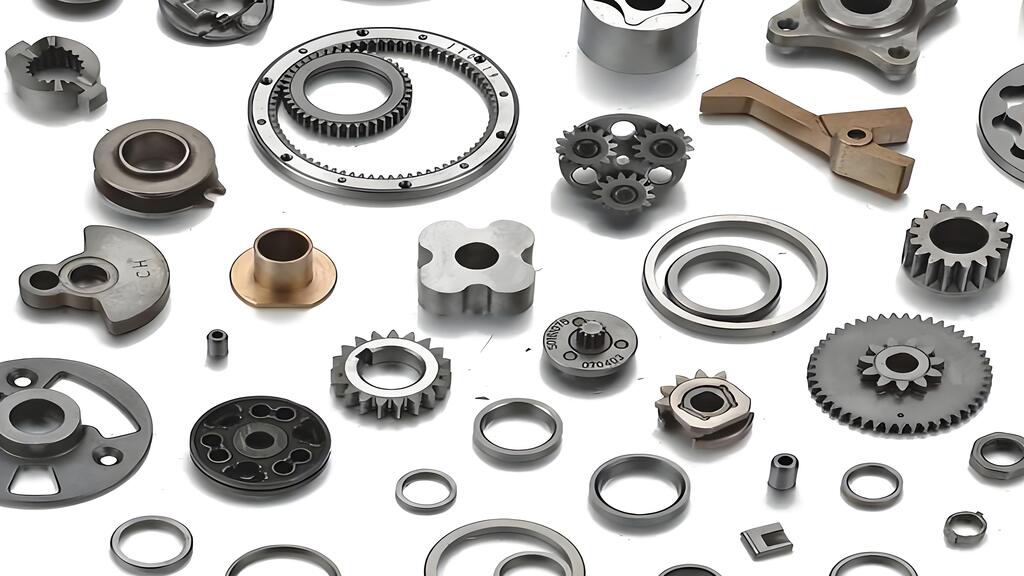


What is Aluminum Die Casting? From Raw Metal to Precision Parts
Aluminum Die Casting creates precision-engineered parts within seconds at up to 25,000 psi pressures. This quickest way of manufacturing turns molten aluminum into near-net-shaped components. The process works by injecting molten aluminum alloy into custom steel dies to form complex geometries.
Die Cast Aluminum offers an eco-friendly manufacturing solution that's 100% recyclable and saves 95% of energy compared to new aluminum production. These components showcase impressive durability - automotive parts often function perfectly even after 50 years on the road. The casting process has become essential for manufacturers of all sizes because it produces high-quality parts with superior surface finish, corrosion resistance, and thermal conductivity.
The Science Behind The Aluminum Die Casting Process
The manufacturing of die-cast aluminum showcases an incredible transformation from earth minerals into precision-engineered components. This scientific process combines specialized material preparation, unique casting methodology, and precise pressure control techniques.
From Bauxite to Molten Aluminum: Raw Material Preparation
Aluminum production starts with bauxite, which contains 30-60% aluminum oxide, silica, iron oxides, and titanium dioxide. The Bayer process converts bauxite into alumina through chemical reactions. This process heats bauxite with sodium hydroxide at temperatures between 150-200°C and dissolves the aluminum as sodium aluminate. The solution gets filtered to remove impurities, then cools down with aluminum hydroxide crystal seeds to precipitate gibbsite. Heat treatment at approximately 1,470K (1,200°C) produces pure aluminum oxide. The Hall-Héroult process then converts alumina into aluminum through electrolysis at 940-980°C, resulting in high-purity molten aluminum ready for casting.
Die Casting vs. Other Aluminum Casting Methods
Die casting distinguishes itself from other aluminum forming processes through several key advantages:
-
Versus Sand Casting: Die casting uses steel dies instead of granular molds, which creates smoother surfaces, thinner walls (under 0.40mm), and higher dimensional accuracy. Sand casting produces fewer parts slowly, but it needs less initial investment.
-
Versus Forging: Die casting injects molten aluminum into molds, while forging applies heat and pressure to solid metal. Die-cast parts feature more complex geometries, closer tolerances, and cast coring holes that forging cannot achieve.
-
Versus Stamping: Die casting creates complex near-net shapes with varying wall thicknesses and integrated features at no extra cost, unlike stamping's wasteful sheet metal process.
High-Pressure vs. Low-Pressure Die Casting Techniques
High-pressure die casting (HPDC) pushes molten aluminum into molds at pressures between 5,000-25,000 psi. Low-pressure die casting (LPDC) operates at just 0.7-1.5 bar. HPDC creates thin-walled parts in cycles under 1 second, making it perfect for high-volume production. LPDC provides better mechanical properties with fewer porosity issues. HPDC excels at smaller components with exceptional surface finish and dimensional accuracy at pressures up to 2500 bar. LPDC works better with larger components up to 150kg and delivers superior strength characteristics despite slower production speeds.
Inside the Die Casting Manufacturing Cycle
The aluminum die casting manufacturing cycle turns molten metal into precision components through four distinct phases. Quality finished parts depend on careful control at each stage.
Die Preparation and Mold Design Fundamentals
Steel molds start the manufacturing cycle with die preparation. These molds need preheating to 150-200°C and coating with special release agents . A well-designed mold needs strategic parting lines where die halves meet. The parting line tolerance must prevent die separation under pressure. Good designs feature optimized cooling channels, consistent wall thickness, and draft angles between 1-3° to help metal flow smoothly and remove parts easily. Two main sections make up the die - the cover die half and the ejector die half - which work together to create the casting.
Injection Phase: How Molten Aluminum Fills the Die
The process moves forward once the mold is ready. Aluminum heats up to 660-700°C and enters the mold under 10-175 MPa pressure. This happens in three stages:
- Slow shot phase with the plunger moving forward slowly (usually 0.3 m/s)
- Fast shot phase where speed increases to fill the cavity (4-5 m/s)
- Intensification phase with pressure above 10,000 psi ensures complete filling
The speed at which molten metal enters the mold cavity substantially affects mechanical properties. This inner gate speed typically ranges from 15-70 meters per second.
Cooling and Solidification Dynamics
Controlled cooling begins after injection at rates between 50-150°C/sec. This phase determines the casting's microstructure and mechanical properties. Different phases like M-Mg2Si and γ-Al7Cu4Ni form at lower cooling rates. The hardness increases from 80 to 125 HB as cooling rates rise from 0.15 to 15°C/s. The tensile strength also improves from 190 to 280 MPa. Good cooling management reduces defects like shrinkage, porosity, and warping.
Ejection and Trimming Operations
The ejector pins mounted in the ejector plate push out the solidified casting. The next step removes excess material, including gates, overflows, and flash through trimming operations. The parts might need deburring, polishing, and extra machining to meet final specifications.
Essential Aluminum Die Casting Alloys and Properties
Aluminum alloys are the foundations of successful die casting. Each alloy brings unique characteristics that shape both manufacturing processes and final product qualities. Different element combinations create materials that match specific applications and performance needs.
A380: The Versatile Workhorse Alloy
A380 ranks as North America's most specified die-casting alloy. The alloy's composition includes aluminum with 7.5-9.5% silicon and 3-4% copper. This Al-Si-Cu blend creates an exceptional balance of thermal, mechanical, and casting properties. The alloy boasts a tensile strength of 324 MPa, yield strength of 160 MPa, and hardness of 80 Brinell. You'll find A380 in everything from lawn mower housings to gear cases and electronic equipment chassis. The alloy's impressive fluidity lets molten metal flow smoothly into complex molds and creates intricate parts with minimal defects. On top of that, it shows excellent pressure tightness and hot cracking resistance.
Specialized Alloys for Unique Applications
Several specialized alloys meet specific performance needs beyond A380's capabilities:
- A383: A modified version of A380 with higher silicon content that offers better die filling, corrosion resistance, and hot cracking resistance
- A360: Brings superior corrosion resistance and elevated temperature strength
- A413: Delivers maximum pressure tightness and fluidity, making it the perfect choice for hydraulic cylinders
- A390: Works best in automotive engine blocks with excellent wear resistance, though it has the lowest ductility among die casting alloys
How Alloy Selection Affects Final Part Performance
Your choice of alloy directly shapes critical performance characteristics. Higher silicon content in alloys boosts fluidity but might affect ductility. Copper makes the alloy stronger and harder, but reduces its ability to resist corrosion. Heat treatment can transform mechanical properties significantly. To name just one example, the A380 becomes stronger through this process as its microstructure changes and residual stress decreases.
The best alloy choice balances manufacturing needs like hot cracking resistance and anti-soldering properties with final product requirements. These include strength-to-weight ratio, corrosion resistance, and thermal conductivity.
Quality Control in Die-Cast Aluminum Production
Quality assurance plays a vital role as the last step in aluminum die casting production. The finest alloys and most precise manufacturing techniques can still produce subpar components without proper inspections.
Common Defects and Their Causes
Die-cast aluminum parts show several defects that need attention. Gas porosity happens because hydrogen gas gets trapped during solidification or metal flow becomes turbulent. This creates smooth, round holes in the casting and weakens its structural integrity. The cooling process can be irregular, which leads to shrinkage porosity with angular voids.
Cold shuts happen because two metal streams don't fuse properly. Low die temperatures or weak injection pressures are usually the culprits. Metal escapes between die halves due to a weak clamping force, which results in flashes. On top of that, uneven cooling rates lead to dimensional inaccuracies. The acceptable tolerances usually stay around ±0.1 mm.
X-Ray and Pressure Testing Methods
Modern quality control uses advanced non-destructive testing methods. X-ray inspection shows internal defects without damaging the parts. The machines can handle components up to 700mm × 1200mm that weigh up to 80kg. This method quickly finds voids, gas porosity, and inclusions that would stay hidden otherwise.
Pressure testing checks casting integrity by finding potential leak paths. Standard tests run at 80-100 psi, though newer standards need 300 psi. Pressure decay testing with absolute measurement is the quickest way to detect leaks repeatedly. Mass flow testing lets you evaluate different porosity levels without calibration sequences.
Surface Finishing Techniques for Die Cast Parts
Surface treatments boost both functional properties and aesthetics of die-cast aluminum. Anodizing creates a protective oxide layer through an electrochemical process. It comes in three types: Type I (minimum 0.0001" coating using chromic acid), Type II (0.0001" to 0.002" using sulfuric acid), and Type III (over 0.001" with better corrosion resistance).
Applications that need exceptional wear resistance use electroplating to deposit metals like cadmium or zinc on the aluminum surface. Powder coating applies thermoplastic or thermoset materials and cures them through heat. Each finishing method adds specific features to the aluminum die casting process. These methods ensure the best performance in everything from automotive parts to consumer electronics.
Conclusion
Aluminum die casting is the lifeblood of modern manufacturing that transforms raw bauxite into precision-engineered components through a sophisticated process. This manufacturing method provides exceptional value by creating complex geometries while maintaining tight tolerances and superior surface finishes.
The process offers remarkable versatility with its different techniques. High-pressure die casting works best for the rapid production of smaller components. Low-pressure methods are ideal for larger parts that need improved mechanical properties. Manufacturers can meet requirements from industries of all types by using various alloys like A380 and specialized variants.
Quality control measures like X-ray inspection and pressure testing ensure reliable die-cast components. These testing protocols and advanced surface finishing techniques create parts that maintain their integrity even after decades of service. The process shines in sustainability because aluminum can be recycled completely and saves much energy compared to primary production.
The science and precision behind aluminum die casting keep expanding what's possible in component manufacturing. Die casting delivers consistent, high-quality parts that meet modern engineering requirements by carefully controlling every process variable from material preparation to final inspection.