

Why Ceramic Components Are Replacing Metal in Modern Manufacturing
Ceramic Components are increasingly replacing traditional metals across various manufacturing sectors. Their superior properties, including extreme hardness, exceptional heat resistance, and chemical inertness, often surpass what metals can offer in demanding modern applications. The market for Ceramic Components is substantial:
| Year | Market Size (USD billion) |
|---|---|
| 2023 | 148.76 |
| 2024 | 160.67 |
This growth reflects a broader trend; the global ceramics market, which includes industrial applications, is projected to grow at a Compound Annual Growth Rate (CAGR) of 8.6% from 2025 to 2030, highlighting its increasing adoption.
Key Takeaways
- Ceramic Parts are replacing metal parts in many industries. They are very hard and can handle extreme heat.
- Ceramics are much harder than metals. This makes them last longer and resist wear in tough conditions.
- Ceramic Materials can work in very hot places. They keep their shape and strength better than metals at high temperatures.
- Ceramics do not rust or react with chemicals. This makes them good for harsh environments and clean processes.
- Ceramic parts are lighter than metal parts. This helps make electronics portable and vehicles use less fuel.
- New ways to make ceramics are improving them. This includes better ways to build parts and new material mixes.
- Ceramics help make things smaller and work better. They are important for tiny electronics and powerful machines.
- Even though ceramics can be fragile, new methods make them stronger. This helps them work in more places.
Superior Properties of Ceramic Components Over Metals
Ceramic Components offer a compelling alternative to traditional metals, primarily due to their exceptional material characteristics. These properties enable ceramics to perform reliably in environments where metals often fail, driving their increased adoption in modern manufacturing.
Unmatched Hardness and Wear Resistance
Ceramic materials possess extraordinary hardness, making them highly resistant to wear and abrasion. This inherent property translates directly into superior performance and longevity for parts subjected to constant friction or harsh conditions.
Extreme Surface Durability
The extreme hardness of ceramics provides unparalleled surface durability. For instance, materials like Silicon Carbide (SiC) boast Vickers Hardness values ranging from 2,500 to 3,100 HV, while Alumina (Al₂O₃) reaches 1,800 to 2,200 HV. In stark contrast, common industrial metals such as Aluminum Alloys typically range from 60-160 HV, Titanium Alloys from 250-400 HV, and Stainless Steel from 150-300 HV. This significant difference highlights ceramics' clear advantage in high-wear environments.
| Material | Hardness (Vickers HV) |
|---|---|
| Silicon Carbide (SiC) | 2,500 – 3,100 |
| Alumina (Al₂O₃) | 1,800 – 2,200 |
| Silicon Nitride (Si₃N₄) | 1,400 – 1,800 |
| Zirconia (ZrO₂) | 1,200 – 1,400 |
| Aluminum Alloys | 60-160 |
| Titanium Alloys | 250-400 |
| Stainless Steel | 150-300 |
Ceramics are the material of choice for high-wear applications. Metals offer a balance of hardness and toughness, which remains essential for many industrial and engineering uses.
Extended Lifespan of Ceramic Components
The superior hardness of ceramics directly contributes to an extended operational lifespan for components. Ceramic bearings, for example, demonstrate enhanced durability due to their extreme hardness, often surpassing traditional steel bearings in longevity. Their high hardness and excellent wear resistance make them ideal for applications demanding extended durability, especially those made from materials like silicon nitride. The hardness of ceramic balls is typically 3-5 times greater than that of steel balls. This allows them to endure stronger forces and significantly extend their operational lifespan. This exceptional performance in abrasive environments reduces the need for frequent replacements, leading to lower maintenance costs and less downtime.
Exceptional Heat and Thermal Stability
Ceramic materials excel in high-temperature applications, maintaining their structural integrity and performance where metals would deform or melt. This makes them indispensable for extreme thermal environments.
High-Temperature Operational Capability
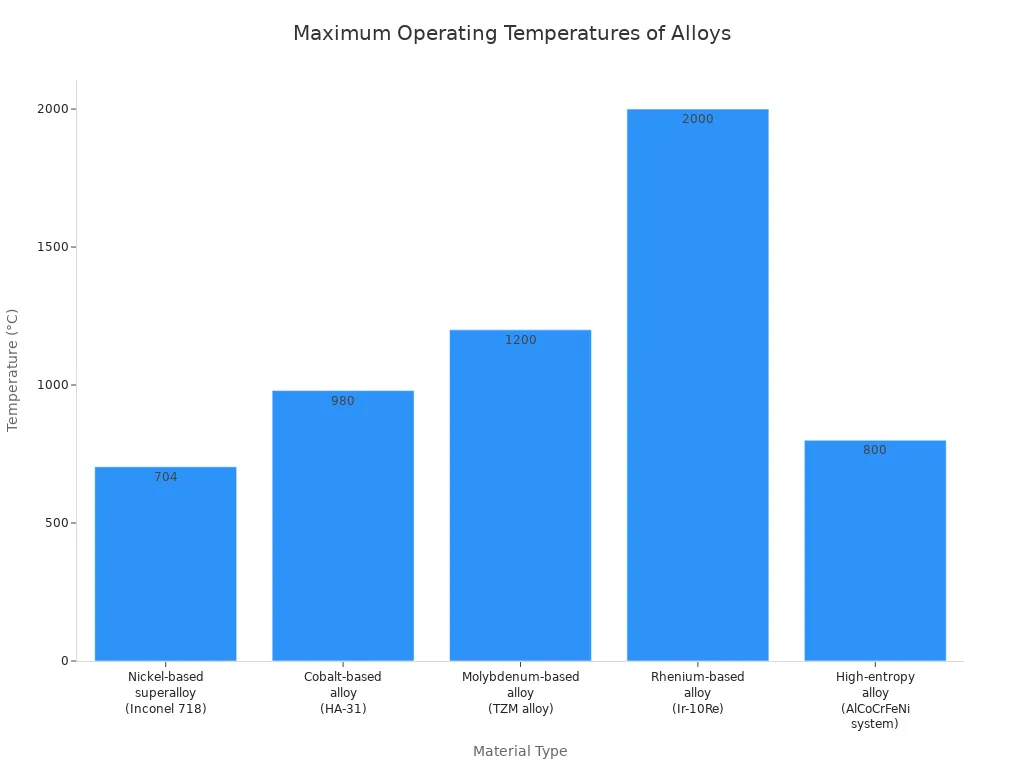
Ceramic materials are renowned for their exceptional ability to withstand extreme temperatures. They maintain strength and structural integrity under high heat. This property makes them ideal for aerospace, automotive, electronics, and energy applications. Silicon Carbide (SiC) can withstand heating to over 1000°C in air, while Boron Carbide (B4C) resists corrosion in air at 1000°C. Boron Nitride (BN) offers great chemical and thermal stability. Advanced ceramics can operate at temperatures up to 2200°C, with specialist ultra-high temperature ceramics (UHTC) exceeding this. In contrast, stainless steel, a common metal, melts between 1400-1500°C. This highlights the superior temperature resistance of advanced ceramics for critical applications.
| Material Type | Maximum Usage Temperature (°C) |
|---|---|
| Tantalum Nitride | 3000 |
| Boron Nitride (BN) | 2000 |
| Silicon Carbide (SiC) | 1900 |
| Alumina (Al₂O₃) | 1750 |
| Molybdenum-based alloy (TZM alloy) | 1,200 |
| Cobalt-based alloy (HA-31) | 980 |
| Nickel-based superalloy (Inconel 718) | 704 |
Resistance to Thermal Shock
Ceramics also exhibit remarkable resistance to thermal shock, which is the ability to withstand rapid changes in temperature without cracking or fracturing. This property is crucial for components operating in environments with fluctuating thermal conditions. Silicon Nitride, for instance, possesses a significantly lower coefficient of linear thermal expansion (2.5-3.5 x 10⁻⁶/°C) compared to various stainless steels (e.g., Austenitic Stainless Steel at 17.3 x 10⁻⁶/°C). This lower thermal expansion minimizes internal stresses during temperature changes, contributing to superior thermal shock resistance.
| Material | Coefficient of Linear Thermal Expansion (1E-6/°C) |
|---|---|
| Silicon Nitride | 2.5-3.5 |
| Steel Stainless Austenitic (304) | 17.3 |
| Steel Stainless Austenitic (310) | 14.4 |
| Steel Stainless Ferritic (410) | 9.9 |
Corrosion and Chemical Inertness
The chemical stability of ceramics makes them ideal for applications involving aggressive chemicals or sterile environments. They resist degradation that often plagues metal components.
Resilience in Harsh Environments
Alumina ceramic exhibits high resistance to chemical attack from acids, bases, and most organic solvents. The stable chemical structure of alumina prevents corrosive agents from interacting with the material. Alumina ceramic shows exceptional resistance to strong mineral acids like sulfuric, hydrochloric, and nitric acid. This is due to the inert nature of Al₂O₃, which restricts acid molecule penetration. It also resists alkaline solutions, including strong alkalis such as sodium hydroxide and potassium hydroxide, without undergoing dissolution or significant chemical reactions. While some studies indicate that strong acids like H₃PO₄, HCl, and H₂SO₄ can attack 99.99% alumina ceramics under hydrothermal conditions, particularly at grain boundaries due to impurities, single-crystal sapphire (Al₂O₃) shows good resistance. Additives like Y₂O₃ can also enhance acid resistance.
Purity for Critical Processes
The chemical inertness of ceramics ensures purity in critical processes. Their non-reactive nature prevents contamination, which is vital in industries such as semiconductor manufacturing, pharmaceuticals, and food processing. This characteristic, combined with their resistance to harsh chemicals, makes them a preferred choice for equipment that requires minimal interaction with process media. The manufacturing of Ceramic Components often uses environmentally friendly materials and processes, contributing to a smaller environmental footprint and higher recyclability. This further underscores their suitability for critical and sensitive applications.
| Performance Metric | Ceramic Components | Metal Components |
|---|---|---|
| Material Longevity | Exceptional performance in high-temperature, corrosive, and abrasive environments; resistant to oxidation and thermal fatigue, leading to longer service life | More susceptible to oxidation and thermal fatigue, resulting in shorter lifespans and frequent replacements |
| Maintenance Costs | Lower; high resistance to thermal shock and mechanical wear reduces the need for frequent inspections and repairs | Require more frequent maintenance to prevent degradation and ensure safety, increasing long-term operational costs |
| Environmental Impact | Better; manufactured using environmentally friendly materials and processes, higher recyclability, smaller environmental footprint | Can generate more environmental pollution during production and disposal, often less easily recycled or repurposed |
Lightweight and High Strength-to-Weight Ratio of Ceramic Components
Modern manufacturing increasingly values materials that offer both strength and lightness. Ceramic components excel in this regard, providing a significant advantage over traditional metals. Their inherent low density, combined with exceptional mechanical properties, allows for revolutionary design and performance improvements across various industries.
Significant Mass Reduction
Reducing the mass of components directly translates into numerous benefits, from improved portability to enhanced operational efficiency. Ceramics offer a compelling solution for achieving substantial weight savings without compromising structural integrity.
Enhanced Portability in Electronics
The electronics industry constantly seeks lighter and more compact devices. Ceramic materials contribute significantly to this goal. Their low density allows manufacturers to create smaller, lighter components for smartphones, wearables, and other portable electronics. This weight reduction improves user experience and enables more innovative product designs.
Improved Fuel Efficiency in Transport
Weight reduction is critical in transportation sectors like aerospace and automotive. Ceramic Matrix Composites (CMCs) exemplify this advantage. A typical CMC is often only one-third as dense as most superalloys. This substantial density reduction directly replaces heavier metal parts. Advanced ceramics are lighter than many metal counterparts. This contributes to improved fuel efficiency and performance in aerospace engineering. They reduce component weight without compromising strength or durability. The low density inherent in ceramics plays a crucial role in achieving overall aircraft weight reduction. This is vital for enhancing fuel efficiency and increasing payload capacity in aerospace applications. The strength-to-weight ratio further highlights ceramics' superiority. Silicon Carbide (SiC) demonstrates an exceptional ratio compared to common aluminum alloys:
| Material | Density (g/cm³) | Tensile Strength (MPa) | Strength-to-Weight Ratio (MPa·cm³/g) |
|---|---|---|---|
| Al 6061 | 2.71 | 115 | 42.44 |
| Silicon Carbide (SiC) | 3.21 | 3900 | 1214.95 |
Optimized Performance Efficiency
The lightweight nature and high strength of ceramics also lead to optimized performance efficiency in dynamic systems. Engineers can design systems that operate more effectively and reliably.
Reduced Inertia in Moving Parts
Components with lower mass possess less inertia. This is particularly beneficial for parts that undergo rapid acceleration and deceleration. High inertia in robotic systems can slow down a robot. It negatively affects cycle times. Reducing inertia, as ceramic components do, leads to faster operational speeds. Ceramic components, specifically silicon nitride, significantly reduce the inertia of robot joints. Silicon nitride's density is only 40% of steel. This directly improves the high-speed responsiveness of robotic arms.
Higher Operational Speeds
The reduction in inertia directly enables higher operational speeds for machinery and equipment. Lighter moving parts require less energy to start, stop, or change direction. This allows for faster cycle times in manufacturing processes and more agile performance in robotic applications. The ability to operate at increased speeds without compromising precision or durability makes ceramics an invaluable material for high-performance systems.
Driving Forces Behind the Shift to Ceramic Components
The increasing adoption of ceramic materials in modern manufacturing is not accidental. Several powerful forces drive this transition, including significant advancements in manufacturing techniques, a growing demand for enhanced performance in extreme conditions, and the undeniable long-term cost-effectiveness that ceramics offer.
Advancements in Ceramic Manufacturing
Innovations in how manufacturers produce and formulate ceramics play a crucial role in their widespread integration. These advancements make ceramic materials more accessible, customizable, and reliable than ever before.
Precision Fabrication Techniques
Modern manufacturing has revolutionized ceramic production through advanced fabrication techniques. Binder Jet Additive Manufacturing (BJAM), combined with sophisticated post-processing methods, transforms ceramic engineering. This innovation allows for the production of components for extreme environments. It also offers scalability and economic feasibility for high-performance applications. Other techniques, such as multi-material jetting (MMJ), developed at Fraunhofer IKTS Dresden, enable multi-material additive manufacturing. This process precisely deposits low-viscosity thermoplastic suspensions with high solid-loading levels (40–50% volume) of various ceramic powders, metals, and glass. MMJ creates functionally graded materials (FGMs) and multi-functional components, with AMAREA Technology GmbH leading commercialization efforts. Vat Photopolymerization (VPP) is another commercially advanced additive manufacturing technology. It produces components with superior surface properties and the finest resolutions. Additionally, ceramic-filled filaments for Fused Filament Fabrication (FFF) expand the range of materials available for material extrusion (MEX) class additive manufacturing.
Novel Material Compositions
Material scientists continually develop new ceramic compositions, pushing the boundaries of performance. They incorporate polymer-derived ceramics, offering customized properties for specific industry applications. Manufacturers also use engineered additives and specific grain sizes to enhance properties, designing them for specialized functions in high-technology applications. Fiber-reinforced ceramics provide improved toughness for demanding environments in aerospace and defense. Furthermore, new compositions include Zirconia-toughened alumina (ZTA) to enhance fracture toughness in brittle ceramic semiconductors. High thermal conductivity materials like aluminum nitride (AlN) or silicon carbide (SiC) improve heat dissipation in high-power applications. Doping with elements such as lanthanum and yttrium alters electrical properties and enhances electrical conductivity. Hybrid solutions like metal-ceramic composites improve electrical performance while maintaining durability. Nanoscale ceramic materials create ultra-small, ultra-high-performance semiconductors with better thermal dissipation. Hybrid ceramic-metal semiconductor materials combine ceramics with metallic elements for enhanced electrical performance in power electronics, EV batteries, and renewable energy.
Demand for Enhanced Performance
Industries increasingly require materials that can withstand more extreme conditions and enable smaller, more efficient designs. Ceramics meet these demands with their inherent superior properties.
Meeting Extreme Operating Conditions
Many modern applications operate under conditions that traditional metals cannot endure. Industries like aerospace and energy demand materials with unmatched thermal resistance, mechanical strength, lightweight efficiency, and durability. These materials must also resist extreme conditions. Ceramics can operate at temperatures exceeding 1,500°C without degrading. They are significantly lighter than metals, contributing to fuel savings. Their corrosion and wear resistance make them ideal for harsh environments like jet engines and re-entry vehicles. Ceramics also offer radar transparency, which is valuable in stealth technology. The superior thermal resistance, mechanical strength, and corrosion resistance of ceramics are crucial. The demand for lightweight materials to reduce fuel consumption and enhance overall efficiency further drives their adoption.
Miniaturization Requirements
The trend towards miniaturization in electronics, medical devices, and other high-tech sectors necessitates materials that maintain performance in smaller forms. Ceramics, with their high strength-to-weight ratio and ability to be precisely fabricated into intricate shapes, are ideal for these compact designs. They allow for the creation of smaller, more powerful, and more efficient components without compromising structural integrity or thermal management.
Long-Term Cost-Effectiveness of Ceramic Components
While initial costs for ceramic materials can sometimes be higher than metals, their long-term economic benefits often outweigh this difference. Manufacturers increasingly recognize the significant savings ceramics offer over a product's lifecycle.
Reduced Maintenance and Downtime
Ceramics significantly reduce maintenance costs and downtime. They can extend service life by 30-50% compared to metals in harsh environments. This reduces replacement frequency and labor costs. Ceramics can also reduce maintenance costs by up to 70% due to their inherent corrosion resistance. Metal maintenance typically accounts for 15-25% of lifecycle expenses. Dow's ceramic formulations extend service life by approximately 30-40% compared to conventional materials. NIPPON STEEL's data indicates that despite 2-3 times higher initial costs, their advanced ceramic components deliver 30-40% lower total life cycle costs over a 5-year operational period. Structural ceramics often have service lifespans exceeding 20-30 years in demanding industrial applications, reducing the need for frequent replacements.
Energy Efficiency Gains
Optimizing energy use is a key strategy for achieving significant savings in manufacturing. Advanced ceramic components can reduce heating and cooling energy consumption by 10-20% due to enhanced thermal insulation. This contributes to lower operational costs and a smaller environmental footprint. Manufacturers also focus on cost reduction through minimizing waste, process automation, and resource efficiency. Adopting lean manufacturing principles streamlines operations, improves turnaround times, and reduces operational costs. Predictive maintenance, often enabled by IoT, minimizes downtime and repair expenses by keeping equipment in peak condition. These economic factors, combined with the energy efficiency gains from ceramic materials, drive their increased adoption.
Real-World Applications of Ceramic Components
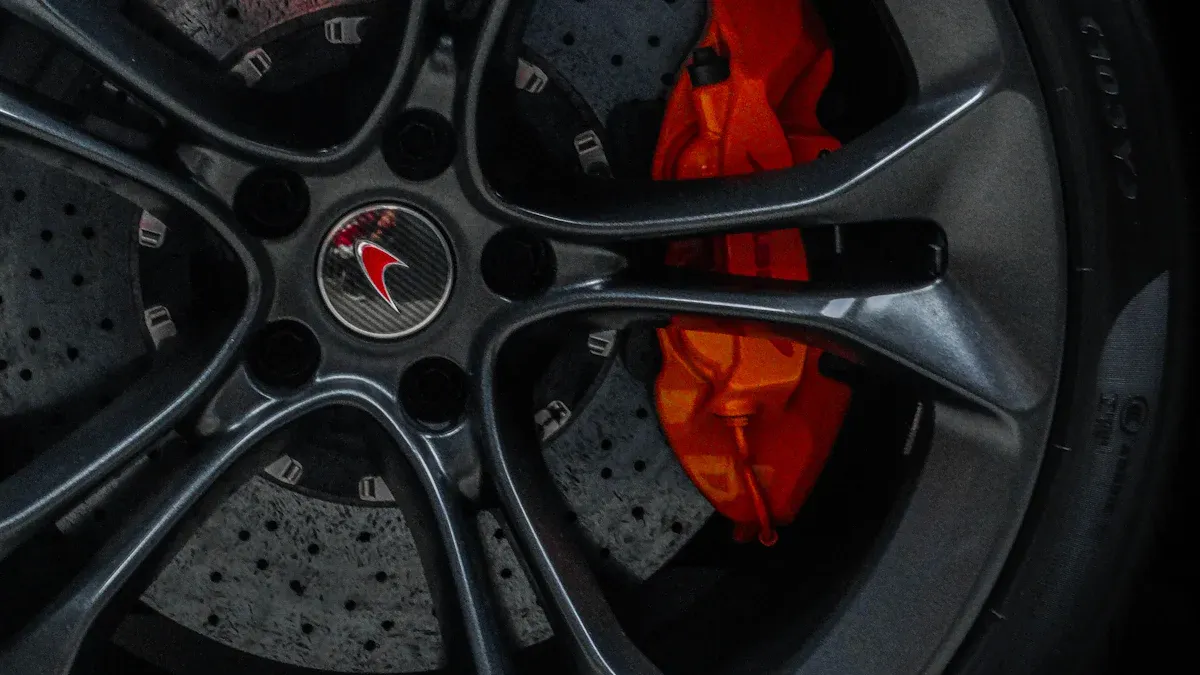
Real-world applications demonstrate the versatility and critical role of Ceramic Components across diverse industries. These materials provide solutions where traditional metals fall short. They enable advancements in various high-tech sectors.
Aerospace and Automotive Industries
Ceramics play a vital role in both aerospace and automotive sectors. They enhance performance and efficiency in demanding environments.
High-Performance Engine Components
Aerospace and automotive engines benefit significantly from ceramic materials. For instance, jet engines use ceramic components to withstand extreme temperatures. Aluminosilicates frequently form ceramic cores in investment castings for turbine hardware. Aluminas are often incorporated into sensors and connectors due to their high thermal resistance and electrical insulating properties. Chemical Zirconia Ceramics offer high-temperature resistance and low density, working up to 1600 ℃. High-Temperature Fiber Ceramics, combining a ceramic matrix with carbon fiber or silicon carbide, are used in heavy jet engine parts, combustion chambers, and nozzles. Ultra-High Temperature Ceramic Materials (UHTC) serve as heat-resistant protective material for supersonic aircraft and fuel nozzles.
Lightweight Structural Parts
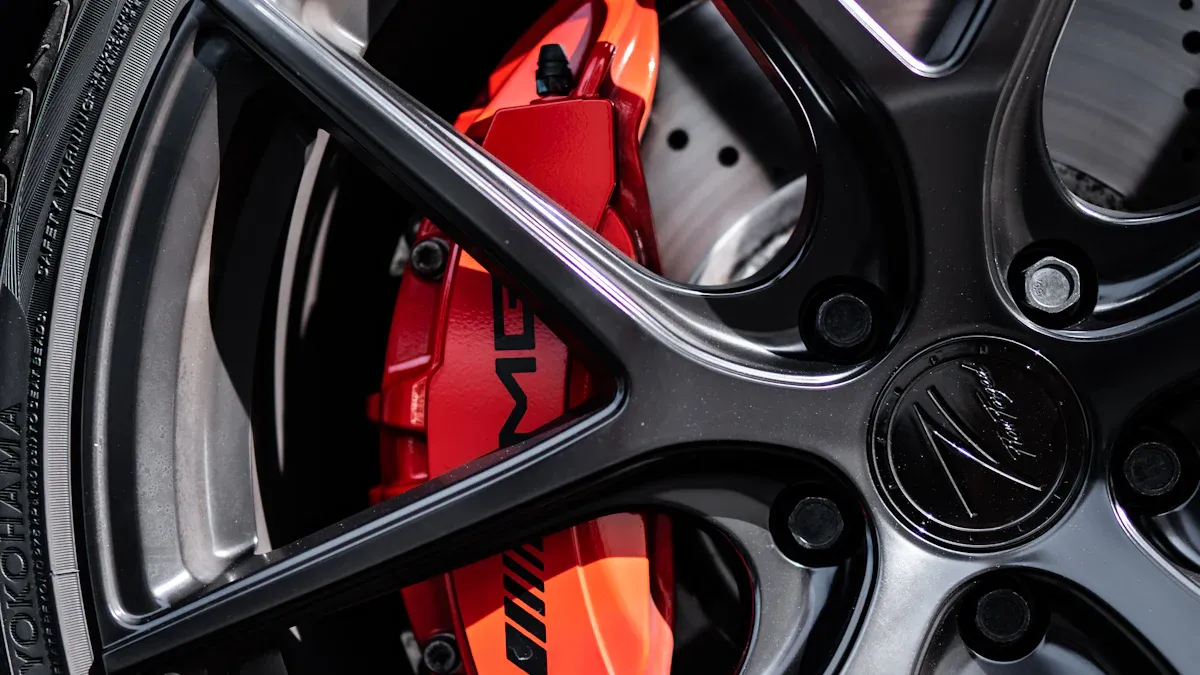
Ceramics also contribute to lightweight structural parts. Carbon ceramic brake discs typically weigh approximately 60% of their iron counterparts. This weight reduction significantly impacts acceleration, braking, handling, and fuel economy. These discs also offer high abrasion resistance and low brake dust. They resist corrosion and maintain a stable size at high temperatures, preventing warpage. Carbon-ceramic brake pads are also significantly lighter than traditional metal pads. They improve acceleration, handling, and overall vehicle performance.
Medical Devices and Implants
The medical field increasingly relies on ceramics for their biocompatibility and durability.
Biocompatible Prosthetics
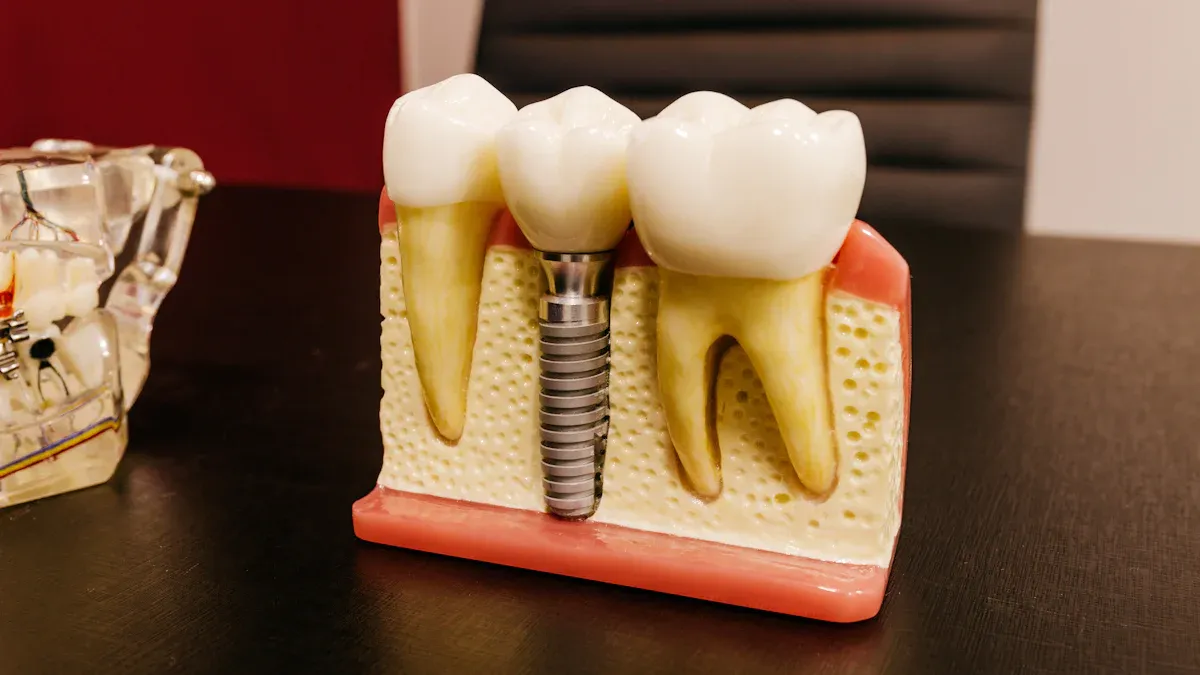
Zirconia dental implants offer superior biocompatibility. They interact favorably with human tissues, minimizing adverse reactions or rejection. Zirconia promotes soft tissue healing and maintains healthy peri-implant tissues. Studies show zirconia implants exhibit lower inflammatory responses and higher bone-to-implant contact ratios compared to titanium. This indicates successful osseointegration.
Surgical Instruments
Ceramic materials enhance surgical instruments. Both alumina and zirconia exhibit high strength and durability. They rank high on the Mohs hardness scale, making them suitable for cutting instruments and blades. These ceramics are highly resistant to corrosion and wear, crucial for maintaining sterility. They also withstand various sterilization techniques, including autoclaving and chemical cleaning. Alumina is chemically stable, while zirconia offers superior strength and fracture resistance for high-stress applications.
Electronics and Semiconductor Manufacturing
Ceramics are indispensable in electronics and semiconductor manufacturing. They provide critical insulation and high-frequency performance.
Insulators and Substrates
Ceramic substrates possess appealing electrical properties for microelectronic designers. They have a volume resistivity in the order of 10^11 Ω·cm, significantly higher than FR-4. The high dielectric constant of ceramics enables smaller circuitry and offers greater stability. Alumina exhibits a lower dissipation or loss factor than FR-4. This indicates less power absorption. Ceramics offer excellent electrical insulation, preventing short circuits and maintaining signal integrity. They also provide good thermal conductivity, preventing overheating.
High-Frequency Components
Ceramics are crucial for high-frequency applications. They minimize signal loss and electromagnetic interference. This maintains signal integrity in devices like smartphones and Wi-Fi routers. Beryllium Oxide (BeO) ceramic substrates are noted for their ideal high-frequency characteristics. This makes them suitable for avionics and satellite communications. Boron Nitride (BN) offers a small dielectric constant and good insulation performance. It is widely used in radar windows and microwave output windows. Consistent impedance control is vital for reliable signal transmission. Ceramics ensure this, preventing signal bounce-backs and maintaining signal strength.
Overcoming Challenges and the Future of Ceramic Components
While ceramic materials offer numerous advantages, their widespread adoption faces certain hurdles. High production costs, fragility, and limited design flexibility present significant challenges. Manufacturers often encounter difficulties controlling dimensional tolerances during complex processing steps. These factors contribute to higher end-product prices, making ceramics less competitive in price-sensitive markets. However, ongoing research and development actively address these issues, paving the way for broader integration.
Addressing Brittleness Concerns
Brittleness remains a primary concern for many ceramic applications. Engineers and material scientists continually develop new methods to enhance the toughness of these materials.
Toughening Mechanisms
Researchers employ various strategies to improve ceramic fracture toughness. Crystallization toughening, for example, involves controlled heat treatments. This process yields varied crystallized volume fractions, significantly improving fracture toughness from 0.75 to 3.5 MPa m1/2 in lithium disilicate glasses. This mechanism incorporates crack deflection, bowing, trapping, and bridging. Fine-grained toughening controls grain size, using reinforcement fillers at grain boundaries to inhibit grain growth. Stress-induced phase transformation toughening, seen in ZrO2-containing ceramics, transforms metastable tetragonal ZrO2 inclusions into a monoclinic form under stress. This creates compressive stress, slowing crack propagation. Microcrack toughening also contributes to improved fracture toughness. The addition of metal nanoparticles, such as silver (AgNPs), can increase dental porcelain toughness from 1.36 MPa m1/2 to 1.54 MPa m1/2. Non-metal reinforcements like nanocarbon materials also enhance toughness. Sintering methods also play a crucial role; nonconventional microwave sintering can increase fracture toughness to 5.7 ± 0.3 MPa m1/2. Extrinsic toughening mechanisms, such as crack-tip shielding and crack bridging, reduce the crack-driving force, primarily affecting crack growth rather than initiation.
Design Optimization
Engineers mitigate ceramic brittleness through careful design. They focus on geometries that minimize stress concentrations, avoiding sharp corners and abrupt changes in cross-section. Optimizing component shape ensures uniform stress distribution, reducing the likelihood of fracture. This approach allows for the effective use of ceramics even in demanding structural applications.
Emerging Ceramic Technologies
The field of ceramics constantly evolves, with new technologies pushing the boundaries of material performance.
Advanced Composites
Advanced ceramic matrix composites (CMCs) represent a significant leap forward. Ultra-High Temperature Ceramic Matrix Composites (UHTCMCs), based on carbon fibers and a zirconium diboride matrix, are developed using Reactive Melt Infiltration (RMI). These materials target hypersonic applications. UHTCMCs can operate in temperatures exceeding 1700 °C under oxidizing atmospheres. They offer high temperature and thermal shock resistance, excellent thermal conductivity, and mechanical strength. An improved UHTCMC material achieved an average bending strength of 312.90 MPa at room temperature, nearly a 90% improvement over the reference material. At 900 °C, this material retained significant strength, with an average flexural strength of 190.19 MPa. This demonstrates damage-resistant behavior at elevated temperatures. Traditional CMCs, like carbon-carbon or SiC/SiC, have limitations at high temperatures, often failing above 1600 °C due to oxidation. UHTCMCs overcome these limitations, making them suitable for extreme conditions.
Smart Ceramics
Smart ceramics are a type of 'smart material' capable of both sensing and actuating. These materials can respond to external changes, either passively or actively, by incorporating a feedback loop. Self-actuation and self-sensing materials, including smart ceramics, hold significant potential. They find applications in medicine, environmental monitoring, and manufacturing. These materials are crucial for developing next-generation smart materials, intelligent devices, and sensing apparatus. They can sense and respond to stimuli in a manner analogous to a nervous system.
Expanding Industrial Applications for Ceramic Components
The unique properties of ceramics drive their expansion into new and critical industrial sectors.
Renewable Energy Sector
The renewable energy sector increasingly utilizes ceramics. High-temperature ceramic components are essential in concentrated solar power systems, where they withstand extreme heat. In wind turbines, wear-resistant ceramic coatings extend the lifespan of critical parts. Fuel cells also benefit from ceramic electrolytes and catalysts, enhancing efficiency and durability.
Defense and Security
Ceramics play a vital role in defense and security applications. Their high strength-to-weight ratio makes them ideal for lightweight armor in vehicles and body protection. High-temperature ceramic materials are crucial for missile components and hypersonic vehicles, where they endure extreme thermal and mechanical stresses. Their radar transparency also makes them valuable in stealth technology.
Ceramic Components are clearly the material of choice for future manufacturing. Their critical role in pushing technological boundaries is undeniable. This shift from metal to ceramic stands as a testament to ongoing innovation and superior material performance. Industries increasingly rely on ceramics to meet demanding operational needs.
FAQ
❓ Why do manufacturers prefer ceramic components over metals for extreme heat?
Ceramics maintain strength and integrity at much higher temperatures than metals. They resist melting and deformation, making them ideal for jet engines and industrial furnaces. This property ensures reliable operation in harsh thermal environments.
💰 Are ceramic components always more expensive than metal ones?
Initial costs for ceramics can be higher. However, their extended lifespan, reduced maintenance needs, and energy efficiency often lead to lower total lifecycle costs. This makes them a cost-effective choice long-term.
⚖️ How do ceramics contribute to lighter products?
Ceramic materials have a lower density than most metals. This allows engineers to design lighter components. Reduced weight improves portability in electronics and enhances fuel efficiency in vehicles and aircraft.
🧪 What makes ceramics resistant to corrosion?
Ceramics possess high chemical inertness. Their stable chemical structure prevents reactions with acids, bases, and other corrosive agents. This property ensures durability in harsh chemical environments and maintains purity in critical processes.
🛠️ How do engineers address the brittleness of ceramics?
Engineers use toughening mechanisms like phase transformation and fiber reinforcement. They also optimize designs to avoid stress concentrations. These methods enhance fracture resistance, making ceramics suitable for demanding applications.
🏭 In which industries do ceramic components see widespread use?
Ceramics are crucial in several industries:
- Aerospace
- Automotive
- Medical
- Electronics
They serve in engine parts, prosthetics, surgical tools, and semiconductor substrates. Their unique properties enable high performance across these sectors.
🧠 What are "smart ceramics"?
Smart ceramics are advanced materials that can sense and respond to external stimuli. They act as both sensors and actuators. These materials have potential applications in medicine, environmental monitoring, and intelligent devices.