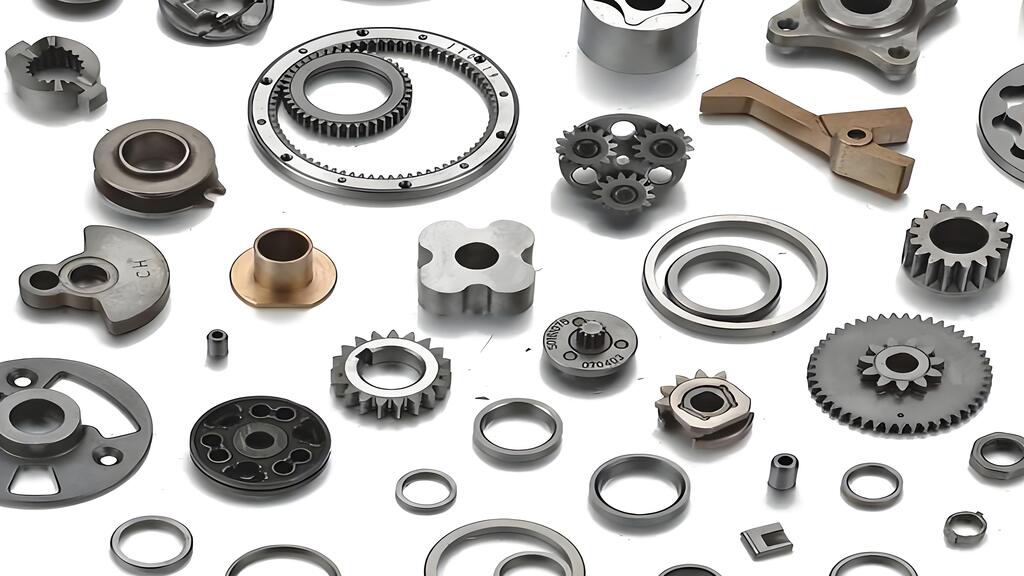


Zinc die casting applications
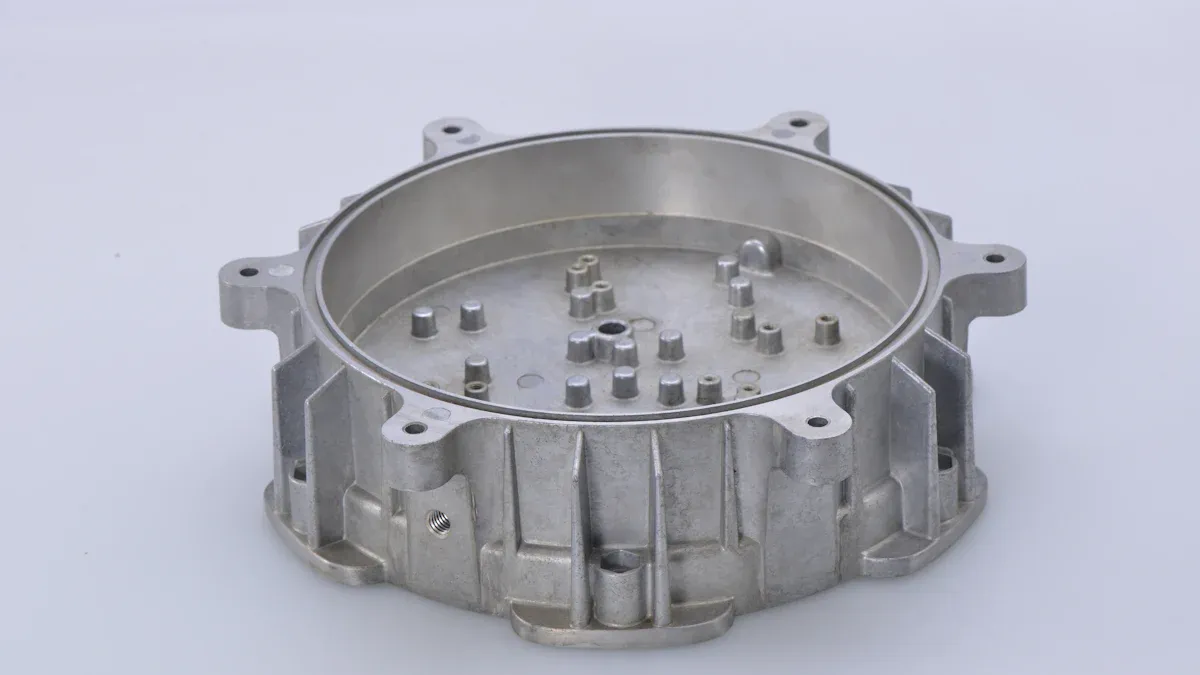
Zinc Die Casting serves as a vital manufacturing process in diverse industries, producing high-quality and precise components. The automotive sector significantly drives demand, with the global market for automotive parts zinc die casting valued at USD 4.28 billion in 2024. This market is projected to grow to USD 5.71 billion by 2033, reflecting a compound annual growth rate of 3.25%. The push for lightweight vehicles enhances fuel efficiency and meets regulatory standards, showcasing the importance of zinc die casting in modern manufacturing.
Key Takeaways
- Zinc die casting is essential in industries like automotive, electronics, and consumer goods, providing high-quality, durable components.
- The automotive sector drives significant demand for zinc die-cast parts, with a projected market growth from USD 4.28 billion in 2024 to USD 5.71 billion by 2033.
- Zinc die casting offers advantages such as 100% recyclability, energy efficiency, and excellent mechanical properties, making it a cost-effective choice for manufacturers.
- This process allows for intricate designs and high precision, enabling the production of complex shapes without compromising strength.
- Zinc die-cast components exhibit excellent corrosion resistance, ensuring longevity and reliability in various applications, including medical devices and aerospace.
Industries Utilizing Zinc Die Casting
Zinc die casting plays a crucial role in various industries, particularly in automotive, electronics, and consumer goods. Each sector benefits from the unique properties of zinc die-cast components.
Automotive Industry
The automotive industry stands out as a major consumer of zinc die cast components. The global market for automotive parts zinc die casting reached approximately USD 7.5 billion in 2023 and is projected to grow to around USD 12.9 billion by 2032. This growth stems from the demand for lightweight and durable components.
| Reason | Description |
|---|---|
| 100% Recyclability | Zinc Casting waste is collected and recycled without any degradation. |
| Energy Efficiency | Zinc has a lower melting point than aluminum, resulting in significantly lower energy consumption during production. |
| Long Tool Life | The process extends the lifespan of the molds, reducing waste and production downtime. |
| Mechanical Properties | Zinc alloys offer excellent durability, corrosion resistance, and dimensional stability, making them ideal for automotive components. |
Electronics Industry
In the electronics sector, zinc die casting plays a significant role in the production of reliable components. The exceptional durability and strength of zinc die-cast parts enhance the performance of electronic devices.
- Zinc die casting produces components with exceptional durability and strength.
- Excellent corrosion resistance of zinc alloys reduces maintenance needs and extends service life.
- In electronics, zinc die-cast enclosures protect sensitive components from damage, enhancing reliability.
- Lower maintenance frequency leads to long-term cost savings, crucial for high-performance products.
Consumer Goods
Zinc die casting also finds extensive applications in consumer goods. Various products incorporate zinc die-cast parts, enhancing their functionality and aesthetic appeal.
| Category | Examples |
|---|---|
| Household Appliances | Kitchen gadgets, vacuum cleaner parts, and home entertainment components |
| Sporting Goods | Fishing reels, camping equipment, bicycle components |
| Personal Care Items | Hair dryers, electric shavers, cosmetic packaging |
Zinc die-cast components are prevalent in electronic device housings, power tool housings, toys, and furniture hardware. This versatility showcases the adaptability of zinc die casting across different consumer markets.
Aerospace Industry
The aerospace industry increasingly relies on zinc die casting for manufacturing components that require precision and durability. This sector demands high-quality parts that can withstand extreme conditions. Zinc die casting meets these requirements effectively.
Zinc die casting offers several advantages in aerospace applications. The ability to create complex shapes with high precision stands out. Manufacturers can produce intricate designs without significant tool wear. This capability reduces production costs and time.
Here are some key advantages of zinc die casting in aerospace:
| Advantage | Description |
|---|---|
| Complex Shapes | Zinc alloys allow for intricate and complex shapes with high precision and low tool erosion. |
| Design Flexibility | Simplifies execution of complex geometries, incorporating features without additional machining. |
| Tough and Durable Parts | High-strength parts suitable for structural integrity and load-bearing capabilities. |
| Corrosion Resistance | Inherently corrosion-resistant, suitable for harsh environments. |
| Thermal and Electrical Conductivity | Good thermal and electrical conductivity for effective heat dissipation and electrical applications. |
| Low Cost | Cost-effective for high volumes with reduced material waste and shorter manufacturing cycles. |
| Extended Die Life | Low abrasion/erosion of tools and low operating temperatures enhance durability and cost savings. |
| Good Quality Finish | Smooth and uniform surface finish requiring minimal post-processing. |
| Environmentally Friendly Process | Minimal wastage and low energy demand in the casting process. |
Zinc die casting also contributes to the production of lightweight components. This characteristic is crucial for improving fuel efficiency in aircraft. As the aerospace industry continues to evolve, the demand for innovative materials and processes will likely grow. Zinc die casting stands out as a reliable solution for manufacturers seeking to enhance performance while maintaining cost-effectiveness.
Specific Applications of Zinc Die Casting
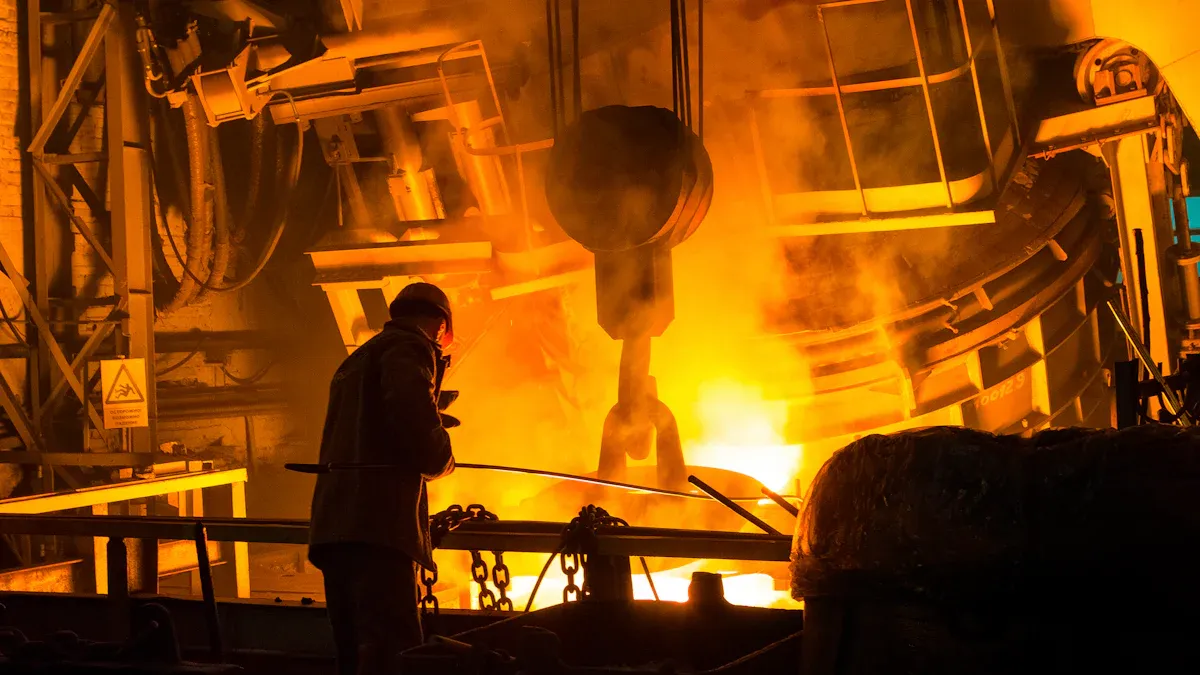
Automotive Components
Zinc die casting plays a significant role in manufacturing various automotive components. This process produces parts that are lightweight yet strong, making them ideal for modern vehicles. Common automotive components manufactured using zinc die casting include:
- Door counterweights
- Inertia locks
- Mirror mounts
- Vibration dampeners
- Electronic housing units
- Connectors
- Terminals
- Housings for electronic systems
- Handles
- Locks
- Latches
The properties of zinc alloys enhance the performance and longevity of these components. For instance, they exhibit strength and durability, which resist wear and corrosion. The high precision in manufacturing reduces the need for additional machining, ensuring dimensional stability. Additionally, zinc's excellent fluidity and low melting point facilitate efficient production. The corrosion resistance of zinc parts ensures they remain unaffected by harsh automotive environments, while their impact strength enhances longevity.
| Property/Benefit | Description |
|---|---|
| Strength and Durability | Zinc alloys create strong, durable parts resistant to wear and corrosion. |
| Dimensional Stability | High precision in manufacturing reduces the need for additional machining. |
| Fluidity and Melting Point | Zinc's excellent fluidity and low melting point facilitate efficient production. |
| Corrosion Resistance | Zinc parts remain unaffected by corrosion in automotive environments. |
| Impact Strength | Zinc alloys provide strong impact resistance, enhancing longevity. |
| Recyclability | Zinc maintains its properties when recycled, promoting sustainability. |
Electrical Connectors
In the realm of electrical connectors, zinc die casting proves invaluable. The process allows for the production of connectors that possess several key properties, making them suitable for industrial use:
- High mechanical strength
- Corrosion resistance
- Ability to be produced in complex shapes with high precision
Zinc die casting enables rapid fabrication of large numbers of complex parts while maintaining tight dimensional tolerances. The excellent surface finish achieved through this process further enhances the quality of the connectors. Additionally, the low melting temperature and economical hot-chamber die-casting method contribute to the efficiency of production. These attributes make zinc die cast electrical connectors a preferred choice in various applications, ensuring reliability and performance.
Household Appliances
Zinc die casting is a reliable and proven technology in the manufacturing of household appliances. It contributes to the solid feel and smooth operation of hardware in homes. The quality of zinc die casting ensures longevity and aesthetic appeal in household products. Common applications include:
- Kitchen appliances such as blenders, mixers, toasters, and food processors
- Hardware components in various home devices
The process offers excellent surface finish and dimensional consistency, making it ideal for mass production. Furthermore, zinc die casting is cost-effective, producing more castings than other methods, which lowers the cost per item. This efficiency makes it a popular choice among manufacturers aiming to deliver high-quality products at competitive prices.
Medical Devices
Zinc die casting plays a pivotal role in the medical devices sector. Manufacturers utilize this process to create components that require high precision and reliability. The unique properties of zinc alloys make them suitable for various medical applications, including surgical instruments, diagnostic equipment, and implantable devices.
The demand for lightweight and durable materials in medical devices drives the adoption of zinc die casting. Components produced through this method exhibit excellent mechanical strength and corrosion resistance. These characteristics are essential for ensuring the longevity and safety of medical devices used in critical applications.
Key applications of zinc die casting in the medical field include:
- Surgical instrument handles
- Housings for diagnostic equipment
- Components for dental devices
- Parts for mobility aids, such as wheelchairs and walkers
- Enclosures for electronic medical devices
Zinc die-cast parts must comply with stringent safety and regulatory standards. The following table outlines some of the key compliance standards relevant to medical devices:
| Compliance Standard | Description |
|---|---|
| FDA Guidelines | Medical die cast parts must adhere to strict industry and FDA guidelines. |
| ISO 9000 | Certification ensuring quality management systems. |
| ISO 13485 | Certification for quality management systems specific to medical devices. |
The FDA evaluates the safety and effectiveness of medical devices through premarket reviews. This evaluation includes information about the materials used in the device. The specific properties of the material and the intended use of the device are critical factors in this assessment.
Advantages of Zinc Die Casting
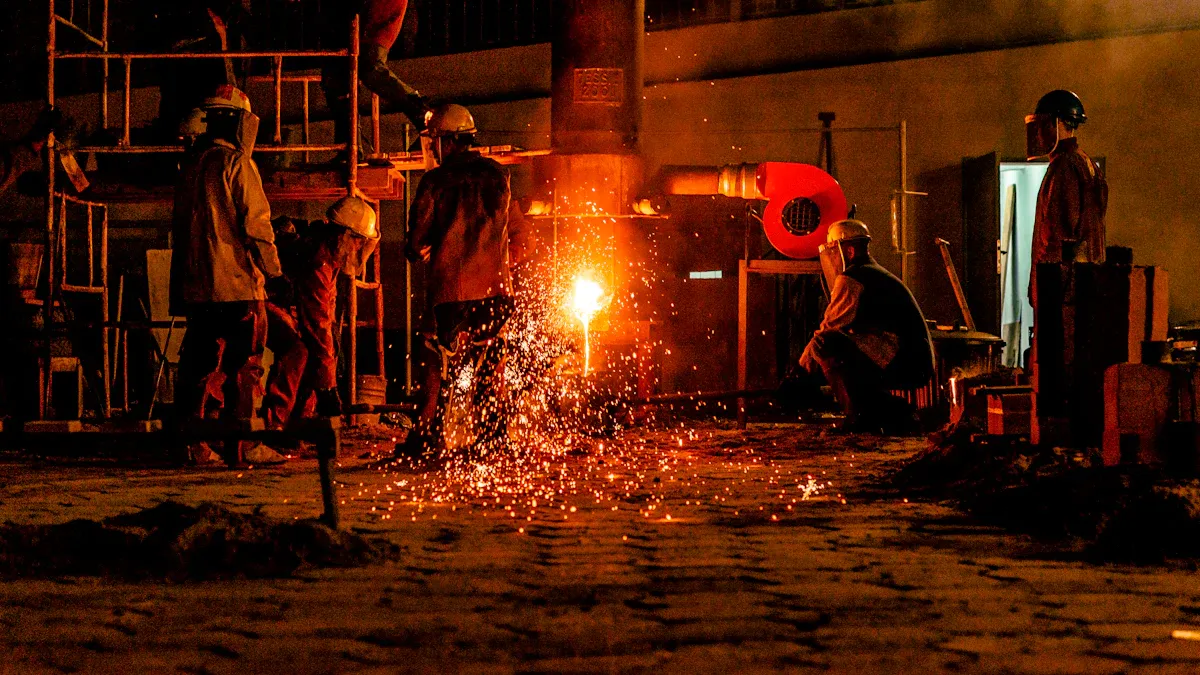
Zinc die casting offers numerous advantages that make it a preferred manufacturing process across various industries. Its cost-effectiveness, durability, and design flexibility contribute significantly to its popularity.
Cost-Effectiveness
Zinc die casting stands out for its cost-effectiveness, especially in large-scale production. Compared to aluminum die casting, zinc die casting is more economical due to its lower melting point. This characteristic leads to decreased energy consumption and shorter cycle times, which ultimately reduces production costs.
Several factors contribute to the overall cost-effectiveness of zinc die casting:
| Factor | Explanation |
|---|---|
| Material Cost | Zinc is more affordable than aluminum, making it a better option for cost-sensitive applications. |
| Production Costs | Zinc die casting is more cost-effective due to shorter cycle times and lower melting points. |
| Minimal Post-Processing | Zinc parts often require little to no additional machining, reducing overall costs. |
| High Production Efficiency | The hot chamber process allows for faster cycle times, enhancing mass production efficiency. |
| Excellent Surface Finish | Zinc die-cast parts have a smooth finish straight from the mold, minimizing additional finishing. |
These factors collectively enhance the economic viability of zinc die casting, making it an attractive choice for manufacturers aiming to optimize production costs.
Durability and Strength
The durability and strength of zinc die cast products are critical attributes that enhance their appeal in various applications. Zinc alloys exhibit excellent mechanical properties, ensuring that components withstand demanding conditions.
The following table highlights the mechanical properties of different zinc die cast alloys:
| Property | ZP3 Alloy 3 | ZP5 Alloy 5 | ZP2 Alloy 2 | ZP8 Alloy 8 |
|---|---|---|---|---|
| Ultimate Tensile Strength (MPa) | 315 | 331 | 397 | 386.8 |
| Yield Strength (MPa) | 276 | 295 | 360 | 318.6 |
| Elongation at UTS (%) | 2.37 | 3.09 | 2.21 | 2.53 |
| Modulus of Elasticity (GPa) | 84.3 | 84.5 | 84.4 | 82.7 |
| Shear Strength (MPa) | 214 | 262 | 317 | 275 |
| Hardness (Brinell) | 97 | 114 | 130 | 95-110 |
| Impact Strength (Charpy Unnotched 20°C, J/cm²) | 116 | 131 | 96 | N/A |
| Fatigue Strength (MPa, 5×10⁸ cycles) | 48 | 57 | 59 | 103 |
| Compressive Yield Strength (MPa) | 274 | 199 | 257 | 233 |
These properties demonstrate that zinc die cast components can endure significant stress and strain, making them suitable for applications in automotive, aerospace, and other demanding environments. The inherent corrosion resistance of zinc alloys further enhances their longevity, reducing maintenance needs and ensuring reliable performance over time.
Design Flexibility
Zinc die casting provides remarkable design flexibility, allowing manufacturers to create intricate shapes and components that would be challenging with other methods. This process supports high complexity and dimensional accuracy, enabling the production of detailed designs without compromising strength.
Key design features achievable with zinc die casting include:
- High complexity and detail in designs.
- Excellent load-bearing strength.
- Capability to produce multicavity components with consistent quality.
- Ability to create very small wall thickness and narrow tolerances.
Zinc die casting not only facilitates the creation of complex geometries but also ensures that these designs maintain both functionality and aesthetic appeal. This versatility makes it an ideal choice for modern product design, where innovation and efficiency are paramount.
Surface Finish Quality
Surface finish quality plays a crucial role in the performance and aesthetic appeal of zinc die cast products. Manufacturers appreciate the smooth and uniform surfaces that zinc die casting provides directly from the mold. This characteristic stems from zinc's low melting point and excellent flow properties, which allow for the creation of sharp details without the need for extensive post-processing.
- Zinc die cast products offer:
- A smoother and more uniform surface compared to other materials.
- The ability to create intricate designs with minimal imperfections.
In contrast, aluminum die cast products often exhibit porosity and surface imperfections. These issues necessitate additional finishing processes, such as grinding or polishing, which can increase production time and costs.
Zinc die castings also accept a wide range of finishes, including vitreous enamel. This versatility enhances their usability across various applications. On the other hand, aluminum die castings face limitations when applying metallic finishes due to challenges in electroplating.
The surface finish of zinc die cast items significantly impacts both their performance and aesthetic appeal. The following table summarizes the effects of different surface finishes:
| Surface Finish Type | Impact on Performance | Impact on Aesthetic Appeal |
|---|---|---|
| Raw Finish | Basic corrosion resistance; cost-effective | Dull gray appearance; functional applications |
| Powder Coating | Enhanced corrosion resistance | Improved visual quality; attractive finish |
| Zinc Plating | Excellent corrosion protection | High aesthetic quality; shiny finish |
- Raw finishes are cost-effective and require less maintenance in controlled environments.
- Powder coating and plating provide enhanced durability, making them suitable for aggressive environments.
Overall, the quality of the surface finish in zinc die casting not only influences the longevity and functionality of the components but also enhances their visual appeal. Manufacturers can leverage these qualities to meet both performance requirements and aesthetic standards in their products.
Notable Examples of Zinc Die Cast Products
Automotive Parts
Zinc die casting plays a crucial role in producing various automotive parts. These components benefit from the strength and precision that zinc alloys offer. The following table outlines some notable automotive parts and their benefits:
| Automotive Parts | Benefits |
|---|---|
| Door lock housings | High aesthetic standards, tight tolerances |
| Retractor gears | Precision and reliability in safety mechanisms |
| Seat belt pulleys | Essential for safety and functionality in vehicle operation |
| Seats | High strength and dimensional stability |
| Oil pump coverings | Protection and durability under engine conditions |
| Transmission components | Precision and reliability in power transfer |
| Battery connectors | Excellent thermal conductivity and EMI shielding |
| Control unit covers | Protection for sensitive electronic components |
| Sensor housings | Precision and protection for automotive sensors |
These components exemplify how zinc die casting enhances automotive safety and performance through its ability to produce parts with high strength, dimensional stability, and excellent thermal conductivity.
Electronic Housings
In the electronics sector, zinc die casting significantly improves device safety and durability. The exceptional properties of zinc die cast components include:
- Durability: These components withstand high-stress mechanical applications.
- Minimal Maintenance: They require little upkeep, ensuring long-term reliability.
- Corrosion Resistance: Zinc's inherent resistance to corrosion enhances the longevity of electronic housings, protecting devices from environmental factors.
Moreover, zinc die castings provide exceptional strength and allow for precision manufacturing. This ensures a secure fit for electronic components, which is vital for maintaining device integrity.
Decorative Items
Zinc die casting also finds extensive use in creating decorative items. The process allows for intricate designs and high-quality finishes, making it suitable for various applications. The following table highlights some decorative items made with zinc die casting and their characteristics:
| Decorative Item | Characteristics of Zinc Die Casting |
|---|---|
| Furniture Handles | Sharp lines and fine details, exceptional surface finish |
| Buckles | Easy to plate with chrome or nickel for a polished look |
| Jewelry Components | Allows for intricate designs and high-quality finishes |
These decorative items benefit from the precision and aesthetic appeal that zinc die casting provides, making them popular choices in both functional and ornamental applications.
Industrial Equipment
Zinc die casting plays a vital role in the production of industrial equipment across various sectors. Manufacturers utilize this process for components that require high precision and durability. The automotive industry, for instance, relies on zinc die casting for engine parts and chassis components. Similarly, household appliances benefit from zinc die castings in the form of electrical enclosures and radiators. The toy industry also employs zinc die casting for various toy components, capitalizing on the smooth surfaces and aesthetic appeal that zinc provides.
Key benefits of zinc die casting in industrial equipment include:
- High Precision: The process ensures dimensional accuracy, which is crucial for industries requiring precise fits.
- Cost-Effective Solutions: Manufacturers achieve cost savings through high-speed production capabilities, reducing overall manufacturing expenses.
- Longevity and Reliability: Zinc die-cast components exhibit durability, minimizing maintenance and replacement costs over time.
Zinc die casting finds applications in telecommunications, medical devices, aerospace, and other fields. The versatility of zinc alloys allows for the creation of complex shapes and intricate designs, meeting the diverse needs of industrial equipment.
Zinc die casting serves as a crucial process in multiple industries, delivering numerous benefits that enhance product quality and efficiency. This manufacturing method exhibits excellent corrosion resistance, making it suitable for various environments. The durability of zinc die castings allows them to maintain mechanical properties over time, even in aggressive conditions. Additionally, manufacturers can finish these components with protective coatings to further enhance their longevity.
Key advantages of zinc die casting include:
- Consistent quality and dimensional accuracy.
- Fast cycle times that boost productivity and shorten lead times.
- The ability to produce intricate components with minimal defects.
Recent advancements in processing methods have improved productivity and reduced costs, contributing to a lower carbon footprint for casting components. Automotive engineers, for instance, can design lightweight components using zinc alloys, resulting in higher quality and better performance while lowering overall costs.
FAQ
What is zinc die casting?
Zinc die casting is a manufacturing process that involves injecting molten zinc into a mold to create precise and durable components. This method is widely used across various industries due to its efficiency and cost-effectiveness.
What are the benefits of using zinc die casting?
Zinc die casting offers several advantages, including excellent corrosion resistance, high strength, and design flexibility. It also provides a smooth surface finish and allows for the production of complex shapes with tight tolerances.
In which industries is zinc die casting commonly used?
Zinc die casting is commonly utilized in industries such as automotive, electronics, consumer goods, and aerospace. Its versatility makes it suitable for a wide range of applications, from automotive parts to medical devices.
How does zinc die casting compare to aluminum die casting?
Zinc die casting generally has a lower melting point than aluminum die casting, resulting in reduced energy consumption. Additionally, zinc parts often require less post-processing, making them more cost-effective for mass production.
Is zinc die casting environmentally friendly?
Yes, zinc die casting is considered environmentally friendly. The process generates minimal waste, and zinc is 100% recyclable without losing its properties. This sustainability aspect appeals to manufacturers focused on reducing their environmental impact.