


Cost Analysis: Is Magnesium Alloy Expensive Compared to Aluminum?

Is magnesium alloy more expensive than aluminum? Current market trends show that the average price of magnesium alloy ranges from $3 to $6 per kilogram. Several key factors influence these costs:
| Factor | Magnesium | Aluminum |
|---|---|---|
| Raw Material Cost | More expensive due to limited supply and complex extraction process. | More cost-effective due to abundance and easier extraction. |
| Processing and Machining Costs | Requires special precautions, increasing production costs. | More economical due to widespread use in machining and casting. |
Understanding these factors is crucial for manufacturers. A thorough cost analysis aids in making informed decisions about material selection.
Key Takeaways
- Magnesium alloys cost between $3 to $6 per kilogram, while aluminum ranges from $2 to $4 per kilogram.
- The higher cost of magnesium is due to its complex extraction and processing methods, which require special precautions.
- Demand for magnesium alloys is increasing in industries like automotive and aerospace, driven by the need for lightweight materials.
- Magnesium alloys require specialized machining techniques, which can increase production costs but also improve energy efficiency.
- Welding magnesium alloys involves unique methods that can raise labor costs and require skilled operators.
- Surface treatments for magnesium alloys enhance durability but can add to overall expenses.
- Despite higher initial costs, magnesium alloys can lead to long-term savings through improved fuel efficiency in applications.
- The future of magnesium alloys looks promising as advancements in technology may reduce costs and increase their competitiveness against aluminum.
Raw Material Costs

Price Comparison
When comparing the prices of magnesium alloys and aluminum, several factors come into play. Magnesium alloys typically range from $3 to $6 per kilogram, while aluminum prices hover around $2 to $4 per kilogram. This price difference stems from the extraction and processing methods required for each metal. Magnesium extraction involves more complex and energy-intensive processes, contributing to its higher cost.
The consumption of magnesium is largely driven by sectors such as automotive and aerospace, which experience varying demand trends. This sector-specific demand illustrates how fluctuations in supply and demand can lead to price volatility in magnesium alloys.
Availability and Sourcing
The availability of magnesium alloys is less stable than that of aluminum. Major suppliers of magnesium include:
- China Magnesium Corporation
- Fu Gu Yi De Magnesium Alloy Co. Ltd
- ICL GROUP
- Nanjing Yunhai Special Metals Co., Ltd
- U.S. Magnesium LLC
These suppliers dominate the market, but geopolitical factors and trade policies can disrupt supply chains. For instance, trade policies, currency fluctuations, and transportation challenges significantly impact the availability of magnesium alloys. In contrast, aluminum benefits from a broader range of suppliers and a more established global market.
| Supplier Name | Description |
|---|---|
| IQS Directory | Provides a detailed list of magnesium alloy suppliers with specifications, company profiles, and product information. |
Market Trends
Recent market trends indicate a steady increase in demand for magnesium alloys, particularly in lightweight applications. As industries focus on reducing weight for improved fuel efficiency, the demand for magnesium is expected to rise.
| Region | Quarter Ending | Price Change (%) | Price (USD/MT) | Key Factors Affecting Prices |
|---|---|---|---|---|
| North America | June 2025 | -11.2% | 3240 | Surplus in market availability, aggressive overseas offers, and stagnant demand in the automotive sector. |
| APAC | June 2025 | -13% | Accelerated smelting activity, oversupply, and weak demand from automotive markets. |
In the medium to long term, as lightweighting trends continue and new applications for magnesium expand, demand is expected to rise steadily. This anticipated growth highlights the ongoing relationship between supply-demand dynamics and pricing fluctuations.
Environmental regulations also play a role in shaping market trends. Stricter policies encourage the use of lightweight and recyclable materials, which can increase production costs but also lead to cost savings through recycling.
Processing Costs
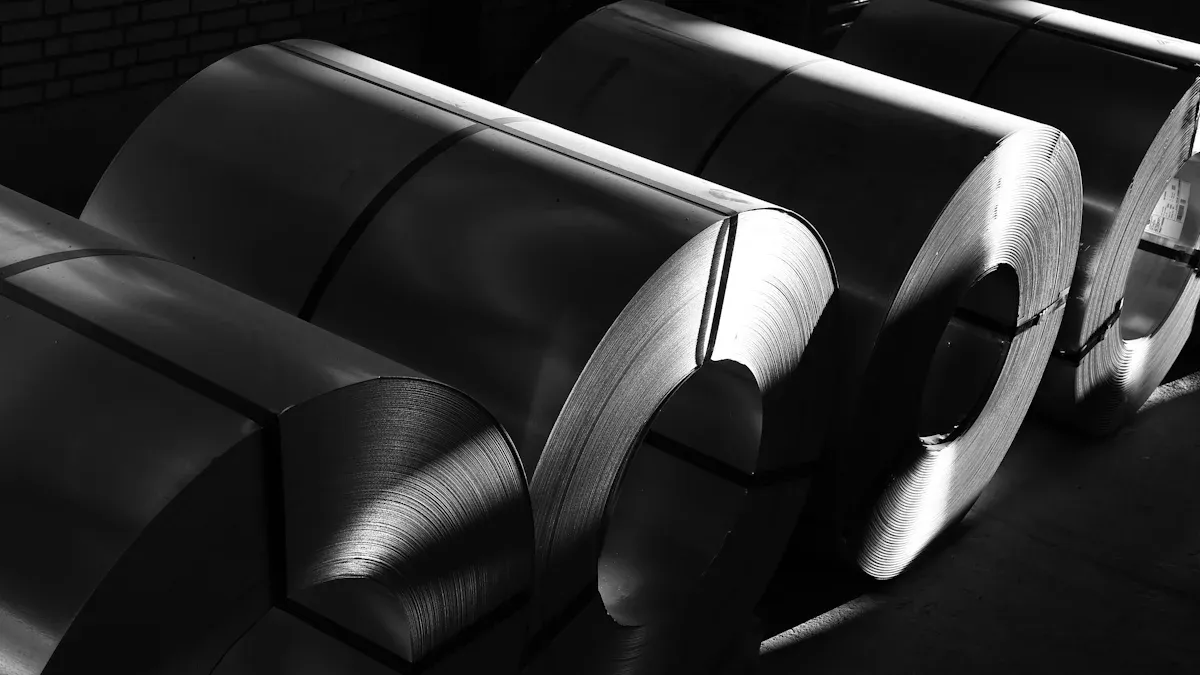
Machining and Fabrication
Machining and fabrication costs significantly impact the overall expenses associated with magnesium alloys compared to aluminum. Magnesium requires specialized techniques for effective fabrication. These techniques often lead to increased manufacturing costs.
- Magnesium is approximately twice as expensive as aluminum per kilogram.
- The hot-chamber die-casting process for magnesium is faster and more economical than the cold-chamber process used for aluminum.
Despite the higher base cost of magnesium, the overall expenses can be influenced by the efficiency of the manufacturing processes employed. The energy consumption during processing also plays a crucial role. Processing magnesium alloys consumes only 70% of the energy required for aluminum alloys. This energy efficiency contributes to reduced overall production costs, making magnesium a more attractive option in certain applications.
Welding and Joining Techniques
Welding and joining techniques for magnesium alloys differ from those used for aluminum. Magnesium's lower melting point and higher reactivity necessitate specific welding methods. Common techniques include:
- TIG (Tungsten Inert Gas) Welding: This method provides excellent control over the heat input, minimizing distortion.
- MIG (Metal Inert Gas) Welding: While faster, MIG welding requires careful management to prevent overheating.
- Friction Stir Welding: This innovative technique offers strong joints without melting the base material.
These specialized techniques can increase labor costs and require skilled operators. Additionally, the need for protective atmospheres during welding adds to the overall expenses.
Surface Treatment Expenses
Surface treatment is essential for enhancing the durability and corrosion resistance of magnesium alloys. The costs associated with surface treatments can vary based on the chosen method. Common treatments include:
- Anodizing: This process increases corrosion resistance but can be more expensive than treatments for aluminum.
- Chromate Conversion Coating: This method provides a protective layer but involves hazardous materials, increasing disposal costs.
- Powder Coating: While effective, this treatment requires careful application to avoid defects.
The choice of surface treatment directly influences the total cost of magnesium alloy components. Manufacturers must weigh the benefits of enhanced performance against the additional expenses incurred.
Application-Specific Costs
Automotive Industry
In the automotive sector, manufacturers increasingly favor magnesium alloys due to their lightweight properties. The cost of magnesium alloys has decreased relative to aluminum since 2004. This shift allows automotive companies to reduce vehicle weight, enhancing fuel efficiency.
- Magnesium alloys can replace aluminum in various components, such as engine blocks and transmission cases.
- The overall cost savings from improved fuel efficiency often outweigh the initial material costs.
As a result, many automotive manufacturers are investing in magnesium technology to meet stringent fuel economy standards.
Aerospace Applications
The aerospace industry also benefits from the unique properties of magnesium alloys. These materials offer significant weight savings, which is crucial for aircraft performance. However, the costs associated with magnesium alloys can be higher due to specialized processing and stringent safety regulations.
- Magnesium alloys are often used in aircraft components, such as seat frames and structural parts.
- The lightweight nature of magnesium contributes to lower operational costs over the aircraft's lifecycle.
Despite the higher initial costs, the long-term benefits of reduced fuel consumption and increased payload capacity make magnesium alloys an attractive option for aerospace applications.
Consumer Electronics
In the consumer electronics market, manufacturers evaluate the cost-effectiveness of magnesium alloys compared to aluminum. The following table illustrates the cost per kilogram and lifecycle cost efficiency of both metals:
| Metal | Cost per Kilogram (USD) | Lifecycle Cost Efficiency |
|---|---|---|
| Aluminum | $2.50 | High |
| Magnesium | $2.00 | Moderate to High |
Magnesium alloys provide a lightweight alternative for devices such as laptops and smartphones. Their lower cost per kilogram makes them appealing for manufacturers looking to balance performance and budget. However, the lifecycle cost efficiency of aluminum remains high, making it a competitive option.
Challenges in Machining Magnesium Alloys
Machining magnesium alloys presents several challenges that can significantly impact overall costs. Understanding these challenges is essential for manufacturers aiming to optimize their production processes.
Tooling and Equipment Costs
Machining magnesium alloys requires specialized tools and equiPment. The initial investment in these tools can be substantial. The following table outlines the primary challenges related to tooling and equipment costs:
| Challenge Type | Description |
|---|---|
| Material Costs | Alloy composition impacts overall expenses. |
| Manufacturing Processes | Die Casting, extrusion, or machining processes have varying cost implications. |
| Finishing and Coating | Additional processes, like anodizing, contribute to costs. |
| Quality Standards | Meeting standards requires additional testing, affecting expenses. |
| Production Volume | Mass production reduces per-unit costs. |
| Tooling and Equipment | Initial costs for specialized tools and equipment contribute. |
| Customization Complexity | Elaborate designs or intricate details may increase costs. |
| Market Conditions | Fluctuations in raw material costs influence expenses. |
| Shipping and Logistics | Transportation considerations contribute to the final cost. |
Investing in high-quality tooling can enhance efficiency and reduce long-term costs. However, the upfront expenses can deter some manufacturers from adopting magnesium alloys.
Safety Considerations
Safety is a critical concern when machining magnesium alloys. The unique properties of magnesium create specific hazards that require careful management. The following table highlights key safety considerations:
| Safety Consideration | Description |
|---|---|
| Fire Hazards | Magnesium shavings and dust are highly flammable and can ignite spontaneously. Proper chip management and fire extinguishing equipment are essential. |
| Tool Wear | Magnesium can cause rapid wear on cutting tools, necessitating the use of specialized tools and maintenance. |
| Heat | The machining process generates heat, which can affect tool and material integrity; thus, cooling techniques are vital. |
| Surface Finish Distortion | Magnesium's susceptibility to heat can lead to distortion, requiring careful handling to maintain surface finish. |
| Avoid Using Water-based Coolants | Water-based coolants can cause corrosion; oil-based or petroleum-based fluids are recommended. |
| Use Explosion-proof Vacuum Cleaners | Specialized vacuum cleaners are necessary to safely collect magnesium chips and prevent ignition. |
| Never Use Water to Extinguish Magnesium Fires | Water can exacerbate magnesium fires; a Class D fire extinguisher is required. |
Addressing these safety concerns often leads to increased operational costs. Manufacturers must invest in training and equipment to mitigate risks effectively.
Waste and Scrap Management
Waste and scrap management also pose challenges in machining magnesium alloys. The generation of scrap material during machining can lead to increased costs. Effective management strategies include:
- Recycling: Implementing recycling programs can help recover valuable materials from scrap.
- Process Optimization: Streamlining machining processes can reduce waste generation.
- Monitoring: Regularly assessing scrap rates can identify areas for improvement.
By focusing on waste reduction, manufacturers can enhance their cost efficiency while promoting sustainability.
Overall Cost Efficiency
Long-Term Durability
Long-term durability plays a crucial role in the overall cost efficiency of magnesium alloys compared to aluminum. Magnesium alloys exhibit a unique combination of lightweight and strength, making them suitable for various applications across industries such as aerospace, automotive, and electronics. Their enhanced strength-to-weight ratio allows manufacturers to create lighter components without sacrificing performance. This advantage is particularly beneficial in sectors where weight reduction is critical.
Magnesium alloys achieve this through solid solution hardening, which improves the alloy's overall strength. Additionally, magnesium reduces specific gravity, making production and transportation more cost-efficient.
Performance vs. Cost
When evaluating performance versus cost, magnesium alloys often present a compelling case. The increased strength and machinability of magnesium-infused aluminum alloys lead to significant cost savings for manufacturers. They can produce stronger and more corrosion-resistant products, which is essential in industries like automotive and marine.
- Magnesium alloys provide:
- Higher strength-to-weight ratio: This allows for lighter designs.
- Improved machinability: This reduces production time and costs.
- Versatility: Suitable for diverse applications, enhancing overall performance.
Despite their higher initial costs, the long-term benefits of magnesium alloys often outweigh these expenses. Manufacturers can achieve better performance while adhering to budget constraints.
Lifecycle Cost Analysis
A lifecycle cost analysis reveals the financial implications of using magnesium alloys versus aluminum. The following table summarizes key factors affecting lifecycle costs:
| Factor | Magnesium Alloys | Aluminum Alloys |
|---|---|---|
| Initial Material Costs | Generally lower initial costs | Higher initial costs |
| Production Emissions | Significantly higher emissions | Lower emissions |
| Recyclability | Less developed recyclability | Higher recycling rate |
| Environmental Impact | Greater overall impact | Lower overall impact |
| Corrosion Resistance | Lower resistance | Higher resistance |
| Weight Savings | Significant weight savings | Moderate weight savings |
| Suitability for Production | Non-structural parts | Structural components |
This analysis indicates that while magnesium alloys may have higher production emissions and lower recyclability, their weight savings and suitability for specific applications can lead to overall cost efficiency.
Despite disruptions in the supply chain, magnesium imports saw a 5% decrease in spot prices, attributed to the availability of secondary magnesium. This trend benefits manufacturers seeking cost-effective solutions.
The cost analysis reveals distinct differences between magnesium alloys and aluminum. Magnesium alloys generally incur higher raw material and processing costs. However, they offer significant advantages in weight-sensitive applications. The following table summarizes key cost factors and their implications:
| Material | Cost Factors | Advantages/Disadvantages |
|---|---|---|
| Aluminum | - Lower raw material cost - Established recycling infrastructure - Fast production cycles due to HPDC | - Cost-effective for high-volume production - Higher density slightly increases costs - Die wear raises maintenance costs |
| Magnesium | - Higher raw material cost - Specialized processing increases expenses - Less developed recycling infrastructure | - Justified in aerospace/premium applications due to weight savings - Limited mass production use due to costs and infrastructure |
For manufacturers, magnesium is ideal for weight-sensitive applications, particularly in premium vehicles where fuel efficiency is critical. In contrast, aluminum remains the preferred choice for mass-market vehicles due to its lower cost and established recycling network.
Looking ahead, the magnesium alloy market is poised for growth, driven by advancements in manufacturing technologies and increasing demand across various sectors. As industries continue to prioritize lightweight materials, magnesium alloys may become more competitive against aluminum.
FAQ
What are the main advantages of magnesium alloys over aluminum?
Magnesium alloys offer a higher strength-to-weight ratio, making them ideal for lightweight applications. They also provide better machinability and corrosion resistance, which can enhance performance in various industries.
Are magnesium alloys more environmentally friendly than aluminum?
Magnesium alloys have a lower recycling rate compared to aluminum. However, their lightweight properties can lead to reduced fuel consumption in applications, potentially offsetting some environmental impacts.
How do processing costs for magnesium alloys compare to those for aluminum?
Processing magnesium alloys typically incurs higher costs due to specialized techniques and equipment. However, energy consumption during processing is lower, which can help mitigate some expenses.
What industries primarily use magnesium alloys?
Magnesium alloys find extensive use in the automotive, aerospace, and consumer electronics industries. Their lightweight properties make them particularly valuable in applications where weight reduction is critical.
Can magnesium alloys be recycled?
Yes, magnesium alloys can be recycled. However, the recycling infrastructure is less developed than that for aluminum, which can complicate the recycling process and increase costs.
What safety concerns exist when machining magnesium alloys?
Machining magnesium alloys poses fire hazards due to flammable shavings and dust. Proper safety measures, including specialized tools and fire extinguishing equipment, are essential to mitigate these risks.
How does the cost of magnesium alloys affect their adoption in manufacturing?
Higher costs can deter manufacturers from adopting magnesium alloys, especially in mass production. However, their benefits in weight-sensitive applications often justify the investment in specific industries.
What is the future outlook for magnesium alloys in various industries?
The future for magnesium alloys appears promising, driven by advancements in manufacturing technologies and increasing demand for lightweight materials. As industries prioritize efficiency, magnesium alloys may become more competitive against aluminum.