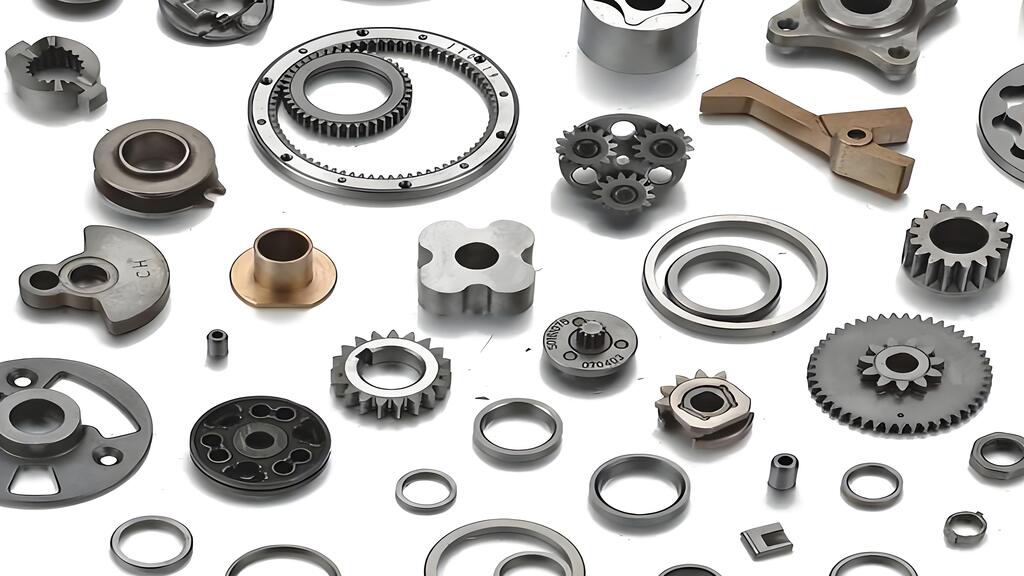
How Much Do Die Casting Parts and Molds Cost
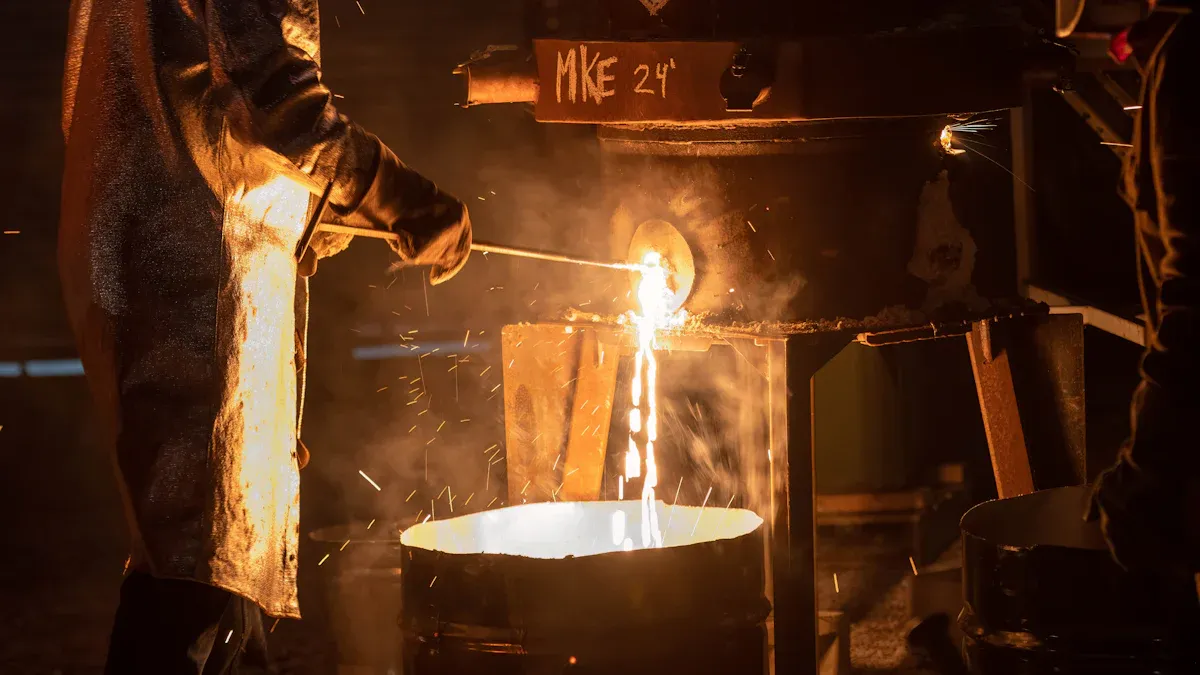
Die casting projects often involve a wide range of costs, influenced by the scale of production. Molds can range from $3,000 to over $150,000, while parts typically cost between $1.00 and $5.00 each. High tooling costs make small production runs economically impractical. However, large-scale production spreads the initial investment over thousands of units, reducing the overall cost per part. This manufacturing method is ideal for bulk production, offering significant savings when high volumes are required. Understanding these factors helps businesses estimate and manage their Die Casting Cost effectively.
Key Takeaways
- Die Casting Prices change based on how much is made, the material used, and how complex the design is. Knowing these helps businesses save money.
- Picking the right material is very important. Each material works differently and affects both how it performs and its price, so choose wisely.
- Making more parts lowers the cost of each piece. Matching production to what people need saves money and time.
- Hiring skilled manufacturers can cut costs and make better products. Their knowledge and tools make work faster and easier.
- Using simple designs lowers tool costs and saves money. Design for Manufacturability (DFM) helps make production cheaper and better.
Factors Influencing Die Casting Cost
Material Selection
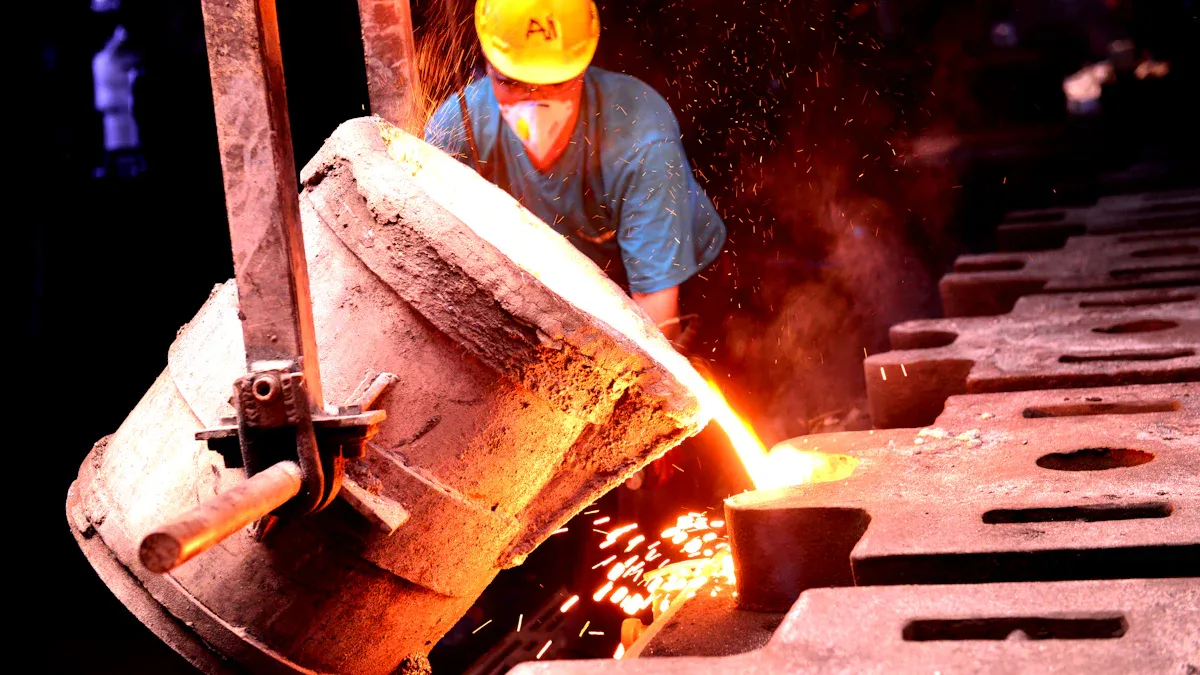
The choice of material plays a critical role in determining the overall die casting cost. Different materials, such as aluminum, zinc, and magnesium alloys, offer varying levels of fluidity, strength, and machinability. For instance:
- Aluminum alloys are widely used due to their lightweight properties and excellent corrosion resistance. However, their mechanical properties can impact performance and cost.
- Zinc alloys, known for their high strength and durability, may require additional machining allowances, increasing expenses.
- Magnesium alloys, while lightweight, often involve higher raw material costs.
Material selection also affects manufacturing costs through factors like melting temperature and compatibility with the die casting process. Companies must carefully evaluate these aspects to balance performance and cost efficiency.
Design Complexity
The complexity of a part's design significantly influences production costs. Intricate designs with tight tolerances or thin walls require advanced tooling and longer machining times. This increases both tooling and labor expenses. Additionally, complex designs may necessitate secondary operations, such as trimming or polishing, further driving up costs. Simplifying the design without compromising functionality can help reduce expenses. Manufacturers often employ design for manufacturability (DFM) principles to optimize designs for cost-effective production.
Production Volume
Production volume directly impacts cost efficiency in die casting. Higher volumes allow manufacturers to achieve economies of scale, reducing the per-unit cost. For example, increasing production volume ensures efficient equipment utilization and minimizes downtime. Robust demand forecasting also helps optimize production schedules, preventing overproduction or shortages.
| Strategy | Impact on Cost Efficiency |
|---|---|
| Increasing production volume | Achieves economies of scale, lowering per-unit costs |
| Meticulous planning | Avoids downtime, ensuring efficient equipment utilization |
| Robust demand forecasting | Optimizes production schedules, preventing over/underproduction |
By aligning production volume with market demand, businesses can maximize cost savings while maintaining quality.
Tooling and Mold Costs
Tooling and mold costs represent a significant portion of the overall die casting cost. These expenses vary based on factors such as mold design complexity, size, material selection, and tooling lifespan. For instance, intricate designs with fine details require advanced engineering, which increases tooling costs. Larger molds, due to their size and material requirements, also tend to be more expensive.
| Factor | Influence on Cost |
|---|---|
| Mold design complexity | Increases tooling costs significantly |
| Size | Larger molds are more expensive |
| Material selection | Different materials have varying costs |
| Tooling lifespan | Affects long-term cost-effectiveness |
| Maintenance costs | Ongoing costs that impact overall pricing |
Tooling costs can range from a few thousand dollars to half a million dollars, depending on these variables. Additionally, the production volume and part complexity influence the total cost. High-volume production often justifies the initial investment by spreading the cost over a larger number of parts. Regular maintenance of molds also plays a crucial role in ensuring long-term cost-effectiveness. Neglecting maintenance can lead to defects, increasing expenses over time.
Post-Processing Requirements
Post-processing requirements significantly impact the final cost of die casting. Processes such as trimming, polishing, and coating are often necessary to achieve the desired finish and functionality. Parts with complex geometries or tight tolerances may require additional machining, which increases labor and equipment costs.
Implementing advanced quality control measures can help reduce post-processing expenses. For example, studies show that using a quality prediction model in die casting can minimize defects by optimizing casting parameters. This reduces the need for extensive post-processing, saving both time and money. Machine learning technologies have proven effective in improving quality while lowering costs in manufacturing.
By managing post-processing requirements efficiently, manufacturers can enhance product quality and reduce overall expenses. This approach ensures that the final product meets specifications without unnecessary cost escalation.
Breakdown of Die Casting Part Costs
Material Costs
Material costs form a significant portion of the overall die casting cost. These costs depend on the type of material, its unit price, and the loss rate during the casting process. For example, aluminum alloys are often preferred for their lightweight properties and corrosion resistance, but their cost varies based on market demand. Zinc and magnesium alloys, while offering unique benefits, may involve higher raw material expenses.
The following table illustrates how material costs vary with production volume:
| Quantity | Unit Price (£) | Tooling Cost (£) |
|---|---|---|
| 500 | 6.91 | 4,992.00 |
| 5000 | 5.18 | 4,992.00 |
| 50000 | 5.18 | 4,992.00 |
As production volume increases, the unit price decreases, making high-volume production more cost-effective. This aligns with the formula for total part cost: Total Part Cost = Kt = Kd/N + Ke + Km, where Kd is the die construction cost, N is the production volume, Km is the material cost, and Ke is the processing cost.
Labor Costs
Labor costs include expenses for production, deburring, inspection, and packaging. These costs typically account for 1.5% of the die-casting blank cost. Factors such as labor rates, employee experience, and the number of hours required for each task influence the total labor expense.
| Factor | Description |
|---|---|
| Cost of Labor Rates | Varies based on job role, experience, and tenure of the employee. |
| Number of Labor Hours | Includes hours for production, inspection, packaging, and processing. |
Efficient workforce management and automation can help reduce labor costs while maintaining quality standards.
Machine and Equipment Costs
Machine and equipment costs include the acquisition value, fixed machine costs, and depreciation over time. These costs are influenced by the type of machinery used, its efficiency, and maintenance requirements. Advanced die casting machines with higher precision may involve higher upfront costs but can reduce long-term expenses by improving yield rates and minimizing defects.
| Cost Component | Description |
|---|---|
| Machine Costs | Includes acquisition value, fixed machine costs, and depreciation period. |
Investing in modern equipment ensures consistent quality and reduces downtime, contributing to overall cost efficiency.
Post-Processing and Finishing Costs
Post-processing and finishing steps are essential in die casting to achieve the desired quality, functionality, and appearance of parts. These processes contribute significantly to the overall die casting cost, as they often involve additional labor, equipment, and materials.
Common post-processing tasks include trimming, deburring, and polishing. Trimming removes excess material, known as flash, from the edges of cast parts. Deburring smooths out sharp edges or burrs that may form during the casting process. Polishing enhances the surface finish, ensuring the part meets aesthetic and functional requirements. Each of these steps requires skilled labor and specialized tools, which increase production expenses.
Finishing processes, such as painting, powder coating, or plating, further enhance the part's durability and appearance. For example, powder coating provides a protective layer that resists corrosion and wear, while plating adds a metallic finish for improved conductivity or aesthetic appeal. These finishing techniques often involve additional material costs and extended production time.
The complexity of the part's geometry and the desired surface quality directly impact post-processing costs. Intricate designs with tight tolerances may require more extensive finishing work, increasing labor and equipment expenses. Manufacturers can reduce these costs by optimizing the design for manufacturability and selecting materials that require minimal finishing.
Investing in advanced automation technologies can also help streamline post-processing tasks. Automated trimming and polishing systems improve efficiency and consistency, reducing labor costs and production time. By carefully managing post-processing and finishing requirements, manufacturers can enhance product quality while controlling expenses.
Tip: Collaborating with experienced manufacturers ensures that post-processing steps are optimized for cost-effectiveness without compromising quality.
Breakdown of Die Casting Mold Costs
Design and Engineering Costs
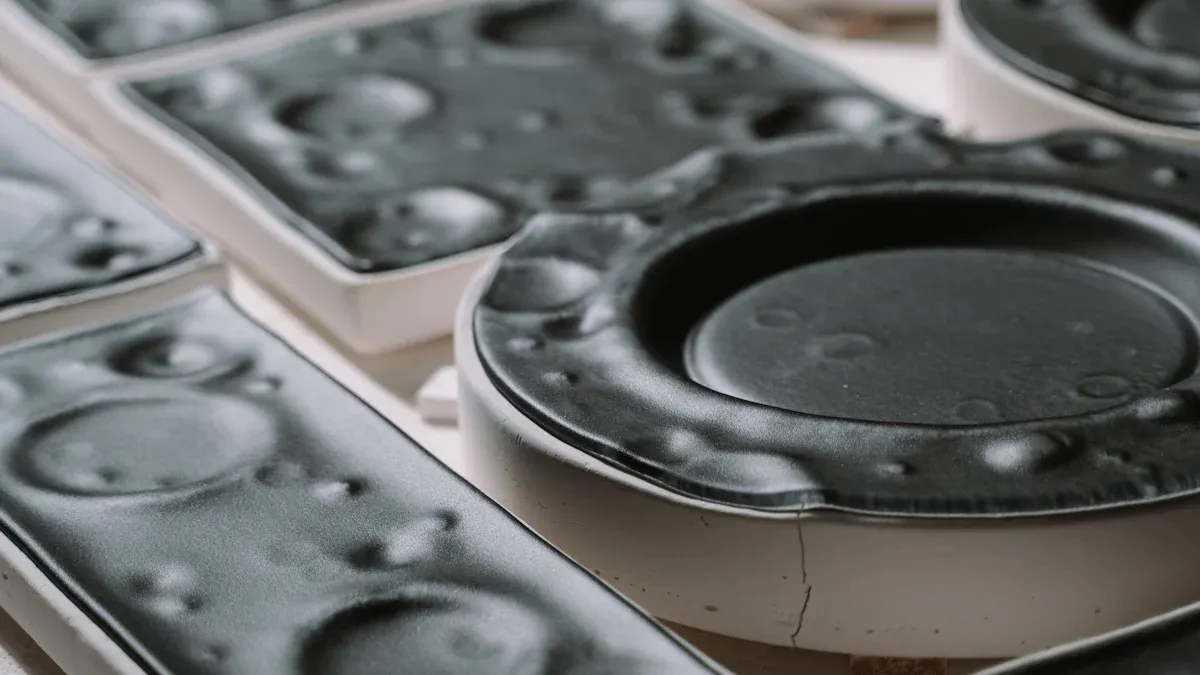
Design and engineering costs form the foundation of die casting mold production. These expenses cover the conceptualization, detailed design, and engineering analysis required to create a functional mold. The complexity of the mold design directly impacts these costs. For instance, intricate geometries or tight tolerances demand advanced engineering tools and expertise, increasing expenses.
Studies highlight the importance of evaluating both technological and economic criteria during the design phase. A life cycle cost model can compare design alternatives, helping manufacturers identify the most cost-effective option. Additionally, integrating tooling design with part production ensures that design decisions align with long-term cost efficiency. This approach minimizes errors and reduces the need for costly modifications later in the process.
Mold Material Costs
Mold material costs significantly influence the overall die casting cost. The choice of material depends on factors such as durability, thermal conductivity, and compatibility with the casting process. Steel is commonly used for high-volume production due to its strength and wear resistance. However, alternative materials like graphite are gaining popularity for medium-volume production. Graphite molds cost about one-fifth as much as steel molds and can be manufactured in a fraction of the time, offering flexibility and reduced financial risk.
Market data reveals that approximately 70% of metal fabricators adjust product prices when raw material costs rise. To mitigate price fluctuations, manufacturers often employ strategies like forward contracts or supply chain diversification. Exploring alternative materials also helps reduce reliance on conventional metals, stabilizing expense forecasts.
Manufacturing and Machining Costs
Manufacturing and machining costs encompass the processes required to fabricate and finish the mold. These include cutting, shaping, and assembling the mold components. Advanced machining techniques, such as CNC milling, ensure precision but may increase upfront costs. However, investing in efficient manufacturing methods can reduce long-term expenses by improving mold performance and lifespan.
For example, using graphite molds and ZA-12 alloy can lower tooling costs and accelerate production. Graphite molds are easier to modify, allowing manufacturers to adapt to design changes without incurring significant delays or expenses. This makes them an economical choice for projects requiring medium production volumes.
Efficient machining processes and material selection play a crucial role in optimizing manufacturing costs. By leveraging modern technologies and strategic planning, manufacturers can achieve high-quality molds while controlling expenses.
Trial and Testing Costs
Trial and testing costs are essential components of die casting mold expenses. These costs arise from the need to validate mold performance and ensure it meets production requirements. Trial molds, which are smaller-scale versions of the final mold, allow manufacturers to identify potential issues before full-scale production begins. This process minimizes the risk of defects and reduces long-term expenses.
On average, trial mold costs account for 3% to 5% of the total die casting cost. The table below provides a breakdown of cost components in mold development:
| Cost Component | Percentage of Total Cost |
|---|---|
| Material Cost | 15%-30% |
| Processing Fee and Profit | 30%-50% |
| Design Fee | 10%-15% |
| Trial Mold | 3%-5% |
| Packing and Transportation Fee | 3% |
| VAT | 17% |
Repairing molds during the trial phase can add 20% to 30% to the contract cost. However, successful trials significantly enhance profitability by ensuring smooth production. Manufacturers often use advanced simulation tools to predict mold performance, reducing the need for extensive physical trials. This approach saves time and resources while maintaining quality standards.
Tip: Collaborating with experienced engineers during the trial phase can help identify design flaws early, minimizing costly revisions.
Transportation and Maintenance Costs
Transportation and maintenance costs also play a crucial role in determining the overall expense of die casting molds. Transportation costs vary based on the mold's weight and the distance to the delivery location. Heavier molds or longer delivery distances result in higher expenses, directly impacting the total cost. For instance, the location of the customer significantly influences the cost of die-casting a product.
Maintenance costs ensure the mold remains functional throughout its lifespan. Regular upkeep prevents defects and extends the mold's usability, reducing the need for costly replacements. However, the type of material used in the mold affects maintenance expenses. Magnesium alloy molds, for example, require higher safety standards, increasing maintenance costs.
To optimize transportation and maintenance expenses, manufacturers often adopt strategies such as local sourcing and predictive maintenance. These methods reduce logistical challenges and ensure molds remain in optimal condition, ultimately lowering the die casting cost.
Note: Efficient logistics planning and proactive maintenance schedules can help manufacturers control costs while ensuring timely delivery and consistent mold performance.
Cost Optimization Strategies
Design for Manufacturability (DFM)
Design for Manufacturability (DFM) focuses on optimizing product designs to simplify the die casting process and reduce costs. By minimizing material usage and complexity, manufacturers can lower production expenses while maintaining functionality. Simplified designs also reduce tooling costs, as fewer intricate details require less advanced molds.
DFM practices enable high-volume manufacturing, producing hundreds of parts per hour with consistent quality. The automated nature of die casting ensures minimal variation, further enhancing cost efficiency. For instance:
- Streamlined designs reduce labor requirements and shorten production times.
- Fewer materials lead to lower raw material expenses.
- Simplified tooling enhances manufacturability, reducing long-term costs.
Tip: Collaborating with experienced engineers during the design phase ensures that DFM principles are effectively applied, maximizing cost savings.
Choosing the Right Material
Selecting the appropriate material is critical for controlling die casting expenses. Each material offers unique advantages, and choosing one that aligns with the product's requirements can significantly reduce costs. For example, zinc alloys often outperform alternatives like steel or magnesium in terms of process costs, precision, and corrosion resistance.
| Material Comparison | Cost Advantages and Benefits |
|---|---|
| Zinc Alloy vs Machined Brass | Lower process costs, less scrap, equivalent tolerances. |
| Zinc Alloy vs Magnesium Diecastings | Better precision, superior stiffness, lower process costs. |
| Zinc Alloy vs Plastic Injection Mouldings | Vastly superior stiffness, lower process costs for thicker components. |
By evaluating material properties and cost benefits, manufacturers can achieve the desired balance between performance and affordability.
Optimizing Production Volume
Production volume plays a pivotal role in determining the overall die casting cost. Higher volumes allow manufacturers to achieve economies of scale, reducing the cost per part. For instance, high-volume production ensures efficient equipment utilization and minimizes downtime.
| Production Volume | Cost per Part |
|---|---|
| Low | High |
| Medium | Moderate |
| High | Low |
Aligning production volume with market demand prevents overproduction and reduces waste. Robust planning and forecasting help manufacturers optimize production schedules, ensuring cost efficiency without compromising quality.
Note: Increasing production volume not only lowers per-unit costs but also enhances profitability in the long run.
Partnering with Experienced Manufacturers
Collaborating with experienced manufacturers can significantly reduce die casting costs while ensuring high-quality results. These professionals bring extensive knowledge, advanced technology, and streamlined processes to the table, which can optimize production efficiency and minimize errors.
Key Benefits of Partnering with Experts
- Technical Expertise: Skilled manufacturers possess in-depth knowledge of die casting materials, processes, and design optimization. Their expertise ensures that parts meet specifications while reducing waste and unnecessary expenses.
- Access to Advanced Equipment: Established manufacturers often invest in state-of-the-art machinery. These tools enhance precision, improve production speed, and lower long-term costs.
- Quality Assurance: Experienced partners implement rigorous quality control measures. This reduces the likelihood of defects and minimizes the need for costly rework or replacements.
- Cost-Effective Solutions: Professionals can recommend cost-saving strategies, such as material substitutions or design adjustments, without compromising functionality.
Tip: Always evaluate a manufacturer’s portfolio and client reviews to ensure they align with your project’s requirements.
How to Choose the Right Manufacturer
Selecting the right partner involves careful consideration of several factors:
- Industry Experience: Look for manufacturers with a proven track record in die casting. Their experience often translates into better problem-solving and process efficiency.
- Capabilities: Assess their ability to handle your project’s complexity, volume, and timeline. Manufacturers with diverse capabilities can adapt to changing needs.
- Certifications: Verify their compliance with industry standards, such as ISO certifications, to ensure consistent quality.
- Communication: Effective communication fosters collaboration and ensures that project goals are met on time and within budget.
Note: Building a long-term relationship with a reliable manufacturer can lead to better pricing, priority service, and improved project outcomes.
By partnering with experienced manufacturers, businesses can achieve cost savings, superior quality, and streamlined production processes. This collaboration is a critical step toward maximizing the value of die casting projects.
Comparison with Alternative Methods
Die Casting vs. CNC Machining
Die casting and CNC machining serve distinct purposes in manufacturing, each excelling in specific applications. Die casting is ideal for high-volume production of complex parts with tight tolerances. It offers faster production speeds and lower per-unit costs compared to CNC machining. CNC machining, on the other hand, provides unmatched precision and flexibility, making it suitable for low-volume runs or intricate designs requiring customization.
Key differences include tooling and production costs. Die casting requires significant upfront investment in molds, ranging from $50,000 to $100,000. However, the lower piece price offsets this cost in large production volumes. CNC machining has lower initial costs but higher per-part expenses due to longer production times and material waste.
Note: Die casting is more cost-effective for large-scale production, while CNC machining is better suited for prototypes or small batches.
Die Casting vs. 3D Printing
Die casting and 3D printing represent two contrasting approaches to manufacturing. Die casting excels in producing durable, high-strength parts at scale, while 3D printing offers unparalleled design flexibility and minimal material waste. The latter is particularly advantageous for prototyping or low-volume production, where customization is key.
However, 3D printing falls short in terms of speed and cost efficiency for mass production. Die casting can produce hundreds of parts per hour, whereas 3D printing is significantly slower. Additionally, the cost per part for 3D printing remains high, especially for metal components, making it less viable for large-scale manufacturing.
| Manufacturing Method | Strengths | Weaknesses |
|---|---|---|
| Die Casting | Fast production, durable parts | High initial tooling costs |
| 3D Printing | Design flexibility, low waste | Slow production, high per-part cost |
Tip: Businesses should consider 3D printing for prototypes and die casting for high-volume production to optimize costs and efficiency.
Die Casting vs. Injection Molding
Die casting and injection molding share similarities, as both rely on molds to produce parts. However, they differ in material compatibility and cost structure. Die casting is primarily used for metal components, while injection molding is ideal for plastics. Tooling costs for injection molding are higher due to the complexity of the molds and systems involved. This makes injection molding more cost-effective only for extremely high production volumes.
| Method | Tooling Costs | Production Volume Impact |
|---|---|---|
| Die Casting | Lower due to simpler molds | Suitable for modest to large volume goods |
| Injection Molding | Higher due to complex molds and systems | Requires high production numbers to be cost-effective |
Die casting offers better material properties, such as strength and durability, making it the preferred choice for metal parts. Injection molding, however, excels in producing lightweight plastic components with intricate designs.
Note: Manufacturers should evaluate material requirements and production volume to determine the most suitable method for their needs.
Die casting cost depends on several factors, including material selection, design intricacy, and production volume. Businesses can significantly reduce expenses by employing cost optimization strategies such as robust design and Design for Manufacturability (DFM). Tools like DFM Concurrent Costing software provide detailed cost breakdowns, analyzing labor, materials, and setup expenses. This enables manufacturers to make informed decisions and present competitive bids.
| Methodology | Description | Impact on Cost Optimization |
|---|---|---|
| Robust Design | Ensures high-quality products despite variations in manufacturing conditions. | Reduces performance variation and optimizes processes. |
| Design of Experiments | Uses statistical methods to evaluate design parameters and outcomes. | Identifies optimal combinations for cost efficiency. |
Seeking quotes or using cost estimation tools ensures accurate budgeting and effective planning for die casting projects. These approaches help businesses achieve cost efficiency without compromising quality.
FAQ
What is the typical lifespan of a die casting mold?
The lifespan of a die casting mold depends on the material and maintenance. Steel molds can last for 100,000 to 1,000,000 shots, while graphite molds are suitable for medium-volume production with shorter lifespans.
How does production volume affect die casting costs?
Higher production volumes reduce the per-unit cost by spreading tooling expenses across more parts. This makes die casting more cost-effective for large-scale manufacturing.
Can die casting produce parts with tight tolerances?
Yes, die casting achieves tight tolerances due to its precision and repeatability. It is ideal for complex designs requiring consistent dimensions and high-quality finishes.
What materials are commonly used in die casting?
Aluminum, zinc, and magnesium alloys are the most common materials. Each offers unique properties, such as lightweight strength (aluminum) or high durability (zinc).
Are there environmental concerns with die casting?
Die casting generates waste, but recycling programs for scrap metal mitigate environmental impact. Advanced technologies also improve energy efficiency during production.
Tip: Collaborating with eco-conscious manufacturers ensures sustainable practices in die casting projects.