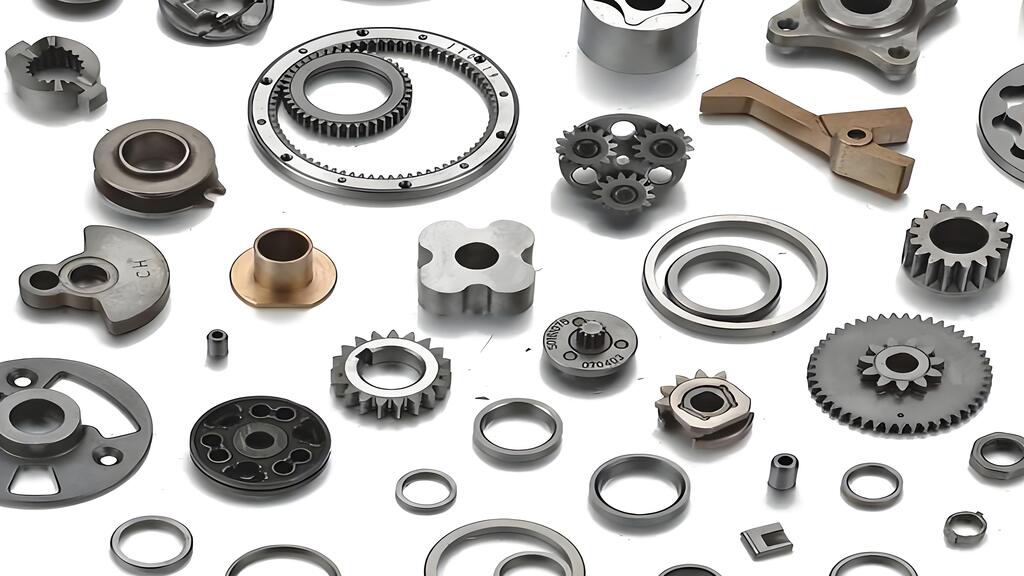


Magnesium casting
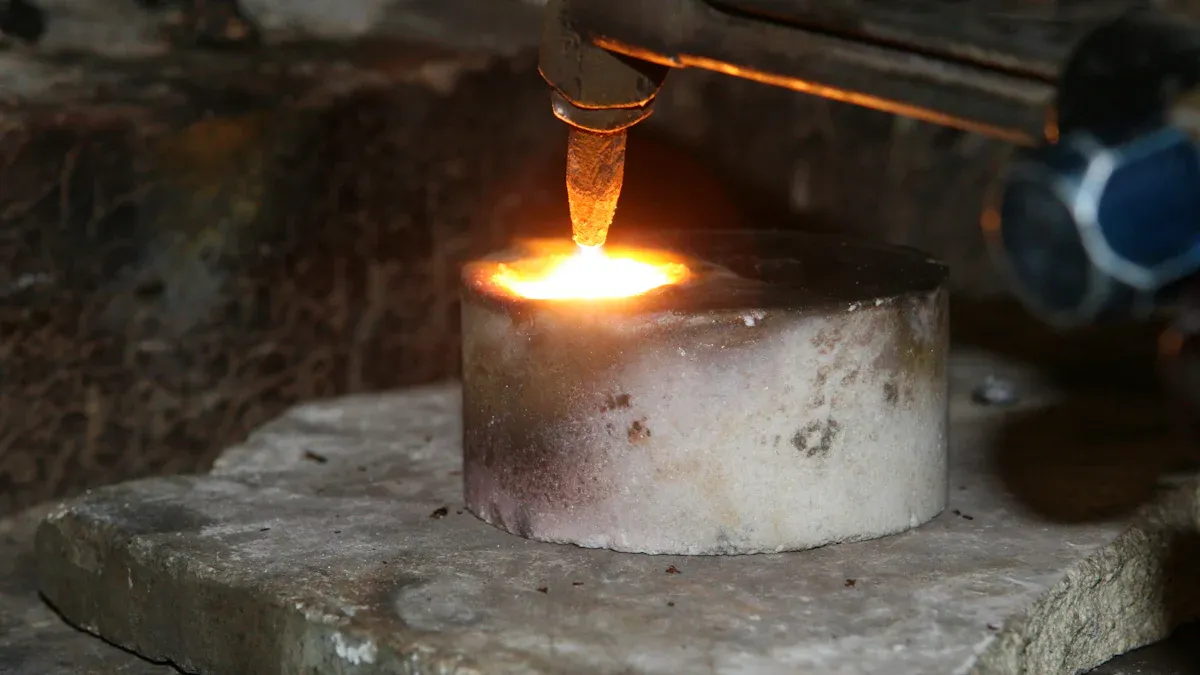
Magnesium casting refers to the process of shaping magnesium alloys into various components through casting techniques. This method plays a crucial role in manufacturing by providing lightweight and durable materials essential for many industries. The global metal magnesium market was valued at USD 4.39 billion in 2021 and is projected to reach USD 6.99 billion by 2030, indicating its growing importance. Notably, magnesium casting finds significant applications in sectors such as automotive, aerospace, electronics, and medical devices, where it enhances performance and efficiency.
Key Takeaways
- Magnesium casting is lightweight, making it ideal for applications where reducing weight is crucial, such as in the automotive industry.
- The strength and durability of magnesium alloys allow them to withstand demanding conditions, with tensile strengths reaching up to 40,000 psi.
- Corrosion resistance can be enhanced through surface treatments like anodizing and plasma electrolytic oxidation, improving the longevity of magnesium components.
- Cost-effectiveness is a major advantage, as magnesium casting processes often result in faster production times and lower energy consumption.
- Magnesium casting contributes positively to environmental sustainability, with a lower carbon footprint compared to other metal casting processes.
- Common applications include automotive parts, aerospace components, electronics enclosures, and medical devices, showcasing magnesium's versatility.
- Challenges such as flammability risks and achieving dimensional accuracy must be managed to ensure safe and effective magnesium casting.
- Recycling magnesium castings can be complex due to contamination issues, but improving sorting technologies can enhance recycling efficiency.
Benefits of Magnesium Casting
Lightweight Properties
Magnesium casting offers significant advantages due to its lightweight properties. With a density of only 1.8 g/cm³, magnesium is considerably lighter than aluminum, which has a density of 2.7 g/cm³. This difference makes magnesium an ideal choice for applications where weight reduction is critical. For instance, automotive manufacturers have achieved remarkable weight reductions in various components by utilizing magnesium casting.
- Weight Reduction Examples:
- Engine cradle: 12 pounds lighter (General Motors, Z06 Corvette)
- Liftgate: Weight reduction not specified (Ford Motor Company, 2010 Lincoln MKT)
- Instrument panel: Weight reduction not specified (Chrysler Group, Jeep Grand Cherokee)
- Crankcases and cylinder covers: Weight reduction not specified (BMW, N52 engine)
By reducing weight, magnesium casting enhances fuel efficiency and improves vehicle dynamics, making it a preferred material in the automotive industry.
Strength and Durability
In addition to being lightweight, magnesium casting exhibits impressive strength and durability. Cast magnesium alloys can achieve tensile strengths up to approximately 40,000 pounds per square inch (≈280 MPa). Specific alloys, such as AZ91D and AM60B, demonstrate tensile strengths of 34 ksi (approximately 234 MPa) and 32 ksi (approximately 220 MPa), respectively. These properties make magnesium suitable for demanding applications where strength is essential.
| Alloy | Tensile Strength (ksi) | Tensile Strength (MPa) |
|---|---|---|
| AZ91D | 34 | 234 |
| AM60B | 32 | 220 |
However, it is important to note that magnesium castings exhibit lower fatigue resistance compared to aluminum castings. This characteristic may limit their use in applications that require handling dynamic and cyclic loads effectively.
Corrosion Resistance
Corrosion resistance is another critical benefit of magnesium casting. While magnesium alloys like AZ91D and AZ31B can show higher corrosion rates in marine environments, they still offer advantages in less corrosive settings. For example, the corrosion rate of AZ91D in marine conditions can be approximately twice that in urban or rural environments.
- Corrosion Rate Insights:
- After three months in a dynamic marine atmosphere, the corrosion rate of AZ91 was 48.08 μm/y, stabilizing at 32.50 μm/y after twelve months.
- The corrosion rate in marine environments can be five to eight times higher than in static marine environments.
To enhance corrosion resistance, various surface treatments are effective. Techniques such as anodizing, thermal spray coating, and plasma electrolytic oxidation (PEO) provide superior protection against corrosion. PEO, in particular, has been shown to outperform traditional chrome-based methods, making it a valuable option for improving the longevity of magnesium castings.
- Effective Surface Treatments:
- Anodizing
- Thermal spray coating
- Plasma electrolytic oxidation (PEO)
- Electroplating
- Chemical plating
Cost-Effectiveness
Cost-effectiveness stands out as a significant advantage of magnesium casting, particularly in mass production scenarios. Several factors contribute to this economic benefit:
- Faster Casting Cycles: Magnesium casting processes often result in quicker production times. This efficiency leads to increased output and lower overall manufacturing costs.
- Lower Working Temperatures: The casting of magnesium alloys typically occurs at reduced temperatures compared to other metals. This characteristic not only saves energy but also extends the lifespan of the die used in the casting process.
- Durable Machining Tools: The longevity of machining tools used for magnesium casting enhances productivity. Longer-lasting tools reduce the frequency of replacements, further driving down costs.
These factors collectively make magnesium casting a financially viable option for manufacturers looking to optimize their production processes.
Environmental Impact
The environmental impact of magnesium casting is increasingly relevant in today's manufacturing landscape. The carbon footprint associated with magnesium casting is notably lower than that of many other metal casting processes. For instance, the ULTRA CLEAN Process developed by Tech Magnesium reduces the carbon footprint of magnesium to approximately 5.97 kg CO2 per kg of magnesium. In comparison, the cleanest aluminum plants produce between 3.9 to 5.2 kg CO2 per kg. However, when considering weight savings, the effective carbon footprint can drop to as low as 4.5 kg CO2 per part, making magnesium casting a more sustainable choice.
| Process Type | Carbon Footprint (kg CO2 per kg) |
|---|---|
| Magnesium (ULTRA CLEAN Process) | 5.97 |
| Cleanest Aluminum Plants | 3.9 to 5.2 |
| Average Magnesium Production in China | >20 |
Recycling also plays a crucial role in enhancing the sustainability of magnesium casting. The recycling of magnesium castings can yield substantial environmental benefits, including:
- Energy savings of up to 31 billion GJ.
- Water savings reaching up to 2.7 km³.
- Mitigation of greenhouse gas emissions by up to 3 billion tonnes CO2 equivalent globally.
These factors highlight the potential of magnesium casting to contribute positively to environmental sustainability while meeting the demands of modern manufacturing.
The Magnesium Casting Process
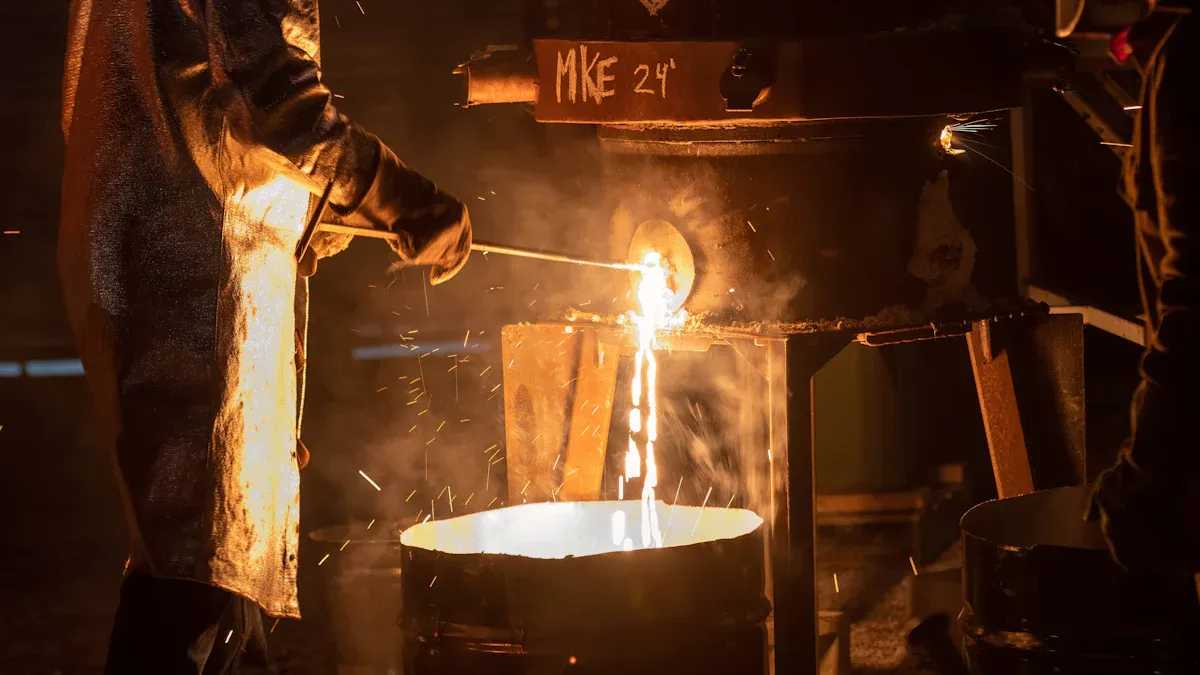
The magnesium casting process involves several critical steps that ensure the production of high-quality components. This section outlines the preparation of materials, molding techniques, and cooling and finishing methods essential for successful magnesium casting.
Preparation of Materials
Alloy Selection
Selecting the right magnesium alloy is crucial for achieving desired mechanical properties and performance characteristics. Commonly used magnesium alloys in casting include:
- AZ63
- AZ81
- AZ91
- AM50
- AM60
- ZK51
- ZK61
- ZE41
- ZC63
- HK31
- HZ32
- QE22
- QH21
- WE54
- WE43
- Elektron 21
These alloys exhibit various properties, such as proof stress ranging from 75 to 200 MPa, tensile strength between 135 and 285 MPa, and a density of 1.8 g/cm³. Choosing the appropriate alloy depends on the specific application requirements.
Melting Techniques
Melting techniques play a vital role in the preparation of magnesium casting materials. Manufacturers often utilize two primary methods:
- Induction Melting: This method provides precise temperature control and minimizes contamination. It is suitable for high-quality castings.
- Resistance Melting: This technique is more cost-effective for smaller production runs but may introduce impurities.
Quality control measures during this stage include material selection and testing, mold design and preparation, process monitoring, and post-casting inspections. These measures ensure that the materials meet specifications and that the final products adhere to industry standards.
Molding Techniques
Die Casting
Die Casting is a widely used method for producing magnesium components. This technique involves forcing molten magnesium into a mold under high pressure. Key advantages of die casting include:
- Rapid Production: Die casting allows for quick cycle times, making it ideal for high-volume production.
- Intricate Shapes: This method enables the creation of complex geometries with thin walls.
However, die casting comes with higher initial tooling costs, which can be offset by lower per-part costs in large production runs.
Sand Casting
Sand casting is another popular technique for magnesium alloys. This method involves creating a mold from sand and pouring molten magnesium into it. Key features of sand casting include:
- Lower Initial Costs: Sand casting requires less expensive tooling compared to die casting.
- Design Flexibility: This method is better suited for larger parts with simpler geometries.
Despite its advantages, sand casting typically results in rougher surfaces that may require additional finishing processes.
| Feature | Die Casting | Sand Casting |
|---|---|---|
| Tooling Costs | Higher initial costs, lower per-part costs for high volume | Lower initial costs, higher per-part costs due to finishing |
| Design Flexibility | Allows intricate shapes and thin walls | Better for larger parts with simpler geometries |
| Surface Finish | Superior surface quality | Rougher surfaces requiring post-processing |
| Production Speed | Rapid production, ideal for high volume | Longer lead times due to manual labor |
| Material Selection | Specializes in alloys, no ferrous metals | Wider range of metals and alloys available |
Cooling and Finishing
Cooling Methods
Cooling rates significantly influence the microstructure and mechanical properties of magnesium castings. Optimal cooling rates enhance nucleation, resulting in finer grain sizes. Key insights include:
- Higher cooling rates (e.g., 13.5 °C/s) lead to smaller average grain sizes of 6–12 µm.
- Slower cooling rates allow for larger grain growth, which can affect the material's strength and ductility.
Manufacturers must carefully control cooling rates to achieve the desired properties in the final product.
Surface Treatments
Finishing techniques are essential for improving the surface quality of magnesium castings. Effective methods include:
| Technique | Description |
|---|---|
| Sand or Grit Blasting | New castings should be sand or grit blasted to prepare the surface for further treatment. |
| Sulfuric Acid Pickling | Castings should be pickled for 10 - 15 seconds to remove surface contaminants and improve quality. |
| Electroless Nickel Plating | Provides enhanced physical and chemical properties to magnesium substrates. |
| Anodizing | Improves corrosion resistance and surface quality of magnesium castings. |
These treatments not only enhance the aesthetic appeal but also improve the durability and performance of magnesium components.
Common Applications of Magnesium Casting

Automotive Industry
Magnesium casting plays a pivotal role in the automotive industry. Manufacturers utilize magnesium components to achieve significant weight reductions, which directly enhances fuel efficiency. A 10% reduction in vehicle weight can lead to a 7% improvement in fuel economy. This lightweighting contributes to improved performance attributes, such as acceleration and braking.
- Key Benefits:
- A 10% weight reduction can lead to a 13.7% increase in electric range.
- Reducing vehicle weight decreases the amount of battery needed, further lowering overall weight and cost.
Magnesium Die-Castings provide substantial mass reduction opportunities. Their lightweight nature, combined with excellent strength-to-weight ratios, allows for part consolidation and near net-shape forming. These characteristics are crucial for enhancing vehicle performance and efficiency.
Aerospace Sector
In the aerospace sector, magnesium casting is essential for producing lightweight structural components. Magnesium alloys offer impressive strength while maintaining a low weight, which is critical for fuel efficiency in aircraft. The aviation industry's growth has increased the demand for lightweight materials, as lighter aircraft lead to reduced fuel costs.
| Advantage | Description |
|---|---|
| Strength-to-weight ratio | Magnesium alloys provide impressive strength while being lightweight. |
| Lightweighting | Reducing the weight of components is essential for fuel efficiency. |
| Safety and performance standards | Magnesium alloys meet stringent aerospace safety and performance requirements. |
Recent advancements in magnesium alloys have focused on improving their safety and reliability. These develoPments expand their applications in aerospace, allowing manufacturers to meet high mechanical properties and corrosion resistance standards.
Electronics Manufacturing
Magnesium casting significantly impacts the electronics manufacturing sector. It allows for the production of lightweight and strong electronic enclosures, which are crucial for miniaturization. For instance, magnesium frames in smartphones can reduce weight by up to 20%, enhancing portability and comfort.
- Performance Enhancements:
- Magnesium's high thermal conductivity aids in effective heat management, essential for compact electronic designs.
- CPU temperature decreased by 12°C, while GPU temperature dropped by 15°C, enhancing performance during intense gaming sessions.
These advantages make magnesium casting a preferred choice for manufacturers aiming to create efficient, high-performance electronic devices.
Medical Devices
Magnesium casting plays a vital role in the medical device industry. Manufacturers utilize magnesium alloys to create lightweight and durable components essential for various medical applications. The unique properties of magnesium make it an ideal choice for devices that require both strength and reduced weight.
- Key Applications:
- Surgical instruments
- Prosthetics
- Orthopedic implants
- Diagnostic equipment
The lightweight nature of magnesium allows for easier handling during surgical procedures. Additionally, magnesium's biocompatibility makes it suitable for implants. Research indicates that magnesium can promote bone growth, making it a promising material for orthopedic applications.
Tip: Magnesium implants can gradually dissolve in the body, reducing the need for additional surgeries to remove them. This characteristic enhances patient comfort and recovery.
Consumer Products
In the consumer products sector, magnesium casting has gained popularity due to its lightweight and aesthetic appeal. Manufacturers leverage magnesium alloys to produce various items, from sporting goods to household appliances. The use of magnesium in consumer products offers several advantages.
- Common Uses:
- Laptops and smartphones
- Camera bodies
- Power tools
- Sporting equipment
The lightweight properties of magnesium contribute to improved portability in electronic devices. For instance, magnesium frames in laptops can reduce overall weight by up to 20%. This reduction enhances user experience, especially for individuals who frequently travel.
| Product Type | Weight Reduction (%) | Benefits |
|---|---|---|
| Laptops | Up to 20% | Increased portability |
| Smartphones | Up to 15% | Enhanced comfort and usability |
| Power Tools | Up to 25% | Reduced fatigue during use |
Moreover, magnesium's excellent thermal conductivity aids in heat dissipation, which is crucial for electronic devices. This property helps maintain optimal operating temperatures, enhancing performance and longevity.
Challenges in Magnesium Casting
Flammability Risks
Flammability poses a significant challenge in magnesium casting. Magnesium can ignite easily, especially when exposed to high temperatures or fine particles. To mitigate these risks, manufacturers must implement strict safety protocols. Key measures include:
- Ensuring the melting area is well-ventilated to remove combustible gases.
- Using specially designed melting furnaces with advanced safety features and automated temperature control.
- Having dry powder extinguishers available for magnesium fires; water should never be used.
- Storing magnesium alloy materials in a dry, well-ventilated area, away from flammable materials.
- Utilizing appropriate personal protective equipment (PPE) such as heat-resistant gloves, flame-resistant clothing, safety goggles, and respirators.
- Implementing proper mold design and preparation to prevent reactions with moisture.
- Conducting comprehensive safety training for all employees involved in magnesium casting.
These precautions help create a safer working environment and reduce the likelihood of accidents.
Dimensional Accuracy
Achieving dimensional accuracy in magnesium castings can be challenging. Several factors contribute to inaccuracies during the casting process. Understanding these causes is essential for manufacturers aiming to produce high-quality components. The following table outlines common causes of dimensional inaccuracies:
| Cause | Description |
|---|---|
| Mold Design | Proper mold design is crucial, accounting for the shrinkage characteristics of the magnesium alloy. |
| Melting and Pouring Process | Control of melting temperature is essential to prevent oxidation and ensure proper flow into the mold. |
| Solidification and Cooling | Uneven cooling can lead to internal stresses, causing warping and distortion in the casting. |
| Quality Control | Comprehensive quality control systems, including non-destructive testing, help identify defects early. |
By addressing these factors, manufacturers can enhance the precision of their magnesium castings, leading to improved performance and reliability in final products.
Tooling Costs
Tooling costs represent another challenge in magnesium casting. The initial investment for molds and dies can be substantial, particularly for die casting processes. Manufacturers must consider several aspects when evaluating tooling costs:
- Material Selection: High-quality materials for molds can increase durability but also raise costs.
- Design Complexity: Intricate designs may require more sophisticated tooling, leading to higher expenses.
- Production Volume: While initial costs are high, larger production runs can reduce per-part costs, making it more economical over time.
Despite these challenges, manufacturers often find that the long-term benefits of magnesium casting, such as weight reduction and enhanced performance, outweigh the initial tooling investments. By carefully managing tooling costs, companies can optimize their production processes and maintain competitiveness in the market.
Recycling Issues
Recycling magnesium castings presents several challenges that hinder efficiency and effectiveness. One significant issue is the contamination of post-consumer scrap. Contaminants can arise from various sources, including coatings, other metals, and impurities introduced during the manufacturing process. This contamination complicates the recycling process and often results in lower-quality recycled materials.
The recycling rate for magnesium remains low. Reports indicate that over 50% of functional magnesium is lost to non-functional recycling. This loss occurs when scrap material is not adequately sorted or processed, leading to waste. The high production costs associated with magnesium alloy die casting further exacerbate this issue. Manufacturers often find it economically unfeasible to invest in recycling technologies, which limits the development of efficient recycling systems.
Environmental concerns also play a crucial role in recycling magnesium alloys. The end-of-life stage of these materials raises questions about their impact on the environment. As magnesium alloys degrade, they can release harmful substances, complicating recycling efforts. Addressing these environmental concerns requires advancements in recycling technologies and processes.
To improve recycling efficiency, manufacturers must focus on enhancing scrap sorting technologies. Effective sorting can significantly increase the quality of recycled magnesium, making it more viable for reuse in new products. The need for better sorting methods is critical, as it directly influences the overall recycling rates of magnesium alloys.
Regulatory challenges also impact the recycling process. Compliance with environmental regulations can create barriers to the development and implementation of recycling technologies. Manufacturers must navigate these regulations while striving to improve their recycling practices.
Comparison with Other Casting Methods
Magnesium vs. Aluminum Casting
Magnesium and aluminum casting each have unique advantages and applications. Here are some key comparisons:
- Tensile Strength and Ductility: Aluminum generally offers higher tensile strength and ductility. This makes aluminum more versatile for complex load applications.
- Weight Sensitivity: Magnesium excels in weight-sensitive applications. It provides similar stiffness at a lower density, making it ideal for components where reducing weight is critical.
- Industry Preferences: The automotive industry favors lightweight materials for improved fuel efficiency. Magnesium is attractive for structural components, while aluminum remains dominant for engine blocks and body panels due to its superior strength and corrosion resistance.
Magnesium vs. Zinc Casting
Zinc casting also presents a viable alternative to magnesium casting. The following points highlight their differences:
- Weight: Magnesium is significantly lighter than zinc, making it preferable for applications where weight reduction is essential.
- Mechanical Properties: Zinc alloys typically exhibit better corrosion resistance and higher strength than magnesium alloys. This makes zinc suitable for applications requiring durability in harsh environments.
- Cost Considerations: Zinc casting often incurs lower production costs due to its simpler processing techniques. However, magnesium's weight advantage can lead to overall cost savings in fuel efficiency for transportation applications.
Magnesium vs. Iron Casting
Iron casting, particularly gray iron, has been a staple in manufacturing for decades. Here’s how magnesium compares:
- Weight and Density: Magnesium is much lighter than iron. This weight difference can significantly impact applications in the automotive and aerospace industries, where reducing weight enhances performance.
- Strength-to-Weight Ratio: Magnesium alloys provide a superior strength-to-weight ratio compared to iron. This characteristic allows manufacturers to design lighter components without sacrificing strength.
- Corrosion Resistance: Iron is prone to rusting, while magnesium can be treated to improve its corrosion resistance. This makes magnesium a more suitable choice for applications exposed to moisture or corrosive environments.
Magnesium vs. Investment Casting
Magnesium casting and investment casting serve distinct purposes in manufacturing. Each method has unique advantages and applications, making them suitable for different industries. Understanding their differences helps manufacturers choose the right process for their needs.
Key Differences:
-
Material Properties:
- Magnesium casting primarily utilizes magnesium alloys, known for their lightweight and high strength-to-weight ratio.
- Investment casting can accommodate a broader range of materials, including steel, aluminum, and titanium, allowing for greater versatility.
-
Production Process:
- Magnesium casting often employs die casting or sand casting techniques, which involve pouring molten magnesium into molds.
- Investment casting, also known as lost-wax casting, involves creating a wax pattern, coating it with a ceramic shell, and then melting away the wax to form a mold.
-
Dimensional Accuracy:
- Magnesium casting typically achieves good dimensional accuracy but may require additional finishing processes to meet tight tolerances.
- Investment casting excels in producing intricate shapes with high precision, making it ideal for components requiring exact specifications.
-
Surface Finish:
- Magnesium castings may exhibit rougher surfaces, necessitating post-processing treatments to enhance aesthetics and performance.
- Investment castings generally provide superior surface finishes, reducing the need for extensive finishing work.
-
Cost Considerations:
- Magnesium casting can be more cost-effective for high-volume production due to faster cycle times and lower material costs.
- Investment casting often incurs higher initial costs due to the complexity of the process and tooling. However, it can be economical for low-volume production of complex parts.
Applications:
-
Magnesium Casting:
- Commonly used in the automotive and aerospace industries for lightweight structural components.
- Ideal for applications where weight reduction is critical, such as engine cradles and housings.
-
Investment Casting:
- Widely used in industries requiring high precision, such as aerospace, medical devices, and military applications.
- Suitable for producing complex geometries, including turbine blades and intricate mechanical parts.
Tip: When selecting between magnesium casting and investment casting, consider factors such as material requirements, production volume, and desired precision. Each method has its strengths, and the right choice can significantly impact product performance and manufacturing efficiency.
Magnesium casting offers numerous benefits, including lightweight properties, strength, and cost-effectiveness. These advantages make it a preferred choice in various industries. Looking ahead, several trends will shape the future of magnesium casting:
- Increasing demand for lightweight components in electric vehicles (EVs).
- Adoption of sustainable practices in manufacturing processes.
- Growing market for post-consumer recycled magnesium alloys.
- Integration of AI in production processes to enhance precision and efficiency.
- Advancements in casting techniques, such as high-pressure die casting, have made it possible for intricate designs.
As manufacturers focus on sustainability, magnesium alloys will play a vital role in circular economy strategies. Their recyclability and lower energy requirements for secondary production will drive innovation. Overall, magnesium casting remains significant in modern manufacturing, supporting advancements in technology and environmental responsibility.
FAQ
What is magnesium casting?
Magnesium casting involves shaping magnesium alloys into components using various casting techniques. This process is essential for producing lightweight and durable parts for industries like automotive and aerospace.
Why is magnesium preferred in manufacturing?
Manufacturers prefer magnesium due to its lightweight properties, high strength-to-weight ratio, and excellent corrosion resistance. These characteristics enhance performance and fuel efficiency in applications.
What are the common methods of magnesium casting?
Common methods include die casting and sand casting. Die casting allows for rapid production of complex shapes, while sand casting is more cost-effective for larger, simpler parts.
How does magnesium casting compare to aluminum casting?
Magnesium casting is lighter than aluminum casting, making it ideal for weight-sensitive applications. However, aluminum generally offers higher tensile strength and better corrosion resistance.
What safety measures are necessary for magnesium casting?
Safety measures include proper ventilation, using specialized melting furnaces, and having dry powder extinguishers on hand. Workers should wear appropriate personal protective equipment (PPE) to minimize risks.
Can magnesium castings be recycled?
Yes, magnesium castings can be recycled. However, contamination from coatings and other metals can complicate the recycling process. Improved sorting technologies can enhance recycling efficiency.
What industries benefit from magnesium casting?
Industries such as automotive, aerospace, electronics, medical devices, and consumer products benefit from magnesium casting. Its lightweight and durable properties make it suitable for various applications.
What challenges does magnesium casting face?
Challenges include flammability risks, achieving dimensional accuracy, high tooling costs, and recycling issues. Addressing these challenges is crucial for optimizing magnesium casting processes.