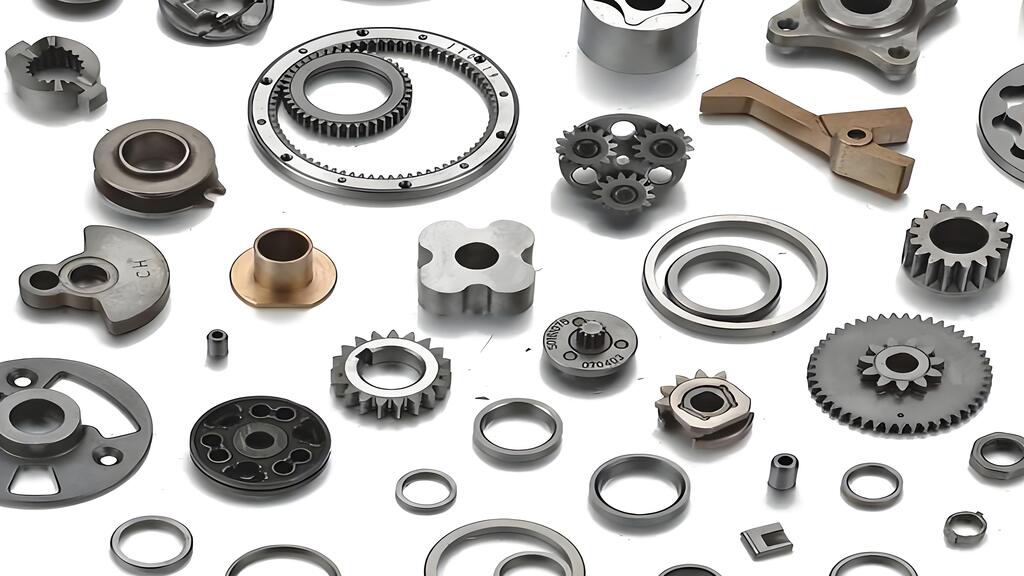


Medical Applications of Magnesium Alloy: Biodegradable Implants

Magnesium alloys serve a pivotal role in the develoPment of biodegradable implants. These materials are primarily utilized in orthopedic devices like bone plates and screws. Their mechanical properties closely resemble those of human bone, promoting effective integration and accelerated healing.
The significance of biodegradability in medical applications cannot be overstated. Biodegradable implants foster new tissue growth while gradually disintegrating, creating essential space for healing. This process eliminates the need for secondary surgeries and reduces long-term complications, enhancing patient comfort and lowering health risks.
Interest in magnesium alloys is on the rise, driven by advancements in surgical techniques and the increasing prevalence of conditions requiring implants. The demand for these innovative materials continues to grow, particularly in orthopedic and cardiovascular applications.
Key Takeaways
- Magnesium alloys are ideal for biodegradable implants due to their similarity to human bone, promoting better integration and healing.
- These implants reduce the need for secondary surgeries, enhancing patient comfort and lowering healthcare costs.
- Magnesium alloys exhibit excellent biocompatibility, making them safe for use in the human body and promoting tissue regeneration.
- The mechanical properties of magnesium alloys, such as yield strength and ductility, ensure they can withstand biomechanical forces during healing.
- Corrosion behavior is crucial; magnesium alloys degrade at a controlled rate, matching the healing process of surrounding tissues.
- Innovations in alloy composition and coating technologies are improving the performance and longevity of magnesium implants.
- Research shows that magnesium alloy implants can fully resorb within 6 to 24 months, aligning with natural healing timelines.
- Ongoing studies aim to address challenges like corrosion control and long-term biocompatibility to enhance the safety of magnesium alloys.
Properties of Magnesium Alloys
Physical Characteristics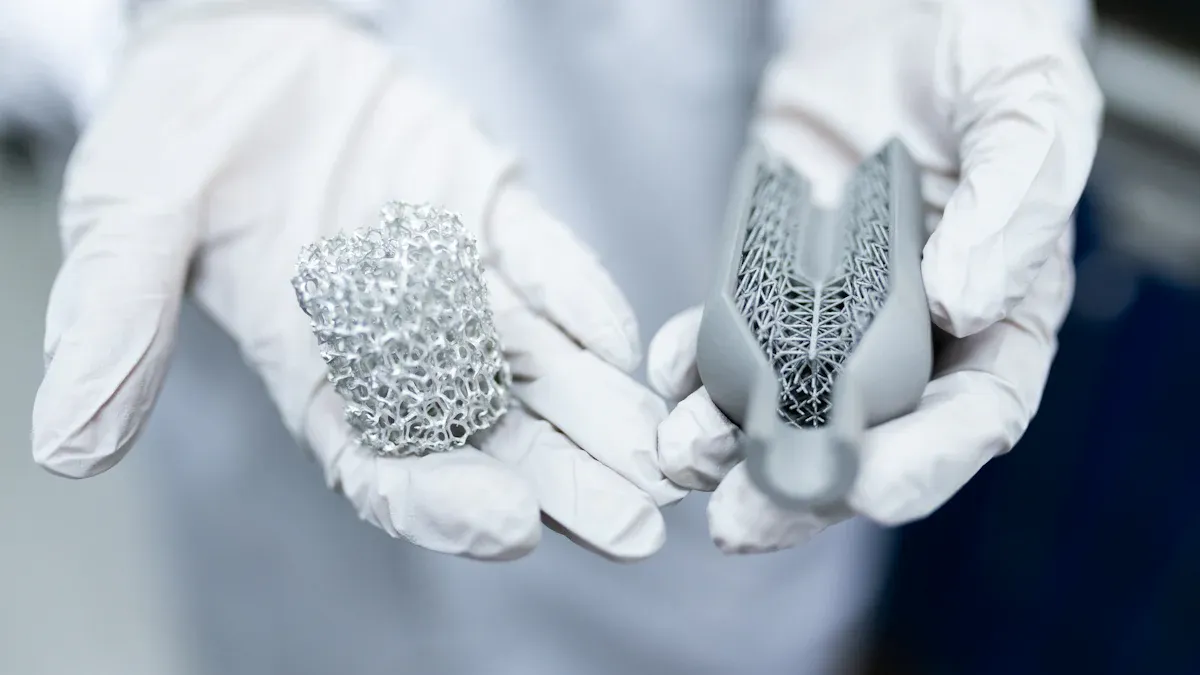
Magnesium alloys possess several key physical characteristics that enhance their suitability for medical applications. These materials exhibit favorable corrosion tendencies, which are crucial for their performance in biodegradable implants. Notably, magnesium alloys demonstrate significant biological characteristics that improve their compatibility with human tissues.
- Corrosion Resistance: Magnesium alloys show better corrosion resistance in environments like artificial saliva due to the formation of protective films. This characteristic is vital for maintaining implant integrity during the healing process.
- Density and Elastic Modulus: These alloys closely resemble natural bone, making them an excellent choice for orthopedic applications. Their density and elastic modulus align well with human bone, promoting effective integration.
Biocompatibility
Biocompatibility is a critical factor in the selection of materials for medical implants. Magnesium alloys exhibit outstanding biocompatibility, making them suitable for use in the human body. Research indicates that these materials closely mimic the biological environment, which enhances their acceptance by surrounding tissues.
| Material | Cell Viability Day 1 (%) | Cell Viability Day 21 (%) |
|---|---|---|
| Mg2Ag | 113.4 ± 29.8 | 98.5 ± 12.0 |
| Pure Mg | 93.4 ± 25.3 | 24.0 ± 19.5 |
| Mg10Gd | N/A | Impaired |
| WE43 | N/A | Impaired |
Magnesium and its alloys have gained significant attention over the past two decades as promising options for temporary implants. Their biodegradability and good biocompatibility make them highly preferable compared to other materials.
Mechanical Properties
The mechanical properties of magnesium alloys are essential for their effectiveness in biodegradable implants. These properties include:
- Elastic Modulus: This property is important for energy absorption and shape retention during the healing process.
- Yield Strength: Magnesium alloys must withstand biomechanical forces without failure.
- Ultimate Tensile Strength (UTS): A UTS of around 200 MPa is necessary for effective load-bearing applications.
- Ductility: This characteristic allows for bending fixtures to fit properly, ensuring optimal placement within the body.
The biodegradability of magnesium alloys is a significant advantage, as it eliminates the need for a second surgery to remove the implant. Studies have shown that the degradation of magnesium in the body is harmless, making it a promising option for orthopedic applications.
Corrosion Behavior
Corrosion behavior plays a crucial role in the performance of magnesium alloys used in biodegradable implants. Understanding how these materials interact with bodily fluids is essential for ensuring their effectiveness and safety.
Magnesium alloys corrode in a predictable manner, which can be advantageous in medical applications. The corrosion process involves several key factors:
- Electrochemical Reactions: Magnesium undergoes electrochemical reactions when exposed to physiological environments. These reactions lead to the formation of corrosion products that can influence the implant's performance.
- pH Levels: The pH of the surrounding environment significantly affects corrosion rates. In general, a neutral pH promotes slower corrosion, while acidic or alkaline conditions can accelerate it.
- Surface Coatings: Applying protective coatings can enhance corrosion resistance. These coatings act as barriers, reducing the rate at which magnesium alloys degrade in the body.
Tip: Researchers often explore various surface treatments to optimize the corrosion behavior of magnesium alloys. These treatments can include anodization, polymer coatings, and bioactive glass layers.
The rate of corrosion is critical for biodegradable implants. Ideally, the degradation rate should match the healing process of the surrounding tissue. If the implant degrades too quickly, it may compromise structural integrity before the tissue has adequately healed. Conversely, slow degradation can lead to prolonged foreign body presence, increasing the risk of complications.
To illustrate the corrosion behavior of magnesium alloys, consider the following table:
| Alloy Type | Corrosion Rate (mm/year) | Biodegradation Time (months) |
|---|---|---|
| Mg-Zn | 0.5 | 6 |
| Mg-Ca | 0.3 | 8 |
| Mg-RE | 0.2 | 12 |
The table highlights the varying corrosion rates of different magnesium alloys. Each alloy type exhibits unique properties that influence its suitability for specific medical applications.
Medical Applications of Magnesium Alloys

Orthopedic Implants
Magnesium alloys have gained significant traction in orthopedic applications due to their unique properties. These materials are particularly effective in bone implants, such as magnesium bone nails and screws. Their mechanical characteristics closely mimic those of human bone, which enhances integration and promotes healing.
Clinical studies demonstrate that magnesium implants yield similar functional outcomes compared to traditional titanium screws. For instance, a study involving patients with hallux valgus showed no significant differences in recovery between magnesium and titanium groups over a follow-up period of 12 months. The absence of complications, such as infections or delayed healing, further underscores the potential of magnesium alloys in orthopedic settings.
| Clinical Needs | Patients | Clinical Outcomes | Follow-Up | Complications |
|---|---|---|---|---|
| Hallux valgus | 24 | Similar functional outcomes with the titanium screw control | 12 months | None |
| Malleolar fracture | 23 | Similar outcomes to the titanium screw group | 1 year | None |
| Mandible fracture | 6 | Improvement in mouth opening and occlusion | 1 year | - |
The lightweight nature of magnesium alloys reduces the overall load on the healing bone, facilitating faster recovery. Additionally, these biodegradable implants eliminate the need for secondary surgeries, which can pose risks and increase healthcare costs.
Cardiovascular Devices
In the realm of cardiovascular applications, magnesium alloys are emerging as a promising alternative for stents and other vascular devices. Their lightweight nature and biocompatibility make them suitable for temporary implants that support blood vessel integrity during healing.
The advantages of magnesium alloys in cardiovascular devices include:
- Comparable mechanical properties to titanium
- Potential to stimulate bone growth
- Reduced need for secondary surgeries
Research indicates that biodegradable magnesium stents can effectively support vascular interventions while gradually dissolving, minimizing long-term complications. This innovative approach aligns with the growing trend towards minimally invasive procedures in cardiovascular medicine.
Bone Fixation Devices
Magnesium alloys also play a crucial role in bone fixation devices. Their biocompatibility and favorable mechanical properties make them ideal candidates for applications such as plates and screws used in fracture repair.
Evidence suggests that magnesium implants exhibit high bone union rates and lower rates of revision surgeries compared to traditional materials. A comprehensive review of clinical outcomes revealed that magnesium alloys not only support effective healing but also maintain a favorable safety profile.
| Evidence Type | Findings |
|---|---|
| Safety Profile | Magnesium implants are biocompatible with favorable outcomes. |
| Revision Surgery Rate | Lower rate of revision surgeries compared to titanium implants. |
| Bone Union Rate | High bone union rate following magnesium implant use. |
The ability of magnesium alloys to degrade at a controlled rate aligns with the natural healing process, providing structural support while allowing for tissue regeneration. This characteristic significantly enhances their appeal in orthopedic and trauma surgery.
Stents and Vascular Applications
Magnesium alloy stents represent a significant advancement in vascular applications. These stents are designed to provide temporary support to blood vessels during the healing process. Their biodegradability allows them to gradually dissolve, reducing the need for secondary surgeries often associated with traditional stents.
The mechanical properties of magnesium alloys contribute to their effectiveness in vascular applications. They exhibit excellent biocompatibility, which enhances patient outcomes. The degradation product of magnesium, Mg2+, is a trace element known for its beneficial effects on cellular processes, further supporting tissue healing.
Several studies have compared magnesium alloy stents to traditional stents, focusing on various performance metrics. The following table summarizes the improvements observed in magnesium alloy stents across different metrics:
| Metric | Stent A Improvement | Stent B Improvement | Stent C Improvement |
|---|---|---|---|
| Radial Stiffness | 16.9% | 15.1% | 37.8% |
| Bending Stiffness | -27.3% | -7.6% | -38.1% |
| Dog-Boning Rate | -5.1% | -93.9% | -31.3% |
| Low Wall Shear Stress Region | -50.1% | -43.8% | -36.2% |
| Radial Recoiling | -9.3% | N/A | -7.4% |
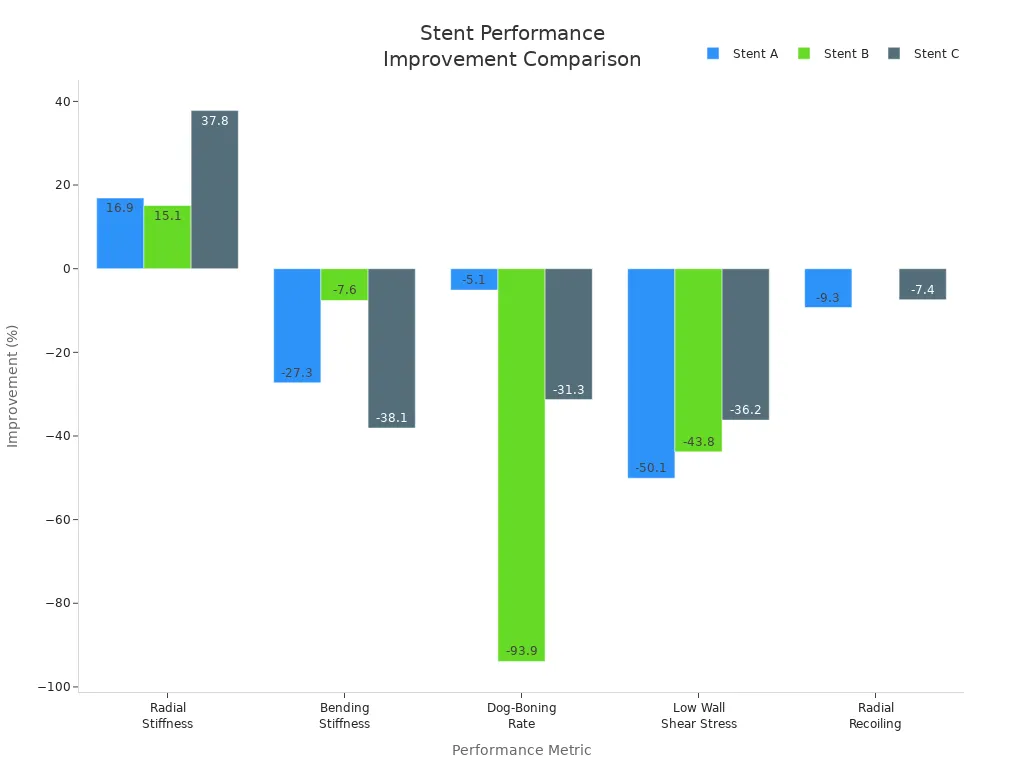
The data indicate that magnesium alloy stents outperform traditional stents in several key areas. For instance, they demonstrate a significant reduction in bending stiffness and wall shear stress, which are critical factors in preventing complications such as restenosis.
Advantages of Magnesium Alloys
Reduced Need for Secondary Surgeries
One of the most significant advantages of magnesium alloys in biodegradable implants is their ability to reduce the need for secondary surgeries. Magnesium alloy implants, particularly WE43, demonstrate excellent biocompatibility and bioactivity, which aid in bone regeneration. These implants provide temporary structural support that degrades as healing progresses. This gradual degradation aligns with the natural healing process, allowing the body to replace the implant with new tissue without the complications associated with permanent implants.
- Magnesium alloys help eliminate the need for secondary surgeries by:
- Supporting bone regeneration effectively.
- Reducing long-term risks associated with permanent implants.
- Allowing for a smoother transition from implant to natural tissue.
Enhanced Healing Process
Magnesium alloys significantly enhance the healing process in patients. Research indicates that specific alloy compositions can optimize healing outcomes. For instance, the GZ31K alloy is noted for its corrosion resistance, which is crucial for maintaining structural integrity during healing. The gradual release of magnesium ions from this alloy acts as a bioactive agent that promotes fracture healing.
Key factors contributing to the enhanced healing process include:
- The release of magnesium ions promotes:
- Osteogenesis (bone formation).
- Angiogenesis (formation of new blood vessels).
- Strategies to mitigate the adverse effects of degradation are also suggested, ensuring that the healing process remains uninterrupted.
The combination of these factors leads to improved recovery times and better overall patient outcomes.
Lightweight and Strong
Magnesium alloys are renowned for their lightweight yet strong characteristics, making them ideal for medical applications. Their reduced density and elastic stiffness closely resemble human bone, which helps in minimizing stress shielding effects. This similarity is crucial, as it allows for better load distribution and reduces the risk of complications during the healing process.
The advantages of magnesium alloys in terms of weight and strength include:
| Advantages | Description |
|---|---|
| Reduced density and elastic stiffness | Similar to human bone, which helps in reducing stress shielding effects. |
| Higher specific strength | Offers a favorable strength-to-weight ratio, enhancing performance in implants. |
| Biocompatibility | Promotes osteogenic functions, supporting bone growth and healing. |
| Degradability | Naturally degrades in the body, aligning with the needs of biodegradable implants. |
The lightweight nature of magnesium alloys not only facilitates easier handling during surgical procedures but also contributes to patient comfort post-operation.
Cost-Effectiveness
Magnesium alloys offer significant cost-effectiveness in the realm of biodegradable implants. Their unique properties not only enhance patient outcomes but also contribute to overall healthcare savings. Here are several key factors that underline the cost advantages of using magnesium alloys:
-
Reduced Surgical Costs: The use of biodegradable magnesium implants minimizes the need for secondary surgeries. Traditional implants often require removal after the healing process. By eliminating this step, healthcare providers can save on surgical costs, anesthesia, and hospital stays.
-
Lower Complication Rates: Magnesium alloys demonstrate a lower incidence of complications compared to conventional materials. Fewer complications lead to reduced follow-up treatments and hospital readmissions, further decreasing overall healthcare expenses.
-
Material Affordability: The production of magnesium alloys is generally less expensive than that of titanium or other advanced materials. This affordability translates into lower costs for hospitals and clinics, making magnesium alloys an attractive option for medical applications.
-
Enhanced Patient Recovery: Faster recovery times associated with magnesium implants can lead to earlier discharges from healthcare facilities. This efficiency not only benefits patients but also reduces the burden on healthcare systems.
| Cost Factor | Traditional Implants | Magnesium Alloys |
|---|---|---|
| Surgical Costs | Higher | Lower |
| Complication Rates | Higher | Lower |
| Material Costs | Higher | Lower |
| Patient Recovery Time | Longer | Shorter |
Tip: The economic benefits of magnesium alloys extend beyond initial costs. Long-term savings from reduced complications and faster recovery can significantly impact healthcare budgets.
Challenges in Implementation
Corrosion Control
Corrosion control remains a significant challenge in the implementation of magnesium alloys for medical implants. The high corrosion rate of these materials can lead to premature disintegration of mechanical integrity. This issue arises from several factors:
- High corrosion rates can result in local hydrogen build-up due to rapid degradation.
- There is a pressing need for improved mechanical properties and corrosion resistance.
- Selecting biocompatible alloying elements is crucial for enhancing performance.
- Optimizing composition design for new biodegradable magnesium alloys is essential.
To address these challenges, researchers are developing various strategies to manage corrosion rates effectively. The following table summarizes some of these strategies:
| Strategy Type | Description |
|---|---|
| Protective Coatings | Implementation of coatings to control the degradation rate of magnesium alloys. |
| Mathematical Modeling | Use of modeling techniques to understand and predict corrosion mechanisms in magnesium alloys. |
| Inflammatory Response Management | Strategies to reduce excessive inflammatory reactions caused by corrosion in medical implants. |
| Antimicrobial Activity Enhancement | Approaches to enhance the antimicrobial properties of magnesium alloys to prevent infection. |
Mechanical Limitations
Mechanical limitations also restrict the use of magnesium alloys in certain medical implants. Key issues include:
- The high rigidity of magnesium implants can lead to stress shielding in bone tissue, preventing proper remodeling.
- Ductility of magnesium materials is limited, although specific forming processes can improve this property.
- Corrosion resistance poses a significant concern, as even minimal contamination can increase the corrosion rate.
These mechanical challenges necessitate ongoing research to enhance the performance of magnesium alloys in medical applications.
Regulatory Hurdles
Regulatory hurdles present another layer of complexity in the approval of magnesium alloy implants. The following table outlines some key regulatory challenges:
| Regulatory Hurdle | Description |
|---|---|
| Lengthy Approval Processes | The average approval timeline for magnesium alloy implants ranges from 5-7 years, longer than for conventional devices. |
| Extensive Preclinical and Clinical Validation | Mg-alloy formulations require comprehensive validation to demonstrate safety and efficacy. |
| Limited Long-Term Clinical Data | There is a scarcity of 5-10 year follow-up data, leading to hesitancy among healthcare providers. |
Many healthcare providers remain cautious about adopting magnesium alloy implants due to limited long-term outcome data. While short- and medium-term studies show favorable results, the medical community's preference for established materials like titanium complicates the transition to newer technologies. This reluctance underscores the importance of continued research and validation to build confidence in magnesium alloys for medical applications.
Long-term Biocompatibility
Long-term biocompatibility is a critical consideration for magnesium alloy implants. While these materials offer numerous advantages, they also present potential challenges that can affect patient outcomes over time. Understanding these concerns is essential for optimizing the use of magnesium alloys in medical applications.
Several long-term biocompatibility issues have emerged in studies involving magnesium alloy implants:
- Tissue irritation: Some patients may experience irritation at the implant site, which can lead to discomfort.
- Infection: The risk of infection remains a concern, particularly if the implant does not integrate well with surrounding tissues.
- Interference with skeletal growth: In pediatric patients, magnesium implants may disrupt normal bone development.
- Aesthetic concerns: This is especially relevant for craniofacial implants, where the appearance of the implant can impact patient satisfaction.
- Thermal sensitivity: Temperature changes can affect the performance of magnesium alloys, potentially leading to complications.
- Potential need for second surgery for removal: In some cases, the implants may not degrade as expected, necessitating surgical intervention.
Moreover, the degradation process of magnesium alloys can lead to additional complications. Rapid degradation may result in insufficient bone healing time, which can compromise the overall effectiveness of the implant. During degradation, local pH levels can increase, and hydrogen gas may be released. This reaction can pose risks, including:
- Tissue necrosis: Elevated pH levels can damage surrounding tissues, leading to necrosis.
- Impaired bone healing: The release of hydrogen gas can create pockets that hinder proper healing.
The integration of magnesium alloys into bone tissue is another area of concern. Compromised integration can lead to delayed or even failed healing, which may necessitate further medical intervention.
To summarize, while magnesium alloys present promising benefits for biodegradable implants, their long-term biocompatibility requires careful consideration. Addressing these challenges through ongoing research and development will be crucial for enhancing the safety and effectiveness of magnesium alloy implants in clinical settings.
By focusing on these aspects, healthcare professionals can better assess the suitability of magnesium alloys for individual patients, ensuring optimal outcomes in medical applications.
Future Prospects of Magnesium Alloys
Innovations in Alloy Composition
Recent advancements in magnesium alloy composition have significantly improved their performance in medical applications. Researchers are exploring various alloying elements to enhance biocompatibility and biodegradability. Notable innovations include:
- Magnesium-Calcium Alloys: These alloys promote bone healing and are ideal for temporary orthopedic implants.
- Magnesium-Zinc Alloys: They offer an excellent strength-to-weight ratio and corrosion resistance, making them suitable for cardiovascular implants.
- Magnesium-Based Master Alloys: These allow precise control over alloy composition, improving mechanical strength and biocompatibility.
- Additive Manufacturing: This technique enables the production of complex designs for biodegradable biomedical devices.
These innovations position magnesium alloys as promising candidates for biodegradable implants, particularly in orthopedic and cardiovascular surgery. Their ability to degrade naturally within the human body while releasing beneficial magnesium ions and hydroxides enhances their appeal in medical applications.
Advances in Coating Technologies
Coating technologies play a crucial role in enhancing the corrosion resistance of magnesium alloy implants. Various methods have emerged to improve the longevity and stability of these materials. The following table summarizes key coating types and their descriptions:
| Coating Type | Description |
|---|---|
| Inorganic Coatings | Methods include chemical conversion, anodization, micro-arc oxidation, chemical deposition, ion implantation, and sol-gel. |
| Organic Coatings | Includes degradable polymer coatings, prepared through dip coating, spin coating, and self-assembly. |
| Surface Modification | Aims to add a barrier layer to reduce corrosion rates and improve implant stability. |
Recent developments in smart coatings have further enhanced the performance of magnesium alloys. These coatings not only provide passive protection but also exhibit adaptive behaviors. Features such as self-healing, superhydrophobicity, and anti-fouling properties contribute to improved corrosion resistance and long-term stability.
Potential for Personalized Medicine
The potential for magnesium alloys in personalized medicine applications is significant. Their biocompatibility and high mechanical strength make them suitable for temporary implants tailored to individual patients. Key advantages include:
- Customization for individual patients enhances treatment effectiveness.
- Biodegradable magnesium alloys release ions compatible with the human body, ensuring patient safety.
- Radiopaque properties allow for easy visualization in diagnostic imaging, aiding treatment planning.
- They can withstand sterilization processes, ensuring safety before implantation.
These characteristics position magnesium alloys as a valuable resource in the evolving field of personalized medicine, where tailored solutions can lead to better patient outcomes.
Research and Development Trends
The field of magnesium alloy medical implants is experiencing significant growth and innovation. Recent trends indicate a strong focus on enhancing the performance and applicability of these materials in various medical applications. Key developments include:
- The magnesium alloy market for medical devices is projected to grow significantly, particularly in orthopedic and cardiovascular implants, with a compound annual growth rate (CAGR) of 6.53%.
- The FDA has authorized the RemeOs Trauma Screw, the first magnesium-based resorbable implant. This approval marks a significant advancement in the use of bioresorbable materials in medical applications.
- Clinical studies show that these implants fully resorb within 2.5 years, promoting successful healing and eliminating the need for secondary surgeries.
Researchers are actively exploring new alloy compositions to improve biocompatibility and mechanical properties. Innovations in alloying elements, such as calcium and zinc, have shown promise in enhancing the performance of magnesium alloys. These advancements aim to create materials that not only support healing but also integrate seamlessly with human tissue.
Tip: Ongoing research focuses on optimizing the corrosion rates of magnesium alloys. This optimization is crucial for ensuring that implants degrade at a rate that matches the healing process of surrounding tissues.
Another area of development involves advanced coating technologies. Researchers are investigating various coatings to enhance the corrosion resistance of magnesium alloys. These coatings can significantly extend the lifespan of implants while maintaining their biodegradability. Techniques such as anodization and polymer coatings are gaining traction in this field.
Furthermore, the potential for personalized medicine is driving research efforts. Customizable magnesium alloy implants can be tailored to meet the specific needs of individual patients. This approach enhances treatment effectiveness and improves patient outcomes.
The integration of smart technologies into magnesium alloy implants is also on the rise. Researchers are exploring the use of sensors and drug delivery systems within these implants. Such innovations could provide real-time monitoring of healing processes and targeted therapeutic interventions.
Magnesium alloys offer numerous benefits in biodegradable implants, including superior biocompatibility, mechanical properties, and bioactivity. These materials significantly reduce the need for secondary surgeries and promote tissue regeneration. Ongoing research remains crucial to address challenges such as rapid corrosion rates and maintaining mechanical integrity during degradation. Clinical studies have shown promising results, indicating magnesium alloys' potential in various medical applications.
Experts recognize magnesium alloys as third-generation biomedical materials, particularly in orthopedic settings. Future advancements may include integrating rare-earth elements to enhance mechanical properties and corrosion resistance. Understanding biodegradation mechanisms will further optimize their use, ensuring that these implants degrade at rates that align with the healing process.
FAQ
What are magnesium alloys used for in medicine?
Magnesium alloys serve as biodegradable implants in orthopedic and cardiovascular applications. They provide temporary support while promoting tissue healing and regeneration.
How do magnesium alloys compare to traditional materials?
Magnesium alloys offer similar mechanical properties to titanium but are lighter and biodegradable. They reduce the need for secondary surgeries, enhancing patient recovery.
What are the benefits of biodegradable implants?
Biodegradable implants foster natural tissue growth and eliminate the need for removal surgeries. They minimize long-term complications and improve patient comfort.
Are there any risks associated with magnesium alloy implants?
Potential risks include corrosion-related issues, tissue irritation, and infection. Ongoing research aims to address these challenges and enhance safety.
How long do magnesium alloy implants last in the body?
The degradation time for magnesium alloy implants varies by composition. Generally, they fully resorb within 6 to 24 months, aligning with the healing process.
What advancements are being made in magnesium alloy technology?
Researchers focus on improving alloy compositions, coating technologies, and personalized medicine applications. Innovations aim to enhance biocompatibility and mechanical properties.
Can magnesium alloy implants be used in pediatric patients?
Yes, magnesium alloys can be used in pediatric patients. However, careful consideration of growth and development is essential to avoid potential complications.
How do healthcare providers ensure the effectiveness of magnesium alloy implants?
Healthcare providers conduct thorough preclinical and clinical evaluations to assess the safety and efficacy of magnesium alloy implants before widespread use.