


Military and Defense Applications of Magnesium Alloys

Magnesium alloys play a crucial role in military applications due to their lightweight nature. As the lightest structural metal, magnesium is 33% lighter than aluminum and 75% lighter than steel. This remarkable weight reduction enhances the performance of military equiPment significantly. The strength-to-weight ratio of magnesium alloys surpasses that of both aluminum and steel, making them ideal for applications where mobility and efficiency are paramount. Additionally, these alloys offer key benefits, including improved fuel efficiency and reduced logistical burdens for defense operations.
Key Takeaways
- Magnesium alloys are the lightest structural metals, making them ideal for military applications where weight reduction is crucial.
- Using magnesium alloys in military vehicles improves fuel efficiency and enhances mobility, leading to better operational effectiveness.
- These alloys have a superior strength-to-weight ratio, providing excellent structural support for military aircraft and vehicles.
- Corrosion resistance is a key advantage of magnesium alloys, especially when enhanced with rare earth elements, ensuring reliability in harsh environments.
- Cost-effectiveness is important; while initial manufacturing costs may be higher, magnesium alloys can reduce long-term maintenance expenses due to their durability.
- Magnesium alloys are increasingly used in lightweight armor solutions, balancing protection and weight for modern combat scenarios.
- The integration of magnesium alloys in tactical gear enhances performance by reducing weight and improving shock absorption.
- Future innovations in magnesium alloy technology focus on developing high-strength materials and advanced coatings to further enhance their military applications.
Advantages of Magnesium Alloys
Magnesium alloys offer several advantages that make them particularly suitable for military applications. Their unique properties contribute to enhanced performance and operational efficiency in various defense scenarios.
Weight Reduction
One of the most significant benefits of magnesium alloys is their weight reduction capability. By substituting traditional materials like steel or aluminum with magnesium alloys, military vehicles can achieve substantial weight savings. This weight reduction not only improves fuel efficiency but also enhances mobility. For instance, advanced lightweighting technologies can lead to similar or greater reductions in weight compared to aluminum and composites. This characteristic is crucial for military applications, where every ounce counts in terms of logistics and operational effectiveness.
Strength and Durability
Magnesium alloys are renowned for their impressive strength-to-weight ratio. They provide excellent structural support for military vehicles, including aircraft and trucks. Recent advancements in materials science have led to the development of ultrastrong magnesium alloys capable of achieving yield strengths of up to 600 MPa. These alloys can withstand extreme military operational conditions, thanks to protective coatings that enhance their resistance to abrasion and wear. However, it is important to note that magnesium alloys may face challenges in extreme conditions due to their inherent softness and low creep resistance. Nevertheless, ongoing research continues to improve their durability, making them a viable option for military applications.
Corrosion Resistance
Corrosion resistance is another critical factor for materials used in military applications. Magnesium alloys, particularly those enhanced with rare earth elements, exhibit improved corrosion resistance in harsh environments. For example, the EW75 magnesium alloy demonstrates superior performance in marine conditions, which is essential for naval applications. The addition of rare earth elements not only strengthens the alloys but also enhances their resistance to corrosion.
To further improve corrosion resistance, various treatments and coatings are employed. These include:
- Applying protective coatings to prevent direct contact with corrosive environments.
- Utilizing MOF-containing coatings that significantly reduce the rate of metal dissolution.
- Investigating the anti-corrosion mechanisms of these coatings.
| Coating Technique | Description |
|---|---|
| Plating | Involves electroplating and electroless plating to deposit a metallic layer on the surface. |
| Surface Coating | Technologies like thermal spraying and hot-dipping are used to form protective layers on substrates. |
| Organic Coatings | Final stage coatings that enhance corrosion resistance through methods like painting and powder coating. |
| Multiple Surface Coatings | Combining multiple treatments to create a multi-layer surface coating for enhanced protection. |
These advancements in corrosion resistance make magnesium alloys a strong contender for military applications, ensuring that equipment remains functional and reliable in challenging environments.
Cost-Effectiveness
Cost-effectiveness plays a significant role in the adoption of magnesium alloys for military applications. While these alloys offer numerous advantages, their economic implications must also be considered.
-
Manufacturing Costs: The production of military-grade magnesium alloy components incurs higher costs compared to aluminum and steel. This is primarily due to the complex processing requirements and the inherent price instability of magnesium. For instance, in October 2017, magnesium prices ranged from $2.10 to $2.72 per pound, influenced by fluctuating demand for other metals. Such variability can deter cost-sensitive military projects from fully embracing magnesium alloys.
-
Long-Term Maintenance Costs: Although magnesium alloys may have higher initial manufacturing costs, their long-term maintenance expenses can be more favorable. Corrosion poses a significant challenge for military equipment, accounting for 39% of unscheduled maintenance. This issue directly impacts operational readiness. In fact, maintenance costs for Army Ground Vehicles reveal that 12.6% of expenses stem from corrosion-related issues. By employing protective coatings, magnesium alloys can enhance their durability against corrosion, potentially reducing long-term maintenance costs.
Tip: When evaluating the cost-effectiveness of materials, consider both initial manufacturing costs and long-term maintenance implications. This holistic approach can lead to more informed decisions in military procurement.
Military Applications in Vehicles
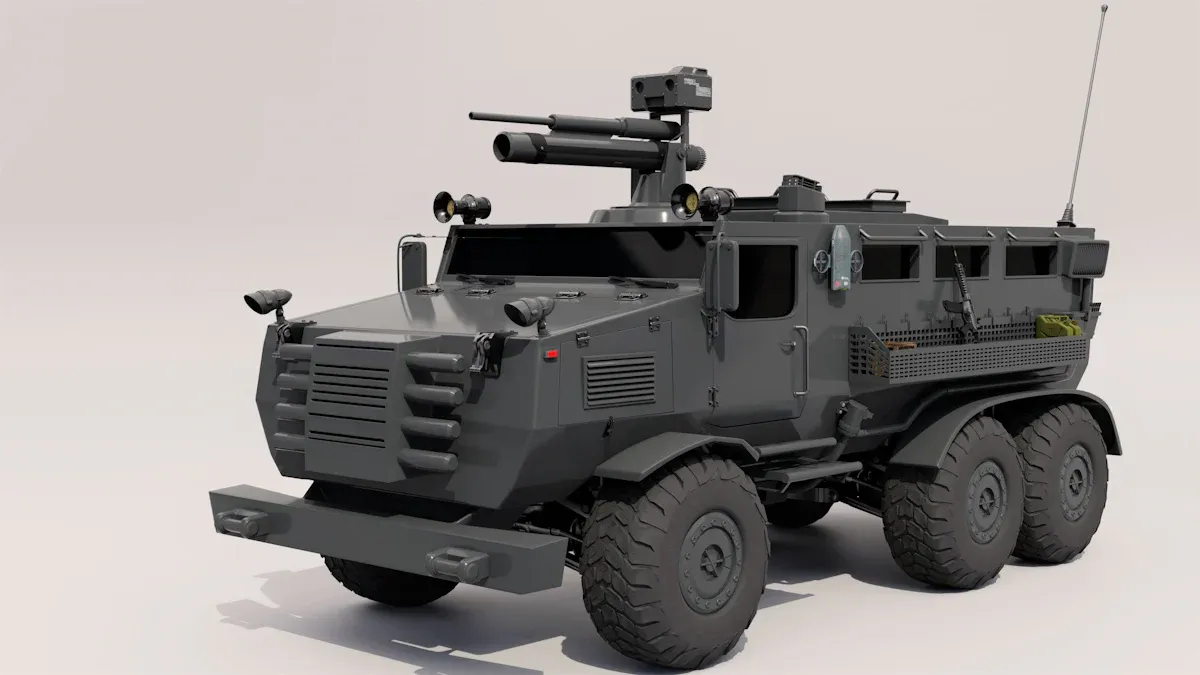
Magnesium alloys have transformed military vehicle design, offering innovative solutions that enhance performance and operational effectiveness. Their lightweight properties make them ideal for various applications, particularly in armor solutions, structural components, and mobility enhancements.
Lightweight Armor Solutions
The development of lightweight armor solutions using magnesium alloys has gained significant attention in military applications. These alloys provide a balance between weight and protection, crucial for modern combat scenarios. Several alloy types have emerged as promising candidates for armor applications:
| Alloy Type | Description | Applications |
|---|---|---|
| AZ31 | A commercial magnesium alloy that can substitute for some aluminum alloys. | Used in military applications for lightweight armor solutions. |
| ZK60 | Another commercial magnesium alloy with high strength. | Potential use in military vehicles. |
| Rare Earth Alloys | Alloys containing rare earth elements show promise in armor applications. | Future military vehicle armor solutions. |
The AZ31B magnesium alloy has demonstrated significant energy absorption and shock mitigation capabilities. In ballistic tests, it successfully withstood the 9 mm×19 mm Parabellum projectile without penetration. However, it did not perform as well against the 5.56 mm×45 mm NATO projectile, which penetrated completely. This variability highlights the need for further optimization of the alloy's composition to enhance its protective qualities.
Structural Components
Magnesium alloys also play a vital role in the structural components of military vehicles. Their lightweight nature allows for the design of robust structures without adding unnecessary weight. This characteristic is particularly beneficial in areas such as body structures, powertrains, and chassis components.
The following table summarizes the benefits of integrating magnesium alloys into vehicle structures:
| Application Area | Benefits |
|---|---|
| Body Structures | Significant weight reduction |
| Powertrains | Enhanced fuel efficiency |
| Chassis Components | Improved overall vehicle dynamics |
Magnesium alloys are approximately 32% lighter than aluminum, making them ideal for electric vehicle parts like transmission cases and battery housings. For example, General Motors has successfully utilized the AE44 alloy in the Corvette Z06, showcasing the potential of magnesium alloys in high-performance military vehicles.
Mobility Enhancements
The integration of magnesium alloys significantly enhances the speed and maneuverability of military vehicles. The reduction in weight leads to improved speed, while enhanced fuel efficiency results from lower vehicle weight. This combination of factors increases combat effectiveness and survivability in challenging environments.
Key benefits of magnesium alloys in mobility include:
- Weight reduction leads to improved speed of military vehicles.
- Enhanced fuel efficiency results from lower vehicle weight.
- Improved maneuverability increases combat effectiveness and survivability.
Additionally, lighter vehicles can maneuver more effectively in combat situations. The reduced weight of military vehicles enhances their speed and fuel efficiency, making magnesium alloys a critical component in modern military applications.
Aerospace Applications
Magnesium alloys have become integral to aerospace applications, particularly in military contexts. Their lightweight properties and strength make them ideal for various components in both aircraft and spacecraft.
Aircraft Components
In military aviation, magnesium alloys significantly enhance the performance of aircraft. Approximately 64% of defense aircraft manufacturers now utilize magnesium alloy components to improve payload-to-weight ratios. Furthermore, 59% of military aircraft manufacturers specify these alloys in at least three primary component systems. This widespread adoption underscores the importance of magnesium alloys in modern military aviation.
The benefits of magnesium alloys in aircraft components include:
- Weight Reduction: Lighter materials lead to improved fuel efficiency and increased payload capacity.
- Strength: Magnesium alloys maintain a high strength-to-weight ratio, essential for critical components such as engines, propellers, and gearboxes.
- Corrosion Resistance: Enhanced resistance to corrosion ensures longevity and reliability in harsh operational environments.
Spacecraft Structures
Magnesium alloys also play a crucial role in the construction of spacecraft structures. Their unique properties make them suitable for various applications, including rockets, missiles, and satellites. The following table summarizes the benefits of magnesium alloys in aerospace and spacecraft structures:
| Application Area | Benefits of Magnesium Alloys |
|---|---|
| Aerospace | Lightweight nature, high specific strength, corrosion resistance |
| Spacecraft Structures | Critical components for rockets, missiles, and satellites |
| Military Aircraft | Essential for engines, propellers, and gearboxes |
The advantages of magnesium alloys in spacecraft compared to other lightweight materials are notable:
| Advantage | Description |
|---|---|
| High Strength-to-Weight Ratio | Magnesium alloys are lighter than aluminum and steel while maintaining exceptional strength, crucial for reducing launch costs. |
| Fuel Efficiency | Lighter spacecraft lead to improved fuel efficiency, resulting in cost savings and extended mission capabilities. |
| Thermal Stability | These alloys withstand extreme temperature variations, ensuring structural integrity during re-entry and in deep space. |
| Corrosion Resistance | Magnesium alloys resist corrosion, enhancing the longevity and reliability of spacecraft components. |
| Innovative Design | The unique properties allow for innovative and streamlined structures, contributing to more efficient spacecraft designs. |
Personal Equipment

Firearms and Ammunition
Magnesium alloys significantly enhance the design and functionality of military firearms and ammunition. Their lightweight nature and high strength-to-weight ratio make them ideal for military applications. By incorporating magnesium alloys, manufacturers reduce the overall weight of firearms, which is crucial for mobility and ease of handling in combat situations.
Additionally, magnesium alloys provide excellent vibration-damping performance. This characteristic improves the accuracy and reliability of firearms during operation. The strong electromagnetic shielding ability of these alloys further contributes to the effectiveness of military systems, ensuring that firearms perform optimally under various conditions. As a result, military personnel benefit from enhanced weaponry that supports their operational needs.
Tactical Gear
The integration of magnesium alloys into tactical gear represents a significant advancement in military equipment design. These alloys are specifically engineered for defense applications, contributing to substantial weight reduction in gear. This reduction enhances the overall performance of defense systems, allowing soldiers to carry essential equipment without being burdened by excessive weight.
Key benefits of magnesium alloys in tactical gear include:
- Lightweight Design: Magnesium alloys are less dense than aluminum or steel, allowing for significant weight savings.
- Shock Absorption: These alloys can absorb shock from ballistic impacts, enhancing safety for military personnel.
- Durability: The high strength-to-weight ratio of magnesium alloys ensures that tactical gear remains durable and reliable in challenging environments.
The U.S. Army encourages the use of lightweight structural materials, including magnesium alloys, in its truck fleet. This initiative reflects a broader military strategy aimed at improving operational efficiency through the incorporation of lightweight materials. By adopting magnesium alloys, military personnel can experience enhanced comfort and performance, ultimately leading to improved mission success.
Comparison with Other Materials
Magnesium Alloys vs. Aluminum
Magnesium alloys and aluminum both serve critical roles in military applications, but they differ significantly in several key areas.
| Property | Magnesium Alloys | Aluminum |
|---|---|---|
| Weight | Lighter than aluminum | Heavier than magnesium alloys |
| Strength | Improved strength | Good strength |
| Corrosion Resistance | Better than pure magnesium | Generally good, varies by alloy |
Magnesium alloys are recognized for their superior strength-to-weight ratio. They are lighter than aluminum while providing enhanced strength and corrosion resistance, which are critical factors for military applications. As the lightest commercially available structural metal, magnesium is ideal for weight-critical applications in aerospace. This weight advantage allows military vehicles and aircraft to achieve better fuel efficiency and increased payload capacity.
However, cost considerations also play a significant role in material selection. Magnesium alloys tend to be more expensive due to higher raw material costs and complex manufacturing processes. In contrast, aluminum alloys are more cost-effective, benefiting from lower material costs and simpler extraction methods.
Magnesium Alloys vs. Steel
When comparing magnesium alloys to steel, the differences become even more pronounced, particularly in terms of weight and ballistic protection.
| Property | Magnesium Alloys | Steel |
|---|---|---|
| Strength-to-Weight Ratio | High potential for weight reduction | Lower compared to magnesium |
| Density | 35% lower than aluminum, 77% lower than steel | Higher density |
| Potential Improvements | Further enhancements in strength and ductility | Limited improvements |
Magnesium alloys offer a high strength-to-weight ratio, making them advantageous for applications requiring mobility and speed. Their lower density results in significant weight savings, which is crucial for military vehicles that need to maneuver effectively in combat situations.
In terms of ballistic protection, magnesium alloys can provide adequate defense, but they may not match the structural integrity of steel in all scenarios. Steel remains a staple for heavy armor due to its robustness. However, ongoing advancements in magnesium alloy technology aim to enhance their strength and ductility, potentially closing this gap.
Environmental impacts also differ between these materials. Magnesium alloys generally consume less energy during production and result in lower carbon emissions compared to steel. Their recyclability further supports sustainability efforts in military manufacturing.
Future Trends in Military Applications
Innovations in Alloy Development
The future of magnesium alloys in military applications hinges on ongoing innovations in alloy development. Researchers and engineers are exploring new compositions and processing techniques to enhance the performance of these materials. Some key areas of focus include:
- High-Strength Alloys: Development of magnesium alloys with improved strength and ductility will enable their use in more demanding military applications. These advancements can lead to lighter and more resilient components for vehicles and aircraft.
- Advanced Coatings: Innovations in protective coatings will further enhance the corrosion resistance of magnesium alloys. These coatings can significantly extend the lifespan of military equipment, reducing maintenance needs and operational costs.
- Hybrid Materials: Combining magnesium alloys with other materials, such as composites, can create hybrid solutions that leverage the strengths of each component. This approach can lead to enhanced performance in various military applications.
These innovations will not only improve the functionality of magnesium alloys but also expand their applicability across different military sectors.
Sustainability Considerations
Sustainability plays a crucial role in shaping the future use of magnesium alloys in defense. Environmental regulations increasingly drive the adoption of recyclable and sustainable materials in military applications. Magnesium alloys stand out due to their recyclability and minimal environmental impact. Key sustainability considerations include:
- Reduced Carbon Footprint: Improved processing of magnesium alloys can lead to significant reductions in fuel consumption and carbon emissions. This aligns with global efforts to minimize the environmental impact of military operations.
- Enhanced Maneuverability: The lightweight nature of magnesium alloys enhances maneuverability in military transportation. Lighter vehicles require less energy to operate, contributing to overall sustainability goals.
- Recyclability: Magnesium alloys can be recycled efficiently, reducing waste and promoting a circular economy within the defense sector. This aspect is increasingly important as military organizations seek to meet sustainability targets.
As military forces prioritize sustainability, the integration of magnesium alloys will likely increase. Their unique properties and environmental benefits position them as a key material for future military applications.
Magnesium alloys offer numerous benefits in military applications. Their lightweight nature enhances mobility and fuel efficiency, while their strength and durability ensure reliable performance in demanding environments. Additionally, the corrosion resistance of these alloys contributes to the longevity of military equipment. As the magnesium alloy market is projected to grow at a compound annual growth rate (CAGR) of over 16% through 2034, their role in defense will likely expand. This growth reflects the increasing recognition of magnesium alloys as essential materials for enhancing performance and safety in military operations.
FAQ
What are magnesium alloys?
Magnesium alloys are lightweight materials made primarily of magnesium combined with other elements. They offer high strength-to-weight ratios, making them ideal for military applications, including vehicles, aircraft, and personal equipment.
Why are magnesium alloys preferred in military applications?
Military applications favor magnesium alloys due to their lightweight nature, strength, and corrosion resistance. These properties enhance mobility, fuel efficiency, and overall performance in demanding environments.
How do magnesium alloys compare to aluminum?
Magnesium alloys are lighter than aluminum and provide a better strength-to-weight ratio. However, aluminum is often more cost-effective and easier to manufacture, making it a common alternative in various applications.
Are magnesium alloys resistant to corrosion?
Yes, magnesium alloys exhibit good corrosion resistance, especially when enhanced with rare earth elements. Protective coatings further improve their durability in harsh environments, making them suitable for military use.
What are the main applications of magnesium alloys in defense?
Magnesium alloys find applications in military vehicles, aircraft components, lightweight armor solutions, firearms, and tactical gear. Their versatility makes them valuable in various defense scenarios.
How do magnesium alloys contribute to sustainability in defense?
Magnesium alloys are recyclable and have a lower carbon footprint compared to traditional materials like steel. Their lightweight nature also improves fuel efficiency, aligning with sustainability goals in military operations.
What advancements are being made in magnesium alloy technology?
Researchers focus on developing high-strength alloys, advanced coatings, and hybrid materials. These innovations aim to enhance performance, durability, and corrosion resistance, expanding the applications of magnesium alloys in military contexts.
Can magnesium alloys be used in extreme conditions?
While magnesium alloys perform well in many environments, they may face challenges in extreme conditions due to their inherent softness. Ongoing research aims to improve their durability and performance in such scenarios.