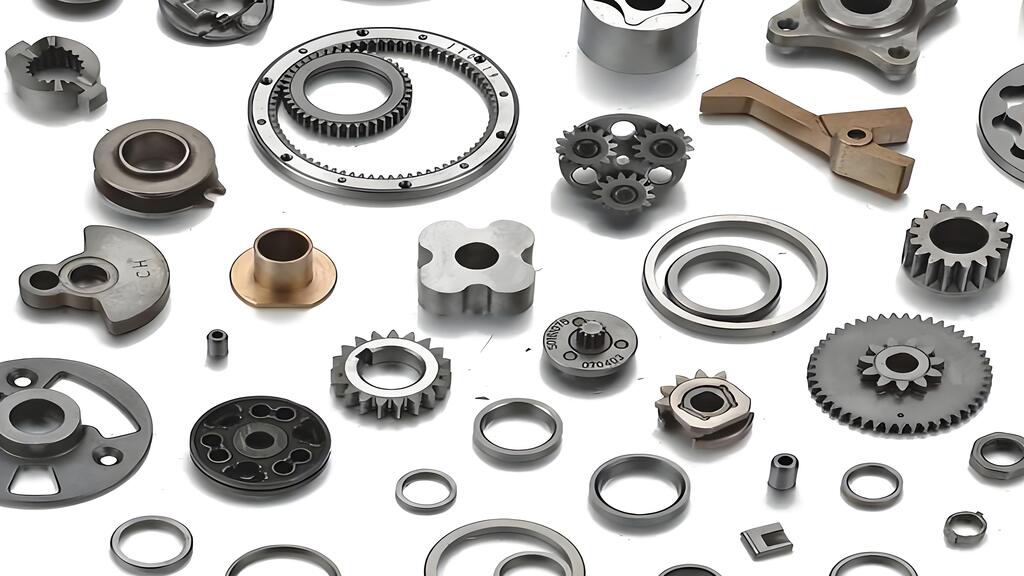


The Future of Ceramic Injection Molding (CIM) in Complex Part Production
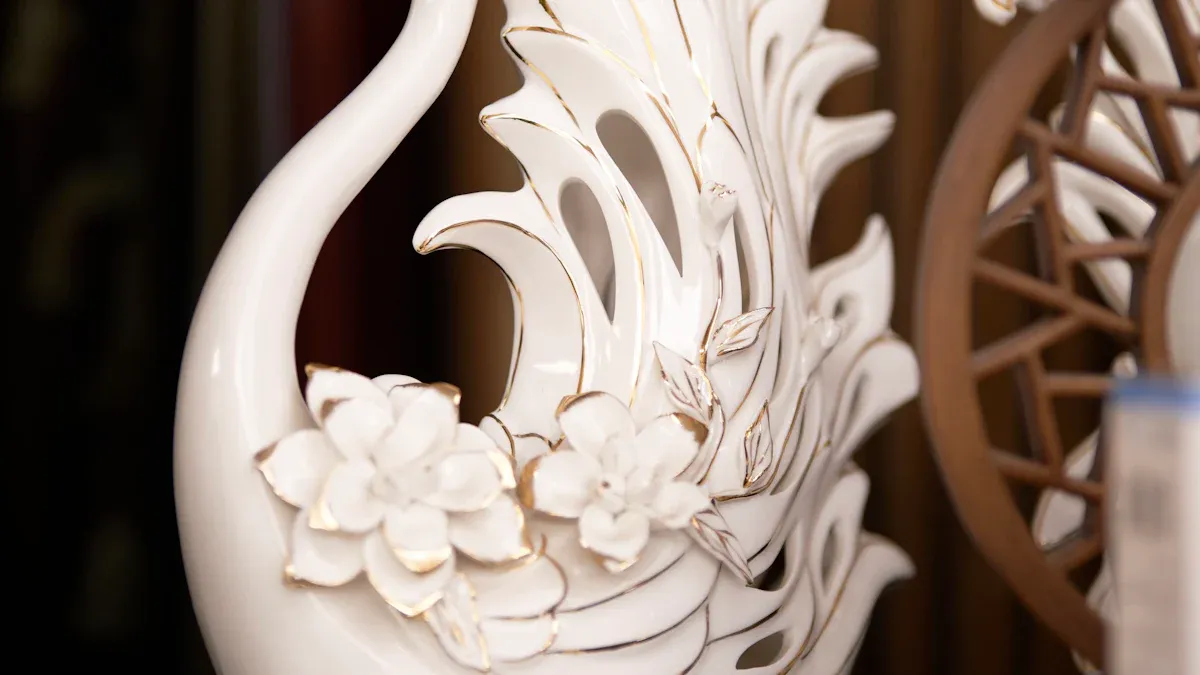
Ceramic Injection Molding (CIM) is a crucial manufacturing process. It produces complex, high-performance ceramic components. This method allows for intricate designs and superior material properties. Ceramic Injection Molding is poised for significant growth in advanced manufacturing. Experts project a compound annual growth rate of approximately 6.5% between 2025 and 2035. This indicates a transformative period for the technology.
Key Takeaways
- CIM has high initial costs. Specialized machines and molds are expensive. This makes it hard for small businesses.
- Modular system designs can lower costs. Businesses can add equiPment as they grow. This helps more companies use CIM.
- Working together helps. Companies, schools, and the government can share costs. This speeds up new ideas.
- Government help is important. Grants and tax breaks encourage CIM use. This supports new manufacturing.
- CIM materials and processes are complex. This can cause mistakes. It also raises production costs.
- Computer models help solve problems. They test how parts will form. This reduces errors and improves quality.
- Good training is key. Workers need skills for CIM. This helps them manage complex tasks.
- CIM competes with other methods. It must show its strengths. It is good for making many complex parts cheaply.
The Current Landscape of Ceramic Injection Molding
Ceramic Injection Molding (CIM) currently holds a significant position in advanced manufacturing. Its unique capabilities address the growing demand for high-performance components across various sectors.
Advantages of CIM for Intricate Geometries
CIM offers distinct advantages for producing parts with complex shapes. It allows manufacturers to create intricate designs that other methods struggle to achieve.
High Precision and Tight Tolerances
CIM excels at producing complex geometries with exceptional precision. This process yields precise and repeatable output. This capability is vital in industries like medical and aerospace, where exact specifications are paramount. Even minor defects can compromise performance. CIM can create features such as re-entrant angles, multi-shaped blind holes, screw threads, and intricate cavities. Manufacturers achieve tolerances of ±0.3% of nominal with excellent batch-to-batch repeatability. This often reduces or eliminates the need for post-processing. CIM can also produce parts with wall thicknesses as thin as 0.2 mm and features as small as 0.1 mm.
Scalability for Mass Production
CIM provides excellent scalability for mass production. It efficiently produces large volumes of identical Ceramic Parts. This makes it a cost-effective solution for industries requiring consistent quality and high output.
Versatility in Material Selection
The process accommodates a wide range of advanced ceramics. These include alumina, zirconia, and silicon carbide. These materials offer superior mechanical properties like high hardness, thermal resistance, and chemical stability. This versatility allows engineers to select the best material for specific application requirements.
Existing Applications Driving CIM Adoption
Several key industries currently drive the adoption of CIM. They recognize its ability to meet their demanding requirements.
Electronics and Micro-components
The electronics sector increasingly relies on CIM for miniaturized components. CIM produces small, complex parts essential for modern devices. This includes advanced packaging solutions and components for 5G/6G technologies.
Medical Devices and Implants
CIM is crucial for medical devices and implants. It produces bio-compatible implants with complex structures. Alumina ceramics, for example, offer superior biocompatibility, reducing risks of rejection. They also provide high strength and durability, ensuring prolonged operational life for implants. CIM achieves high-dimensional precision (±0.02 mm), enabling intricate, miniaturized medical components. This includes surgical instruments and microfluidic devices.
Automotive and Aerospace Components
The automotive and aerospace industries utilize CIM for lightweight, durable components. These sectors demand high performance, weight reduction, and energy efficiency. CIM produces advanced sensor housings and high-temperature components that meet these stringent requirements. The increasing demand for high-precision ceramic components in these industries drives CIM adoption.
Technological Advancements Fueling the Future of Ceramic Injection Molding
The field of Ceramic Injection Molding (CIM) experiences rapid evolution. New technologies and methodologies constantly push the boundaries of what manufacturers can achieve. These advancements promise greater precision, efficiency, and sustainability in complex part production.
Innovations in Binder Systems and Feedstock for CIM
Binder systems and feedstock formulations are critical to CIM success. Ongoing research focuses on improving these components. This leads to better part quality and more efficient processes.
Enhanced Binder Removal Processes
Modern techniques have significantly refined binder removal. These processes now reduce tolerances to ±0.3% of nominal values. This improves batch-to-batch dependability. It also enhances cost-effectiveness by reducing defects. Achieving a consistent mixture of materials with uniform particle size and equal distribution during molding eliminates air pockets. This leads to higher repeatability and tighter tolerances. It also prevents cracks or distortions in the final product.
Novel Polymer-Ceramic Blends
Researchers develop novel polymer-ceramic blends to optimize feedstock properties. Polylactic acid (PLA) is a biodegradable, bio-based polymer. It offers minimal environmental impact. PLA provides rigidity and dimensional stability to green parts. It also degrades in a controlled manner during debinding. PLA/polyethylene glycol-based feedstocks exhibit rheological properties compatible with high solid loading. They also show improved homogeneity. PLA/poly methyl methacrylate blends enhance the mechanical strength of green compacts for stainless steel. Poly(ethylene adipate) (PEA) is another biodegradable polymer. It can be sourced from renewable materials. PEA improves flexibility and processability when blended with PLA.
Sustainable Binder Solutions
The industry actively explores sustainable binder solutions. These solutions aim to reduce the environmental impact of CIM processes. Water-soluble binders, such as Keysol and Matrixsol, reduce VOC emissions by over 90% compared to HES-based systems. Switching from HES to K+M binders can reduce total CO2 equivalent emissions per mold by approximately 18–25%. Keysol and Matrixsol have no flash point. They produce no hazardous fumes. They are classified as non-toxic, improving workplace safety. Foundries adopting the K+M system can eliminate the need for VOC capture and incineration systems. This reduces energy consumption. Industrial partners reported a net reduction of approximately 10–15% in total molding-related costs after converting to water-soluble binder systems. Recycling industrial waste polyvinyl butyral (PVB) as a binder also promotes sustainability. This repurposes waste. PVB binder shows properties and moldability comparable to traditional binders. The rheological properties of PVB feedstocks remained below the recommended viscosity threshold for Ceramic Injection Molding. Mechanical testing of sintered ceramic parts using PVB indicated performance comparable to parts produced with traditional binder systems. These parts showed high final densities and bending strength.
Automation and Process Control in CIM
Automation and advanced process control systems are transforming CIM operations. They enhance efficiency, consistency, and quality.
AI-Driven Process Optimization
AI-driven process optimization significantly enhances efficiency. It reduces defects in ceramic injection molding. AI accelerates transformation through intelligent process optimization and real-time defect detection. Machine learning algorithms precisely regulate critical process variables. These include feedstock viscosity, mold fill behavior, and sintering shrinkage. This precision leads to reduced cycle times. It minimizes material waste. It also improves component dimensional accuracy. This is particularly crucial for micro-engineering applications requiring tight tolerances. AI-driven optimization is a key technological advancement. It will continue to expand the precision and application scope of ceramic injection molding. It makes CIM an indispensable core process in high-end manufacturing.
Robotic Handling and Assembly
Robotic systems play an increasing role in CIM. They automate the handling of green parts. They also perform complex assembly tasks. This reduces human error. It increases production speed. Robotics ensures consistent part placement and manipulation. This is vital for maintaining tight tolerances.
Real-time Quality Monitoring
Real-time quality monitoring systems are crucial for ensuring consistency and reliability. These systems provide immediate insight into production. Managers can spot deviations from optimal conditions. Continuous monitoring of parameters like injection pressure, mold temperature, cycle time, and material flow helps engineers see process performance as it happens. Timely feedback reduces downtime. It enhances quality control by enabling adjustments before defects occur. Real-time monitoring helps catch issues early. This reduces waste. It ensures more consistent production outcomes. Analyzing trends over time helps identify if variations impact part quality. This signals needs for machine recalibration, mold temperature adjustments, or material changes. Real-time data aids in setting precise control limits. Operators can adjust processes to avoid scenarios that historically led to defects. This continuous feedback loop improves quality. It contributes to more efficient production cycles. It ensures parts meet desired specifications. Real-time data monitoring helps identify bottlenecks as soon as they occur. Examples include longer cycle times indicating wear or improper settings. Immediate alerts from the monitoring system enable maintenance teams to quickly address problems. This reduces the risk of production stoppages. It minimizes downtime to maintain steady output. It also improves overall equipment effectiveness. Real-time data provides detailed performance records over time. This enables a systematic approach to process enhancement. Historical data can benchmark performance. It identifies trends. It plans corrective actions. For example, scheduling maintenance for gradual increases in cycle time during planned downtimes, rather than dealing with unexpected failures. Real-time analysis is crucial for maintaining high-quality standards. It monitors critical parameters like temperature, pressure, and cycle times. This allows immediate detection and correction of deviations. It reduces defects. It ensures consistent product quality. Real-time monitoring assists in predicting equipment failures. It schedules preventive maintenance. It analyzes sensor and machine data to identify wear and tear patterns. This prevents unexpected breakdowns and costly downtime. It extends equipment lifespan. It ensures smooth production. Real-time monitoring facilitates continuous improvement. It offers detailed insights into production processes and performance metrics. Manufacturers can use this to identify areas for improvement. They can implement best practices. They can train employees effectively. Production monitoring software provides enhanced quality control. It increases efficiency. It offers significant cost savings through real-time monitoring of key parameters. This enables immediate detection and correction of deviations for consistent product quality and reduced scrap rates. Predictive maintenance features in the software allow for timely equipment upkeep. This prevents unexpected breakdowns. It minimizes costly downtime. Automated data collection streamlines compliance with industry regulations. It reduces manual effort for record-keeping and audits. The software helps optimize resource allocation and energy consumption. This supports sustainable manufacturing practices. It lowers operational costs. Ultimately, it boosts productivity. It enhances product quality. It drives long-term growth.
Integration of CIM with Additive Manufacturing
The convergence of CIM and additive manufacturing (AM) opens new possibilities. This combination leverages the strengths of both technologies.
Hybrid Manufacturing Approaches
Hybrid manufacturing approaches combine CIM with AM. This allows for the creation of highly complex parts. Manufacturers can use CIM for the bulk of a component. They can then use AM to add intricate features or internal structures. This optimizes production efficiency and design freedom.
3D Printing of Molds and Tooling
3D printing technology now produces molds and tooling for CIM. This significantly reduces lead times and costs associated with traditional mold fabrication. Designers can rapidly prototype and iterate on mold designs. This accelerates product development cycles. It also allows for more complex mold geometries.
Direct Ceramic Additive Manufacturing Synergies
Direct ceramic additive manufacturing (DCAM) complements CIM. DCAM can produce parts with geometries impossible through molding alone. When combined, CIM handles high-volume production of standard components. DCAM addresses specialized, low-volume, or highly customized ceramic parts. This synergy expands the overall capabilities for ceramic part production.
Emerging Applications and Market Expansion for Ceramic Injection Molding
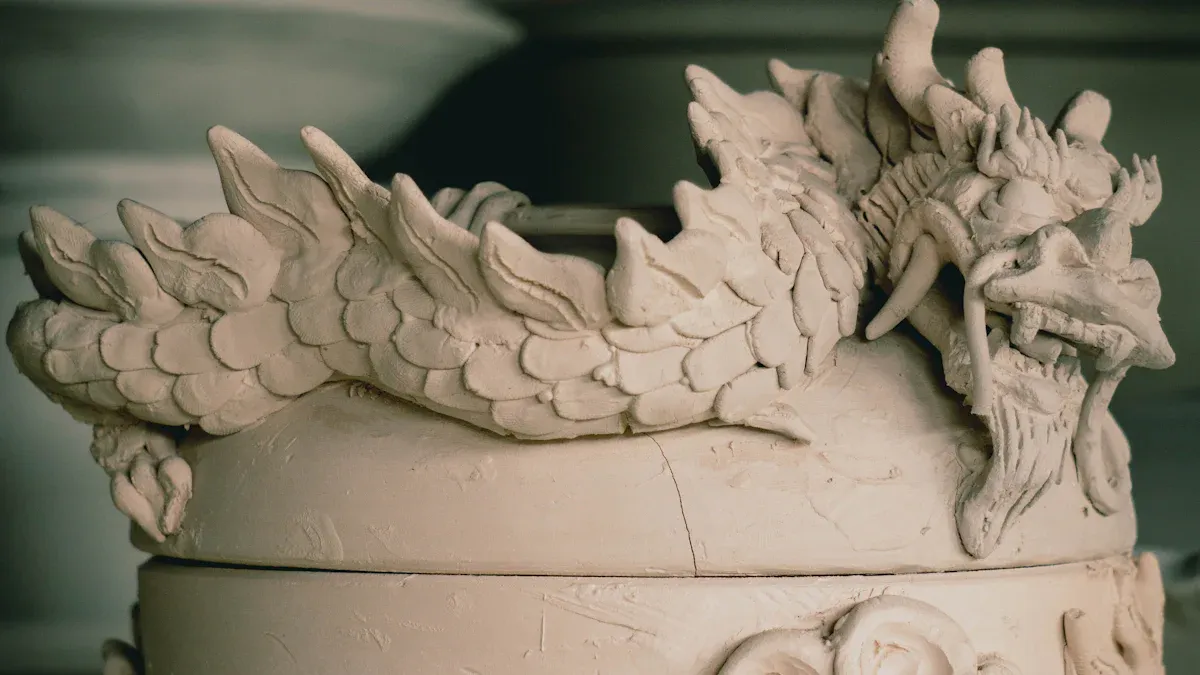
The landscape of advanced manufacturing constantly evolves. Ceramic Injection Molding (CIM) stands at the forefront of this transformation. It unlocks new possibilities across diverse industries. This technology addresses the increasing demand for high-performance, complex components.
Aerospace and Defense Sector Growth with CIM
The aerospace and defense sectors require materials that withstand extreme conditions. They also demand components offering superior performance and reliability. CIM provides solutions for these stringent requirements.
Lightweight, High-Temperature Components
Aerospace applications frequently involve high temperatures and corrosive environments. CIM produces lightweight, high-temperature ceramic components. These parts offer excellent thermal stability and mechanical strength. They are crucial for engine parts, turbine components, and exhaust systems. These components endure extreme operational conditions.
Advanced Sensor Housings
Modern aircraft and defense systems rely on sophisticated sensors. These sensors require robust and precise housings. CIM manufactures advanced sensor housings. These housings protect sensitive electronics from harsh environments. They also maintain dimensional stability under stress. The ability to create custom, miniature, and geometrically complex parts, such as aerospace fuel nozzles, makes CIM an ideal choice.
Ballistic Protection Systems
Defense applications also benefit from CIM's capabilities. It produces components for ballistic protection systems. Ceramics offer high hardness and impact resistance. This makes them suitable for armor plating and protective gear. CIM ensures the precise formation of these critical safety components.
Medical and Biomedical Innovations through CIM
The healthcare segment shows the fastest growth rate for CIM between 2025 and 2032. This growth stems from the increasing adoption of CIM for complex medical devices. Ceramics offer biocompatibility, corrosion resistance, and the ability to form intricate shapes.
Bio-compatible Implants with Complex Structures
Medical and biomedical innovations heavily leverage CIM. The technology produces biocompatible implants with complex structures. These include dental implants, surgical instruments, and orthopedic components. MIM technology, a form of Ceramic Injection Molding, combines characteristics of plastic injection molding and powder metallurgy. This makes it suitable for manufacturing complex-shaped ceramic components. It can produce complex geometric shapes, including porous structures and internal channels, difficult to achieve with traditional processes. MIM-formed ceramic components possess high dimensional accuracy, reducing post-processing needs. For instance, MIM technology produces ceramic implants with porous surfaces. These surfaces promote bone cell growth and improve implant stability for dental applications. It also manufactures complex-shaped ceramic joint heads for orthopedic implants. These offer high wear resistance and low friction coefficients, extending implant lifespan. The increasing need for bio-implants necessitates innovative structures and designs. Implant materials must possess properties like bioinert, biodegradable, bioactive, and bioresorbable characteristics. Crucially, they must be biocompatible to function effectively within the body.
Microfluidic Devices
CIM also plays a vital role in creating microfluidic devices. These devices are essential for diagnostics and drug delivery. The process allows for the creation of intricate channels and chambers. This enables precise control over fluid flow at microscopic levels.
Surgical Instruments
Surgical instruments demand high precision, durability, and sterilization capabilities. CIM produces ceramic surgical instruments. These instruments offer superior hardness and wear resistance. They also maintain sharpness over extended use.
Electronics and Telecommunications Evolution via CIM
The electronics and telecommunications sectors constantly push for miniaturization and enhanced performance. CIM provides critical solutions for these demands.
Miniaturized Components for 5G/6G
The advent of 5G and 6G technologies requires highly miniaturized and efficient components. Electronic and dielectric ceramics are crucial for microelectronic components in telecommunications, including 5G/6G communication filters, due to their electrical properties. Molding techniques, such as Ceramic Injection Molding, are utilized in the production of these miniaturized components. The '5G Communication Ceramic Dielectric Filters Market Report 2026–2033' identifies 'Injection Molding Technology' as a manufacturing method for these filters.
Advanced Packaging Solutions
CIM enables the creation of advanced packaging solutions for electronic devices. These packages protect sensitive components. They also facilitate efficient heat dissipation. This ensures optimal performance and longevity for integrated circuits and other micro-components.
High-Frequency Dielectric Materials
High-frequency applications, particularly in telecommunications, require specialized dielectric materials. CIM processes these materials into complex shapes. This supports the development of high-performance antennas, resonators, and other passive components.
Energy and Industrial Applications of CIM
The energy and industrial sectors increasingly rely on advanced materials. These materials must withstand harsh operating conditions. Ceramic Injection Molding (CIM) offers unique solutions for these demanding environments. It produces complex ceramic parts with superior properties. These properties include high temperature resistance, wear resistance, and chemical inertness.
High-Performance Heat Exchangers
High-performance heat exchangers are crucial for energy efficiency. They transfer thermal energy between fluids. CIM enables the production of intricate ceramic heat exchanger components. These components feature complex internal geometries. Such designs maximize surface area for efficient heat transfer. Ceramics like silicon carbide offer excellent thermal conductivity and corrosion resistance. They operate effectively in high-temperature and corrosive gas environments. This makes them ideal for industrial furnaces, waste heat recovery systems, and concentrated solar power plants. Manufacturers can create compact, highly efficient heat exchangers. These devices reduce energy consumption and operational costs.
Wear-Resistant Components
Industrial machinery often operates under extreme friction and abrasion. This leads to rapid wear of metal parts. CIM produces highly wear-resistant ceramic components. These parts significantly extend equipment lifespan. Materials such as alumina, zirconia, and silicon nitride exhibit exceptional hardness and toughness. They resist abrasive wear, erosion, and chemical attack.
Example Applications:
- Nozzles for abrasive blasting
- Bearings in high-speed machinery
- Pump impellers handling corrosive slurries
- Sealing rings in chemical processing equipment
These ceramic components maintain their structural integrity and performance in harsh industrial settings. They reduce maintenance downtime and replacement costs.
Fuel Cell Components
Fuel cell technology offers a clean energy alternative. It requires precise and durable components. CIM plays a vital role in manufacturing these intricate parts. Fuel cells often use ceramic materials for electrolytes and interconnects. These ceramics provide electrical insulation, ion conductivity, and thermal stability. CIM produces thin, dense ceramic membranes for solid oxide fuel cells (SOFCs). It also creates complex flow field plates. These components ensure efficient gas distribution and electrical current collection. The precision of CIM allows for the creation of micro-channels and thin walls. These features are essential for optimizing fuel cell performance and miniaturization. This manufacturing method supports the development of more efficient and compact fuel cell systems.
Overcoming Challenges and Limitations in Ceramic Injection Molding
Ceramic Injection Molding (CIM) offers significant advantages. However, it faces several challenges. These include high initial investment, material complexity, and competition from other manufacturing methods. Addressing these limitations is crucial for broader adoption and continued growth.
Addressing High Initial Investment Costs for CIM
The initial investment for CIM facilities can be substantial. Establishing a ceramic molding production facility is costly due to specialized machinery, molds, and materials. This poses a barrier for small and medium-sized enterprises (SMEs). High machine tooling cost is also a significant challenge. It requires precision and durability for ceramic materials. Unlike traditional injection molding, CIM demands specialized equipment. This equipment withstands high temperatures and pressures. It necessitates expensive, difficult-to-machine advanced materials like tungsten carbide for molds and tooling.
Modular System Designs
Modular system designs can help reduce upfront costs. Manufacturers can invest in core CIM equipment first. They can then add specialized modules as production needs grow. This approach allows for phased investment. It makes the technology more accessible to a wider range of businesses.
Collaborative Research and Development
Collaborative research and development initiatives can pool resources. Partnerships between industry, academia, and government can share the financial burden. They can also accelerate the development of more cost-effective solutions. This includes new materials and processing techniques.
Government Incentives and Funding
Government incentives and funding programs can stimulate CIM adoption. Subsidies, grants, and tax breaks can offset initial investment costs. These programs encourage companies to invest in advanced manufacturing technologies.
Mitigating Material and Process Complexity in CIM
CIM involves complex materials and processes. This complexity can lead to defects and increased production costs. The inherent brittleness of ceramics and difficulties in maintaining consistent quality during various injection processes can impact production yields.
Advanced Simulation and Modeling
Advanced simulation and modeling tools are vital for mitigating complexity. Injection molding simulations optimize processing parameters in freeform injection molding of functional ceramics. This optimization helps assess the quality of fabricated ceramic parts. It evaluates microstructure, macro-defects, geometrical features, and piezoelectric performance. It also considers the effects of green- and sintered-density, linear shrinkage, and shape distortion. This reduces complexity in material and process control. Simulations of Gas-Assisted Injection Molding (GAIM) for a plastic disk holder determined optimal parameters. These optimal parameters significantly reduced production time and cost. This demonstrates how advanced simulation tools simplify the process and improve efficiency.
Standardized Testing Protocols
Standardized testing protocols ensure consistent quality. They provide reliable benchmarks for material properties and process performance. This helps manufacturers identify and address potential issues early in the production cycle.
Workforce Training and Skill Development
A skilled workforce is essential for managing CIM's complexity. Comprehensive training programs can equip technicians and engineers with the necessary expertise. This includes understanding material science, process control, and equipment operation.
Competition from Alternative Manufacturing Methods for Complex Parts
CIM faces competition from alternative manufacturing methods. These include additive manufacturing. CIM must highlight its unique strengths to maintain its competitive edge.
Demonstrating Cost-Effectiveness at Scale
CIM excels at mass production. Demonstrating its cost-effectiveness at scale is crucial. For high-volume production of intricate ceramic parts, CIM often offers a lower cost per unit compared to other methods.
Unique Performance Advantages of CIM
CIM offers unique performance advantages. It can produce complex internal channels and microstructures. These are difficult or impossible with traditional ceramic forming processes. It also excels in manufacturing thin ceramic walls. This is crucial for lightweight yet robust solutions in electronics and microfluidics. Precision threads and undercuts, challenging for conventional ceramic processes, are achievable due to CIM's flexibility and molding accuracy. CIM uniquely enables the creation of intricate functional and aesthetic surface textures and patterns directly in molded components.
Niche Market Specialization
Focusing on niche markets where CIM's advantages are paramount can ensure continued growth. These include applications requiring high precision, specific material properties, and complex geometries.
Market Dynamics and Regional Influences on Ceramic Injection Molding
The global Ceramic Injection Molding industry experiences significant market dynamics. These dynamics include a growing demand for precision components in high-performance applications across industries like automotive, aerospace, healthcare, and electronics. The need for intricate parts with high dimensional accuracy, minimal post-processing, and superior properties drives this growth.
Key Geographic Growth Regions for CIM
Several geographic regions show rapid growth in Ceramic Injection Molding adoption. Each region contributes uniquely to the market's expansion.
Asia-Pacific Dominance
Asia-Pacific dominates the ceramic injection moldings market. It holds the largest revenue share, driven by a strong manufacturing base, rapid industrialization, and high demand for electronics and automotive components. Countries such as China, Japan, and South Korea are key contributors. China holds the largest share of the Asia-Pacific market. This is due to rapid urbanization, rising vehicle ownership, and increasing demand for precision ceramic components. Japan also expects rapid growth due to strong consumer preference for high-quality, technologically advanced ceramic components.
European Innovation Hubs
European countries also show significant growth. Germany expects rapid expansion. Its advanced automotive and industrial manufacturing sectors contribute to this. Consumer preference for technologically advanced ceramics, like alumina and zirconia, drives demand. The U.K. also anticipates rapid growth. This is due to increasing demand for high-precision components in automotive and healthcare applications.
North American Market Maturity
North America is expected to be the fastest-growing region. Technological advancements, increasing R&D investments, and growing adoption in healthcare and aerospace applications propel this growth. The U.S. anticipates significant growth. Strong demand in the healthcare and automotive sectors fuels this. Growing adoption in aerospace for high-precision components also contributes.
Role of Key Players and Industry Collaborations in CIM
Major manufacturers, academic institutions, and startups all play crucial roles in shaping the CIM landscape. Their strategies and collaborations drive innovation.
Major Manufacturers and Their Strategies
Leading companies in the market include CoorsTek Inc., INDO-MIM Pvt. Ltd., and Morgan Advanced Materials. These manufacturers focus on customization and miniaturization. They also embrace sustainability and eco-friendly materials. They expand geographic markets through strategic collaborations. They integrate automation and Industry 4.0 technologies. This includes automated feedstock preparation and real-time process monitoring.
Academic and Industrial Partnerships
Partnerships between industry leaders, research institutions, and end-users accelerate material innovation. They also optimize processes. Mid-sized innovators, like Advanced Cerametrics Inc., focus on agile R&D. They customize formulations and processing techniques for niche use cases.
Startups and Disruptive Technologies
Startups and strategic entrants, such as Bosch Ceramics, expand portfolios through acquisitions and joint ventures. They particularly focus on next-generation silicon carbide and nitride systems. These companies differentiate through rapid prototyping and small batch production. They cater to emerging markets and early-stage product development.
Regulatory and Environmental Considerations for CIM
The industry increasingly focuses on regulatory compliance and environmental sustainability. These factors influence market development and adoption.
Compliance with Industry Standards
Regulatory variations across different regions pose a challenge. Companies must comply with industry standards. This ensures product quality and safety.
Sustainable Manufacturing Practices
The industry embraces sustainable manufacturing practices. Ceramic injection molding is less energy-intensive than other ceramic manufacturing processes. New kiln technologies enhance energy efficiency. This reduces the carbon footprint. The method uses specifically designed molds. This minimizes excess material. It reduces waste and conserves resources. The process generally avoids harmful chemicals. This leads to cleaner operations.
Recycling and Waste Reduction Initiatives
Alumina ceramics are lighter than many traditional metals. This reduces the overall weight of machinery and vehicles. This leads to lower fuel consumption and emissions. Alumina ceramic injection molding is compatible with green manufacturing initiatives. These include closed-loop systems and recycle-friendly processes. This allows for material reclamation.
Ceramic Injection Molding (CIM) is undeniably becoming a cornerstone of complex part manufacturing. Its unique capabilities allow for the production of intricate, high-performance ceramic components. CIM will drive innovation across diverse industries. It shapes the future of critical components in sectors like aerospace, medical, and electronics. This technology promises continued advancements and broader applications, solidifying its essential role in modern manufacturing.
FAQ
What is Ceramic Injection Molding (CIM)?
Ceramic Injection Molding (CIM) is a manufacturing process. It produces complex, high-performance ceramic components. The method combines plastic injection molding with powder metallurgy. It allows for intricate designs and superior material properties.
What are the key advantages of CIM for complex parts?
CIM offers high precision and tight tolerances. It provides scalability for mass production. The process also allows versatility in material selection. These advantages make it ideal for intricate geometries.
Which industries primarily benefit from CIM technology?
Electronics, medical devices, automotive, and aerospace industries benefit significantly. CIM produces miniaturized components, bio-compatible implants, and lightweight, high-temperature parts for these sectors.
How do binder systems contribute to CIM's success?
Binder systems are crucial for CIM. They provide feedstock with the necessary flow properties for molding. Innovations in these systems lead to enhanced binder removal processes. They also enable novel polymer-ceramic blends and sustainable solutions.
What role does AI play in optimizing CIM processes?
AI-driven process optimization enhances efficiency. It reduces defects in ceramic injection molding. Machine learning algorithms precisely regulate critical process variables. This leads to reduced cycle times and improved component accuracy.
How does CIM integrate with additive manufacturing?
CIM integrates with additive manufacturing through hybrid approaches. Manufacturers use 3D printing for molds and tooling. This reduces lead times. Direct ceramic additive manufacturing also complements CIM for specialized parts.
What are the main challenges facing CIM adoption?
CIM faces challenges such as high initial investment costs. It also deals with material and process complexity. Competition from alternative manufacturing methods presents another hurdle. Addressing these limitations is crucial for broader adoption.