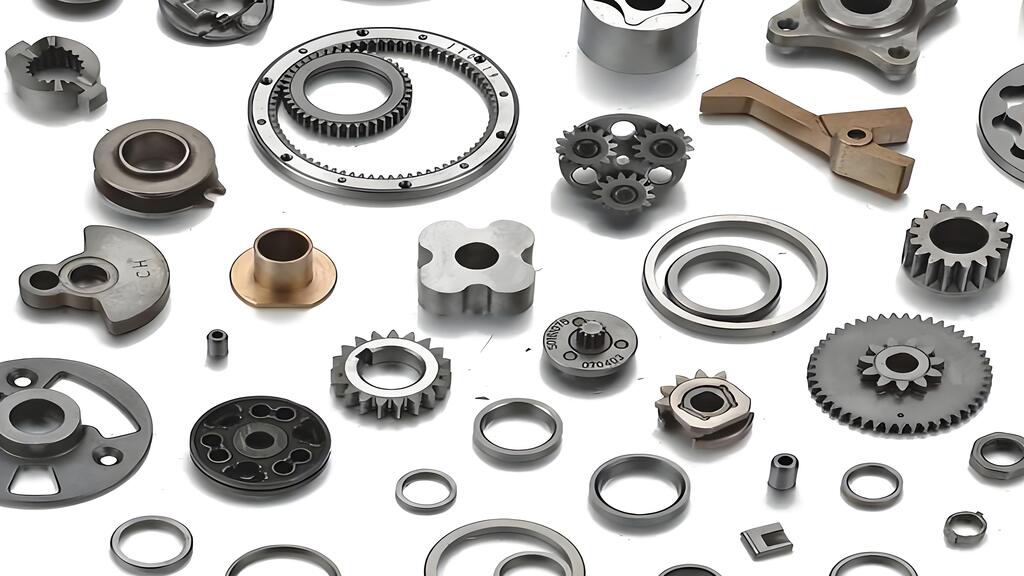


What is A356 Aluminum
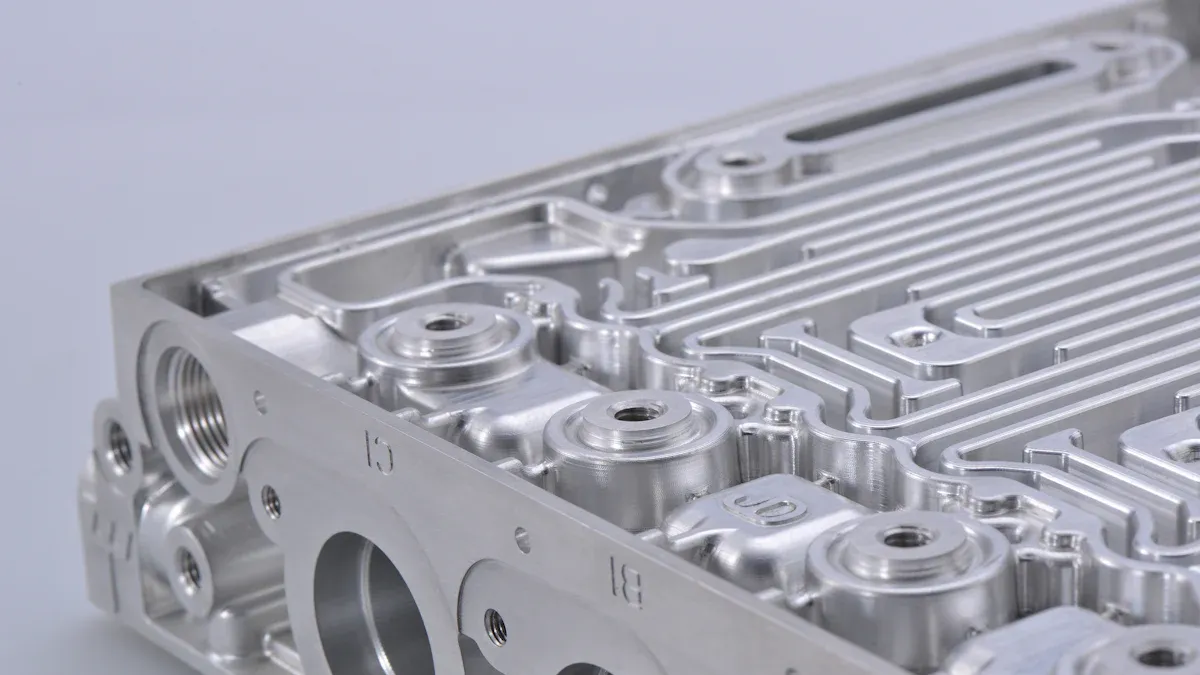
A356 Aluminum is a high-performance alloy primarily composed of aluminum, silicon, and magnesium. This alloy exhibits excellent casting characteristics, making it suitable for various applications. Manufacturers often choose A356 Aluminum for its lightweight nature and good mechanical properties. Its unique composition allows for superior strength and corrosion resistance, making it a popular choice in industries such as automotive and aerospace.
Key Takeaways
- A356 Aluminum is a lightweight alloy known for its excellent casting properties, making it ideal for automotive and aerospace applications.
- The alloy primarily consists of silicon and magnesium, which enhance its strength and corrosion resistance.
- A356 Aluminum has a minimum yield strength of 190 MPa, indicating its ability to withstand significant stress.
- This alloy exhibits good corrosion resistance, making it suitable for marine environments where exposure to saltwater is common.
- A356 Aluminum is versatile and used in various industries, including automotive, aerospace, and industrial equiPment.
- The alloy's excellent castability allows for the production of complex parts, ensuring high-quality components.
- While A356 Aluminum is strong, it has lower strength compared to some other alloys, like 7075, which is important to consider for specific applications.
- A356 Aluminum can be welded easily, facilitating the fabrication of intricate components in manufacturing.
Chemical Composition of A356 Aluminum
A356 Aluminum's chemical composition plays a crucial role in determining its properties and performance. This alloy primarily consists of several key elements that enhance its characteristics.
Main Alloying Elements
The primary alloying elements in A356 Aluminum include silicon and magnesium. These elements contribute significantly to the alloy's strength and casting capabilities. The following table summarizes the main alloying elements and their classifications:
| Alloy Designation | Primary Alloying Elements | Series Classification |
|---|---|---|
| A356.0 | Silicon, Magnesium | 3xx.x |
Silicon improves fluidity during casting, while magnesium enhances strength and corrosion resistance. Together, they create a balanced alloy suitable for various applications.
Trace Elements
In addition to the main alloying elements, A356 Aluminum contains trace elements that can influence its properties. Typical concentrations of these trace elements include:
- Nickel (Ni): 600 ppm
- Vanadium (V): 1000 ppm
These trace elements can affect the alloy's mechanical properties and overall performance, albeit to a lesser extent than the primary components.
Impact of Composition on Properties
The chemical composition of A356 Aluminum directly impacts its mechanical and physical properties. Variations in the alloy's makeup can lead to significant differences in performance. The following table illustrates some of these relationships:
| Parameter | Description |
|---|---|
| Impact Energy | The absorbed impact energy of A356 alloy is inversely related to microporosity variation. |
| Defect Susceptibility | High in as-cast alloy, reduced through T6 treatment. |
| Relationship Formula | E′=Eo′/(1–f)a, where E′ is the absorbed impact energy, Eo′ is the maximum energy in defect-free condition, and f is the microporosity. |
Additionally, the addition of titanium-boron (Ti-B) can enhance the tensile properties of A356 Aluminum alloys. Variations in microporosity also influence the defect susceptibility of tensile properties. Studies have shown that the microstructure and impact behavior of A356 aluminum alloy change after various melt treatment processes. Grain refinement and modification occur under both non-heat-treated and T6 heat treated conditions, with eutectic silicon morphology identified as a key factor controlling impact behavior.
Understanding the chemical composition of A356 Aluminum is essential for manufacturers and engineers. It allows them to tailor the alloy for specific applications, ensuring optimal performance in demanding environments.
Physical Properties of A356 Aluminum
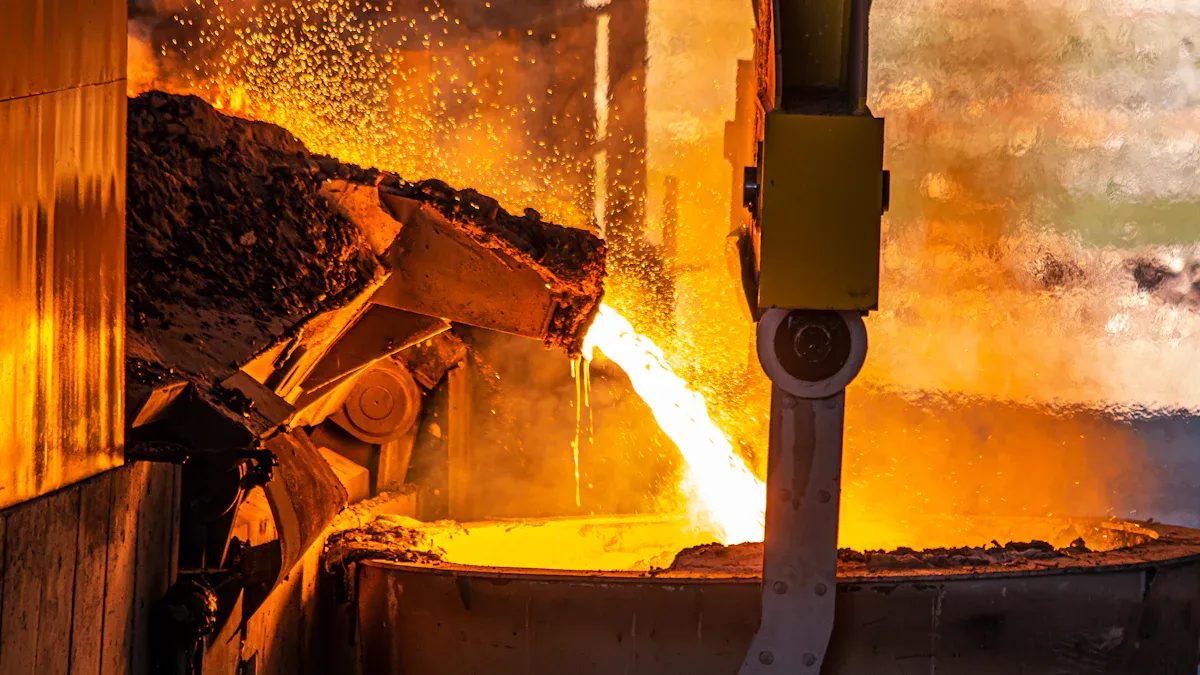
A356 Aluminum exhibits a range of physical properties that make it suitable for various applications. Understanding these properties is essential for engineers and manufacturers when selecting materials for specific uses.
Mechanical Properties
Tensile Strength
Tensile strength is a critical mechanical property that indicates how much force a material can withstand while being stretched or pulled. For A356 Aluminum, the minimum yield strength is 190 MPa (27.6 ksi). This value reflects the alloy's ability to perform under stress. The elongation at break for A356 Aluminum is reported to be 6.0%, indicating its ductility.
| Property | Metric Values | Imperial Values |
|---|---|---|
| Yield Strength Min | 190 MPa | 27.6 ksi |
| Elongation Min % | 6% | 6% |
A356 Aluminum demonstrates superior mechanical performance compared to other aluminum alloys. For instance, when reinforced with 0.5% multi-walled carbon nanotubes (MWCNTs), A356-T6 exhibits increased yield stress and ultimate tensile strength, outperforming alloys like 319 and 380.
Hardness
The hardness of A356 Aluminum is another significant factor that contributes to its overall performance. The maximum hardness achieved in A356-T6 can be significantly higher than that of other aluminum alloys. This enhanced hardness allows A356 Aluminum to resist wear and deformation, making it suitable for demanding applications.
Thermal Properties
Thermal Conductivity
Thermal conductivity measures a material's ability to conduct heat. A356 Aluminum has a thermal conductivity of approximately 150 W/m-K. In the T6 condition, this value can increase to around 230 W/m-K. This property is crucial for applications requiring efficient heat dissipation, such as in automotive and aerospace components.
Melting Point
The melting point of A356 Aluminum ranges from 570°C to 580°C (1058°F to 1076°F). This relatively low melting point allows for easier casting and shaping during manufacturing processes. The ability to melt and solidify at these temperatures makes A356 Aluminum a versatile choice for various applications.
| Melting Point Range (°C) | Melting Point Range (°F) |
|---|---|
| 570°C to 580°C | 1058°F to 1076°F |
Corrosion Resistance of A356 Aluminum
A356 Aluminum exhibits good corrosion resistance, comparable to that of 6061 aluminum. This property is particularly beneficial in marine applications, where exposure to saltwater can lead to rapid degradation of materials. A356 Aluminum's ability to withstand harsh environments makes it an ideal choice for industrial equipment and components used in challenging conditions.
- A356 aluminum shows good corrosion resistance, similar to 6061 aluminum.
- It is ideal for marine applications due to its ability to withstand saltwater exposure.
- The alloy is used in harsh industrial environments, highlighting its durability against corrosion.
Understanding the physical properties of A356 Aluminum helps manufacturers and engineers make informed decisions about material selection for their projects. The combination of mechanical strength, thermal conductivity, and corrosion resistance makes A356 Aluminum a valuable material in various industries.
Common Applications of A356 Aluminum
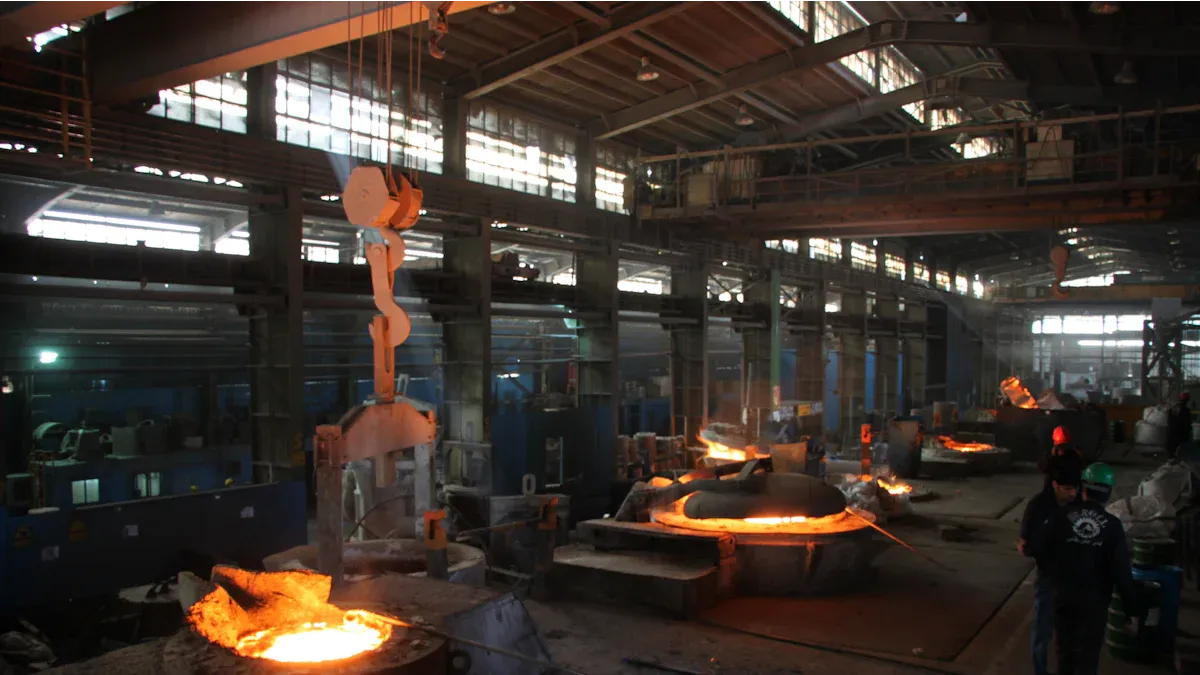
Automotive Industry
A356 Aluminum plays a vital role in the automotive sector due to its excellent mechanical properties and lightweight nature. Manufacturers utilize this alloy for various components that require strength and durability. Common automotive components made from A356 Aluminum include:
| Component Type | Description |
|---|---|
| Engine Components | Includes engine blocks, cylinder heads, and intake manifolds, known for high strength and toughness. |
| Automotive Wheels | Commonly used for high-performance and racing wheels due to excellent castability and mechanical properties. |
| Transmission System Parts | Encompasses gearbox and differential housings, benefiting from A356's casting ability and corrosion resistance. |
The lightweight nature of A356 Aluminum contributes to improved fuel efficiency and performance in vehicles. Its ability to withstand high temperatures and mechanical stress makes it a preferred choice for critical automotive applications.
Aerospace Industry
In the aerospace sector, A356 Aluminum is favored for its lightweight characteristics and high tensile strength, which is around 310 MPa. This alloy is commonly utilized in various aerospace components, including engine blocks, airplane landing gear, and structural components. The selection of A356 Aluminum for these applications stems from several key advantages:
- Lightweight Nature: A356 Aluminum's excellent strength-to-weight ratio allows for the creation of lighter aircraft structures that still meet stringent safety requirements.
- Durability: The alloy's resistance to fatigue makes it ideal for components that experience significant mechanical stress.
- Weldability: A356 Aluminum can be easily welded, facilitating the manufacturing process for complex aerospace parts.
These properties enable manufacturers to produce aircraft that are not only efficient but also capable of enduring the rigors of flight.
Marine Applications
A356 Aluminum is increasingly popular in marine applications due to its lightweight and corrosion-resistant properties. The alloy's performance in harsh marine environments makes it an ideal choice for various components. Key advantages of using A356 Aluminum in marine applications include:
- Lightweight: A356 Aluminum's high strength-to-weight ratio makes vessels easier to maneuver and reduces fuel consumption.
- Corrosion Resistance: The alloy forms a protective layer of aluminum oxide, minimizing maintenance needs compared to other materials.
- Durability: A356 Aluminum withstands harsh marine conditions, including saltwater and UV exposure, and is less prone to cracking and warping.
- Ease of Repair: Damaged areas can be easily replaced, unlike wooden boats which are harder to repair.
- Recyclability: It is eco-friendly and can be recycled without losing its properties.
- Cost-Effectiveness: Although the initial cost may be higher, long-term savings are realized through reduced fuel and maintenance costs.
The corrosion resistance of A356 Aluminum significantly benefits marine equipment longevity. The magnesium content in the alloy helps prevent rust, making it suitable for marine environments. This durability ensures long-lasting performance even in harsh saltwater conditions.
Industrial Equipment
A356 Aluminum finds extensive application in various types of industrial equipment due to its advantageous properties. Its lightweight nature, high strength, and excellent corrosion resistance make it a preferred choice for manufacturers. The following are some common applications of A356 Aluminum in industrial settings:
- Food Production Equipment: A356 Aluminum is essential for processing snack foods. Its food-grade quality ensures safety and durability in food production environments.
- Food and Beverage Production Facilities: The alloy's resistance to corrosion and ease of cleaning make it ideal for equipment used in these industries.
- Antenna Positioners: In the satellite antenna industry, A356 Aluminum components are crucial for high-quality casting applications. They provide the necessary strength and stability for precise positioning.
The selection of A356 Aluminum in industrial machinery design stems from several key benefits. The following table summarizes these advantages:
| Property | Benefit |
|---|---|
| High strength-to-weight ratio | Ideal for aeronautical and automotive components requiring strength and lightweight design. |
| Ductility and formability | Allows for casting into complex shapes and sizes, enhancing design flexibility. |
| Corrosion resistance | Protective oxide layer prevents corrosion, suitable for hostile environments. |
| Low coefficient of thermal expansion | Ensures dimensional stability in high-precision applications. |
| Excellent machinability and weldability | Facilitates easy production and adaptation of components post-casting. |
These properties enable A356 Aluminum to meet the demanding requirements of industrial applications. Manufacturers appreciate its versatility and reliability, making it a staple in the design of various industrial equipment.
Advantages of A356 Aluminum
A356 Aluminum offers several advantages that make it a preferred choice in various industries. Its unique properties contribute to its widespread use in automotive, aerospace, and industrial applications.
Lightweight Nature
One of the most significant benefits of A356 Aluminum is its lightweight nature. This characteristic plays a crucial role in reducing transportation and handling costs. For instance, reducing vehicle weight by 10% can improve fuel economy by 6 to 8%. Lighter car components made from A356 Aluminum are 10 to 40% lighter than traditional materials. This reduction leads to lower fuel consumption and easier handling, making A356 Aluminum an attractive option for manufacturers aiming to enhance efficiency.
Excellent Castability
A356 Aluminum exhibits excellent castability, which allows for the production of high-quality parts with intricate designs. Various casting methods effectively utilize this alloy, each offering distinct advantages. The following table summarizes some of the most effective casting methods for A356 Aluminum:
| Casting Method | Advantages | Applications |
|---|---|---|
| Permanent Mold Casting | Good mechanical properties, smooth surface finish, suitable for parts up to 10 kg | Automotive, mechanical equipment |
| Die Casting | Cost-effective, reusable molds, rapid solidification, less post-processing | High-quality automotive parts |
| Investment Casting | Capable of complex designs, large size range, parts up to 1000 pounds | Aerospace, intricate components |
A356 Aluminum's casting performance ensures high strength and excellent surface quality. These attributes make it suitable for critical applications, including automotive and aerospace components.
Good Corrosion Resistance
Corrosion resistance is another notable advantage of A356 Aluminum. This alloy demonstrates strong resistance to environmental factors, making it ideal for applications exposed to harsh conditions. Laboratory tests, such as electrochemical corrosion tests following the ASTM G5 standard, evaluate the corrosion properties of A356 Aluminum. These tests provide reliable assessments of the material's durability against corrosion.
The combination of lightweight nature, excellent castability, and good corrosion resistance positions A356 Aluminum as a versatile material. Manufacturers benefit from its performance in various applications, ensuring reliability and efficiency in their products.
Versatile Applications
A356 Aluminum's versatility makes it a valuable material across multiple industries. Its unique properties, such as lightweight nature, excellent castability, and good corrosion resistance, enable manufacturers to utilize this alloy in various applications. The following table summarizes key industries that benefit from A356 Aluminum:
| Industry | Applications |
|---|---|
| Automotive | Engine components, transmission parts, structural elements for fuel efficiency and emission reduction. |
| Electronics | Devices for heat dissipation, connectors, and enclosures for electrical conductivity and corrosion resistance. |
| Industrial Equipment | Machinery components for operational efficiency, tools requiring durability and consistent performance. |
| Architecture | Structural elements for innovative designs, facades for aesthetic appeal, and support for sustainable construction. |
In the automotive industry, A356 Aluminum plays a crucial role in enhancing vehicle performance. Manufacturers use this alloy for engine components and transmission parts. These applications benefit from A356's lightweight nature, which contributes to improved fuel efficiency and reduced emissions. The alloy's strength ensures that critical components can withstand the stresses of operation.
The electronics sector also leverages A356 Aluminum for its thermal management capabilities. Devices that require efficient heat dissipation often incorporate this alloy. Connectors and enclosures made from A356 Aluminum provide excellent electrical conductivity and corrosion resistance. These properties ensure reliable performance in various electronic applications.
In industrial equipment, A356 Aluminum proves essential for machinery components. Its durability and operational efficiency make it a preferred choice for tools and equipment that require consistent performance. The alloy's lightweight nature allows for easier handling and transportation, further enhancing its appeal in this sector.
Architecture benefits from A356 Aluminum's versatility as well. Designers and architects utilize this alloy for structural elements in innovative designs. Its aesthetic appeal makes it suitable for facades, while its strength supports sustainable construction practices. A356 Aluminum allows for creative freedom without compromising structural integrity.
Overall, A356 Aluminum's versatile applications across these industries highlight its importance in modern manufacturing. The combination of lightweight properties, excellent castability, and corrosion resistance positions this alloy as a go-to material for engineers and designers alike. As industries continue to evolve, A356 Aluminum will remain a key player in driving innovation and efficiency.
Limitations of A356 Aluminum
Lower Strength Compared to Other Alloys
A356 Aluminum, while versatile, has limitations in strength when compared to other aluminum alloys. Several factors contribute to this reduced strength:
- A356 Aluminum exhibits lower yield strength and tensile strength than A319, which contains copper that enhances mechanical strength.
- The mechanical properties of die-cast aluminum alloys, including A356, significantly depend on porosity. Increased porosity leads to decreased elongation, which affects overall performance.
- At high solid fractions, B206 demonstrates higher yield stress than A356, indicating that microstructural differences contribute to strength variations.
These factors highlight the importance of selecting the appropriate alloy for specific applications, especially where high strength is critical.
Susceptibility to Stress Corrosion Cracking
Another limitation of A356 Aluminum is its susceptibility to stress corrosion cracking (SCC). This phenomenon occurs when a material experiences tensile stress in a corrosive environment, leading to premature failure. A356 Aluminum can be particularly vulnerable due to its alloying elements. The magnesium content, while beneficial for strength, can also increase the risk of SCC under certain conditions.
To mitigate this risk, manufacturers often implement various strategies, such as:
- Heat Treatment: Proper heat treatment can enhance the alloy's resistance to SCC.
- Protective Coatings: Applying protective coatings can shield the alloy from corrosive environments.
- Design Considerations: Engineers must consider stress distribution in designs to minimize the potential for cracking.
Understanding these factors is crucial for industries that rely on A356 Aluminum in demanding environments.
Cost Considerations
Cost is another important factor when evaluating A356 Aluminum. While it offers several advantages, the initial cost of A356 Aluminum can be higher than some alternative materials. This cost can be attributed to several reasons:
- The manufacturing processes for A356 Aluminum, such as die casting and heat treatment, can be more expensive than those for other alloys.
- The need for additional treatments to enhance properties, such as corrosion resistance and strength, can further increase costs.
Despite these considerations, many manufacturers find that the long-term benefits of using A356 Aluminum, such as durability and performance, often outweigh the initial investment. However, companies must carefully assess their specific needs and budget constraints when selecting materials for their projects.
Comparison of A356 Aluminum with Other Alloys
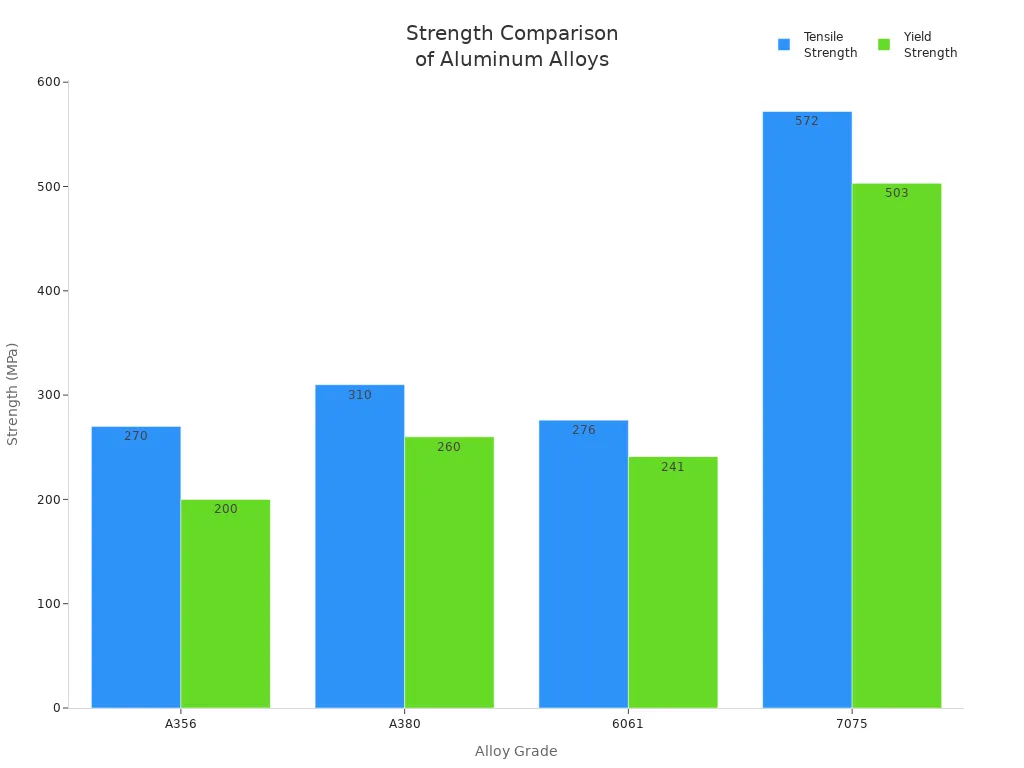
When comparing A356 Aluminum with other aluminum alloys, several factors come into play, including mechanical properties, chemical composition, and suitability for various applications. Below is a detailed comparison of A356 Aluminum with A380, 6061, and 7075 alloys.
A356 vs. A380
A356 and A380 are both popular aluminum alloys, but they differ significantly in composition and mechanical properties. A380 contains a higher silicon content, which enhances its fluidity during casting. The following table summarizes the key differences in chemical composition:
| Alloy Type | Silicon (Si) Content | Magnesium (Mg) Content | Copper (Cu) Content |
|---|---|---|---|
| A356 | 6.5% - 7.5% | 0.2% - 0.4% | N/A |
| A380 | 7.5% - 9.5% | N/A | 2% - 4% |
In terms of mechanical strength, A380 outperforms A356. The tensile strength of A380 reaches 310 MPa, while A356 has a tensile strength of 270 MPa. This difference makes A380 more suitable for applications requiring higher strength.
A356 vs. 6061
A356 and 6061 are both versatile alloys, but they serve different purposes. A356 is primarily used for casting, while 6061 is often extruded. The following table highlights their mechanical properties:
| Property | A356 T6 | 6061 T6 |
|---|---|---|
| Tensile Strength (σ_b) | 250 – 300 MPa | 260 – 310 MPa |
| Yield Strength (σ_0.2) | 180 – 250 MPa | 240 – 290 MPa |
| Elongation (δ) | 3% – 12% | 8% – 12% |
| Hardness (HB) | 90 – 120 HB | 95 – 120 HB |
| Impact Toughness (Izod) | 5 – 10 J/cm² | 6 – 9 J/cm² |
Both alloys exhibit similar hardness, but 6061 generally offers better yield strength and elongation. This makes 6061 a preferred choice for structural applications where strength and ductility are critical.
A356 vs. 7075
7075 Aluminum is known for its exceptional strength, making it a popular choice in aerospace applications. In comparison, A356 offers good castability but lower strength. The following table illustrates their tensile and yield strengths:
| Grade | Tensile Strength (MPa) | Yield Strength (MPa) |
|---|---|---|
| A356 | 270 | 200 |
| 7075 | 572 | 503 |
The significant difference in strength makes 7075 suitable for high-stress applications, while A356 remains a strong contender for casting applications where weight savings are essential.
A356 Aluminum stands out due to its lightweight nature, excellent castability, and good corrosion resistance. These features make it a preferred choice in industries such as automotive, aerospace, and marine applications. Manufacturers appreciate its ability to enhance performance while reducing weight.
As industries evolve, A356 Aluminum will continue to play a vital role in driving innovation. Exploring aluminum alloys further can reveal even more opportunities for efficiency and performance improvements.
FAQ
What are the main benefits of using A356 Aluminum?
A356 Aluminum offers a lightweight nature, excellent castability, good corrosion resistance, and versatility across various applications. These properties make it ideal for industries like automotive, aerospace, and marine.
How does A356 Aluminum compare to other aluminum alloys?
A356 Aluminum provides a balance of strength and weight. While it excels in castability, alloys like 7075 offer higher strength. A356 is suitable for applications where weight savings are crucial.
Can A356 Aluminum be welded?
Yes, A356 Aluminum can be welded. Its weldability allows for easy fabrication of complex components. However, proper techniques and filler materials are essential to maintain its mechanical properties.
What is the melting point of A356 Aluminum?
The melting point of A356 Aluminum ranges from 570°C to 580°C (1058°F to 1076°F). This relatively low melting point facilitates easier casting and shaping during manufacturing processes.
Is A356 Aluminum suitable for marine applications?
Absolutely! A356 Aluminum's corrosion resistance makes it ideal for marine environments. Its lightweight and durable properties ensure longevity and performance in harsh conditions, such as saltwater exposure.
What industries commonly use A356 Aluminum?
A356 Aluminum finds applications in various industries, including automotive, aerospace, marine, and industrial equipment. Its unique properties make it a preferred choice for components requiring strength and lightweight design.
How does A356 Aluminum perform in high-temperature environments?
A356 Aluminum maintains good mechanical properties at elevated temperatures. Its thermal stability allows it to perform well in applications like engine components, where heat resistance is critical.
What are the limitations of A356 Aluminum?
A356 Aluminum has lower strength compared to some other alloys, such as 7075. It is also susceptible to stress corrosion cracking under certain conditions, which manufacturers must consider during design.