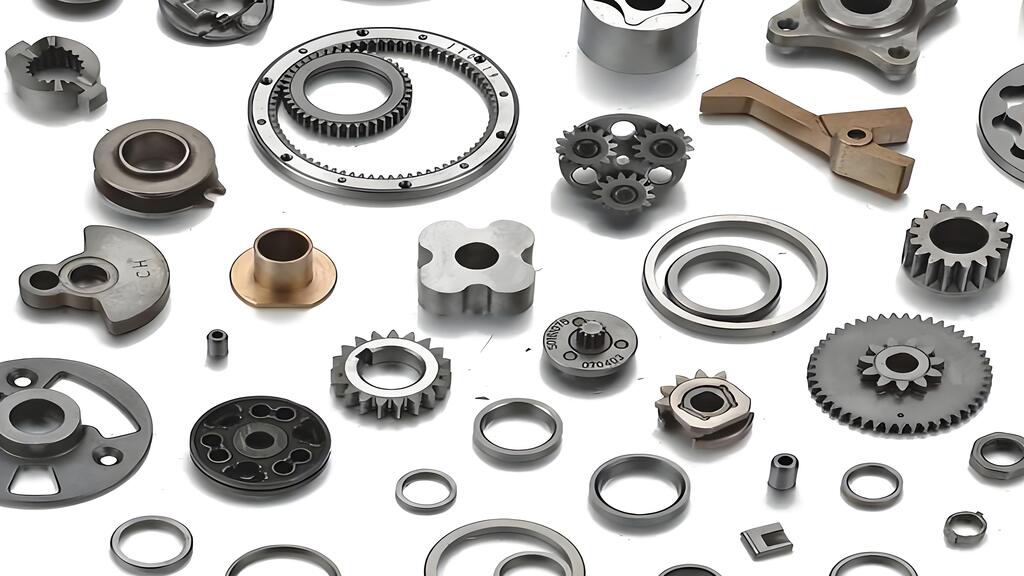


Automotive Sintered Gears: Key Features and Benefits
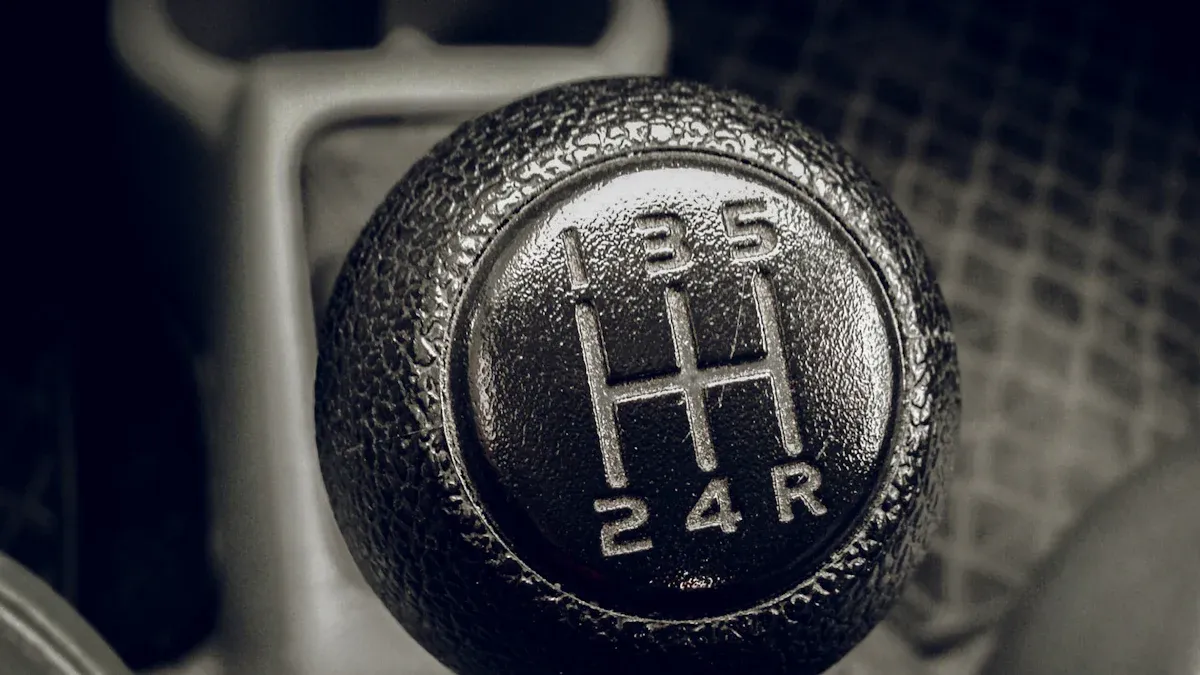
Automotive sintered gears are components produced via Powder Metallurgy. This advanced manufacturing method provides a unique combination of properties for various automotive applications. The process offers significant advantages in modern vehicle design. Engineers increasingly rely on these gears for their precision and performance. Ningbo Jiehuang Chiyang provides expertise in developing custom metal parts, including powder metal manufacturing, ensuring high-quality components for the industry.
Key Takeaways
- Sintered Gears are made usingpowder metallurgy. This process forms strong, precise parts from metal powders.
- This manufacturing method allows for complex shapes. It also creates parts with high accuracy.
- Sintered gears save money. They use less material and need less extra work after making them.
- These gears make cars perform better. They are strong, last longer, and reduce noise.
- Sintered gears are lighter. This helps cars use less fuel and travel further.
- They are used in many car parts. This includes engines, transmissions, brakes, and steering systems.
- Sintered gears are good for the environment. They use recyclable materials and save energy.
- They are important for electric vehicles. They help make EVs work well and quietly.
Understanding Automotive Sintered Gears and Their Production
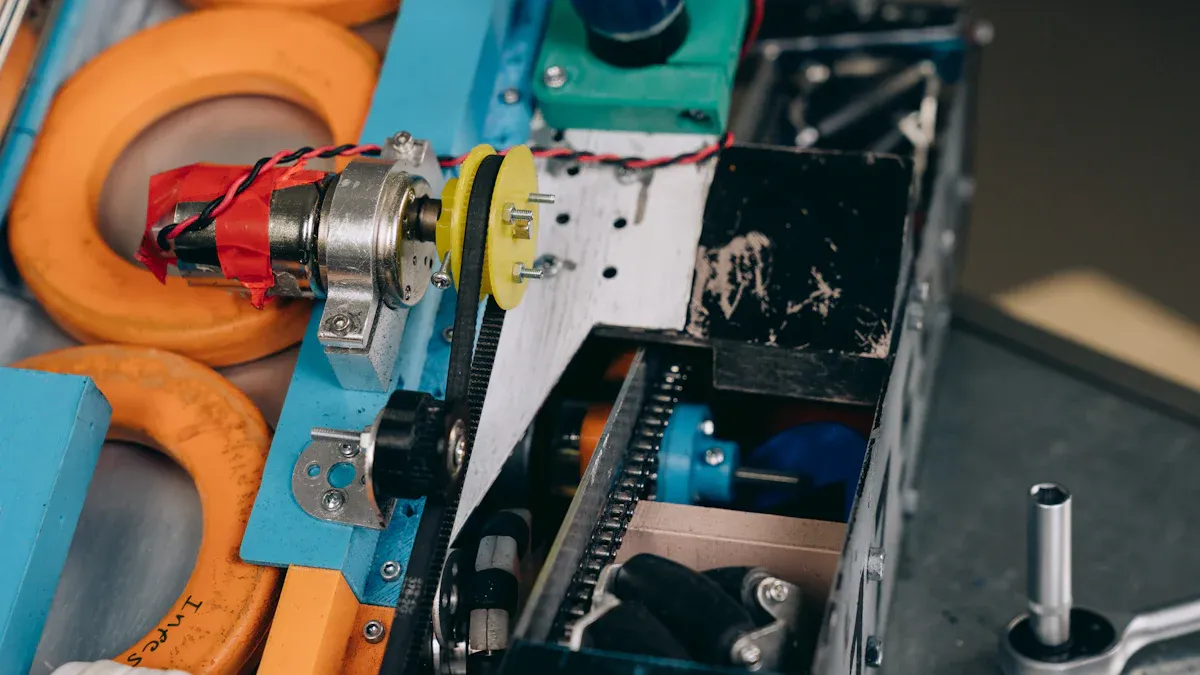
What is Powder Metallurgy?
Powder metallurgy is a metalworking process. It forms parts from metal powders. This method offers significant advantages for complex component manufacturing. It is particularly useful for producing parts with specific material properties.
Basic Principles of Powder Metallurgy
Powder metallurgy relies on fundamental principles. First, particle compaction occurs. Manufacturers press metal powder under high pressure. This forms a preliminary shape. This process increases particle contact. It creates mechanical bonds and initial density. Second, sintering and particle bonding take place. The compacted part then undergoes heating below its melting point. This allows solid-state diffusion. High temperatures facilitate atomic movement. They form strong metallic bonds. This reduces porosity and increases density and strength. Finally, microstructure reorganization happens. Sintering temperatures induce recrystallization. This refines the microstructure. It improves mechanical properties. These include tensile strength, hardness, and overall stability.
Key Steps in the Sintering Process
The sintering process involves several key steps. First, powder preparation ensures the correct particle size and composition. Next, compaction shapes the powder into a "green" part. This green part has enough strength for handling. Then, the green part enters a furnace for sintering. Controlled atmospheric conditions prevent oxidation. The furnace heats the part to a specific temperature. This temperature remains below the metal's melting point. Atomic diffusion occurs, bonding the particles. Cooling then follows. Manufacturers may perform secondary operations. These include sizing, coining, or heat treatment. These steps enhance the part's final properties.
Raw Materials for Automotive Sintered Gears
The selection of raw materials is crucial. It directly impacts the final properties of automotive sintered gears. Manufacturers carefully choose metal powders and alloying elements.
Types of Metal Powders Used
Various metal powders form automotive sintered gears. Steel, especially alloyed and stainless varieties, finds use in demanding structural components. Iron serves as a popular base metal. It offers low cost and excellent mechanical properties for general-purpose parts. Bronze, a copper-tin alloy, sinters at lower temperatures than ferrous materials. Brass, a copper-zinc alloy, is common in structural applications. It also suits decorative, electrical, or corrosion-resistant parts. Other common types include copper alloys like brass and bronze. Iron alloys, such as carbon steel, alloy steel, stainless steel, and cast iron, are also widely utilized.
Role of Alloying Elements
Alloying elements play a vital role. They enhance the mechanical properties of automotive sintered gears. For P/M aluminum alloys, macroalloying elements like copper (Cu), magnesium (Mg), lithium (Li), and silicon (Si) are crucial. They significantly enhance strength. Microalloying elements such as silver (Ag) and tin (Sn) improve hardness, wear resistance, and tensile properties. These elements contribute to mechanical property enhancements. They achieve this through microstructural modifications. These modifications include forming secondary phases, solid solutions, and promoting age hardening.
Key Features of Automotive Sintered Gears
Automotive sintered gears offer distinct advantages over gears produced by traditional methods. These advantages stem from the unique powder metallurgy process. They provide high precision, material consistency, and excellent surface quality.
High Precision and Complex Geometries
Sintered gears excel in producing parts with intricate designs and tight tolerances. The manufacturing process allows for significant design freedom.
Near-Net-Shape Manufacturing Capabilities
Powder metallurgy enables near-net-shape manufacturing. This means the process forms components very close to their final dimensions. This capability significantly reduces the need for extensive post-processing steps. It minimizes waste by forming components as close as possible to their final shape during initial production. This approach reduces the need for post-processing steps like machining or grinding, leading to greater efficiency and precision.
- Waste Reduction: High-dimensional accuracy is achieved early, reducing material waste from machining.
- Quick Turnaround Time: Eliminating additional finishing steps speeds up production.
- Combined Shapes: The process allows multi-piece assemblies to be made as a single part. This removes the need for additional machining operations like brazing, welding, or CNC machining.
- Cost-Efficiency: Minimal waste generation and the frequent elimination of secondary processes like hobbing, shaving, and grinding contribute to cost savings.
Design Freedom for Intricate Parts
The powder metallurgy process offers engineers extensive design freedom. Manufacturers can create complex geometries that are difficult or impossible to achieve with other methods. This includes internal features, undercuts, and varying cross-sections. This flexibility allows for innovative gear designs. It also enables the integration of multiple functions into a single component.
Material Homogeneity and Controlled Porosity
Sintered materials exhibit a highly uniform structure. Manufacturers can also precisely control their porosity. These characteristics are crucial for performance.
Uniform Structure of Sintered Materials
Sintered materials possess a highly uniform structure. The powder metallurgy process ensures an even distribution of metal particles. This uniform distribution within the powder ensures consistent mechanical properties. This consistency is vital for gear strength and longevity. Sintering is a crucial step where alloying occurs through solid-state diffusion. This leads to metallurgical bonding and contributes to material homogeneity. Processes like the Sinta-Carb® method create an isotropic, homogeneous, and fully dense microstructure. This enhances resistance to tooth-bending fatigue and impact loading.
Tailoring Porosity for Specific Needs
Manufacturers can precisely control the porosity of sintered materials. They adjust the powder composition and sintering parameters to customize the final properties of the part. This allows for benefits such as self-lubricating bearings in automotive applications. The porosity of sintered metal can be controlled to meet specific requirements. This allows for applications that require filtration, lubrication, or fluid flow. Different sintering methods can be tailored to produce varying results. These impact the density, porosity, and microstructure of the material. For instance, controlling bond area, particle size, and vapor pressure allows for precise management of temperature and grain size during sintering. This directly affects the final material properties.
Specific functions in automotive applications include:
- Filtration Function: High permeability allows efficient separation of particles from fluids.
- Wicking Function: Capillary action aids in wicking fluids, valuable for oil cooling in engines.
- Pressure Control Function: Tailored porosity enables use as a pressure regulator or damper in hydraulic systems and gas flow regulation.
Excellent Surface Finish and Quality
Sintered gears often exhibit a high-quality surface finish directly from the manufacturing process. Further treatments can enhance this quality.
Inherent Smoothness of Sintered Surfaces
Sintered components naturally possess a good surface finish. The fine particle size of the metal powders contributes to this inherent smoothness. This often reduces or eliminates the need for extensive secondary finishing operations. This saves time and reduces manufacturing costs.
Post-Sintering Treatment Options
Manufacturers apply various post-sintering treatments to enhance the surface quality and mechanical properties of sintered gears. These treatments further improve performance and durability.
| Treatment Type | Application | Advantages | Disadvantages | Suitable Scenarios |
|---|---|---|---|---|
| Surface Hardening | Transmission gears, tool parts | High surface hardness, excellent wear resistance, maintains internal toughness | Only surface properties were enhanced, with minimal internal strength improvement | Parts subjected to surface friction or localized high pressure |
| Electroplating | Mechanical equipment parts, architectural hardware | Enhances corrosion resistance, improves appearance | May be affected by base material surface defects, requires pre-treatment | Moderate corrosion environments (indoor equipment, tool parts) |
| Hot Dip | Outdoor components (architectural hardware, large equipment) | Provides a thick protective layer, excellent weather resistance | Coating thickness may affect dimensional precision | Parts exposed to highly corrosive or harsh environments |
| Surface Coating (e.g., PVD) | High-end parts (tools, healthcare devices) | Improves wear resistance and hardness, offers color options | Higher process cost | Parts with high precision and aesthetic requirements |
| Sandblasting and Polishing | Architectural hardware, parts requiring a smooth finish | Improves surface smoothness, removes burrs, and enhances aesthetic quality | Limited impact on part performance | Parts with high aesthetic requirements but moderate performance needs |
Other common treatments include heat treatments like quenching, tempering, and annealing. These enhance properties such as hardness, strength, and fatigue resistance. Carburizing creates a tough, wear-resistant surface. Induction hardening toughens specific areas. Steam treating forms a protective oxide layer for toughness and high-load capacity. Infiltration, using copper or bronze, increases density and corrosion resistance by filling pores. This improves tensile strength, ductility, and impact resistance. Surface finishing techniques like nitriding form an even nitride layer with minimal distortion. Ion nitriding improves surface lubricity while maintaining precise dimensions.
Functional Integration in Automotive Sintered Gears
Functional integration represents a significant advantage of powder metallurgy in automotive applications. This capability allows manufacturers to combine several individual components into a single, complex part. This approach simplifies design, enhances performance, and streamlines production processes.
Combining Multiple Components into One
Sintered gear technology excels at consolidating multiple components into a single, integrated unit. Traditional manufacturing often requires separate production of various parts, followed by assembly. Powder metallurgy, however, allows for the direct creation of intricate shapes with integrated features. This means a single sintered component can perform the functions of what previously required several distinct pieces. This consolidation reduces the total number of parts in an assembly. It also improves the overall structural integrity and reliability of the component.
Reducing Assembly Steps and Complexity
The ability to combine multiple components directly translates into a significant reduction in assembly steps and overall manufacturing complexity. By producing a single, multi-functional part, manufacturers eliminate the need for numerous individual production processes, assembly operations, and fasteners. This simplification leads to substantial cost savings and improved efficiency.
Consider the following comparison:
| Original Subassembly (3 parts) | Powder Metal Component (1 part) |
|---|---|
| Multiple manufacturing processes | Single-stroke production |
| Increased labor and assembly time | Decreased assembly time and labor costs |
| Higher production costs | Cost savings of approximately $1.00 per assembly |
| Multiple components, complex inventory | Elimination of multiple components, simplified inventory |
| Separate stamped sprocket, machined lower body, fastener | Integrated multi-level, net-shape component |
| Challenges: Multiple components, increased labor/assembly time, higher production costs | Results: Reduced manufacturing complexity, improved functionality, enhanced quality |
This table clearly illustrates the benefits of functional integration. A single powder metal component replaces a three-part subassembly. This change drastically reduces manufacturing complexity. It also improves functionality and enhances quality.
Furthermore, the powder metallurgy process inherently supports this reduction in complexity:
- Production close to the final contour (“net shape”): This eliminates the need for additional machining steps. Components emerge from the sintering furnace very close to their final dimensions.
- Direct formation of complex shapes: Sintering allows for the direct creation of features like teeth, splines, profiles, and frontal geometries. This removes the necessity for extra machining operations.
These capabilities make Automotive Sintered Gears a highly efficient solution for modern vehicle manufacturing. They streamline production, reduce costs, and deliver high-quality, integrated components.
Core Benefits of Automotive Sintered Gears
Automotive sintered gears offer numerous advantages over components produced by traditional manufacturing methods. These benefits translate into significant improvements in cost, performance, and environmental impact for vehicle manufacturers.
Cost-Effectiveness in Production
The powder metallurgy process inherently provides substantial cost savings. It optimizes material usage and minimizes the need for extensive post-processing.
Reduced Machining Requirements
Sintered gears significantly reduce the need for machining. The powder metallurgy process forms components very close to their final dimensions. This near-net-shape capability means manufacturers produce parts with high dimensional accuracy from the outset. This approach minimizes the need for additional finishing steps like grinding or extensive machining. Eliminating these operations saves both time and labor costs. It also streamlines the production process, leading to quicker turnaround times for components.
High Material Utilization and Less Waste
Powder metallurgy excels in material utilization. It uses precisely the amount of material needed for each part. This drastically reduces scrap rates compared to traditional machining, which cuts away excess material. This precise material usage directly saves costs, especially with expensive metals. The efficiency of powder metallurgy significantly reduces material waste. This contributes to higher material utilization and fewer processing steps. This efficiency directly lowers the total production cost for automotive components, particularly in mass production.
| Aspect | Powder Metallurgy | Traditional Machining |
|---|---|---|
| Raw Material Utilization | Nearly 95% | Nearly 50% |
| Cost Savings (vs. other technologies) | 40% or more | N/A |
Enhanced Performance and Durability
Automotive sintered gears deliver superior performance and extended durability in demanding vehicle applications. Their unique properties contribute to robust and reliable operation.
High Strength-to-Weight Ratio
Sintered gears often achieve an excellent strength-to-weight ratio. Engineers can design these components to be strong enough for their intended loads while remaining relatively light. This characteristic is crucial for automotive applications where both structural integrity and mass reduction are important. The controlled density and microstructure of sintered materials contribute to this favorable balance.
Superior Wear Resistance
Sintered gears exhibit good wear resistance in automotive environments. This is particularly true for applications involving high-frequency vibrations. Their high hardness allows them to resist abrasion effectively. Many sintered gears also possess self-lubricating properties. Manufacturers often achieve this by impregnating lubricants during the production process. This self-lubrication reduces friction between gear teeth, minimizing wear and extending service life. It also helps prevent heat buildup, which can cause premature wear. However, factors such as lubricant type, operating temperature, and contaminants can influence the wear rate.
Noise and Vibration Reduction
Sintered gears inherently possess porosity. This porosity acts as a natural dampening mechanism. This characteristic effectively reduces noise and vibration during gear operation. This makes them particularly suitable for applications like transmissions and drivetrain systems where noise reduction is critical. This dampening capability contributes to a quieter driving experience and enhanced driver comfort. Automotive manufacturers increasingly adopt powder metal sintered gears to enhance performance, reduce noise and vibration, and improve energy efficiency within their powertrains. The validation process for powder metal gears includes comprehensive noise and vibration analysis. During operation, accelerometers and sound level meters measure and analyze the vibrations and noise generated by the gear system. This analytical approach helps identify potential issues and optimize gear design for quieter operation. Miba powder metal gears are also recognized for their excellent noise and vibration-damping properties, further contributing to a quieter powertrain.
Weight Reduction and Fuel Efficiency
The lightweight nature of sintered components directly contributes to improved vehicle performance and environmental benefits.
Lighter Components for Vehicles
Powder metal parts, including sintered gears, are less dense than solid metals. For example, powder metal typically has a density of 7.0 g/cc, while wrought material is 7.8 g/cc. This difference leads to an approximate 10% reduction in weight for individual components. The automotive industry has an increasing demand for lightweight components. This demand is driven by stringent regulations on fuel efficiency and emissions. Automakers adopt these gears to reduce overall vehicle weight.
Contribution to Improved Fuel Economy
Making vehicles lighter, including components like gears, directly leads to higher fuel efficiency, extended driving range, and longer battery life. The cumulative effect of reducing the weight of various parts contributes to overall vehicle weight reduction and improved energy efficiency. The U.S. Department of Energy's fueleconomy.gov website indicates that every additional 100 lbs a car weighs reduces its miles per gallon by 1%. This translates to a significant amount of fuel inefficiency. For instance, it accounts for 480 million gallons per year when considering 80 million vehicles produced annually. This inherent weight reduction from sintered gears directly improves gas mileage and reduces fuel consumption.
Design Flexibility and Environmental Advantages of Automotive Sintered Gears
Automotive sintered gears offer significant design flexibility. They also provide notable environmental benefits. These aspects make them a preferred choice for modern vehicle manufacturing.
Design Flexibility and Customization
Sintered gear technology provides engineers with extensive freedom. They can tailor components precisely to specific application requirements.
Customization Options for Specific Applications
Manufacturers offer numerous customization options for sintered gears. They can adjust the shape, size, and material properties to meet diverse operating conditions. This includes a wide range of material options, such as FC-0205, FC-0208, FN-0205, FN-0208, FX-1000, and FX-1008. Engineers can specify various gear types, including spur, helical, bevel, internal, and transmission gears. They also adjust the module (gear size) to suit different torque and speed conditions. Furthermore, manufacturers achieve ultra-tight precision tolerances, ensuring high precision and minimal backlash. They apply various surface treatments, such as anti-corrosion coatings and heat treatments, for improved hardness and wear resistance. Common heat treatment processes include case hardening and tempering. This broad customization scope supports both small-batch prototypes and large-scale production.
Rapid Prototyping Capabilities
Powder metallurgy inherently supports rapid prototyping. The process allows for quick iteration and testing of new gear designs. Engineers can produce prototypes efficiently, reducing development cycles. This capability accelerates innovation in automotive component design. It enables faster market introduction of new vehicle technologies.
Environmental Benefits of Sintered Gear Production
Sintered gear production offers significant environmental advantages. It promotes sustainability through material recycling and energy-efficient processes.
Material Recyclability and Sustainability
Sintered gear production demonstrates high material recyclability. A study on metal additive manufacturing, a related metal process, found that 91.5% of the initial metal powder could be recycled. This indicates high efficiency in powder utilization and recycling. Copper, a primary component of bronze used in sintered bushings, is highly recyclable. A significant portion of the current copper supply originates from recycled sources. Iron, another common material in sintered bushings, ranks among the most recycled metals globally. Its recycling requires less energy than producing it from ore. These factors contribute to a more sustainable manufacturing process.
Energy-Efficient Manufacturing Processes
The powder metallurgy process is inherently energy-efficient. It often requires less energy compared to traditional manufacturing methods like machining or casting. Near-net-shape manufacturing reduces the need for extensive post-processing. This minimizes energy consumption associated with additional machining operations. The process also operates at lower temperatures than melting-based methods, further conserving energy.
Common Automotive Applications of Sintered Gears
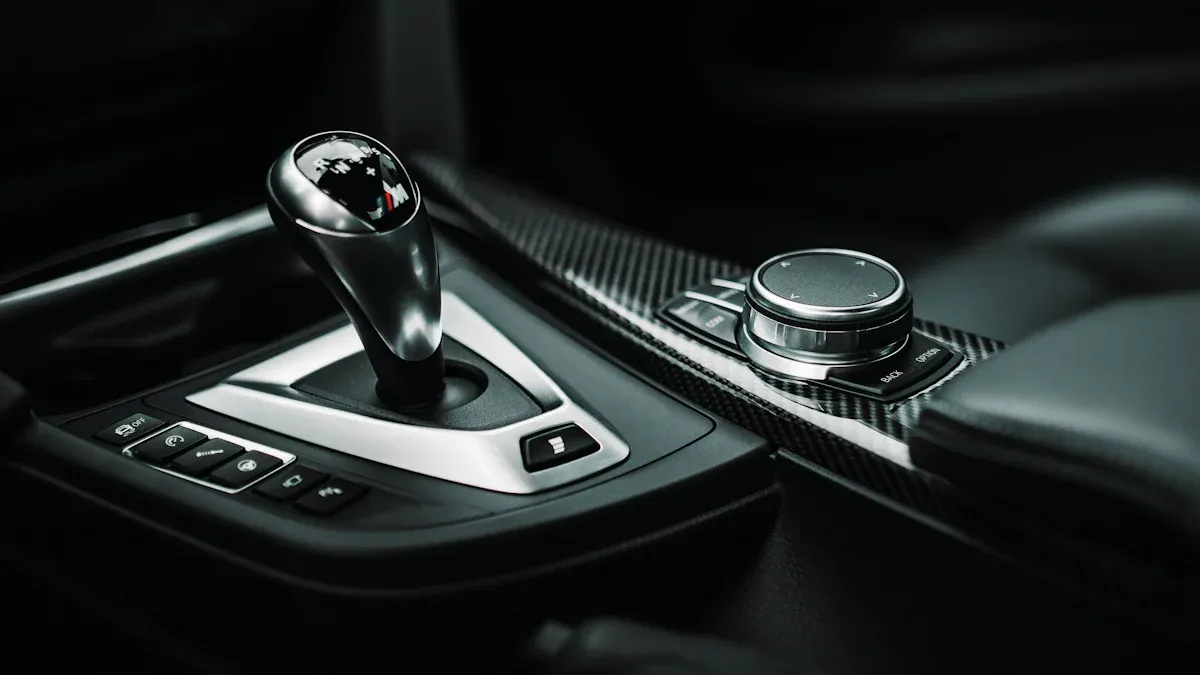
Automotive sintered gears find widespread use across various vehicle systems. Their unique properties make them ideal for demanding applications. They contribute to the efficiency and reliability of modern automobiles.
Engine System Components
Sintered gears play a crucial role within the engine. They ensure precise timing and efficient fluid delivery.
Camshaft Sprockets and Oil Pump Gears
Camshaft sprockets are essential for engine timing. They synchronize the camshaft with the crankshaft. Sintered sprockets offer the necessary precision and durability for this critical function. Oil pump gears ensure proper lubrication throughout the engine. Manufacturers produce these gears from robust sintered materials. This guarantees consistent oil pressure and long-term performance.
Valve Train Components
The valve train controls engine airflow. Sintered components within this system manage valve opening and closing. These parts must withstand high temperatures and repetitive stress. Sintered materials provide the required strength and wear resistance. This ensures optimal engine performance and longevity.
Transmission System Components
Sintered gears are fundamental to automotive transmission systems. They facilitate smooth gear changes and efficient power transfer.
Planetary Gears and Synchronizer Hubs
Planetary gears are vital in automatic transmissions. They allow for multiple gear ratios within a compact space. Four-wheel drive shifting assemblies utilize planetary gears made from hybrid low-alloy sintered steel. This material provides the strength needed for demanding off-road conditions. Synchronizer hubs ensure smooth engagement between gears. Sintered hubs offer the precision and durability required for seamless shifting. Shift-by-wire actuators also contain compound AGMA 8 gears made from sinter-hardened nickel steel. These gears contribute to precise electronic control of the transmission.
Clutch Components
Clutch components manage power flow from the engine to the transmission. Sintered gears are often found in various parts of the clutch assembly. For example, minivan door clutch assemblies incorporate a pinion gear made from phosphorous iron material. This material provides excellent wear resistance and strength. Sintered clutch components contribute to reliable power engagement and disengagement. They also enhance the overall durability of the drivetrain. Furthermore, helical gears are used in automotive transmission systems, and spur gears are found in automotive gearboxes. Gear shafts, critical for power transfer, are also commonly made from sintered materials in automobiles.
Other Automotive Applications and Future Trends for Sintered Gears
Automotive sintered gears extend their utility beyond engines and transmissions. They also play a vital role in braking and steering systems. Furthermore, ongoing innovations promise an even broader application in future vehicle technologies, especially electric vehicles.
Braking and Steering Systems
Sintered gears contribute significantly to the safety and control systems of modern vehicles. Their precision and durability make them ideal for critical functions.
ABS Sensor Rings
ABS sensor rings, also known as tone rings or reluctor rings, are crucial components of a vehicle’s anti-lock braking system. Manufacturers typically produce these rings through sintering. They provide essential wheel speed data to the ABS control unit, ensuring effective anti-lock braking. Sintered gears are widely used in automotive steering systems.
Power Steering Gears
Power steering systems rely on robust and precise gears for smooth operation. Sintered components are common in these applications. For instance, electric power steering (EPS) motors and electric brake motors frequently incorporate sintered gears. These gears ensure reliable assistance for the driver. Other steering system parts, such as rotors, rings, plates, sprockets for power steering pumps, rack guides, couplings, and gears for locking and adjusting steering wheels, also utilize powder metallurgy. In braking systems, sintered parts include rotors, plates, couplings, shoes for servo brake pumps, racks, regulation gears, and hubs.
Future Trends and Innovations in Automotive Sintered Gears
The automotive industry continuously evolves. Sintered gear technology advances alongside it, driven by new materials and the rise of electric vehicles.
Advanced Materials and Alloys
Innovations in powder metallurgy focus on developing advanced materials and alloys. These new materials offer enhanced strength, wear resistance, and fatigue life. Engineers explore novel compositions and processing techniques to meet the increasing demands of modern automotive applications. These advancements allow sintered gears to operate under more extreme conditions, extending their lifespan and improving overall vehicle reliability.
Role in Electric Vehicle Powertrains
Sintered gears are becoming increasingly crucial in electric vehicle (EV) powertrains. Powder metallurgy manufactures durable, high-precision gears and transmission system components for electric vehicles. These components operate efficiently with reduced noise. Sintered gears, specifically powder metal gears, are utilized in electric motor drives, gearboxes, and differentials. They deliver the necessary torque and speed for optimal EV performance. For example, planetary gearbox sets with high-strength gears and toothed carriers, made from powder metal components, are used in brake-by-wire systems. These systems convert electric signals into actuation force at the brake discs. Hardened and annealed powder metal components also form planetary gearbox actuators in shift-by-wire systems, enabling the shifting of transmission gears in hybrid transmissions.
Automotive Sintered Gears are fundamental to modern vehicle design. They deliver an unmatched combination of precision, performance, and cost-efficiency. Their unique manufacturing process and tailored material properties provide significant advantages across various applications. Sintered gears are poised for continued growth and relevance in the evolving automotive industry, especially with advancements in electric vehicles.
FAQ
What are automotive sintered gears?
Automotive sintered gears are components. Manufacturers produce them using powder metallurgy. They offer a unique combination of properties for vehicle applications. This manufacturing method provides significant advantages in vehicle design.
How does powder metallurgy work for gears?
Powder metallurgy involves compacting metal powders into a shape. Then, manufacturers heat this shape below its melting point. This process, called sintering, bonds the particles. It creates a strong, precise gear.
What are the main benefits of using sintered gears?
Sintered gears offer cost-effectiveness and enhanced performance. They provide high precision and complex geometries. They also contribute to weight reduction and improved fuel efficiency.
Where do automotive sintered gears find application?
Sintered gears are common in engine systems. They appear in transmissions, braking, and steering systems. They also play a role in electric vehicle powertrains.
Can manufacturers customize sintered gears?
Yes, manufacturers offer extensive customization options. They adjust shape, size, and material properties. This allows for specific application requirements. Rapid prototyping also supports new designs.
How do sintered gears contribute to fuel efficiency?
Sintered gears are lighter than solid metal parts. This weight reduction directly improves a vehicle's fuel economy. Lighter components also extend driving range and battery life in EVs.
Are sintered gears environmentally friendly?
Yes, sintered gear production is sustainable. It features high material recyclability. The manufacturing process is also energy-efficient. It often requires less energy than traditional methods.