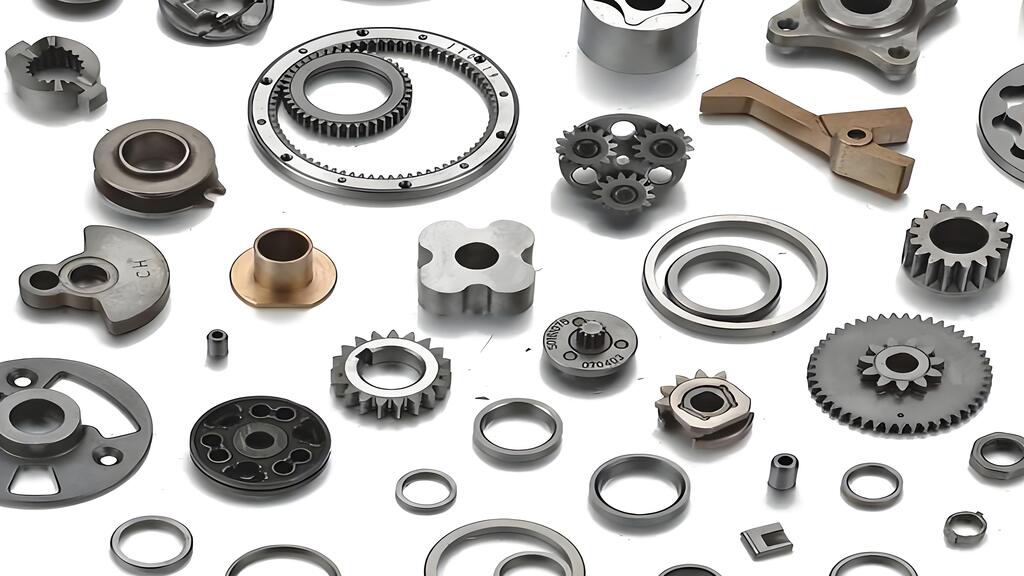
High-performance Alloys in Powder Metallurgy
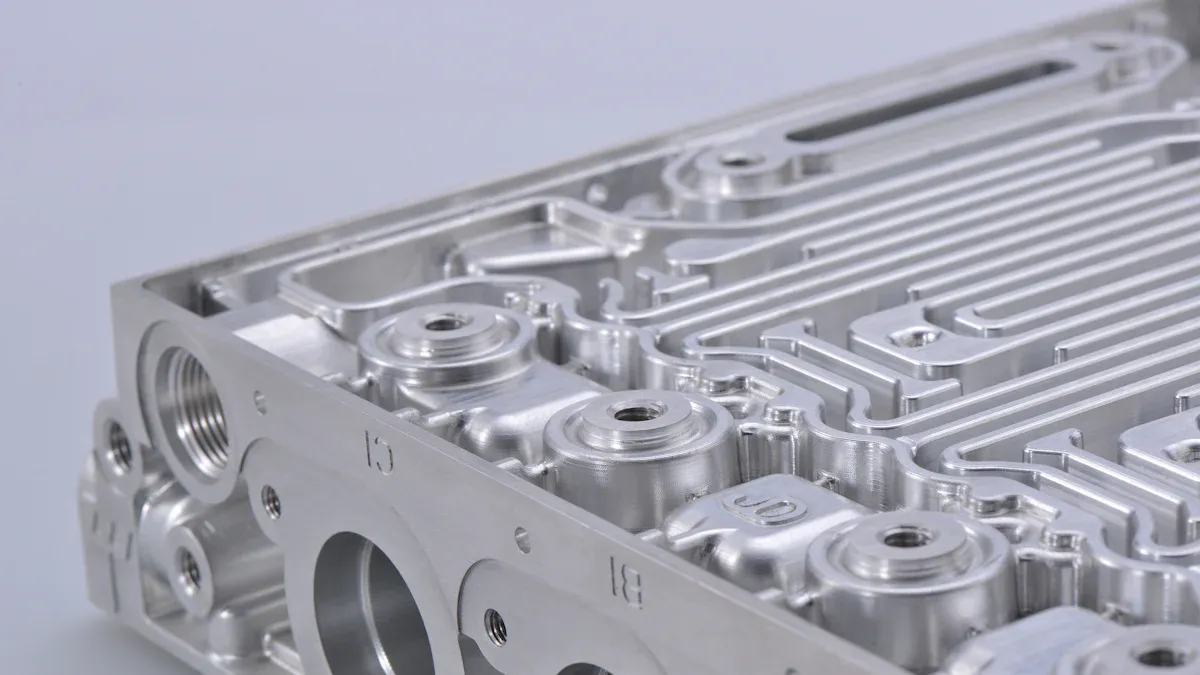
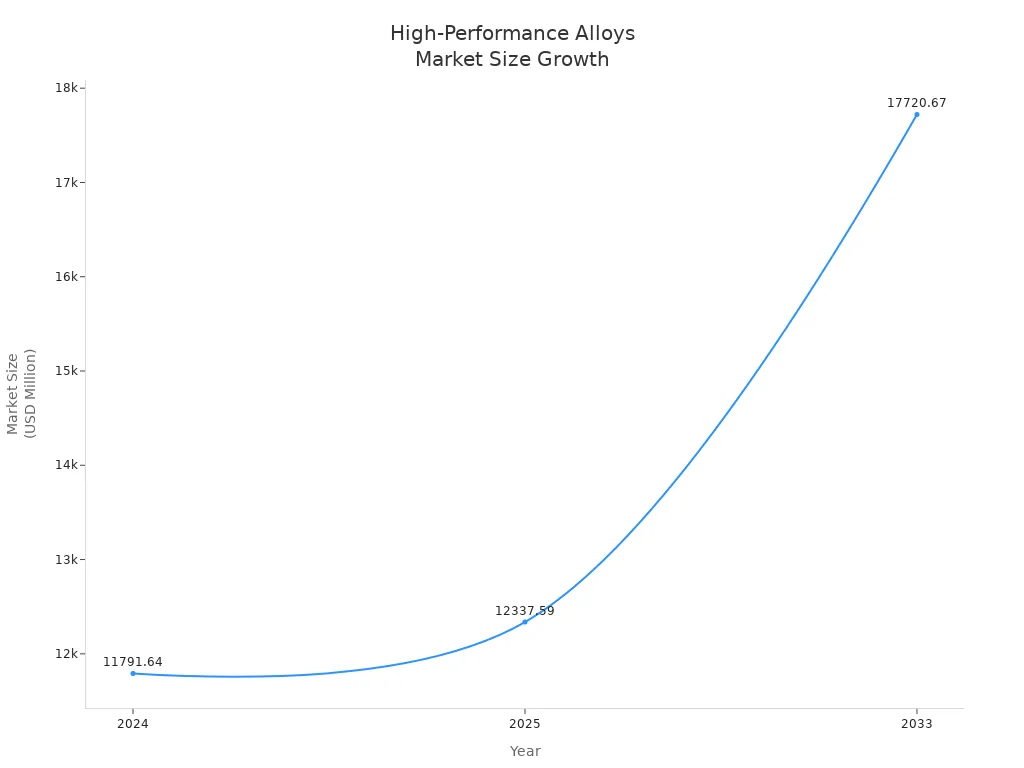
High-performance alloys in Powder Metallurgy feature advanced compositions that deliver exceptional strength, durability, and thermal stability. These materials support industries like aerospace, automotive, and energy, where reliability is vital. Rapid market expansion highlights their importance.
| Metric | Value (USD Million) | Year/Period |
|---|---|---|
| Global High Performance Alloys Market Size | 11,791.64 | 2024 |
| Projected Market Size | 17,720.67 | 2033 |
| CAGR (2025–2033) | 4.63% |
Key Takeaways
- Powder metallurgy produces high-performance alloys with superior strength, durability, and heat resistance, supporting critical industries like aerospace, automotive, and medical.
- Nickel-based and titanium alloys lead the market, offering excellent corrosion resistance, strength, and lightweight properties ideal for extreme environments and medical implants.
- Advanced powder production and Sintering methods enable precise control of alloy microstructure, improving mechanical properties and allowing complex, near-net-shape parts with minimal waste.
- Powder metallurgy enhances material efficiency, cutting costs and environmental impact by using up to 98% of raw materials and supporting recycling and energy-saving processes.
- High-performance alloys made by powder metallurgy find key uses in aerospace engines, automotive parts, energy systems, and medical devices, delivering reliable performance under harsh conditions.
Types of High-performance Alloys in Powder Metallurgy
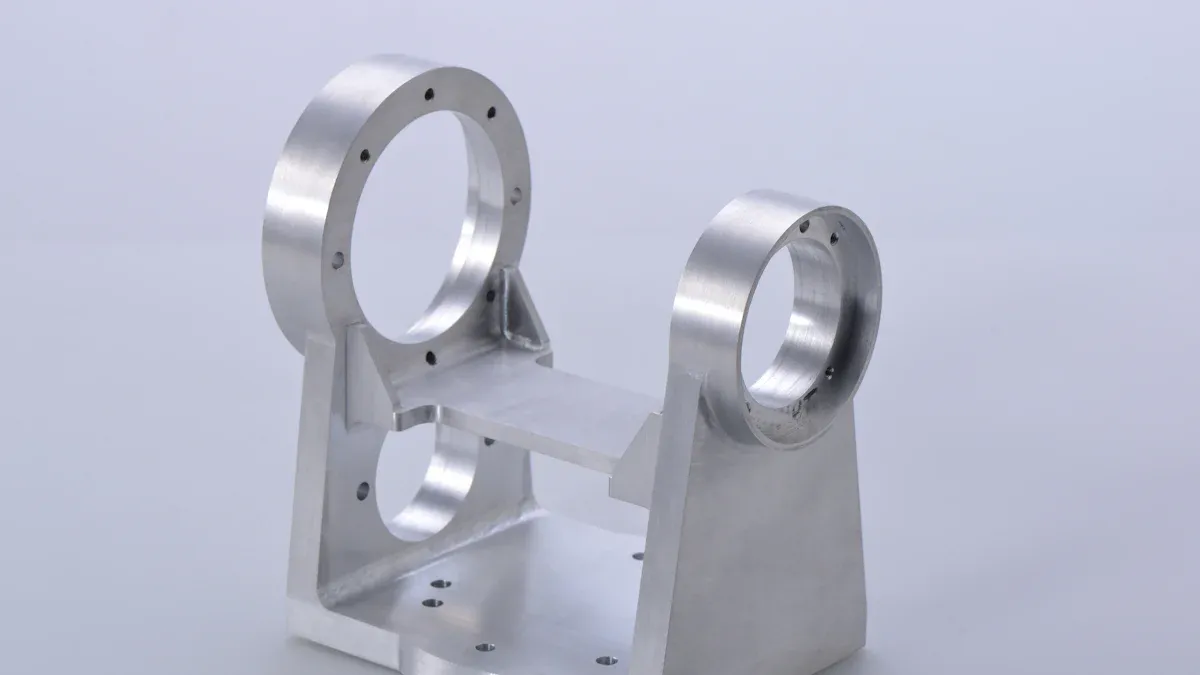
Nickel-based Alloys
Nickel-based alloys dominate the high-performance alloy market, holding the largest revenue share at 32% in 2023. These alloys, including well-known grades such as Inconel 625, Inconel 718, Rene 41, and AM350, deliver outstanding strength, corrosion resistance, and heat tolerance. Their fine, spherical powder particles ensure excellent flowability and packing density, which supports the production of complex, near-net-shape components.
Note: Nickel-based superalloys are essential in sectors where reliability under extreme conditions is non-negotiable.
Key characteristics of nickel-based alloys include:
- High purity levels (99.0–99.99%)
- Particle sizes ranging from less than 1 µm to 150 µm
- High melting point (around 1453°C)
- Superior corrosion and oxidation resistance
- High electrical conductivity and ferromagnetism at room temperature
Manufacturers use several powder production methods, such as gas and water atomization, electrolytic deposition, and the carbonyl process. These methods influence powder morphology and purity, which in turn affect the final properties of the alloy.
Industrial Applications:
- Aerospace: Turbine blades, rocket engines
- Automotive: Engine parts, exhaust manifolds
- Energy: Gas turbines, heat exchangers
- Chemical processing: Reactors, valves
- Electronics: Battery electrodes, electrical contacts
- Medical devices: Surgical instruments, implants
Nickel-based alloys offer exceptional mechanical strength, wear resistance, and versatility in manufacturing. Their ability to withstand high temperatures and corrosive environments makes them indispensable for advanced engineering applications.
| Alloy Type | Market Share (2023) | Key Applications |
|---|---|---|
| Nickel-based Superalloys | 32% | Aerospace, power generation, automotive, electronics |
Titanium Alloys
Titanium alloys also account for 32% of the high-performance alloy market in 2023, with the fastest anticipated growth rate. These alloys are prized for their remarkable strength-to-weight ratio, corrosion resistance, and biocompatibility. Titanium alloy powders, especially α + β types, can achieve microstructures and mechanical properties similar to those of wrought alloys when processed correctly.
Powder metallurgy enables high material utilization and near-net-shape forming, which reduces waste and lowers production costs. Mechanical properties such as hardness and strength in powder metallurgy titanium alloys often match those of forged materials. However, forged alloys typically show greater ductility and plasticity, which can influence machining behavior.
Tip: Induction heating sintering rapidly densifies Ti6Al4V alloys, minimizing microporosity and enhancing both mechanical and thermal performance.
Key Advantages:
- High strength-to-weight ratio
- Excellent corrosion resistance, even in aggressive environments
- Outstanding biocompatibility, making them ideal for medical implants
- Suitability for aerospace, defense, and medical sectors
Industrial Applications:
- Aerospace: Structural components, fasteners
- Defense: Armor, missile parts
- Medical: Implants, surgical tools
Cobalt-based Alloys
Cobalt-based alloys stand out for their exceptional wear resistance and ability to maintain hardness at elevated temperatures. Their microstructure features hard carbides, such as Cr7C3, dispersed within a cobalt-rich matrix. This structure provides superior abrasion resistance and toughness, even in harsh environments.
| Property/Element | Description |
|---|---|
| Cobalt (50-60%) | Base metal, delivers strength and heat resistance |
| Chromium (25-30%) | Enhances corrosion resistance, especially in acidic/saline settings |
| Tungsten (10-15%) | Increases hardness and high-temperature wear resistance |
| Carbon (1-3%) | Forms carbides, boosting hardness and abrasion resistance |
| Hardness | 45-55 HRC, varies with processing |
| Corrosion Resistance | Excellent in acidic and salt-laden environments |
| Wear Resistance | Superior, even at high temperatures |
| Thermal Stability | Maintains properties up to 900°C |
Cobalt-based powders, such as Stellite and Tribaloy, excel in applications that demand durability against wear and corrosion. These alloys resist pitting and general corrosion better than many alternatives, including some nickel-based alloys and hard chrome plating.
Industrial Applications:
- Cutting tools
- Turbine components
- Medical implants
- Chemical and marine equipment
Callout: Cobalt-based alloys maintain mechanical integrity under extreme conditions, making them a top choice for aerospace, automotive, energy, and medical industries.
Stainless Steels and Superalloys
Stainless steels and superalloys play a vital role in demanding environments where high strength and resistance to heat and corrosion are essential. Engineers rely on these materials for critical components in aerospace, energy, and industrial sectors. Stainless steels offer a balance of mechanical strength, ductility, and corrosion resistance, making them suitable for a wide range of applications. Superalloys, especially those based on nickel, excel in high-temperature environments due to their unique microstructures.
- Powder metallurgy nickel-based superalloys show excellent high-temperature strength and hardness. The γ′ (gamma prime) precipitate strengthening mechanism provides this advantage.
- The size, shape, and distribution of γ′ precipitates directly influence tensile strength, hardness, and deformation behavior at elevated temperatures, such as 750 °C.
- Heat treatment and cooling rates affect γ′ precipitate characteristics. These factors determine mechanical properties like ultimate tensile strength (about 1251 MPa), yield strength (about 1079 MPa), and elongation (about 13.3%).
- Deformation mechanisms change as γ′ precipitate size increases. Stacking fault shearing transitions to microtwinning, which impacts high-temperature mechanical behavior.
- High-temperature hardness decreases as temperature rises. However, thermal cycling can increase hardness due to changes in γ′ precipitate size and volume fraction.
- Engineers use these alloys in turbine discs and other components that face stresses up to 1000 MPa at temperatures above 650 °C.
Note: Long-term exposure to high temperatures causes γ′ precipitate coarsening in nickel-based superalloys. This process reduces yield strength and critical failure stress over time. The degradation rate depends on temperature, with higher temperatures accelerating the loss of mechanical properties.
| Property | Typical Value/Behavior |
|---|---|
| Ultimate Tensile Strength | ~1251 MPa |
| Yield Strength | ~1079 MPa |
| Elongation | ~13.3% |
| High-Temperature Hardness | Decreases with temperature, can recover after thermal cycling |
| Fracture Toughness | Decreases with phase coarsening |
| Application Temperature Range | Up to and above 650 °C |
Understanding the relationship between microstructure and performance helps engineers design reliable high-temperature components. Stainless steels and superalloys produced by advanced methods continue to set industry standards for durability and reliability.
High-entropy Alloys (HEAs)
High-entropy alloys (HEAs) represent a new class of materials that combine five or more principal elements in near-equal proportions. This unique composition leads to remarkable properties not found in conventional alloys. When processed through modern techniques, HEAs benefit from effects such as the cocktail effect, slow diffusion, high entropy, and lattice distortion. These effects result in enhanced microstructure and mechanical properties. The use of advanced processing methods enables the formation of refined nanostructures and improved consolidation. As a result, HEAs often display superior hardness, strength, and stability compared to alloys made by traditional methods. Engineers value HEAs for their potential in applications requiring a combination of toughness, wear resistance, and thermal stability.
Callout: HEAs processed by advanced techniques offer a pathway to next-generation materials with tailored properties for extreme environments.
Refractory Alloys and Nb-based Alloys
Refractory alloys and niobium-based (Nb-based) alloys serve in some of the most extreme engineering environments. These materials withstand very high temperatures and maintain their mechanical integrity under stress. However, processing these alloys presents several challenges:
- Niobium has an extremely high melting temperature (2750 K), which makes casting difficult.
- Silicides in niobium alloys show low fracture toughness and poor machinability. This complicates shape processing by cutting.
- Powder production methods, such as hydrogenation-dehydrogenation (HDH), remain limited and not widely studied for niobium alloys.
- Achieving uniform powder size and controlling sintering temperature and microstructure are critical for consistent properties.
- Densification during sintering must avoid contamination or oxidation, requiring precise control of the process.
- Metal hydrides formed during hydrogenation are brittle, which helps in powder production but demands careful handling.
- High melting points, brittleness, and limited powder fabrication methods pose significant challenges in processing refractory and niobium-based alloys.
Engineers must also address challenges during compaction and sintering:
- Powder production must ensure uniform particle size and high purity for reliable final properties.
- Compaction requires high pressure to achieve dense green compacts. Density and uniformity are essential.
- Sintering needs careful control of temperature and atmosphere to optimize microstructure and mechanical properties.
- Hot Isostatic Pressing (HIP) may be necessary to eliminate porosity and improve mechanical performance.
- Secondary operations, such as machining, are often required but can be complicated by the poor machinability of refractory alloys.
- Advanced processing methods are preferred over casting due to the extremely high melting points of refractory metals.
Tip: Engineers choose advanced processing for refractory and niobium-based alloys to overcome the limitations of traditional casting and to achieve the desired combination of strength, purity, and microstructure.
Advanced Aluminum Alloys
Advanced aluminum alloys have become essential in modern engineering due to their unique combination of lightweight properties and impressive mechanical performance. Engineers often select these alloys for applications that demand both strength and reduced mass. The evolution of manufacturing techniques has further enhanced the capabilities of aluminum alloys, especially through the use of powder-based processes.
Aluminum alloys produced by advanced powder methods offer several distinct advantages over traditional manufacturing:
- Material waste drops dramatically, with over 97% of the starting material used efficiently. Traditional methods can lose up to 80% of the material during machining and forming.
- Engineers gain precise control over final properties. By adjusting powder type, particle size, binder content, and sintering conditions, they can tailor porosity, hardness, and stress performance to meet specific requirements.
- The process yields highly accurate, near-net-shape parts. Many components require little or no finishing, which saves both time and cost.
- Automation plays a significant role throughout the process, from powder blending to sintering and inspection. This ensures consistent quality and uniform density in every batch.
- The approach supports environmentally friendly and cost-effective mass production, making it attractive for industries focused on sustainability.
Tip: Advanced aluminum alloys with metal matrix composites (MMCs) produced by powder methods enable lightweighting strategies. These materials reduce mass while enhancing strength, stiffness, and wear resistance.
Engineers also benefit from the flexibility to customize alloy compositions. Powder-based techniques allow the creation of unique aluminum alloys without the need for large batch sizes, which traditional smelting would require. This flexibility supports rapid prototyping and specialized applications.
Additional advantages include:
- Techniques such as double pressing/double sintering and roll densification increase density and mechanical strength. These improvements make powder-based aluminum parts competitive with wrought metals.
- Porosity can be engineered for specific uses, such as self-lubricating bearings or filtration components.
- Complex or unique shapes become feasible, minimizing the need for machining and reducing scrap rates.
- Finished parts maintain close dimensional tolerances and excellent reproducibility, which enhances reliability in critical applications.
| Feature | Benefit |
|---|---|
| High material utilization | Reduces waste and cost |
| Tailored properties | Meets diverse engineering requirements |
| Near-net-shape capability | Minimizes finishing and machining |
| Automation compatibility | Ensures consistent quality and scalability |
| Customizable compositions | Supports innovation and rapid development |
| Enhanced density and strength | Matches or exceeds wrought metal performance |
| Controlled porosity | Enables specialized functions (e.g., self-lubrication) |
| Complex geometry production | Expands design possibilities |
Engineers in aerospace, automotive, and electronics industries increasingly rely on advanced aluminum alloys for lightweight structures, heat sinks, and high-performance components. The ability to combine low density with tailored mechanical and thermal properties positions these alloys at the forefront of modern material solutions.
Key Properties of High-performance Alloys
Mechanical Strength and Toughness
High-performance alloys deliver exceptional mechanical strength and toughness, making them ideal for demanding engineering applications. Engineers measure these properties using several key metrics:
- Yield strength defines the stress level at which a material begins to deform plastically. Manufacturers can tailor this property in components to meet specific load requirements.
- Tensile strength indicates the maximum stress a material can withstand while being stretched.
- Fatigue strength ensures durability under repeated stress cycles, which is critical for parts exposed to cyclic loading.
- Impact resistance reflects the ability to absorb energy during sudden forces, contributing to overall toughness.
- Ductility measures how much a material can deform before breaking. Adjusting porosity during processing allows for control over this property.
- Hardness provides resistance to deformation and wear, which is essential for longevity.
For example, aluminum alloys produced by advanced processes show improved fatigue, corrosion, and stress-corrosion resistance. High-strength magnesium alloys can achieve yield strengths around 410 MPa, with microstructural engineering further enhancing tensile strength, creep resistance, and fracture toughness.
Corrosion and Oxidation Resistance
Engineers value high-performance alloys for their superior resistance to corrosion and oxidation. The ability to form stable, protective oxide layers sets these materials apart from conventional alloys. The addition of elements such as silicon, aluminum, copper, and chromium enhances this resistance. Silicon, in particular, promotes the formation of alumina (Al₂O₃) layers, which shield the underlying metal from aggressive environments.
Laser remelting techniques refine the microstructure, creating denser and more homogeneous surfaces. This process improves the formation of protective oxide scales. Alloys with silicon additions also exhibit increased hardness and improved passivation, reducing corrosion rates. These features ensure reliable performance in harsh chemical, marine, and high-temperature settings.
High-temperature Stability
High-performance alloys maintain their strength and durability at elevated temperatures, supporting their use in extreme environments. Many advanced alloys operate effectively at temperatures up to 1100 °C or higher. Precipitation-hardened alloys typically perform well up to about 870 °C, while some stainless steels and solid solution strengthened alloys can withstand continuous use at temperatures as high as 1150 °C. Titanium alloys, such as Ti–6Al–4Zr-0.5Mo-0.6Si, retain significant mechanical strength at 700 °C, demonstrating yield strengths above 500 MPa and good ductility. These capabilities make high-performance alloys indispensable for turbines, engines, and other high-heat applications.
Wear and Fatigue Resistance
High-performance alloys produced by advanced methods deliver outstanding wear and fatigue resistance. Engineers often select tungsten and nickel-based alloys for industrial applications that demand durability under extreme conditions. Tungsten alloys stand out for their ability to withstand heavy wear, making them ideal for components exposed to abrasive environments. Nickel-based alloys retain their mechanical properties even at high temperatures and in corrosive settings, ensuring long service life for critical parts.
Aluminum and titanium alloys, when processed using modern techniques, offer a unique combination of lightweight design and reliable wear resistance. For example, aluminum-silicon alloys produced by advanced methods show improved wear resistance compared to traditional cast alloys. This improvement results from a more uniform microstructure, controlled silicon particle size, and reduced surface porosity. These features help minimize surface damage during operation, which is essential for automotive gears and sprockets.
Engineers also enhance the wear and fatigue resistance of β-titanium alloys through surface modification. Techniques such as titanium nitride (TiN) particle reinforcement and gas nitriding coatings significantly reduce wear rates. Gas nitriding, in particular, can lower wear by up to 86% at lower loads while maintaining a low elastic modulus. This balance of hardness and flexibility supports both wear and fatigue resistance, making these alloys suitable for biomedical and industrial uses.
Tip: Optimizing microstructure and applying surface treatments can greatly extend the lifespan of components exposed to repeated stress and friction.
Biocompatibility and Specialized Properties
Many high-performance alloys offer specialized properties that meet the needs of advanced industries. Biocompatibility stands out as a key requirement for medical devices and implants. Titanium alloys, especially those produced by advanced methods, exhibit excellent compatibility with human tissue. Their low elastic modulus and high corrosion resistance reduce the risk of adverse reactions in the body. Engineers often use these alloys for joint replacements, dental implants, and surgical tools.
Cobalt-based alloys also provide biocompatibility and resist wear inside the human body. These materials maintain their mechanical integrity over time, which is vital for long-term implant performance. Stainless steels, when processed with precise control, deliver a balance of strength, ductility, and corrosion resistance. This combination makes them suitable for both medical and food processing applications.
Some high-performance alloys feature unique properties tailored for specific uses. For example, certain aluminum alloys can be engineered for self-lubrication, while others offer enhanced electrical or thermal conductivity. Engineers can customize alloy compositions and processing methods to achieve the exact properties required for each application.
Note: The ability to tailor properties such as biocompatibility, conductivity, and self-lubrication expands the range of applications for high-performance alloys in modern technology.
Powder Metallurgy Process for High-performance Alloys
Powder Production Methods
Manufacturers rely on several advanced methods to produce high-performance alloy powders. Gas atomization and plasma atomization stand out as the most widely used techniques. These processes generate highly spherical powders with controlled particle sizes and low oxygen content, which are essential for quality in powder metallurgy. Gas atomization uses a high-velocity gas stream to break molten metal into fine droplets, while plasma atomization employs a plasma torch for even finer control. Both methods support the production of powders suitable for additive manufacturing and critical applications, though they require significant energy and offer lower yields for ultrafine powders.
Cold mechanically derived (CMD) powder production has emerged as a promising alternative. CMD operates at lower energy, achieves yields above 95%, and reduces emissions. However, CMD powders are typically non-spherical. Mechanical methods like ball milling and grinding efficiently produce ultrafine powders, especially for brittle metals, but have limitations in gas consumption and powder shape. Physical-chemical methods, such as reduction and electrolysis, deliver high-purity powders for specific metals like titanium and niobium.
Compaction Techniques and Green Strength
Compaction transforms loose alloy powders into solid shapes, known as green compacts. The choice of compaction technique directly influences green strength, which determines the compact's ability to withstand handling before sintering.
- High velocity compaction (HVC) increases green density and uniformity, leading to stronger compacts.
- Lubricants reduce friction between powder and mold walls, improving density distribution, but may slightly lower green strength.
- Warm compaction enhances plastic deformation, resulting in better density and strength.
- Organic binders and plasticizers improve particle bonding and deformability, further boosting green strength.
- Double-action and floating die pressing minimize density gradients, reducing defects.
Careful control of compaction parameters ensures reliable and defect-free green parts.
Sintering Processes
Sintering consolidates green compacts into dense, robust components. Optimal sintering conditions are crucial for achieving high density and uniform microstructure. Conventional sintering often requires long times, which can cause grain growth. Advanced techniques such as spark plasma sintering, microwave sintering, and induction sintering shorten sintering time and control grain size. These methods enhance diffusion, promoting densification and uniformity.
| Sintering Parameter | Effect on Alloy Properties |
|---|---|
| Temperature ≥ 1525 °C | Promotes particle consolidation and uniform microstructure |
| Soaking Time (30 min) | Achieves optimal density and grain structure |
| Higher Temperatures | Risk of shape distortion if not carefully controlled |
Precise management of temperature, soaking time, and binder type ensures that powder metallurgy alloys reach their full performance potential.
Influence of Processing Parameters on Properties
Processing parameters play a crucial role in determining the final properties of high-performance alloys produced by powder metallurgy. Temperature and pressure stand out as the most influential factors during consolidation and sintering. Each parameter affects the microstructure, which in turn shapes the mechanical behavior of the finished part.
Temperature controls grain growth and the dissolution of strengthening phases. When the temperature rises above the γ′ solvus point, grain size increases and γ′ precipitates at prior particle boundaries dissolve. This process can reduce strength due to grain coarsening, following the Hall-Petch relationship. However, dissolving these precipitates also improves ductility and stress rupture properties, which benefits applications that require both toughness and reliability.
Pressure, especially during hot isostatic pressing (HIP), helps maintain a fine grain structure. Increased pressure encourages recrystallization and recovery, which stabilizes grain size even at elevated temperatures. This results in improved strength and homogeneity throughout the alloy.
The combination of high temperature and pressure creates a synergistic effect. Together, they reduce unwanted precipitate formation at particle boundaries and produce a more uniform, refined grain structure. This optimization leads to enhanced mechanical properties, making powder metallurgy alloys suitable for demanding environments.
| Processing Parameter | Effect on Microstructure | Mechanism | Impact on Final Properties |
|---|---|---|---|
| Temperature | Increases grain size; dissolves γ′ at particle boundaries | Higher diffusion accelerates precipitate dissolution and grain growth | Grain coarsening lowers strength; improved ductility and stress rupture |
| Pressure | Inhibits grain coarsening; aids recrystallization | Promotes recovery and stabilizes grain size | Maintains fine grains, boosts strength and uniformity |
| High Temp & Pressure | Refines grains; reduces boundary precipitates | Synergistic dissolution and recrystallization | Optimizes microstructure for superior mechanical properties |
Tip: Careful control of temperature and pressure during powder metallurgy processing allows engineers to tailor grain size and phase distribution, directly influencing strength, ductility, and long-term performance.
Advantages of Powder Metallurgy for High-performance Alloys
Enhanced Material Properties
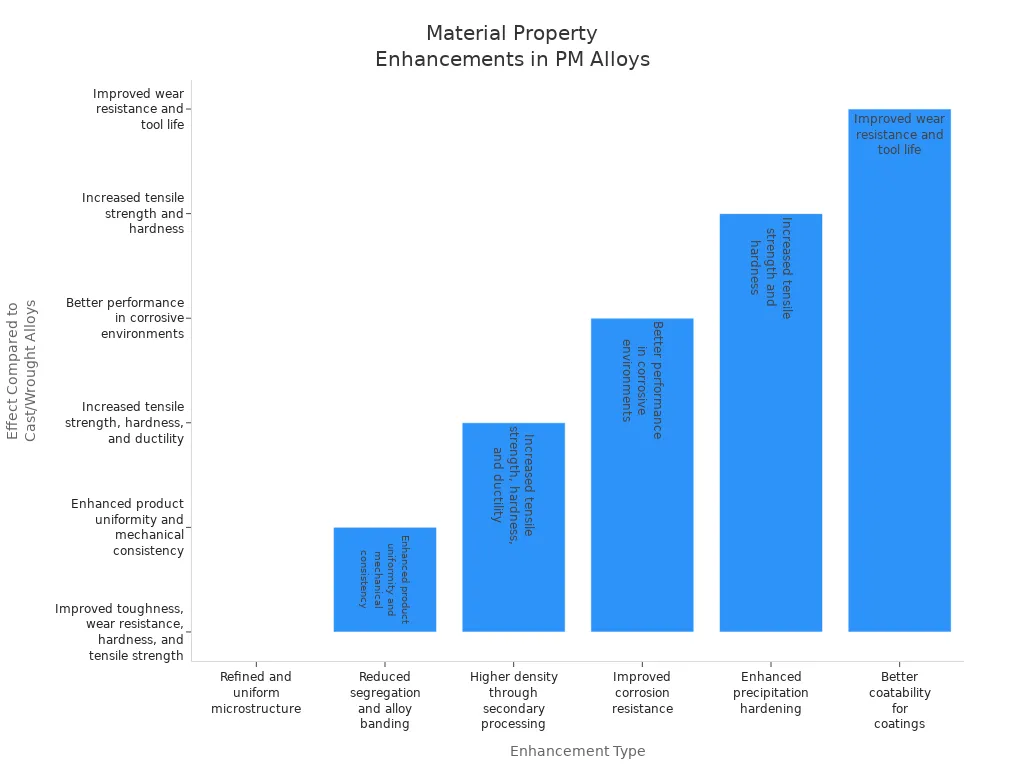
Powder metallurgy delivers significant improvements in material properties compared to traditional casting or wrought processes. This method produces alloys with fine grain structures and uniformly distributed carbides, which enhance toughness and wear resistance. The process eliminates segregation and alloy banding, resulting in consistent product quality and reliability. Manufacturers also observe better heat treatment response, which increases tool life and productivity. The following tables highlight these enhancements:
| Feature | Description | Benefit Compared to Cast/Wrought Alloys |
|---|---|---|
| Fine grain structure | Very fine grain size achieved by PM | Improved toughness and wear resistance |
| Uniformly distributed carbides | Smaller, well-dispersed carbide particles | Exceptional wear resistance and grindability |
| Elimination of segregation | No alloy banding or segregation present | Enhanced product uniformity and reliability |
| Improved heat treatment response | Better machinability and tempering response | Increased tool life and productivity |
| Material Property Enhancement | Description | Effect on PM Alloys Compared to Cast/Wrought |
|---|---|---|
| Refined and uniform microstructure | Fine grain size and well-dispersed carbides | Improved toughness, wear resistance, hardness |
| Reduced segregation and alloy banding | Homogeneous composition achieved by PM process | Enhanced product uniformity and consistency |
| Higher density through secondary processing | Hot-rolling and heat treatments increase density | Increased tensile strength and ductility |
| Improved corrosion resistance | Addition of Mg and refined microstructure | Better performance in corrosive environments |
| Enhanced precipitation hardening | Nanoprecipitation phases formed during heat treatment | Increased tensile strength and hardness |
| Better coatability for wear-resistant coatings | Uniform surface and microstructure | Improved wear resistance and tool life |
Design Flexibility and Complex Geometries
Powder metallurgy enables engineers to create complex shapes that are difficult or impossible to achieve with casting or forging. The process compacts metal powders into precise dies, forming green parts that closely match the final product’s size and shape. This net shape or near-net-shape manufacturing reduces the need for machining and minimizes scrap. Advanced techniques such as cold and hot isostatic pressing, along with elastomeric molds, allow for the fabrication of intricate geometries. Titanium powder metallurgy, for example, supports the production of high-performance parts with tailored properties and excellent dimensional stability. This flexibility empowers designers to innovate and meet demanding application requirements.
Cost-effectiveness and Material Efficiency
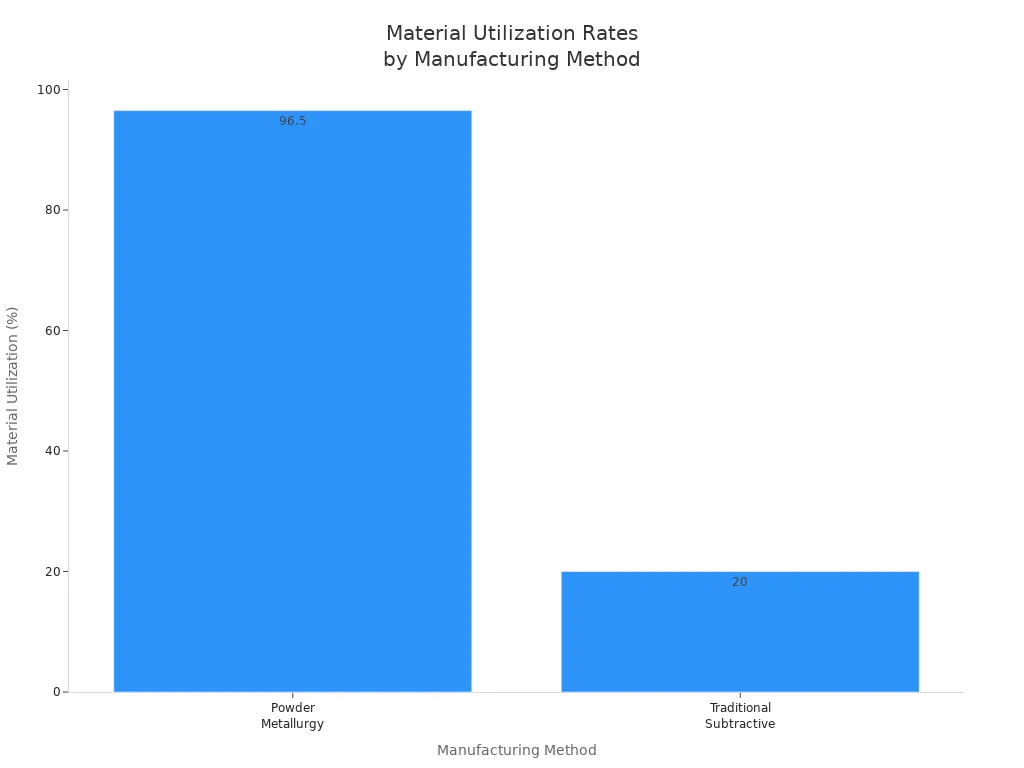
Powder metallurgy stands out for its cost savings and efficient use of materials. The process utilizes 95-98% of input materials, while traditional subtractive methods can waste up to 80% of raw materials. Manufacturers can achieve up to 70% overall cost savings due to efficient material use, automation, and the ability to produce near-net-shape parts with integrated features. Custom alloy blends can reduce costs by 15-30% by replacing expensive elements without sacrificing performance. Production times decrease by 30-50%, and minimal finishing is required. The process also supports eco-friendly manufacturing by reducing waste and energy consumption.
| Aspect | Details |
|---|---|
| Cost Savings | 15-30% reduction by using custom alloy blends; up to 70% overall manufacturing cost savings |
| Material Utilization Rates | 95-98% of input materials used; traditional methods can waste up to 80% |
| Additional Benefits | 30-50% reduction in production time; minimal finishing; eco-friendly with less waste |
Tip: Powder metallurgy not only improves material properties and design freedom but also delivers substantial cost and sustainability benefits for high-performance alloy manufacturing.
Improved Microstructure Control
Engineers recognize that microstructure control is a cornerstone of high-performance alloy development. Powder metallurgy offers unique advantages in this area, enabling precise tailoring of grain size and phase distribution. This process produces components with uniform and fine microstructures, which reduces local stress concentrations and enhances mechanical reliability.
- Uniform microstructures result from careful selection of powder characteristics, such as chemical composition, particle size, and compressibility. These factors allow for refinement at the microscopic level.
- Control over sintering parameters—including dew point, cooling rate, and atmosphere—directly influences grain size and homogeneity. Adjusting these variables leads to consistent and predictable material properties.
- Metallographic analysis often reveals that powder metallurgy components display improved fatigue strength. Enhanced microstructure homogeneity minimizes weak points, supporting longer service life in demanding applications.
In titanium aluminide (TiAl) alloys, powder metallurgy enables the formation of fine grains and numerous grain boundaries. These features play a significant role during hot rolling, improving deformation behavior and reducing the risk of failure. The addition of alloying elements, such as yttrium, further purifies the matrix by reacting with impurities. This purification process boosts both ductility and overall performance.
Hot isostatic pressing and controlled rolling temperatures also influence microstructure evolution. These techniques promote dynamic recrystallization and grain refinement, resulting in alloys with superior strength and ductility. Optimized processing parameters ensure that high-performance alloys meet the rigorous demands of aerospace, automotive, and energy industries.
Engineers rely on advanced microstructure control to unlock the full potential of powder metallurgy, achieving materials with exceptional strength, ductility, and fatigue resistance.
Key Applications of Powder Metallurgy Alloys
Aerospace Components
High-performance alloys produced by advanced methods have transformed aerospace engineering. Engineers select these materials for their ability to withstand extreme temperatures, high stress, and corrosive environments. The following components benefit most from these alloys:
- Turbine discs and turbine blades
- Compressor discs and shafts
- Combustion chambers and fuel nozzles
- Aircraft brake pads
- Turbine casings and guide vanes
Specialized alloys play distinct roles in these applications. Cobalt-chrome alloys provide wear resistance and temperature stability for turbine blades and combustion chamber parts. Maraging steel offers high strength and toughness for landing gear and structural elements. Nickel-based alloys, such as Hastelloy X, excel in combustor parts and high-temperature fasteners. Titanium alloys like Ti-6Al-4V combine lightweight properties with corrosion resistance, making them ideal for jet engine components and structural parts. Copper alloys support electrical and thermal management in avionics and heat exchangers. Magnesium and tantalum alloys contribute to lightweight frames and high-temperature components.
Engineers rely on these alloys to achieve the balance of strength, durability, and weight reduction required for modern aircraft.
Automotive Parts
Automotive manufacturers increasingly use advanced alloys to improve vehicle performance and efficiency. The sintering process densifies compacted powders, resulting in parts with high hardness, flexibility, and dimensional accuracy. This approach produces lightweight, high-strength components that enhance fuel efficiency and reduce emissions.
Aluminum and titanium powders form the basis for chassis components such as suspension systems and axles. These materials reduce overall vehicle weight while maintaining structural integrity. Nickel-based alloy powders create engine parts that resist heat and corrosion, ensuring durability under demanding conditions. The near-net-shape manufacturing process minimizes material waste and allows for complex geometries, further improving mechanical performance.
For example, aluminum sprockets and rotors weigh about half as much as traditional iron parts, directly lowering vehicle mass. This weight reduction leads to better fuel economy and handling. The process also supports mass production by reducing costs and streamlining manufacturing steps.
Energy and Power Generation
The energy sector demands materials that perform reliably under harsh conditions. High-performance alloys meet these requirements by offering wear resistance, corrosion resistance, and stability at elevated temperatures. These properties ensure consistent mechanical behavior and extend the service life of critical components.
Superalloys play a vital role in turbines, disks, gearboxes, and bearings. Their high-temperature strength and creep resistance support efficient operation in gas turbines and power plants. Advanced manufacturing techniques, such as additive manufacturing and hot isostatic pressing, enable the production of complex parts with precise microstructural control. This precision improves reliability and reduces maintenance needs.
Engineers also use these alloys in renewable energy systems. In wind power generation, gearboxes and bearings made from advanced materials maintain stable performance and resist environmental wear. In battery technology, specialized alloys improve energy density and charge-discharge efficiency. Fuel cells benefit from metal bipolar plates and catalyst carriers with high surface area, enhancing performance and reducing costs.
The ongoing development of high-performance alloys supports the global shift toward more efficient and sustainable energy solutions.
Medical Devices and Implants
Medical device manufacturers increasingly rely on advanced alloys to meet the demanding requirements of modern healthcare. Titanium alloys remain the top choice for orthopedic and dental implants. Their excellent biocompatibility and high strength-to-weight ratio support long-term performance inside the human body. Cobalt-chromium alloys see widespread use in cardiovascular devices, offering both strength and corrosion resistance. Nitinol, a nickel-titanium shape memory alloy, has gained popularity for orthopedic implants due to its superelasticity and ability to return to its original shape after deformation.
Recent advances in powder-based manufacturing have enabled the production of magnesium-based resorbable alloys. These materials gradually degrade in the body, potentially eliminating the need for secondary surgeries. Porous metallic implants, created through precise control of powder processing, enhance osseointegration and better match the mechanical properties of bone. This leads to improved tissue integration and reduced risk of implant failure.
Clinical studies report that these innovations result in improved biocompatibility, faster recovery times, and longer implant lifespans.
Major medical device companies have introduced new lines of implants using nitinol, stainless steel, titanium, and cobalt-chromium alloys. These products emphasize both mechanical performance and compatibility with human tissue. Scientific reviews highlight that powder-based techniques allow for the fabrication of complex implant geometries tailored to individual patients. This customization improves surgical outcomes and reduces complications such as stress shielding. Porous structures produced by these methods further support tissue regeneration and long-term stability.
Common Medical Devices and Implants Made from Advanced Alloys:
- Orthopedic and dental implants (titanium alloys)
- Cardiovascular stents and valves (cobalt-chromium alloys)
- Superelastic bone fixation devices (nitinol)
- Resorbable bone screws and plates (magnesium-based alloys)
- Porous implants for enhanced bone integration
Electronics and Defense Applications
Engineers in electronics and defense sectors demand materials that deliver both mechanical strength and advanced functional properties. Metal matrix composites reinforced with graphene have emerged as a leading solution. The integration of graphene into metal matrices significantly boosts mechanical strength and functional capabilities. These improvements prove critical for high-performance requirements in aerospace, military, and advanced electronics.
In electronics, these composites enable the production of components that combine lightweight design with superior thermal and electrical conductivity. Devices such as heat sinks, connectors, and electromagnetic shielding benefit from these properties. Defense applications require materials that withstand extreme conditions. Graphene-reinforced alloys provide enhanced durability and reliability for armor, structural components, and advanced weaponry.
Ongoing research focuses on optimizing the interface between graphene fillers and metal matrices to further improve performance and reliability.
Despite challenges such as interfacial bonding and high-temperature reactions, the industry continues to advance these materials for complex engineering applications. The ability to tailor properties at the microstructural level allows engineers to meet the evolving demands of both electronics and defense technologies.
Challenges and Innovations in Powder Metallurgy
Processing Difficulties and Solutions
Engineers face several challenges when processing high-performance alloys. Residual porosity often remains after sintering, which can weaken the final component. Achieving mechanical properties that match or exceed those of forged or cast parts also presents a significant hurdle. Microstructure control and ductility require careful management throughout the process. To overcome these issues, specialists introduce alloying elements that enhance strength and toughness. Sintering aids help reduce residual porosity, leading to denser and more reliable parts. Oxygen-scavenging elements improve ductility by minimizing embrittlement. These solutions enable the production of components that meet the rigorous demands of aerospace, medical, and energy sectors.
Alloy Development and Customization
Recent innovations have transformed alloy development for advanced applications.
- Rapid solidification and mechanical alloying techniques create alloys with superior strength, reduced weight, and enhanced corrosion resistance.
- Nanotechnology allows the integration of nanoscale reinforcements or coatings, which significantly boost mechanical performance.
- Sustainability initiatives focus on eco-friendly alloys and recycling, reducing environmental impact.
- Computational modeling and artificial intelligence accelerate the discovery and optimization of new alloy compositions, enabling precise customization for specific requirements.
Researchers also blend different metal powders or add alloying elements to tailor properties such as wear resistance and thermal stability. By controlling powder particle size and composition at the nanoscale, they produce materials with unique electrical and magnetic characteristics.
Additive Manufacturing Integration
Additive manufacturing now plays a vital role in the evolution of high-performance alloy production. Techniques like laser sintering and electron beam melting use alloy powders to 3D print complex metal parts. This integration offers unmatched design flexibility and supports the creation of intricate geometries. Hybrid methods combine traditional and additive processes to further enhance material properties and component performance. The synergy between these technologies enables near-net-shape manufacturing, improved sustainability, and the development of next-generation alloys. As research advances, engineers expect even greater efficiency and cost-effectiveness in powder production, supporting broader adoption across industries.
Sustainability and Recycling Efforts
Sustainability has become a central focus in advanced materials engineering. Manufacturers now prioritize eco-friendly practices throughout the lifecycle of high-performance alloys. They seek to reduce environmental impact by optimizing resource use, minimizing waste, and promoting recycling.
Many factories implement closed-loop recycling systems. These systems collect scrap metal and unused powders from production lines. Workers then reprocess these materials into new alloy powders. This approach conserves valuable resources and reduces the need for raw material extraction.
♻️ Tip: Closed-loop recycling not only saves costs but also lowers greenhouse gas emissions.
Engineers also design alloys with recyclability in mind. They select alloying elements that allow for easy separation and recovery. This strategy supports the creation of alloys that can be reused in future manufacturing cycles.
A growing number of companies invest in energy-efficient production methods. For example, they use advanced atomization techniques that require less energy and generate fewer emissions. Some facilities recover heat from sintering processes and reuse it elsewhere in the plant.
The table below highlights key sustainability initiatives in the industry:
| Initiative | Benefit |
|---|---|
| Closed-loop recycling | Reduces waste and raw material use |
| Energy-efficient processing | Lowers energy consumption |
| Alloy design for recycling | Simplifies material recovery |
| Waste heat recovery | Improves overall efficiency |
Many organizations also comply with international standards such as ISO 14001. These standards guide companies in managing environmental responsibilities. By following these guidelines, manufacturers demonstrate their commitment to sustainable growth.
Companies that embrace sustainability and recycling efforts position themselves as leaders in responsible manufacturing.
High-performance alloys in powder metallurgy continue to shape advanced industries. Engineers value these materials for their strength, durability, and adaptability. Ongoing innovations drive new applications in aerospace, automotive, and medical fields. Researchers develop new alloy systems and refine processing methods. The future of powder metallurgy promises even greater efficiency and design freedom.
The evolving landscape of materials engineering relies on these advancements to meet tomorrow’s challenges.
FAQ
What are the main benefits of using powder metallurgy for high-performance alloys?
Powder metallurgy enables precise control over alloy composition and microstructure. Engineers achieve near-net-shape parts, reduce material waste, and improve mechanical properties. This process supports complex designs and cost-effective production for demanding industries.
Which industries rely most on high-performance powder metallurgy alloys?
Aerospace, automotive, energy, medical, and electronics industries depend on these alloys. They require materials with high strength, corrosion resistance, and reliability for critical components.
How does powder metallurgy improve sustainability in manufacturing?
Powder metallurgy maximizes material utilization and minimizes waste. Many factories recycle unused powders and scrap, reducing environmental impact. Energy-efficient processes further support sustainable production.
Can powder metallurgy produce custom alloy compositions?
Yes. Engineers can blend different metal powders to create tailored alloys. This flexibility allows rapid prototyping and the development of materials with specific properties for unique applications.
What role does Jiehuang play in the powder metallurgy industry?
Jiehuang manufactures a wide range of powder metallurgy parts, including molds, sintered filters, standard PM parts, sintered ceramics, and MIM products. The company supports advanced engineering with reliable, high-quality solutions.