

How to Polish Cast Aluminum to Mirror Finish
Polishing cast aluminum to a mirror finish involves several precise steps. This process transforms dull surfaces into reflective, eye-catching pieces of Polish cast aluminum. Achieving a mirror finish enhances not only the aesthetic appeal but also the durability of the Polish cast aluminum surface. Proper tools and techniques play a vital role in this endeavor, ensuring consistent results and preventing damage to the material during polishing.
Key Takeaways
- Start with thorough cleaning. Use a degreaser and rinse with deionized water to remove contaminants before polishing.
- Choose the right sandpaper grit. Begin with 400 grit and progress to finer grits for a smooth surface.
- Inspect for imperfections. Look for burrs, uneven surfaces, and scratches before starting the polishing process.
- Use polishing compounds effectively. Apply compounds like Tripoli and Jewelers Rouge in circular motions for an even shine.
- Buff with a polishing wheel. Select the appropriate wheel material and maintain consistent pressure to avoid overheating.
- Apply a protective coating after polishing. Use metal sealants or automotive wax to protect the finish from oxidation and damage.
- Regular maintenance is key. Clean the surface and reapply wax every six months to keep the mirror finish intact.
- Set up a safe workspace. Ensure proper ventilation and wear safety gear to protect against dust and chemicals.
Required Tools and Materials
Polishing cast aluminum to a mirror finish requires specific tools and materials. Using the right equiPment ensures efficiency and safety during the process. Below is a detailed overview of the essential tools, recommended materials, and necessary safety equipment.
Essential Tools
To achieve a high-quality finish, metalworkers recommend the following essential tools:
| Category | Item | Purpose |
|---|---|---|
| Safety Gear | Respirator/Dust Mask, Safety Glasses, Gloves | Protect from aluminum dust and abrasives |
| Cleaning | Degreaser, Soapy Water, Microfiber Towels | Remove dirt, oil, and existing coatings |
| Sanding | Wet/Dry Sandpaper (400, 800, 1200 grit) | Remove oxidation, scratches, and orange peel |
| Polishing | Angle Grinder or Buffer, Buffing Wheels | Apply compounds to create a shine |
| Compounds | Tripoli (Brown), Jewelers Rouge (White) | "Cut" the surface, then "Color" for shine |
| Finishing | Metal Sealant or Wax | Protect the new finish from future oxidation |
Recommended Materials
Using the right materials is crucial for achieving a high-gloss finish on cast aluminum surfaces. Here are some recommended materials:
- Polishing Compounds: These compounds help create a smooth surface that enhances light reflectivity.
- Sealants: A good sealant protects the polished surface from environmental damage.
- Cleaning Agents: Effective cleaning agents ensure that the surface is free from contaminants before polishing.
Safety Equipment
Safety should always be a priority when working with aluminum polishing tasks. The following safety equipment is recommended:
| Safety Equipment | Description |
|---|---|
| High Visibility Clothing | Enhances visibility in the workplace |
| Respiratory Protection | Protects against inhalation of harmful dust |
| Eye & Face Protection | Shield eyes and face from flying particles |
| Gloves & Hand Protection | Safeguards hands from cuts and abrasions |
| Hearing Protection | Reduces noise exposure during polishing tasks |
| Protective Footwear | Prevents foot injuries from falling objects |
When using chemicals for polishing, consult the safety data sheet (SDS) for each chemical to understand its hazards. Ensure proper ventilation when using these materials, and maintain cleanliness to reduce dust and explosion hazards.
Preparing the Cast Aluminum
Cleaning the Surface
Cleaning the surface of cast aluminum is a critical first step in achieving a mirror finish. Proper cleaning removes contaminants that can interfere with the polishing process. Laboratory tests suggest the following effective cleaning methods:
- Start with an initial rinse using deionized water.
- Apply a 30-minute phosphoric acid etch to remove oxidation.
- Follow with a second rinse using deionized water.
- Use a high-pressure spray wash with 5% Brulin 1990GD detergent or an ultrasonic wash with Brulin Formula 815GD for smaller parts.
- Conclude with a final rinse using deionized water.
These steps ensure that the surface is free from dirt, oil, and existing coatings, setting the stage for successful polishing.
Inspecting for Imperfections
Before proceeding with polishing, it is essential to inspect the cast aluminum for imperfections. Common defects include:
- Burrs and Flash: These arise from parting lines and ejection points, leading to sharp edges. Polishing helps eliminate these excess parts, resulting in neater edges and a more precise fit.
- Uneven Surface: Rough and uneven surfaces diminish both appearance and functional quality. Sanding and polishing can rectify these issues to meet technical and visual standards.
- Pits and Fine Scratches: These defects may occur during casting or handling. They negatively impact coating adhesion and surface quality. Polishing effectively eliminates these detailed imperfections, enhancing the casting's aesthetics.
Identifying and addressing these imperfections before polishing is crucial for achieving a flawless finish.
Setting Up Your Workspace
Setting up the workspace correctly is vital for optimal results when polishing cast aluminum. Proper conditions enhance safety and efficiency. Recommended workspace conditions include:
| Ventilation Type | Recommended Setup |
|---|---|
| Workspace Fans | Position to direct particles away from the work area |
| Exhaust Systems | Use in enclosed spaces to remove airborne contaminants |
| Open Windows | Provide natural air circulation when possible |
Additionally, ensure the workspace is equipped with essential safety gear:
- Dust masks to prevent inhalation of fine aluminum particles.
- Safety glasses to shield eyes from debris and chemical splashes.
- Protective gloves to prevent skin contact with polishing compounds.
- Long-sleeved clothing to minimize direct skin exposure.
Setting up your workspace with these safety measures is crucial for a successful polishing job. Using drop cloths or plastic to protect surfaces also helps maintain cleanliness throughout the process.
Sanding Process for Cast Aluminum
Sanding is a crucial step in the process of polishing cast aluminum to achieve a mirror finish. This stage prepares the surface by removing imperfections and creating a smooth base for polishing. Proper sanding techniques and grit selection significantly influence the final outcome.
Choosing the Right Grit Sandpaper
Selecting the appropriate grit sandpaper is essential for effective sanding. The grit number indicates the coarseness of the paper, with lower numbers being more abrasive. For cast aluminum, a typical sequence of sandpaper grits includes:
- 400 grit — This grit flattens casting texture and file marks. Stop sanding when the surface appears uniformly matte.
- 600 grit — Use this grit to remove the lines left by the 400 grit. Change the sanding direction to track progress effectively.
- 800 grit — This grit refines the surface to a tighter haze. Focus on edges last to avoid rounding them.
- 1000 grit — This grit provides a pre-polish finish. Remaining scratches should be very fine when viewed under raking light.
- 1500–2000 grit — These grits eliminate micro-marring and shorten the buffing time required later.
- 3000 grit — This optional glazing step can be used for a near-gloss finish before applying polishing compounds.
Using this sequence ensures a smooth transition from coarse to fine sanding, ultimately leading to a polished surface.
Sanding Techniques
Effective sanding techniques enhance the quality of the finish. Here are some recommended methods:
- Wet Sanding: This technique involves using water or a lubricant while sanding. It reduces dust and helps prevent the sandpaper from clogging. Wet sanding also minimizes heat buildup, which can damage the aluminum surface.
- Consistent Pressure: Apply even pressure across the surface while sanding. Uneven pressure can create dips or uneven areas, which will be visible after polishing.
- Circular Motion: Sand in a circular motion or back-and-forth along the grain of the aluminum. This technique helps to blend scratches and creates a more uniform surface.
Checking Progress
Regularly checking progress during the sanding process is vital. Here are some tips for effective monitoring:
- Visual Inspection: Frequently inspect the surface under good lighting. Look for any remaining scratches or imperfections. The goal is to achieve a uniform matte finish before moving to the next grit.
- Touch Test: Run your fingers over the surface to feel for smoothness. If the surface feels rough or uneven, continue sanding until it meets the desired texture.
- Use a Guide: A straightedge or ruler can help identify high spots or uneven areas. Place it against the surface to check for flatness.
By following these sanding techniques and regularly checking progress, individuals can effectively prepare cast aluminum for the polishing stage. This attention to detail ensures a high-quality finish that enhances the overall appearance of the polished cast aluminum.
Polishing Techniques for Cast Aluminum
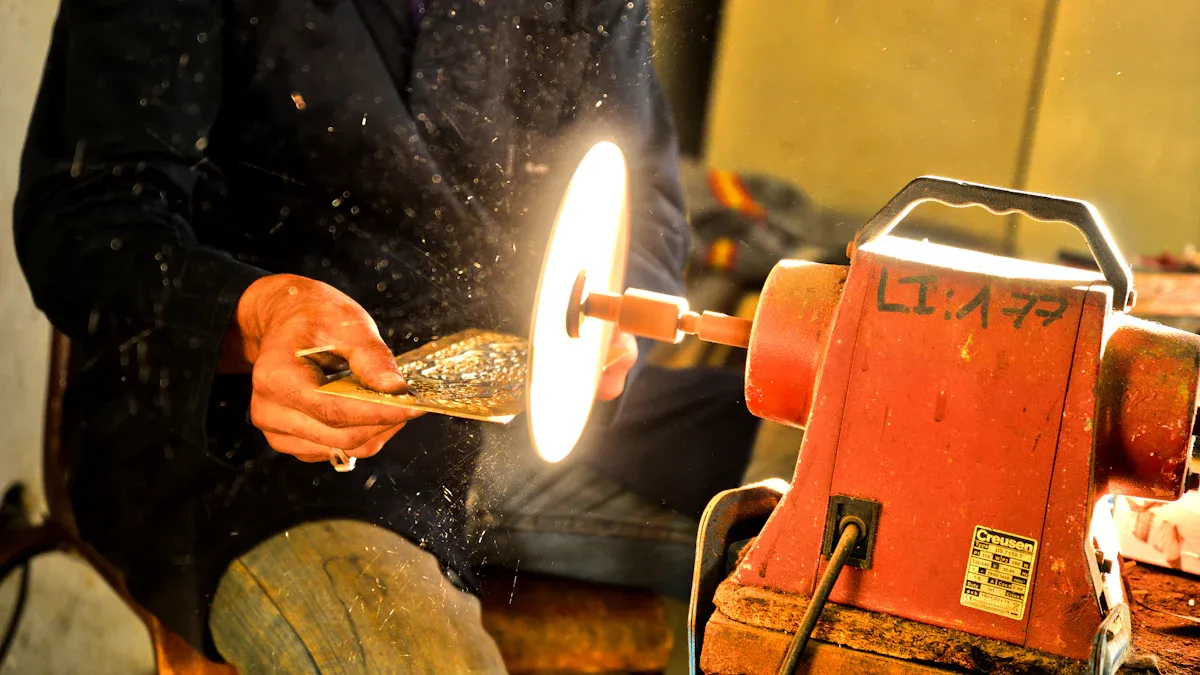
Polishing cast aluminum involves several techniques that enhance the surface's reflectivity and overall appearance. Each method serves a specific purpose and can be used in combination to achieve the desired mirror finish.
Using a Polishing Compound
Polishing compounds play a crucial role in achieving a high-gloss finish on cast aluminum. These compounds contain abrasives that help smooth the surface and enhance its shine. Here are some key points to consider when using polishing compounds:
- Types of Compounds: Different compounds serve various purposes. For instance, Tripoli is effective for cutting and removing surface imperfections, while Jewelers Rouge provides a finer polish for a brilliant shine.
- Application Method: Apply the compound using a clean, soft cloth or a buffing wheel. Work in small sections to ensure even coverage.
- Technique: Use a circular motion when applying the compound. This technique helps distribute the compound evenly and prevents uneven spots.
Using the right polishing compound can significantly improve the final appearance of the cast aluminum.
Buffing with a Polishing Wheel
Buffing with a polishing wheel is an effective method for achieving a mirror finish on cast aluminum. This technique utilizes a rotating wheel to apply pressure and friction, enhancing the surface's shine. Here are some important considerations:
- Choosing the Right Wheel: Select a wheel made from materials such as cotton or felt. Each material offers different levels of abrasiveness. A softer wheel is ideal for final polishing, while a firmer wheel can be used for initial buffing.
- Speed Settings: Adjust the speed of the buffer according to the task. A slower speed is suitable for applying compounds, while a higher speed can be used for final buffing.
- Technique: Maintain a consistent pressure on the wheel while moving it across the surface. Avoid staying in one spot for too long to prevent overheating the aluminum.
Buffing with a polishing wheel can yield impressive results, transforming dull surfaces into reflective finishes.
Hand Polishing Methods
Hand polishing methods offer a more controlled approach to polishing cast aluminum. This technique is particularly useful for intricate designs or areas that require precision. Here are some effective hand polishing methods:
- Using Soft Cloths: Employ soft, lint-free cloths to apply polishing compounds. This method allows for greater control over the amount of pressure applied.
- Circular Motions: Similar to machine polishing, use circular motions to apply the compound evenly. This technique helps blend any remaining scratches and imperfections.
- Multiple Applications: For best results, apply multiple layers of polishing compound. Each application builds upon the previous one, enhancing the shine progressively.
Hand polishing methods can be time-consuming but often yield superior results, especially for detailed work.
Finishing Touches on Cast Aluminum
Applying a Protective Coating
After achieving a mirror finish on cast aluminum, applying a protective coating is essential. This step safeguards the polished surface from environmental factors such as moisture, UV rays, and oxidation. A high-quality sealant or wax can enhance durability and maintain the shine. Here are some recommended options:
- Metal Sealants: These products create a barrier against corrosion and tarnishing. They are ideal for outdoor applications where exposure to the elements is a concern.
- Automotive Wax: This option provides a glossy finish and adds an extra layer of protection. Regular application can help maintain the polished look over time.
To apply the protective coating, ensure the surface is clean and dry. Use a soft cloth or applicator pad to spread the coating evenly. Allow it to cure according to the manufacturer's instructions for optimal results.
Final Inspection
Conducting a final inspection is crucial to ensure the quality of the polished cast aluminum. Inspect the surface for any remaining imperfections that may have been overlooked. Common flaws include deep scratches, uneven polish, and poor gloss. The following table outlines these issues, their causes, and solutions:
| Common Flaw | Causes | Solutions |
|---|---|---|
| Deep Scratches | 1) Wrong type of abrasive used. | 1) Use the correct abrasive type. |
| 2) Excessive downward pressure from the polisher. | 2) Train operators to apply appropriate pressure. | |
| 3) Long stroke while stoning. | 3) Use shorter strokes to avoid deep scratches. | |
| Uneven Polish | 1) Uneven pressure during polishing. | 1) Train operators to maintain consistent pressure. |
| 2) Inconsistent speed of the polishing tool. | 2) Regularly check and calibrate the polishing machine. | |
| 3) Poor quality or worn polishing tools. | 3) Replace worn tools promptly and use high-quality tools. | |
| Poor Gloss | 1) Insufficient buffing. | 1) Extend buffing time and use a finishing compound. |
| 2) Wrong type of polishing compound. | 2) Select the appropriate compound for the desired finish. | |
| 3) Unsuitable aluminum alloy for high-gloss finish. | 3) Consult manufacturer’s recommendations for the best compound to use. |
By addressing these issues, individuals can ensure that their polished cast aluminum meets the highest standards.
Tips for a Flawless Finish
Achieving a flawless finish on cast aluminum requires attention to detail and the right techniques. Here are some expert tips to consider:
- Use spray paint for a lightweight, smooth, and even finish, or high-quality latex paint with a brush, avoiding water-based options.
- Apply thin, even coats of paint, allowing each coat to dry before adding more for optimal coverage.
- After painting, apply a clear coat or sealant to protect the finish from fading and wear.
- Regularly clean the furniture with a damp cloth and apply automotive wax yearly to maintain its appearance.
- Use outdoor furniture covers to protect against weather damage.
Implementing these tips can significantly enhance the longevity and appearance of polished cast aluminum.
Achieving a mirror finish on cast aluminum involves several key steps:
- Cleaning Aluminum: Remove debris using a wet rag or sponge with a cleaning solution. Rinse and dry thoroughly.
- Sanding Aluminum: Start with coarse grit sandpaper (180-320 grit) and progress to finer grits (up to 1500 grit) for a smooth finish.
- Buffing/Polishing Aluminum: Apply aluminum polish with a clean cloth in circular motions, then buff the surface to achieve shine.
Maintaining this finish is crucial. Regular care enhances wear resistance, reduces friction, and preserves aesthetic appeal.
Remember, take your time during the process. Enjoy the transformation of your cast aluminum pieces into stunning, reflective surfaces.
FAQ
What is the best way to clean cast aluminum before polishing?
To clean cast aluminum, use a degreaser or soapy water. Rinse thoroughly with deionized water to remove contaminants. Ensure the surface is completely dry before proceeding to sanding or polishing.
How long does it take to polish cast aluminum to a mirror finish?
The time required varies based on the size and condition of the aluminum piece. Generally, the entire process can take anywhere from a few hours to a full day, depending on the level of detail and care taken.
Can I use a regular buffer for polishing aluminum?
Yes, a regular buffer can work for polishing aluminum. However, ensure it has the appropriate buffing wheels and compounds designed for metal surfaces to achieve the best results.
Is it necessary to apply a protective coating after polishing?
Yes, applying a protective coating is essential. It helps prevent oxidation and maintains the mirror finish. Use a metal sealant or automotive wax for optimal protection.
What grit sandpaper should I start with for polishing?
Begin with 400-grit sandpaper to flatten the surface. Progress through finer grits, such as 600, 800, and up to 2000 grit, to achieve a smooth finish before polishing.
How often should I maintain the polished finish?
Regular maintenance is crucial. Clean the surface with a damp cloth and apply automotive wax every six months to preserve the shine and protect against environmental damage.
Can I polish aluminum by hand?
Yes, hand polishing is effective, especially for intricate designs. Use soft cloths and polishing compounds, applying them in circular motions for even coverage and shine.
What should I do if I notice scratches after polishing?
If scratches remain after polishing, return to sanding with finer grit sandpaper. Ensure to remove all imperfections before reapplying polishing compounds for a flawless finish.