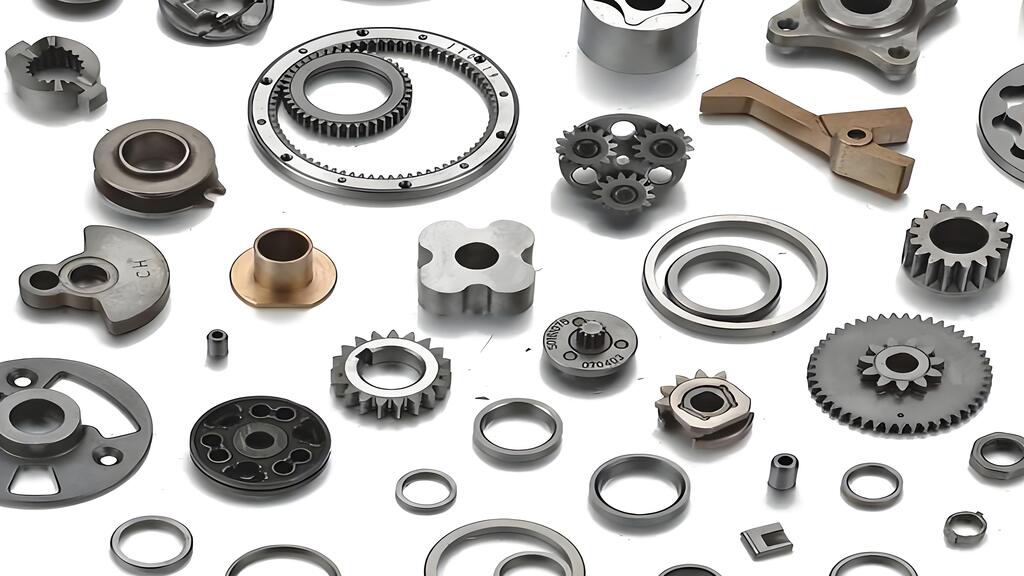
Magnesium Alloys in Automotive Industry
Magnesium car parts are a game-changer in automotive design. This eighth most abundant element on Earth has unique properties. Magnesium's density of 1.7g/cm³ makes it the lightest structural metal we can use. It weighs 36% less than aluminum and 78% less than iron per unit volume. This weight advantage is crucial because a passenger car uses about 86% of its lifetime energy just to move its own weight and passengers.
Magnesium alloys combine lightweight properties with high specific strength and excellent castability. These features make them the perfect engineering materials for cars. A magnesium alloy wheel weighs 32% less than its aluminum counterpart. The benefits are clear - cars that weigh 10% less use 7% less fuel and can travel 13.7% further on electric power. These advantages explain why magnesium alloys have become more common in the automotive industry in the last 20 years. Car manufacturers now focus more on protecting the environment and saving energy, which means magnesium alloy parts will become even more important in future automotive design and manufacturing.
Lightweight and Strength Benefits in Automotive Design

The most compelling benefit of magnesium car parts comes from their weight advantage over conventional materials. These parts weigh 75% less than steel and 33% less than aluminum, making them an optimal choice for manufacturers who want to reduce vehicle weight.
Magnesium vs Aluminum: 33% Weight Reduction
Pure magnesium's density of 1.81 g/cm³ offers substantial weight savings compared to aluminum's 2.68 g/cm³. Designers can create components that weigh a third less than aluminum versions while maintaining functionality. Ground applications prove these benefits clearly. General Motors saved 12 pounds by using a magnesium engine cradle in its Z06 Corvette. A magnesium control arm weighed 1.53 kg compared to its aluminum counterpart at 2.43 kg - a 37% reduction while meeting OEM performance standards.
Strength-to-Weight Ratio in Structural Components
Magnesium alloys maintain impressive mechanical properties despite their lighter weight. Common variants like AZ91, AM50, and AM60 show tensile strengths of 180-300 MPa, and specialized alloys such as WE43 can reach 400 MPa. These materials are the foundations of the highest strength-to-weight ratio among structural metals. This combination makes them perfect for applications that need both strength and minimal weight, particularly in structural components where material efficiency affects performance.
Impact on Fuel Efficiency and Handling
Magnesium alloys' lightweight properties create measurable performance gains. Studies show that reducing vehicle weight by 10% improves fuel economy by 7% with the right powertrain. The benefits extend to acceleration, braking response, and handling. Electric vehicles gain even more - a 10% weight reduction can extend their driving range by 13.7%.
Magnesium alloy wheels showcase how weight reduction improves driving dynamics. Lower unsprung mass helps suspension systems react faster, which leads to better steering response and road contact. High-performance vehicles use these alloys because handling precision matters as much as raw power.
Common Magnesium Alloy Car Parts and Their Functions

Magnesium alloys play a crucial role in modern automotive manufacturing. Car makers use these alloys in many key vehicle components. Their unique properties go far beyond simple weight reduction, with different alloys serving specific purposes in various car systems.
Engine Blocks and Transmission Cases
Magnesium finds its place in housings and covers throughout engine and transmission systems. The metal's limited creep resistance keeps it out of critical engine parts like blocks and cylinder heads. However, it works great in transmission applications where temperatures stay lower. The AZ91D alloy stands out for its corrosion resistance and strength, making it perfect for transmission cases and engine blocks. The Volkswagen Beetle made history with its extensive use of magnesium. Its crankcase and transmission housing used 17 kilograms of the material.
Steering Wheels and Pedal Supports
Driver control systems work better with magnesium alloys. A magnesium steering wheel weighs just 300 grams—30% less than its steel counterpart. Most of these parts use AM60 alloy, which offers high ductility and impact strength. These properties make it ideal for safety-critical components. Pedal supports made from magnesium respond better and weigh less. Magnesium's damping properties are remarkable. It absorbs vibrations 50 times better than aluminum, which leads to a smoother ride.
Seat Frames and Sunroof Structures
Magnesium makes a big difference in interior components. Cast magnesium seat frames include many connection features. They form the core of seating systems that need to meet strict performance standards. Daimler-Benz's use of AM20/AM50 alloys in seat frames cut weight by 8kg. Sunroof structures also benefit from these alloys, helping reduce the car's overall weight. These applications show how magnesium improves both comfort and functionality.
Magnesium Alloy Wheels: 32% Lighter than Aluminum
Wheels showcase one of magnesium's earliest and most meaningful automotive uses. Magnesium wheels weigh 32.3% less than aluminum ones. This reduction in unsprung mass helps the suspension work better, which improves steering response and road grip. These wheels also cool brake heat faster than aluminum, which helps brake pads and other parts last longer. Porsche led the way with sand-cast magnesium wheels in their 1960s race cars before adding them to regular production models in 1970.
Challenges in Corrosion, Cost, and Flame Resistance

Magnesium alloys offer impressive benefits but face several big problems that have stymied their widespread use in automotive manufacturing. These limitations need careful thought when designing magnesium components for vehicles.
Corrosion in Salt and Moisture Environments
Magnesium's high electrochemical activity makes it easy prey to galvanic, pitting, and stress corrosion. The material shows poor resistance to corrosion in marine or coastal environments, and research reveals corrosion rates of 0.0672-0.0938 mg cm−2 y−1 in ocean vessel conditions. This weakness grows by a lot in areas with high salinity and humidity. Magnesium surfaces quickly lose their metallic shine and develop white crystalline corrosion products. Chloride ions attack magnesium alloys aggressively and cause pitting corrosion.
Cost Comparison with Steel and Aluminum
Magnesium's higher price tag compared to steel and aluminum creates big economic hurdles for mass production. Manufacturers must weigh the material's performance benefits against higher production costs. This price difference remains the biggest obstacle to magnesium's wider adoption in mainstream automotive uses.
Flame Resistance via LPSO Phase and Yb/Ca Additives
Standard magnesium alloys have low ignition temperatures (470-550°C), which raises safety concerns. In spite of that, researchers have found effective solutions through composition changes. Alloys that contain both LPSO phase and Yb/Ca additives boost flame resistance, which pushes ignition temperatures to 1000°C or higher. Some C36-type magnesium alloys ("KUMADAI non-flammable Mg alloys") achieve something remarkable - ignition temperatures that exceed magnesium's boiling point (1,091°C). These breakthroughs make magnesium a more viable choice for safety-critical applications.
Future of Magnesium Alloys in Electric and Hybrid Vehicles

Electric vehicles (EVs) create amazing opportunities to integrate magnesium alloys. Car manufacturers now look at magnesium parts as key components in their next-gen vehicle designs to solve battery weight challenges.
Weight Reduction and EV Range Extension
Magnesium makes a huge difference in electric vehicles. A 10% drop in vehicle weight leads to about 13.7% more electric range. This relationship between weight and efficiency makes magnesium alloys valuable. They help offset the heavy power systems, including batteries and electric motors. Magnesium components cut down the overall vehicle weight for any range requirement. They also reduce battery size needs and cut production costs. Battery housings made from magnesium-aluminum save up to 40% weight compared to aluminum options. They maintain the same strength and thermal capabilities.
New Alloy Development for High-Temperature Us
Scientists keep pushing magnesium formulations beyond their old limits. Regular magnesium alloys don't work well in high temperatures. That's why researchers developed new mixtures specifically for powertrain parts. A breakthrough came in 2017 with a new Die-Casting magnesium alloy. It handles heat better without needing expensive rare-earth elements. These improvements let us use magnesium in places we couldn't before - near engines, power trains, and motors.
Sustainability and Recyclability in EV Manufacturing
Magnesium's green credentials make it perfect for EV manufacturing. You can recycle it easily, which adds to its eco-friendly status. Smart recycling strategies could boost automotive magnesium supply to 0.70 million tons by 2050. Getting magnesium from seawater and brine affects the environment less than mining lithium. Better recycling tech and eco-friendly sourcing make magnesium alloys a great fit for green EV production.
Conclusion
Magnesium alloys are a revolutionary force in automotive manufacturing that offer unique weight reduction benefits while maintaining structural integrity. This piece shows these materials weigh 36% less than aluminum and 78% less than iron, which leads to better performance. The remarkable weight advantage results in 7% better fuel economy for traditional vehicles, while electric models gain 13.7% more range when vehicle weight drops by 10%.
Car manufacturers now use magnesium components successfully in many applications. Engine blocks, transmission cases, steering wheels, seat frames, and wheels make use of magnesium's exceptional properties. These changes help reduce unsprung mass, boost handling, and optimize overall vehicle efficiency without compromising strength or safety.
These alloys face some challenges that limit their widespread use. Corrosion becomes a problem in high-salt environments for some applications. Production costs also run higher than steel and aluminum, which creates economic barriers for mass production. We have a long way to go, but we can build on this progress as researchers tackle these challenges through advanced alloy formulations.
Magnesium shows great promise for electric and hybrid vehicles. Battery weight offset might be the most compelling use case, since lighter vehicles need smaller battery packs to achieve the same range. New high-temperature resistant alloys also open up possibilities in areas near motors and power systems that were previously unsuitable.
High recyclability and environmentally friendly extraction methods make magnesium's sustainability credentials stand out. These features position the alloys as ideal materials for next-generation vehicles. Without doubt, magnesium alloys will become a vital part of tomorrow's vehicles as automotive manufacturers focus on environmental protection, energy efficiency, and performance
Key Takeaways
Magnesium alloys are revolutionizing automotive design by offering the lightest structural metal option with exceptional performance benefits that directly impact vehicle efficiency and sustainability.
• Dramatic weight reduction: Magnesium alloys are 33% lighter than aluminum and 78% lighter than steel, delivering immediate fuel economy and electric range improvements.
• Proven performance gains: Every 10% vehicle weight reduction yields 7% better fuel efficiency in traditional cars and 13.7% increased range in electric vehicles.
• Versatile automotive applications: Successfully used in engine blocks, transmission cases, steering wheels, seat frames, and wheels with up to 32% weight savings over aluminum alternatives.
• Electric vehicle game-changer: Magnesium components can offset heavy battery weight, reduce battery size requirements, and extend driving range significantly.
• Advancing technology solutions: New flame-resistant alloys and high-temperature formulations are overcoming traditional limitations like corrosion and cost barriers.
The automotive industry's shift toward electrification and sustainability makes magnesium alloys increasingly valuable, as their exceptional strength-to-weight ratio and recyclability align perfectly with next-generation vehicle requirements for efficiency and environmental responsibility.
FAQs
Q1. What are the main advantages of using magnesium alloys in the automotive industry? Magnesium alloys offer exceptional weight reduction, being 33% lighter than aluminum and 78% lighter than steel. This translates to improved fuel efficiency in traditional vehicles and extended range in electric cars. Additionally, they provide high strength-to-weight ratios and excellent castability, making them ideal for various automotive components.
Q2. In which automotive parts are magnesium alloys commonly used? Magnesium alloys are used in various car parts, including engine blocks, transmission cases, steering wheels, seat frames, and wheels. They're particularly effective in reducing unsprung mass in wheels, improving vehicle handling and performance.
Q3. How do magnesium alloys impact electric vehicle performance? In electric vehicles, magnesium alloys can significantly offset battery weight, allowing for smaller battery sizes without compromising range. A 10% reduction in vehicle weight can lead to approximately a 13.7% increase in electric range, making magnesium alloys crucial for improving EV efficiency.
Q4. What challenges do magnesium alloys face in automotive applications? The main challenges include susceptibility to corrosion, especially in high-salt environments, higher production costs compared to steel and aluminum, and historically low flame resistance. However, new alloy formulations are addressing these issues, particularly improving high-temperature performance and flame resistance.
Q5. How do magnesium alloys contribute to automotive sustainability? Magnesium alloys are highly recyclable and can be extracted from seawater and brine with a lower environmental impact than mining-based materials. Their use in vehicles reduces overall weight, leading to improved fuel efficiency and reduced emissions. As the automotive industry focuses on sustainability, magnesium alloys are becoming increasingly important in eco-friendly vehicle design.