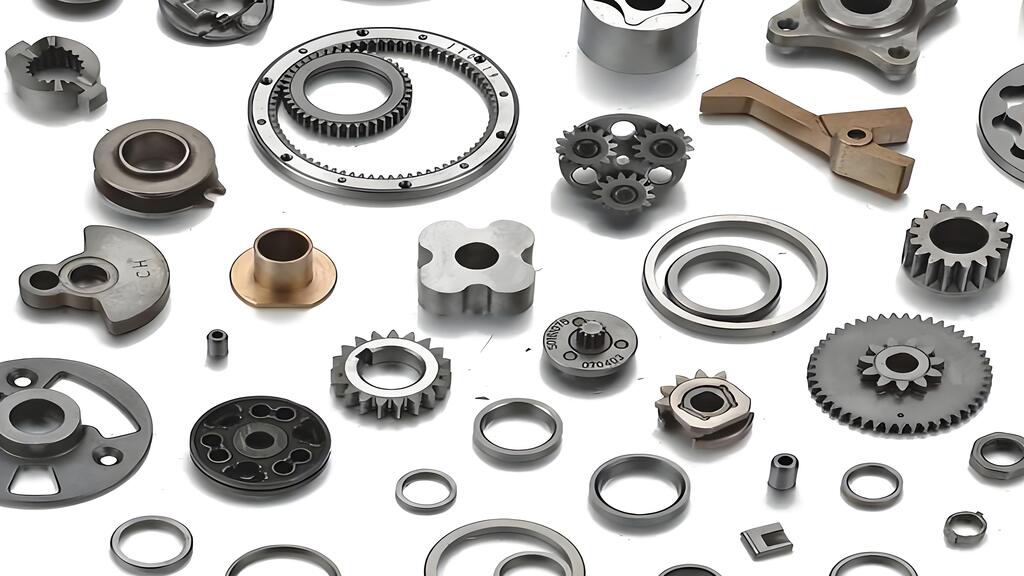
Magnesium Die Casting for Medical Devices
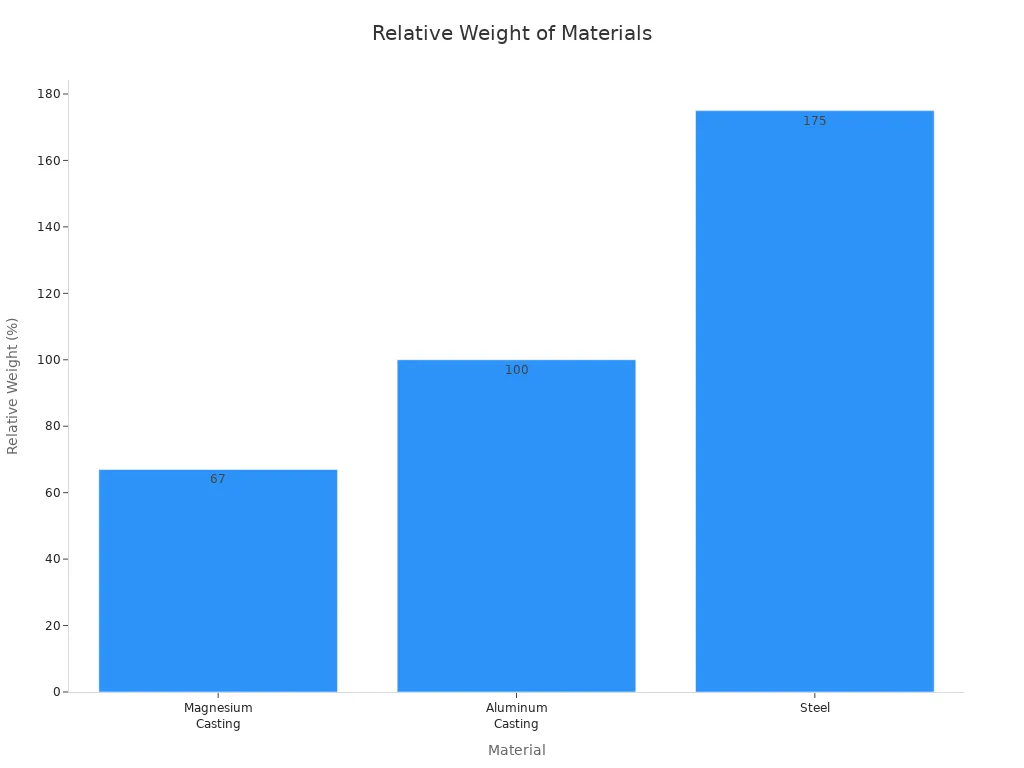
Magnesium Die Casting presents a compelling solution for medical device manufacturing. This process creates components significantly lighter than traditional materials. Magnesium alloys are 33% lighter than aluminum and 75% lighter than steel, offering an excellent strength-to-weight ratio. This weight advantage is critical for device portability and user comfort, benefiting products like prosthetic devices and surgical instruments. Medical devices also benefit from its inherent EMI shielding capabilities.
Key Takeaways
- Magnesium die casting makes medical devices much lighter. This helps doctors and patients use them more easily.
- Magnesium parts are strong but light. This keeps devices tough without making them bulky.
- Magnesium stops electronic interference. This protects sensitive medical equiPment from problems.
- Magnesium helps keep medical electronics cool. This makes devices work better and last longer.
- Special coatings make magnesium safe for the body. These coatings also help with cleaning and sterilization.
- Magnesium is used in many medical items. These include surgical tools, imaging machines, and wearable health devices.
- New magnesium alloys can dissolve safely in the body. This means some implants will not need a second surgery to remove them.
- Making medical devices with magnesium follows strict rules. This ensures all products are safe and work well.
Why Magnesium Die Casting Excels for Medical Devices
Magnesium die casting offers numerous advantages, making it an exceptional choice for medical device manufacturing. Its unique properties directly address critical needs within the healthcare industry, from enhancing user experience to ensuring device reliability.
Unmatched Lightweight Advantage in Medical Devices
The inherent lightness of magnesium provides significant benefits for medical devices. This characteristic directly impacts how medical professionals and patients interact with technology.
Enhancing Device Portability
Lighter medical devices are easier to handle and transport. Surgeons benefit from less fatigue during long procedures when using lightweight instruments. Emergency medical personnel can more quickly deploy portable diagnostic equipment. This reduced weight improves overall operational efficiency in various clinical settings.
Reducing Patient Burden
Patients often interact with medical devices daily. Lighter wearable monitors, prosthetic limbs, or assistive devices significantly improve patient comfort and compliance. A reduced physical burden allows patients greater freedom of movement and a better quality of life, especially for long-term use scenarios.
Superior Strength-to-Weight Ratio for Medical Components
Magnesium alloys provide an excellent balance between strength and weight, a crucial factor for medical components. This combination ensures devices are robust without being cumbersome.
Ensuring Structural Integrity
Medical devices must withstand various stresses during their lifespan, including repeated use, sterilization cycles, and accidental impacts. Magnesium components offer the necessary structural integrity to maintain functionality and safety under these conditions. This robust nature ensures device reliability, which is paramount in healthcare.
Minimizing Device Bulk
A high strength-to-weight ratio allows engineers to design components with thinner walls and smaller overall dimensions. This minimizes device bulk without compromising durability. Compact designs are particularly valuable for handheld instruments, implantable devices, and equipment used in confined spaces.
Consider the comparative strength-to-weight ratios of common materials:
| Metal | Strength-to-Weight Ratio |
|---|---|
| Aluminum (6061 alloy) | Good |
| Titanium (Ti-6Al-4V) | Excellent |
| Magnesium (AZ31B alloy) | Excellent |
Magnesium alloys consistently offer an excellent strength-to-weight ratio, often surpassing aluminum and steel. While materials like titanium and carbon fiber composites boast even higher ratios, they typically involve increased costs and greater manufacturing complexity. Researchers have also developed advanced materials, such as a high-entropy metal alloy containing lithium, magnesium, titanium, aluminum, and scandium. This new alloy exhibits a strength-to-weight ratio superior to any existing metallic material, with a density similar to aluminum but greater strength than titanium alloys.
Critical EMI/RFI Shielding Capabilities in Medical Applications
Electronic interference poses a significant challenge in medical environments. Magnesium naturally provides effective shielding against electromagnetic interference (EMI) and radio-frequency interference (RFI).
Protecting Sensitive Electronics
Medical devices frequently contain sensitive electronic components that can be vulnerable to external electromagnetic fields. EMI/RFI can disrupt these electronics, leading to inaccurate readings or device malfunctions. Magnesium enclosures act as a Faraday cage, effectively blocking these disruptive signals and protecting internal circuitry.
Preventing Signal Interference
In a hospital or clinic, numerous electronic devices operate simultaneously. This creates a complex electromagnetic environment. Magnesium components help prevent cross-interference between devices, ensuring the integrity of critical signals. This capability is vital for diagnostic equipment, patient monitoring systems, and therapeutic devices, where signal accuracy directly impacts patient care.
Essential Thermal Management Properties for Medical Electronics
Medical devices often contain sensitive electronic components that generate heat. Effective thermal management is crucial for their reliable operation and longevity. Magnesium die-cast components contribute significantly to this aspect.
Efficient Heat Dissipation
Magnesium alloys possess moderate thermal conductivity. This property allows them to draw heat away from internal electronics. While aluminum alloys are recognized for their excellent thermal conductivity and are often chosen for applications demanding highly efficient heat dissipation, such as in heat exchangers and cooling systems, magnesium still offers a substantial improvement over many plastic enclosures. Magnesium alloys are utilized in medical equipment like surgical tools, implants, and patient mobility aids, where their thermal properties contribute to overall device performance. Aluminum is known for its good thermal conductivity, making many of its alloys suitable for heat exchangers. In contrast, magnesium possesses lower conductivity, which makes aluminum a more appropriate choice for applications where efficient heat transfer is crucial. However, magnesium's ability to conduct heat away from critical components helps prevent localized hot spots.
Maintaining Component Performance
Overheating can degrade electronic components, reduce their lifespan, and lead to device malfunction. By efficiently dissipating heat, magnesium enclosures help maintain optimal operating temperatures for internal circuitry. This thermal stability ensures consistent performance and reliability, which is paramount for medical devices where accuracy and uninterrupted function are non-negotiable. Proper thermal management also contributes to patient safety by preventing external surfaces from becoming excessively hot.
Biocompatibility and Sterilization Considerations for Magnesium Die Casting
Medical devices frequently come into contact with patients, either directly or indirectly. Therefore, biocompatibility and the ability to withstand sterilization processes are critical considerations for any material used.
Surface Treatment Options
Raw magnesium can react with bodily fluids, making surface treatments essential for medical applications. Manufacturers employ various surface treatment options to enhance biocompatibility and corrosion resistance. These treatments include anodizing, plasma electrolytic oxidation (PEO), and specialized polymer coatings. These layers create a barrier between the magnesium substrate and the biological environment, preventing adverse reactions. They also improve the material's resistance to wear and chemical exposure during cleaning and sterilization.
Alloy Selection for Medical Use
Selecting the correct magnesium alloy is fundamental for medical devices. Different alloys exhibit varying levels of corrosion resistance and mechanical properties. For applications requiring direct contact with the human body, such as certain surgical instruments or potential implantable devices, specific medical-grade alloys are chosen. These alloys often contain elements that enhance their biocompatibility and control their degradation rate if intended for temporary use.
Biocompatibility must be proven for medical devices in direct or indirect contact with the human body to gain market access, as specified by the international standard series ISO 10993. ISO 10993-1 outlines the general principles for biological evaluation, including data review and identification of necessary additional data. Specific ISO 10993 parts are required based on device type and intended use:
- ISO 10993-4: For devices in contact with circulating blood, hemocompatibility must be evaluated.
- ISO 10993-11: For long-term use, chronic toxicity must be addressed.
- ISO 10993-5: In vitro cytotoxicity testing is always required to assess the impact on cellular health, regardless of contact type or duration. This involves testing the product or its extracts in mammalian cell culture to analyze cell growth, replication, and/or morphology.
For magnesium-based implants, current ISO 10993 standards, particularly for cytotoxicity testing, require careful reevaluation and modification due to significant differences between in vitro and in vivo conditions. A recommended modification for in vitro cytotoxicity tests, as specified in ISO 10993-5, involves a minimal 6 times to a maximal 10 times dilution of extracts for pure magnesium, considering the sensitivities of cells to Mg ions and the in vivo circulatory system's ability to dilute degradation products. This rigorous testing ensures the safety and efficacy of Magnesium Die Casting components in medical applications.
Key Applications of Magnesium Die Casting in Medical Devices
Magnesium die casting offers versatile solutions across a broad spectrum of medical devices. Its unique properties make it ideal for applications demanding precision, portability, and robust performance in critical healthcare environments.
Precision Surgical Instruments Utilizing Magnesium Die Casting
Surgical instruments require exceptional precision, durability, and often, a lightweight design to reduce surgeon fatigue during lengthy procedures. Magnesium die-cast components meet these stringent demands effectively.
Handles and Housings
Surgeons benefit from instruments with lightweight handles and housings. Magnesium die casting produces ergonomic designs that provide a comfortable grip and excellent balance. This reduces strain on the surgeon's hand, enhancing control and precision during delicate operations. A precision magnesium and aluminum alloy die-casting manufacturer explicitly states that their magnesium alloy die castings are widely used in surgical instruments, alongside therapeutic and diagnostic equipment.
Internal Mechanism Components
Internal components within surgical instruments demand high dimensional accuracy and smooth finishes. Die casting parts, including those made from magnesium alloys, are suitable for surgical instruments because they ensure precise dimensions and smooth surfaces. These characteristics are critical requirements for instruments needing strict tolerances. Magnesium alloys are also commonly used materials for medical parts due to their biocompatibility, lightweight, and corrosion resistance. This ensures the reliable function of complex mechanisms within devices like endoscopes, staplers, and robotic surgical tools.
Advanced Diagnostic and Imaging Equipment with Magnesium Die Casting
Diagnostic and imaging equipment often houses sensitive electronics and requires robust, yet lightweight, enclosures. Magnesium die casting provides an excellent material choice for these sophisticated systems.
Enclosures for MRI and CT Scanners
Large diagnostic machines like MRI and CT scanners benefit from magnesium enclosures. These enclosures offer superior EMI shielding, protecting the sensitive internal electronics from external interference. Their lightweight nature also simplifies the manufacturing, assembly, and transportation of these massive units.
Ultrasound and X-ray Device Casings
Portable ultrasound machines and X-ray devices require durable and lightweight casings. Magnesium die-cast casings protect internal components from physical damage while keeping the overall device weight manageable for medical professionals. This portability allows for easier deployment in various clinical settings, including emergency rooms and remote clinics.
Portable and Wearable Medical Devices Benefiting from Magnesium Die Casting
The trend towards miniaturization and portability in medical technology makes magnesium an indispensable material. Its low density and high strength enable the creation of compact, user-friendly devices.
Housings for Glucose Meters
Glucose meters are essential for diabetes management, and patients carry them daily. Magnesium die-cast housings make these devices exceptionally light and durable, improving user convenience and ensuring the meter withstands everyday use.
Drug Delivery System Components
Components for drug delivery systems, such as insulin pens or auto-injectors, benefit from magnesium's lightweight properties. This reduces the burden on patients who rely on these devices for regular medication. Magnesium alloys are used in infusion pumps, including both large hospital pumps and small, wearable insulin pumps, with magnesium chosen for its light weight.
Wearable Health Monitor Enclosures
Wearable health monitors, including smartwatches and continuous vital sign trackers, require lightweight and comfortable enclosures. Magnesium alloys are critical for these devices, where weight is a key factor. They provide a robust yet unobtrusive housing, enhancing patient comfort and compliance for long-term monitoring. Magnesium alloys are also used for their housing in portable monitors.
Hospital and Laboratory Equipment Components via Magnesium Die Casting
Magnesium die casting extends its utility to larger hospital and laboratory equipment. It provides robust yet lightweight components for various essential devices.
Components for Patient Beds
Patient beds in hospitals require durability and ease of movement. Magnesium die-cast components contribute to lighter bed frames and moving parts. This reduced weight makes beds easier for staff to reposition, improving efficiency and reducing physical strain on healthcare workers. The material's strength ensures the beds remain stable and safe for patients.
IV Stand Parts
IV stands are ubiquitous in medical settings. They must be stable, easily maneuverable, and resistant to corrosion from cleaning agents. Magnesium die-cast bases and poles offer a lightweight solution. This lightness makes IV stands easier to transport between patient rooms or during emergencies. Their inherent strength provides the necessary stability, preventing accidental tipping.
Laboratory Apparatus Housings
Laboratory environments demand precision and protection for sensitive equipment. Magnesium die-cast housings provide excellent enclosures for various laboratory apparatus. These housings shield internal electronics from electromagnetic interference, ensuring accurate readings and reliable operation. Their robust construction also protects delicate components from physical damage, contributing to the longevity of expensive lab equipment.
Emerging Applications of Magnesium Die Casting in Implantable Devices
Magnesium's unique properties, particularly its biocompatibility and biodegradability, position it as a promising material for future implantable medical devices. Researchers actively explore its potential for temporary and permanent internal applications.
Biodegradable Implant Potential
Magnesium alloys offer significant potential for biodegradable implants. These implants can gradually dissolve in the body after fulfilling their function, eliminating the need for a second surgery to remove them. This characteristic is particularly beneficial for applications like cardiovascular stents. For example, the "DREAMS 2G" stent, a biodegradable magnesium alloy stent marketed as Magmaris, received CE certification. Clinical trials for coronary artery disease showed good safety and complete degradation within nine months.
Orthopedics also explores magnesium alloys for bone implants and osteosynthesis screws. These alloys have a density and elastic modulus similar to bone. This similarity reduces stress shielding effects, a common issue with traditional materials like titanium alloys and stainless steel. Magnesium implants offer excellent biocompatibility and safe degradability, providing an alternative that avoids discomfort or the need for removal.
Dentistry investigates magnesium alloys for various applications. These include periodontal bone substitute material, where Mg-Cu alloy shows promise for eliminating pathogenic bacteria. Magnesium alloy coatings on titanium implants exhibit antibacterial and antioxidant properties, promoting cell proliferation and osteogenic differentiation. Magnesium barrier membranes are also being developed for guided bone regeneration (GBR). These membranes have an appropriate degradation rate, good biocompatibility, and excellent bone regeneration capabilities. Furthermore, Mg-Zn-Ca alloy and other magnesium alloys are being developed for craniofacial and maxillofacial fixation devices, promoting tissue proliferation and remodeling. WZM211 magnesium fixation screws with an MgF2 coating have been developed for GBR surgery, demonstrating superior mechanical properties compared to polymer devices.
Specialized Internal Device Components
Magnesium's biocompatibility makes it suitable for certain medical implants and devices. These include surgical tools, prosthetics, and implantable devices where weight and biocompatibility are critical. Ongoing research focuses on improving corrosion resistance and longevity for these medical applications. Die casting is a common method for integrating magnesium into manufacturing processes for these medical applications. Magnesium alloys are being developed for various medical device applications due to their tailored degradation, promotion of new bone growth, and biocompatibility. They offer an advantageous alternative to other bioresorbable materials. Specific device types include vascular stents and bone repair applications, such as SynerMag® alloy screws for tibia repair.
The Magnesium Die Casting Process for Medical-Grade Components

Manufacturing medical-grade components through Magnesium Die Casting requires meticulous attention to detail at every stage. This process ensures the final products meet the stringent demands of the healthcare industry.
Strategic Alloy Selection for Medical Magnesium Die Casting
Choosing the correct alloy forms the foundation for any medical device component. Manufacturers carefully select magnesium alloys based on their specific application requirements.
Common Medical-Grade Magnesium Alloys
Several magnesium alloys are suitable for medical applications. These alloys offer varying mechanical properties, corrosion resistance, and biocompatibility. Engineers often consider factors like strength, ductility, and the intended environment of the device when making their selection.
Properties of AZ91D and AM60B
AZ91D and AM60B are two widely used magnesium alloys in die casting. AZ91D offers excellent castability, good strength, and corrosion resistance. It is often chosen for components requiring a balance of these properties. AM60B provides superior ductility and impact strength, making it suitable for parts that might experience higher stress or require greater resilience. Both alloys contribute to the lightweight and robust nature of medical devices.
Precision Die Design and Tooling for Magnesium Die Casting
The quality of the die directly impacts the precision and integrity of the cast components. Precision die design and tooling are critical for medical applications.
Achieving Tight Tolerances
Medical devices often demand extremely tight dimensional tolerances. Precision die design ensures the cast parts meet these exact specifications. Magnesium die casting tolerances generally fall between those of aluminum and zinc. Precision tolerances are tighter than standard tolerances and necessitate more accurate die construction and enhanced process control. Achieving precision tolerances can increase production costs but helps in reducing downstream fitting or assembly issues.
Designing for Complex Geometries
Modern medical devices frequently feature intricate shapes and complex geometries. Expert die design allows manufacturers to produce these complex parts in a single casting operation. The accuracy of the die directly influences the part's tolerances; any imperfections in the mold cavity will transfer to the casting. Factors like cooling channel placement, venting, and cavity symmetry are crucial as they affect metal filling and solidification, with poor design potentially leading to shrinkage or warping. The quality of tool steel and machining precision are key to how well the die maintains its shape and consistent cavity dimensions over many cycles.
Advanced Casting Techniques in Medical Magnesium Die Casting
Advanced casting techniques optimize the production of magnesium components, enhancing their performance and efficiency.
High-Pressure Die Casting Benefits
High-Pressure Die Casting (HPDC) is a preferred method for medical device components. HPDC produces components with an excellent strength-to-weight ratio due to rapid solidification and fine grain structure, resulting in lightweight yet robust parts. The process ensures tight tolerances and minimal dimensional variations, crucial for industries like medical devices, reducing the need for secondary machining.
Producing Thin-Walled Components
HPDC excels at creating thin-walled magnesium components. HPDC allows for thinner cross-sections than other casting processes, with wall thicknesses under 0.40 mm possible, contributing to weight reduction. This capability is vital for miniaturized and portable medical devices. It is a popular technique for producing lightweight surgical tools and medical devices, including high production imaging equipment and infusion pumps.
Critical Post-Casting Treatments for Magnesium Die Casting
After the casting process, magnesium components undergo various treatments. These treatments enhance their performance and ensure suitability for medical applications.
Surface Finishing for Medical Use
Surface finishing is crucial for medical devices. It improves biocompatibility and corrosion resistance. A simple immersion method in cell culture medium is applied to magnesium alloys. This technique involves repeatedly immersing alloy implants in solutions that simulate human physiological conditions. This process aims to slow down degradation. It also promotes the formation of a corrosion-resistant surface layer. This fosters a microenvironment suitable for osteocyte growth. Ultimately, it improves the material's bio-responsiveness and suitability for surgical implants like bone screws. This method is noted for its simplicity and low energy consumption compared to other complex or expensive techniques.
Specialized Coatings (Anodizing, PVD)
Specialized coatings further protect magnesium components. Anodizing creates a hard, corrosion-resistant oxide layer on the surface. This layer also improves wear resistance. Physical Vapor Deposition (PVD) applies thin films of various materials. These films enhance properties like hardness, lubricity, and biocompatibility. These coatings are essential for devices requiring long-term durability and interaction with biological systems.
Sterilization Compatibility of Finishes
Medical device finishes must withstand rigorous sterilization methods. These methods include autoclaving, ethylene oxide (EtO), and gamma irradiation. Manufacturers select finishes that maintain their integrity and protective properties after repeated sterilization cycles. This ensures the device remains safe and effective throughout its lifespan.
Rigorous Quality Control and Validation in Magnesium Die Casting
Medical device manufacturing demands stringent quality control. This ensures product safety and efficacy.
Adherence to ISO 13485 Standards
Manufacturers of medical device components must adhere to ISO 13485 standards. This international standard outlines requirements for a quality management system (QMS). Key aspects include:
- Customer requirements: Manufacturers establish and review all customer needs, including product specifications and regulatory requirements, before production. They also maintain clear communication.
- Design and development: Documented procedures are required for planning, inputs, outputs, review, verification, and validation of design and development.
- Purchasing and supplier control: Criteria for evaluating and documenting purchased products, supplier reputation, and impact on the medical device are essential to ensure quality.
- Production and service provision: Manufacturers plan, monitor, and control production to ensure product conformity. They document procedures for cleanliness and contamination prevention. They also validate processes.
- Control of monitoring and measuring equipment: All equipment used for measurement and monitoring must be verified or calibrated. Manufacturers maintain proper records.
- Measurement, analysis, and improvement: Processes for monitoring, measurement, analysis, and improvement are planned and implemented. This ensures product and QMS conformity.
- Resource management: Manufacturers determine and provide necessary physical, human, and infrastructural resources. This includes ensuring personnel competence and training records. They also maintain facilities and equipment.
Meeting FDA Regulatory Requirements
Beyond ISO standards, components must meet FDA regulatory requirements. The FDA ensures medical devices are safe and effective for public use. Manufacturers conduct extensive testing and documentation to comply with these regulations.
Material Traceability Protocols
Material traceability protocols are vital. They allow manufacturers to track every component from raw material to finished product. This ensures accountability and facilitates rapid recall if necessary. This level of control is critical for patient safety in medical applications of Magnesium Die Casting.
Challenges and Considerations in Medical Magnesium Die Casting
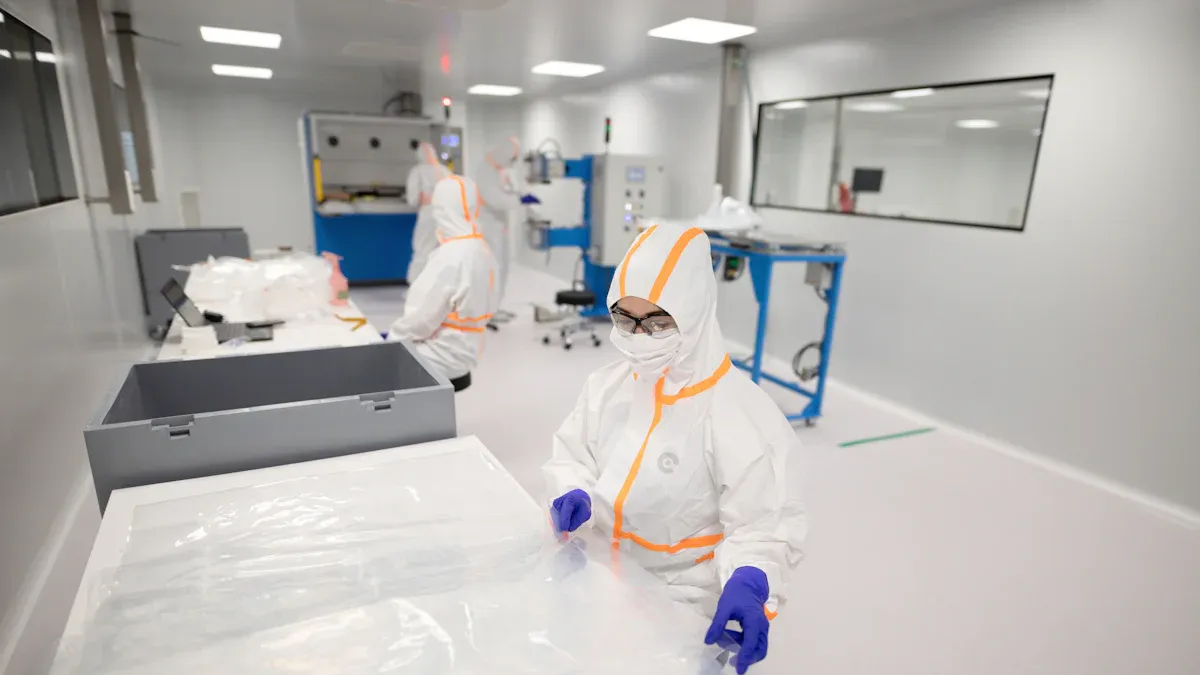
Magnesium Die Casting offers many advantages for medical devices. However, manufacturers also face specific challenges. Addressing these challenges ensures the successful implementation of magnesium components in critical healthcare applications.
Addressing Corrosion Resistance in Magnesium Die Casting
Magnesium is a reactive metal. It can corrode when exposed to certain environments, especially in the presence of moisture or bodily fluids. This characteristic requires careful consideration for medical devices.
Mitigation Strategies and Coatings
Manufacturers employ various strategies to enhance magnesium's corrosion resistance. One method involves applying a Micro-Arc Oxidation (MAO) coating. This coating has a porous structure. It can enhance mechanical interlocking. However, it might also create channels for corrosion. Adjusting parameters like electrolyte composition, current density, and treatment time optimizes its effectiveness. This process controls thickness, porosity, and uniformity, thereby improving corrosion resistance.
Another effective approach uses Magnesium Oxide Coating and Plasma Electrolytic Oxidation (PEO). For AZ61 magnesium alloy, optimizing the PEO process significantly enhances corrosion and wear resistance. For example, a 1.3 mass ratio of magnesium fluoride to magnesium oxide at 130 V creates a thicker, denser inner and outer layer. PEO with Discontinuous Deposition (DCS) also improves wear resistance. While PEO creates a rough protective layer, DCS deposits a thin polytetrafluoroethylene polymer layer (e.g., 1.3 microns). This layer can increase wear resistance significantly, sometimes by 5500 times. DCS creates nano-cracks. These form nano-blocks. They provide rolling friction and nano-lubrication.
Alumina coating also enhances corrosion resistance in medical magnesium alloys. It improves biocompatibility, mechanical properties, and antibacterial effects. Adding AlO22− (e.g., from NaAlO2) to the PEO electrolyte forms a new phase (MgAl2O4). This reduces coating porosity. It also improves surface morphology. This enhances both corrosion and wear resistance. An optimal concentration, such as 15 g/L NaAlO2, achieves the best coating performance with the lowest porosity (3.23%).
Alloy Selection for Enhanced Resistance
Choosing the right magnesium alloy is crucial. Some alloys inherently offer better corrosion resistance than others. Engineers select alloys with compositions designed to withstand specific medical environments. This reduces the need for extensive post-treatment.
Cost-Effectiveness and Economic Factors of Magnesium Die Casting
Evaluating the economic factors of magnesium die casting involves more than just the initial material cost. It includes processing and long-term value.
Balancing Material and Processing Costs
Magnesium raw material costs can sometimes be higher than aluminum. However, the die casting process offers significant cost efficiencies. It produces near-net-shape parts. This reduces the need for extensive machining. High production volumes further drive down per-unit costs. Manufacturers balance material expenses with the savings from efficient production.
Long-Term Value Proposition
Magnesium components offer a strong long-term value. Their lightweight nature reduces shipping costs for finished devices. Their durability leads to longer device lifespans. This reduces replacement frequency. The enhanced performance and patient comfort also contribute to market acceptance and brand reputation. These factors provide a compelling economic argument.
Machinability and Post-Processing of Magnesium Die Casting Parts
Magnesium parts often require additional machining or finishing after casting. This ensures they meet precise specifications.
Specific Machining Considerations
Magnesium is highly machinable. It allows for fast cutting speeds and excellent surface finishes. However, magnesium chips are flammable. Manufacturers must use proper coolants and chip management systems. This prevents fire hazards. Specific cutting tools and parameters optimize machining efficiency and safety.
Tooling and Fixturing for Magnesium
Specialized tooling and fixturing are necessary for magnesium. These tools ensure precise handling and secure clamping of parts. They prevent distortion during machining. Proper fixture design also accommodates the material's thermal expansion properties. This maintains dimensional accuracy throughout the post-processing stages.
Supply Chain and Regulatory Compliance for Magnesium Die Casting
Magnesium die casting for medical devices demands strict adherence to supply chain integrity and complex regulatory frameworks. Manufacturers must ensure every component meets rigorous standards. This commitment guarantees patient safety and device effectiveness.
Ensuring Material Sourcing Integrity
Securing high-quality medical-grade magnesium alloys requires careful planning and execution. Manufacturers establish relationships with reliable suppliers. They also implement rigorous quality assurance protocols. These protocols align with ASTM, ISO, and FDA standards. Regular audits and certifications maintain product integrity and regulatory compliance. Companies maintain comprehensive records of supplier qualifications, audits, and performance. This ensures the quality and reliability of sourced materials and components. Some organizations conduct feasibility analyses for local manufacturing facilities. This reduces lead times and ensures quality control. Others adopt a hybrid model, combining imports with regional assembly. This optimizes costs. Identifying and establishing relationships with local raw material suppliers, logistics providers, and distribution hubs streamlines operations. It also ensures reliable delivery channels.
Navigating Medical Device Regulations
Medical device manufacturers face a complex web of regulations. These regulations ensure devices are safe and effective for public use. Companies document design inputs and outputs, including requirements, verification, and validation. This ensures compliance with regulatory standards. They also document changes to design, manufacturing processes, or materials. This includes assessing their impact on safety and effectiveness. Manufacturers maintain records of risk assessments, control measures, and the overall risk management process. This covers the entire product lifecycle.
Regulatory compliance also involves extensive testing. Companies conduct standardized or custom tests to confirm the device meets design specifications. These tests ensure the device functions as intended. Key tests include:
- Design Verification: This confirms design compliance with input requirements.
- Design Validation: This confirms the device meets the intended use and patient needs.
- Biocompatibility Testing: This assesses interaction with the human body. It prevents adverse biological responses.
- Cytotoxicity: This determines if leachables and extractables can damage living cells or tissue.
- Electromagnetic Compatibility (EMC): This ensures operation within electromagnetic limits without harmful interference.
Furthermore, manufacturers establish clinical safety and performance based on clinical data, investigations, and experience. This is crucial for regulatory approval. After market release, a surveillance system collects data from clinical use, customer feedback, and medical literature. This system identifies patterns or trends indicating a need for corrective actions. Companies take necessary steps to address identified issues, such as product recalls or updates. They also report adverse events or product-related issues to regulatory authorities. Regularly reviewing and updating the post-market surveillance plan is essential.
Future Trends and Innovations in Medical Magnesium Die Casting
Magnesium die casting continues to evolve, promising even greater utility in medical device manufacturing. Researchers and engineers actively explore new frontiers, pushing the boundaries of material science and manufacturing processes.
Advancements in Biodegradable Magnesium Alloys for Medical Use
The development of biodegradable magnesium alloys represents a significant leap for medical applications. These alloys offer the unique advantage of dissolving harmlessly within the body.
Temporary Implant Development
Scientists are developing temporary implants using advanced magnesium alloys. These implants can support healing and then gradually disappear, eliminating the need for removal surgery. Strategic alloying with rare earth or zinc elements helps modulate degradation rates. Advanced surface modification techniques, such as plasma electrolytic oxidation, also enhance corrosion resistance. Furthermore, the development of novel composite systems maintains optimal biocompatibility. Emerging fabrication technologies like additive manufacturing (AM), specifically laser powder bed fusion (LPBF), and plasma-assisted anodization, improve mechanical durability.
Controlled Degradation Rates
A critical challenge for biodegradable magnesium alloys involves their rapid degradation kinetics in physiological environments. This often leads to premature mechanical integrity loss. This rapid corrosion rate can occur before complete tissue healing, posing significant limitations, especially for load-bearing orthopedic applications. Current research aims to achieve a degradation rate below 0.5 mm/year in simulated body fluid. Simultaneously, it seeks to maintain essential mechanical properties. Efforts focus on tailoring this degradation behavior through advanced alloy design and surface modification strategies. This balances mechanical integrity with corrosion resistance.
Integration of Magnesium Die Casting with Additive Manufacturing
The combination of magnesium die casting with additive manufacturing (AM) opens new possibilities for medical device design and production. This hybrid approach leverages the strengths of both technologies.
Hybrid Manufacturing Approaches
Hybrid manufacturing combines the efficiency of die casting for bulk production with the precision of AM for intricate features. This allows manufacturers to create complex components with optimized internal structures. It also reduces material waste and production time.
Complex Geometry Creation
Additive manufacturing excels at creating highly complex geometries that traditional die casting cannot achieve alone. Integrating AM with die casting enables the production of parts with internal lattices, porous structures, or customized shapes. These features can enhance device functionality, such as improved bone integration for implants or optimized fluid flow in medical instruments.
Development of Advanced Coatings for Magnesium Die Casting
Advanced coatings are crucial for enhancing the performance and longevity of magnesium die-cast medical components. These coatings address key challenges like corrosion and biocompatibility.
Enhancing Biocompatibility
New coatings actively improve the interaction between magnesium devices and biological systems. These include conversion coatings, such as phosphate and chromium-free types, and deposition coatings like calcium phosphate and polymer coatings. These coatings control the degradation rate and enhance initial biocompatibility.
Improving Durability and Functionality
Advanced coatings also significantly improve the durability and functionality of magnesium components. They enhance mechanical properties for applications like cardiovascular stents and bone fixation materials. Furthermore, researchers are developing advanced functional and smart coatings. These include self-healing coatings and those combining multiple functionalities, specifically for bioresorbable metallic implants. These innovations address the challenges of rapid and non-homogeneous corrosion of magnesium alloys.
Miniaturization and Device Evolution with Magnesium Die Casting
Magnesium die casting plays a pivotal role in the ongoing miniaturization of medical devices. This process enables the creation of smaller, more efficient, and user-friendly healthcare technologies. Manufacturers leverage magnesium's unique properties to meet the increasing demand for compact and portable medical solutions.
Enabling Smaller Medical Devices
Magnesium's exceptional strength-to-weight ratio allows engineers to design components with thinner walls and reduced overall dimensions. This directly translates into smaller medical devices. For example, diagnostic tools and monitoring equipment can become significantly more compact. This reduction in size does not compromise structural integrity. Instead, it enhances device functionality and usability. Smaller devices are easier to handle in clinical settings. They also fit more comfortably on patients. This miniaturization trend improves patient compliance and expands the range of applications for medical technology. Magnesium die casting provides the precision necessary for these intricate, small-scale components.
Supporting Portable Technology Trends
The demand for portable medical technology continues to grow rapidly. Patients and healthcare providers increasingly rely on devices they can use anywhere. Magnesium die casting directly supports this trend. Its lightweight nature makes portable devices truly mobile. Consider wearable health monitors, handheld diagnostic tools, and portable drug delivery systems. Magnesium enclosures reduce the overall weight of these devices. This makes them comfortable for extended wear or frequent transport. The material's inherent EMI shielding also protects sensitive electronics within these portable units. This ensures reliable performance outside controlled environments. Magnesium die casting thus facilitates the development of a new generation of highly portable and effective medical devices. This contributes to more accessible and convenient healthcare solutions.
Magnesium die casting stands as a powerful, evolving solution for medical device manufacturers. It creates safer, more effective, and user-friendly medical devices. Its unique properties, including lightweight design, high strength-to-weight ratio, and EMI shielding, address critical industry needs. The future of magnesium in medical technology is expanding rapidly. Technological advancements in material science enhance corrosion resistance and mechanical strength. Automation trends, including robotics and AI, improve manufacturing precision and scalability. Regulatory shifts towards stricter environmental and safety standards also drive innovation. This ensures the continued development of lightweight, biocompatible medical devices.
FAQ
What makes magnesium die casting ideal for medical devices?
Magnesium die casting offers a unique combination of lightweight properties, a high strength-to-weight ratio, and excellent EMI shielding. These features enhance device portability, reduce patient burden, and protect sensitive electronics.
How does magnesium die casting contribute to device portability?
Magnesium is significantly lighter than aluminum and steel. This lightness allows manufacturers to create medical devices that are easier to handle and transport. It improves user comfort for both medical professionals and patients.
Is magnesium biocompatible for medical applications?
Raw magnesium requires surface treatments to ensure biocompatibility. Manufacturers use anodizing, PEO, and specialized polymer coatings. These treatments create a barrier, preventing adverse reactions and enhancing corrosion resistance.
Can magnesium die-cast components be sterilized?
Yes, manufacturers select finishes and coatings that withstand rigorous sterilization methods. These methods include autoclaving, ethylene oxide, and gamma irradiation. This ensures the device remains safe and effective throughout its lifespan.
What role does magnesium play in EMI shielding for medical electronics?
Magnesium enclosures act as a Faraday cage. They effectively block disruptive electromagnetic interference (EMI) and radio-frequency interference (RFI). This protects sensitive internal circuitry and prevents signal interference in critical medical equipment.
Are there specific magnesium alloys used for medical devices?
Yes, engineers select specific medical-grade magnesium alloys based on application needs. AZ91D offers good strength and corrosion resistance. AM60B provides superior ductility and impact strength. These alloys contribute to robust and lightweight devices.
How does magnesium die casting support the trend of device miniaturization?
Magnesium's exceptional strength-to-weight ratio allows for thinner walls and reduced overall dimensions. This enables the creation of smaller, more compact medical devices. It supports the development of portable and wearable health technologies without compromising structural integrity.
What quality standards apply to medical magnesium die casting?
Manufacturers adhere to ISO 13485 standards for quality management systems. They also meet FDA regulatory requirements for safety and effectiveness. Rigorous material traceability protocols ensure accountability from raw material to finished product.