

What is Diecast? Expert Guide to Metal Casting Process

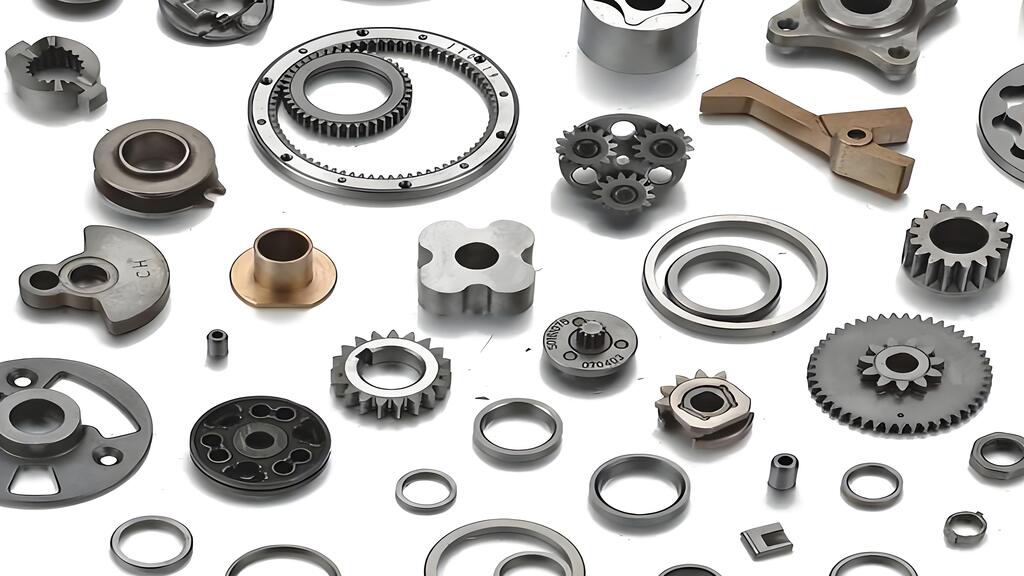
Die casting produces more castings than any other casting process and serves as the lifeblood of modern manufacturing. What is diecast? Metal parts created through Die Casting emerge from a manufacturing process that uses steel molds to create components with exceptional precision and consistency.
The process injects molten metal into molds at impressive speeds under pressures that range from 1,000 to 20,000 psi. What is die casting particularly known for? The process creates near-net shape parts that need minimal post-casting machining and substantially reduces production time and costs. What is diecast metal? Aluminum, zinc, magnesium, or copper alloys transform into durable components that feature excellent surface finish and dimensional consistency. Modern diecast material technology has advanced remarkably. By 2019, equiPment could produce single aluminum pieces that weighed over 100 kilograms (220 lb).
This detailed guide explores everything about die casting. The content covers the basic process, materials, applications, and design considerations. Manufacturers and designers will find essential knowledge about this versatile metal forming technique.
Understanding Die Casting and Diecast Metal

Die casting and diecast metal might sound like the same thing, but they represent different aspects of manufacturing. Let's look at what makes them different and how they fit into modern production.
Definition of die casting vs diecast metal
Die casting involves forcing molten metal under high pressure into a mold cavity. Two hardened tool steel dies create this mold cavity that works just like an injection mold. The process starts when molten metal gets injected into a hardened steel die cavity. Once it solidifies, the tool ejects it, and the cycle repeats.
Diecast metal describes the final product - metal components that come from the die casting process. These parts usually come from non-ferrous metals such as zinc, aluminum, magnesium, copper, lead, and tin-based alloys. The main difference lies between the actual process and the metal product it creates.
What is diecast material used for?
Diecast materials excel in many industries thanks to their unique qualities. The automotive sector leads the way, using diecast parts for gears, pistons, housings, interior esthetic parts, engine components, power steering systems, brake parts, and fuel systems. This sector dominates the market for die cast components, reaching USD40.23 billion in 2020.
Diecast materials also shine in:
- Aerospace components: Lightweight, high-strength parts meeting stringent quality standards
- Electronics: Housings, connectors, and components requiring EMI/RFI shielding
- Industrial equipment: Complex net-shaped housings and mechanical components
- Consumer goods: Furniture hardware such as hinges, locks, and brackets
These materials can form complex shapes with remarkable dimensional accuracy. Manufacturers create intricate designs that would be impossible with other methods.
Difference between die casting and other casting methods
Die casting sets itself apart from other casting techniques in several ways. Sand casting uses disposable sand molds, while die casting employs reusable steel dies. The smooth inner walls of the die and the pressure used to fill the mold give die-cast components a superior surface finish.
Die casting beats investment casting in production speed. Investment casting needs lots of labor and time, but die casting produces 3-4 shots per minute in conventional systems and up to 45 shots per minute with multi-slide die casting. The process runs without human intervention - making complete automation possible.
Die casting's dimensional accuracy stands out, too. Complex shapes and thin walls come out with high-dimensional stability. Zinc alloys achieve the tightest tolerances of any metal or molded plastic, with smaller components varying less than ± 0.001".
Die casting does have its drawbacks. Equipment and dies cost more than most other casting processes. This makes die casting cost-effective only for large production runs.
Step-by-Step Breakdown of the Die Casting Process

The modern die casting process follows a sequence of operations that turns molten metal into complex, functional components. This manufacturing method blends engineering precision with metallurgical science to create durable diecast products. The sequential steps show why diecast metal components give exceptional dimensional accuracy and surface quality.
Die preparation and lubrication
The die must go through careful preparation before any casting operation. This vital first stage requires cleaning the mold cavity to remove contaminants that could affect part quality. Technicians preheat the dies to prevent thermal defects like cracks from temperature differences between the die mold and liquid metal.
The next step involves applying specialty lubricants to the die surface. These lubricants help release the casting, cool the die surface, and stop unwanted metal adhesion (soldering). The lubricants create a protective film that prevents solder buildup in high-temperature areas like core pins and gates. Research data shows that aluminum castings would stick to an uncoated steel die after just a few shots without proper lubrication.
Molten metal injection and solidification
After die preparation, molten metal gets injected into the mold cavity under high pressure—typically between 10 and 175 megapascals (1,500 to 25,400 psi). The substantial pressure makes sure the metal fills every crevice of the mold and captures the finest design details. The high-pressure injection quickly fills the die, which helps the entire cavity fill before any part solidifies.
The molten metal starts cooling and solidifying inside the mold after injection. During solidification, the metal changes from liquid to solid while releasing latent heat of fusion. The process starts from the die walls that provide cooling and moves inward toward the metal's center. Random crystals form near the mold walls and grow into columnar structures as cooling continues. Pressure stays constant until the metal solidifies completely.
Ejection and trimming of cast parts
The dies open once the metal solidifies fully, and ejector pins push out the cast part. These pins help remove the solidified part from the mold cavity. Timing the ejection precisely matters—early removal can cause permanent defects.
The last stage involves cleaning up the ejected part. Gates (metal entry points) and overflows need removal either by hand or with a trim die. Trim dies become necessary for strong gates or gates near the part's center, where manual removal might cause damage. The process needs deburring of ejector marks and polishing of edges where overflows and gates were removed. This "shakeout" process separates scrap material (gates, runners, sprues, and flash) from the finished casting.
Types of Die Casting Methods and Machines

Die casting machines come in several varieties. Each machine handles specific materials and manufacturing requirements. Manufacturers need to understand these different methods to select the best process that fits their applications.
Hot-chamber die casting for low-melting alloys
Hot-chamber die casting has an injection system that sits directly in molten metal, with the furnace built into the machine. This setup creates a continuous cycle that pushes molten metal into the die cavity, making it perfect for metals with lower melting points. The machine's built-in furnace heats the metal right inside the casting machine. A gooseneck feed mechanism delivers molten metal into the mold cavity - this is what makes it unique. These machines can produce components at impressive speeds of up to 15 shots per minute, which is much faster than other methods. Zinc, tin, and lead alloys work best with this technique, and the end products range from consumer electronics to automotive parts.
Cold-chamber die casting for aluminum and magnesium
Cold-chamber die casting uses a separate furnace to heat metal before moving it into the casting machine. Workers ladle the molten metal into the injection system instead of immersing it directly. The separate melting setup lets these machines work with aluminum, magnesium, and other high melting point alloys. This is a big deal as it means that cold-chamber die casting creates denser metal castings through higher injection pressures and faster processing speeds. While production cycles take longer, this method shines at making larger, more complex components for cars and aircraft.
High-pressure vs low-pressure die casting
High-pressure die casting runs at pressures between 700 to 2500 bar. These pressures help create complex thin-walled parts as thin as 0.6 mm. Low-pressure die casting uses pressures of only 0.7 to 1.5 bar, which works better for sections thicker than 3mm. High-pressure casting delivers exceptional surface finish, dimensional precision, and quick production speeds. In stark comparison to this, low-pressure casting provides better strength values and handles more complex geometries when using sand cores.
Vacuum-assisted and semi-solid die casting
Vacuum-assisted die casting clears air from the die cavity before injecting metal, which reduces porosity in the final product. This method creates negative pressure during filling to help molten metal flow better into die cavities. The components can undergo heat treatment with minimal risk of blistering. Semi-solid die casting (SSM) takes a different approach by using partially solidified metal slurry instead of fully molten material. SSM keeps the metal at 30-65% solid state and produces parts with excellent density and minimal porosity. Manufacturers can choose between thixocasting and rheocasting based on their production volume and component needs.
Diecast Materials and Their Properties

Different diecast materials shape the final properties of manufactured components. Each alloy has unique advantages for specific applications. Material selection is a vital part of achieving the desired performance in diecast products.
Aluminum alloys: 380, 360, 413
A380 is the most popular die casting alloy because it combines utility and cost effectively. This alloy delivers excellent strength with tensile values up to 324 MPa. A380's superior machinability makes it perfect for automotive components, hand tools, and housings. A360 has exceptional pressure tightness and fluidity, which makes it ideal for components that just need corrosion resistance and high-temperature performance. A413 is the best choice for applications that just need leak-proof components.
Zinc alloys: Zamak 3, 5, 7
Zamak 3 contains 96% zinc and 4% aluminum and dominates North American zinc die castings with over 70% market share. The alloy provides excellent castability and dimensional stability over time. Zamak 5 adds 1% copper to increase strength by about 10%, reaching 310 MPa tensile strength. Zamak 7's reduced magnesium content results in better fluidity and ductility, which works well for thin-walled components.
Magnesium alloys: AZ91D
AZ91D leads the magnesium die casting alloy market. The alloy has 8.3-9.7% aluminum, 0.35-1% zinc, and 0.15-0.5% manganese. AZ91D's density of 1.81 g/cm³ makes it 75% lighter than steel and 33% lighter than aluminum. The alloy delivers excellent corrosion resistance, castability, and tensile strength between 230-250 MPa.
Copper, tin, and lead-based alloys
Copper alloys, such as brass and bronze, match steel's strength while providing high hardness and corrosion resistance. Bronze's 9% lead content enhances wear resistance in bearings and bushings. Lead-based alloys combined with tin provide excellent dimensional stability and accuracy. These specialty alloys are a great way to get low friction, high wear resistance, and thermal stability.
Applications and Design Considerations

Die cast components play vital roles in everything from car engines to phone cases. These parts serve specific purposes in a variety of industries by using unique material properties and design elements that meet performance needs.
Automotive and aerospace components
Die cast materials create key car parts such as engine components, transmission cases, and structural elements. The lightweight nature of these parts helps cars use less fuel. Aircraft manufacturers use die casting to make components that meet strict quality requirements while keeping weight low.
Consumer electronics and industrial parts
Die casting creates complex electronic parts with detailed features and smooth surfaces. Smart home devices, VR equipment, smartphones, and gaming consoles commonly use these components. Magnesium alloys work great in handheld devices because they provide lightweight, rigid RFI/EMI shielding. The industrial world uses die-cast parts for enclosures, heat sinks, connectors, and mounting plates.
Design features: draft, filet, ribs, bosses
A successful die casting design needs these key elements:
- Draft angles: Slopes that make part removal easier, with inner walls needing steeper angles than outer walls
- Filets: Curved transitions between surfaces that remove stress points and help metal flow better
- Ribs: Thin, wall-like features that boost strength without making walls thicker
- Bosses: Mounting points that stick out and need even wall thickness to stay strong
Common casting defects and how to avoid them
Round holes called gas porosity show up when gas gets trapped during casting. Angular dips known as shrinkage cavities form as the metal hardens. Manufacturers can prevent these issues with proper venting, better cooling rates, and well-designed gating systems. Quality control depends on clear expectations and tolerances from suppliers.
Advantages and Limitations of Die Casting

Understanding the practical aspects of diecast metal shows the most important advantages and limitations that manufacturers need to think about.
High-dimensional accuracy and surface finish
Diecast components deliver exceptional dimensional precision. Zinc alloys can be cast to tolerances tighter than ± 0.001" for smaller components. This accuracy helps parts fit properly during assembly. The surface quality of die castings surpasses most other casting techniques. Die casting creates smooth surface finishes that often eliminate the need for secondary operations like grinding or polishing.
Fast production cycles and low per-part cost
Die casting stands out as the quickest way to produce parts, with cycle times shorter than other metal casting methods. Conventional die casting produces 3-4 shots per minute. Multi-slide operations can achieve up to 45 shots per minute. The high original costs spread across large production runs result in low per-unit costs. Of course, automated systems work with greater precision and consistency than human intervention.
Limitations: porosity, high tooling cost, material restrictions
Porosity remains the biggest problem, affecting about 5% of die casting volume. On top of that, die casting's tooling costs range from $15,000 to $500,000 based on part complexity. Die casting works only with non-ferrous metals due to their lower melting points.
Conclusion
Die casting ranks among the quickest ways to manufacture metal products today. It delivers exceptional value by combining precision, quality, and production speed. This piece explores the ins and outs of this versatile manufacturing technique, from simple principles to advanced applications.
The process turns molten metal into complex components. It uses high-pressure injection into reusable steel molds to create parts with superior dimensional accuracy and excellent surface finish. Manufacturers can choose from several methods—hot-chamber, cold-chamber, high-pressure, and vacuum-assisted—to match their specific requirements and materials.
Material choice affects the final product's properties a lot. Aluminum alloys provide strength and machinability. Zinc alloys excel at dimensional stability. Magnesium alloys weigh nowhere near steel—75% less—making them perfect for applications where weight matters most. Each material brings its own advantages to different industries.
Die casting comes with its share of challenges. Engineers must think about porosity issues, high original tooling costs, and material restrictions when choosing manufacturing options. These factors need careful evaluation against the benefits: fast production cycles, excellent surface finish, and low per-part costs at scale.
The automotive industry's products especially benefit from die casting technology. These components show up in engines, transmissions, and structural elements. Like in the automotive sector, aerospace, consumer electronics, and industrial equipment sectors depend on die cast parts where precision and reliability matter most.
Success in die casting depends on smart design choices. Proper draft angles, filets, ribs, and bosses help create quality parts that manufacturers can easily produce. A solid grasp of these design principles helps avoid common defects and ensures peak performance.
Manufacturing technology keeps advancing, and die casting remains the lifeblood process to produce complex metal components efficiently and economically. The technology's core strengths—dimensional accuracy, surface quality, and production efficiency—secure its future in modern manufacturing.
Key Takeaways
Die casting is a high-precision manufacturing process that transforms molten metal into complex components using reusable steel molds under extreme pressure (1,000-20,000 psi). Understanding this process helps manufacturers select optimal production methods for their specific applications.
• Die casting produces parts with exceptional dimensional accuracy (±0.001" tolerances) and superior surface finish, often eliminating secondary machining operations.
• Hot-chamber casting works best for low-melting alloys like zinc, while cold-chamber casting handles aluminum and magnesium at higher pressures.
• Material selection is critical: aluminum alloys offer strength and machinability, zinc provides dimensional stability, and magnesium delivers 75% weight reduction versus steel.
• High initial tooling costs ($15,000-$500,000) make die casting economical only for large production volumes, but per-part costs become extremely low at scale.
• Proper design features like draft angles, filets, and ribs prevent common defects like porosity and ensure successful part ejection from molds.
Die casting remains indispensable across automotive, aerospace, and electronics industries due to its unique combination of precision, speed, and cost-effectiveness for high-volume production of complex metal components.
FAQs
Q1. What is die casting and how does it work? Die casting is a metal manufacturing process where molten metal is injected under high pressure into reusable steel molds. This process creates complex metal components with exceptional precision and consistency, often requiring minimal post-casting machining.
Q2. What are the main types of die casting methods? The two primary die casting methods are hot-chamber and cold-chamber. Hot-chamber is used for low-melting alloys like zinc, while cold-chamber is suitable for higher melting point alloys such as aluminum and magnesium. Other variations include high-pressure, low-pressure, and vacuum-assisted die casting.
Q3. What materials are commonly used in die casting? Die casting typically uses non-ferrous metals. Common materials include aluminum alloys (like 380, 360, and 413), zinc alloys (such as Zamak 3, 5, and 7), magnesium alloys (like AZ91D), and some copper-based alloys. Each material offers unique properties suited for different applications.
Q4. What are the advantages of die casting over other manufacturing methods? Die casting offers high dimensional accuracy, excellent surface finish, fast production cycles, and low per-part costs for large production runs. It can produce complex shapes with thin walls and fine details that would be difficult or impossible to achieve with other methods.
Q5. What are some limitations of die casting? Despite its advantages, die casting has some limitations. These include potential porosity issues in castings, high initial tooling costs, and restrictions on the types of metals that can be used. Additionally, die casting is generally only economical for large production volumes due to the high upfront costs.