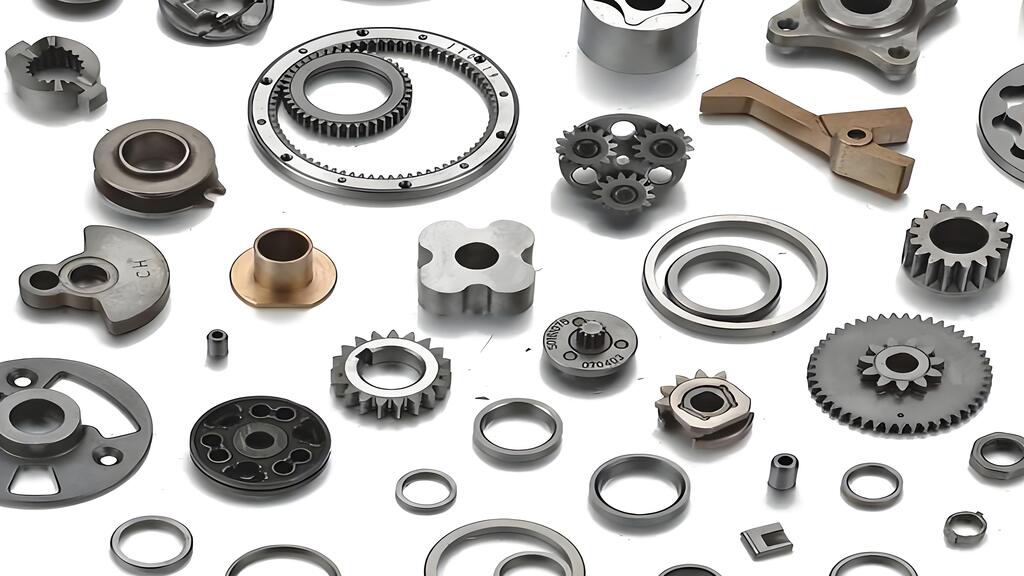


Medical Device Manufacturing Using Powder Metallurgy
Powder Metallurgy offers a crucial manufacturing method for medical devices. This technique enables the production of complex, high-performance components from various biocompatible materials. Manufacturers utilize this process to create intricate parts with precise specifications. Its capabilities are essential for advancing medical technology, ensuring devices meet rigorous performance and safety standards.
Key Takeaways
- Powder metallurgy makes complex medical devices from special metal powders.
- Titanium, stainless steel, and cobalt-chromium are common metals used for implants and tools.
- Biodegradable metals like magnesium can make temporary implants that dissolve in the body.
- The process involves making fine powders, shaping them, and heating them to make strong parts.
- Powder metallurgy helps create detailed shapes, saves material, and makes strong, light devices.
- Strict rules and tests ensure medical devices made with powder metallurgy are safe and work well.
- New methods like 3D printing combine with powder metallurgy to make custom implants and tiny devices.
Biocompatible Materials in Powder Metallurgy for Medical Devices

Titanium and Titanium Alloys in Powder Metallurgy
Properties and Biocompatibility for Implants
Titanium and its alloys are premier choices for medical devices due to their exceptional properties. They exhibit outstanding biocompatibility, meaning the body tolerates them well without adverse reactions. These materials also offer a high strength-to-weight ratio and excellent corrosion resistance in physiological environments. This combination of properties makes them ideal for long-term implantation.
Common Medical Applications of Titanium
Surgeons commonly use titanium for orthopedic implants, such as hip and knee replacements, and for dental implants. Its inert nature makes it ideal for long-term implantation within the human body, ensuring device longevity and patient safety.
Stainless Steel Alloys in Powder Metallurgy
Grades and Corrosion Resistance for Instruments
Stainless steel alloys, particularly 316L, are vital in medical device manufacturing. This grade offers superior corrosion resistance, crucial for surgical instruments. Studies on 316L stainless steel produced by Selective Laser Melting (SLM) and Laser Powder Bed Fusion (LPBF) show excellent corrosion resistance, making it highly suitable for surgical instruments. Research indicates that SLM-produced SS316L, with its fine-grained austenite and enriched sub-grain boundaries, exhibits corrosion potential similar to conventionally manufactured SS316L. The uniform microstructure formed through Powder Metallurgy contributes to a stable passive film, often making its corrosion resistance comparable to, or even superior to, traditional wrought 316L. This enhanced performance is attributed to the absence of MnS inclusions and the barrier behavior of oxide films.
Applications in Surgical Instruments and Devices
Manufacturers widely use these alloys in surgical instruments, guidewires, and various internal fixation devices. Their durability and resistance to degradation in the body are essential for these critical applications.
Cobalt-Chromium Alloys in Powder Metallurgy
Strength and Wear Resistance for Orthopedics
Cobalt-chromium alloys, often processed via Powder Metallurgy, provide high strength and exceptional wear resistance, making them indispensable for orthopedic applications. These alloys are frequently used for artificial joints like knee and hip joints due to their high wear resistance and biocompatibility. They are also corrosion-resistant and chemically inert, minimizing complications with surrounding tissues. Cobalt-chromium materials in hip replacements must offer high wear resistance, strength, impact resistance, and low friction. They endure the human body's environment without significantly altering its physiology.
Use in Orthopedic and Dental Implants
Vitallium, a CoCrMo alloy, has proven extremely durable, with orthopedic implants made from it lasting up to 70 years. While offering excellent wear properties, it is important to note that titanium alloy powder is lighter in weight than cobalt-chromium alloy powder, indicating that cobalt-chromium alloys do not possess a superior strength-to-weight ratio compared to titanium alloys. These alloys find extensive use in orthopedic and dental implants, including femoral heads of hip joints and dental restorations.
Biodegradable Alloys in Powder Metallurgy
Magnesium and Iron-Based Alloys for Temporary Implants
Biodegradable alloys represent a significant advancement in medical device technology. These materials offer a temporary solution for implants, dissolving harmlessly within the body after fulfilling their function. Magnesium-based alloys show promise for these applications. However, they face challenges due to rapid corrosion in bodily fluids. This rapid degradation can lead to premature failure of the implant and inflammation from the degradation products. The degradation process involves surface oxidation, corrosion with hydrogen gas evolution, and subsequent dissolution. Chloride ions present in the body further promote pitting corrosion. Researchers control the biodegradation rate and enhance corrosion resistance by alloying magnesium with elements such as aluminum, manganese, zinc, zirconium, calcium, and rare earth elements. However, excess aluminum raises biocompatibility concerns, as it may pose a risk factor in Alzheimer’s disease.
Iron-based biodegradable alloys offer an alternative, though their primary limitation is a low degradation rate. Scientists accelerate this degradation by alloying iron with elements like manganese, silicon, calcium, gold, and silver. Increasing the exposed surface area also helps speed up the process. The Fe-5wt% Mg powder system, produced via high-energy ball milling through Powder Metallurgy, has demonstrated accelerated degradation compared to pure iron. This system also exhibits limited cytotoxicity and enhanced antibacterial activity in certain simulated body fluids, such as PBS and HBSS. The biological effects of these alloys are complex. They depend on material interface interactions and the solubility of their degradation products.
Applications in Resorbable Medical Devices
Biodegradable alloys find crucial applications in resorbable medical devices. These devices include temporary stents, bone fixation screws, and tissue engineering scaffolds. For instance, magnesium alloys can provide temporary support for fractured bones, gradually degrading as the bone heals. This eliminates the need for a second surgery to remove the implant. Iron-based alloys, with their tunable degradation rates, can serve as scaffolds for tissue regeneration, offering mechanical support while new tissue forms. Their ability to resorb into the body minimizes long-term complications and improves patient outcomes. These materials offer a revolutionary approach to temporary medical interventions.
The Powder Metallurgy Process for Medical Devices
Powder Production Methods for Medical Applications
Atomization Techniques for Fine Powders
Manufacturers produce fine metal powders for medical applications primarily through atomization techniques. These methods involve melting the raw material and then disintegrating the molten metal into tiny droplets using a high-energy stream of gas, water, or plasma. Gas atomization, for instance, uses inert gases like argon or nitrogen to create spherical powders with excellent flowability. Water atomization produces irregularly shaped particles, often suitable for subsequent compaction. Plasma atomization yields extremely fine, high-purity powders, crucial for demanding medical implants. Fine powders offer several advantages. They pack more efficiently, sinter faster, and result in a finer, more homogeneous microstructure in the final component. This fine microstructure contributes to superior mechanical properties and consistent performance in critical medical devices.
Chemical Reduction Processes for Purity
Chemical reduction processes also play a vital role in producing high-purity metal powders. This method involves reducing metal compounds (like oxides) to their metallic form using a reducing agent, often hydrogen, at elevated temperatures. The resulting powders typically exhibit high purity levels, which is paramount for medical applications. Contaminants can compromise biocompatibility and mechanical integrity. Chemical reduction ensures the absence of undesirable elements, making these powders suitable for implants and instruments that directly interact with the human body. This meticulous control over purity directly supports the safety and efficacy of medical devices.
Compaction and Shaping in Powder Metallurgy
Uniaxial Pressing for Component Density
After powder production, compaction is the next critical step. Uniaxial pressing involves compressing the metal powder in a die using punches from one or two directions. This process forms a "green" compact, a fragile pre-form with sufficient strength for handling. Uniaxial pressing achieves an initial component density, bringing the powder particles into close contact. This method works well for simpler geometries and high-volume production. However, it can lead to density gradients within complex parts due to die-wall friction.
Isostatic Pressing for Uniformity
Isostatic pressing offers a superior method for achieving uniform density and microstructure, especially for complex medical device geometries. This technique applies pressure equally from all directions. It uses a fluid medium (cold isostatic pressing, CIP) or a hot gas (hot isostatic pressing, HIP) to transmit pressure. This uniform pressure application ensures consistent strength throughout the entire part. It also results in uniform density, which minimizes warpage during subsequent Sintering or hot isostatic pressing. Isostatic pressing removes geometric constraints, allowing for the production of complex shapes and dimensions that are difficult or impossible with other methods. It can even press internal features like threads, splines, serrations, and tapers, highly beneficial for intricate medical device designs. Furthermore, this process eliminates internal porosity, significantly enhancing impact resistance, ductility, and fatigue strength. It achieves a fine grain structure, leading to overall part uniformity and isotropic properties.
Metal Injection Molding (MIM) for Intricate Shapes
Metal Injection Molding (MIM) provides an excellent solution for producing small, intricate medical parts with high precision. This process combines the design flexibility of plastic injection molding with the material properties of metals. Manufacturers mix fine metal powders with a binder to create a feedstock, then inject this mixture into a mold cavity. After molding, they remove the binder, and the remaining "green" part undergoes sintering. MIM is well-suited for producing small to medium-sized components with detailed features, making it ideal for the medical industry. MIM parts typically achieve dimensional tolerances ranging from ±0.1% to ±0.5% of the intended dimensions. Tighter controls are available, with tolerances comfortably maintained around ±0.3% of nominal dimensions. MIM also provides superior surface finishes, frequently achieving Ra values below 0.8 micrometers. This capability makes MIM frequently used for medical devices like surgical tools and implants due to its ability to create complex geometries and meet stringent tolerances and consistency requirements.
Sintering for Material Consolidation in Powder Metallurgy
Temperature and Atmosphere Control for Optimal Properties
Sintering is a crucial thermal treatment that transforms compacted powder into a solid, dense component. This process involves heating the green compact to a temperature below its melting point. At this temperature, particles bond together through atomic diffusion, leading to densification and strengthening. Precise control over both temperature and atmosphere is paramount for achieving optimal material properties. For example, sintering 17-4 PH stainless steel at 1340 °C in a hydrogen atmosphere, followed by solid solution treatment, significantly improves pitting corrosion resistance. Both temperature and atmosphere are crucial for densification. Higher sintering temperatures activate delta ferrite formation and more pronounced pore spheroidization. For Al-based alloys, an optimal sintering temperature of 640 °C under a high-purity N2 atmosphere achieves the best sintered density and mechanical properties. The samples are typically heated at a controlled rate, held for a specific duration, and then furnace-cooled.
Densification Mechanisms and Microstructure
During sintering, several densification mechanisms contribute to the consolidation of medical-grade powders and the evolution of their microstructure. These mechanisms include solid-state sintering, which occurs below the solidus temperature, and supersolidus liquid phase sintering, active at temperatures above the solidus (e.g., above 1370 °C for 316L stainless steel). Powder characteristics, such as mean size and particle size distribution, significantly influence these mechanisms. They directly impact green part density, densification rates, and shrinkage. For instance, using powders in the 16–63 μm range can lead to rapid removal of larger pores and achieve densities above 99% when sintered above the solidus temperature. Conversely, narrow size distributions can result in higher populations of pore defects and non-uniform shrinkage. Bimodal powder distributions can enhance packing density and initiate densification at lower temperatures due to increased capillary forces. Sintering parameters, including higher temperatures with shorter dwell times or lower temperatures with longer dwell times, also affect densification rates and microstructural evolution, including pore removal and final density. The final microstructure, including grain size and porosity, directly dictates the mechanical performance and biocompatibility of the medical device.
Post-Processing and Finishing of Powder Metallurgy Components
Machining and Grinding for Precision
After sintering, medical components often require further refinement to meet stringent precision and surface quality standards. Manufacturers employ various post-processing techniques to achieve these exact specifications. Machining operations remove material for precision and surface finish. These include drilling and tapping for fasteners and threaded holes, turning for cylindrical features and concentricity, and milling for slots, flat faces, and contours. Grinding and lapping achieve ultra-tight tolerances and fine surface finishes.
Sizing involves repressing sintered parts in a high-precision die. This process improves dimensional accuracy and surface finish, corrects distortion, and increases density. Surface and edge finishing ensures reliability, functionality, and appearance. Deburring removes sharp edges. Polishing or grit blasting improves aesthetics, reduces friction, or prepares the surface for coating. Resin impregnation fills pores to prevent fluid absorption, enhances machinability, and ensures functional integrity. Plating and coating add protective or aesthetic value, such as zinc plating for corrosion resistance or nickel/chrome plating for wear resistance and a decorative finish. Custom features like knurling and threading create elements not possible during pressing, which are critical for handling or assembly.
For smoother surfaces, typically with an Ra value below 0.8 μm, and enhanced precision, additional techniques are common. Turning shapes outer surfaces, corrects size changes, and improves roundness. Milling creates flat surfaces, slots, and pockets, ensuring flatness and clean edges. Grinding achieves smooth finishes or consistent thickness, refining height, surface contact areas, or precision fits. Reaming fine-tunes hole diameters and smooths inner surfaces for precise fits. Tapping and threading create internal or external threads for fasteners, as direct pressing often does not allow for these features. The medical device industry, including precision surgical tools, significantly benefits from this inherent precision and the subsequent refining operations.
Surface Treatments for Enhanced Biocompatibility
Surface treatments are crucial for enhancing the biocompatibility and osseointegration of medical implants. One effective method is the SLA (Sandblasted, Large-grit, Acid-etched) technique. This process increases the microroughness and hydrophilicity of titanium surfaces by etching them with sulfuric and hydrochloric acids. This promotes protein adsorption, cell adhesion, and mechanical bonding. However, it carries a risk of residual strong acids.
Another advanced modification involves nanostructured calcium-incorporated surfaces, such as XPEED®. This technique enhances biocompatibility by eliminating acidic residues and providing beneficial calcium ions. In vitro studies show increased osteoblast-like cell growth and hydroxyapatite (HA) deposition on these surfaces. Animal studies demonstrate significantly improved bone-implant contact (BIC), and clinical studies are ongoing to confirm their reliability. These treatments create a more favorable environment for bone growth and integration, leading to better long-term implant success.
Sterilization Considerations for Medical Use
Sterilization is a critical final step for all medical devices to ensure patient safety. Manufacturers must select methods that effectively eliminate microorganisms without compromising the material properties or biocompatibility of the components. Scientific studies have examined several sterilization methods for materials produced via powder bed fusion, a type of powder metallurgy. These methods include ethanol, chlorine solution, hydrogen peroxide plasma, autoclaving, and dry heat.
After multiple sterilization cycles, these methods showed no significant cytotoxicity. They also preserved the material integrity and biocompatibility of the devices. This means the chosen sterilization process does not degrade the implant's performance or introduce harmful substances. Careful validation of the sterilization method for each specific device and material combination is essential to meet regulatory requirements and ensure optimal patient outcomes.
Key Advantages of Powder Metallurgy in Medical Applications
Complex Geometries and Net-Shape Manufacturing with Powder Metallurgy
Design Freedom for Intricate Medical Parts
Powder Metallurgy offers unparalleled design freedom for intricate medical parts. Manufacturers create highly complex components with internal features, undercuts, and precise contours. This capability allows for the production of innovative device designs previously impossible or cost-prohibitive with traditional manufacturing methods. Medical device engineers can optimize part functionality and patient fit without significant design constraints.
Reduced Material Waste and Cost Efficiency
Net-shape manufacturing is a significant advantage of Powder Metallurgy. This process produces components very close to their final dimensions, minimizing the need for extensive post-processing or machining. Consequently, manufacturers significantly reduce material waste, especially when working with expensive biocompatible alloys. This efficiency directly translates into lower production costs, making advanced medical devices more accessible.
Cost-Effectiveness and Material Utilization in Powder Metallurgy
Efficient Use of Expensive Biocompatible Materials
The efficient use of expensive biocompatible materials stands as a core benefit of Powder Metallurgy. Processes like Metal Injection Molding (MIM) and pressing techniques utilize nearly all the raw powder. This contrasts sharply with subtractive methods, which generate substantial scrap. For high-value materials such as titanium and cobalt-chromium alloys, this material efficiency provides considerable cost savings.
Scalability for Mass Production of Medical Devices
Powder Metallurgy processes are highly scalable, supporting the mass production of medical devices. Once manufacturers establish the tooling and process parameters, they can produce thousands or even millions of identical parts quickly and consistently. This scalability is crucial for meeting the demand for widely used medical implants and instruments, ensuring a steady supply for healthcare providers.
Enhanced Mechanical Properties through Powder Metallurgy
Controlled Porosity for Osseointegration
Powder Metallurgy techniques enable the precise engineering of controlled porosity in medical implants. This capability is vital for enhancing osseointegration, the direct structural and functional connection between living bone and the surface of a load-bearing artificial implant. While engineering controlled porosity in Shape Memory Alloys (SMAs) presents challenges due to the need to maintain their unique properties, various manufacturing techniques, including Powder Metallurgy, space holder techniques, and sintering processes, allow for precise control of pore size, distribution, and overall porosity. This control enhances biocompatibility and functional behavior while preserving the shape memory effect.
| Optimal Pore Size (μm) | Benefit |
|---|---|
| 100–400 | Bone ingrowth |
| 600 | Cell response, rapid bone ingrowth |
Porous coating methods significantly enhance osseointegration and improve mechanical fixation. They create a mechanical interlock through bone ingrowth into the porous structure. Traditional methods like fiber bead sintering and titanium plasma spray have limitations, such as insufficient thickness for intact bone ingrowth and peeling. However, powder bed fusion (PBF) using 3D printing has emerged as a promising method for surface coating of orthopedic implants, showing better results than solid implants. Powder bed laser melting (L-PBF) technology, a prominent additive manufacturing process, offers significant advantages in preparing porous metal materials with complex structures and precise dimensions for medical applications. The ability to modulate pore structure, including pore size, distribution, geometry, and porosity, is crucial for accelerating and maximizing osseointegration. Proper selection and matching of these parameters effectively guide vascularization and bone tissue regeneration, establishing a biological interlock with host bone for long-term stability.
Improved Strength-to-Weight Ratios for Implants
Powder Metallurgy allows manufacturers to achieve superior strength-to-weight ratios in medical implants. By controlling the microstructure and density during processing, engineers can produce components that are both strong and lightweight. This characteristic is particularly beneficial for orthopedic implants, where reducing implant weight can decrease stress on surrounding tissues and improve patient comfort and mobility. The ability to tailor material properties precisely contributes to the overall performance and longevity of medical devices.
Material Purity and Homogeneity in Powder Metallurgy
Minimized Contaminants for Biocompatibility
Achieving high material purity is paramount for medical devices, especially for implants that remain in the human body for extended periods. Contaminants can compromise biocompatibility, leading to adverse tissue reactions or device failure. Powder metallurgy processes offer precise control over material composition, significantly minimizing impurities. This control ensures the final product interacts safely with biological systems.
For instance, titanium components produced through powder metallurgy require strict control over interstitial elements like oxygen and nitrogen. These elements, even in small quantities, profoundly affect the material's mechanical properties and, consequently, its biocompatibility.
- Typical Contaminant Levels in PM Titanium:
- Oxygen: 0.15-0.30 wt%
- Nitrogen: 0.03-0.08 wt%
- Optimal Thresholds (Aerospace, often a benchmark for high-performance):
- Oxygen: Below 0.15 wt%
- Nitrogen: Below 0.03 wt%
High levels of oxygen and nitrogen reduce the material's ductility and toughness. They also promote the formation of an alpha-case, a hard, brittle surface layer. This layer compromises critical mechanical properties such as fatigue resistance and ductility, which are essential for the long-term performance of medical implants. Even a slight increase in oxygen content, from 0.1 to 0.3 wt%, can double the yield strength while simultaneously reducing ductility by up to 50%. High oxygen content distorts the crystal lattice, increasing hardness but decreasing ductility and toughness. Excessive oxygen or nitrogen can drastically reduce the mechanical strength, corrosion resistance, and surface finish of printed parts. Powder metallurgy techniques, through careful powder production and processing, effectively manage these contaminant levels, ensuring the material meets stringent medical standards.
Consistent Material Performance in Critical Devices
Homogeneity in material composition and microstructure is equally vital for the consistent performance of critical medical devices. Variations within a component can lead to unpredictable behavior, potentially causing premature failure or reduced efficacy. Powder metallurgy excels at producing materials with uniform properties throughout the entire part.
Manufacturers achieve this homogeneity by carefully controlling powder characteristics, mixing processes, and sintering parameters. This meticulous approach ensures that each section of a medical device exhibits the same strength, hardness, and corrosion resistance. For example, a hip implant must withstand continuous cyclic loading. Any localized weakness due to material inhomogeneity could lead to fatigue failure. Powder metallurgy minimizes such risks by creating a uniform microstructure free from large inclusions or segregation often found in cast materials. This consistency guarantees that medical devices perform reliably under demanding physiological conditions, providing patients with safe and effective treatment options.
Design and Manufacturing Considerations for Medical Powder Metallurgy
Material Selection Criteria for Powder Metallurgy Devices
Biocompatibility and Mechanical Demands
Selecting the correct material for medical devices requires careful consideration of both biocompatibility and mechanical demands. Manufacturers choose titanium powders for high-performance applications. These powders offer a unique combination of high strength-to-weight ratio, excellent corrosion and oxidation resistance, and biocompatibility. This makes them suitable for medical implants and prosthetics. Stainless steel, particularly 316L, provides excellent corrosion resistance, strength, and biocompatibility, allowing for precise fabrication of complex components. Cobalt-chromium alloys offer exceptional mechanical properties and wear resistance, making them ideal for orthopedic implants. Biodegradable materials, such as magnesium alloys, can also be created via powder metallurgy for temporary implants that the body gradually absorbs.
Key factors for material selection include:
- Strength & Hardness: Iron-based or stainless steel alloys are chosen for durability.
- Wear Resistance: Tungsten and nickel alloys provide excellent resistance to wear and fatigue.
- Lightweight Needs: Aluminum and titanium are ideal for reducing weight.
- Biocompatibility: This remains a fundamental consideration for patient safety, requiring materials that do not cause adverse reactions.
Regulatory Compliance and Standards
Regulatory compliance forms a critical aspect of material selection. Medical device manufacturers must adhere to strict standards set by bodies like the FDA and ISO. These standards ensure the safety, efficacy, and quality of materials used in devices. Compliance dictates material purity, mechanical properties, and long-term stability within the human body.
Process Parameter Optimization in Powder Metallurgy
Powder Characteristics and Particle Size
Optimizing process parameters begins with understanding powder characteristics. Particle size distribution profoundly influences properties like density and flowability. This is critical for advanced manufacturing techniques. Particle shape and morphology also impact flowability, density, and surface area. Microscopy techniques describe these factors qualitatively and quantitatively. For instance, plasma atomized powder allows for higher scanning speeds and results in improved surface roughness compared to gas atomized powder. The manufacturing process of the powder, and thus its particle morphology, has the greatest impact on part density and surface quality. Higher densities of the powder layer lead to higher part densities.
Sintering Profiles and Atmosphere
Sintering profiles and atmosphere significantly affect the final properties of medical components. Precise control over temperature, time, and gas composition during sintering ensures optimal densification and microstructure development. These parameters directly influence the strength, hardness, and porosity of the finished part.
Quality Control and Testing of Powder Metallurgy Components
Dimensional Accuracy and Surface Finish
Achieving high dimensional accuracy and a superior surface finish is paramount for medical devices. Critical quality control measures include various secondary operations. Sizing corrects sintering distortions and improves dimensional accuracy. Machining, such as grinding and milling, achieves exact tolerances and smooth surfaces. Deburring removes sharp edges for safety and reliability. Coining represses parts for tighter tolerances and smoother surfaces. Impregnation fills pores to boost machinability and corrosion resistance. Finishing techniques like plating and powder coating also improve surface finish and durability.
Mechanical Property Verification and Testing
Manufacturers rigorously verify mechanical properties through various tests. These tests confirm the material's strength, hardness, fatigue resistance, and ductility. They ensure the component meets the demanding performance requirements of medical applications.
Non-Destructive Testing for Integrity
Non-destructive testing (NDT) methods are essential for assessing component integrity without causing damage. These methods include:
| Inspection Method | Description |
|---|---|
| Eddy Current Testing | Measures changes in eddy currents to find defects |
| Flux Leakage Testing | Detects surface and near-surface flaws using magnetic flux |
| Ultrasonic Testing | Uses sound waves to spot internal flaws and provide global density maps |
| Thermography | Finds defects by checking heat patterns |
| Magneto-Inductive Test Methods | Assesses material quality by measuring magnetic fields |
| Magnetic Field Measurement | Checks magnetic properties for quality control |
| UCI Hardness Testing | Measures hardness with ultrasonic contact impedance |
These tests ensure the absence of internal flaws and confirm the overall quality of the medical device.
Regulatory Landscape for Medical Devices Using Powder Metallurgy
FDA and CE Mark Requirements for Powder Metallurgy Products
Device Classification and Risk Assessment
Regulatory bodies like the U.S. Food and Drug Administration (FDA) and European Union (EU) authorities classify medical devices based on their intended use and inherent risks. This classification determines the stringency of regulatory oversight. Manufacturers conduct thorough risk assessments to identify potential hazards associated with their devices. They evaluate the likelihood and severity of harm. This process ensures patient safety and guides the necessary regulatory pathways.
Pre-Market Approval Processes and Documentation
Manufacturers must navigate rigorous pre-market approval processes before introducing medical devices to the market. These processes demand extensive documentation. This documentation includes detailed design specifications, manufacturing procedures, biocompatibility test results, and clinical data. For devices using Powder Metallurgy, manufacturers must specifically demonstrate the material's safety and performance. They prove the device meets all regulatory requirements for its intended application.
ISO Standards for Medical Manufacturing with Powder Metallurgy
Quality Management Systems (e.g., ISO 13485)
ISO 13485 is an internationally recognized standard. It outlines the requirements for a quality management system specifically tailored for the medical devices industry. This standard addresses increasingly stringent regulatory requirements throughout a product's life cycle. It covers design, production, service, and delivery. ISO 13485 helps organizations demonstrate their quality management processes. It ensures best practices, making it crucial for manufacturers of medical devices.
Material Specifications and Testing Standards
Several ISO standards guide material specifications and testing for medical devices. ISO 11607-1 and ISO 11607-2 provide specific requirements for validating sterilization processes and sterile barriers for devices requiring sterilization. ISO 10012 is a relevant standard for monitoring and measuring equipment used throughout product realization. It ensures calibration and verification standards are met. This guarantees accurate and precise data. Other critical standards include:
- ISO 14971: This international standard focuses on risk management of medical devices. It guides managing risks in development and production.
- ISO 13971: This standard also addresses risk management in medical devices. It offers process guidance, often paired with ISO 13485 practices.
- IEC 60601: This standard covers safety and performance requirements. It is particularly relevant for devices used in hospitals or those with direct patient contact.
- ISO/IEC 27001: This standard covers information security management systems. It applies to products and services handling patient data.
- ISO 9001: This is the primary Quality Management System (QMS) standard applicable to most industries. ISO 13485-registered companies often add it for enhanced quality management.
- ISO 45001: This health and safety management standard applies in all developed markets. It helps businesses manage risk and workplace safety.
These standards collectively ensure the safety, quality, and efficacy of medical devices.
Future Trends in Medical Device Powder Metallurgy
The medical device industry constantly evolves, driven by technological advancements. Future trends in medical device manufacturing will increasingly leverage innovative approaches in materials and processes. These advancements promise more effective, personalized, and safer medical solutions.
Integration with Additive Manufacturing and Powder Metallurgy
Metal 3D Printing of Implants and Scaffolds
Metal 3D printing technologies are revolutionizing implant and scaffold fabrication. These methods build objects layer-by-layer, starting with a digital 3D model. The system slices this model into multiple layers, then converts them into machine-readable instructions. Metal powders or wires serve as the raw material. Lasers or electron beams heat or join these materials to form the final functional object. This process produces complex geometries, which traditional advanced manufacturing methods cannot achieve. This capability allows for highly customized and intricate medical devices.
Hybrid Manufacturing Approaches for Complex Devices
Hybrid manufacturing combines additive and subtractive techniques. This approach offers the best of both worlds. It uses 3D printing for complex geometries and traditional machining for precision finishing. This synergy creates highly complex devices with superior accuracy and surface quality. These methods will enable the production of next-generation medical instruments and implants.
Advanced Material Development in Powder Metallurgy
Smart Materials and Bioactive Coatings
Emerging smart materials for medical devices, particularly in orthopedics, can respond to environmental stimuli. These stimuli include temperature, pH, or mechanical stress. Such materials create implants that adapt to the dynamic conditions of the human body, enhancing functionality and integration. For example, bioactive smart materials could release therapeutic agents in response to inflammation, promoting healing and reducing infection risks. Functionally graded materials (FGMs) are also under development. They possess spatial variations in composition and structure to mimic the natural gradation of bone tissue. This allows for tailored mechanical properties that enhance load distribution and reduce stress concentrations.
Bioactive coatings address concerns like ion leaching, wear debris, and suboptimal osseointegration. Diamond-like carbon (DLC) coatings reduce friction and mitigate metal ion release in load-bearing joints. Techniques such as plasma electrolytic oxidation (PEO) and anodization create micro- and nanoporous surfaces on titanium alloys. These surfaces improve cell adhesion and help regulate ion release. These innovations aim to enhance the durability, biocompatibility, and long-term clinical performance of metallic implants.
Emerging Biodegradable Powder Formulations
Researchers are developing new biodegradable powder formulations. These materials offer temporary support within the body. They degrade harmlessly after fulfilling their function. This eliminates the need for secondary surgeries to remove implants. Future formulations will offer more controlled degradation rates and enhanced mechanical properties.
Miniaturization and Customization with Powder Metallurgy
Micro-Devices and Patient-Specific Implants
This manufacturing approach facilitates the creation of medical devices with intricate shapes and patient-specific features. Technologies like Selective Laser Sintering (SLS) and Fused Deposition Modeling (FDM) fabricate complex internal structures. Traditional manufacturing methods cannot achieve these structures. This capability is crucial for producing customized implants, prosthetics, and anatomical models tailored to individual patient needs. This directly contributes to miniaturization and customization. Advances in surface modification techniques, such as Atomic Layer Deposition (ALD), are vital for enhancing device performance. ALD allows for uniform, conformal coatings on irregular powder particles, which traditional methods cannot achieve. These coatings improve stability, biocompatibility, and enable controlled drug release.
On-Demand Manufacturing for Personalized Healthcare
On-demand manufacturing will become increasingly prevalent. This approach allows for the rapid production of patient-specific implants and micro-devices. It reduces lead times and inventory costs. This shift supports personalized healthcare models, delivering tailored solutions precisely when and where patients need them.
Powder metallurgy remains indispensable for advancing medical device technology. Its unique capabilities allow manufacturers to produce intricate and high-performance components. Continued innovation in this field will drive future healthcare solutions. The ability to create complex, biocompatible parts ensures its vital role in medical innovation.
FAQ
What is powder metallurgy in medical devices?
Powder metallurgy manufactures medical devices by compacting metal powders and then sintering them. This process creates complex, high-performance components. It uses biocompatible materials, ensuring devices meet strict performance and safety standards.
Which biocompatible materials are commonly used?
Common materials include titanium alloys, stainless steel alloys (like 316L), and cobalt-chromium alloys. Biodegradable options, such as magnesium and iron-based alloys, are also emerging for temporary implants.
How does powder metallurgy create complex shapes?
Powder metallurgy offers significant design freedom. Techniques like Metal Injection Molding (MIM) and isostatic pressing produce intricate geometries. These methods allow for internal features and precise contours, which are difficult with traditional manufacturing.
What role does sintering play in the powder metallurgy process?
Sintering is a crucial thermal treatment. It heats compacted powder below its melting point. This process bonds particles through atomic diffusion, leading to densification and strengthening. It transforms the powder into a solid, functional component.
How does powder metallurgy ensure material purity?
Powder metallurgy processes minimize contaminants. Manufacturers control powder characteristics and use chemical reduction methods. This ensures high purity levels, which is essential for biocompatibility. It prevents adverse tissue reactions and device failure.
What are the regulatory requirements for these devices?
Medical devices must meet strict regulatory standards. The FDA and CE Mark requirements classify devices by risk. Manufacturers follow ISO standards like ISO 13485 for quality management. They also adhere to specific material and testing standards.
How does 3D printing integrate with powder metallurgy?
Metal 3D printing, a form of powder metallurgy, builds implants layer-by-layer from metal powders. This allows for highly customized and intricate designs. Hybrid manufacturing combines 3D printing with traditional machining for superior accuracy.