

Powder Metallurgy for Medical Devices

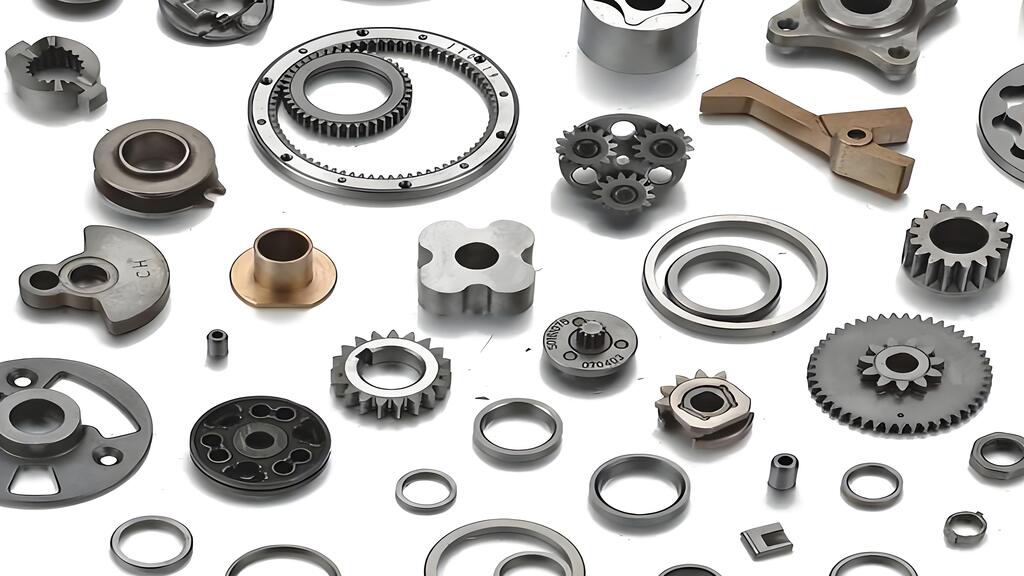
Powder Metallurgy for Medical Devices drives innovation by enabling manufacturers to produce complex, high-precision medical components using biocompatible materials. The healthcare industry increasingly adopts this technology for advanced surgical equipment and intricate parts, benefiting from tight tolerances and excellent surface finishes. Regulatory requirements shape the development process, ensuring safety and reliability for patients.
| Metric | Value |
|---|---|
| Global powder metallurgy market size (2024) | USD 2.96 billion |
| Projected market size (2033) | USD 10.19 billion |
| Medical & dental segment CAGR (2025-2033) | 15.9% |
Key Takeaways
- Powder metallurgy allows making complex, precise medical devices using biocompatible metals like titanium, stainless steel, cobalt-chromium, and tantalum, which offer strength, corrosion resistance, and safety for patients.
- Advanced manufacturing steps such as powder production, compaction, Sintering, and post-processing improve device quality by enhancing mechanical strength, surface finish, and biocompatibility.
- Strict cleaning, sterilization, and quality management practices ensure medical devices meet hygiene and safety standards, protecting patients from contamination and device failure.
- Following international standards and regulations, including ASTM, ISO, and FDA guidelines, helps manufacturers ensure device safety, traceability, and smooth regulatory approval.
- Emerging technologies like additive manufacturing and new biodegradable alloys are driving innovation, enabling customized implants and better patient outcomes in the future.
Biocompatible Materials in Powder Metallurgy for Medical Devices
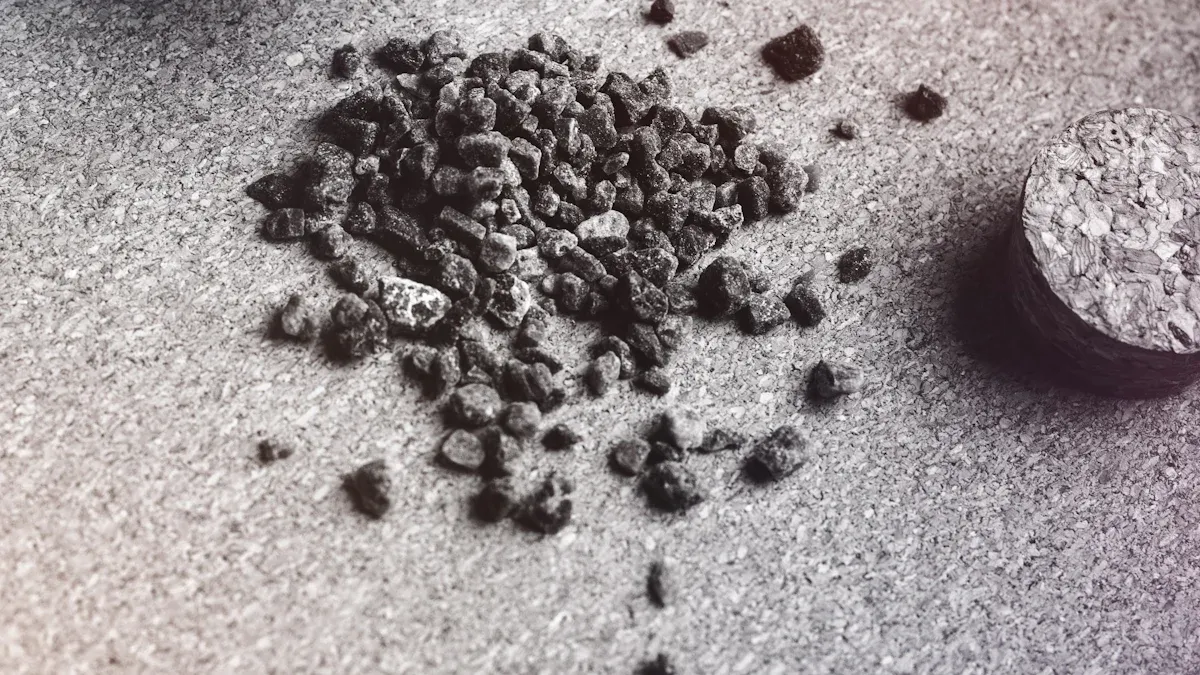
The selection of biocompatible materials forms the foundation of safe and effective medical device manufacturing. Powder Metallurgy for Medical Devices relies on advanced materials that meet strict requirements for mechanical strength, corrosion resistance, and compatibility with human tissue. The most widely used materials include titanium and its alloys, stainless steels, and cobalt-chromium alloys. Each material offers unique advantages for specific medical applications.
Note:
The medical segment in powder metallurgy is expanding rapidly, driven by the demand for custom implants and surgical tools made from biocompatible materials such as titanium, stainless steel, and aluminum powders. These materials are favored for their lightweight, corrosion resistance, and suitability for medical applications.
Titanium and Titanium Alloys
Titanium and its alloys have become the gold standard for many implantable medical devices. Manufacturers choose titanium for its exceptional biocompatibility, high strength-to-weight ratio, and outstanding corrosion resistance. Powder metallurgy enables the production of advanced titanium alloys with tailored properties that are difficult to achieve through traditional melting methods.
- Titanium alloys produced by powder metallurgy exhibit improved mechanical biocompatibility and high osseointegration, which means they bond well with bone tissue.
- The process allows for the creation of beta titanium alloys with unique properties, supporting clinical advantages for orthopedic and dental implants.
- Powder metallurgy reduces energy consumption and capital investment compared to conventional melting, making it an economically attractive option for large-scale implant production.
- Implants made from powder metallurgy titanium alloys often demonstrate better performance than those made from conventional Ti6Al4V ELI or commercially pure titanium.
In vivo studies on new titanium alloy systems, such as Ti25Mo7Zr15TaxSi, show enhanced bone regeneration and integration. These alloys promote active cell proliferation and extracellular matrix production, leading to superior mechanical properties and a lower risk of bodily rejection. As a result, titanium and its alloys remain the preferred choice for critical load-bearing implants.
Stainless Steels
Stainless steels, particularly AISI 316L, play a significant role in the fabrication of surgical instruments and temporary implants. Powder metallurgy allows for precise control over composition and microstructure, resulting in components with reliable mechanical and corrosion-resistant properties.
| Property/Aspect | Details/Findings |
|---|---|
| Material | AISI 316L stainless steel produced by powder metallurgy |
| Mechanical Properties | Microhardness increases with niobium addition; tensile strength varies with alloying elements |
| Pure SS tensile strength: 572.50 MPa; compression strength can reach 1408 MPa with alloying | |
| Biocompatibility | Good corrosion resistance due to chromium and nickel; some risk of localized corrosion and ion leaching |
| Application Context | Widely used for implants and surgical tools due to cost-effectiveness and mechanical strength |
Stainless steel offers a balance of affordability, strength, and corrosion resistance. Chromium and nickel stabilize the austenitic structure, enhancing corrosion resistance in physiological environments. However, localized corrosion can lead to metal ion release, which may cause adverse tissue reactions. Despite these challenges, stainless steels remain popular for many medical applications due to their proven track record and cost-effectiveness.
Cobalt-Chromium Alloys
Cobalt-chromium (Co-Cr) alloys provide a unique combination of wear resistance, mechanical strength, and biocompatibility. Powder metallurgy, including metal injection molding (MIM), enables the production of complex shapes with high densification and fine grain microstructures.
| Property | Co-Cr Alloys (PM/MIM) | Stainless Steel (SS) | Titanium Alloys |
|---|---|---|---|
| Corrosion Resistance | Higher than SS, lower than Ti alloys; depends on Cr2O3 passive film | Lower than Co-Cr alloys | Highest due to stable oxide layer |
| Wear Resistance | Superior; better than SS and Ti alloys | Lower than Co-Cr alloys | Lower than Co-Cr alloys |
| Mechanical Integrity | High densification, fine grain enhances fatigue strength | Lower fatigue strength and wear resistance | Good fatigue strength, lower wear resistance |
| Biocompatibility | Good; porosity and carbide precipitation can affect corrosion | Good, less wear resistant | Excellent |
| Manufacturing | PM/MIM allows complex shapes, cost-effective | Conventional casting and machining | Casting, forging, advanced methods |
Co-Cr alloys excel in applications that demand superior wear resistance, such as joint replacements and dental prosthetics. Their corrosion resistance surpasses that of stainless steel, although it remains slightly below that of titanium alloys. Powder metallurgy techniques help minimize porosity and optimize mechanical properties, making Co-Cr alloys a robust and cost-effective solution for demanding medical devices.
Tip:
When selecting materials for Powder Metallurgy for Medical Devices, engineers must consider the specific mechanical, biological, and economic requirements of each application. Titanium, stainless steel, and cobalt-chromium alloys each offer distinct benefits that support the development of safe and effective medical devices.
Tantalum and Specialty Metals
Tantalum and other specialty metals have become increasingly important in the field of medical device manufacturing. Powder metallurgy enables the production of tantalum components with unique properties that benefit both patients and clinicians.
- Tantalum has served in medical applications since the 1940s, especially in orthopedic implants.
- Porous tantalum produced by powder metallurgy offers an elastic modulus similar to trabecular bone, which reduces stress shielding and promotes natural bone loading.
- The high coefficient of friction in tantalum aids initial implant stabilization, minimizing micromotion after implantation.
- Porous tantalum supports bone growth and enhances osteoblast interaction. Human osteoblasts show up to six times higher living cell density on tantalum compared to titanium.
- Adjusting porosity (27-55%) allows engineers to tune the elastic modulus of tantalum, matching it closely to human bone.
- Additive manufacturing techniques, such as Selective Laser Melting, produce porous tantalum with mechanical properties and osteoconductive features ideal for bone integration.
- Tantalum exhibits high corrosion resistance and excellent biocompatibility, making it suitable for long-term implantable devices.
- Its radiopacity allows for clear imaging of implants during follow-up procedures.
- Powder metallurgy and advanced manufacturing methods overcome the challenges of tantalum’s hardness and brittleness, enabling precise and customized implant production.
Specialty metals like niobium and zirconium also find use in niche medical applications. Their biocompatibility, corrosion resistance, and mechanical properties make them valuable for specific device requirements.
Note:
Tantalum’s combination of ductility, fatigue resistance, and osteoconductivity makes it a preferred choice for load-bearing implants and devices requiring long-term stability.
Biodegradable Metals
Biodegradable metals represent a significant advancement in Powder Metallurgy for Medical Devices. These materials gradually degrade in the body, eliminating the need for secondary surgeries to remove implants.
Recent developments focus on zinc-based alloys, which offer controlled degradation rates and favorable mechanical properties. The following table summarizes key findings from recent research:
| Alloy Composition | Processing Method | Corrosion Rate (mm/y) | Mechanical Properties (MPa, HV) |
|---|---|---|---|
| Zn-3HA | Powder Metallurgy | 0.084 | Yield Strength (σCYS): 110 MPa |
| Zn-16HA | Spark Plasma Sintering | 1.5 | Yield Strength: 46 MPa, Ultimate Compressive Strength: 65 MPa, Hardness: 24 HV |
| Zn-5Mg | Spark Plasma Sintering | 0.203 | Yield Strength: 183 MPa, Hardness: 80.8 HV |
| Zn-5Mg | Powder Metallurgy | 0.0016 | Tensile Yield Strength: 148 MPa, Ultimate Tensile Strength: 183 MPa, Elongation: 16%, Compressive Yield Strength: 256 MPa, Ultimate Compressive Strength: 209 MPa |
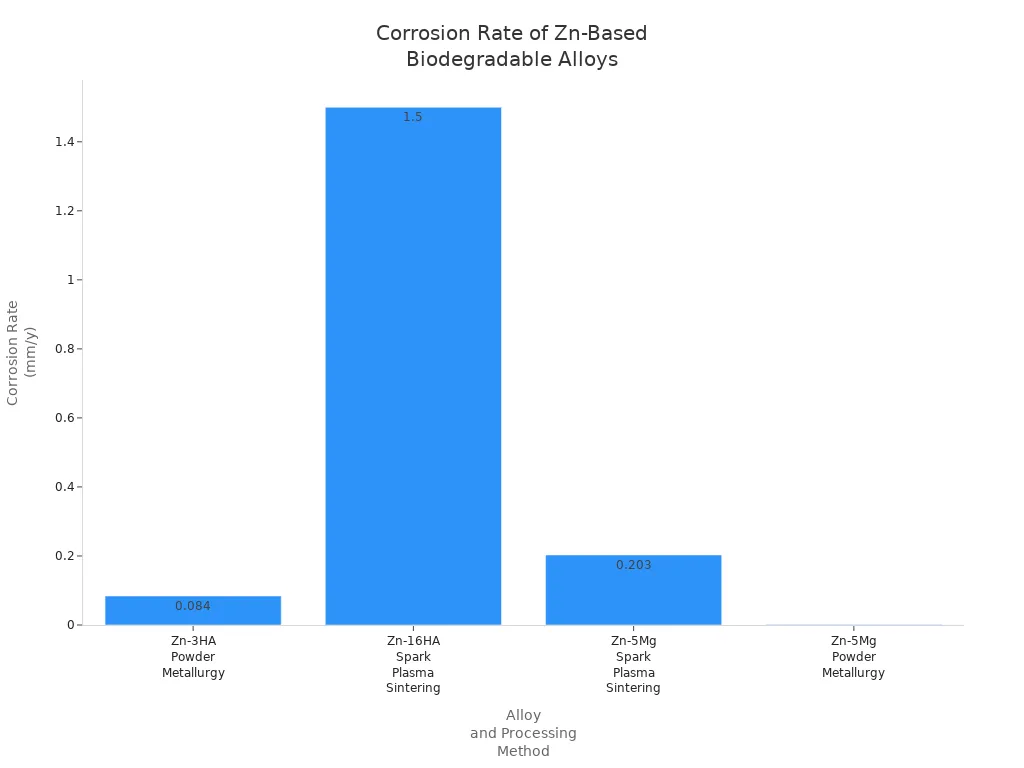
Zinc-based biodegradable metals degrade through electrochemical reactions, forming a passive oxide layer that slows further corrosion. This layer can dissolve, leading to localized pitting and accelerated degradation. Engineers use electrochemical and immersion tests to evaluate corrosion behavior and optimize alloy composition. Compared to magnesium-based materials, zinc alloys degrade at a more moderate rate and do not release excessive hydrogen gas, reducing the risk of rapid implant failure. These properties make zinc-based alloys promising for orthopedic implants produced by powder metallurgy.
Key Properties for Medical Use
Materials used in Powder Metallurgy for Medical Devices must meet strict requirements to ensure patient safety and device performance. The following table outlines the critical properties:
| Requirement Category | Details |
|---|---|
| Biocompatibility | Materials must not cause adverse reactions in the human body. Common biocompatible materials include stainless steel (e.g., 316L), titanium alloys, and cobalt-chromium alloys, all extensively tested and proven safe for implants and prosthetics. |
| Mechanical Properties | Enhanced hardness, strength, and wear resistance are critical for durability and long-term performance. These properties are improved through the sintering process inherent to powder metallurgy. |
| Material Purity | High purity powders reduce contamination risks and allergic reactions, ensuring patient safety. |
| Complex Geometry Capability | Powder metallurgy allows fabrication of intricate, patient-specific device geometries that traditional methods cannot easily achieve. |
| Manufacturing Processes | Key steps include powder production (ensuring uniformity and purity), compaction, sintering (to bond particles and consolidate the part), and finishing (to achieve precise dimensions and surface quality). |
Tip:
Selecting the right material and optimizing its properties are essential steps in developing safe, reliable, and effective medical devices.
Powder Metallurgy Process for Medical Devices
Powder Production and Selection
Manufacturers begin the Powder Metallurgy for Medical Devices process by producing high-quality metal powders. They use methods such as gas atomization, water atomization, plasma atomization, and the plasma rotating electrode process. Each method offers unique benefits for purity and performance.
- Gas atomization produces spherical powders but may introduce satellite particles or trapped gases.
- Plasma atomization and the plasma rotating electrode process yield high-purity, spherical powders with low oxygen content, which improves flowability and mechanical properties.
- Quality control measures include X-ray fluorescence and inductively coupled plasma-optical emission spectroscopy to detect impurities. Flowability tests and density measurements ensure powders meet strict standards for medical applications.
- Oxygen content is closely monitored, as low levels are essential for maintaining ductility and corrosion resistance in implants.
| Powder Production Method | Description | Effect on Purity | Effect on Performance |
|---|---|---|---|
| Gas Atomization | Melts and atomizes metal with gas | May introduce contamination | Affects flowability and porosity |
| Plasma Atomization | Uses plasma to atomize metal | High purity, low oxygen | Improves flowability and density |
| PREP | Rotating electrode atomization | High purity, low oxygen | Uniform powders, better properties |
Compaction and Shaping Methods
Engineers shape powders into medical device components using advanced compaction techniques. Cold Isostatic Pressing (CIP) applies uniform pressure from all directions, creating parts with consistent density and complex shapes. Hot Isostatic Pressing (HIP) combines high pressure and temperature to achieve near-full density and eliminate internal porosity, which is ideal for high-performance implants. Hydraulic presses with programmable profiles allow for precise shaping at various production volumes. Mechanical presses offer speed and cost efficiency but suit simpler geometries. Additional methods, such as double-action pressing and warm compaction, further improve density and reduce defects.
Sintering and Post-Processing
Sintering transforms compacted powders into solid, high-strength components. Increasing the sintering temperature reduces residual porosity, enhances densification, and improves hardness and compressive strength. For stainless steel medical parts, 1150°C often yields optimal mechanical performance. The sintering atmosphere also plays a vital role. Nitrogen-rich environments stabilize the austenitic phase in nickel-free stainless steels, boosting both strength and corrosion resistance. Post-processing steps, such as machining and surface treatments, refine the final product and ensure it meets stringent medical standards.
Mechanical and Surface Property Optimization
Medical device manufacturers focus on optimizing both mechanical and surface properties to ensure safety, durability, and biocompatibility. They use a range of post-processing methods to achieve these goals. Each technique targets specific improvements, from refining surface finish to enhancing corrosion resistance.
| Post-Processing Method | Category | Purpose/Effect | Notes/Considerations |
|---|---|---|---|
| Machining | Mechanical | Removes surface defects, improves surface finish, refines mechanical properties, creates features | Versatile, cost-effective; may not remove all micro-defects; requires expertise |
| Grinding, Lapping, Polishing | Mechanical | Achieves smooth, polished surface finish | Time-consuming; limited to surface smoothing |
| Sand Blasting | Mechanical | Removes excess powder/supports, improves surface roughness | Limited control over finish; may damage delicate features |
| Coating | Chemical | Enhances biocompatibility, corrosion and wear resistance | Durability and long-term stability critical |
| Electropolishing | Chemical | Reduces surface roughness, improves corrosion resistance | Limited shape control; not suitable for all materials |
| Etching | Chemical | Creates controlled surface textures | Potential toxicity if residues remain; requires careful agent selection for biocompatibility |
CNC machining stands out for its ability to deliver high dimensional accuracy and smooth surfaces. Manufacturers often achieve tolerances as tight as ±0.001 inches and reduce surface roughness from 200-400 µin Ra to about 63 µin Ra. This precision is vital for implants and surgical tools that must fit perfectly and function reliably.
Heat treatment also plays a key role. By altering the microstructure and phase composition, heat treatment improves mechanical strength and corrosion resistance. Surface treatments, such as coatings and electropolishing, further enhance wear resistance and biocompatibility. These steps help medical devices withstand harsh physiological environments and repeated sterilization cycles.
Tip:
Combining mechanical and chemical post-processing methods allows engineers to tailor device properties for specific clinical needs, ensuring optimal performance and patient safety.
| Post-Processing Method | Effect on Microstructure | Effect on Mechanical and Surface Properties |
|---|---|---|
| Machining | May introduce defects, alters surface roughness | Affects mechanical strength and surface finish |
| Surface Treatment | Alters surface chemistry and microstructure | Enhances corrosion resistance, wear resistance, and biocompatibility |
| Heat Treatment | Changes microstructure and phase composition | Improves mechanical properties and corrosion resistance |
Design and Manufacturing Considerations in Powder Metallurgy for Medical Devices
Complex Geometries and Customization
Engineers leverage powder metallurgy to create medical devices with intricate shapes and patient-specific features. This process forms components under high heat and pressure, which minimizes material waste and supports the production of near-net shapes. Technologies such as Selective Laser Sintering (SLS) and Fused Deposition Modeling (FDM) enable the fabrication of complex internal structures that traditional methods cannot achieve.
To ensure stable and reproducible results, manufacturers strictly verify printing parameters. After shaping, they perform essential post-processing steps, including thermal stress relief and surface finishing, to guarantee mechanical integrity and biocompatibility. Cleaning methods—such as high-pressure medium cleaning, ultrasonic cleaning, and chemical cleaning—remove residual powders and contaminants. Verification of cleaning effectiveness involves appearance inspections, conductivity analysis, and industrial CT scans. These strategies allow for the production of customized implants, prosthetics, and anatomical models tailored to individual patient needs.
Mechanical Performance and Reliability
Powder metallurgy enhances the mechanical performance and reliability of medical devices. The use of high-purity, biocompatible materials reduces contamination risks and allergic reactions. Sintering improves hardness, strength, and wear resistance, which are critical for long-lasting devices. The ability to produce complex, patient-specific designs increases device effectiveness and patient comfort. Efficient material use and reduced waste lower production costs, supporting scalable manufacturing without sacrificing quality.
| Aspect | Impact on Mechanical Performance and Reliability |
|---|---|
| Material Purity | High-purity materials enhance safety and reliability. |
| Enhanced Mechanical Properties | Sintering increases hardness, strength, and wear resistance. |
| Complex Geometry & Customization | Intricate, patient-specific designs improve effectiveness and comfort. |
| Cost-Effectiveness & Scalability | Efficient material use supports large-scale, high-quality production. |
Surface Finish and Porosity Control
Surface finish and porosity control play vital roles in the performance of medical devices. Compaction forms the initial shape and density, influencing porosity and dimensional accuracy. Sintering in controlled atmospheres bonds particles and increases density, which improves mechanical strength and reliability. Techniques such as tumbling, sandblasting, and CNC machining refine surface quality and ensure precise dimensions. Sizing corrects deviations and seals surface pores, while resin or oil impregnation fills pores to enhance durability and pressure resistance. Copper infiltration increases density and mechanical properties, and heat treatment further strengthens the component. Electroplating boosts corrosion and wear resistance, and ultrasonic cleaning ensures cleanliness for biocompatibility.
| Technique | Purpose/Effect on Surface Finish and Porosity | Impact on Medical Device Performance |
|---|---|---|
| Compaction | Forms shape and density | Influences porosity and accuracy |
| Sintering | Bonds particles, increases density | Improves strength and reliability |
| Tumbling | Smooths surface, removes burrs | Enhances finish and corrosion resistance |
| Sandblasting | Cleans and smooths surface | Prepares for coatings |
| CNC Machining | Precise shaping and features | Ensures accuracy and fit |
| Sizing | Corrects deviations, seals pores | Maintains tolerances, reduces porosity |
| Resin/Oil Impregnation | Fills pores, adds lubrication | Increases durability and lifespan |
| Copper Infiltration | Fills pores, increases strength | Improves hardness and wear resistance |
| Heat Treatment | Strengthens and toughens | Enhances mechanical properties |
| Electroplating | Adds protective metal layer | Boosts corrosion and wear resistance |
| Ultrasonic Cleaning | Removes contaminants | Ensures cleanliness and biocompatibility |
Tip:
Hot Isostatic Pressing (HIP) eliminates internal porosity, improves microstructural homogeneity, and increases fatigue strength. This process is essential for producing implants that are strong, biocompatible, and reliable for long-term use.
Sterilization and Cleanliness
Sterilization and cleanliness play a critical role in the manufacturing of medical devices. Manufacturers must ensure that every component meets strict hygiene standards to protect patient safety. Devices produced by powder metallurgy, especially those made with additive manufacturing techniques, often feature complex geometries and porous structures. These characteristics can trap residual powders and contaminants, making cleaning more challenging.
To address these challenges, manufacturers follow several best practices:
- They develop customized cleaning protocols for devices with intricate shapes, focusing on removing trapped powders from internal voids and porous regions.
- Ultrasonic cleaning proves effective, but operators use coated baskets to prevent surface damage. They also reposition parts during cleaning to reach all surfaces.
- Vapor degreasing serves as an alternative method, ensuring thorough removal of both polar and non-polar residues.
- Cleaning validation follows ASTM F33325-20 standards. Technicians pay special attention to areas with the highest risk of residual material, such as deep pores and internal channels.
- Engineers may design sample parts that can be disassembled or sectioned. This approach allows for direct inspection of hard-to-reach areas and confirms cleaning effectiveness.
- Devices produced by combining additive and subtractive manufacturing require extra care to eliminate all types of residues.
- Collaboration with experienced sterilization specialists and contract manufacturers ensures that cleaning and sterilization processes meet regulatory requirements and achieve consistent results.
A recent scientific study examined the effects of various sterilization methods—including ethanol, chlorine solution, hydrogen peroxide plasma, autoclaving, and dry heat—on materials commonly used in powder bed fusion. The researchers applied multiple sterilization cycles and assessed the impact on structural, mechanical, and cytotoxic properties. The results showed no significant cytotoxicity, supporting the use of these methods for effective microbial elimination while preserving material integrity and biocompatibility.
Tip:
Manufacturers should always validate cleaning and sterilization processes for each device design, especially when dealing with complex or porous components.
Regulatory Considerations for Powder Metallurgy Medical Devices

International Standards and Guidelines (ISO, ASTM, FDA)
Manufacturers of medical devices must follow strict international standards to ensure product safety and effectiveness. Organizations such as ASTM International, the International Organization for Standardization (ISO), and the U.S. Food and Drug Administration (FDA) set the framework for material selection, manufacturing, and testing. ASTM standards play a central role in regulating metallic materials produced by powder metallurgy, including those made through metal injection molding and additive manufacturing.
The following table highlights key ASTM standards relevant to powder metallurgy materials used in medical devices:
| Standard Number | Material/Alloy Description | Application/Notes |
|---|---|---|
| ASTM F2885-17(2023) | Metal Injection Molded Titanium-6Aluminum-4Vanadium | Components for Surgical Implant Applications; powder metallurgy process |
| ASTM F2886-17(2023) | Metal Injection Molded Cobalt-28Chromium-6Molybdenum | Components for Surgical Implant Applications; powder metallurgy process |
| ASTM F1472-23 | Wrought Titanium-6Aluminum-4Vanadium Alloy | Surgical Implant Applications |
| ASTM F562-22 | Wrought 35Cobalt-35Nickel-20Chromium-10Molybdenum Alloy | Surgical Implant Applications |
| ASTM F2146-22 | Wrought Titanium-3Aluminum-2.5Vanadium Alloy Seamless Tubing | Surgical Implant Applications |
| ASTM F75-23 | Cobalt-28 Chromium-6 Molybdenum Alloy Castings | Surgical Implants |
| ASTM F2527-24 | Wrought Seamless and Welded Cobalt Alloy Small Diameter Tubing | Surgical Implants |
| ASTM F1295-24 | Wrought Titanium-6Aluminum-7Niobium Alloy | Surgical Implant Applications |
| ASTM F2384-24 | Wrought Zirconium-2.5Niobium Alloy | Surgical Implant Applications |
ASTM standards specify chemical composition, mechanical properties, and testing methods for each alloy. These requirements help manufacturers maintain consistency and quality in every batch. In addition, ASTM works closely with the FDA to align standards with regulatory expectations. For example, ASTM F3456 guides powder reuse in additive manufacturing, supporting FDA review and clearance of new devices. ISO/ASTM 52931:2023 addresses safety in metal additive manufacturing environments, focusing on operator safety and facility requirements.
ISO standards, such as the ISO 10993 series, provide guidance on biological evaluation and biocompatibility testing. The FDA references both ASTM and ISO standards in its regulatory framework, ensuring that devices meet global safety and performance benchmarks. By following these standards, manufacturers of Powder Metallurgy for Medical Devices can streamline regulatory submissions and demonstrate compliance with international best practices.
Note:
Adhering to recognized standards not only ensures regulatory compliance but also builds trust with healthcare providers and patients.
Material Certification and Traceability
Material certification and traceability form the backbone of quality assurance in medical device manufacturing. Manufacturers must document every step, from raw material sourcing to final product delivery. This process ensures that each device meets strict safety and performance requirements.
Key practices for material certification and traceability include:
- Manufacturers monitor chemical composition, oxygen, and moisture levels, especially when reusing powders in additive manufacturing. The FDA permits powder reuse but requires documented evidence that reused powders do not compromise implant quality.
- Digital powder management solutions, such as PowderLife, track powder batches from initial production to finished parts. These systems support traceability and optimize the production process.
- Full in-house supply chain control enables traceability from titanium sponge to finished powder. Advanced electrode induction melting and inert gas atomization produce consistent titanium powder with low oxygen and nitrogen content.
- Downstream processes, including sieving, blending, and packing, use industrial robotics to maintain consistency and reduce contamination risks.
- Manufacturers obtain certifications such as ISO 13485:2016, AS9100D, ISO 9001, ISO 14001, and ISO 45001. These certifications support quality and safety standards throughout the production lifecycle.
- Quality assurance procedures include first-piece qualification, Production Part Approval Process (PPAP) capability, and validation studies such as Repeatability and Reproducibility (R&R).
- Control plans establish process limits and guide multiple quality checks at each stage.
- Full lot traceability extends from raw materials through sintering, packaging, and shipping. Manufacturers can identify original material lots, furnace operators, and packaging details.
- Sintering furnace parameters, such as temperature and belt speed, are closely monitored and calibrated to ensure consistent quality.
Manufacturers who implement robust traceability systems can quickly identify and address any quality issues, reducing the risk of recalls and ensuring patient safety.
Biocompatibility Testing and Validation
Biocompatibility testing ensures that medical devices made with powder metallurgy materials are safe for use in the human body. Internationally recognized protocols, such as the ISO 10993 series and FDA guidance, define the required tests for different device types and applications.
The table below summarizes standard protocols for biocompatibility testing:
| Test Category | Relevant Standard(s) | Purpose/Description |
|---|---|---|
| Cytotoxicity | ISO 10993-5 | Evaluates toxicity of the material on cultured cells to detect cell damage or death. |
| Genotoxicity | ISO 10993-3, FDA | Assesses potential genetic damage caused by the material. |
| Hemocompatibility | ISO 10993-4, ASTM | Tests effects on blood when devices contact blood directly. |
| Irritation & Sensitization | ISO 10993-10 | Evaluates skin irritation and allergic reactions. |
| Systemic Effects | ISO 10993-11, ASTM | Assesses systemic toxicity such as fever or other body-wide effects. |
| Implantation | ISO 10993-6 | Examines local tissue response to implanted devices. |
| Biodegradation | ISO 10993-9, -13, -14, -15 | Evaluates degradation rates and release of substances, especially for implants with biodegradable components. |
| Toxicokinetics | ISO 10993-16 | Studies absorption, distribution, metabolism, and excretion of degradation products and leachables. |
Device classification depends on the type of contact (blood, tissue, skin) and duration (limited, prolonged, permanent). Experts select appropriate tests based on these factors and document the biological safety evaluation strategy. In vitro testing is preferred to minimize animal use, but in vivo studies may be necessary for certain applications.
Manufacturers must maintain detailed records of all biocompatibility tests and validation procedures. These records support regulatory submissions and demonstrate a commitment to patient safety. By following these protocols, companies ensure that Powder Metallurgy for Medical Devices meets the highest standards for biological safety and effectiveness.
Documentation and Quality Management
A robust documentation and quality management system forms the backbone of medical device manufacturing. Companies must establish a Quality Management System (QMS) that documents every aspect of their operations. This system outlines the structure, processes, roles, and responsibilities needed to maintain high standards. The QMS includes policies, procedures, forms, and work instructions. These documents ensure compliance with ISO 13485:2016 and other regulatory requirements.
Key elements of effective documentation and quality management include:
- Design Controls: Companies must keep records that demonstrate safe design and development. These records align with FDA 21 CFR §820.30 and ISO 13485 section 7.3.
- Risk Management: Teams identify, evaluate, and mitigate risks associated with each product.
- Document Control & Records Management: Consistent and compliant documentation is essential. Companies must maintain up-to-date records for all processes.
- Supplier Management: Manufacturers select suppliers based on strict criteria. These criteria include Corrective and Preventive Action (CAPA) procedures, training, testing, validation, cleanliness, and Good Manufacturing Practice (GMP) compliance.
- Formal Supplier Agreements: Quality agreements define expectations, test methods, critical process controls, and communication protocols. These agreements help maintain control over outsourced activities.
- Standard Operating Procedures (SOPs): SOPs cover manufacturing, CAPA, training, clinical evaluation, and failure reporting.
- Verification and Validation: Companies use Installation Qualification (IQ), Operational Qualification (OQ), and Performance Qualification (PQ) protocols to confirm that equipment and processes meet specifications.
- Compliance with Regulations: Manufacturers must meet FDA and EU MDR requirements, including labeling and Unique Device Identification (UDI).
Note:
ISO 13485 stands as the gold standard for QMS in medical devices. It covers design, development, production, storage, distribution, installation, servicing, and supplier-related activities. ISO 10993-1 governs biological evaluation within a risk management process, ensuring safety throughout the product lifecycle.
Supplier management receives special attention during audits. Companies must keep detailed records and provide evidence of ongoing oversight. A robust quality system ensures audit readiness and supports continuous improvement.
Addressing Regulatory Challenges
Manufacturers encounter several regulatory challenges when developing medical devices using powder metallurgy. The innovative nature of new materials and processes often leads to extended product development cycles. Regulatory bodies require thorough safety and efficacy evaluations, but established evaluation methods and guidance documents may not exist for novel materials. This situation increases the complexity of compliance.
Strict adherence to standards such as ISO 13485 and Good Manufacturing Practices (GMP) is mandatory. Companies must validate every manufacturing process, including metal forming techniques, to prevent variations that could affect device safety or performance. Introducing new materials or processes demands extensive testing and validation. These requirements lengthen development timelines and increase costs.
Smaller companies may face additional hurdles. High research and development costs, combined with significant equipment investments, can limit their ability to bring new products to market. Initial market demand for innovative powder metallurgy devices may be modest, further complicating the business case.
To address these challenges, manufacturers take several proactive steps:
- They invest in comprehensive design verification and validation. This approach ensures that each device meets safety and performance standards.
- Teams conduct detailed clinical evaluations and quality inspections. These activities provide the data needed for regulatory submissions.
- Companies maintain rigorous documentation and quality management systems. This practice supports compliance and audit readiness.
- Manufacturers collaborate with regulatory experts and industry groups. These partnerships help interpret evolving standards and streamline approval processes.
Tip:
Early engagement with regulatory authorities and clear documentation of every step can help companies navigate complex approval pathways. Continuous investment in quality management and process validation builds a strong foundation for regulatory success.
Future Trends in Powder Metallurgy for Medical Devices
Additive Manufacturing and Metal Injection Molding
Additive manufacturing (AM) and metal injection molding (MIM) are transforming the medical device industry. AM integrates with powder metallurgy to produce implants directly from advanced metal powders such as Ti6Al4V and stainless steel 316L. This approach enables the creation of complex, patient-specific implants with porous structures that enhance osseointegration and biocompatibility. The process supports rapid prototyping and on-demand manufacturing, reducing the need for expensive tooling.
| Process Step | Description | Benefit |
|---|---|---|
| Powder Deposition | Uniform layer of metal powder spread with precise thickness control | Enables consistent layer formation essential for high-quality builds |
| Selective Fusion | Laser or electron beam fuses powder selectively based on 3D design files | Allows production of complex, high-precision, customized medical implants |
| Iterative Construction | Build platform lowered incrementally; layers deposited and fused until final shape achieved | Supports near-net-shape manufacturing reducing waste and enabling design freedom |
| Binder Jetting (MBJ) | Metal powder mixed with binder to form 'green parts'; followed by debinding and sintering | Efficient mass production with high throughput and lower cost per unit |
| Post-Processing | Heat treatment, hot isostatic pressing, CNC machining, surface finishing, quality inspection | Ensures critical functional and cosmetic quality of medical devices |
MIM is also gaining traction for its ability to produce high-precision, biocompatible components. Manufacturers use MIM for surgical instruments, orthopedic implants, and dental prosthetics. The technology offers design flexibility and supports mass production of intricate parts. The combination of AM and MIM will continue to drive innovation, enabling greater customization and efficiency.
Tip:
Additive manufacturing and MIM both support regulatory compliance by using medically approved powders and processes, ensuring safety and quality.
Emerging Biocompatible and Biodegradable Alloys
Researchers are developing new alloys to meet the evolving needs of medical devices. Fe-Mg alloy systems have emerged as promising candidates for temporary implants, such as bone implants and cardiovascular stents. These alloys, produced by powder metallurgy techniques like ball milling and spark plasma sintering, contain magnesium in varying amounts to accelerate degradation rates. Ternary systems may include elements like strontium, silver, silicon, or calcium to further enhance properties.
Fe-Mg alloys exhibit Vickers hardness values between 85 and 135 and corrosion rates from 0.20 to 1 mm/year in simulated body fluid. These properties make them suitable for bioresorbable applications. Although some in vitro studies raise cytotoxicity concerns, Fe-Mg alloys demonstrate high hemocompatibility and show promise for bone repair and cardiovascular use. Research also explores Fe-Mn and Fe-Mn-Pd alloys, but Fe-Mg remains the leading system due to its unique degradation behavior.
Advances in Surface Modification Techniques
Surface modification plays a crucial role in improving the performance of powder metallurgy medical devices. Atomic layer deposition (ALD) has emerged as a leading technique. ALD enables the application of uniform, conformal coatings on irregular powder particles, which traditional methods cannot achieve. Coatings such as Al2O3, TiO2, and ZnO improve stability, biocompatibility, and control drug release.
For example, ALD Al2O3 coatings prevent moisture absorption, enhancing long-term stability. TiO2 coatings slow degradation, improving the medical stability of sensitive compounds. These advances ensure that medical devices maintain their protective properties, stability, and biocompatibility throughout their lifecycle.
Recent surface modification techniques help manufacturers deliver safer, more reliable, and longer-lasting medical devices.
Selecting the right biocompatible materials and meeting regulatory standards remain essential for success in Powder Metallurgy for Medical Devices. Manufacturers rely on advanced processing and strict quality control to ensure safety, durability, and compliance.
- Innovations in alloy design and manufacturing methods continue to improve device performance and patient outcomes.
- Evolving standards and collaboration between industry and regulators help address new challenges and support safer, more effective medical devices.
Ongoing research and digitalization will shape the future, offering new opportunities for growth and improved healthcare solutions.
FAQ
What advantages does powder metallurgy offer for medical device manufacturing?
Powder metallurgy enables precise control over material properties. Manufacturers can create complex shapes and customized implants. The process reduces material waste and supports the use of advanced biocompatible alloys.
Which biocompatible metals are most common in powder metallurgy medical devices?
Titanium and its alloys, stainless steels, cobalt-chromium alloys, and tantalum see frequent use. These metals provide strength, corrosion resistance, and compatibility with human tissue.
How do manufacturers ensure the cleanliness of powder metallurgy medical devices?
Manufacturers use ultrasonic cleaning, vapor degreasing, and validated protocols. They inspect devices with industrial CT scans and follow ASTM F33325-20 standards to confirm cleanliness and remove contaminants.
What regulatory standards apply to powder metallurgy medical devices?
Manufacturers follow ASTM, ISO, and FDA standards. These standards specify material properties, testing methods, and biocompatibility requirements. Compliance ensures safety and supports regulatory approval.
Can powder metallurgy produce patient-specific implants?
Yes. Powder metallurgy, especially with additive manufacturing, allows for the creation of implants tailored to individual patient anatomy. This customization improves fit and clinical outcomes.