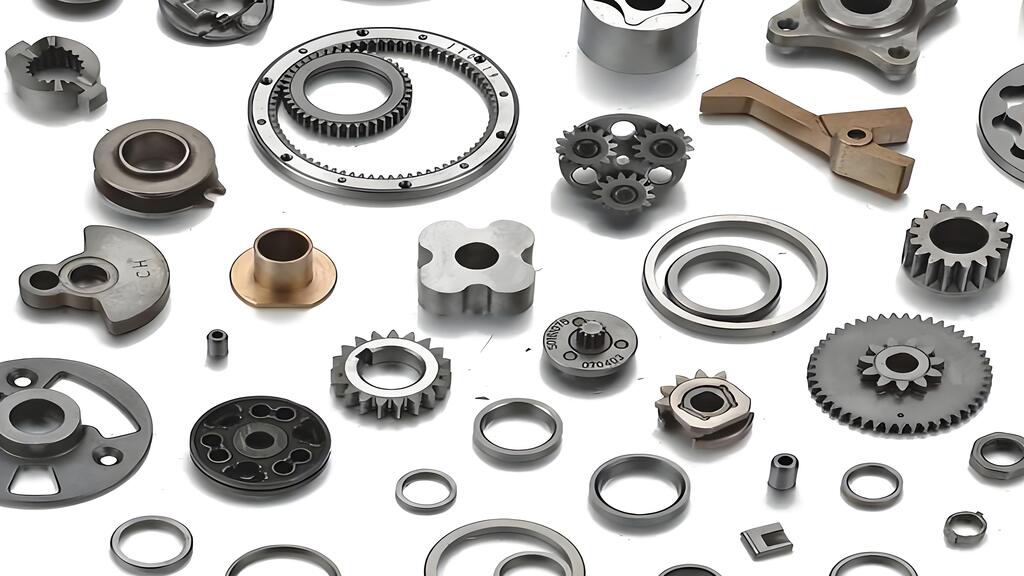


Radiation Shielding Parts Using Tungsten Alloy PM
Tungsten alloy Powder Metallurgy (PM) offers a highly effective solution for Radiation Shielding. This material boasts superior density and attenuation properties. It provides a compact and efficient alternative to traditional materials. This advanced material and manufacturing process directly addresses the critical need for robust and safe radiation protection across diverse industries. The medical sector, for instance, shows significant growth. The medical tungsten alloy shield market is projected to reach $235.49 million by 2033, growing at a CAGR of 5.8%. Similarly, the tungsten alloy syringe shield market is expected to hit $74.47 million by 2033, reflecting a 6.5% CAGR.
Key Takeaways
- Tungsten alloy PM is a top choice for radiation shielding. It has high density and stops radiation well.
- Tungsten alloy is a superior alternative to lead for shielding purposes. It is non-toxic and safer for both people and the environment.
- The PM process helps make complex shapes. It uses less material and saves money.
- Tungsten alloy shields are used in many places. These include medical devices, industrial equipment, and aerospace parts.
- In medicine, tungsten alloy helps shape radiation beams. It protects workers from radioactive materials.
- Tungsten alloy is strong and lasts a long time. It works well in tough places.
- This material helps meet safety rules. It protects people and the planet from radiation.
Understanding Radiation Shielding and Material Requirements
Effective protection against radiation demands a clear understanding of radiation itself and the properties materials need to block it. This section explores these fundamental concepts.
What is Radiation Shielding?
Defining Radiation and Its Hazards
Radiation refers to energy traveling through space or matter in the form of waves or particles. It poses significant hazards to living organisms and electronic equipment. Different types of radiation present varying levels of danger. Alpha particles, for instance, are the least penetrating; a sheet of paper or dead skin can stop them. However, they become hazardous if ingested or inhaled, causing internal organ damage. Beta particles penetrate more deeply than alpha particles, requiring materials like aluminum for stopping. They can cause skin burns and tissue damage, also posing an internal risk if ingested or inhaled.
Gamma rays and X-rays are highly penetrating electromagnetic waves. They require dense materials like lead or concrete for effective shielding. These types of radiation can damage cells throughout the body and increase cancer risk. Neutrons are also highly penetrating particles. They require materials such as concrete or water for shielding. Neutrons can similarly damage cells and increase cancer risk.
In industrial settings, X-ray and gamma-ray devices are common for radiography in manufacturing and construction. These devices inspect welds, concrete, and materials for fatigue. X-ray industrial radiography devices produce X-rays only when active. Gamma ray devices, containing radioactive material, continuously emit gamma rays. Both types pose hazards requiring protective measures. Medical settings also use X-ray equipment for veterinary imaging, presenting hazards from animal handling and the X-ray beam. Accelerators in medical therapy target cancerous tumors but also present serious radiation exposure hazards to operators without safe usage.
The Fundamental Need for Shielding
Shielding becomes fundamentally necessary to protect individuals, sensitive equipment, and the environment from the harmful effects of ionizing radiation. It creates a barrier that reduces radiation intensity to safe levels. This protection ensures operational safety and compliance with health regulations in various industries.
Principles of Radiation Interaction with Matter
Radiation interacts with matter primarily through absorption and scattering. When radiation encounters a material, its energy transfers to the material's atoms. This process reduces the radiation's energy and intensity. The specific interaction mechanism depends on the type of radiation and the material's atomic structure.
Key Properties for Effective Radiation Shielding
Material Density and Its Role in Attenuation
Material density is a critical property for effective Radiation Shielding. Denser materials contain more atoms packed into a given volume. This higher concentration of atoms increases the probability of radiation interacting with the material. Consequently, dense materials absorb or scatter more radiation, leading to better attenuation.
Atomic Number and Radiation Interaction Mechanisms
The atomic number (Z) of a material also plays a crucial role. Materials with higher atomic numbers possess more electrons per atom. These electrons provide more targets for radiation interaction, especially for X-rays and gamma rays. High-Z materials are particularly effective at stopping these types of radiation through processes like the photoelectric effect and Compton scattering.
Attenuation Coefficient Explained for Different Radiation Types
The attenuation coefficient quantifies how effectively a material reduces the intensity of radiation passing through it. This coefficient varies significantly depending on the type of radiation (e.g., alpha, beta, gamma, X-ray, neutron) and the specific shielding material. A higher attenuation coefficient indicates a more effective shielding material for a given radiation type.
Half-Value Layer and Tenth-Value Layer Concepts
The Half-Value Layer (HVL) is the thickness of a material required to reduce the intensity of radiation by half. The Tenth-Value Layer (TVL) is the thickness needed to reduce radiation intensity to one-tenth of its original value. These concepts provide practical measurements for determining the necessary thickness of a shield to achieve a desired level of radiation reduction.
Why Tungsten Alloy PM Excels in Radiation Shielding
Tungsten alloy powder metallurgy (PM) stands out as a superior material for radiation protection due to its unique combination of properties. These characteristics make it highly effective in various demanding applications.
High Density: The Primary Advantage for Radiation Shielding
High density is the most significant advantage tungsten alloys offer for radiation protection. This property directly translates into enhanced shielding efficiency and compactness.
Comparing Tungsten Density with Lead and Steel for Shielding
Tungsten atoms pack more closely than lead atoms, resulting in a higher density. Lead has a density of 11.3 g/cm³. High-density tungsten and tungsten alloys offer even more ideal radiation absorption capabilities. Their shielding effect is more than 1.5 times that of lead. Tungsten is almost twice as dense as steel. It is also much denser than lead.
| Material | Density (g/cm³) |
|---|---|
| Tungsten Alloy | 17–19.3 |
| Lead | 11.3 |
| Stainless Steel | 7.8 |
Tungsten-based alloys achieve higher density than stainless steel alloys. This makes them more effective in shielding against gamma radiation.
Impact of High Density on Shielding Efficiency and Compactness
The high density of tungsten alloys allows for thinner, more compact shielding designs. This is crucial in applications where space is limited, such as medical devices or aerospace components. A smaller volume of tungsten alloy can provide the same level of protection as a much larger volume of less dense material. This compactness reduces overall weight and size, offering significant design flexibility.
Achieving Equivalent Shielding with Reduced Volume
Engineers can achieve equivalent radiation protection with a significantly reduced volume of material by using tungsten alloys. This translates into smaller, lighter, and more manageable shielding components. For example, a tungsten alloy shield can replace a bulkier lead shield while maintaining or improving safety standards. This efficiency is particularly beneficial in portable equipment or confined spaces.
Superior Radiation Attenuation Capabilities
Tungsten alloys demonstrate exceptional ability to reduce radiation intensity across a broad spectrum. This makes them versatile for various shielding needs.
Effective Gamma and X-ray Radiation Shielding
Tungsten's high atomic number and density make it highly effective at attenuating gamma and X-ray radiation. These high-energy photons interact strongly with the dense electron cloud of tungsten atoms. This leads to efficient absorption through the photoelectric effect and Compton scattering. This superior performance ensures maximum protection against these penetrating forms of radiation.
Neutron Shielding Considerations with Tungsten Alloys
While tungsten primarily excels at gamma and X-ray attenuation, it also plays a role in neutron shielding. Tungsten (W) enhances the mechanical performance of neutron shielding materials. It has a high melting point, excellent corrosion resistance, and high thermal conductivity. It also attenuates secondary gamma rays.
| Material | Neutron Absorption | Gamma Ray Absorption | Corrosion Resistance | Thermal Conductivity | Density | Notes |
|---|---|---|---|---|---|---|
| W | Very low | Excellent | Very good | Good | Very high | Expensive; auxiliary absorption of gamma rays |
| WO3 | Very low | Excellent | Very good | Good | Very high | Expensive; auxiliary absorption of gamma rays |
Optimized compositions include Al-(30-X)B4C-XGd2O3-25 W hybrid composites. Here, X can be 5, 10, 15, 20, 25, or 30. These composites leverage tungsten's properties alongside other neutron-absorbing elements. Silicon-Tungsten composites show improved shielding performance with increased tungsten content. An 88% tungsten content in Silicon-Tungsten 5 composite demonstrates the highest dose absorption and scattering efficiency. This indicates its potential as an effective radiation shielding material.
Broad-Spectrum Radiation Protection Benefits
Tungsten alloys offer broad-spectrum radiation protection. They effectively shield against gamma rays, X-rays and contribute to neutron shielding when combined with other materials. This versatility makes them suitable for complex environments where multiple types of radiation are present.
Role of Tungsten Nickel Iron Alloys (e.g., 95W-NiFe, 93W-NiFe)
Tungsten-nickel-iron (W-Ni-Fe) alloys are common for radiation protection. Compositions like 95W-NiFe and 93W-NiFe balance high density with improved mechanical properties. The nickel and iron binders enhance ductility and machinability. This allows for the creation of complex shapes while maintaining excellent shielding capabilities.
Mechanical Strength and Durability for Radiation Shielding Parts
Tungsten alloy Pm Parts offer exceptional mechanical strength and durability. This ensures their long-term performance in demanding applications.
Resistance to Wear and Impact in Demanding Environments
Tungsten alloys exhibit high resistance to wear and impact. This makes them ideal for components exposed to harsh conditions or requiring frequent handling. Their robust nature ensures they maintain structural integrity over time.
Structural Integrity and Load-Bearing Capabilities
These alloys possess excellent structural integrity. They can withstand significant mechanical stresses and loads. This allows them to function as both shielding and structural components in various assemblies.
Longevity and Reliability of Tungsten Alloy Shielding
The inherent durability of tungsten alloys contributes to the longevity and reliability of shielding solutions. They resist degradation from environmental factors and mechanical fatigue. This ensures consistent performance throughout their operational lifespan.
High Tensile Strength and Heat Resistance
Tungsten alloys boast high tensile strength and excellent heat resistance. These properties are critical in applications where components experience high temperatures or significant pulling forces.
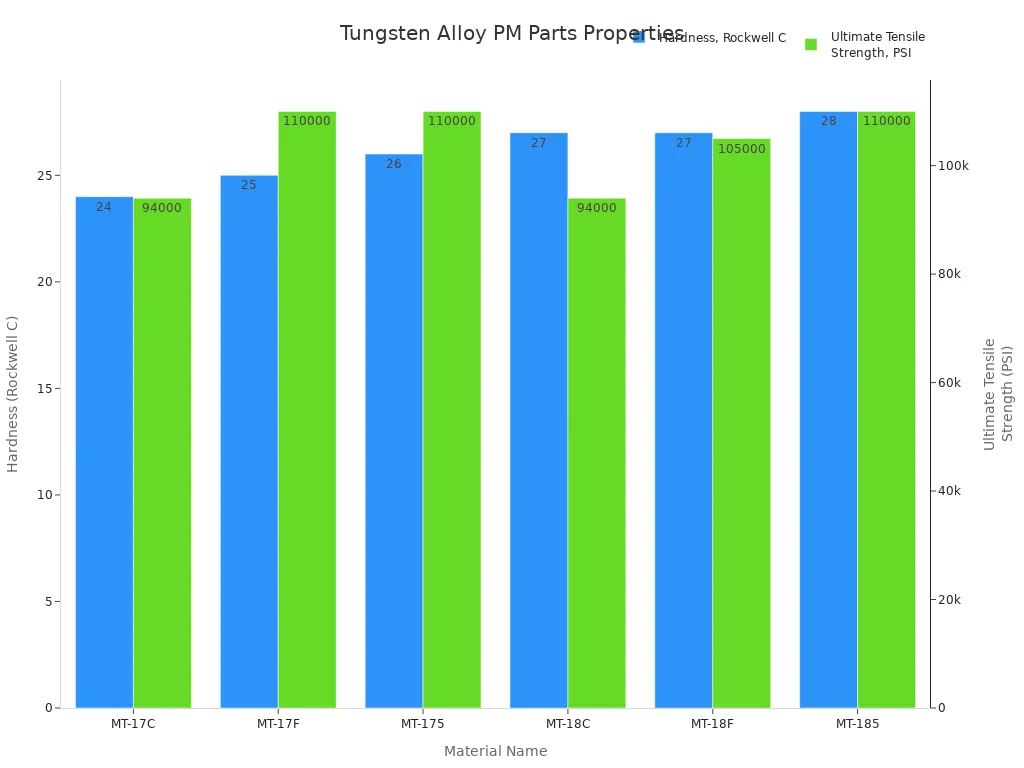
| Material Name | Hardness, Rockwell C | Ultimate Tensile Strength; PSI |
|---|---|---|
| MT-17C | 24 | ≥94,000 |
| MT-17F | 25 | ≥110,000 |
| MT-175 | 26 | ≥110,000 |
| MT-18C | 27 | ≥94,000 |
| MT-18F | 27 | ≥105,000 |
| MT-185 | 28 | ≥110,000 |
Non-Toxic and Environmentally Friendly Radiation Shielding
Tungsten alloy PM offers significant advantages in environmental safety and non-toxicity. These benefits address growing concerns about hazardous materials in manufacturing and healthcare.
Contrast with Lead's Toxicity and Environmental Concerns
Lead has historically served as a primary material for radiation protection. However, lead presents serious health and environmental hazards. Lead is a neurotoxin. It can cause severe developmental problems in children. It also leads to neurological damage in adults. Manufacturing processes involving lead release toxic fumes. Disposing of lead waste requires strict environmental controls. Improper disposal can contaminate soil and water sources. This poses long-term risks to ecosystems and human health. Tungsten alloys, conversely, are non-toxic. They do not leach harmful substances. They offer a safe alternative without these associated risks.
Safe Handling and Disposal of Tungsten Alloy Parts
Workers handle tungsten alloy parts safely. They do not require the extensive personal protective equipment necessary for lead. Tungsten alloys are biologically inert. They do not pose a threat through skin contact or inhalation. Disposal of tungsten alloy components is also straightforward. They do not classify as hazardous waste. This simplifies end-of-life management. It reduces costs and environmental burdens for manufacturers and users. Their stability ensures they remain safe in landfills or during recycling processes.
Compliance with Environmental Regulations and ALARA Principles
Global environmental regulations are becoming increasingly stringent. These regulations aim to reduce hazardous material use. Tungsten alloys help companies meet these strict compliance standards. They align with the ALARA (As Low As Reasonably Achievable) principle. ALARA guides radiation safety practices. It mandates minimizing radiation exposure. It also minimizes environmental impact. Using non-toxic tungsten alloys supports both aspects of ALARA. It protects personnel. It also safeguards the environment from harmful substances.
Advantages of Lead-Free Radiation Shielding
Lead-free radiation shielding offers numerous benefits. It enhances worker safety during manufacturing and use. It eliminates the need for costly hazardous waste disposal. This reduces environmental liability for organizations. Lead-free solutions also improve public perception. They demonstrate a commitment to sustainability. Tungsten alloy PM provides these advantages. It delivers superior performance without compromising safety or environmental responsibility. This makes it an ideal choice for modern Radiation Shielding applications.
The Powder Metallurgy (PM) Process for Tungsten Alloy Radiation Shielding
The powder metallurgy (PM) process offers a sophisticated method for manufacturing tungsten alloy radiation shielding parts. This multi-step approach ensures high precision and optimal material properties.
Overview of the PM Process for Tungsten Alloys
Powder Production and Blending Techniques
The PM process begins with careful powder production and blending. Manufacturers select basic metal powders, such as tungsten, and alloying elements like nickel or chromium. These choices directly influence the final component's performance. Precise weight percentages for each material are calculated based on product specifications. Blending equipment, like a V mixer, then mixes the metal powders to achieve a uniform distribution. This process typically takes about one hour for a 1,000 kg batch. Blending time and speed are carefully controlled to prevent demixing. Binders, such as Polyvinyl alcohol (PVA), are incorporated to provide adhesion between particles. Lubricants, like zinc stearate, reduce friction and improve powder flowability. After blending, manufacturers test the mixed metal powders for attributes such as flow rate, bulk density, particle size, and chemical composition. This ensures compliance with quality standards.
Compaction Methods: Uniaxial, Isostatic, and Metal Injection Molding (MIM)
After powder preparation, compaction forms the powders into a desired shape. Uniaxial compaction applies pressure from one direction. Isostatic compaction applies pressure uniformly from all directions, creating a more consistent density. Metal Injection Molding (MIM) is another method. It involves mixing tungsten powder with a polymer binder to create a feedstock. Precision machinery then injects this feedstock into intricate mold cavities. Tungsten Powder Compression Molding (PCM) also prepares powder and introduces it into a die cavity. Tremendous pressure within the die consolidates the powder, significantly reducing porosity.
Sintering and Densification for Optimal Properties
Sintering is a critical step. Manufacturers heat the compacted or debound tungsten part in a controlled environment. This process facilitates the diffusion of tungsten particles, allowing them to bond and form a cohesive structure. Optimizing the sintering temperature ensures maximum densification while preventing undesirable grain growth. This step achieves the specified density and mechanical properties for the final part.
Post-Sintering Operations and Finishing
After sintering, parts often undergo post-sintering operations. These can include precision machining or advanced surface treatments. These steps meet specific customer requirements. While MIM generally produces a smoother surface, PM parts can achieve comparable quality through secondary operations like grinding or polishing.
Advantages of PM for Tungsten Radiation Shielding
Achieving Complex Geometries and Intricate Shapes
PM, particularly Metal Injection Molding (MIM), excels at creating complex geometries and intricate shapes. MIM allows for intricate designs, delicate features, and high-density components with tight tolerances. This eliminates extensive post-machining and enables internal features and undercuts.
Maximizing Material Utilization and Minimizing Waste
The PM process significantly maximizes material utilization. It creates near-net-shape parts, reducing material waste for expensive materials like tungsten. PM boasts a material utilization rate of over 95%, often reaching 97%. This contrasts sharply with CNC machining, which can turn 50-80% of the original billet into chips.
| Process | Material Utilization Rate | Waste/Scrap |
|---|---|---|
| Powder Metallurgy (PM) | >95% (up to 97%) | Almost no scrap |
| CNC Machining | 20-50% (50-80% turned into chips) | 50-80% of original billet |
Cost-Effectiveness in Production of Custom Parts
PM's ability to produce near-net-shape components with minimal waste makes it highly cost-effective. It reduces the need for extensive machining or secondary operations. This results in significant cost savings, especially for intricate geometries and high-volume production of custom parts.
Producing High-Density, Homogeneous Materials
The controlled PM process ensures the production of high-density, homogeneous materials. This is crucial for effective radiation shielding. The precise blending and sintering steps achieve uniform material distribution and optimal densification.
Customization and Precision in PM for Radiation Shielding
Tailoring Material Properties for Specific Shielding Needs
PM offers exceptional flexibility in tailoring material properties. Adjusting the ratios of materials in tungsten heavy alloy powder significantly affects its density, strength, and tensile properties. Increasing tungsten content directly increases alloy density. Nickel content improves ductility, toughness, and fatigue resistance. Other metals like iron, molybdenum, or cobalt can further enhance strength and hardness. For example, Tungsten-Nickel-Iron (W-Ni-Fe) offers high density and strength for radiation shielding. Tungsten-Nickel-Copper (W-Ni-Cu) is known for its radiation and wear resistance, making it suitable for medical collimators.
Achieving Tight Tolerances and High Surface Finish
PM parts can achieve tight tolerances and a high surface finish. For example, rectangular parts can have width and thickness tolerances of +.015/-.000. Discs with diameters up to 2 inches can achieve similar precision.
| Part Type | Dimension | Tolerance |
|---|---|---|
| Rectangle | Width & Thickness | +.015/-.000 |
| Discs | Diameter 0"-2" | +.015/-.000 |
Post-processing steps like machining, grinding, or polishing can further refine the surface. This ensures the parts meet the stringent requirements for applications such as collimators, X-ray shielding, and syringe shields.
Design Flexibility for Diverse Applications
The PM process provides immense design flexibility. It allows for the creation of diverse components. These include complex collimators for CT and imaging technologies, X-ray shielding, and multi-leaf collimators for advanced radiation therapies.
Role of Ningbo Jiehuang Chiyang in Custom Metal Parts
Ningbo Jiehuang Chiyang is a leading one-stop metal parts solution provider in China. Their team has many years of experience developing custom metal parts. They offer powder metal manufacturing, metal injection molding parts, and die casting. This expertise allows them to produce highly customized tungsten alloy PM parts for various radiation shielding applications.
Key Applications of Tungsten Alloy PM Radiation Shielding Parts
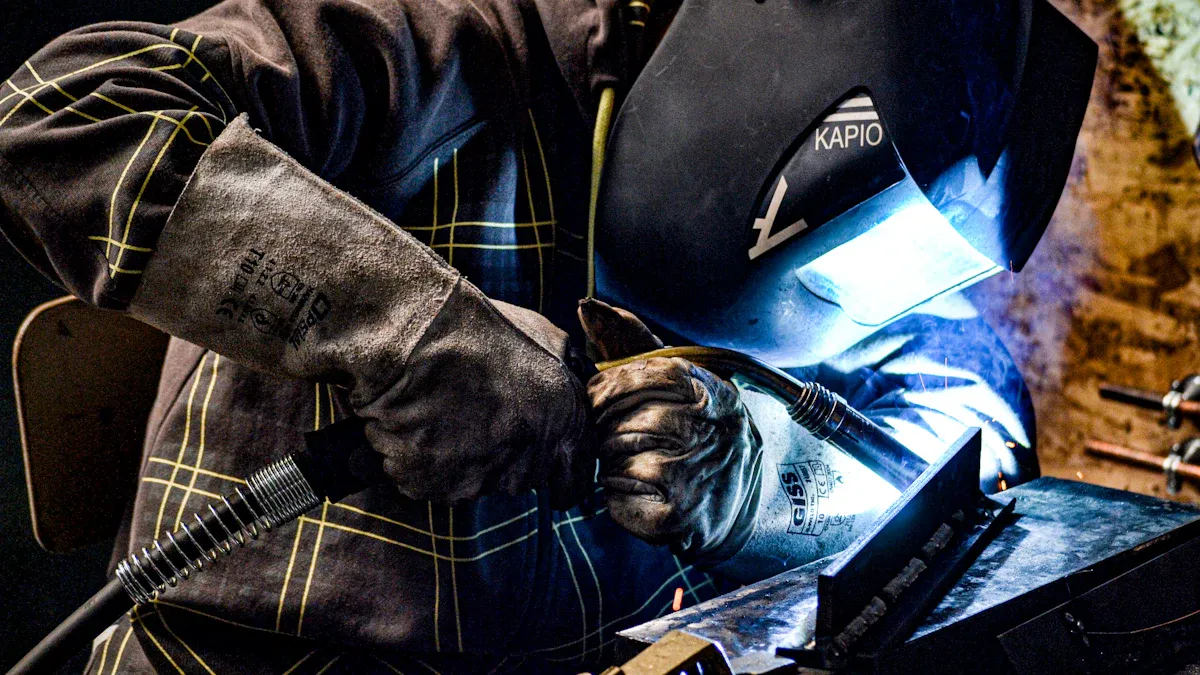
Tungsten alloy powder metallurgy (PM) parts find extensive use across various critical sectors. Their superior properties make them indispensable for protecting personnel, equipment, and the environment from harmful radiation.
Medical Radiation Shielding Applications
The medical field heavily relies on tungsten alloy PM for precise and effective radiation protection. These components ensure patient safety and optimize treatment delivery.
Collimators and Beam Shaping Devices in Radiotherapy
Radiotherapy treatments demand highly accurate radiation delivery. Tungsten alloy collimators and beam shaping devices play a crucial role in this process. Multi-leaf collimators (MLCs), for instance, consist of approximately 50–120 leaves made from heavy, metal collimator plates. Manufacturers configure these MLCs to precisely match the tumor's dimensions using two rows of very thin tungsten alloy plates. Tungsten alloy is the material of choice due to its high density and exceptional shielding capability against X-rays and gamma rays. Linear accelerators use both primary and secondary collimators. The primary collimator positions after the electron beam reaches a vertical orientation or after the X-ray target for photons. The secondary collimator positions after a flattening filter (photon therapy) or a scattering foil (electron therapy) and consists of two movable jaws to adjust field size.
Collimators significantly impact image quality and detectability in SPECT imaging. An appropriate alloy effectively absorbs scattered photons without inducing secondary x-rays. It also possesses proper rigidity and weight. Evaluated parameters for tungsten alloy collimators include energy and spatial resolution, image contrast, fraction of septal penetration, scatter-to-primary ratios, and percentage of induced secondary x-rays. Wolfmet tungsten alloys achieve better spatial resolution, improved contrast, and overall image quality compared to conventional lead and lead-antimony collimators. New production techniques, such as direct 3-D printing of metals or 'cold casting' of W-composite materials, enable the fabrication of more tailored collimator designs.
Syringe Shields and Vial Shields for Radioactive Isotopes
Medical professionals handle radioactive isotopes daily. Syringe shields and vial shields made from tungsten alloy PM protect these workers from exposure. These shields significantly reduce the radiation dose received during preparation and administration of radiopharmaceuticals. For example, a 9mm thick tungsten alloy shield reduces the original value of FDG F-18 radiation by 88%.
| Material | Thickness | Radioisotope | Shielding Effectiveness (Reduction) |
|---|---|---|---|
| Tungsten Alloy | 9mm | FDG F-18 | 88% of original value |
Multi-Leaf Collimators (MLCs) in Linear Accelerators
MLCs are integral to modern linear accelerators. They dynamically shape the radiation beam to conform to the tumor's exact shape. This precision minimizes damage to surrounding healthy tissue. The high density and machinability of tungsten alloys allow for the intricate design and movement of these leaves, ensuring highly targeted and effective cancer treatment.
X-ray Tube Components and Diagnostic Imaging Shielding
Tungsten alloy PM parts are essential in X-ray tube components and diagnostic imaging equipment. They provide critical shielding around the X-ray source. This shielding contains the radiation beam and directs it precisely towards the target area. This ensures clear diagnostic images while protecting both patients and operators from unnecessary exposure.
Industrial Radiation Shielding Applications
Industries utilize tungsten alloy PM for robust radiation protection in various demanding environments. These applications range from quality control to hazardous material handling.
Non-Destructive Testing (NDT) Equipment Shielding
Non-destructive testing (NDT) radiography is crucial in the nuclear and petrochemical industries. It also finds use in assembly lines for testing consumer goods and for quality inspection of castings, such as automobile wheels. Tungsten alloy PM shields are extensively used in NDT equipment. They offer a thinner profile due to superior attenuation properties, without compromising protection against gamma and X-ray radiation. Tungsten's atomic structure and density control the direction and spread of X-ray or gamma-ray beams. This increases precision and targeted imaging during radiographic testing. It also limits unnecessary radiation exposure to areas outside the intended inspection zone. Tungsten alloy serves as an effective lead-free alternative. It is easier to dispose of after use compared to lead. It provides the same level of radiation protection as lead with a thinner layer of material due to its high density. It is highly effective against penetrating gamma rays and X-rays.
Radioactive Source Containers and Storage Solutions
Safe handling and storage of radioactive sources are paramount in industrial settings. Tungsten alloy PM provides robust solutions for radioactive source containers and storage vaults. Regulatory frameworks and licensing requirements are stringent for these applications. Coordination with maritime regulators and national nuclear bodies is necessary to identify overlapping regulations. The application dossier must include source inventory, offshore facility drawings, and an Environmental Impact Assessment (EIA) addendum. The authorization process involves submitting an “Authorization to Install” for permanent vaults and “Authorization to Transport and Store” for temporary sea-borne units.
Storage vaults must be designed with stainless-steel lining, welded to the deck support, and capable of withstanding platform motions, salt spray, and fire. Shielding calculations use NCRP-151 point-source and line-source build-up factors to size lead or tungsten alloy panels. This ensures external dose rates are ≤ 0.02 mSv/h in adjacent work and escape zones. Multi-directional exposure from ship heave and roll needs accounting for by modeling worst-case orientations using Monte Carlo tools. Marine-grade coatings and desiccant systems prevent corrosion and container seal degradation from seawater. Finite Element Analysis (FEA) on storage racks confirms that accelerations up to 0.5 g in all axes do not compromise source capsules or shielding. Vaults must integrate into the platform’s fire-rated compartments and maintain watertight integrity against 1 meter of inundation for at least 2 hours.
Protective Barriers and Enclosures for Industrial Radiography
Industrial radiography often requires temporary or permanent protective barriers and enclosures. Tungsten alloy PM offers compact and highly effective solutions for these structures. These barriers protect personnel working near radiography operations. They also contain the radiation field within designated areas.
Oil-Well Logging and Industrial Gamma Radiography Shields
Tungsten alloy PM is used for radioactive source containers, gamma radiography, shields, and source holders in oil-well logging and industrial instrumentation. These applications demand exceptional energy-absorbing properties for protecting sensitive electronic equipment and human tissue. Tungsten alloy provides precise control over radiation direction to targeted areas. It maintains performance even under extreme, high-heat conditions. It offers the same energy absorption as lead with 1/3 less material. It also reduces administration costs by eliminating the need for special licensing required for lead.
Aerospace and Defense Radiation Shielding
The aerospace and defense sectors leverage tungsten alloy PM for its unique combination of density, strength, and radiation attenuation. These properties are critical for protecting sensitive electronics and personnel in extreme environments.
Satellite Radiation Shielding for Electronic Components
Satellites operate in harsh radiation environments. Electronic components require robust protection from energetic electrons and protons. Tungsten alloys are crucial for satellite radiation shielding. However, challenges exist, including difficulties in manufacturing and processing due to tungsten's high melting point. Its inherent brittleness at room temperature makes it susceptible to cracking during launch. Its high density, while beneficial for shielding, presents weight-related challenges for space applications. Susceptibility to oxidation at elevated temperatures and the limited availability and high cost of high-purity tungsten also pose hurdles. Standardization of testing and qualification procedures and integration with other materials present further issues.
Solutions involve multilayer shields, combining high-density materials like tungsten and tantalum with low-density materials such as polyethylene. This efficiently attenuates energetic electrons and protons while minimizing secondary particle creation. Shield designs must also account for satellite mass and volume budgets. Computational methods, such as MCNP, utilize Monte Carlo methods for transporting radiation particles in shielding materials. This optimizes shield design, enhances reliability, reduces operating costs, and mitigates project risks.
Counterweights with Integrated Shielding Properties
Tungsten alloy PM serves a dual purpose in aerospace and defense: as high-density counterweights and as integrated shielding. Its high density makes it an excellent material for balancing aircraft components or missile systems. Simultaneously, it provides inherent protection against radiation, reducing the need for separate shielding layers.
Specialized Defense Components Requiring Radiation Protection
Tungsten alloys are highly effective at blocking X-rays and gamma rays due to their high density. They offer a significant reduction in radiation exposure levels, up to 90% compared to traditional lead shields. Tungsten is a non-toxic and environmentally friendly alternative to lead, making it a safer and more sustainable option for various applications, including defense components. Polymer Tungsten, a composite of various resins and tungsten powder, is increasingly used in Aerospace and Defense for satellite components requiring radiation hardening. This material offers high radiation resistance. It is environmentally friendly, provides equivalent or superior shielding to lead, is non-toxic, dependable, and meets US, EPA, OSHA, and RoHS standards. Tungsten is a non-toxic and environmentally friendly metal with a large density (19.25 g/cm3), exceptional hardness, and a very high melting point. It is considered a potential gamma-ray shielding substance due to its better linear attenuation coefficient and lower half-value layer. These properties provide greater shielding efficiency over lead. Its introduction into composites significantly increases mechanical strength and resistance to extreme operating conditions, making it promising for areas of high thermal stress, such as spacecraft components.
Shielding for Onboard Nuclear Power Sources
Onboard nuclear power sources in defense applications, such as submarines or spacecraft, require robust shielding. Tungsten alloy PM provides the necessary high-density protection. This safeguards personnel and sensitive equipment from intense radiation emitted by these power sources.
Nuclear Industry Radiation Shielding Applications
The nuclear industry presents some of the most challenging environments for radiation protection. Tungsten alloy PM parts are essential in this sector. They provide robust and reliable shielding solutions for various critical applications.
Nuclear Waste Containers and Casks
Nuclear waste, including spent nuclear fuel and other radioactive byproducts, requires secure containment. Tungsten alloy PM is a preferred material for nuclear waste containers and casks. Its exceptional density effectively attenuates gamma and X-ray radiation emitted by these materials. This ensures safe handling, storage, and transportation. The high mechanical strength of tungsten alloys also provides structural integrity. This protects the contents from external impacts and environmental factors. These containers must meet stringent international safety regulations. Tungsten alloy's properties help achieve compliance.
Reactor Components and Internal Shielding
Nuclear reactors generate intense radiation fields. Components within the reactor core and surrounding structures require robust shielding. Tungsten alloy PM parts serve as internal shielding elements. They protect sensitive instrumentation and structural components from neutron and gamma flux. The material's high melting point and resistance to radiation damage ensure long-term performance in extreme temperatures and high radiation environments. Engineers design these parts to precise specifications. This optimizes reactor efficiency and safety.
Hot Cell Shielding and Glove Box Protection
Hot cells and glove boxes are specialized facilities. Workers use them to safely handle highly radioactive materials. These enclosures feature thick walls and windows to protect operators. Tungsten alloy PM components enhance the shielding capabilities of these critical areas. They form liners, inserts, and specialized tools within hot cells. This provides localized protection where radiation levels are highest. For glove boxes, tungsten alloy parts can create compact shields for specific tasks. This minimizes operator exposure during material manipulation.
Fuel Rod Storage and Transportation Shielding
Spent nuclear fuel rods remain highly radioactive for extended periods. They require secure storage and transportation. Tungsten alloy PM is ideal for shielding in fuel rod storage racks and transportation casks. Its high density allows for compact designs. This maximizes storage capacity while maintaining safety. The material's durability ensures the long-term integrity of these critical components. This prevents radiation leakage during transport or extended storage. Tungsten alloy provides a reliable barrier against the intense gamma radiation from spent fuel.
Comparing Tungsten Alloy PM with Other Radiation Shielding Materials
Industries select materials for radiation shielding based on specific application needs. Tungsten alloy PM offers distinct advantages when compared to other common shielding materials.
Tungsten vs. Lead for Radiation Shielding
Lead has historically served as a primary shielding material. However, tungsten alloys present compelling alternatives.
Density and Shielding Performance Comparison
Tungsten alloys possess significantly higher density than lead. This density difference directly impacts shielding performance. Tungsten alloys offer a significant performance advantage over lead in gamma radiation shielding. They require only one-third the thickness to achieve the same shielding effect. This efficiency stems from their high hardness and effective gamma-ray shielding properties. For a thickness of 0.2 mm, the shielding efficiency of tungsten differed by approximately 15% compared to standard lead.
Toxicity, Environmental Impact, and Safety
Lead's toxicity poses a significant concern. Exposure to lead, whether inhaled, ingested, or through skin contact, can lead to serious health issues. Individuals handling lead require specialized training to mitigate these risks. Industries often encase lead in non-toxic materials like vinyl or paint to ensure safe products and environments. This harnesses its protection benefits without exposing workers or the environment to its hazardous effects. Tungsten, initially considered environmentally stable and an alternative to lead, has shown mobility in soil and potable water sources. This increases human exposure risk. Studies have observed adverse health effects from exposure to tungsten alloys, particularly those containing nickel and cobalt. The U.S. EPA has identified tungsten as an emerging toxicant due to reported adverse health outcomes from environmental exposure.
Mechanical Properties, Strength, and Durability
Tungsten alloys exhibit superior mechanical properties compared to lead. They offer high tensile strength, hardness, and resistance to wear. Lead is soft and malleable. It deforms easily under stress. Tungsten alloys maintain their structural integrity in demanding environments. This ensures long-term durability for shielding components.
Space Efficiency and Design Considerations
Tungsten's higher density allows for more compact shielding designs. Engineers can achieve equivalent shielding with a smaller volume of material. This space efficiency is critical in applications with limited room, such as medical devices or aerospace components. Lead's lower density necessitates thicker shields for comparable protection, consuming more space.
Tungsten vs. Steel for Radiation Shielding
Steel is a common structural material. It also offers some shielding properties.
Density and Attenuation Efficiency Differences
Tungsten alloys are significantly denser than steel. This higher density translates to superior attenuation efficiency, especially for gamma and X-ray radiation. Steel, while robust, requires much greater thickness to achieve the same shielding effect as tungsten.
Space Efficiency and Compactness of Shielding Solutions
Tungsten alloys provide more compact shielding solutions than steel. Their high density allows for thinner walls or smaller components. This reduces overall weight and size in applications where space is at a premium. Steel shields are bulkier for equivalent protection.
Cost Considerations and Performance Trade-offs
Steel is generally less expensive than tungsten alloys. However, the cost-effectiveness depends on the application. For high-performance shielding in limited spaces, tungsten alloys offer a better trade-off despite their higher material cost. The reduced volume and enhanced performance often justify the investment.
Structural Applications vs. Dedicated Shielding
Steel often serves as a structural material with incidental shielding properties. Tungsten alloys, conversely, are primarily chosen for their dedicated shielding capabilities. While tungsten alloys possess excellent mechanical strength, designers typically select them when radiation attenuation is the primary requirement.
Tungsten vs. Depleted Uranium for Radiation Shielding
Depleted uranium (DU) is another dense material used for shielding.
Availability, Supply Chain, and Cost Factors
Depleted uranium is a byproduct of uranium enrichment. Its availability depends on nuclear fuel cycle operations. Tungsten, a naturally occurring element, has a more stable and diverse supply chain. DU's cost can fluctuate based on its availability and processing requirements. Tungsten's cost is generally higher than DU per unit mass.
Regulatory Concerns and Licensing Requirements
Depleted uranium is a radioactive material, albeit with low specific activity. Its use involves strict regulatory oversight and licensing requirements. These regulations govern handling, storage, transportation, and disposal. Tungsten alloys are non-radioactive. They face fewer regulatory hurdles, simplifying their integration into various applications.
Specific Performance Differences in Attenuation
Both tungsten and depleted uranium offer excellent attenuation properties due to their high density and atomic number. DU can be slightly more effective for very high-energy gamma rays due to its higher atomic number. However, tungsten provides comparable performance for most common gamma and X-ray energies.
Public Perception and Environmental Impact
Public perception of depleted uranium is often negative due to its association with radioactivity and military applications. Environmental concerns exist regarding its long-term stability and potential for contamination. Tungsten alloys generally enjoy a more favorable public perception. They are non-toxic and environmentally benign in their solid form.
Tungsten alloy PM offers an unparalleled combination of high density, superior radiation attenuation, mechanical integrity, and environmental safety. This makes it the material of choice for demanding radiation shielding applications across various industries. It ensures effective protection in critical environments. Its versatility, performance, and the precision offered by the PM process solidify its position as a leading solution for modern radiation protection challenges.
FAQ
Why does the industry prefer tungsten alloy PM for radiation shielding?
Tungsten alloy PM offers superior density and a high atomic number. These properties provide excellent radiation attenuation. The PM process also allows for complex shapes and high precision. This combination makes it highly effective and versatile for various shielding needs.
How does tungsten alloy compare to lead for radiation shielding?
Tungsten alloy is significantly denser than lead. It provides equivalent shielding with less material volume. Unlike lead, tungsten alloy is non-toxic and environmentally friendly. It also offers superior mechanical strength and durability.
What are the main medical applications of tungsten alloy PM shielding?
Medical applications include collimators for radiotherapy, syringe and vial shields for radioactive isotopes, and multi-leaf collimators in linear accelerators. It also forms components for X-ray tubes and diagnostic imaging equipment. These parts ensure precise radiation delivery and protection.
Is tungsten alloy an environmentally friendly material for shielding?
Yes, tungsten alloy is non-toxic and environmentally friendly. It does not pose the same health and disposal concerns as lead. This makes it a safer choice for manufacturing, handling, and end-of-life disposal. It aligns with environmental regulations.
What advantages does the powder metallurgy (PM) process offer for tungsten shielding parts?
The PM process enables the creation of complex geometries and intricate shapes. It maximizes material utilization, minimizing waste. PM also produces high-density, homogeneous materials with precise tolerances. This results in cost-effective and highly customized shielding components.
Can tungsten alloy effectively shield against neutrons?
Tungsten primarily excels at shielding gamma and X-rays. However, it contributes to neutron shielding when combined with other materials. For example, composites with boron or gadolinium enhance neutron absorption. Tungsten also attenuates secondary gamma rays produced by neutron interactions.
How does tungsten alloy PM benefit aerospace and defense radiation shielding?
Tungsten alloy PM provides high-density shielding for electronic components in satellites. It also functions as counterweights with integrated shielding properties. Its strength and radiation protection are crucial for specialized defense components and onboard nuclear power sources.