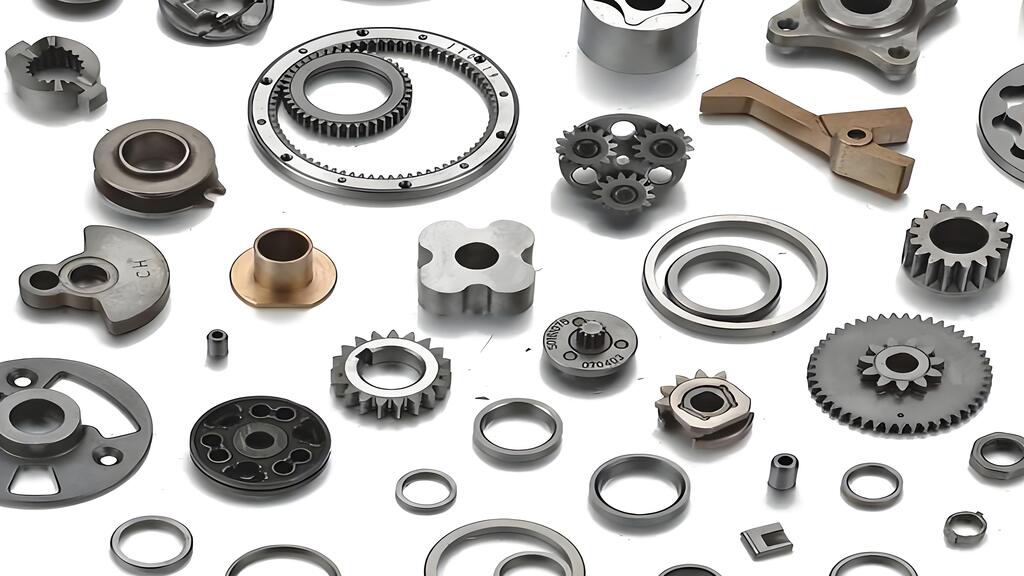


Aerospace Tungsten Alloy Parts Manufacturing Process

The manufacturing of Aerospace Tungsten Alloy Parts demands a precise, multi-stage process. This intricate sequence encompasses careful material preparation, various forming techniques, precision machining, essential heat treatment, and comprehensive quality control. Tungsten alloys are the material of choice for these critical components. They provide exceptional density, superior high-temperature strength, and robust radiation shielding capabilities, making them indispensable for aerospace applications.
Key Takeaways
- Tungsten alloys are very important for aerospace. They are strong, dense, and block radiation well.
- Making tungsten alloy parts requires many steps. These steps include preparing materials, shaping, machining, heat treating, and checking quality.
- Tungsten alloys are hard to machine. They are very hard and can break easily. Special tools and methods are needed.
- Sintering and Hot Isostatic Pressing (HIP) make tungsten parts strong. These steps remove air pockets and make the material very dense.
- Quality checks are very important. They use tests that do not harm the part and tests that break samples. This ensures parts are safe and work well.
- Tungsten alloys are used in many aerospace parts. Examples include counterweights, rocket nozzles, and radiation shields.
- New ways of making tungsten parts are coming. 3D printing and better heating methods will help make new designs and stronger parts.
Why Tungsten Alloys are Essential for Aerospace Tungsten Alloy Parts
Tungsten alloys are indispensable in aerospace engineering due to their unique combination of properties. These characteristics make them ideal for demanding applications where performance and reliability are paramount.
Unique Properties of Tungsten Alloys
High Density and Mass Efficiency
Tungsten alloys possess exceptional density, a critical factor for mass-efficient designs in aerospace. This high density allows engineers to achieve significant mass in a compact volume. For example, various tungsten alloys exhibit impressive densities:
| Material | Density (g/cm³) |
|---|---|
| Tungsten Carbide | 15.6 |
| W-Ni-Fe | 17–18.5 |
| W-Ni-Cu | 17–18.3 |
Tungsten-based heavy metal alloys, including elements like nickel and iron, approach the density of pure tungsten, around 19 g/cm³. These alloys offer strength, ease of shaping, and corrosion resistance.
Exceptional High-Temperature Strength
Tungsten boasts the highest melting point of all metals, approximately 3422°C. This property translates into outstanding strength and structural integrity at extreme temperatures, crucial for components exposed to intense heat.
Superior Radiation Shielding
Tungsten alloys effectively absorb X-rays and gamma rays. Their high atomic number and density provide excellent radiation shielding capabilities, often surpassing lead in efficiency by 30-40%.
Excellent Wear Resistance
The inherent hardness of tungsten alloys provides superior resistance to wear and abrasion. This ensures the longevity and reliability of components operating under harsh conditions.
Key Tungsten Alloy Compositions for Aerospace
Tungsten-Heavy Alloys (WHA)
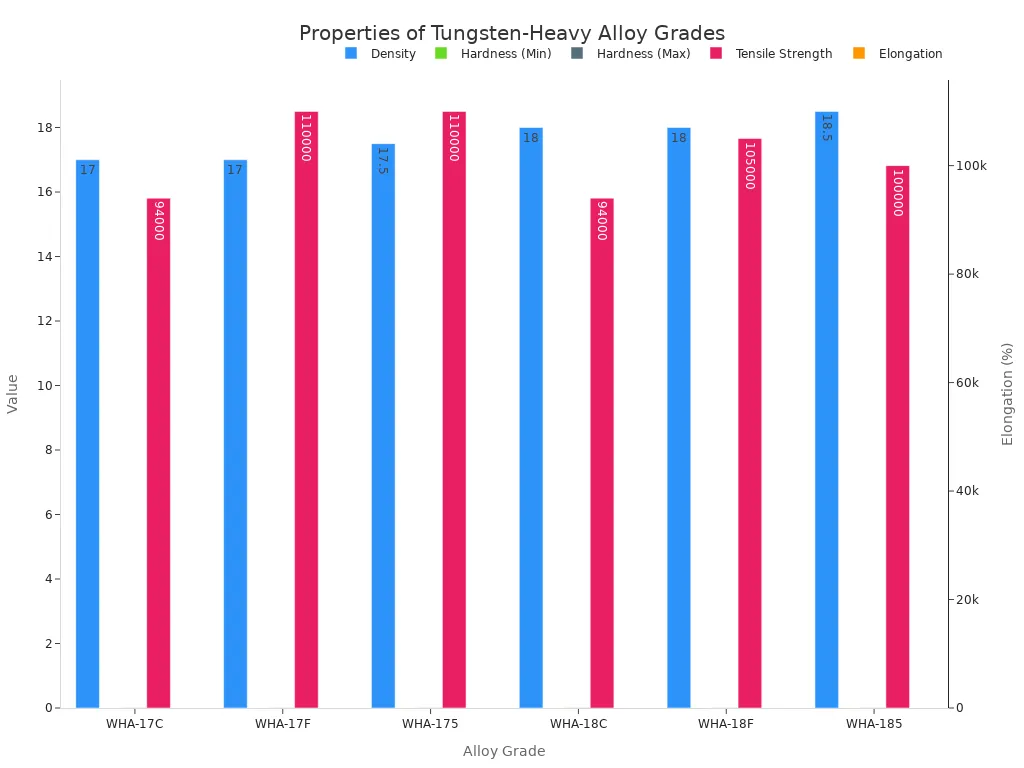
Tungsten-Heavy Alloys (WHAs) are a primary choice for aerospace applications. They typically contain tungsten with small amounts of nickel, iron, or copper. These alloys offer high density, strength, and good machinability.
| Tungsten Heavy Alloy Grade | Alloy Composition | Density (g/cm3) | Hardness (HRC) | Tensile Strength (PSI) | Elongation, % in 1” |
|---|---|---|---|---|---|
| WHA-17C | 90% W, 6% Ni, 4% Cu | 17 | 24~32 | ≥94,000 | >2 |
| WHA-17F | 90% W, 7% Ni, 3% Fe | 17 | 25~32 | ≥110,000 | >5 |
| WHA-175 | 92.5% W, 5.25% Ni, 2.25% Fe | 17.5 | 26~32 | ≥110,000 | >5 |
| WHA-18C | 95% W, 3.5% Ni, 1.5% Cu | 18 | 27~34 | ≥94,000 | >2 |
| WHA-18F | 95% W, 3.5% Ni, 1.5% Fe | 18 | 27~34 | ≥105,000 | >3 |
| WHA-185 | 97% W, 2.1% Ni, 0.9% Fe | 18.5 | 28~35 | ≥100,000 | >2 |
Tungsten-Nickel-Iron Alloys
These alloys are a common type of WHA. They combine tungsten's density with nickel and iron's ductility and strength, making them highly versatile.
Tungsten-Copper Alloys
Tungsten-copper alloys offer an excellent combination of high thermal and electrical conductivity with good wear resistance. They are often used in applications requiring both heat dissipation and structural integrity.
Tungsten-Rhenium Alloys
Tungsten-rhenium alloys are crucial for extremely high-temperature environments. Rhenium additions, typically 3% to 26% by weight, significantly enhance ductility and reduce brittleness while maintaining a high melting point. These alloys also exhibit superior electrical conductivity and excellent thermal stability.
Critical Aerospace Applications of Tungsten Alloys
Counterweights and Ballast Systems
Tungsten alloys serve as essential counterweights in various aerospace components. Their high density allows for precise balancing in confined spaces. Applications include:
- Aircraft control surfaces
- Aircraft rotor blades
- Guidance platforms
- Balancing of flywheels and turbines
- Vibration-damping governors
- Replacements for depleted uranium counterweights in aircraft like the Boeing 747
Rocket Nozzles and Thruster Components
Tungsten's exceptional heat resistance and high melting point make it invaluable for rocket nozzles and thruster components. It withstands the extreme temperatures generated during propulsion. Specific uses include:
- Uncooled rocket nozzles
- Ionic rings for ionic rocket engines
- Nozzles of the American Polaris A-3 missile (using high-temperature tungsten pipe with 10-15% silver penetration)
- Apollo rockets (also utilized tungsten for nozzles)
Radiation Shielding in Spacecraft
Spacecraft require robust protection from cosmic and solar radiation. Tungsten alloys provide effective shielding for sensitive electronics and crew members due to their superior radiation absorption properties.
High-Temperature Structural Components
Beyond nozzles, tungsten alloys form critical high-temperature structural components in engines and other systems where materials must retain strength and integrity under extreme thermal loads.
Material Preparation for Aerospace Tungsten Alloy Parts
The journey of creating high-performance Aerospace Tungsten Alloy Parts begins with meticulous material preparation. This foundational stage ensures the final product meets the stringent demands of aerospace applications.
Raw Material Sourcing and Purification
Tungsten Ore Extraction and Processing
Manufacturers source high-purity tungsten chemicals from virgin tungsten ore concentrates. These concentrates primarily include wolframite, hubnerite, and scheelite. Globally, wolframite and scheelite hold the most economic value for tungsten mining. Wolframite constitutes approximately 30% of total tungsten ore resources, while scheelite makes up about 70%. These global tungsten resources are mainly concentrated in the Alps-Himalaya range and the circum-Pacific Geological belt. Significant reserves exist in Russia, the United States, Canada, and particularly China, which holds about 58% of the world's tungsten reserves.
Chemical Purification for High Purity
After extraction, tungsten undergoes extensive chemical purification to achieve the required purity levels. One method involves alkaline digestion, where tungsten is recovered from mineral ores using sodium carbonate or caustic soda under high pressure and temperature. This process keeps sodium tungstate in solution while impurities like Ca, Fe, and Mn precipitate as hydroxides. Subsequently, solvent extraction removes soluble impurities such as SiO2, P, As, and Mo. Further purification involves redissolution in ammonia, followed by crystallization of ammonium paratungstate (APT), and then calcination. Another advanced technique, Chemical Vapor Deposition (CVD), uses tungsten compound gases, like tungsten hexafluoride (WF6), reduced by hydrogen to deposit ultra-pure tungsten onto a substrate. CVD produces ultra-pure tungsten with exceptional uniformity and density, making it highly suitable for aerospace applications.
Powder Production Techniques
Following purification, various techniques convert the high-purity tungsten into fine powders. These methods are crucial for controlling particle size and morphology, which directly influence the properties of the final alloy.
Powder Blending and Homogenization
Achieving Uniform Composition
Manufacturers carefully blend the purified tungsten powder with alloying elements, such as nickel, iron, or copper, to achieve a uniform composition. This step ensures consistent material properties throughout the final component.
Binder Addition for Green Strength
During blending, they often add organic bindersto the powder mixture. These binders provide "green strength," allowing the compacted powder to maintain its shape before the Sintering Process.
Particle Size Distribution Control
Controlling the particle size distribution is vital for optimal compaction and sintering. For aerospace applications, spherical tungsten powder is available in various particle size distributions, including 0-15μm, 15-53μm, 45-105μm, and 45-150μm. This precise control ensures predictable material behavior.
Compaction Methods for Tungsten Powders
Uniaxial Pressing Techniques
Uniaxial pressing involves compacting powder in a single direction within a die. This method is suitable for simpler geometries and provides a basic level of densification.
Isostatic Pressing (Cold and Hot)
Isostatic pressing offers superior compaction. Cold Isostatic Pressing (CIP) processes refractory metals like tungsten, which are difficult to process with traditional methods. CIP ensures uniform density and strength, leading to uniform shrinkage during sintering. It also improves corrosion resistance and mechanical properties. While CIP cannot produce high-precision parts, it offers low mold costs and good green strength. Hot Isostatic Pressing (HIP) creates materials with extremely high densities and uniform microstructures. HIP significantly enhances material properties, including wear resistance, mechanical strength, and fatigue life, by eliminating internal porosity. It achieves material densities approaching theoretical limits and supports the formation of complex geometries, making it ideal for high-performance components. However, HIP requires high-quality, costly spray-dried powders and has slower production rates.
Powder Injection Molding (PIM) for Complex Geometries
Powder Injection Molding (PIM)is a versatile method for producing complex, near-net-shape components. This technique combines the advantages of plastic injection molding with Powder Metallurgy, allowing for intricate designs that would be challenging to achieve with other compaction methods.
Forming and Sintering of Aerospace Tungsten Alloy Parts
The manufacturing process for Aerospace Tungsten Alloy Parts continues with critical forming and sintering stages. These steps transform compacted powders into dense, strong components. They establish the final microstructure and mechanical properties essential for aerospace applications.
Sintering Process for Consolidation
Sintering is a crucial thermal treatment. It consolidates compacted powder particles into a solid, coherent mass. This process occurs below the melting point of the main constituent.
High-Temperature Consolidation
High temperatures provide the necessary energy for atomic diffusion. This diffusion allows powder particles to bond together. The high temperatures also reduce porosity and increase the density of the material. This leads to a stronger and more stable component.
Liquid Phase Sintering Mechanisms
Liquid phase sintering involves the formation of a liquid phase during heating. This liquid phase wets the solid particles. It facilitates particle rearrangement and mass transport. This mechanism promotes rapid densification. Liquid phase sintering of tungsten heavy alloys typically occurs at high temperatures exceeding 1460 °C. For W-NiTi heavy tungsten alloys, infiltration processes were conducted at specific temperatures of 1400 °C, 1480 °C, and 1560 °C. These processes were carried out under an argon atmosphere. The liquid phase helps fill voids and creates a denser structure.
Solid State Sintering
Solid-state sintering occurs without the formation of a liquid phase. Atoms diffuse through the solid material. They move from particle surfaces to contact points. This process forms strong bonds between particles. It also reduces the overall porosity. Solid state sintering requires higher temperatures or longer times compared to liquid phase sintering to achieve similar densification.
Controlled Atmosphere Requirements
Sintering tungsten alloys demands a controlled atmosphere. This prevents oxidation and contamination. Common atmospheres include hydrogen, dissociated ammonia, or a vacuum. Hydrogen acts as a reducing agent. It removes surface oxides from the tungsten particles. Vacuum sintering removes impurities and gases. It also promotes high purity and density.
Hot Isostatic Pressing (HIP) for Density
Hot Isostatic Pressing (HIP) is a post-sintering treatment. It applies high pressure and high temperature simultaneously. This process further densifies the material.
Eliminating Internal Porosity
HIP effectively eliminates internal porosity. The combined heat and pressure collapse any remaining voids within the material. This results in a near-theoretical density. Removing pores is vital for improving mechanical performance.
Enhancing Material Density
The application of uniform pressure from all directions during HIP significantly enhances material density. This uniform pressure ensures consistent densification throughout the component. It prevents localized stress concentrations.
Improving Mechanical Properties
HIP dramatically improves the mechanical properties of tungsten alloys. It increases tensile strength, ductility, and fatigue resistance. The elimination of porosity removes potential crack initiation sites. This makes the material more robust and reliable.
Mechanical Forming Techniques
After sintering and HIP, manufacturers often use mechanical forming techniques. These techniques refine the microstructure and achieve desired shapes.
Forging and Extrusion for Grain Refinement
Forging and extrusion are hot working processes. They apply compressive forces to reshape the material. These processes break down large grains into smaller, more uniform ones. This grain refinement enhances the strength and toughness of the alloy. Forging creates discrete parts. Extrusion produces continuous profiles.
Rolling and Drawing for Sheets and Wires
Rolling and drawing are processes used to produce specific forms. Rolling reduces the thickness of a material. It creates sheets or plates. Drawing pulls the material through a die. This reduces its cross-sectional area. It produces wires or rods. Both processes align the grain structure. This improves the mechanical properties in the direction of working.
Precision Machining of Aerospace Tungsten Alloy Parts
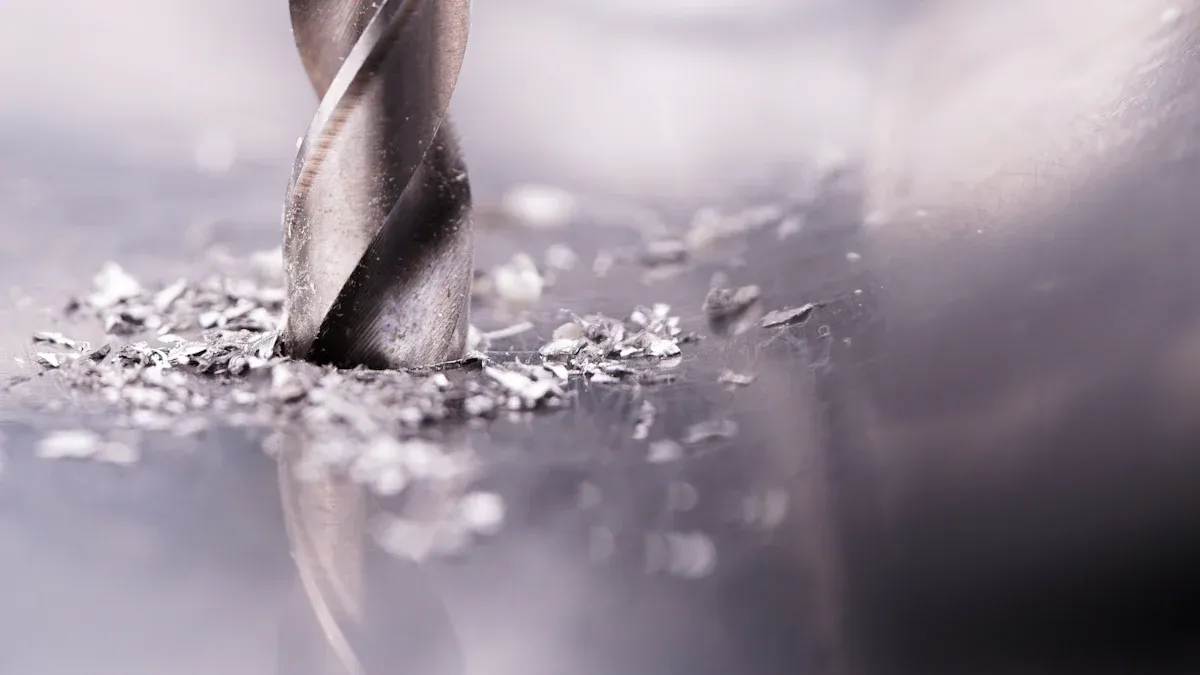
Manufacturing Aerospace Tungsten Alloy Parts requires highly specialized machining processes. Tungsten alloys present unique challenges due to their inherent material properties. Manufacturers must overcome these challenges to produce components with the precision and integrity that aerospace applications demand.
Challenges in Machining Tungsten Alloys
Machining tungsten alloys is a complex task. Their distinct characteristics make them difficult to process using standard methods.
High Hardness and Abrasiveness
Tungsten's extreme hardness significantly complicates cutting and shaping operations. Its Mohs hardness of 7.5 far exceeds that of ordinary steel, which typically ranges from 4 to 4.5. This superior hardness means the material is often orders of magnitude harder than available cutting tools. Consequently, tools experience rapid wear. Standard tools dull almost instantly, necessitating specialized cutting tools like carbide or diamond-coated ones. Machining tungsten also generates significant heat, further contributing to tool degradation.
Low Ductility and Brittleness
Tungsten exhibits considerable brittleness at room temperature. This characteristic often leads to unwanted chipping during machining operations. The brittle nature of tungsten alloys is comparable to gray cast iron, suggesting similar machining approaches for turning speeds and feed rates. Mitigating this brittleness, for example, by heating the material to 500-700°K or cooling it to cryogenic temperatures, often proves impractical for standard machine shops due to specialized equipment requirements. This low ductility makes the material prone to fracturing if not handled carefully.
High Melting Point Considerations
Tungsten boasts the highest melting point of all metals. While beneficial for high-temperature applications, this property also impacts machining. The high melting point contributes to the material's overall strength and resistance to deformation, making it harder to cut. It also means that the material retains heat during machining, which can exacerbate tool wear and require efficient cooling strategies.
Conventional Machining Methods
Despite the challenges, conventional machining methods play a vital role in shaping tungsten alloys. These methods require specialized tools and carefully controlled parameters.
Turning and Milling with Specialized Tools
For turning and boring tungsten, manufacturers recommend positive rake carbide tooling. They use sharp carbide tools, avoiding dull ones to prevent material damage and excessive tool wear. Roughing operations for turning typically use a depth of cut between 0.050" and 0.200". Finishing operations require a shallower depth of cut, ranging from 0.010" to 0.030". For end milling tungsten, climb milling is often recommended where possible, along with solid carbide tools. End milling parameters are similar to those for gray cast iron, but a more conservative approach is always advised.
| Operation | Tooling | Depth of Cut | Feed | Speed (SFPM) | Cooling |
|---|---|---|---|---|---|
| Turning/Boring (General) | C-2 Grade carbide, positive rake, generous nose radius | N/A | N/A | N/A | Air preferred, coolant can be used |
| Turning (Roughing) | C-2 Grade carbide | 0.050″/0.200″ | 0.008″/0.010″ | 250/350 | Air preferred, coolant can be used |
| Turning (Finishing) | C-2 Grade carbide | 0.010″/0.030″ | 0.003″/0.005″ | 250/350 | Air preferred, coolant can be used |
| Milling (General) | Carbide tools | Adjust to depth of cut | 0.003” per tooth (starting) | 75 – 750 | Air preferred, coolant can be used |
| End Milling | Carbide tools | N/A | N/A | N/A | Air preferred, coolant can be used |
Tungsten and its alloys are hard, brittle, and challenging to machine. Their high strength, low ductility, and tendency to work-harden necessitate specialized techniques and equipment. Machining requires a slow and steady approach to prevent cracking and chipping. It also demands sharp, sturdy tools and high-performance fluids or lubricants to mitigate excessive wear. For finish machining, S205, a carbide grade often recommended for nickel-based superalloys, has shown good results. Manufacturers approach the work slowly and steadily, even though some online resources suggest parameters similar to cast iron. A more conservative approach is advised, starting with cutting speeds of 100 to 150 feet per minute. To prevent tool chipping, relatively light feed rates and depths of cut are recommended, potentially half of what is suggested for Inconel as a starting point.
Drilling and Tapping Techniques
Drilling and tapping tungsten alloys also present significant hurdles. The material's hardness and brittleness make it prone to cracking or chipping during these operations. Manufacturers use specialized carbide drills and taps, often employing peck drilling cycles to clear chips and reduce heat buildup. They maintain slow feed rates and use ample lubrication or air blasts to manage heat and chip evacuation effectively.
Grinding and Abrasive Machining
Grinding and abrasive machining methods are crucial for achieving tight tolerances and fine surface finishes on tungsten alloys. These processes use abrasive wheels or belts to remove small amounts of material. They are particularly effective for hard and brittle materials where conventional cutting might cause chipping. Manufacturers often use diamond or silicon carbide abrasives due to their superior hardness. They also employ flood coolants to dissipate heat and prevent thermal damage to the workpiece.
Advanced Machining Techniques
When conventional methods prove insufficient for complex geometries or extremely tight tolerances, advanced machining techniques offer viable solutions.
Electrical Discharge Machining (EDM)
Electrical Discharge Machining (EDM) is an effective non-contact method for machining tungsten alloys. It uses electrical discharges (sparks) to erode material from the workpiece. EDM excels at creating intricate shapes and fine features that are difficult or impossible to achieve with conventional cutting tools. It is particularly useful for hard materials like tungsten because material removal does not depend on hardness. This process minimizes mechanical stress on the workpiece, reducing the risk of cracking or chipping.
Laser Beam Machining (LBM)
Laser Beam Machining (LBM) employs a high-power laser beam to melt and vaporize material. This technique offers exceptional precision and the ability to cut complex geometries with minimal heat-affected zones. LBM is suitable for cutting, drilling, and engraving tungsten alloys, especially when intricate patterns or very small features are required. The non-contact nature of LBM also helps avoid tool wear issues common with conventional methods.
Waterjet Cutting for Precision
Waterjet cutting uses a high-pressure stream of water, often mixed with abrasive particles, to cut through materials. This cold cutting process is ideal for tungsten alloys because it generates no heat, thus preventing thermal distortion or changes in material properties. Waterjet cutting provides high precision and can cut thick sections of tungsten, making it a versatile option for various component sizes and complexities.
Heat Treatment and Surface Finishing of Aerospace Tungsten Alloy Parts
After precision machining, Aerospace Tungsten Alloy Parts undergo crucial heat treatment and surface finishing processes. These steps refine material properties and prepare components for the demanding aerospace environment. They ensure optimal performance and longevity.
Essential Heat Treatment Processes
Heat treatment modifies the microstructure of tungsten alloys. This enhances their mechanical properties and relieves internal stresses.
Stress Relieving and Annealing
Stress relieving reduces internal stresses accumulated during manufacturing. Annealing improves ductility and reduces hardness. These processes make the material more workable and less prone to cracking. They prepare the components for subsequent operations.
Solution Treatment and Aging
Solution treatment involves heating the alloy to dissolve the alloying elements. This creates a uniform solid solution. Subsequent aging, a controlled heating process, precipitates fine particles. These particles enhance strength and hardness. This optimizes the alloy's mechanical performance.
Microstructure Optimization
Heat treatments precisely control grain size and phase distribution. This optimization improves properties like strength, toughness, and fatigue resistance. A refined microstructure ensures consistent material behavior under operational loads.
Surface Preparation Techniques
Proper surface preparation is vital before applying protective coatings or for final assembly. It ensures cleanliness and optimal surface characteristics.
Cleaning and Degreasing
Components undergo thorough cleaning and degreasing. This removes oils, lubricants, and other contaminants from machining. A clean surface is essential for effective coating adhesion and preventing future defects.
Deburring and Polishing
Deburring removes sharp edges and burrs left by machining. Polishing achieves a smooth surface finish. These steps improve component aesthetics and reduce stress concentration points. They also enhance fatigue life.
Abrasive Blasting
Abrasive blasting uses high-velocity abrasive particles. This process cleans and roughens the surface. A slightly roughened surface provides better mechanical interlocking for coatings. This improves adhesion and durability.
Protective Coatings and Treatments
Protective coatings safeguard tungsten alloy components from environmental degradation. They extend service life in harsh aerospace conditions.
Oxidation Resistance Coatings
Tungsten alloys benefit from coatings that resist oxidation at high temperatures. AlTiN (Aluminum Titanium Nitride) and TiAlCrN (Titanium-Aluminum-Chromium Nitride) coatings enhance oxidation resistance. Adding Cr₃C₂ to the carbide matrix also significantly increases resistance to oxidation by acting as a thermal barrier. Researchers have studied CVD-Al2O3 coatings for their oxidation behavior on tungsten substrates at 1000 °C. Ga-Al alloy coatings have also been developed for tungsten wires. These form an outer Al2O3 layer and a liquid metallic Ga-Al bilayer composite coating for superior anti-oxidation performance.
Wear-Resistant Layers
Wear-resistant coatings protect components from abrasion and erosion. These layers increase the hardness of the surface. They reduce friction between moving parts. Chemical Vapor Deposition (CVD) is a low-temperature coating technology. Major United States and European aviation manufacturers widely use it. It is a practical commercial solution for depositing tungsten carbide coatings. This significantly increases the life expectancy of aircraft parts in jet engines across three generations of aircraft. CVD coating applications in the aerospace industry include flap tracks and plate strips, landing gear, catches, hooks, bearings, bushings, pins, and backward thrust rods.
Corrosion Protection
Corrosion protection coatings shield tungsten alloys from chemical attack. They prevent degradation in corrosive environments. These coatings maintain the structural integrity and performance of the components over time.
Quality Control for Aerospace Tungsten Alloy Parts

Manufacturers implement rigorous quality control measures throughout the production of tungsten alloy components. These measures ensure every part meets the strict performance and safety standards required for aerospace applications. They employ both non-destructive and destructive testing methods, alongside precise dimensional analysis.
Non-Destructive Testing (NDT)
Non-destructive testing methods evaluate material integrity without damaging the component. These techniques are crucial for verifying the quality of finished parts.
Ultrasonic Testing for Internal Flaws
Ultrasonic testing uses high-frequency sound waves. Technicians transmit these waves into the material. They then analyze the reflected waves to detect internal flaws like cracks, voids, or inclusions. This method provides detailed information about subsurface defects.
Radiographic Inspection for Density
Radiographic inspection employs X-rays or gamma rays. These rays pass through the component. A detector or film captures the radiation. Variations in material density or the presence of internal defects appear as differences in the image. This technique effectively identifies porosity and material inconsistencies.
Eddy Current Testing for Surface Defects
Eddy current testing uses electromagnetic induction. An alternating current coil generates a magnetic field. This field induces eddy currents in the conductive material. Changes in these currents indicate surface or near-surface defects, such as cracks or corrosion.
Dye Penetrant Inspection
Dye penetrant inspection reveals surface-breaking defects. Technicians apply a liquid dye to the component's surface. The dye seeps into any cracks. After removing excess dye, a developer draws the trapped penetrant out, making the flaws visible.
Destructive Testing Methods
Destructive testing involves testing a sample to its breaking point. These tests provide critical data on material properties.
Tensile and Yield Strength Testing
Tensile testing measures a material's resistance to stretching. A machine pulls a sample until it fractures. This test determines tensile strength, yield strength, and elongation. These values are vital for structural design.
Hardness Testing
Hardness testing measures a material's resistance to permanent deformation. Various methods, like Rockwell or Vickers, indent the surface. The size or depth of the indentation indicates the material's hardness.
Impact and Fatigue Testing
Impact testing assesses a material's toughness. A pendulum strikes a notched sample, measuring the energy absorbed before fracture. Fatigue testing evaluates a material's resistance to repeated stress cycles. It determines how long a component can withstand cyclic loading before failure.
Dimensional Metrology and Analysis
Precise dimensional control is paramount for aerospace components. Advanced tools ensure parts meet exact specifications.
Coordinate Measuring Machines (CMM)
Coordinate Measuring Machines (CMM) provide highly accurate three-dimensional measurements. A probe touches points on the component's surface. Software then generates precise dimensional data. CMMs verify complex geometries and tight tolerances.
Optical Inspection Systems
Optical inspection systems use cameras and advanced software. They perform non-contact dimensional checks. These systems quickly measure features and detect surface imperfections. They are ideal for intricate parts and high-volume inspection.
Surface Roughness Measurement
Surface roughness measurement instruments quantify the texture of a surface. They use a stylus or optical sensor to trace the surface profile. This measurement ensures components have the required finish for optimal performance and reduced friction.
Microstructural Analysis
Microstructural analysis provides critical insights into the internal structure of aerospace tungsten alloy parts. This examination reveals grain size, phase distribution, and the presence of any defects. Manufacturers use these analyses to confirm material quality and predict performance.
Scanning Electron Microscopy (SEM)
Scanning Electron Microscopy (SEM) offers high-resolution images of a material's surface and cross-section. It uses a focused beam of electrons to scan the sample. The electrons interact with the atoms in the sample. This interaction produces various signals. A detector collects these signals. It then forms an image.
SEM provides detailed information about:
- Grain structure: It reveals the size, shape, and orientation of individual grains within the alloy.
- Phase distribution: Manufacturers identify different phases present in the material. This confirms proper alloying and heat treatment.
- Defect identification: SEM detects micro-cracks, voids, and inclusions. These defects can compromise mechanical properties.
This technique helps engineers understand how processing steps influence the final microstructure. It ensures the alloy possesses the desired characteristics for aerospace applications.
Energy Dispersive X-ray Spectroscopy (EDS)
Energy Dispersive X-ray Spectroscopy (EDS) often complements SEM. It analyzes the elemental composition of a sample. When the electron beam from the SEM strikes the sample, it excites atoms. These excited atoms emit characteristic X-rays. The EDS detector measures the energy and intensity of these X-rays. This identifies the elements present. It also determines their relative concentrations.
EDS provides crucial data on:
- Alloy composition: It confirms the precise percentages of tungsten and alloying elements like nickel, iron, or copper.
- Elemental distribution: Manufacturers map the distribution of elements across the microstructure. This ensures homogeneity.
- Contamination detection: EDS identifies unwanted impurities or foreign particles. These contaminants can negatively impact performance.
Together, SEM and EDS offer a comprehensive understanding of the material's microscopic world. They are indispensable tools for ensuring the integrity and reliability of aerospace tungsten alloy components.
Future Trends in Aerospace Tungsten Alloy Parts Manufacturing
The aerospace industry constantly seeks advancements. This drives continuous innovation in tungsten alloy manufacturing. Manufacturers face several challenges. They also explore exciting new technologies.
Current Manufacturing Challenges
Cost of Raw Materials and Processing
Tungsten is a strategic metal. Its extraction and purification processes are complex. This contributes to high raw material costs. The specialized manufacturing steps also add to the overall expense. These factors make tungsten alloy parts expensive to produce.
Machinability and Tool Wear
Tungsten alloys are extremely hard and brittle. This makes them difficult to machine. Cutting tools experience rapid wear. This increases production time and costs. Engineers constantly seek better machining strategies.
Achieving Consistent Microstructure
Maintaining a consistent microstructure across large or complex tungsten alloy parts is challenging. Variations can affect mechanical properties. This impacts part reliability. Manufacturers work to ensure uniformity.
Scaling Production for Complex Parts
Scaling up production for intricate aerospace tungsten alloy components presents difficulties. Tungsten's inherent properties complicate advanced manufacturing methods.
Tungsten's 'brittle nature and tendency to crack during additive manufacturing (AM) present significant challenges.' This inherent material property makes scaling up production of complex aerospace tungsten alloy parts difficult when using AM techniques. This brittleness limits the widespread adoption of some advanced techniques for mass production.
Innovations in Tungsten Alloy Manufacturing
Additive Manufacturing (3D Printing) of Tungsten
Additive manufacturing (AM) offers new possibilities for tungsten alloys. It allows for complex geometries and reduced material waste.
- Electron Beam Powder Bed Fusion (EB-PBF) technology is capable of 3D printing refractory metals, including tungsten and its alloys.
- Refractory metals possess exceptional properties such as resistance to heat, wear, and corrosion, which are highly desirable for aerospace applications.
- EB-PBF offers advantages for printing high-temperature and crack-prone alloys.
- Additive manufacturing is crucial for printing tungsten and other refractory metals/alloys. These advancements promise more efficient production of specialized components.
Advanced Sintering Technologies
New sintering techniques aim to improve density and microstructure. Spark plasma sintering (SPS) and field-assisted sintering technology (FAST) are examples. These methods use electric current and pressure. They achieve rapid densification at lower temperatures.
Novel Alloy Development
Researchers develop new tungsten alloy compositions. They aim for enhanced properties. Recent advancements in tungsten heavy alloy (WHA) processing techniques and their diverse applications, including aerospace, are being reviewed. This includes an overview of conventional methods and their limitations, followed by a discussion of innovative processing approaches such as additive manufacturing, mechanical alloying, and spark plasma sintering, which offer enhanced control over microstructure and property optimization. The review also examines the influence of processing parameters and alloy compositions on final WHA properties, strategies for tailoring microstructures, and insights into recently developed compositions and their potential uses. It also identifies research gaps to guide future development of suitable tungsten heavy alloys for various applications.
- Novel refractory metals, including those based on tungsten, niobium, and molybdenum, show promise.
- Developing stronger tungsten alloys for aerospace and defense applications is a key focus.
- Developing lighter tungsten alloys for aerospace and defense applications is also important.
- Exploring new tungsten composites enhances energy efficiency and durability.
Enhanced Machining Strategies
New machining strategies address tungsten's hardness and brittleness. These include advanced cutting tool materials and optimized machining parameters. Non-conventional methods like laser-assisted machining also show potential.
Sustainability and Environmental Considerations
Recycling and Resource Efficiency
The high cost and scarcity of tungsten drive recycling efforts. Efficient recycling reduces reliance on virgin materials. It also minimizes environmental impact.
Energy Consumption in Production
Tungsten alloy production is energy-intensive. Manufacturers explore more energy-efficient processes. This reduces the carbon footprint of these critical components.
Responsible Sourcing Practices
Aerospace companies prioritize responsible sourcing. They ensure tungsten comes from ethical and sustainable mines. This supports environmental protection and fair labor practices.
The manufacturing of Aerospace Tungsten Alloy Parts represents a highly specialized and intricate process. Tungsten alloys prove indispensable for advancing aerospace technology, thanks to their unique properties.
Continuous innovation in manufacturing processes remains crucial for meeting future aerospace demands.
Ultimately, precision and expertise are paramount in producing these critical components.
FAQ
What makes tungsten alloys essential for aerospace applications?
Tungsten alloys offer exceptional density, superior high-temperature strength, and robust radiation shielding. These unique properties are critical for components operating in extreme aerospace environments. 🚀
Why is machining tungsten alloy parts so challenging?
Tungsten alloys are extremely hard and brittle. This causes rapid tool wear and makes them prone to chipping during machining. Their high melting point also adds to the difficulty of processing.
How does the sintering process improve tungsten alloy parts?
Sintering consolidates compacted tungsten powder into a solid, dense mass. This thermal treatment reduces porosity and increases material strength. It forms strong bonds between particles, enhancing overall part integrity.
What is the purpose of Hot Isostatic Pressing (HIP) in manufacturing?
Hot Isostatic Pressing (HIP) eliminates internal porosity in tungsten alloy parts. It applies high pressure and temperature simultaneously. This process significantly enhances material density and improves mechanical properties like strength and ductility.
How do manufacturers ensure the quality of aerospace tungsten alloy parts?
Manufacturers implement rigorous quality control. They use non-destructive tests, such as ultrasonic and radiographic inspection, to detect flaws. Destructive tests, like tensile and hardness testing, also verify material properties. 🔍
What are some critical aerospace applications for tungsten alloys?
Tungsten alloys serve as counterweights and ballast systems due to their high density. They are also vital for rocket nozzles, thruster components, and radiation shielding in spacecraft, enduring extreme conditions.
What future trends are emerging in tungsten alloy manufacturing?
Additive manufacturing (3D printing) of tungsten is a key trend. Advanced sintering technologies and novel alloy development also show promise. These innovations aim to overcome current manufacturing challenges and enhance performance.