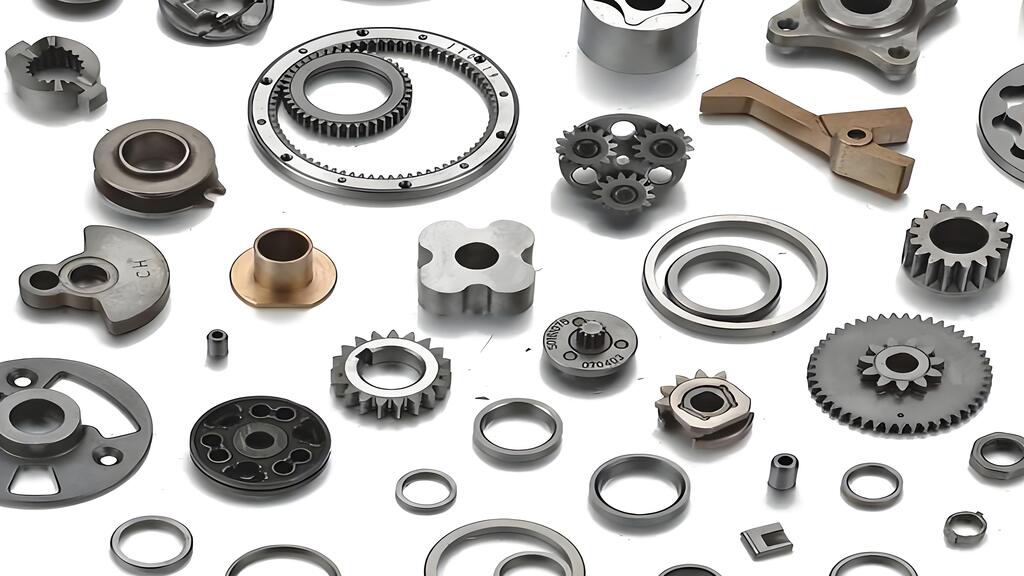


Sintered Bronze Bearings vs Sintered Iron Bearings
Sintered bronze bearings offer superior corrosion resistance and quieter operation. Sintered iron bearings provide higher strength and cost-effectiveness. The choice between these materials hinges on specific application demands for load, environment, and budget. The global market for sintered bearings is significant. It reached USD 4.5 Billion in 2024. Analysts forecast this market will grow to USD 6.9 Billion by 2030, showing a Compound Annual Growth Rate (CAGR) of 6.8%. This robust growth underscores the critical need for informed material selection.
| Metric | Value |
|---|---|
| Market Size in 2024 | USD 4.5 Billion |
| Revenue Forecast in 2030 | USD 6.9 Billion |
| Overall Growth Rate (2024-2030) | CAGR of 6.8% |
Key Takeaways
- Sintered bearings are self-lubricating. They use oil stored in tiny pores.
- Sintered bronze bearings resist rust well. They work quietly.
- Sintered iron bearings are very strong. They cost less money.
- Choose bronze bearings for wet places. They are good for quiet machines.
- Choose iron bearings for heavy loads. They are good for strong machines.
- Both types of bearings need little care. They lubricate themselves.
- The global market for sintered bearings is growing fast. It will reach $6.9 billion by 2030.
Understanding Sintered Bearings
The Sintering Process
Powder Metallurgy Fundamentals
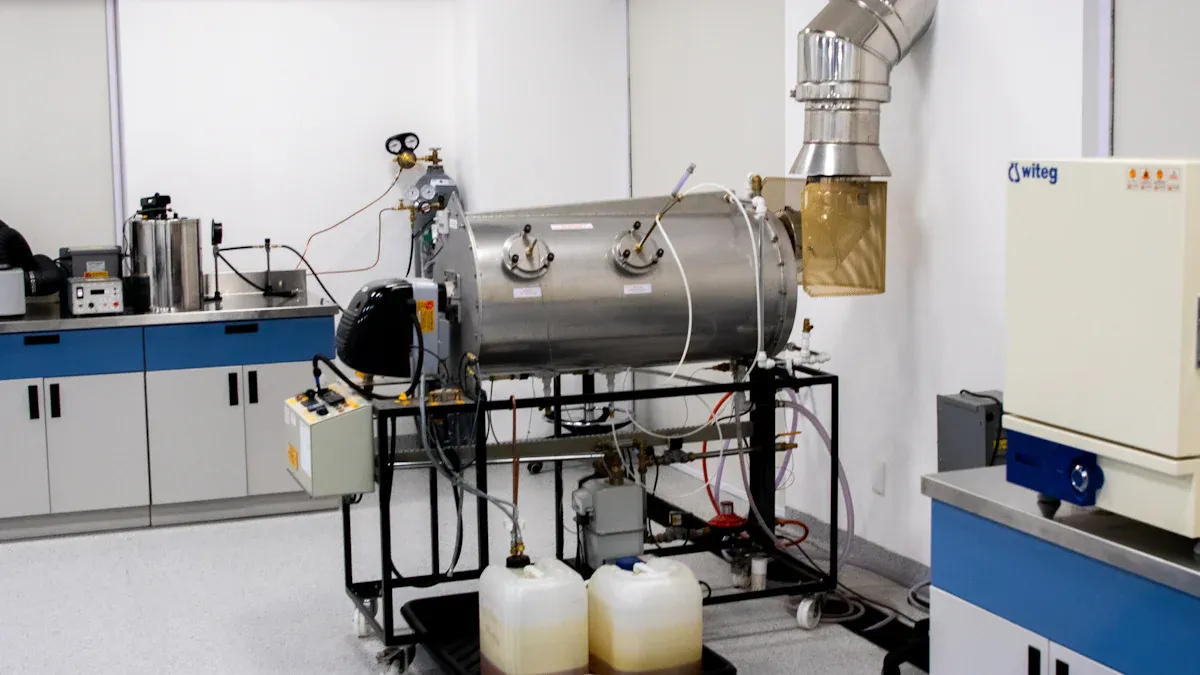
Sintered bearings originate from a process called Powder Metallurgy. This manufacturing method involves compacting fine metal powders into a desired shape. Manufacturers then heat this compacted shape to a high temperature below the metal's melting point. This heating process, known assintering, bonds the individual powder particles together. The result is a solid, yet porous, component. This technique allows for the creation of complex shapes with precise dimensions.
Porosity and Oil Impregnation
The Sintering process inherently creates a network of interconnected pores within the bearing material. These tiny voids are crucial for the bearing's function. Manufacturers fill these pores with lubricating oil through a vacuum impregnation process. This oil saturates the porous structure. Voids in sintered bronze, for example, effectively retain lubricating oil. They release this oil to the bearing surface during operation, enabling self-lubrication. Porous materials overcome limitations of conventional lubrication by storing lubricants. This storage is vital for a continuous supply in extreme or hard-to-reach conditions. Engineers can control pore size, concentration, and distribution. They achieve this through specific fabrication techniques, optimizing additives, and using pore-forming agents.
Self-Lubricating Mechanism
Oil Retention and Release
Sintered bearings are renowned for their self-lubricating properties. The oil held within the bearing's pores acts as a built-in lubrication system. When the bearing operates, friction generates heat. This heat causes the oil to expand and flow out of the pores onto the bearing surface. This action creates a thin film of lubricant between the bearing and the shaft. Stored lubricants significantly reduce friction, especially under extreme conditions. They release during sliding when a load is applied. When the bearing stops, the oil cools and is drawn back into the pores by capillary action. This reabsorption of lubricant under static conditions enhances its recyclability. The effectiveness of the lubricant is also influenced by ambient temperature.
Maintenance-Free Operation
This continuous cycle of oil release and reabsorption makes sintered bearings largely maintenance-free. Users do not need to add external lubricants regularly. This feature is particularly beneficial in applications where access for maintenance is difficult or impossible. It also reduces operational costs and extends the lifespan of machinery. The self-lubricating mechanism ensures consistent performance and reliability over long periods.
Sintered Bronze Bearings: Characteristics and Performance
Material Composition and Manufacturing of Sintered Bronze Bearings
Bronze Powder Formulation
Sintered bronze bearings primarily consist of copper and tin. A common composition uses approximately 10% tin and 90% copper. This specific blend is widely available and not considered expensive. This formulation provides a good balance of properties for bearing applications.
Sintering and Impregnation Techniques
The manufacturing process for these bearings involves powder metallurgy. Manufacturers compact bronze powder into the desired shape. They then heat this compact below the melting point in a process called sintering. Sintering enhances the strength of the bronze powder. It also creates a porous structure. After sintering, manufacturers impregnate the pores with lubricating oil. This oil impregnation is crucial for the bearing's self-lubricating properties.
Key Properties of Sintered Bronze Bearings
Inherent Corrosion Resistance
Sintered bronze bearings offer excellent resistance to corrosion. This property makes them suitable for various environments. Oil-impregnated bronze bushings resist corrosion, wear, and impact. SAE841 Sintered Bronze bearings are oil-impregnated. They can be used in applications requiring food-grade quality. They also suit both high and low speeds, as well as high and low temperatures, depending on the oil used.
Excellent Thermal Conductivity
Bearings need high thermal conductivity. This allows heat generated by friction to dissipate from the bearing surface. Managing bearing surface temperature is crucial for long bearing life. Sintered bronze bearings are noted for their high porosity. This porosity effectively traps lubricants. This ensures continuous lubrication.
| Bearing Material | Thermal Conductivity |
|---|---|
| Aluminum Alloys | High |
| Silver | High |
| Plastics (nylon, acetal, PTFE, phenolic, polyamide, high-density polyethylene, polycarbonate) | Low |
| Sintered Bronze | Good (due to copper content and porosity aiding heat transfer) |
Low Friction Coefficient
Sintered bronze bearings exhibit a low friction coefficient. The impregnated oil creates a continuous lubricating film. This film reduces metal-to-metal contact. This low friction contributes to efficient operation and reduced wear.
Moderate Load Capacity
Sintered bronze bearings handle moderate load capacities effectively. Their design and material properties support a range of applications. They perform well under typical operating conditions.
Advantages of Sintered Bronze Bearings
Quiet Operation and Vibration Damping
Sintered bronze bearings offer quiet operation. They also provide effective vibration damping. Their porous structure and voids absorb and dissipate vibration energy and sound waves. This leads to reduced noise. Friction between metal powder particles further dampens vibrations. The porous nature allows for a better fit between components. This minimizes vibration from gaps. Lubricants in the pores reduce metal-to-metal contact, a primary source of noise. Lubricant films also contribute to damping.
Suitability for Corrosive Environments
These bearings are highly suitable for corrosive environments. Their inherent corrosion resistance protects them from degradation. This makes them ideal for industrial applications like conveyor systems, pumps, and machinery.
Consistent Self-Lubrication
Sintered bronze bearings provide consistent self-lubrication. The pores effectively trap lubricants through capillary action. This ensures continuous lubrication throughout the bearing's lifespan. This feature offers significant advantages, especially for low-speed applications. It reduces maintenance costs.
Good for Low to Moderate Speeds
Sintered bronze bearings perform well at low to moderate speeds. Their self-lubricating mechanism ensures reliable operation. This makes them a preferred choice for many applications within this speed range.
Disadvantages of Sintered Bronze Bearings
Higher Material Cost
Sintered bronze bearings often present a higher initial material cost compared to their iron counterparts. Bronze, an alloy primarily of copper and tin, uses more expensive raw materials than iron. This cost difference can influence the overall budget for certain applications. Manufacturers must consider this factor during the design and procurement phases.
Lower Compressive Strength
Bronze inherently possesses lower compressive strength than iron. This characteristic means sintered bronze bearings cannot withstand extremely heavy loads or significant shock impacts as effectively as sintered iron bearings. Applications requiring very high load-bearing capabilities might find bronze bearings less suitable. Engineers must assess the maximum load requirements carefully when selecting bearing materials.
Limited High-Temperature Performance
Sintered bronze bearings exhibit limitations in very high-temperature environments. Prolonged exposure to extreme heat can affect the mechanical properties of bronze. It can also degrade the lubricating oil impregnated within the pores. This degradation can lead to reduced bearing life and compromised performance. Designers should evaluate the operating temperature range of the application to ensure optimal bearing selection.
Typical Applications for Sintered Bronze Bearings
Small Motors and Consumer Appliances
Sintered bronze bearings find widespread use in small electric motors. They also appear in various consumer appliances. Examples include fans, blenders, washing machines, and vacuum cleaners. Their quiet operation and self-lubricating properties make them ideal for these household items.
Office Equipment and Medical Devices
Many types of office equipment benefit from sintered bronze bearings. Printers, copiers, and paper shredders often incorporate them. In the medical field, these bearings are crucial for precision instruments. They appear in dental tools, laboratory equipment, and small diagnostic devices. Their consistent performance and low friction are highly valued here.
Automotive Auxiliary Components
The automotive industry utilizes sintered bronze bearings in numerous auxiliary components. These include electric window motors, windshield wiper mechanisms, and small pumps. Their reliability and maintenance-free nature contribute to the longevity and smooth operation of these parts.
Precision Instruments
Precision instruments frequently rely on sintered bronze bearings. These bearings offer the necessary low friction and smooth operation for accurate movement. They are found in gauges, meters, timers, and other devices where precise rotational motion is critical. Their ability to operate without external lubrication is a significant advantage in these sensitive applications.
Sintered Iron Bearings: Characteristics and Performance
Material Composition and Manufacturing of Sintered Iron Bearings
Iron Powder Formulations
Sintered iron bearings primarily use iron powder. Manufacturers often blend this iron powder with other elements. Common additions include copper, carbon, and nickel. These additives enhance specific mechanical properties. For example, copper improves strength and hardness. Carbon, in the form of graphite, increases hardness and wear resistance. Nickel can boost toughness and corrosion resistance. The precise formulation depends on the desired performance characteristics for the final bearing.
Sintering and Oil Impregnation for Iron Bearings
The manufacturing process for sintered iron bearings mirrors that of bronze. First, manufacturers compact the iron powder blend into a mold. This creates a "green" compact. Next, they heat this compact in a controlled atmosphere below iron's melting point. This sintering process bonds the powder particles. It forms a strong, porous structure. Finally, manufacturers impregnate the porous iron with lubricating oil. This oil fills the interconnected pores. It provides the self-lubricating function essential for bearing operation.
Key Properties of Sintered Iron Bearings
High Mechanical Strength
Sintered iron bearings exhibit high mechanical strength. This makes them suitable for demanding applications. Their yield strength, for instance, shows their resistance to permanent deformation. An FC-0205-30 material (iron-based with ~2% copper and ~0.5% carbon) achieves a yield strength of about 240 MPa after sintering. An FC-0208-50 material (iron-based with ~2% copper and ~0.8% carbon) reaches approximately 380 MPa.
| Property | Material (Composition) | Value (after sintering) |
|---|---|---|
| Yield Strength | FC-0205-30 (~2% Cu, ~0.5% C) | ~240 MPa |
| Yield Strength | FC-0208-50 (~2% Cu, ~0.8% C) | ~380 MPa |
| Fatigue Limit | FC-0208-50 (~2% Cu, ~0.8% C) | ~160 MPa (RBF, 90% survival) |
| Fatigue Limit | FL-4405-40 (~4% Ni, ~4% Cu, ~0.5% C) | ~190 MPa (as-sintered) |
Sintered iron bearings also demonstrate good fatigue strength. This represents their resistance to cyclic stress. FC-0208-50 shows an RBF fatigue limit of about 160 MPa. FL-4405-40 (~4% Ni, ~4% Cu, ~0.5% C) delivers roughly 190 MPa in the as-sintered state. Additions like 1-4% nickel can improve impact resistance.
Magnetic Properties
Iron is a ferromagnetic material. Therefore, sintered iron bearings possess magnetic properties. This characteristic can be an advantage or a disadvantage. It depends on the specific application. For some motors or sensors, magnetic properties are desirable. In other cases, they might require shielding or alternative materials.
Wider Operating Temperature Range
Sintered iron bearings generally tolerate a wider operating temperature range than bronze. Their iron base material maintains structural integrity at higher temperatures. This makes them suitable for environments where heat generation is significant. The choice of impregnating oil also plays a role in the effective temperature limits.
Cost-Effective Material
Iron is a more abundant and less expensive raw material than copper or tin. This makes sintered iron bearings a cost-effective choice. Their lower material cost contributes to more economical production. This is particularly beneficial for high-volume manufacturing.
Advantages of Sintered Iron Bearings
Superior Load-Bearing Capability
Sintered iron bearings offer superior load-bearing capability. Their inherent strength allows them to handle heavier loads. Sintered steel bushings, for example, provide higher tensile strength and load capacity than sintered bronze bushings. This makes them better suited for high-load applications.
Resistance to Shock Loads
These bearings demonstrate excellent resistance to shock loads. Their robust structure absorbs sudden impacts effectively. This makes them ideal for machinery experiencing frequent jolts or vibrations.
Cost-Effectiveness in Production
The use of iron powder makes these bearings highly cost-effective. This reduces overall production expenses. Manufacturers can produce them in large quantities economically.
Durability in Demanding Conditions
Sintered iron bearings offer high durability. They perform reliably in demanding industrial and automotive settings. Their strength and resistance to wear ensure a long service life.
Disadvantages of Sintered Iron Bearings
Lower Corrosion Resistance
Sintered iron bearings generally exhibit lower corrosion resistance compared to sintered bronze bearings. Iron is more susceptible to rust and oxidation when exposed to moisture or corrosive environments. This characteristic limits their use in applications where the bearing might encounter water, chemicals, or high humidity. Engineers must consider environmental factors carefully when selecting iron bearings.
Higher Friction Characteristics
Sintered iron bearings often present higher friction characteristics than their bronze counterparts. The material properties of iron contribute to this difference. The coefficient of friction can vary based on lubrication and mating materials. For example, a sintered bronze bearing operating against steel with grease typically shows a coefficient of friction around 0.13.
| Material 1 | Material 2 | Lubrication | Coefficient of Friction |
|---|---|---|---|
| Bronze - sintered | Steel | Grease | 0.13 |
Under mild sliding conditions, copper-based alloys, including bronze, often show superior friction properties. However, under severe sliding conditions, iron-based alloys can demonstrate better properties as a friction material. They exhibit low wear and stable friction in such demanding scenarios. For typical bearing applications focused on minimizing friction, bronze often holds an advantage.
Potential for Increased Noise
Sintered iron bearings can produce more noise during operation than sintered bronze bearings. The inherent material properties of iron contribute to this. Iron is generally less effective at damping vibrations and sound. This can lead to a louder operational profile, which may be a concern in noise-sensitive applications.
Typical Applications for Sintered Iron Bearings
Heavy-Duty Industrial Machinery
Sintered iron bearings are ideal for heavy-duty industrial machinery. Their high strength and load capacity make them suitable for equipment like presses, conveyors, and large pumps. These bearings withstand the rigorous demands of continuous industrial operation.
Agricultural and Construction Equipment
Agricultural and construction equipment often uses sintered iron bearings. Tractors, excavators, and bulldozers require robust components. These bearings handle heavy loads, shock impacts, and harsh outdoor conditions effectively. They provide durability and reliability in challenging environments.
Automotive Transmissions and Engines
The automotive industry widely employs sintered iron bearings in transmissions and engines. Their ability to withstand high temperatures and significant loads is crucial. They ensure smooth operation and longevity in critical powertrain components.
Power Tools and Gearboxes
Power tools and gearboxes also benefit from sintered iron bearings. Drills, saws, and other power tools experience high rotational speeds and varying loads. Gearboxes in various machines rely on these bearings for their strength and wear resistance. They contribute to the efficiency and lifespan of these devices.
Direct Comparison: Sintered Bronze Bearings vs Sintered Iron Bearings
Strength and Load Capacity Comparison
Compressive Strength Differences
Sintered iron bearings offer significantly higher compressive strength. They resist crushing forces better than sintered bronze bearings. This makes iron bearings ideal for applications with heavy static loads. They maintain their shape and integrity under extreme pressure. Bronze bearings, conversely, possess lower compressive strength. They can deform more easily when subjected to very high, sustained loads. Engineers must consider the maximum expected load when choosing between these materials.
Dynamic Load Rating Variations
Iron bearings also excel in handling dynamic loads. They show greater resistance to fatigue from repeated stress cycles. This includes absorbing shock loads and dampening vibrations effectively. Their robust nature allows them to perform reliably in demanding, high-impact environments. Sintered Bronze Bearings perform well under moderate dynamic loads. However, they may not withstand severe, continuous impacts or very high-frequency vibrations as effectively as their iron counterparts.
Corrosion Resistance and Environmental Suitability
Performance in Humid Conditions
Sintered bronze bearings offer superior corrosion resistance. Their primary component, copper, naturally resists rust and oxidation. This makes them an excellent choice for applications in moist, humid, or even wet environments. They maintain performance and longevity without significant degradation. Sintered iron bearings are susceptible to rust. Iron oxidizes readily when exposed to moisture. They often require protective coatings or specific operating conditions to prevent corrosion in humid settings.
Chemical Compatibility Considerations
Bronze bearings generally show better resistance to mild chemicals. They maintain their structural integrity and performance in the presence of various industrial fluids and less aggressive chemical agents. This broadens their application scope in certain manufacturing processes. Iron bearings can corrode when exposed to specific chemicals. Engineers must carefully evaluate the chemical environment. They may need to select specialized iron alloys or apply protective treatments for chemical compatibility.
Cost-Effectiveness and Economic Factors
Raw Material Cost Differences
The cost of raw materials represents a significant differentiator between these two bearing types. Bronze powder typically costs between $20 and $40 per kilogram. However, specialized, high-purity, or spherical bronze powder, often used in advanced manufacturing like 3D printing, can range from $120 to $250 per kilogram. This price varies based on particle size, purity, and supplier. Iron powder is considerably less expensive. This substantial difference in raw material cost directly impacts the final price of the bearings.
Manufacturing Process Cost Implications
Both sintered bronze and sintered iron bearings utilize powder metallurgy. The core manufacturing steps, including compaction, sintering, and oil impregnation, are similar for both. However, the lower raw material cost of iron makes sintered iron bearings more economical to produce. This cost advantage becomes particularly significant in high-volume manufacturing scenarios. The overall production cost for Sintered Bronze Bearings is generally higher due to the more expensive base materials.
Operating Conditions and Performance Metrics
Temperature Limit Contrasts
Sintered bronze and sintered iron bearings perform differently across various temperature ranges. Sintered bronze bearings generally operate effectively up to a certain temperature. Their copper content and the type of impregnated oil determine this limit. Sintered iron bearings, however, often tolerate slightly higher temperatures. Their iron base material maintains structural integrity at elevated heat. The choice of lubricating oil also significantly influences the maximum operating temperature for both types.
| Bearing Type | Maximum Operating Temperature |
|---|---|
| Sintered Bronze | +200°F |
| Sintered Iron | +220°F |
This table shows a slight advantage for sintered iron in terms of temperature tolerance. Engineers must carefully consider the application's thermal environment. They select the bearing material and lubricant that best suit the expected heat conditions.
Speed Capabilities and Limitations
Each bearing type has specific speed capabilities. Sintered bronze bearings generally perform well at low to moderate speeds. Their self-lubricating mechanism ensures consistent oil film formation at these speeds. This allows for smooth and reliable operation. However, at very high speeds, the heat generated can sometimes exceed the oil's ability to lubricate effectively. This can lead to increased wear. Sintered iron bearings can often handle higher speeds due to their greater mechanical strength and thermal stability. They resist deformation better under the stresses of rapid rotation. However, their higher friction characteristics at certain speeds might require careful lubrication management.
Noise and Vibration Characteristics
Sintered bronze bearings are known for their quiet operation. Their porous structure effectively dampens vibrations and absorbs sound. This makes them a preferred choice for applications where noise reduction is critical. The inherent properties of bronze also contribute to a smoother, quieter performance. Sintered iron bearings, conversely, can generate more noise during operation. Iron is less effective at dampening vibrations. This can result in a louder operational profile. Designers must consider noise levels, especially in consumer products or sensitive environments.
Wear and Friction Behavior
Coefficient of Friction Comparison
The coefficient of friction is a critical performance metric for bearings. Sintered bronze bearings typically exhibit a lower coefficient of friction. The continuous oil film provided by their self-lubricating mechanism reduces metal-to-metal contact. This results in less friction and smoother movement. Sintered iron bearings generally have a higher coefficient of friction. The material properties of iron contribute to this difference. While the impregnated oil still provides lubrication, the base material's characteristics mean they might experience more frictional resistance. For example, a sintered bronze bearing operating against steel with grease typically shows a coefficient of friction around 0.13.
| Material 1 | Material 2 | Lubrication | Coefficient of Friction |
|---|---|---|---|
| Bronze - sintered | Steel | Grease | 0.13 |
This lower friction in bronze bearings translates to less heat generation and improved energy efficiency in many applications.
Expected Wear Rates
Wear rates directly relate to a bearing's lifespan and reliability. Sintered bronze bearings generally exhibit good wear resistance, especially in their optimal operating conditions. Their low friction and consistent lubrication minimize surface degradation. This leads to a longer service life in appropriate applications. Sintered iron bearings, with their higher mechanical strength, also offer good wear resistance, particularly under heavy loads and shock conditions. However, their higher friction characteristics can sometimes lead to increased wear if not properly lubricated or if operating outside their ideal parameters. The specific additives in the iron powder formulation also play a significant role in determining the final wear rate.
Selecting the Optimal Sintered Bearing for Your Application
Choosing the correct sintered bearing involves a systematic evaluation of application-specific needs. Engineers must weigh various factors to ensure optimal performance, longevity, and cost-effectiveness. This decision-making process requires a deep understanding of both sintered bronze and sintered iron bearing characteristics.
Evaluating Application Requirements
Load and Speed Demands
Engineers must first determine the precise load and speed demands of an application. Sintered iron bearings excel under high static and dynamic loads due to their superior compressive strength. They resist deformation and fatigue effectively in heavy-duty scenarios. Conversely, sintered bronze bearings perform best with moderate loads and lower to moderate speeds. Their inherent properties support consistent lubrication and smooth operation within these parameters. Misjudging these demands can lead to premature bearing failure or inefficient operation.
Environmental Exposure Factors
The operating environment significantly influences bearing selection. Applications exposed to moisture, chemicals, or corrosive agents often benefit from sintered bronze bearings. Bronze naturally resists rust and oxidation, ensuring greater longevity in such conditions. Sintered iron bearings, however, are more susceptible to corrosion. They may require protective coatings or specific environmental controls if used in humid or chemically aggressive settings. Temperature extremes also play a role; sintered iron generally tolerates a slightly wider operating temperature range.
Desired Lifespan and Reliability
The required lifespan and reliability of the component are crucial considerations. For applications demanding extended, maintenance-free operation, the self-lubricating nature of both bearing types offers advantages. However, the specific material choice impacts overall durability. Sintered iron bearings often provide greater reliability in high-stress, high-load environments due to their robust mechanical properties. Sintered bronze bearings offer consistent performance in less demanding, precision-oriented applications where quiet operation and corrosion resistance are paramount.
Prioritizing Performance Characteristics
Balancing Durability with Cost
Engineers frequently face the challenge of balancing bearing durability with manufacturing cost. Achieving this balance requires strategic approaches. Quantitative analysis tools, such as performance indices, allow for comparing materials based on multiple criteria. These tools help optimize selection by balancing competing properties. Ashby Charts provide a visual comparison of materials across various properties. They aid engineers in identifying optimal materials during initial screening. Material selection software integrates property databases with analysis tools. This enables rapid comparison and ranking of materials while incorporating cost and manufacturing considerations.
Design and lifecycle considerations also guide material selection. Design for Manufacturability (DFM) balances performance with ease of production and assembly. This can lead to choosing materials easier to process. Life Cycle Analysis (LCA) evaluates long-term trade-offs. It considers initial costs, performance, and sustainability over a product's lifespan. This analysis can justify selecting more expensive materials if they offer longer lifespans or lower maintenance needs. Sometimes, a stronger but more expensive material can lower overall manufacturing costs. It reduces the quantity needed or enables savings in other assembly components. Engineers can also consider using less expensive materials and enhancing them with coatings or heat treatments. This achieves the desired surface properties or performance.
Noise Sensitivity vs. Strength Needs
Some applications prioritize quiet operation, while others demand maximum strength. Sintered bronze bearings excel in noise-sensitive environments. Their porous structure effectively dampens vibrations and absorbs sound, leading to quieter performance. This makes them ideal for consumer appliances and office equipment. Sintered iron bearings, with their higher mechanical strength, are better suited for applications where load-bearing capacity and resistance to shock are critical. However, they may generate more noise due to iron's lower vibration-damping capabilities. Designers must weigh these trade-offs carefully based on the application's specific requirements.
Conducting a Comprehensive Cost-Benefit Analysis
Initial Investment vs. Long-Term Savings
A thorough cost-benefit analysis considers both the initial investment and potential long-term savings. While sintered iron bearings typically have a lower initial material cost, sintered bronze bearings might offer long-term savings in specific scenarios. For instance, bronze's superior corrosion resistance can reduce maintenance and replacement expenses in harsh environments. Higher upfront costs for better quality can often reduce long-term maintenance and replacement expenses. Engineers must evaluate the total cost of ownership, not just the purchase price.
Maintenance and Replacement Considerations
The maintenance and replacement requirements significantly impact the overall cost-benefit analysis. Both sintered bronze and sintered iron bearings offer self-lubricating properties, reducing the need for external lubrication. However, other factors influence maintenance. Engineers must consider the bushing's ability to dampen vibrations and reduce noise, especially in sensitive applications. They also assess the optimal temperature range for the bushing's performance, as extreme temperatures can affect material properties. Ensuring the bushing material is resistant to chemicals in the operating environment prevents corrosion. The table below summarizes key characteristics for sintered bronze bearings, which influence maintenance and replacement:
| Characteristic | Sintered Bronze (with lubrication) |
|---|---|
| Static Load Capacity | Medium (e.g., up to 100 N/mm²) |
| Dynamic Load Capacity | Medium to High |
| Max. Sliding Speed | Very High |
| Max. PV Limit | High |
| Temperature Range | Moderate (-20°C to +100°C) |
| Corrosion Resistance | Good (with oil protection) |
| Maintenance Requirement | Low (Requires re-oiling) |
| Suitability for Edge Loads | Poor |
Carefully evaluating and avoiding overly tight tolerances also helps manage costs. Each additional decimal place can significantly increase production costs. This is due to slower processes, more expensive machinery, and increased inspection requirements. Configuring assemblies to minimize tolerance stack-ups or incorporating compliance can help manage these costs.
Sintered bronze bearings offer excellent corrosion resistance and quiet operation. They suit precision applications with moderate loads. Sintered iron bearings provide superior strength and higher load capacity. They are cost-effective for heavy-duty industrial uses. Engineers must balance performance needs, environmental factors, and budget constraints. Understanding these distinctions helps optimize product performance and longevity.
FAQ
What is a sintered bearing?
Sintered bearings are self-lubricating components. Manufacturers create them from metal powders through compaction and heating. This process forms a porous structure. They impregnate these pores with oil for continuous lubrication.
What is the main difference between sintered bronze and sintered iron bearings?
Sintered bronze bearings offer superior corrosion resistance and quieter operation. Sintered iron bearings provide higher strength and cost-effectiveness. The choice depends on specific application needs.
Which bearing is better for high loads?
Sintered iron bearings are better for high loads. They possess higher mechanical strength and compressive strength. This allows them to withstand heavy static and dynamic forces more effectively.
Which bearing is better for corrosive environments?
Sintered bronze bearings are better for corrosive environments. Bronze naturally resists rust and oxidation. This makes them suitable for applications exposed to moisture or chemicals.
Are sintered bearings maintenance-free?
Yes, sintered bearings are largely maintenance-free. Their porous structure retains lubricating oil. This oil releases during operation and reabsorbs when stopped. This provides continuous self-lubrication.
Which bearing is more cost-effective?
Sintered iron bearings are generally more cost-effective. Iron powder is less expensive than bronze powder. This leads to lower raw material and production costs.
Can sintered bearings operate at high temperatures?
Both types operate at elevated temperatures. Sintered iron bearings typically tolerate slightly higher temperatures. The specific impregnating oil also determines the maximum operating temperature for both.
What are typical applications for sintered bronze bearings?
Sintered bronze bearings find use in small motors, consumer appliances, office equipment, and precision instruments. Their quiet operation and corrosion resistance are beneficial in these areas.