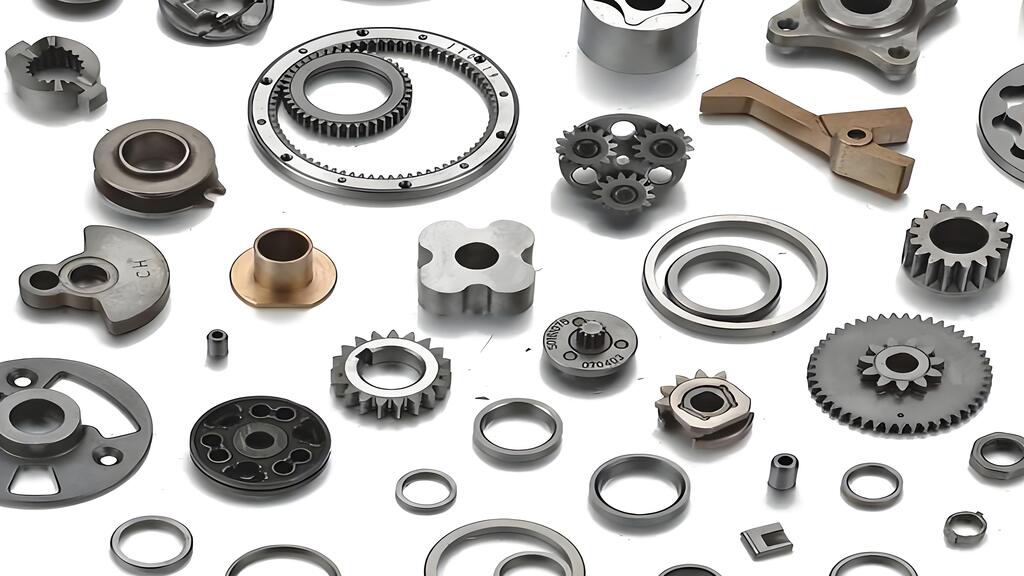


Why Powder Steel Outperforms Traditional Tool Steel: Expert Analysis

Powder Metallurgy stands as one of the most important breakthroughs in metallurgical engineering. Powder metallurgy has reshaped the scene of manufacturing. It creates materials that offer unique toughness, exceptional strength, and superior wear resistance.
The process of powder metallurgy usually compresses metal powder and heats it below the metal's melting point to bind particles together - a process called Sintering. This method creates a fine microstructure with smaller "dendrites" - tree-like structures that form during solidification. The resulting materials perform better than their conventional counterparts. The rapid solidification rate eliminates segregation and creates steels with fine carbide distributions that show better toughness.
This technology's effects reach way beyond the reach and influence of theoretical benefits. Powder metallurgy produced about 25,000 tons of stainless and tool steels annually by 2015, along with crucial jet engine components. Steel made through powder metallurgy has become the go-to material for high-end knives, precision tools, and specialized industrial parts that need exceptional performance. This piece gets into why powder steel consistently beats traditional tool steel and the science behind its superior properties.
What is Powder Metallurgy Steel and How is it Made?
Powder metallurgy (PM) steel begins with fine metal particles that undergo specific processing steps to create materials with exceptional properties. Unlike conventional steel manufacturing, the powder metallurgy process controls microstructure and composition with precision, which results in superior performance characteristics.
Powder Production via Gas Atomization
Metal powder steel production starts with gas atomization, now the most accessible technology to create high-quality metal powders. The process requires raw material preparation in a plasma arc melter that forms long bars or electrodes for atomizer feeding. The heated electrode releases molten metal into the atomization tower, where it meets high-pressure inert gas—typically argon or nitrogen. This collision transforms the molten stream into tiny spherical particles that solidify mid-flight.
The gas atomization process achieves cooling rates of approximately 10^5 K/s and creates refined microstructures. This technique produces spherical particles with minimal satellites that enhance flowability and packing density for later processing. Parameters such as gas pressure and melt temperature control the particle size distribution, with gas pressure showing more influence on median particle size.
Compaction and Sintering in Controlled Atmosphere
Metal powder moves to compaction after atomization—a crucial step in the powder metallurgy process. The powder fills a precision die under high pressure compression, typically between 138-965 MPa (10-70 tsi), based on desired density and powder characteristics. This creates a "green part" that shows the finished product's simple shape.
The next phase takes the compacted powder to sintering—a thermal process that heats the green part below the base metal's melting point. The sintering temperature reaches about 0.8 times the material's melting point. A controlled atmosphere in the sintering furnace prevents oxidation and helps remove lubricants. The particles bond through diffusion during this process and substantially reduce porosity while improving strength and density.
Hot Isostatic Pressing for Final Densification
Hot isostatic pressing (HIP) delivers maximum density for demanding applications. This method combines uniform high pressure (100-200 MPa) with heat (900-1250°C for steels and superalloys) on the sintered part. Uniform gas pressure works in all directions to provide isotropic properties and achieve 100% densification.
Several factors determine a HIPed part's relative density and distribution:
- Temperature profile
- Applied pressure
- Soaking time
- Container geometry
Higher temperatures speed up densification. Tests show that 316L stainless steel powder reaches relative density above 99% at temperatures between 1050-1250°C with 130 MPa pressure over 4 hours. HIP creates parts with fine, regular microstructures because of rapid solidification, matching the strength of forged components.
This three-stage manufacturing process creates steel with a uniform microstructure, superior alloy content, and mechanical properties that exceed traditional steelmaking methods.
Key Advantages of Powder Steel Over Traditional Tool Steel

Powder metallurgy's unique production method gives tool steels several distinct advantages in performance and reliability compared to conventional ones. The controlled atomization and sintering processes create materials with exceptional properties that excel in demanding applications.
Uniform Microstructure with No Segregation
Powder metallurgy steel stands out from conventional steels by featuring remarkably uniform microstructures. Traditional tool steels struggle with carbide segregation and show inconsistent size distribution. These structural problems create weak spots throughout the material that lead to early failure under stress.
The manufacturing process of powder steel eliminates these issues. Fine particles from atomized molten metal unite to form a homogeneous structure. This creates a material free of weak spots that resists shock a lot. You'll find evenly distributed carbides throughout the alloy that improve wear resistance, grindability, and toughness.
Higher Alloy Content Without Brittleness
Powder metallurgy knows how to add higher concentrations of alloying elements without making the steel brittle. Regular high-carbon steels become fragile when hardened past certain points. The powder metallurgy process lets manufacturers add more vanadium, molybdenum, tungsten, and other elements that boost performance.
Traditional steel production limited vanadium additions to about 4-5%. Adding more would create large vanadium carbides that would weaken the steel's structure. Notwithstanding that, the powder process keeps carbide sizes small even with more alloys, which maintains toughness while improving other properties. Powder steels can reach higher Rockwell C hardness ratings without becoming brittle like conventional steels.
Improved Edge Retention and Wear Resistance
The refined microstructure and optimized alloy mix in powder steels lead to better performance, especially in edge retention and wear resistance. These materials stay sharp longer than conventional steels and resist chipping and damage remarkably well.
The fine-grain structure from powder metallurgy helps blades maintain sharper edge angles. This makes a big difference in precision cutting, where keeping a razor-sharp edge matters most. Fine carbide particles spread evenly throughout the steel matrix make this improved wear resistance possible.
Tests show that non-stainless vanadium-alloyed powder metallurgy steels provide the best mix of toughness and edge retention. The molecular structure helps powder steel parts resist plastic deformation better - whether bending, flexing, or chopping. Manufacturers can heat-treat these steels at higher temperatures without risking damage during hardening or cooling. This gives optimal hardness levels while keeping the steel tough.
Comparative Analysis: Powder Steel vs. High-Speed and Carbon Steels

Powder metallurgy (PM) steel shows clear differences in performance when matched against high-speed and carbon steels. The way these materials are made leads to unique property profiles that suit different applications.
Hardness and Toughness Trade-offs
Steel design faces a big challenge - finding the right balance between hardness and toughness. These properties usually work against each other. Regular steels become less tough as they get harder, which limits their performance. This happens because of carbide content - steels with more carbides are not as tough.
PM steels offer a better hardness-toughness balance in several ways:
- They stay tough even at higher hardness levels compared to regular steels
- Vanadis 8 and CPM-10V keep their edges sharp while staying reasonably tough
- Maxamet, a special powder steel, reaches room temperature hardness of HRC 71 and proves tougher than cemented carbide
This better balance comes from PM's ability to control how carbides form. Steels with mainly vanadium carbides (like CPM-3V) resist wear exceptionally well while staying tough enough.
Corrosion Resistance in PM Stainless Steels
Both regular and powder metallurgy steels resist corrosion based on how much chromium stays in solution, not the total amount. The manufacturing process's effect on corrosion resistance isn't simple:
PM stainless steels don't resist corrosion as well as wrought steels under the same conditions. Adding sulfides to make machining easier makes corrosion resistance much worse - a key factor to think about in corrosive settings.
Tests show that PM stainless steels with added molybdenum and nitrogen can match higher-grade alloys in corrosion resistance. Super austenitic 904L meets its match in properly processed 317LMN powder steel, though the latter costs less to make.
Microstructure Uniformity and Carbide Size
The biggest difference between powder and regular steels shows up in their microstructure:
-
Carbide Size Comparison: Regular D2 tool steel has big, scattered carbides, while CPM-D2 shows finer, evenly spread carbides
-
Impact on Performance: Smaller carbides mean fewer places for cracks to start, making the steel tougher without losing wear resistance
-
Evidence in Practice: Looking at AEB-L (small carbide volume) next to D2 (large carbides) shows how carbide structure affects toughness
PM creates this advantage by keeping carbides from growing too large during solidification. Regular high-speed steels usually end up with rough-grained structures and uneven carbide spread. Powder steels, with their fine, evenly distributed carbide particles, work better overall.
This microstructural uniformity brings real benefits. Powder steels stay more consistent between batches, machine better, and grind more easily than traditional high-speed steels.
Applications in Knives, Tools, and Industrial Components

Powder metallurgy steel has become a game-changer in high-performance applications where regular steels don't measure up. These materials shine when you need exceptional edge retention, wear resistance, and dimensional stability.
CPM S30V and M390 in High-End Knives
Premium knife makers have embraced powder metallurgy steel. Through collaboration with renowned knifemaker Chris Reeve, Crucible Industries developed CPM S30V, which contains about 14% chromium and 4% vanadium. This mix creates a material that hits 58-61 HRC hardness while resisting corrosion exceptionally well.
Böhler-Uddeholm created M390 as another premium option for knife steel. This powder steel typically reaches 60-62 HRC hardness and gives you outstanding edge retention with superior corrosion resistance. Knife makers of all types use both steels for:
- Kitchen knives - they keep their sharpness and stay clean easily
- Hunting knives - they last longer and hold their edge in tough conditions
- EDC (Everyday Carry) knives - they're reliable and need minimal upkeep
Maxamet and 10V in Form Tools and Hobs
Powder metallurgy really shines in tooling materials. Maxamet, made by Carpenter Technology Corporation, reaches room temperature hardness up to HRC 71. This incredible hardness, plus decent toughness, makes it perfect for industrial jobs that need extreme wear resistance.
Form tools made from powder steels like Maxamet handle tough, abrasive conditions well. One manufacturer made over a million bushings with coated AerMet alloy tools without seeing noticeable wear. This impressive lifespan eliminated tool breakage, press downtime, and replacement costs.
Powder Steel in Aerospace and Automotive Parts
Aerospace companies are turning more to powder metallurgy for crucial components. Making parts with steel powders lets manufacturers create complex, lightweight pieces without expensive tooling. This works great, especially when making small batches of specialized components.
Car manufacturers love powder metallurgy's uniform microstructure and reliable performance. Engineers can now create more efficient, budget-friendly designs that weren't possible with traditional manufacturing methods because they know how to make parts with intricate geometries.
User Benefits and Real-World Performance Feedback

Companies investing in powder metallurgy steel see clear benefits that make these premium materials worth the cost. Real-world results match laboratory findings, which explains why these materials are becoming popular in industries of all types.
Longer Tool Life and Reduced Downtime
Field tests prove that powder metallurgy steel components last much longer than standard options. Lab testing of Maxamet alloy inserts versus M2 high-speed steel showed they could machine three to five times more parts before needing replacement. A Michigan manufacturing facility's tool life tripled, and maintenance downtime dropped by at least one-third after switching to Maxamet alloy tooling. CPM S110V steel stays sharp even after long periods of use, which reduces the need for frequent resharpening.
Better Machinability and Grindability
Powder metallurgy steels are harder yet easier to work with than conventional materials. Vanadium carbide size mainly affects grindability, and powder metallurgy gives precise control over this factor. Companies that use machinability additives see big improvements - one manufacturer's machining performance jumped by 55%. This improved machinability leads to cost savings throughout the manufacturing process.
Consistency Across Production Batches
Powder steel's batch-to-batch uniformity is one of its most overlooked advantages. The manufacturing process creates consistent parts, which leads to reliable performance in every production run. Tests reveal a 15% boost in operational consistency. This allows manufacturers to optimize their processes without adjusting for material variations.
Conclusion
Powder metallurgy steel marks a substantial advancement in materials science that outperforms traditional tool steel in multiple performance metrics consistently. The manufacturing process combines gas atomization, controlled compaction, precise sintering, and hot isostatic pressing to create materials with exceptional microstructural uniformity that conventional methods cannot achieve. This refined structure eliminates weak spots and boosts the material's overall performance substantially.
Powder steel's most remarkable feature solves the age-old trade-off between hardness and toughness. Conventional steel becomes increasingly brittle as hardness increases, but powder metallurgy steel maintains toughness even at high hardness levels. The steel matrix's fine, uniform distribution of carbide particles results in superior edge retention and wear resistance, making these materials perfect for demanding applications.
Companies that switch to powder metallurgy components see substantial practical benefits. Tool life increases three to five times compared to conventional alternatives, which reduces maintenance downtime and replacement costs. The batch-to-batch consistency of powder steel creates more predictable manufacturing processes and reliable end products.
Powder metallurgy's advantages benefit industries of all types. High-end knife manufacturers employ steels like CPM S30V and M390 for their exceptional edge retention and corrosion resistance. Industrial applications thrive with specialized alloys like Maxamet, which achieves remarkable hardness without sacrificing machinability. The aerospace and automotive sectors utilize powder metallurgy to create complex, lightweight components with precise specifications.
Manufacturing technologies continue to evolve, and powder metallurgy steel remains at the vanguard of materials science. These materials' exceptional combination of uniform microstructure, optimal alloy content, and superior performance characteristics sets new standards for tool steel applications. Despite commanding premium prices, the extended service life and reduced maintenance requirements make powder metallurgy steel an economical choice when performance cannot be compromised.
FAQs
Q1. What are the key advantages of powder metallurgy steel over traditional tool steel? Powder metallurgy steel offers a more uniform microstructure, higher alloy content without brittleness, and improved edge retention and wear resistance compared to traditional tool steel. The manufacturing process allows for precise control of composition and properties.
Q2. How does powder metallurgy steel achieve better hardness and toughness? Powder metallurgy enables the creation of steels with finer, more evenly distributed carbides. This allows for higher hardness levels while maintaining toughness, overcoming the typical trade-off seen in conventional steels.
Q3. What industries benefit most from powder metallurgy steel? High-end knife manufacturing, industrial tooling, aerospace, and automotive industries benefit significantly from powder metallurgy steel. Its superior properties make it ideal for applications requiring exceptional wear resistance and edge retention.
Q4. Is powder metallurgy steel more expensive than traditional steel? Yes, powder metallurgy steel is typically more expensive than traditional steel. However, its extended service life and reduced maintenance requirements often make it cost-effective in the long run for high-performance applications.
Q5. How does the manufacturing process of powder metallurgy steel differ from traditional steel production? Powder metallurgy steel is made by atomizing molten metal into fine particles, compacting the powder, and then sintering it. This process allows for more precise control over the steel's composition and microstructure compared to traditional melting and casting methods.