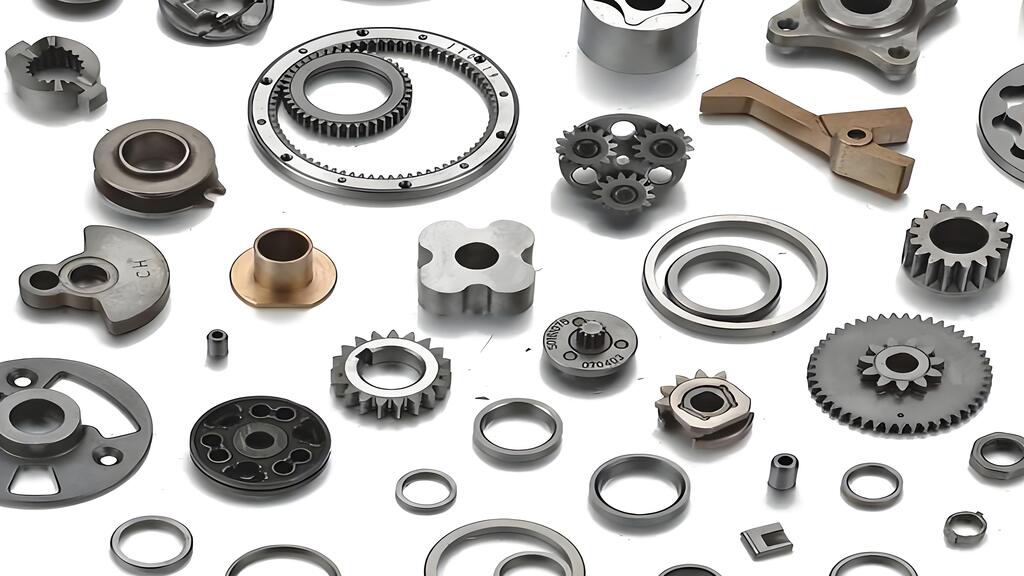


Why Tungsten Alloy Is Made by Powder Metallurgy Instead of Casting
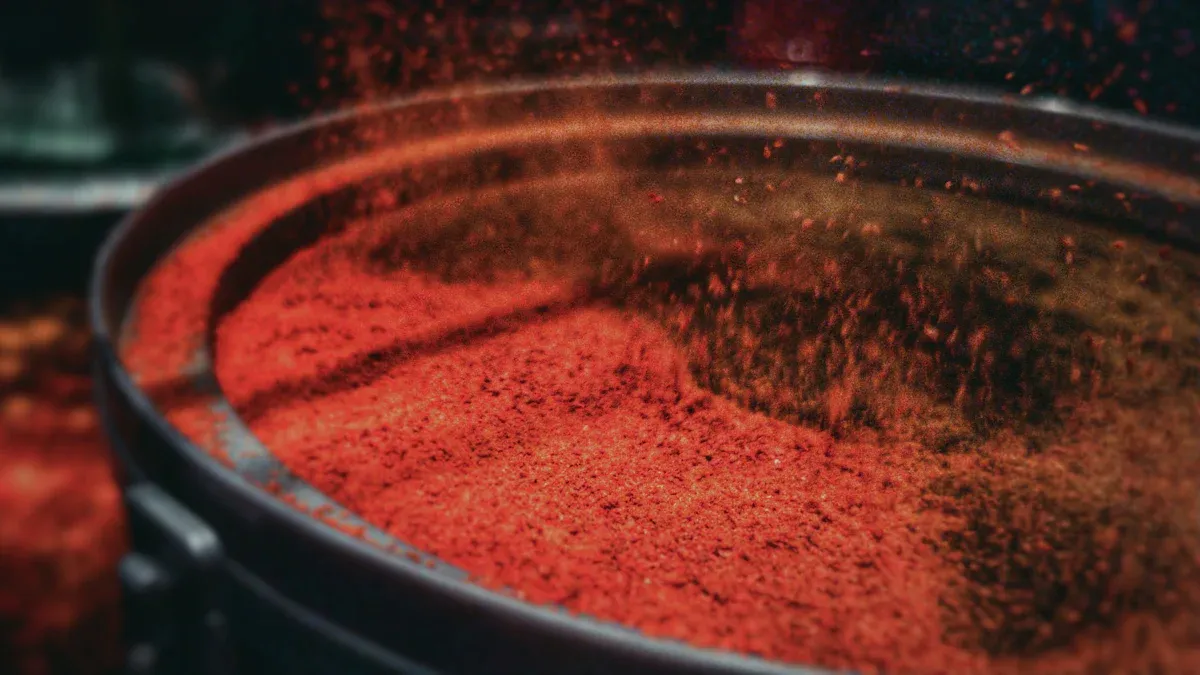
Tungsten alloys are primarily manufactured using Powder Metallurgy. Tungsten has an extremely high melting point, reaching 6180°F (3420°C). This makes traditional casting methods impossible for producing tungsten alloy components. Casting also presents significant challenges for tungsten alloys. High temperatures cause rapid grain growth and make it difficult to maintain acceptable grain size, density, and mechanical properties. These issues make casting processes time-consuming and expensive. Powder metallurgy offers a superior solution, overcoming these inherent shortcomings.
Key Takeaways
- Tungsten has a very high melting point. This makes traditional casting methods impossible.
- Casting tungsten causes problems. Elements separate, and parts can crack easily.
- Powder metallurgy does not melt tungsten. It heats powders below their melting point to make solid parts.
- Powder metallurgy makes tungsten alloys strong and uniform. It controls how dense and hard the material is.
- This method creates complex shapes. It also wastes less material than casting.
- Powder metallurgy can combine elements that do not mix when melted. Tungsten-copper is an example.
- Tungsten alloys made this way are used in many important items. These include radiation shields and airplane parts.
The Fundamental Challenges of Casting Tungsten Alloys
Casting tungsten alloys presents significant hurdles. These challenges stem from tungsten's unique physical properties. They make traditional casting methods impractical or impossible.
Extremely High Melting Point
Tungsten has an exceptionally high melting point. This property makes it difficult to process using conventional casting techniques.
Unattainable Temperatures for Conventional Furnaces
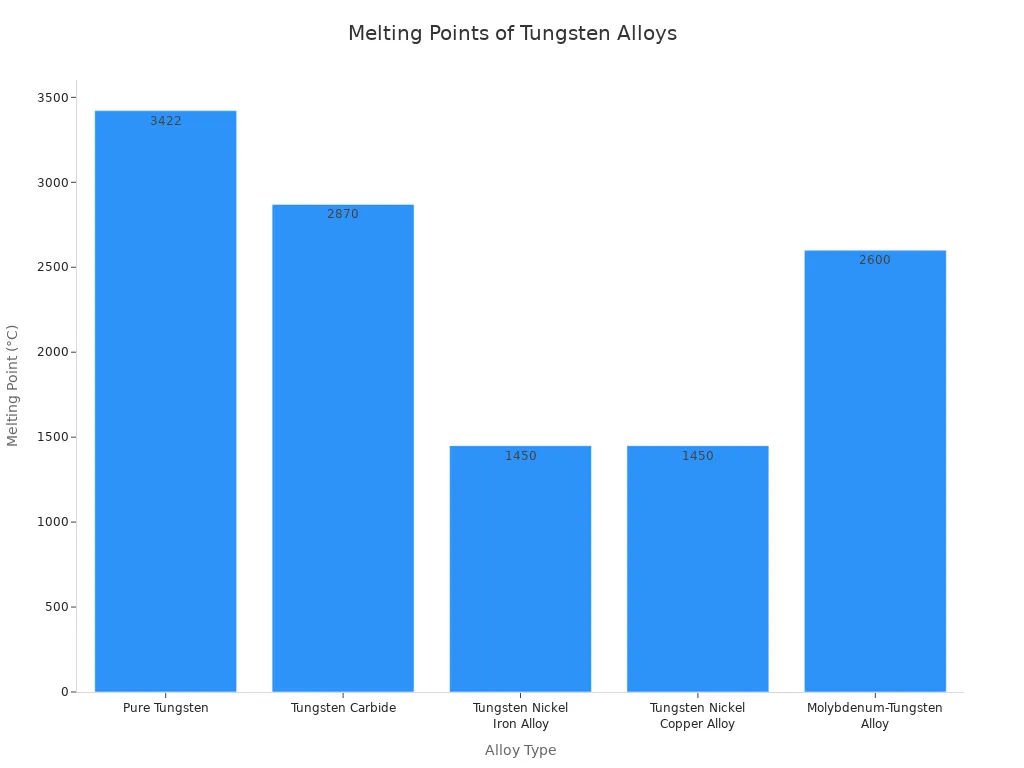
Pure tungsten melts at 3,422°C (6,192°F). Many tungsten alloys also have very high melting points. For example, Tungsten-Copper melts around 2,500°C, and Tungsten-Nickel-Iron alloys melt between 2,800°C and 3,100°C.
| Alloy Type | Typical Melting Point (°C) | Typical Melting Point (°F) |
|---|---|---|
| Pure Tungsten | 3,422 | 6,192 |
| Tungsten Carbide | 2,870 | 5,198 |
| Tungsten Nickel Iron Alloy | 1,450 | 2,642 |
| Tungsten Nickel Copper Alloy | 1,450 | 2,642 |
| Molybdenum-Tungsten Alloy | 2,600 | 4,712 |
Conventional industrial furnaces cannot reach these extreme temperatures. Most heat-treatment furnaces operate between 538°C and 1,315°C. Even specialized furnaces for melting steel typically reach only up to 1,650°C.
| Furnace Type | Maximum Operating Temperature |
|---|---|
| Roller hearth furnace | 1,100°C |
| Double walking beam furnace | 1,150°C |
| Car bottom annealing furnace | 1,150°C |
| Hood-type furnace | 1,150°C |
| Heat treatment pit furnace | 1,150°C |
| Car bottom forge furnace | 1,150°C |
| Chamber and double-chamber furnace | 1,300°C |
| Pit furnace | 1,300°C |
| Stainless steel strip annealing furnaces | 1,250°C |
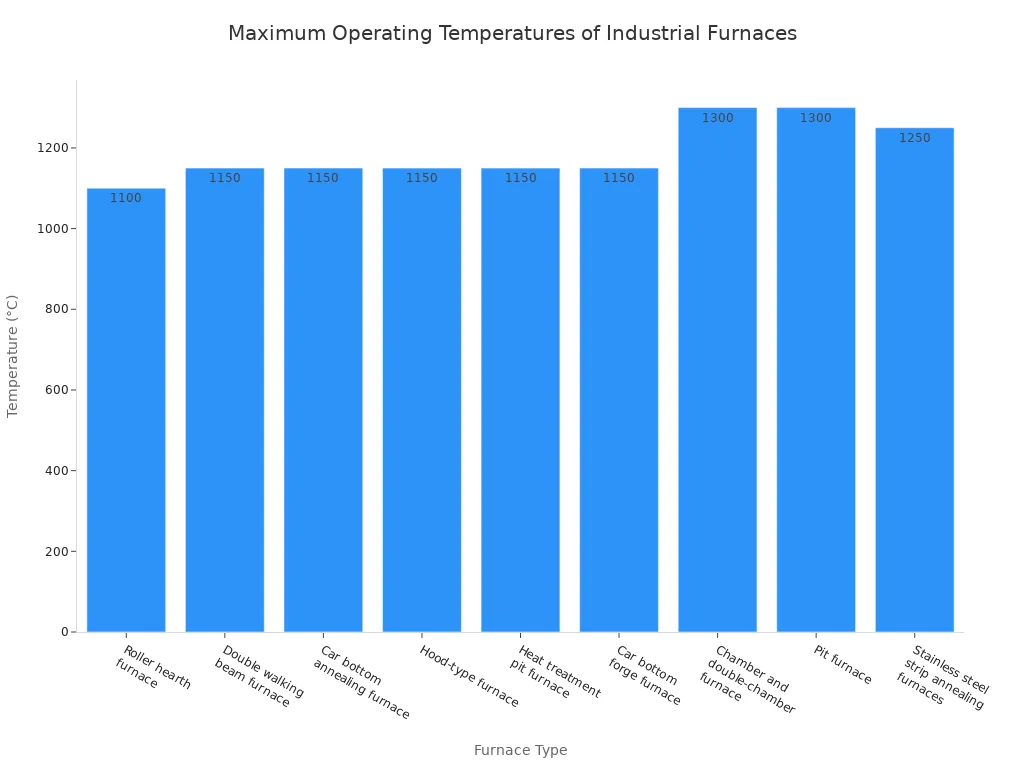
These temperature limitations make it impossible to fully melt tungsten and its high-melting-point alloys in standard casting equiPment.
Excessive Energy Consumption
Achieving and maintaining the temperatures needed to melt tungsten requires immense energy. Even if specialized furnaces could reach these temperatures, the energy costs would be prohibitive. This makes the casting process economically unfeasible for tungsten alloys. The high energy demand also creates significant operational challenges.
High Density and Segregation Issues
Tungsten is an extremely dense metal. This high density causes problems during the casting process.
Non-Uniform Alloy Composition
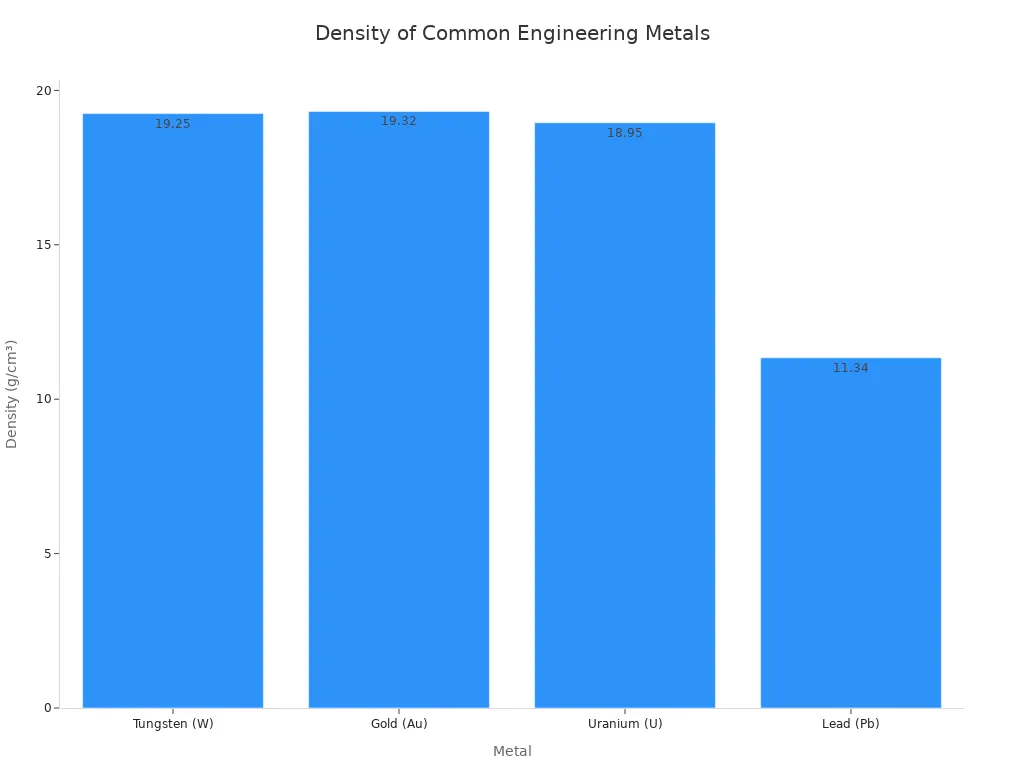
Tungsten has a density of 19.25 g/cm³. This makes it almost as dense as gold and denser than uranium. It is about 1.7 times denser than lead.
| Metal | Density (g/cm³) |
|---|---|
| Tungsten (W) | 19.25 |
| Gold (Au) | 19.32 |
| Uranium (U) | 18.95 |
| Lead (Pb) | 11.34 |
When casting tungsten alloys, the significant density difference between tungsten and other alloying elements causes segregation. Heavier elements, like tungsten, tend to settle at the bottom of the melt. Lighter elements may rise. This leads to gravity-induced segregation.
- Microsegregation: Solute elements concentrate in the last regions to solidify. This happens within individual grains or between dendritic arms.
- Macrosegregation: Composition varies across the entire casting. This occurs due to the movement of the liquid phase during solidification.
- Density Differences: Heavier elements settle at the bottom. Lighter elements rise. This creates significant compositional gradients.
For example, in magnesium-rare earth alloys, heavy rare earth elements sink. This causes macro-segregation and microstructure heterogeneity.
Inconsistent Material Properties
Segregation results in a non-uniform distribution of alloying elements. This leads to inconsistent material properties throughout the cast part. Some areas may have too much tungsten, making them brittle. Other areas may lack tungsten, reducing desired properties like hardness or wear resistance. This inconsistency makes the cast parts unreliable. They may not meet the strict performance requirements for critical applications. Coarse and network-like eutectic structures can also form during solidification. These structures negatively impact mechanical properties, such as elongation. They also make subsequent heat treatments difficult.
Brittleness and Poor Castability
Tungsten is inherently brittle at room temperature. This characteristic makes it challenging to cast.
Prone to Cracking During Solidification
The high melting point of tungsten means a large temperature difference exists between the molten state and room temperature. As the molten tungsten alloy cools and solidifies, it undergoes significant thermal contraction. This contraction creates internal stresses within the material. Tungsten's brittleness makes it unable to accommodate these stresses. The material becomes highly prone to cracking during solidification. These cracks compromise the structural integrity of the cast part.
Hot Tearing and Defective Parts
Hot tearing is a common defect in cast metals. It occurs when the solidifying metal experiences tensile stresses while still in a semi-solid state. Tungsten alloys are particularly susceptible to hot tearing due to their high solidification shrinkage and poor ductility at elevated temperatures. Hot tears are internal or external cracks that form during the final stages of solidification. They lead to defective parts. These defects often require extensive rework or rejection of the entire component. This increases manufacturing costs and reduces efficiency.
Reactivity with Crucible Materials
Molten tungsten presents a significant challenge for crucible materials. Its extremely high melting point and chemical reactivity cause problems. These issues lead to contamination and compromise the final alloy's purity.
Contamination of the Melt
Molten tungsten reacts with almost any material it touches. This includes the crucibles designed to hold it. At the high temperatures needed for melting tungsten, many common crucible materials degrade. They dissolve into the molten metal. This process introduces impurities into the melt.
Foundries use various crucible types for high-temperature metal casting. Each type has specific temperature limits and properties.
- Ceramic Crucibles: These include materials like alumina (Al₂O₃), zirconia (ZrO₂), and silicon carbide (SiC). Alumina withstands temperatures up to 1800°C. Zirconia offers even higher temperature resistance, up to 2400°C. Silicon carbide is durable and conducts heat well. However, even zirconia's limit falls short of tungsten's melting point. Tungsten also reacts with oxides at high temperatures.
- Metal Crucibles: Platinum (Pt), molybdenum (Mo), and tantalum (Ta) are examples. Platinum is highly inert but melts at 1700°C. Molybdenum has a high melting point (2600°C), and Tantalum melts at 3000°C. These metals are expensive. They also have lower melting points than tungsten. They can still react with molten tungsten.
- Graphite Crucibles: These are popular due to excellent thermal conductivity and affordability. They handle temperatures up to 3000°C in inert atmospheres. However, tungsten forms carbides with carbon. This reaction degrades the crucible and contaminates the melt.
- Other Materials: Quartz (SiO₂) and Zirconium Diboride (ZrB₂) are also used. Quartz melts at 1100°C. Zirconium Diboride withstands extreme temperatures (3000°C) and resists molten metals. Still, tungsten's extreme temperature and reactivity pose a challenge for even these advanced materials.
The interaction between molten tungsten and the crucible material is unavoidable. This interaction causes the crucible to erode. It also introduces foreign elements into the tungsten melt.
Compromised Alloy Purity
Contamination from the crucible directly impacts the purity of the tungsten alloy. Even small amounts of impurities can drastically change the material's properties. These impurities can form undesirable phases. They can also create defects within the microstructure.
For example, oxygen or carbon picked up from the crucible can make the tungsten alloy brittle. They reduce its strength and ductility. Such impurities also lower the material's electrical and thermal conductivity. Many applications for tungsten alloys demand extremely high purity. These applications include radiation shielding, electrical contacts, and medical devices. Contamination from casting makes it impossible to meet these strict purity requirements. The final product will not perform as expected. It may even fail in critical applications. This makes casting an unsuitable method for producing high-quality tungsten alloys.
Why Powder Metallurgy is the Superior Solution
Powder metallurgy offers a robust and effective manufacturing route for tungsten alloys. This method overcomes the inherent challenges of casting. It enables the production of high-performance tungsten alloys with superior properties.
Lower Processing Temperatures in Powder Metallurgy
Powder metallurgy avoids the extreme temperatures required for melting tungsten. This significantly simplifies the manufacturing process.
Avoiding Full Melting of Tungsten
The primary advantage of powder metallurgy lies in its ability to process tungsten without reaching its full melting point. Manufacturers start with fine tungsten powders. They then consolidate these powders into a solid form. This approach bypasses the need for furnaces capable of reaching over 3,400°C. It also eliminates the associated energy costs and material reactivity issues.
Sintering Below Melting Point
Sintering is a key step in powder metallurgy. It involves heating compacted powder to a temperature below its melting point. This heat causes the powder particles to bond together. The material densifies and gains strength. This process is far less energy-intensive than melting.
For tungsten alloys, sintering temperatures are significantly lower than their melting points. For example, tungsten fused with nickel sinters at 1200°C (2191°F). A W-1.5%TiC alloy sinters at 1300°C. Even pure tungsten can be sintered at 1500°C.
| Alloy/Material | Sintering Temperature |
|---|---|
| Tungsten fused with Nickel | 1200°C (2191°F) |
| W-1.5%TiC alloy | 1300°C |
| Pure Tungsten | 1500°C |
The use of nanograined tungsten powders, with particle sizes less than 1 μm, can reduce furnace sintering temperatures by 700–1200°C. Activated sintering, especially with transition metals like Nickel (Ni) and Palladium (Pd), further lowers these temperatures for tungsten. This allows for more efficient and cost-effective production.
Achieving Homogeneous Microstructure with Powder Metallurgy
Powder metallurgy excels at creating materials with a uniform internal structure. This is crucial for consistent performance.
Uniform Distribution of Alloying Elements
Manufacturers precisely control the composition of tungsten alloys in powder metallurgy. They mix fine powders of tungsten and other alloying elements. This ensures a uniform distribution of all constituents before consolidation. Each particle of the alloying element is evenly dispersed throughout the tungsten matrix. This results in a highly homogeneous material.
Preventing Segregation
The powder metallurgy process effectively prevents segregation. In casting, density differences cause heavier elements to settle. In powder metallurgy, the elements remain in their mixed powder state. They do not separate during the lower-temperature sintering process. This eliminates the problem of non-uniform alloy composition. It ensures consistent material properties throughout the final component.
Controlling Grain Size and Density via Powder Metallurgy
Powder metallurgy offers precise control over the microstructure of tungsten alloys. This allows manufacturers to tailor material properties for specific applications.
Tailoring Mechanical Performance
Manufacturers can control the grain size of tungsten alloys through careful selection of powder particle size and sintering conditions. This control directly impacts the material's mechanical performance. For instance, hot-pressed tungsten alloys, with careful temperature control, can achieve grain sizes as fine as 0.9 μm.
- Typical grain structures achieved by controlling powder particle size and sintering conditions range from 20-50 μm.
- Ultrafine powders, less than 0.5 μm, are used for high-density and high-strength hard alloys.
- Standard powders, ranging from 1-50 μm, are popular in hard alloy tools, molds, and electronic components.
- Coarse powders, greater than 50 μm, are best for high-temperature protective coatings and specialized tungsten products.
The initial powder grain size significantly influences the final microstructure and mechanical properties of tungsten-based alloys. For example, a tungsten plate prepared from an initial powder with a grain size of 0.5 μm demonstrated superior mechanical properties compared to plates made from powders with grain sizes of 0.2 μm and 2.8 μm. This precise control allows for optimization of properties like hardness, strength, and toughness.
Optimizing Material Properties
Powder metallurgy also allows for precise control over the final density of the tungsten alloy. Compaction techniques and sintering parameters are carefully managed. This ensures the desired density is achieved. High density is critical for many tungsten applications, such as radiation shielding.
| Alloy Type | Density Achieved |
|---|---|
| 93W-Ni-Fe | 93.68% |
| WC samples | 99.4% |
Manufacturers can achieve high relative densities, often exceeding 93% for alloys like 93W-Ni-Fe and even 99.4% for WC samples. This high density contributes to superior performance in demanding environments. It ensures the material meets stringent application requirements.
Near-Net-Shape Manufacturing and Material Efficiency
Powder metallurgy offers significant advantages in manufacturing efficiency. It allows for the creation of complex parts with minimal waste.
Producing Complex Geometries
Powder metallurgy excels at producing parts with intricate shapes and fine details. Manufacturers press tungsten powder into a mold, or die, that matches the desired final shape. This process creates a "green" compact. Sintering then consolidates this compact. This method eliminates the need for extensive machining after the initial formation. It allows for the creation of complex internal features, undercuts, and precise dimensions that would be difficult or impossible to achieve with casting. This capability is especially valuable for components with specialized functions.
Reducing Waste and Machining Costs
Near-net-shape manufacturing is a core benefit of powder metallurgy. This means the process produces parts very close to their final dimensions. It requires little to no additional machining. Traditional casting often produces ingots or blanks that require significant material removal to achieve the final shape. This generates substantial waste.
Powder Metallurgy (PM) is characterized by 'high energy and raw material efficiency'. It is one of the most energy and material efficient forms of net-shape production. This indicates a high material utilization rate for near-net-shape PM processes.
This high material utilization directly translates to cost savings. Less material is wasted. Manufacturers also spend less time and money on machining operations. This makes the overall production process more economical, especially for high-volume production of complex tungsten alloy parts.
Incorporating Non-Miscible Elements
Powder metallurgy provides a unique solution for combining elements that do not naturally mix in a molten state.
Creating Pseudo-Alloys and Composites
Many elements do not dissolve into each other when melted. Tungsten and copper are a prime example. In a molten state, they separate like oil and water. Powder metallurgy overcomes this challenge. Manufacturers mix fine powders of these non-miscible elements. They then compact and sinter the mixture. This process creates a composite material. It has properties from both constituent elements. These materials are often called "pseudo-alloys" because they are not true alloys formed by atomic-level mixing. Instead, they are composites where each element retains its distinct phase.
Examples like Tungsten-Copper
Tungsten-copper (W-Cu) is a classic example of a pseudo-alloy made through powder metallurgy. Tungsten provides high density, hardness, and wear resistance. Copper offers excellent electrical and thermal conductivity. Combining these properties in a single material is highly desirable for many applications. Casting cannot achieve this combination due to the immiscibility of tungsten and copper. Powder metallurgy allows for the creation of W-Cu composites with varying ratios. This allows engineers to tailor the material's properties precisely. These materials find use in electrical contacts, heat sinks, and electrodes for electrical discharge machining (EDM).
The Powder Metallurgy Process for Tungsten Alloys

The production of tungsten alloys through Powder Metallurgy involves several critical steps. Each step ensures the final product meets stringent performance requirements.
Powder Production and Characterization
The journey begins with creating high-quality tungsten powder. This initial stage is fundamental to the entire process.
Methods for Tungsten Powder Creation
Manufacturers employ various methods to produce tungsten powder. The tungsten oxide hydrogen reduction method is the most common and mature technique. It reduces tungsten trioxide (WO3) or ammonium paratungstate (APT) with hydrogen at high temperatures. This process allows good control over particle size and morphology. Other methods include molten salt electrolysis, which can produce ultra-fine powders. The tungsten halide hydrogen reduction method is suitable for high-purity powders. Plasma methods offer high efficiency for nano-sized powders. Mechanical methods like high-energy ball milling reduce particle size. The self-propagating high-temperature reduction method provides a low-energy alternative.
| Method | Key Characteristics | Advantages | Disadvantages |
|---|---|---|---|
| Tungsten Oxide Hydrogen Reduction Method | Reduces WO3 or APT with hydrogen at 500-900°C. | Mature technology, good control over particle size. | High energy consumption requires hydrogen. |
| Molten Salt Electrolysis Method | Electrolyzes tungsten compounds in molten salts at 700-1000°C. | Produces ultra-fine powder and lower operating temperatures. | Complex process, high cost of salts. |
| Tungsten Halide Hydrogen Reduction Method | Reduces tungsten halides (e.g., WF6) with hydrogen at 500-1000°C. | High purity powder, good control over particle size. | High cost of halides, specialized equipment. |
| Plasma Method | Uses high-temperature plasma to reduce compounds or melt metal. | Produces ultra-fine powder with high efficiency. | High energy consumption, complex equipment. |
| High-Energy Ball Milling Method | Mills coarse powder mechanically. | Simple, low cost, can produce nano-sized powder. | Prone to contamination, difficult particle control. |
| Self-Propagating High-Temperature Reduction Method | An exothermic reaction between tungsten compound and reducing agent. | Low energy, high efficiency, simple equipment. | Difficult particle control, prone to impurities. |
Importance of Particle Size and Purity
Particle size and purity are crucial for the final product's quality. Fine tungsten powder (C3 - C20) typically has over 99.95% purity. Its average particle sizes are up to 10 microns. Coarse tungsten powder (C40 - C80) maintains over 99.9% purity. Its average particle sizes range from 10 to 50 microns. Ultra-high purity (5N) means over 99.999% tungsten content. Standard purity is 99.95% W. High purity reaches 99.9995% W. The presence of residual impurities significantly impacts the processing and performance of the final product. Elements like Ca, Mg, P, As, Si, S, Fe, Ni, Cu, Al, and Mo reduce tungsten alloy strength. K and Na promote tungsten carbide particle growth.
Mixing and Blending of Powders
After powder production, careful mixing prepares the material for consolidation.
Ensuring Homogeneity of Constituents
Manufacturers thoroughly mix tungsten powder with other alloying elements. This step ensures a uniform distribution of all constituents. Homogeneity is vital for consistent material properties in the final alloy. Proper mixing prevents localized variations in composition.
Additives for Enhanced Properties
Sometimes, manufacturers add specific substances to the powder mixture. These additives enhance certain properties. They can improve compaction, aid sintering, or modify the final microstructure. For example, binders help hold the green compact together before sintering. Sintering aids can lower the required sintering temperature.
Compaction Techniques
Compaction transforms the loose powder into a solid shape. This process creates a "green" compact.
Cold Isostatic Pressing (CIP)
Cold Isostatic Pressing (CIP) involves placing powder into flexible molds. Manufacturers then subject these molds to hydrostatic pressure. This pressure comes from a fluid, usually water. CIP offers advantages like higher density uniformity. It also produces stronger compacts. Wetbag pressing is common for forging or rolling preforms. Drybag pressing is used for simpler shapes and high production rates.
Uniaxial Pressing
Uniaxial pressing involves pressing powders in rigid dies. Mechanical or hydraulic presses apply pressure. This pressure comes from the top. Sometimes, it comes from both the top and bottom (double-action presses). This method is suitable for parts with simpler geometries. It is also efficient for high-volume production.
Sintering Process in Powder Metallurgy
Sintering is a crucial step in Powder Metallurgy. It transforms compacted powder into a solid, dense material. This process occurs at high temperatures.
High-Temperature Consolidation
Manufacturers heat the compacted tungsten alloy powders below their melting point. This high temperature causes the powder particles to bond. Atoms diffuse across particle boundaries. This process reduces porosity and increases density. The sintering atmosphere is critical. Hydrogen or hydrogen-nitrogen mixtures prevent oxidation. They also help reduce surface oxides.
| Sintering Stage | Temperature Profile | Atmosphere | Purpose |
|---|---|---|---|
| Debonding | ~900°C (0.5-1.0°C/min ramp, 30-90 min hold) | Dry hydrogen (dew point near -55°C) | Remove paraffin binders, prevent processing problems |
| Presintering | ~1100°C | Hydrogen/Hydrogen-Nitrogen | Gradual shrinkage prevents distortion, preliminary particle bonding |
| Final Sintering | 1380-1420°C (2 minutes at peak) | Hydrogen or Hydrogen-Nitrogen | Achieve full densification through liquid phase formation |
| General Sintering | 1200°C to 2200°C (furnace capability) | Hydrogen or Hydrogen-Nitrogen (95% N2/5% H2 for optimal results) | Prevent oxidation, reduce binders, lower surface oxides, control carbon content, improve mechanical properties |
For example, a nitrogen-hydrogen atmosphere at 1300°C achieves a density of 13.6 g/cm³ and a strength of 1320 MPa. A vacuum at the same temperature yields a lower density (12.3 g/cm³) and strength (617.6 MPa). Higher temperatures, like 1400°C in nitrogen-hydrogen, further increase strength to 1680 MPa.
Achieving Desired Density and Strength
Sintering significantly increases the density of the tungsten alloy part. It also enhances its mechanical strength. The high temperatures promote atomic diffusion. This diffusion forms strong bonds between powder particles. The material becomes a solid, cohesive mass. This process eliminates most of the pores. The final density and strength depend on the sintering temperature, time, and atmosphere. Careful control ensures the part meets specific application requirements.
Post-Sintering Operations
After sintering, tungsten alloy parts often undergo further processing. These steps refine their properties and dimensions.
Machining and Finishing
Sintered parts may require machining. This achieves precise dimensions and surface finishes. Tungsten alloys are hard materials. Specialized tools and techniques are necessary for machining. Grinding, turning, and milling operations remove excess material. They create the final desired shape. Finishing processes like polishing improve surface quality. This is important for applications requiring smooth surfaces.
Heat Treatment for Property Optimization
Heat treatment can further optimize the properties of sintered tungsten alloys. This involves heating the material to specific temperatures. Then, it cools under controlled conditions. Heat treatments can relieve internal stresses. They can also refine the microstructure. This improves properties like hardness, toughness, and ductility. Different heat treatment cycles achieve various property enhancements. This allows for fine-tuning the material for its intended use.
Key Advantages of Powder Metallurgy for Tungsten Alloys
Powder Metallurgy offers significant benefits for manufacturing tungsten alloys. This method addresses the challenges of traditional casting. It produces materials with superior performance characteristics.
Enhanced Mechanical Properties
Powder Metallurgy significantly improves the mechanical properties of tungsten alloys. Manufacturers achieve materials with exceptional performance.
Superior Hardness and Wear Resistance
Tungsten alloys produced through Powder Metallurgy exhibit superior hardness. This makes them highly resistant to wear. For example, Carpenter Technology Micro-Melt Maxamet alloy can reach up to HRC 71.0 at room temperature. This occurs with typical high-speed steel heat treatment. This alloy maintains HRC 63.0 at a test temperature of 538°C (1000°F) after specific austenitizing and tempering. This is significantly higher than Carpenter Technology Micro-Melt T15 alloy, which has HRC 58.0 under similar hot hardness conditions. Powder metallurgical tungsten-alloyed high boron tool steel also shows comparable hardness to its cast counterpart. Both achieve approximately 610 HV10.
| Material Type | Hardness (HV10) |
|---|---|
| Powder Metallurgical Tungsten-Alloyed High Boron Tool Steel | ~610 |
| Cast Tungsten-Alloyed High Boron Tool Steel | ~610 |
Improved Strength and Toughness
Powder Metallurgy also enhances the strength and toughness of tungsten alloys. Unirradiated pure tungsten (SR) can exhibit an ultimate tensile strength (UTS) of 472 MPa. It also shows an elongation of 15.0%. After irradiation, recrystallized pure tungsten (R) shows a brittle fracture mode. However, recrystallized K-doped W-3%Re (R) exhibits a ductile fracture mode at 500 °C. K-doped W-3%Re (R) demonstrates significantly higher ductility after irradiation compared to pure tungsten. This is due to fine grains and the presence of solid solute Rhenium (Re). Rhenium improves mechanical properties and resistance to neutron irradiation.
High Purity and Contamination Control
Powder Metallurgy provides excellent control over material purity. This minimizes contamination during processing.
Minimizing Impurities from Processing
The Powder Metallurgy process inherently minimizes impurities. It avoids the high-temperature reactions with crucible materials seen in casting. Oxygen is a common impurity. It can enter during manufacturing if the environments are not controlled. It forms oxides with tungsten and other alloying elements. This negatively impacts mechanical properties. It increases brittleness and reduces ductility and toughness. Carbon is another impurity. It can originate from raw materials or carbon-containing crucibles. It reacts with tungsten to form tungsten carbide. This can increase hardness but make the alloy more difficult to machine. Pure tungsten powder (MP20S, Global Tungsten & Powders, Bruntál, Czechia, average particle size 2 μm, 99.95% purity) used for sample preparation had a carbon content of 110 ppm and an oxygen content of 930 ppm.
Maintaining Material Integrity
Controlling impurities is crucial for maintaining material integrity. High purity ensures the final product performs as expected. It prevents the formation of undesirable phases or defects. This is especially important for critical applications.
Design Flexibility and Customization
Powder Metallurgy offers unparalleled design flexibility. It allows for the creation of highly customized components.
Tailoring Alloy Compositions
Manufacturers can precisely tailor alloy compositions using Powder Metallurgy. They mix different metal powders in specific ratios. This allows for fine-tuning material properties. Engineers can create specialized alloys for unique performance requirements.
Producing Specialized Components
Powder Metallurgy excels at producing complex and specialized components. This includes small, intricate parts, medical devices, aerospace components, and industrial tools. It also produces consumer electronics parts and defense components. The process creates complex shapes and fine details. Specific examples include medical radiation shielding components, aerospace counterweights, and electrical contacts. It also produces heat sinks for power electronics and electrode materials. Other specialized parts include 3D nozzles with high density and precision. Tungsten carbide nozzles, ejector pins, valve cores, and atomizing nozzles are also common.
Cost-Effectiveness for Complex Parts
Powder metallurgy offers significant cost advantages, especially for manufacturing complex tungsten alloy components. This method optimizes material use and reduces the need for extensive post-processing. These efficiencies contribute to a more economical production cycle.
Reduced Material Waste
Traditional manufacturing methods, like casting, often begin with a large block of material. Workers then cut away significant portions to achieve the final shape. This process generates substantial scrap material. Tungsten is an expensive metal. Therefore, minimizing waste becomes crucial for cost control.
Powder metallurgy, however, operates on a near-net-shape principle. Manufacturers press tungsten powder directly into a mold that closely matches the final part's geometry. This method produces a component very close to its finished dimensions. It leaves minimal excess material. This high material utilization rate directly translates into significant cost savings. It reduces the amount of raw tungsten needed for each part. Less waste also means lower disposal costs and a more environmentally friendly process.
Lower Machining Requirements
Casting often produces parts that require extensive machining. This includes grinding, milling, and turning. These operations remove excess material and achieve precise tolerances. Machining tungsten alloys is particularly challenging. Tungsten is an extremely hard and brittle material. It requires specialized tools and considerable time. This increases both labor and equipment costs.
Powder metallurgy significantly reduces these machining requirements. The process forms complex shapes and intricate details directly during compaction and sintering. This means the "green" compact already possesses much of the final part's complexity. Post-sintering operations primarily involve minor finishing or precision adjustments. This minimizes the need for costly and time-consuming machining. Manufacturers save on labor, tooling, and energy. This makes powder metallurgy a highly cost-effective solution for producing complex tungsten alloy components. It streamlines the production process and lowers overall manufacturing expenses.
Applications Benefiting from Powder Metallurgical Tungsten Alloys

Powder metallurgical tungsten alloys serve critical roles across many industries. Their unique properties make them indispensable for demanding applications.
Radiation Shielding
Tungsten alloys offer superior performance in radiation shielding. Their high density makes them ideal for blocking harmful rays.
High Density for X-ray and Gamma Ray Attenuation
Tungsten's high density provides excellent attenuation for X-rays and gamma rays. This property makes it an effective barrier against radiation. It protects personnel and sensitive equipment.
Medical and Industrial Applications
Powder metallurgical tungsten alloys protect workers from harmful radiation in energy production and hazardous waste remediation. In medicine, they shield against radiation during cancer treatments. They are part of radiation therapy equipment. For industrial radiography, these alloys control X-ray or gamma-ray beams. This ensures precision imaging and limits unnecessary radiation exposure. They are also used for radioactive storage containers and syringe shields for radioisotopes. They shield reactors and laboratories in nuclear research. Medical settings use them for collimators and syringe protection. Industrial settings employ them in radioactive source containers, gamma radiography, and oil-well logging shields.
Electrical Contacts and Electrodes
Tungsten alloys are vital for electrical applications. They offer a unique combination of properties.
High Conductivity and Arc Resistance
These alloys provide high electrical conductivity and excellent arc resistance. They also have good thermal conductivity and high hardness. These properties are crucial for reliable electrical components.
Welding and Switching Devices
Powder metallurgical tungsten alloys find use in various electrical components. They are in high-voltage and high-current applications like circuit breakers, contactors, and relays. Manufacturers use them as resistance welding electrodes for spot, seam, and projection welding. They are also heat sinks in electronic devices. These alloys dissipate heat from power semiconductors and integrated circuits.
Aerospace and Defense
The aerospace and defense sectors rely heavily on tungsten alloys. They need materials that withstand extreme conditions.
High-Temperature Strength and Erosion Resistance
Tungsten alloys offer exceptional high-temperature strength and erosion resistance. These properties are essential for components operating in harsh environments.
Rocket Nozzles and Kinetic Energy Penetrators
Powder metallurgical tungsten alloys are critical for many aerospace and defense parts. They are in jet engine components like gas turbines and nozzles. Rhenium-modified tungsten ensures reliable operation at high temperatures in aerospace electronics. Tungsten-rhenium alloys are in high-temperature thermocouples. Tungsten-molybdenum alloys are in spacecraft components. These parts must withstand high temperatures during launch and re-entry. Tungsten alloys are also in heat shields and nozzle extensions for thermal stability. They serve as ballast weights and counterweights in aircraft and spacecraft. The defense industry uses them in armor-piercing ammunition and kinetic energy penetrators. They are also in rocket nozzles and tactical missile fragmentation components.
Medical Devices
Tungsten alloys play a crucial role in the medical field. Their unique properties make them indispensable for various applications.
Biocompatibility and High Density
Tungsten alloys offer excellent biocompatibility. This means they do not react adversely with biological tissues. This property makes them safe for use inside the human body. Furthermore, tungsten's high density provides significant advantages. It effectively attenuates radiation, protecting both patients and medical personnel. This combination of biocompatibility and high density makes tungsten alloys a preferred material for many medical devices.
Collimators and Implants
Powder metallurgical tungsten alloys are essential for radiation shielding in medical settings. They form components for X-ray devices and CT scanners. These alloys create multileaf collimators. These devices precisely direct and focus radiotherapy treatment. They ensure accurate delivery of therapeutic doses. Medical facilities also use tungsten alloys for radiation and lead shielding materials. These materials protect against various radiation waves. They appear in gamma radiography, radioactive source containers, and syringe shields. Oncology systems and instruments also use them. Tungsten alloys are vital for medical isotope transport and containment. They serve as lead shielding replacements and mobile shielding. They also appear in IMRT (Intensity Modulated Radiation Therapy) and oncology treatment systems.
Tooling and Wear Parts
Tungsten alloys are highly valued in industrial machinery and equipment. They offer exceptional durability and reliability.
Extreme Hardness and Abrasion Resistance
Tungsten is one of the hardest metals. This inherent hardness translates into extreme abrasion resistance for tungsten alloys. This property allows them to withstand harsh operating conditions. They endure constant friction and wear. This makes them ideal for applications requiring long-lasting performance.
Cutting Tools and Dies
Powder metallurgical tungsten alloys are extensively used in the manufacturing of various tools. They appear in cutting tools, drills, and milling inserts. Tungsten carbide is a key component in these applications. It provides superior wear resistance and hardness. Tungsten-containing steels, such as high-speed steel, also form various tools. These include drills, milling cutters, and molds. Tungsten alloys are crucial in heavy-duty scenarios. They are in mining tools, drilling equipment, and metal forming dies. Carbide-tipped drill bits and cutters are common in mining. They endure abrasive and harsh conditions. The oil and gas industry uses them in drilling equipment like drill bits and stabilizers. Construction equipment, such as trenchers and demolition tools, also incorporates them. Agricultural equipment, including plows and cultivators, benefits from their wear resistance against abrasive soil.
| Application Category | Specific Applications | Key Property |
|---|---|---|
| Manufacturing Tooling | Cutting tools, drills, dies, molds | Exceptional hardness and wear resistance |
| Mining & Drilling | Carbide-tipped drill bits, cutters | Extremely hard and abrasion-resistant |
Tungsten alloys, including those with chromium, cobalt, and carbon, produce wear-resistant parts. These parts include aero-engine valves and turbine impellers.
Tungsten's extremely high melting point, inherent brittleness, and high density make traditional casting impractical. These metallurgical challenges prevent effective manufacturing. Powder metallurgy provides a robust and effective route for producing high-performance tungsten alloys. This method ensures superior homogeneity and controlled microstructure. It also allows for complex geometries. Powder metallurgy is the indispensable choice for these critical materials. Ningbo Jiehuang Chiyang specializes in powder metallurgy and metal injection molding, offering custom metal parts solutions.
FAQ
Why is casting tungsten alloys so challenging?
Tungsten has an extremely high melting point. Conventional furnaces cannot reach these temperatures. Its high density also causes elements to separate. This leads to inconsistent material properties.
What is powder metallurgy?
Powder metallurgy processes metal powders. It compacts them into a desired shape. Then, it heats them below their melting point. This forms a solid, dense part.
How does powder metallurgy overcome tungsten's high melting point?
Powder metallurgy avoids melting tungsten. It uses sintering. Sintering heats compacted powders below their melting point. This bonds the particles together.
What are the main advantages of using powder metallurgy for tungsten alloys?
Powder metallurgy ensures uniform composition. It controls grain size and density. It also allows for complex shapes. This method reduces material waste and improves mechanical properties.
Can powder metallurgy create alloys with elements that don't mix?
Yes, powder metallurgy can combine non-miscible elements. It creates "pseudo-alloys" or composites. Tungsten-copper is a prime example.
What types of products use powder metallurgical tungsten alloys?
These alloys are in radiation shielding, electrical contacts, and aerospace components. They also appear in medical devices and wear-resistant tools.
Is powder metallurgy more cost-effective than casting for tungsten?
Yes, powder metallurgy is often more cost-effective. It reduces material waste. It also minimizes the need for extensive machining. This is especially true for complex parts.