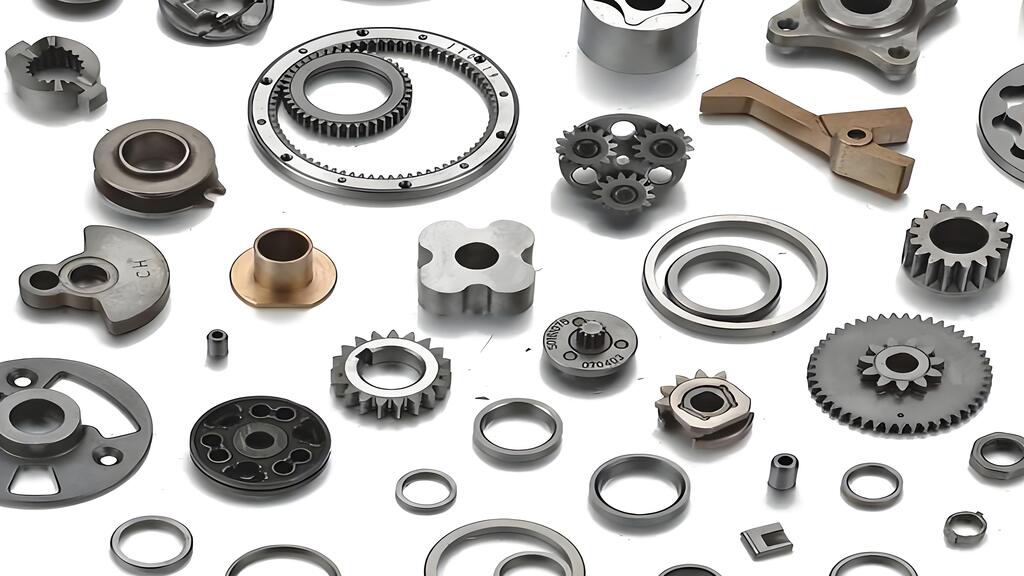


Aluminum Die Casting vs. Magnesium Die Casting
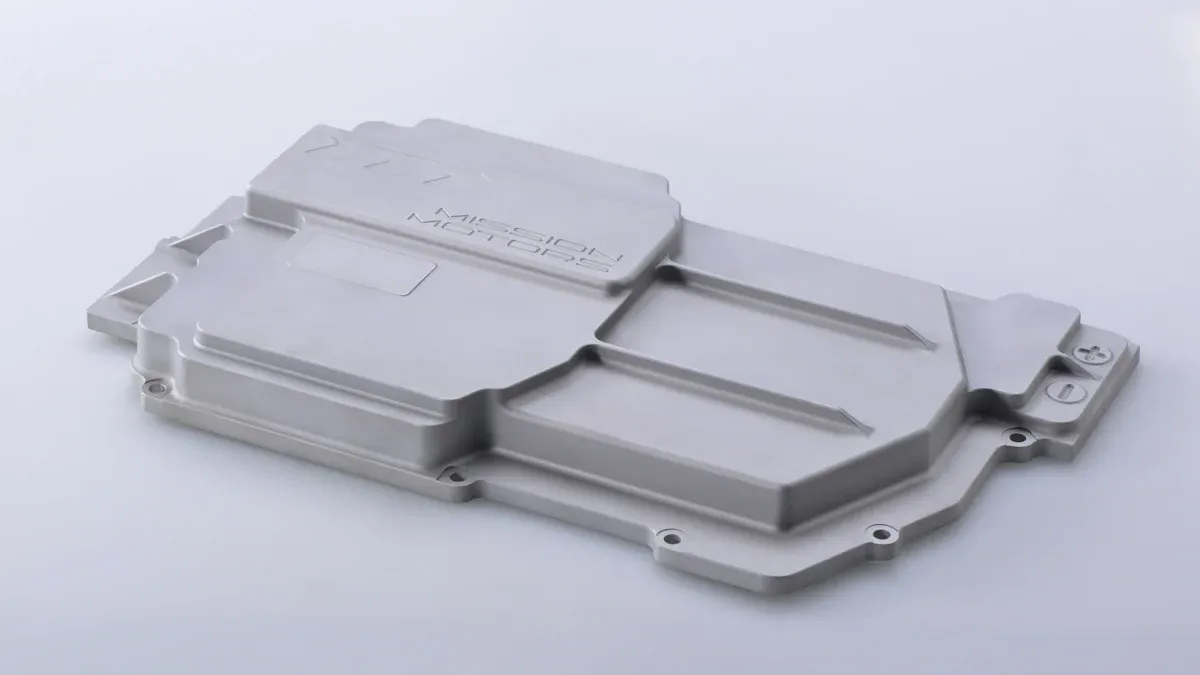
Industries like automotive, aerospace, and electronics increasingly demand lightweight and durable components. Both aluminum and magnesium alloys are essential for producing strong, lightweight parts that enhance fuel efficiency and reduce emissions. Aluminum Die Casting remains a dominant force, capturing 74.78% of the die casting market in 2025. However, magnesium showed significant growth, demonstrating a 9.53% Compound Annual Growth Rate. Choosing the optimal material requires careful consideration of various factors. Engineers evaluate density, machinability, stability, strength, corrosion resistance, and cost to ensure the final product meets specific performance and budget requirements.
Key Takeaways
- Aluminum die casting is very common. It makes strong, light parts for cars and electronics.
- Magnesium Die Casting makes even lighter parts. It is good for aerospace and portable electronics.
- Aluminum resists rust better than magnesium. Magnesium needs special coatings to prevent rust.
- Magnesium parts are lighter. This saves money on shipping and makes products easier to carry.
- Aluminum costs less to buy than magnesium. Magnesium has higher material costs.
- Magnesium helps stop vibrations and noise. This makes car parts more comfortable.
- Both materials are good for making complex shapes. They help make many different products.
Understanding Aluminum Die Casting
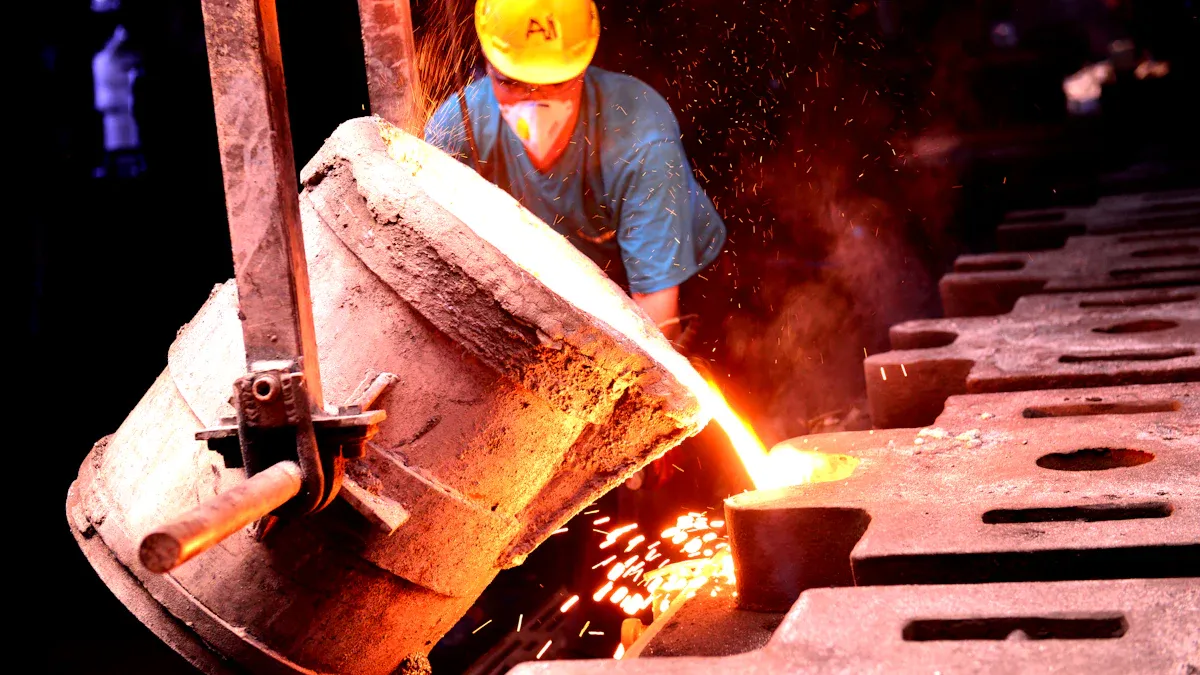
Aluminum Die Casting is a widely adopted manufacturing process. It involves forcing molten aluminum under high pressure into a mold cavity. This method creates complex shapes with high precision and excellent surface finishes. Many industries rely on Aluminum Die Casting for its versatility and performance characteristics.
Advantages of Aluminum Die Casting
High Strength-to-Weight Ratio
Aluminum alloys offer an impressive strength-to-weight ratio. This makes them ideal for applications requiring lightweight yet robust components. Products benefit from reduced mass without compromising structural integrity. Aluminum maintains strength even at high temperatures.
Excellent Thermal Conductivity
Aluminum possesses superior thermal conductivity. This property allows for efficient heat dissipation, which is crucial for electronic housings and engine parts. Components can manage heat effectively, preventing overheating.
Good Electrical Conductivity
Aluminum also exhibits good electrical conductivity. This makes it suitable for electrical connectors and housings where current flow is a consideration. It provides reliable electrical performance.
Corrosion Resistance
Aluminum naturally forms a protective oxide layer. This layer provides excellent corrosion resistance, especially in various atmospheric conditions. This inherent resistance reduces the need for extensive surface treatments.
Cost-Effectiveness
The abundance of aluminum and its efficient casting process contribute to its cost-effectiveness. Manufacturers can produce large volumes of parts economically. This makes it a popular choice for mass production.
Recyclability and Availability
Aluminum is highly recyclable. This reduces environmental impact and material costs. Its widespread availability also ensures a stable supply chain for manufacturers.
Disadvantages of Aluminum Die Casting
Higher Density
Compared to magnesium, aluminum has a higher density. This means aluminum parts are heavier than their magnesium counterparts of the same volume. This can be a disadvantage in applications where extreme weight reduction is paramount.
Lower Damping Capacity
Aluminum alloys generally have a lower damping capacity than magnesium. This means aluminum components are less effective at absorbing vibrations and noise. Designers must consider this for applications requiring significant vibration dampening.
Potential for Warpage
The cooling process in Aluminum Die Casting can sometimes lead to warpage. Internal stresses develop as the metal solidifies, potentially causing dimensional inaccuracies. Careful design and process control are necessary to mitigate this.
Machinability Challenges
While aluminum is generally machinable, certain aspects of Aluminum Die Casting can present challenges. Porosity and air entrapment, common issues, can affect machining quality. Shrinkage and solidification defects also require careful management during post-casting processes. High initial tooling costs and tool wear are also considerations.
Understanding Magnesium Die Casting
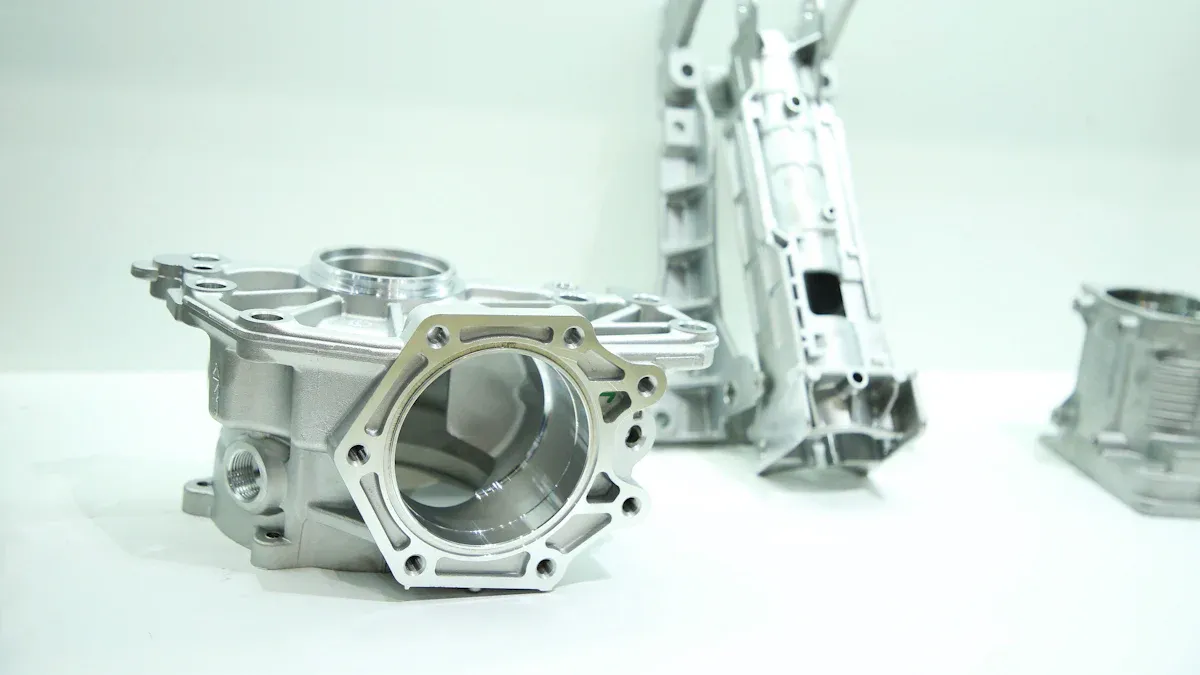
Magnesium Die Casting involves injecting molten magnesium alloy into a mold cavity under high pressure. This process creates intricate, lightweight components. Industries value magnesium for its unique combination of properties, making it a strong contender for applications where weight reduction is critical.
Advantages of Magnesium Die Casting
Extremely Lightweight
Magnesium alloys are among the lightest structural metals available. They have a density of approximately 1.8 g/cm³. This provides a significant weight advantage compared to aluminum (2.7 g/cm³) and titanium (4.5 g/cm³). This light weight is crucial for aerospace and other weight-critical applications.
Superior Strength-to-Weight Ratio
Magnesium die-cast parts offer an excellent strength-to-weight ratio. This makes them ideal for applications needing both weight reduction and strength, such as in the automotive or bicycle industries. Modern magnesium alloys can achieve yield strengths between 21-460 MPa, offering similar strength to aluminum alloys.
Excellent Damping Capacity
Magnesium exhibits superior natural damping compared to aluminum and steel. This property is highly beneficial for minimizing noise, vibration, and harshness (NVH). It enhances driving comfort and user experience in automotive components like dashboard frames, steering wheels, and seat structures.
| Properties | Magnesium | Aluminum | Steel |
|---|---|---|---|
| Vibration Damping | Excellent | Moderate | Low |
| Density | Very low | Low | High |
| Strength-to-Weight Ratio | High | Moderate | High |
Good Machinability
Magnesium alloys are easy to machine. They allow for high cutting speeds and produce fine chips, which simplifies post-processing. This reduces manufacturing time and costs.
EMI/RFI Shielding Properties
Magnesium provides inherent electromagnetic interference (EMI) and radio frequency interference (RFI) shielding. This makes it valuable for electronic enclosures, protecting sensitive components from external interference.
High Dimensional Stability
Magnesium alloys offer good stiffness-to-weight ratios. This means magnesium can achieve stiffness values comparable to aluminum or steel with significantly less material weight. This property makes magnesium alloys resistant to elastic deformation, ideal for applications needing minimal deflection.
Faster Casting Cycles
Magnesium's low heat content and rapid solidification allow for faster casting cycles. This increases production efficiency and throughput.
Disadvantages of Magnesium Die Casting
Higher Material Cost
Magnesium alloys generally have a higher material cost compared to aluminum. This can impact the overall production budget, especially for large-volume applications.
Lower Corrosion Resistance
Magnesium has lower natural corrosion resistance than aluminum. It is more susceptible to galvanic corrosion when in contact with other metals. This often requires protective coatings or surface treatments.
Flammability Risk During Processing
Magnesium is highly reactive and poses a significant flammability risk during processing. Molten magnesium can ignite if exposed to air, requiring specialized handling and safety protocols.
Specific Handling Requirements
Due to its reactivity, magnesium requires specific handling and storage procedures. Manufacturers must take precautions to prevent oxidation and ensure worker safety.
Limited Supplier Base
The supplier base for magnesium alloys and die-casting services is smaller compared to aluminum. This can sometimes limit options and increase lead times.
Softer and Less Stable
Magnesium alloys can be softer and less stable than aluminum in certain conditions. They can exhibit inhomogeneous microstructure evolution and porosity in components. Magnesium also has low formability at room temperature due to limited slip systems. Rapid cooling due to high thermal conductivity can lead to warping or shrinkage, affecting dimensional accuracy and surface finish.
Direct Comparison: Aluminum Die Casting vs. Magnesium Die Casting
Choosing between aluminum and magnesium die casting involves a detailed comparison of their properties. Each material offers distinct advantages and disadvantages. Manufacturers must weigh these factors against specific application requirements.
Weight and Density
Density represents a fundamental difference between these two materials. Magnesium alloys are significantly lighter than aluminum alloys.
| Alloy Type | Density (g/cm³) |
|---|---|
| Magnesium Alloys | 1.8 |
| Aluminum Alloys | 2.7 |
This table clearly shows magnesium's lower density. Die-cast magnesium alloy density is only two-thirds that of aluminum alloy and one-quarter that of steel.
Impact on Product Performance
The weight difference profoundly impacts product performance, especially in weight-sensitive applications. Magnesium's extreme lightness is critical for portable electronic housings. It allows for lighter devices, enhancing user experience. In high-performance automotive components, magnesium's weight reduction improves fuel economy. For instance, a 100kg reduction in vehicle weight can improve fuel economy by 0.5L/100km. Magnesium (AZ91D) reduces mass by 35% compared to aluminum (A380) in EV battery trays. This reduction is crucial where every gram matters. Magnesium's superior vibration absorption and damping capabilities also reduce noise. This improves comfort and enhances safety in automotive seat frames and hubs.
Shipping and Handling Costs
Lighter components directly translate to lower shipping and handling costs. Products made from magnesium alloys reduce the overall weight of shipments. This leads to decreased fuel consumption during transportation. It also simplifies manual handling processes. For large-volume production, these savings become substantial.
Strength and Durability
Both aluminum and magnesium offer impressive strength. However, their specific characteristics differ.
Tensile Strength and Yield Strength
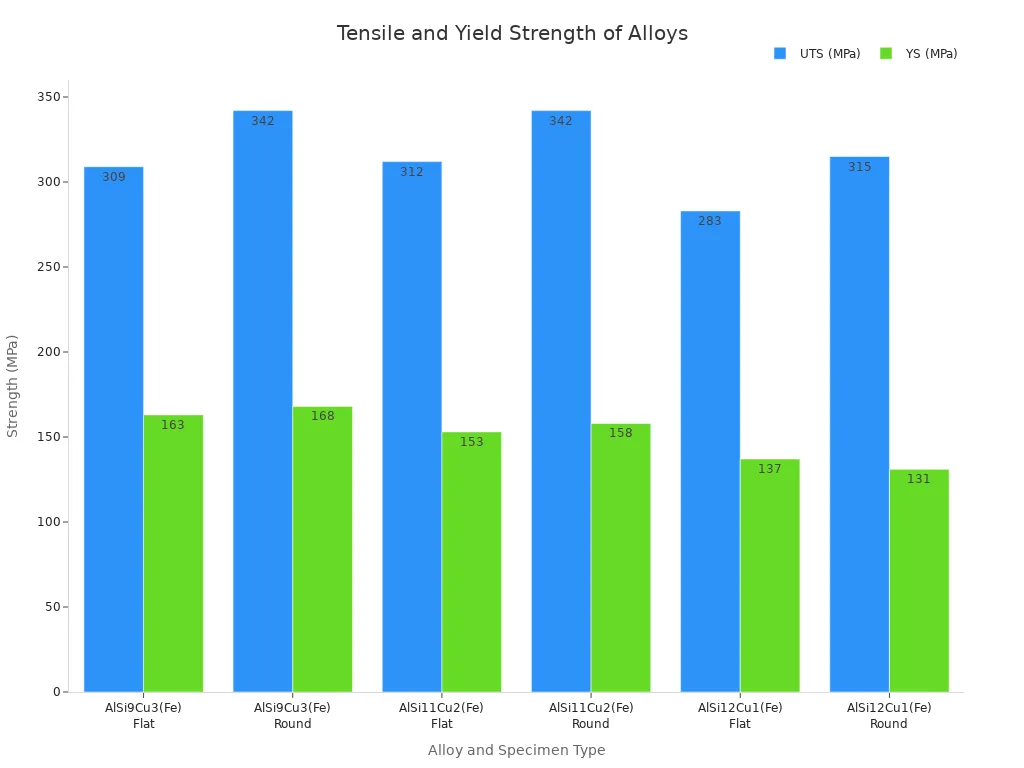
Tensile strength measures a material's resistance to breaking under tension. Yield strength indicates the stress level at which a material begins to deform permanently. For Aluminum Die Casting A380, the typical ultimate tensile strength is 324 MPa (47 ksi). Its typical yield strength is 160 MPa (23 ksi). High-strength AlSiCuMgMn alloys, processed by high-pressure die casting, achieve a yield strength of 321 MPa and an ultimate tensile strength of 425 MPa after treatment.
| Alloy | Specimen Type | UTS (MPa) | YS (MPa) |
|---|---|---|---|
| AlSi9Cu3(Fe) | Flat | 309 ± 6 | 163 ± 1 |
| AlSi9Cu3(Fe) | Round | 342 ± 8 | 168 ± 6 |
| AlSi11Cu2(Fe) | Flat | 312 ± 2 | 153 ± 1 |
| AlSi11Cu2(Fe) | Round | 342 ± 7 | 158 ± 3 |
| AlSi12Cu1(Fe) | Flat | 283 ± 2 | 137 ± 1 |
| AlSi12Cu1(Fe) | Round | 315 ± 7 | 131 ± 2 |
Magnesium alloys also offer excellent specific strength and specific stiffness. These properties often surpass steel and aluminum alloys.
Hardness and Impact Resistance
Hardness measures a material's resistance to indentation. Impact resistance indicates its ability to absorb energy from a sudden blow.
| Property | Aluminum Die Casting | Magnesium Die Casting |
|---|---|---|
| Hardness (HB) | 70–100 | 60–80 |
| Impact Resistance (J) | 3–5 | 4–8 |
Magnesium alloys generally exhibit lower hardness compared to aluminum. However, magnesium alloys are capable of absorbing up to 50% more energy than aluminum alloys when bent or crushed. This makes them particularly useful for parts that need to handle impacts effectively.
Thermal and Electrical Properties
These properties are crucial for applications involving heat management and electrical conductivity.
Heat Dissipation Capabilities
Thermal conductivity dictates how efficiently a material transfers heat. Aluminum exhibits superior thermal conductivity compared to magnesium. The thermal conductivity of aluminum is approximately 237 W/m·K. This makes it highly effective for heat dissipation. While magnesium's thermal conductivity aids in heat dissipation for electronic components, aluminum's conductivity is notably superior.
| Alloys (wt.%) | Temper | Thermal Conductivity (W m−1 K−1) |
|---|---|---|
| 308 (Al-5.5Si-4.5Cu) | F | 142 |
| 319 (Al-6Si-3.5Cu) | T6 | 109 |
| 354 (Al-9Si-1.8Cu-0.5Mg) | T6 | 128 |
| 355 (Al-5Si-1.3Cu-0.5Mg) | T6 | 152 |
| 356 (Al-7Si-0.3Mg) | T6 | 151 |
| 357 (Al-7Si-0.5Mg) | T6 | 152 |
| 359 (Al-9Si-0.6Mg) | T6 | 138 |
| 360 (Al-9.5Si-0.5Mg) | As-cast | 113 |
| 380 (Al-8.5Si-3.5Cu) | As-cast | 96 |
| 383 (Al-10.5Si-2.5Cu) | As-cast | 96 |
| 384 (Al-11.2Si-3.8Cu) | As-cast | 92 |
| 390 (Al-17Si-4.5Cu-0.6Mg) | T7 | 134 |
| 413 (Al-12Si) | As-cast | 121 |
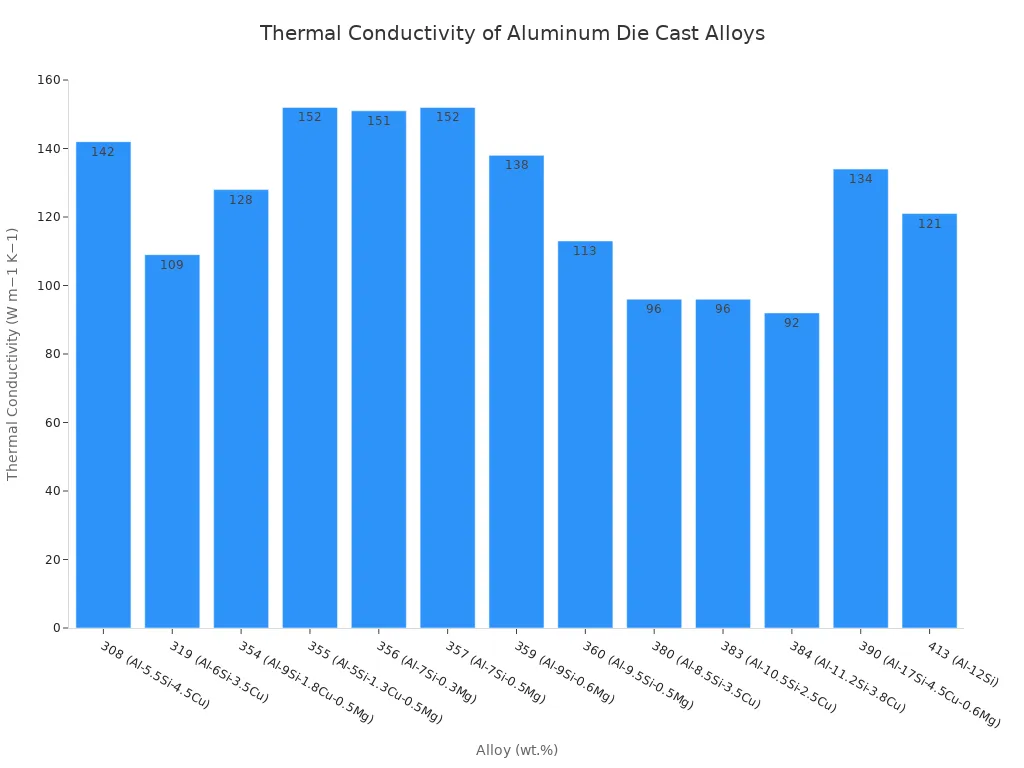
These values highlight aluminum's effectiveness in applications requiring rapid heat transfer.
Electrical Conductivity Needs
Electrical conductivity measures a material's ability to conduct an electric current.
| Material | Electrical Conductivity (MS/m) |
|---|---|
| Aluminum | 37.7 |
| Magnesium | 22.0 |
Aluminum exhibits good electrical conductivity, with a conductivity of approximately 37.7 MS/m. This makes it widely used in various electrical applications. In contrast, magnesium has poor electrical conductivity compared to aluminum, with a conductivity of approximately 22 MS/m. However, magnesium is sometimes utilized in electrical applications where its lightweight properties are more critical than its conductivity. Examples include lightweight electronic devices or batteries.
Corrosion Resistance
Corrosion resistance is a critical factor when selecting materials for components exposed to various environments. Both aluminum and magnesium exhibit distinct characteristics in this regard.
Environmental Considerations
Aluminum's exceptional corrosion resistance comes from a thin, instantly forming aluminum oxide layer on its surface. This layer prevents corrosion as long as it remains intact. Aluminum die castings generally exhibit good corrosion resistance due to this protective aluminum oxide layer. This makes aluminum a popular choice for die casting, as it is considered rust-proof. However, while it does not rust, aluminum can still corrode depending on specific environmental factors. Alloying aluminum with metals like copper, which significantly enhances strength and hardness, can increase the probability of corrosion. Copper acts as a cathode, aluminum as an anode, and their intimate connection within the microstructure, combined with a conductive fluid (like water containing salts), creates the conditions for an electrochemical reaction leading to corrosion.
| Alloy | Corrosion Resistance |
|---|---|
| A380 | Fair |
| A360 | Excellent |
| 383 | Good |
| 384 | Good |
| A413 | Excellent |
| B390 | Fair |
| 518 | Excellent |
Magnesium exhibits notable corrosion resistance, especially when alloyed with elements like aluminum or zinc. While magnesium is inherently prone to corrosion, its weakness can be mitigated through appropriate alloy compositions and surface treatments, thereby enhancing the product's longevity. This improved corrosion resistance is crucial for applications in harsh environments where components must withstand extreme conditions without failure. The corrosion rate of die cast AZ91D decreases with aging time in the initial stages (up to approximately 45 hours) under both immersion and salt spraying conditions. This occurs due to the precipitation of the β phase (Mg17Al12) along grain boundaries, which acts as a barrier to corrosion. However, at aging times greater than 45 hours, the corrosion rate increases again due to the decreasing aluminum content in the α grains, making the α matrix more active. The β phase is generally accepted as a corrosion barrier, and its presence benefits the corrosion resistance of AZ alloys.
Surface Treatment Requirements
Specialized finishes like CastGuard™ can significantly enhance the salt spray resistance of aluminum die castings beyond typical levels. This proprietary anodizing system increases the service life of permanent mold aluminum pressure die castings. Traditional anodizing of die-cast alloys (like 360 & 380 with high silicon, iron, and copper) can be challenging due to silicon particles inhibiting uniform film formation. However, CastGuard™ offers enhanced corrosion protection. It has demonstrated dramatic improvements in neutral salt spray testing, with some castings achieving over 2000 hours of resistance, compared to typical 50-100 hours.
Magnesium alloys demonstrate good corrosion resistance, particularly when properly treated or coated for demanding environments. Common protection techniques include MAO coating, conversion coatings, and E-coating via electro deposition, which significantly improve their performance in harsh conditions. Some tests indicate that magnesium can outperform aluminum in certain corrosive environments, provided that surface treatments are maintained and the environment is not excessively rich in chlorides. Effective surface treatments ensure that magnesium die-cast parts maintain structural integrity and resist rusting for extended periods. This is critical for automotive and aerospace applications requiring high durability.
Cost Analysis
Cost is a primary consideration for any manufacturing project. Analyzing material, processing, and tooling costs helps determine the most economical choice between aluminum and magnesium die casting.
Material Costs
Magnesium alloys typically cost between $3.00 and $6.00 per kilogram. In contrast, aluminum's price ranges from $2.00 to $4.00 per kilogram. This indicates that magnesium alloys are roughly double the price of aluminum alloys. This higher material cost for magnesium can significantly impact the overall budget, especially for large-volume production.
Processing and Tooling Costs
Die-casting molds, especially for high-pressure die casting, are very expensive. They are exposed to high temperatures, thermal shock, and cleaning requirements. Manufacturing costs include machine operation, energy consumption, labor, and auxiliary materials. Machine size and cycle time directly impact these costs. Post-processing costs vary based on the complexity and volume of finishing processes like machining, coating, or other final treatments.
| Feature | Aluminum | Magnesium |
|---|---|---|
| Material Cost | Moderate | More expensive |
| Melting Temp. | Higher (increases energy use) | Generally lower than aluminum |
| Energy Use | Higher due to higher melting temperatures | Lower due to lighter weight and potentially lower melting point |
| Tooling Needs | Influenced by material properties | Influenced by material properties |
| Handling | Standard | Requires careful handling |
Magnesium's lower melting temperature and faster casting cycles can lead to lower energy consumption during the casting process compared to aluminum. However, magnesium requires more careful handling due to its flammability risk during processing, which can add to operational costs.
Overall Production Expenses
When evaluating overall production expenses, manufacturers must consider the interplay of material costs, processing efficiency, and post-processing requirements. While magnesium has a higher material cost, its lighter weight can reduce shipping costs, and its faster casting cycles can lower manufacturing time. The need for specialized surface treatments for magnesium to enhance corrosion resistance can add to post-processing expenses. For aluminum, the lower material cost is often balanced by higher energy consumption during melting and potentially longer cycle times. A comprehensive cost analysis considers all these factors to determine the most cost-effective solution for a specific application.
Machinability and Finishing
The ease of post-processing and the quality of the surface finish are important considerations for die-cast parts. Both aluminum and magnesium offer different characteristics in these areas.
Ease of Post-Processing
Magnesium alloys are generally easy to machine. They allow for high cutting speeds and produce fine chips, which simplifies post-processing. This reduces manufacturing time and costs. For aluminum, machinability varies by alloy.
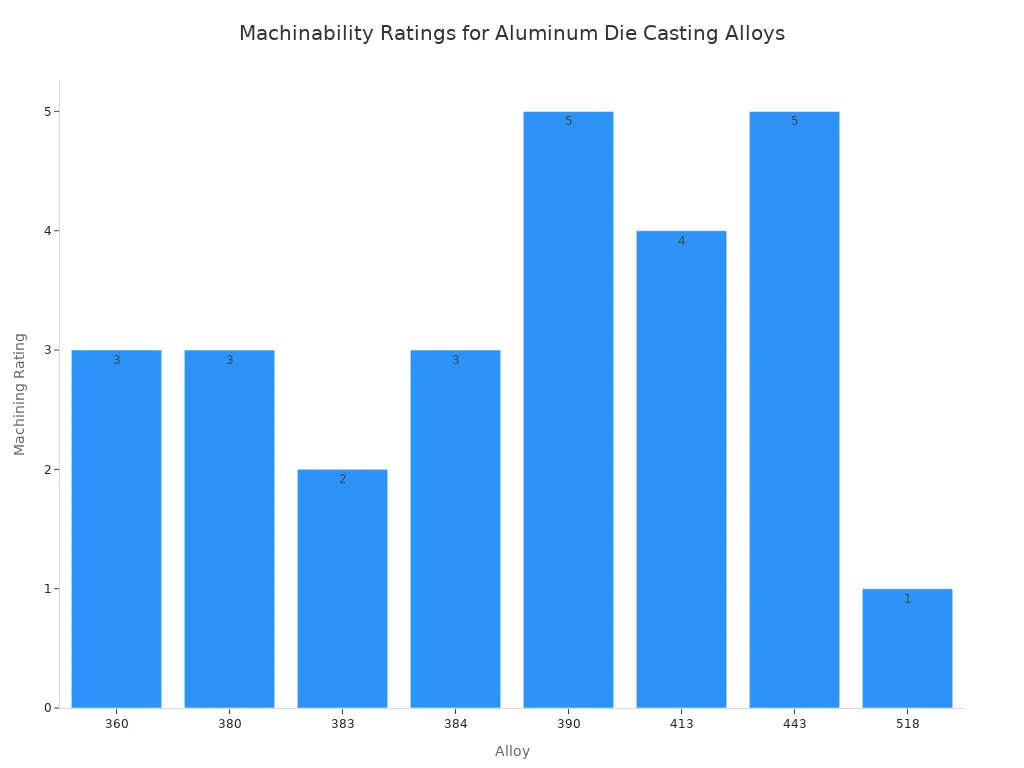
| Alloy | Machining Rating |
|---|---|
| 360 | 3 |
| 380 | 3 |
| 383 | 2 |
| 384 | 3 |
| 390 | 5 |
| 413 | 4 |
| 443 | 5 |
| 518 | 1 |
These ratings are specifically for aluminum die castings and are not intended for comparison with other metal alloys, such as magnesium. However, precise control of magnesium content, particularly above 0.30%, in aluminum-silicon alloys can improve chip formation and removal during machining operations.
Surface Finish Quality
Both aluminum and magnesium die casting processes can achieve excellent surface finishes directly from the mold. This often minimizes the need for extensive secondary finishing operations. The high pressure used in die casting ensures good replication of mold details, resulting in smooth and aesthetically pleasing surfaces. For applications requiring even higher aesthetic standards or enhanced functional properties, various surface treatments are available. These include polishing, painting, powder coating, and anodizing for aluminum, and specialized coatings for magnesium to improve corrosion resistance or wear properties. The choice of finishing process depends on the specific requirements for appearance, durability, and environmental exposure.
Environmental Impact and Recyclability
Manufacturers increasingly consider the environmental footprint of materials. Both aluminum and magnesium have distinct impacts regarding energy consumption and recycling.
Energy Consumption
The energy required for material production and recycling significantly affects environmental impact. Aluminum die casting often exhibits a lower carbon footprint. This is due to its reliance on secondary aluminum alloys and its inherent recyclability. A cradle-to-grave carbon footprint study highlights this advantage over other materials and processes for automotive components. Over 95% of aluminum die castings produced in North America use post-consumer recycled aluminum. This practice substantially reduces the energy required compared to using virgin alloys.
Conversely, magnesium alloys present a different environmental profile. The production and waste disposal of magnesium alloys have substantial environmental impacts. This is particularly true for the high energy consumption and pollution associated with primary magnesium extraction. Traditional methods, such as the electrolysis of magnesium chloride and silicon thermal reduction, are energy-intensive. They also generate harmful by-products like chlorine gas and large amounts of waste residue and exhaust gas. The extraction of virgin magnesium is energy-intensive and negatively impacts the environment. While electrolysis of magnesium chloride produces high-purity magnesium, it consumes extreme amounts of energy and creates harmful by-products. Silicon thermal reduction, though relatively lower in energy consumption, still uses significant thermal energy and produces considerable waste and exhaust.
Recycling Infrastructure
The availability and efficiency of recycling infrastructure play a crucial role in a material's overall environmental impact. Aluminum benefits from a well-established and robust recycling infrastructure globally. This makes aluminum highly recyclable and widely collected. The process of recycling aluminum requires significantly less energy than producing primary aluminum. This contributes to its favorable environmental profile.
Magnesium recycling infrastructure is less developed compared to aluminum. While magnesium is theoretically recyclable, the processes can be more complex. They often require specialized facilities due to magnesium's reactivity. Efforts are underway to improve magnesium recycling technologies and expand its infrastructure. This will help reduce its environmental footprint.
Die Life and Production Efficiency
Die life and production efficiency are critical factors in manufacturing cost and throughput. These aspects differ between aluminum and magnesium die casting processes.
Working Temperatures
The working temperature of the molten metal directly impacts the lifespan of the die. Aluminum casting typically occurs at temperatures between 1060°F and 1220°F (571°C and 660°C). These higher temperatures subject the dies to significant thermal stress. This stress can lead to wear and tear over time. Magnesium casting generally operates at lower temperatures, typically around 1200°F to 1300°F (650°C to 700°C), though some alloys may be cast at slightly lower temperatures. While magnesium's casting temperatures are comparable or slightly lower than aluminum's, other factors also influence die life.
Cycle Times
Cycle times refer to the duration of one complete casting operation. Magnesium's lower heat content and rapid solidification allow for faster casting cycles. This increases production efficiency and throughput. Aluminum, with its higher heat content, typically requires longer cooling times within the die. This results in slightly longer cycle times. Faster cycle times for magnesium can lead to higher production volumes in the same timeframe.
Die life also varies between the two materials. Dies used for aluminum casting can last up to 100,000 cycles. However, magnesium casting often results in a shorter die life.
| Material | Die Life Expectancy (Cycles) |
|---|---|
| Aluminum | 100,000 - 150,000 |
| Magnesium | 50,000 - 80,000 |
This table illustrates the typical die life expectancies. Aluminum dies generally endure more cycles than magnesium dies. This difference impacts tooling costs and maintenance schedules for manufacturers.
Application-Specific Material Selection
Choosing the right material for die casting depends heavily on the product's intended use. Engineers carefully consider performance requirements, environmental conditions, and cost implications. Both aluminum and magnesium offer unique advantages for different applications.
When to Choose Aluminum Die Casting
Aluminum die casting is a popular choice across many industries. Its balance of properties makes it suitable for a wide range of products.
Automotive Components
Manufacturers prefer aluminum die casting for automotive components. It produces lightweight parts. This directly improves fuel efficiency and reduces carbon emissions. Vehicles weigh less without losing strength or utility. Aluminum is about one-third lighter than steel. This makes it a key material for achieving these performance goals.
High dimensional accuracy is a critical requirement for automotive parts. Aluminum die casting meets this need. The process achieves tight tolerances. For example, it can reach ±0.1 mm for dimensions under 25 mm. It achieves ±0.2 mm for larger ones. This precision reduces the need for post-casting machining. This leads to increased productivity and lower production costs. The process also closely manages flatness, as low as 0.3 mm over 300 mm. It manages concentricity with a roundness tolerance of 0.05 mm for bearing seats. These capabilities are crucial for automotive assemblies.
Aluminum die casting delivers excellent structural integrity. Parts made this way show strong mechanical properties. They have good heat conductivity and high corrosion resistance. These features are essential for critical vehicle components. This is especially true within engine environments. High-pressure die casting ensures parts withstand normal operational pressures without breaking. Advanced simulation tools help reduce defects and improve stress resistance.
The process produces complex designs with thin walls. This is another key requirement for automotive parts. High-pressure die casting simplifies making thin-walled structures. Other methods often find this challenging. This design flexibility, supported by CAD and simulation software, allows engineers to create intricate parts. It also merges multiple components into a single casting. This reduces weight and assembly time.
Specific aluminum alloys are also preferred. These include A380, ADC12, and AlSi10Mg. Manufacturers select these alloys for their excellent castability. They offer a high strength-to-weight ratio and superior corrosion resistance. This makes them ideal for high-performance car parts. Aluminum's natural resistance to high heat and corrosion further suits demanding automotive environments.
Electronic Housings
Aluminum die casting is an excellent choice for electronic housings.
- Aluminum die-cast parts offer excellent resistance to corrosion. This extends their lifespan and reduces maintenance. This is especially true in harsh or moist environments.
- Aluminum's good thermal conductivity makes it ideal for heat dissipation. This applies to electronic and lighting applications. It maintains optimal operating conditions and improves device reliability.
- Die-cast aluminum parts keep their shape over time. This happens even in high-temperature applications. This is critical for precision and reliability in electronic components.
Aluminum's excellent thermal conductivity is crucial for efficient heat dissipation. It prevents overheating and ensures optimal performance. It also extends the lifespan of electronic devices. This is especially important in high-power applications. Its high tensile strength protects electronic components from mechanical stress. This enhances longevity. Its corrosion resistance further maintains integrity in various environmental conditions. Being significantly lighter than other metals, aluminum improves energy efficiency. It simplifies handling during assembly. It also contributes to the portability of electronic devices. Aluminum casting allows for complex and intricate shapes with tight tolerances. This is essential for precision components like enclosures, connectors, and heat sinks. While not as conductive as copper, aluminum offers good electrical conductivity. This suits many applications. It can also be alloyed to enhance this property. Aluminum is easily machined to precise dimensions. Manufacturers can finish it with various treatments. These include anodizing, painting, and powder coating. This achieves desired aesthetics and protection.
Industrial Equipment
Industrial equipment often requires robust and durable components. Aluminum die casting provides these qualities. It creates parts that withstand heavy use and harsh conditions. Its strength and corrosion resistance ensure long operational life. This reduces maintenance and replacement costs for industrial machinery.
Consumer Goods
Many consumer goods benefit from aluminum die casting. Its cost-effectiveness and ability to produce aesthetically pleasing parts are key. Products like kitchen appliances, power tools, and furniture components use aluminum. It offers a good balance of strength, weight, and finish quality.
When to Choose Magnesium Die Casting
Magnesium die casting is chosen when extreme lightness and specific performance characteristics are paramount.
Aerospace Components
Magnesium alloys are approximately 30-40% lighter than aluminum. This significantly reduces aircraft mass. It also enhances fuel efficiency. These alloys offer superior strength relative to their weight. This allows for robust yet lightweight designs. They maintain structural integrity under stress. Magnesium alloys effectively minimize vibrations. This reduces material fatigue and noise. It extends the lifespan of aerospace components. Magnesium alloys are also easy to shape and form. This allows for precise manufacturing of components. The AZ63A alloy is particularly noted for its exceptional creep resistance. This makes it highly suitable for aerospace components. These components are exposed to high temperatures and significant stresses. This property ensures the material performs consistently in extreme environments. This is crucial for precision engineering and resilience in the demanding aerospace industry.
Portable Electronics
Magnesium is a preferred material for portable electronics.
- Magnesium allows for strong parts without excessive mass. It offers comparable or improved mechanical properties to aluminum. It is also significantly lighter. This is crucial for enhancing portability in electronic devices.
- It aids in effectively dissipating heat from electronic components. It also ensures efficient electrical pathways. This makes it suitable for casings and housings in various electronic devices.
- Magnesium provides protection for sensitive electronic components from external interference. This is vital for devices needing signal integrity. Examples include laptops and communication equipment.
Sports Equipment
The lightweight and high strength-to-weight ratio of magnesium make it ideal for sports equipment. Bicycle frames, camera bodies, and other gear benefit from its properties. It enhances performance by reducing weight without sacrificing durability. This allows athletes to achieve better results.
Medical Devices
Medical devices often require lightweight, precise, and sometimes shielded components. Magnesium die casting meets these demands. Its excellent strength-to-weight ratio and dimensional stability are crucial. It is used in surgical instruments, portable diagnostic equipment, and other specialized medical applications.
Hybrid Approaches and Future Trends
The field of die casting constantly evolves. New approaches and technologies emerge to meet increasing demands.
Combining Materials
Manufacturers increasingly explore hybrid approaches. They combine different materials to leverage their best properties. For example, they might use magnesium for its lightness in one section. They might use aluminum for its corrosion resistance in another. This creates components with optimized performance characteristics. This strategy allows designers to overcome the limitations of a single material.
Advanced Alloys and Processes
The industry sees emerging trends in advanced alloys and processing techniques.
- High-strength, lightweight alloys combine strength and lightness. This makes them ideal for industries like automotive and aerospace. They enhance performance and efficiency in applications such as electric vehicles and aircraft.
- Alloys designed for extreme conditions perform in harsh environments. These include high temperatures or corrosive settings. They ensure reliable performance in applications like renewable energy systems and industrial machinery.
Technology also drives innovation in die casting processes.
- AI and Automation in Manufacturing:
- AI-driven quality control systems use advanced sensors and cameras. They detect defects in real-time. This reduces waste and improves product consistency. It also predicts future issues.
- Automated production employs robots and automated machines for repetitive tasks. This increases precision, speed, and production rates. It reduces human error and offers flexibility for different designs.
- 3D Printing for Die Casting Parts:
- Rapid prototyping and mold creation allow for quick production of prototypes and molds. This significantly speeds up the development process. It also reduces costs compared to traditional methods.
- Customization and design flexibility enable complex shapes and intricate details. This facilitates customizing parts for specific applications. Examples include lightweight aerospace components or heat-resistant electronics.
- Digital Twin Technology:
- Real-time process monitoring and simulation create a virtual replica of the manufacturing process. This allows for instant monitoring of performance. It identifies bottlenecks and simulates scenarios. This helps make informed decisions.
- Predictive maintenance uses data from sensors. It predicts when maintenance is needed. This prevents unexpected downtime. It extends machine lifespan and reduces repair costs. It addresses issues before they become critical.
Choosing between aluminum and magnesium die casting requires careful consideration of their distinct properties. Aluminum offers good corrosion resistance and excellent thermal conductivity. Magnesium provides superior lightness and damping capacity.
| Feature | Aluminum Alloy | Magnesium Alloy |
|---|---|---|
| Density | Higher (approx. 2.7 g/cm³) | Lower (approx. 1.8 g/cm³) |
| Corrosion Resistance | Good | Poor (requires surface treatment) |
| Die Casting Temperature | Higher (650-720°C) | Lower (620-680°C) |
Manufacturers must align material selection with specific performance requirements. The future of lightweight die casting materials looks promising. Innovations include AI-powered quality control, which significantly reduces scrap rates. New applications in electric vehicles and aerospace also drive demand for these advanced alloys.
FAQ
Which material is lighter, aluminum or magnesium?
Magnesium is significantly lighter than aluminum. Its density is approximately 1.8 g/cm³, while aluminum's density is about 2.7 g/cm³. This makes magnesium ideal for applications requiring extreme weight reduction.
Does aluminum or magnesium offer better corrosion resistance?
Aluminum generally offers better natural corrosion resistance. It forms a protective oxide layer. Magnesium requires specific surface treatments or coatings to enhance its corrosion resistance, especially in harsh environments.
Which material is more cost-effective for die casting?
Aluminum is typically more cost-effective. Its material cost is lower, and its recycling infrastructure is more established. Magnesium has a higher material cost, which can impact overall production expenses.
Which material has better thermal conductivity for heat dissipation?
Aluminum exhibits superior thermal conductivity. It is highly effective for heat dissipation in electronic housings and engine parts. Magnesium also aids in heat dissipation, but aluminum's conductivity is notably higher.
Is magnesium die casting suitable for aerospace components?
Yes, magnesium die casting is highly suitable for aerospace components. Its extreme lightness and superior strength-to-weight ratio significantly reduce aircraft mass. This enhances fuel efficiency and overall performance.
What are the main advantages of aluminum die casting?
Aluminum die casting offers a high strength-to-weight ratio, excellent thermal and electrical conductivity, and good corrosion resistance. It is also cost-effective and highly recyclable, making it versatile for many industries.
What are the primary disadvantages of magnesium die casting?
Magnesium die casting has higher material costs and lower natural corrosion resistance. It also presents a flammability risk during processing. It requires specific handling and has a more limited supplier base.