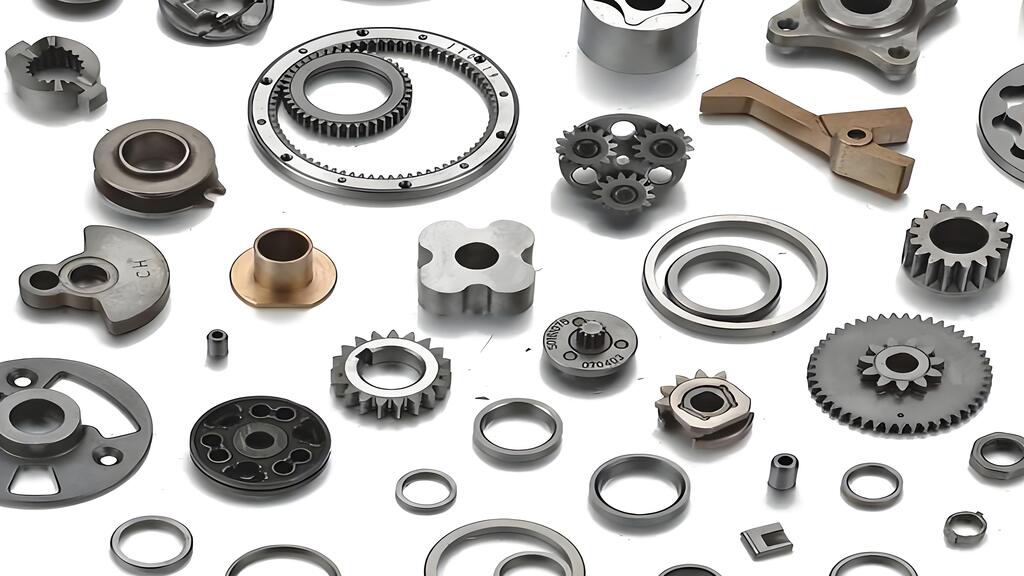


Best metal powders for high wear resistance
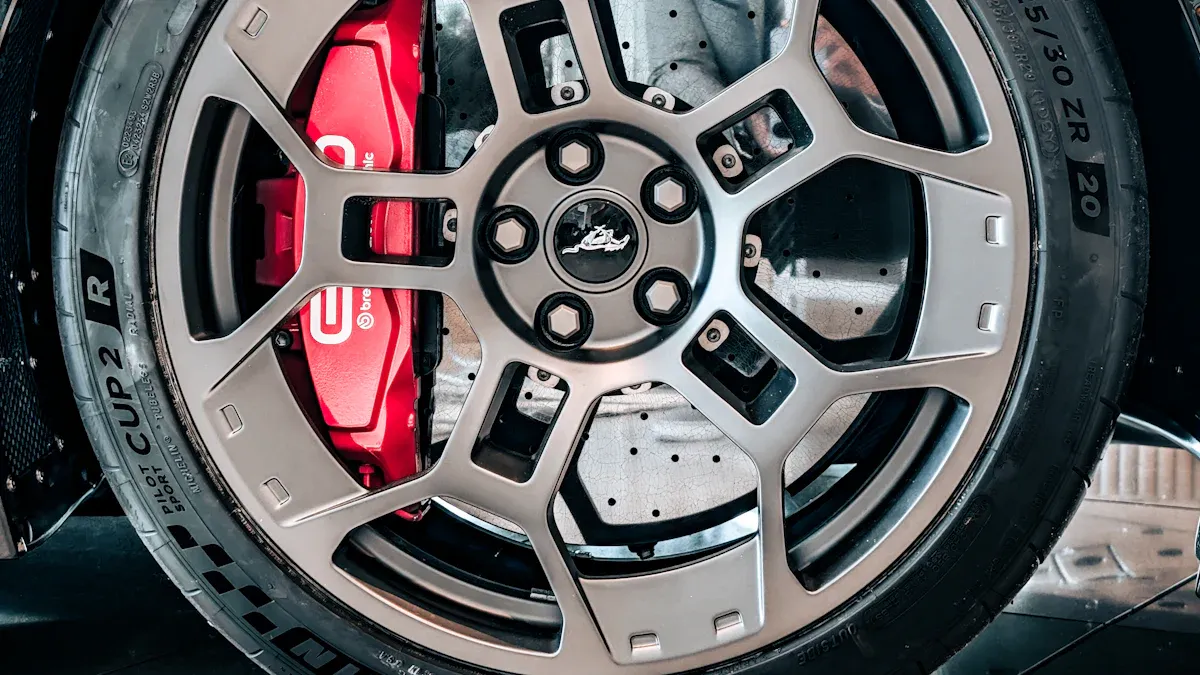
Metal powders play a crucial role in applications requiring high wear resistance. Industries such as energy, manufacturing, and automotive rely on these materials for their durability and longevity. Critical components, such as hydroturbine runners and guide vanes, demand exceptional wear resistance due to their exposure to harsh conditions, including sediment-laden fluid flows.
Several properties contribute to the effectiveness of metal powders in resisting wear. Key factors include hardness, toughness, and material composition. The microstructure significantly influences hardness and overall wear resistance, highlighting the importance of selecting the right metal powders for specific applications.
Key Takeaways
- Metal powders are essential for industries needing high wear resistance, such as automotive and aerospace.
- Choosing the right metal powder involves considering composition, particle size, and morphology for optimal performance.
- Chromium and molybdenum enhance hardness and wear resistance, making them vital in metal powder formulations.
- Smaller particle sizes improve flowability and packing density, leading to better mechanical properties in finished products.
- Thermal stability is crucial for maintaining wear resistance in high-temperature applications, preventing material degradation.
- Tungsten carbide and chromium carbide are top choices for wear resistance due to their exceptional hardness and durability.
- Nickel-based and cobalt-based alloys offer excellent wear resistance, especially in high-stress environments.
- Sustainability practices in metal powder production, like recycling, are becoming increasingly important for reducing environmental impact.
Criteria for Selecting Metal Powders
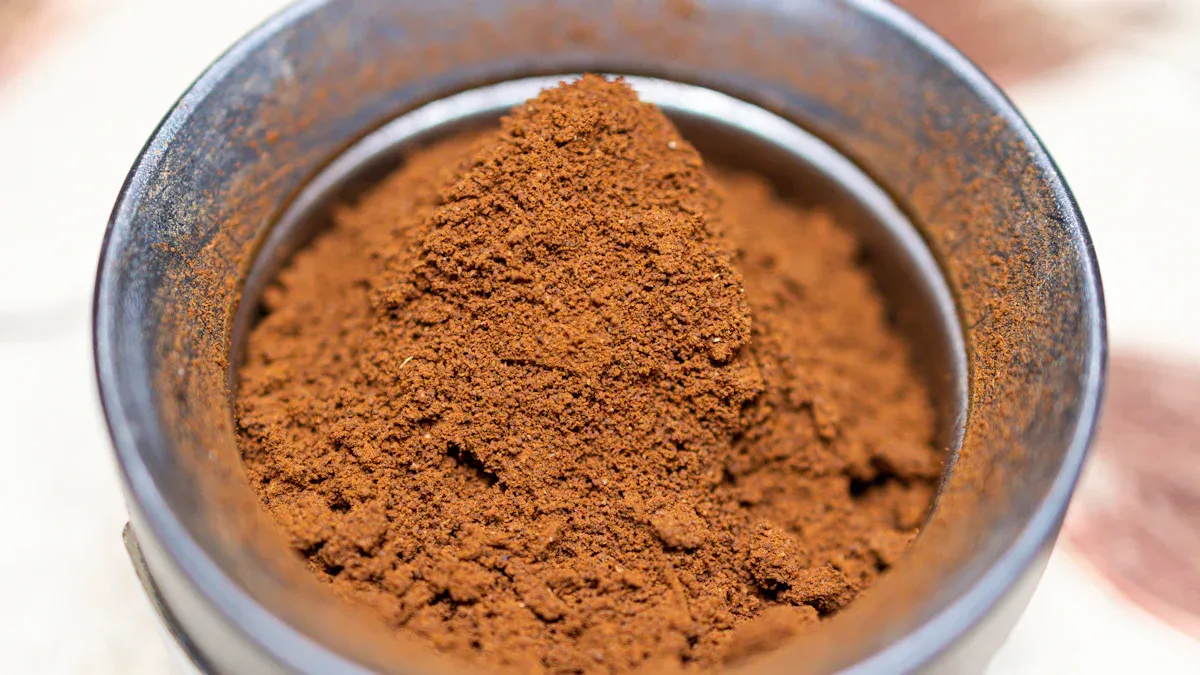
Selecting the right metal powders for high wear resistance involves several critical criteria. Engineers and manufacturers must consider various factors to ensure optimal performance in their applications.
Composition
The chemical composition of metal powders significantly influences their wear resistance. Different elements contribute unique properties that enhance durability. For instance, chromium enhances hardness and wear resistance, while molybdenum improves surface hardness. A synergistic effect occurs when these elements combine, leading to superior mechanical properties.
| Element | Effect on Wear Resistance | Additional Notes |
|---|---|---|
| Chromium | Enhances hardness and wear resistance | Increased chromium content does not significantly improve hardness beyond a limit. |
| Molybdenum | Improves surface hardness and wear resistance | Higher molybdenum levels facilitate carbide formation, enhancing durability. |
| Combined Effect | Synergistic enhancement of mechanical properties | Both elements together significantly reduce wear coefficients and improve toughness. |
Particle Size
Particle size and distribution play a vital role in the performance of metal powders. Smaller particles often provide better flowability and packing density, which are essential for consistent manufacturing processes. Larger reinforcement particles can enhance wear resistance by maintaining rigidity during severe shear deformation. Manufacturers rely on stable and consistent materials to ensure uniform density and mechanical properties in their finished products. Controlled particle size distributionis crucial for predictable flow and packing, while consistent purity levels are necessary for producing high-strength Sintered Components.
Morphology
The morphology of metal powders affects their performance in coatings and additive manufacturing. Key aspects include:
- Material Composition: High hardness materials enhance wear resistance.
- Surface Roughness: Rough surfaces can increase wear due to abrasive forces.
- Hardness and Toughness: A balance is crucial; too soft can fracture, while too hard can be brittle.
- Elasticity: This describes the material's ability to deform without permanent damage.
- Adhesion and Tensile Strength: These properties are essential for maintaining integrity under load and friction.
Understanding these criteria allows engineers to select the most suitable metal powders for their specific applications, ensuring optimal wear resistance and performance.
Hardness
Hardness serves as a critical property in determining the wear resistance of metal powders. It reflects a material's ability to withstand deformation and abrasion. Research indicates that higher levels of chromium and molybdenum significantly improve both hardness and wear resistance in iron-based Powder Metallurgy specimens. Specifically, increased molybdenum concentration leads to the formation of molybdenum carbide particles, which enhance surface hardness and reduce wear volume. This demonstrates a direct relationship between the hardness of metal powders and their wear resistance, as elevated chromium and molybdenum concentrations correlate with diminished wear coefficients.
Manufacturers often measure hardness using various scales, such as Rockwell or Vickers. These scales provide insights into how well a material can resist wear under different conditions. For instance, tungsten carbide exhibits exceptional hardness, making it a preferred choice for applications requiring high wear resistance.
Thermal Stability
Thermal stability is another essential factor influencing the long-term wear resistance of metal powders, especially in high-temperature environments. High-performance alloys often rely on precipitate phases for their strength and wear resistance. However, these phases can coarsen or dissolve during prolonged exposure to high temperatures, leading to a progressive degradation of mechanical properties and wear resistance, a phenomenon known as thermal aging.
Alloys designed for high temperatures can operate effectively at temperatures exceeding 1100 °C. Their microstructure, particularly the presence of strengthening precipitates, significantly enhances their wear resistance in high-temperature conditions. The stability of these high-temperature alloys is crucial as it helps prevent the degradation of mechanical properties over time. This stability is vital for maintaining wear resistance, as traditional wear-resistant mechanisms can deteriorate with increased operating temperatures, leading to a reduction in the service life of components.
Top Metal Powders for High Wear Resistance
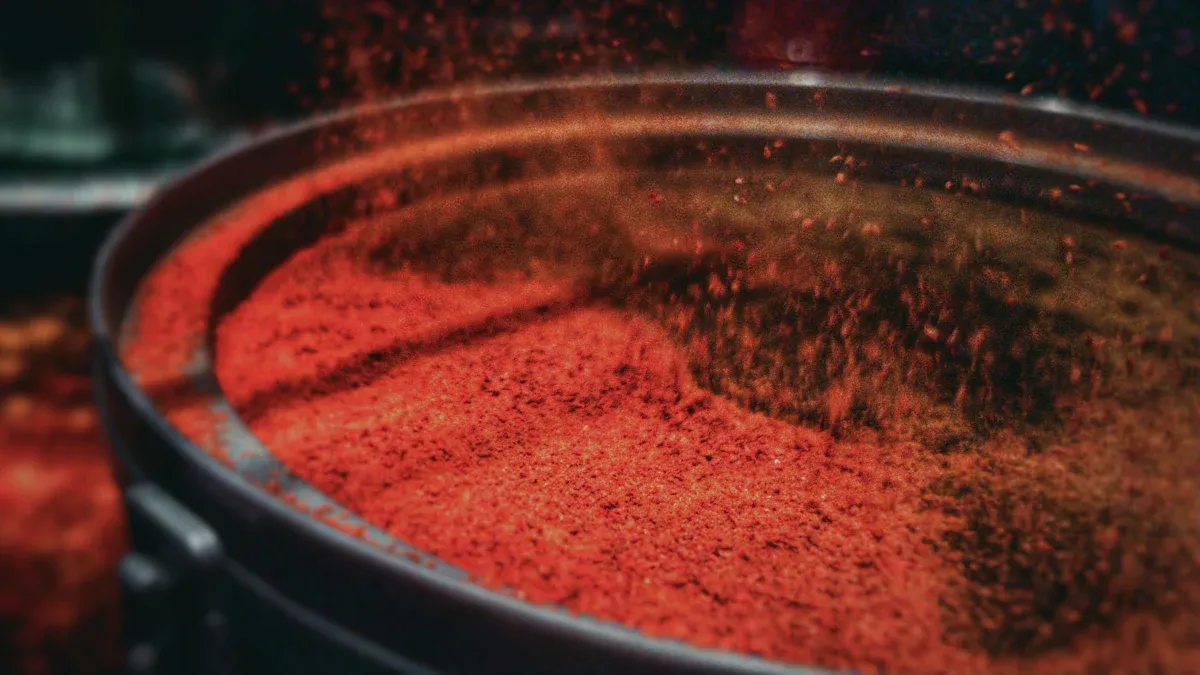
Tungsten Carbide
Properties
Tungsten carbide stands out as one of the most durable metal powders available. It exhibits remarkable hardness, rated at approximately 9.5 on the Mohs scale, making it second only to diamond. This exceptional hardness results from its unique microstructure, which consists of tungsten and carbon atoms bonded in a strong lattice. The Vickers hardness of tungsten carbide ranges from 2,200 to 2,800 HV, showcasing its ability to withstand significant wear and abrasion. Additionally, tungsten carbide possesses good thermal stability, allowing it to maintain its properties even under high-temperature conditions.
Applications
Tungsten carbide finds extensive use in various industries due to its high wear resistance. Common applications include:
- Cutting Tools: Used in drills, milling cutters, and saw blades.
- Mining Equipment: Essential for drill bits and other tools exposed to harsh conditions.
- Aerospace Components: Utilized in parts that require durability and resistance to wear.
- Industrial Machinery: Employed in components that experience high friction and wear.
Chromium Carbide
Properties
Chromium carbide is renowned for its exceptional wear resistance, particularly in abrasive environments. Studies indicate that chromium carbide powders exhibit superior impact-abrasion resistance compared to other carbides, especially in high-temperature applications. The complex-alloyed FeCrC-based hardfacing demonstrates better stability of carbides and optimal mechanical properties, contributing to enhanced wear resistance. This metal powder also offers high oxidation resistance and exceptional hardness due to its chromium content.
Applications
Chromium carbide is widely used in applications that demand high wear resistance, including:
- Hardfacing: Applied to protect surfaces from wear in mining and construction equipment.
- Pipelines: Used in the oil and gas industry to enhance the durability of pipes.
- Manufacturing Tools: Incorporated into dies and molds that require resistance to wear and deformation.
Molybdenum Disulfide
Properties
Molybdenum disulfide (MoS2) is a unique metal powder known for its excellent lubricating properties and wear resistance. It forms a layered structure that allows for easy sliding between layers, reducing friction significantly. This property makes it particularly effective in applications where lubrication is critical. Molybdenum disulfide also exhibits good thermal stability, maintaining its performance in high-temperature environments.
Applications
Molybdenum disulfide is commonly used in various applications, such as:
- Lubricants: Often added to oils and greases to enhance their performance.
- Coatings: Used in surface treatments to reduce wear and friction.
- Aerospace and Automotive: Applied in components that require low friction and high wear resistance.
Nickel-Based Alloys
Properties
Nickel-based alloys are renowned for their exceptional wear resistance, primarily due to the presence of alloying elements such as chromium, cobalt, and molybdenum. These elements enhance mechanical strength and contribute to the formation of strengthening precipitates that improve oxidation resistance. This combination significantly increases wear resistance, making nickel-based alloys suitable for high-stress applications. Their ability to maintain performance at elevated temperatures further solidifies their reputation in demanding environments.
Applications
Nickel-based alloys find extensive use in various industries, particularly in applications that require high wear resistance. Common applications include:
- Aerospace Components: Used in turbine blades and combustion chambers where high temperatures and wear are prevalent.
- Chemical Processing: Employed in equipment exposed to corrosive environments, ensuring longevity and reliability.
- Oil and Gas Industry: Utilized in downhole tools and components that face extreme conditions.
Cobalt-Based Alloys
Properties
Cobalt-based alloys exhibit superior wear resistance, especially at high temperatures. They possess a unique combination of hardness and toughness, making them ideal for applications that demand durability. The presence of chromium, tungsten, and carbon enhances their mechanical properties, allowing these alloys to withstand significant wear and thermal stress.
| Alloy Type | Wear Resistance Characteristics | Key Elements Used |
|---|---|---|
| Cobalt-based | Superior wear resistance at high temperatures; unique hardness and toughness combination. | Chromium, tungsten, carbon |
| Nickel-based | Excellent mechanical strength and wear resistance at elevated temperatures. | Chromium, cobalt, molybdenum |
| Iron-based | Cost-effective with good wear performance; stable carbides formed through heat treatment. | Chromium, molybdenum, vanadium, carbon |
Applications
Cobalt-based alloys are widely used in applications requiring high wear resistance and thermal stability. Key applications include:
- Cutting Tools: Utilized in high-performance machining tools that endure extreme conditions.
- Biomedical Devices: Employed in implants and prosthetics due to their biocompatibility and wear resistance.
- Aerospace: Used in components that require both strength and resistance to wear.
Iron-Based Alloys
Properties
Iron-based alloys are popular for their cost-effectiveness and good wear performance. They often contain elements like chromium and molybdenum, which enhance their wear resistance. Studies indicate that iron-based alloys with increased FeB content form hard boride phases, such as Fe2B and CrB2, significantly improving wear resistance. The microstructural characteristics, including the morphology of hard phases, play a crucial role in their performance.
The performance in sliding wear tests shows that these alloys can achieve minimal wear loss, demonstrating their effectiveness in wear resistance applications.
Applications
Iron-based alloys are commonly used in various industries due to their balance of performance and cost. Typical applications include:
- Automotive Components: Used in gears and bearings that experience significant wear.
- Construction Equipment: Employed in machinery parts that require durability and resistance to abrasion.
- Manufacturing Tools: Utilized in dies and molds that need to withstand wear during production processes.
Ceramic Powders
Properties
Ceramic powders are known for their exceptional hardness and wear resistance. They often outperform many metal powders in specific applications. The following table summarizes key characteristics of various ceramic types:
| Ceramic Type | Hardness (GPa) | Fracture Toughness (H·KIC) | Wear Resistance Comparison |
|---|---|---|---|
| Al2O3 | 13.3 | N/A | Lower than ZTA |
| ZTA | 248.5 | N/A | Best impact wear resistance |
| ZrO2 | Lower than Al2O3 | N/A | Easily removed from matrix |
Zirconia toughened alumina (ZTA) stands out due to its high hardness and superior wear resistance, making it ideal for applications requiring durability. The hardness of ZTA, measured at 248.5 GPa, significantly enhances its performance in abrasive environments.
Applications
Ceramic powders find extensive use in various industries, particularly where wear resistance is critical. Common applications include:
- Cutting Tools: Used in high-performance machining tools.
- Wear-Resistant Coatings: Applied to surfaces exposed to abrasive conditions.
- Biomedical Devices: Utilized in implants due to their biocompatibility and wear resistance.
Stellite Alloy
Properties
Stellite alloys are cobalt-based materials known for their superior wear resistance, especially at high temperatures. Key characteristics include:
- Exceptional wear resistance at elevated temperatures.
- Unique combination of hardness and toughness.
- Suitability for applications involving sliding wear and erosion.
The microstructure of Stellite alloys includes hard carbides, such as Cr7C3, embedded in a cobalt-rich matrix. This structure enhances both abrasion resistance and toughness, making Stellite alloys ideal for demanding environments.
Applications
Stellite alloys are widely used in applications requiring high wear resistance and thermal stability. Typical applications include:
- Aerospace Components: Used in turbine blades and combustion chambers.
- Oil and Gas Industry: Employed in downhole tools facing extreme conditions.
- Cutting Tools: Utilized in high-performance machining applications.
Nickel-Aluminum Bronze
Properties
Nickel-aluminum bronze (NAB) alloys are critical in marine applications due to their exceptional resistance to seawater corrosion. They exhibit several key characteristics:
- High mechanical robustness, crucial for components exposed to harsh marine conditions.
- Preference over traditional steel powders for marine infrastructure due to fewer defects during manufacturing.
However, NAB alloys may underperform under specific erosion-corrosion conditions, particularly in cavitation and solid particle loading environments. This limitation can lead to premature component failure and increased maintenance costs.
Applications
NAB alloys are commonly used in various marine applications, including:
- Shipbuilding: Employed in propellers and hulls due to their corrosion resistance.
- Marine Hardware: Used in fittings and fasteners exposed to seawater.
- Pipelines: Utilized in systems transporting corrosive fluids.
Carbon-Chromium-Boron
Properties
Carbon-chromium-boron (CCB) powders exhibit remarkable wear resistance, making them suitable for various demanding applications. The combination of these elements enhances the mechanical properties of the resulting materials. Key characteristics include:
- Hardness: CCB powders demonstrate high hardness levels, which significantly contribute to their wear resistance. The presence of chromium and boron in the composition strengthens the microstructure, allowing these powders to withstand abrasive conditions effectively.
- Anti-Wear Properties: Studies show that the addition of boron influences the anti-wear properties of carbon-chromium alloys. Specifically, the combination of chromium, boron, and vanadium enhances wear resistance, making these materials ideal for applications where durability is crucial.
- Tribological Performance: In unalloyed or chromium steels, the addition of boron does not improve tribological properties. However, when combined with carbon and chromium, boron plays a vital role in enhancing the overall performance of the metal powders.
The unique microstructure formed by the interaction of these elements results in a material that can endure harsh environments while maintaining its integrity.
Applications
Carbon-chromium-boron metal powders find extensive use in various industries due to their superior wear resistance. Common applications include:
- Cutting Tools: CCB powders are often used in the manufacturing of cutting tools that require high durability and resistance to wear. Their hardness allows them to maintain sharp edges even under extreme conditions.
- Mining Equipment: The mining industry benefits from CCB powders in the production of equipment that faces abrasive materials. The enhanced wear resistance ensures longer service life and reduced maintenance costs.
- Automotive Components: In automotive applications, CCB powders are utilized in parts that experience significant friction and wear. Their ability to withstand harsh operating conditions makes them ideal for gears and bearings.
- Industrial Machinery: CCB metal powders are also employed in various industrial machinery components, where wear resistance is critical for maintaining operational efficiency.
The versatility of carbon-chromium-boron metal powders makes them a valuable choice for industries seeking reliable and durable materials.
Comparison of Metal Powders
Performance Metrics
Evaluating the performance of metal powders involves several widely accepted metrics. These metrics help determine the wear resistance of materials in both laboratory and field tests. Common methods include:
- Pin-on-disk tests
- Abrasion tests on laboratory stands
- Wear rate measurements in laboratory and field conditions
A summary of specific tests used to assess wear resistance is presented in the table below:
| Test Type | Description |
|---|---|
| PAFWT | Planar array field wear test used to screen and rank wear resistant alloys. |
| ASTM G 65 | Dry-sand rubber-wheel abrasion test. |
| POD | Pin-on-drum abrasive wear test developed by ARC. |
| JC | Jaw crusher gouging wear test variation by ARC. |
| IW | Impeller-in-drum impact abrasive wear test version by ARC. |
These performance metrics provide valuable insights into the durability and longevity of metal powders in various applications.
Cost-Effectiveness
Cost-effectiveness is a crucial factor when selecting metal powders for high wear resistance. Manufacturers must balance performance with budget constraints. While some high-performance powders, such as tungsten carbide, offer exceptional wear resistance, they often come at a premium price. In contrast, iron-based alloys provide a more economical option without significantly compromising performance.
When evaluating cost-effectiveness, consider the following:
- Initial Investment: The upfront cost of acquiring metal powders.
- Long-Term Savings: The potential reduction in maintenance and replacement costs due to enhanced wear resistance.
- Application-Specific Needs: The suitability of a particular powder for specific operational conditions.
Availability
Availability of metal powders can vary significantly based on geographic location and supplier capabilities. Some powders, like tungsten carbide and chromium carbide, are widely available due to their extensive use in various industries. Others, such as specialized ceramic powders or cobalt-based alloys, may have limited availability and longer lead times.
Manufacturers should assess the following factors regarding availability:
- Supplier Network: The reliability and reach of suppliers in providing the required metal powders.
- Production Capacity: The ability of suppliers to meet demand during peak periods.
- Customization Options: The flexibility of suppliers to provide tailored solutions for specific applications.
Understanding these aspects of availability ensures that manufacturers can source the right metal powders efficiently and effectively.
Future Trends in Metal Powders
Innovations in Wear Resistance
Recent advancements in metal powder technology have significantly improved wear resistance. Manufacturers are developing new alloys, such as high-entropy alloys and metal matrix composites, to enhance strength and thermal stability. Innovative sintering methods, including Spark Plasma Sintering and microwave-assisted sintering, have emerged. These techniques allow for precise control over the microstructure of sintered components, leading to improved wear resistance and mechanical properties. As a result, industries can expect enhanced performance from their materials.
Sustainable Practices
Sustainability has become a priority in the production and recycling of wear-resistant metal powders. Several practices are gaining traction:
| Practice | Description |
|---|---|
| Waste Recycling | Unused metal powders can be reclaimed and reprocessed into new products, minimizing environmental pollution while reducing production costs. |
| Reduced Chemical Pollution | Powder metallurgy requires little to no use of cutting fluids or other chemicals, significantly reducing wastewater and chemical waste. |
| Reducing Resource Waste | High material utilization and recycling capabilities lower natural resource consumption. |
| Progressing Toward Carbon Neutrality | Low energy demands and potential integration with renewable energy contribute to achieving low-carbon goals. |
| Waste Management | Recycling unused powders and optimizing processes reduce waste impact on ecosystems. |
Recycling or secondary production of metals consumes less energy than producing them from raw ores. This practice minimizes environmental impact and reduces the usage of natural resources, aligning with global sustainability goals.
Emerging Applications
The demand for advanced wear-resistant metal powders is rising in various industries, particularly aerospace, automotive, and energy. The aerospace sector is projected to grow at a compound annual growth rate of approximately 4.5%, indicating a rising need for metal powders in additive manufacturing. Similarly, the automotive industry leads in demand for metal powders, driven by the necessity for lightweight materials that improve fuel efficiency.
Advancements in manufacturing technologies, such as metal injection molding and additive manufacturing, are expanding the applications of powder metallurgy. These technologies facilitate the production of complex geometries, which are crucial for innovative applications across various sectors. As industries continue to evolve, the role of metal powders will become increasingly vital in meeting performance and safety standards.
Selecting the right metal powders for wear resistance is crucial for enhancing the durability and performance of components across various industries. The top metal powders discussed, including Tungsten Carbide, Chromium Carbide, and Nickel-Based Alloys, each offer unique properties that cater to specific applications.
Recent studies highlight that increasing molybdenum and chromium content in steel significantly improves wear resistance and toughness. As industries evolve, the demand for advanced wear-resistant materials will grow, driven by innovations in additive manufacturing and sustainability trends.
The future of wear-resistant materials looks promising, with ongoing research focused on enhancing properties through microstructure control and alloying techniques.
FAQ
What are metal powders used for in wear resistance applications?
Metal powders enhance the durability of components in industries like automotive, aerospace, and manufacturing. They provide high wear resistance, ensuring longer service life and reduced maintenance costs for critical parts.
How does particle size affect wear resistance?
Smaller particle sizes improve flowability and packing density, leading to better mechanical properties. Larger particles can enhance rigidity, making them effective in applications that experience severe shear deformation.
Why is thermal stability important for metal powders?
Thermal stability ensures that metal powders maintain their mechanical properties at high temperatures. This characteristic is crucial for applications exposed to extreme heat, preventing degradation and maintaining wear resistance.
What role does composition play in wear resistance?
The chemical composition of metal powders significantly influences their wear resistance. Elements like chromium and molybdenum enhance hardness and toughness, leading to improved performance in abrasive environments.
Can ceramic powders be used for wear resistance?
Yes, ceramic powders offer exceptional hardness and wear resistance. They often outperform metal powders in specific applications, making them suitable for cutting tools and wear-resistant coatings.
How do nickel-based alloys compare to other metal powders?
Nickel-based alloys provide excellent wear resistance and mechanical strength, especially at elevated temperatures. They are ideal for high-stress applications, such as aerospace and chemical processing.
What are the benefits of using cobalt-based alloys?
Cobalt-based alloys exhibit superior wear resistance and thermal stability. Their unique combination of hardness and toughness makes them suitable for demanding applications, including cutting tools and biomedical devices.
How can manufacturers ensure the quality of metal powders?
Manufacturers should source metal powders from reputable suppliers, conduct regular quality checks, and utilize standardized testing methods. This approach ensures consistent performance and reliability in wear resistance applications.