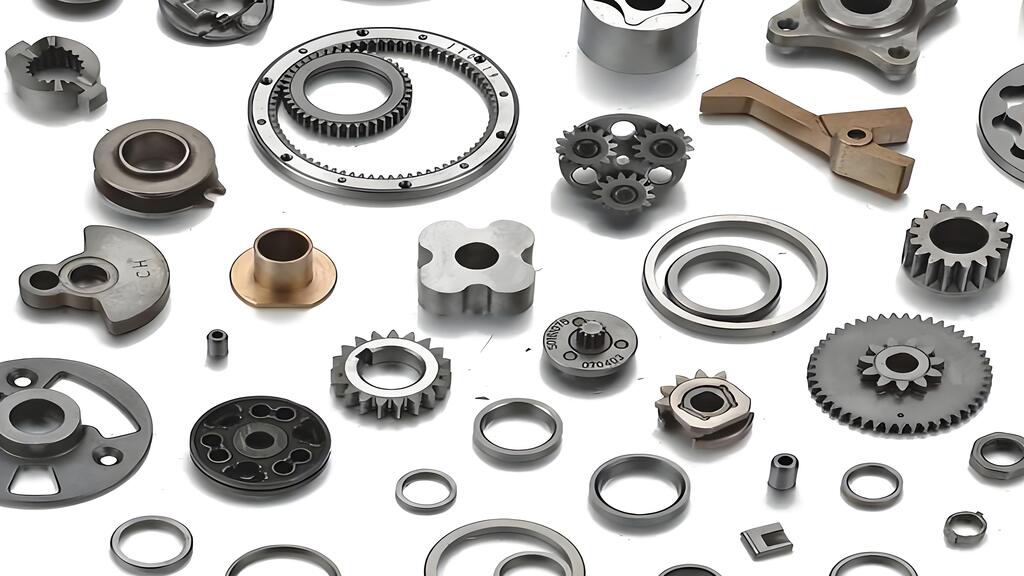


Material Comparison: Bronze Powder vs Iron Powder
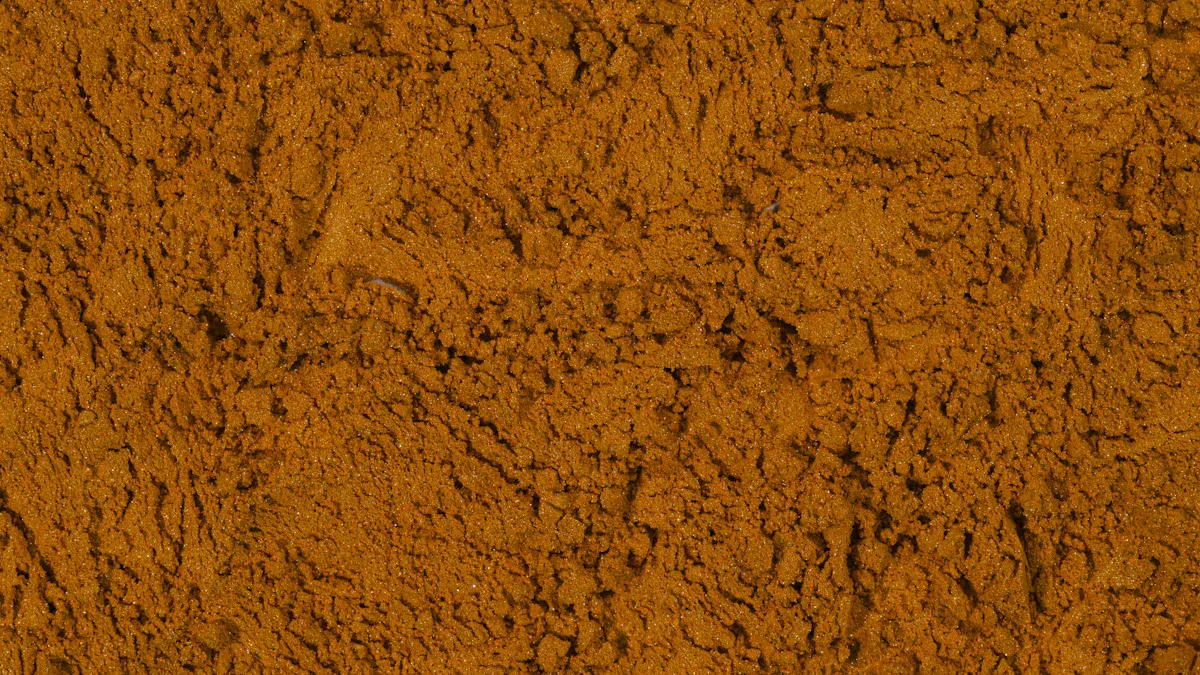
This Material Comparison delves into the fundamental distinctions between bronze powder and iron powder. Bronze powder, an alloy primarily of copper and tin, possesses unique characteristics. Conversely, iron powder consists mainly of pure iron, exhibiting different properties. The iron powder market demonstrates robust expansion, with a projected Compound Annual Growth Rate (CAGR) of 5.7% from 2025-2032. Understanding these initial differences is crucial for material selection.
Key Takeaways
- Bronze powder is a mix of copper and tin. Iron powder is mostly pure iron.
- Bronze powder resists rust well. Iron powder rusts easily.
- Bronze powder does not stick to magnets. Iron powder sticks to magnets strongly.
- Iron powder costs less to make than bronze powder.
- Bronze powder is good for parts that rub together, like bearings. It also makes things look nice.
- Iron powder is good for strong parts and parts that use magnets, like in electronics.
- Iron powder can be made into many shapes easily. This helps make many parts quickly.
Material Comparison: Composition and Basic Characteristics
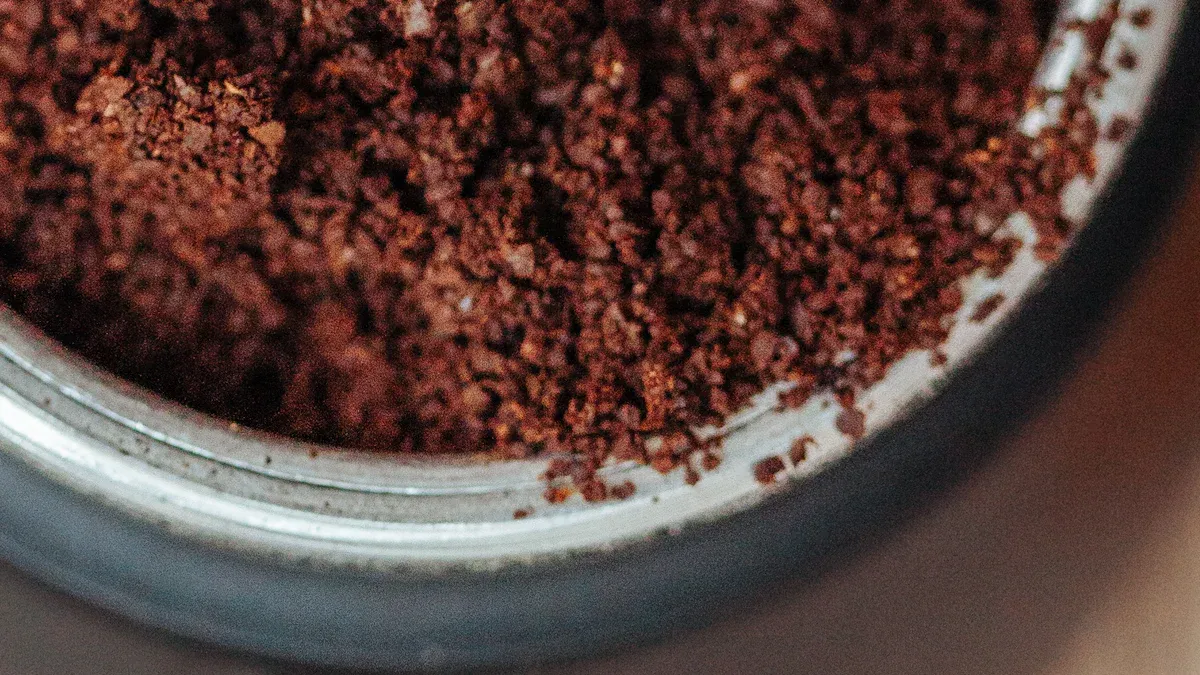
Understanding the fundamental composition of bronze powder and iron powder is crucial for appreciating their distinct properties and applications. This section details the elemental makeup of each material.
Bronze Powder Composition
Copper and Tin Alloy Basis
Bronze powder primarily consists of an alloy of copper and tin. Copper forms the base metal, typically comprising the largest percentage of the alloy. Tin is the primary alloying element, contributing significantly to the material's hardness and strength. The specific ratio of copper to tin varies, influencing the final characteristics of the bronze powder. For instance, higher tin content generally increases hardness but can reduce ductility.
Common Alloying Elements and Their Roles
Manufacturers often introduce other elements into bronze powder to enhance specific properties. Zinc, for example, improves fluidity during processing and can lower the melting point. Lead additions enhance machinability and self-lubricating properties, which is beneficial for bearing applications. Phosphorus acts as a deoxidizer during alloying and increases strength and wear resistance. Manganese can also be present, contributing to increased strength and corrosion resistance. These additional elements allow for tailored bronze powders suited for diverse industrial requirements.
Iron Powder Composition
Pure Iron as the Primary Constituent
Iron powder is predominantly pure iron. Its composition is largely elemental iron, making it distinct from alloy powders like bronze. The purity level of iron powder is a critical factor, directly impacting its magnetic, mechanical, and chemical properties. High-purity iron powder is essential for applications requiring specific magnetic characteristics or consistent performance in powder metallurgy.
Typical Impurities and Their Effects
While primarily pure, commercially available iron powder contains trace impurities. These impurities vary depending on the production method and desired grade. For instance, 'S grades' of iron powder typically contain approximately 2.5% total impurities, including carbon, oxygen, and nitrogen. 'R grades', often subjected to a hydrogen reduction process, exhibit higher purity, with about 0.5% total impurities, primarily residual carbon and nitrogen. Carbon can increase hardness and strength but may reduce ductility. Oxygen, often present as oxides, can affect compressibility and mechanical properties. Nitrogen can also influence mechanical strength and embrittlement. Manufacturers carefully control these impurity levels to meet the stringent demands of various applications. This Material Comparison highlights how even minor compositional differences profoundly affect material performance.
Material Comparison: Key Physical and Chemical Properties
This section explores the essential physical and chemical attributes that differentiate bronze powder and iron powder. These properties directly influence their suitability for various industrial applications.
Density and Weight Characteristics
Bronze Powder Density and Implications
Bronze powder typically exhibits a density ranging from 7.4 to 8.9 g/cm³. This density is relatively high due to its copper content. The specific density depends on the copper-to-tin ratio and the presence of other alloying elements. This characteristic makes bronze powder suitable for applications requiring moderate weight and good structural integrity. Its density also influences compaction behavior during powder metallurgy processes.
Iron Powder Density and Implications
Iron powder has a density of approximately 7.87 g/cm³ for pure iron. The density of commercial iron powders can vary slightly based on purity and particle morphology. Iron powder is generally heavier than many other common metal powders, though comparable to bronze. Its density is a key factor in designing components where weight is a consideration, such as in automotive parts or structural elements. High density contributes to the strength and mass of finished iron-based components.
Melting Point and Thermal Behavior
Bronze Powder Melting Range and Processing
Bronze powder does not have a single, sharp melting point. Instead, it melts over a range of temperatures due to its alloy nature. This melting range is crucial for processing techniques like sintering. Different bronze compositions exhibit varying melting ranges:
| Bronze Family | Melting Range (°C) |
|---|---|
| Tin Bronze | 850–1,020 |
| Phosphor Bronze | 930–1,050 |
| Aluminum Bronze | 1,040–1,070 |
| Silicon Bronze | 1,020–1,050 |
| Leaded Bronze | 850–930 |
| Nickel-Aluminum Bronze | 1,050–1,100 |
This broad range allows for flexibility in thermal processing. Manufacturers select specific bronze alloys based on the desired processing temperature and final material properties.
Iron Powder Melting Point and Thermal Stability
Pure iron has a distinct melting point of approximately 1538 °C (2800 °F). This high melting point indicates iron powder's excellent thermal stability. Components made from iron powder can withstand high operating temperatures without deforming or losing structural integrity. This property makes iron powder ideal for applications exposed to significant heat, such as in engines or industrial furnaces.
Corrosion Resistance Profile
Bronze Powder's Natural Corrosion Resistance
Bronze powder offers good natural corrosion resistance. The copper content forms a protective patina layer when exposed to the atmosphere. This layer prevents further oxidation and degradation. Bronze resists corrosion from saltwater and many chemicals, making it suitable for marine and outdoor applications. Its durability in corrosive environments is a significant advantage.
Iron Powder's Susceptibility to Corrosion
Iron powder is highly susceptible to corrosion, particularly rust formation. Iron readily reacts with oxygen and moisture in the environment. This reaction forms iron oxides, which degrade the material's integrity. Manufacturers often apply protective coatings or alloy iron with other elements to enhance its corrosion resistance. Without such measures, iron powder and its products require careful handling and environmental control. This Material Comparison highlights a key difference in environmental durability.
Magnetic Properties Comparison
Bronze Powder's Non-Magnetic Nature
Bronze powder exhibits a non-magnetic nature. Its primary constituents, copper and tin, are non-ferromagnetic elements. This characteristic makes bronze powder an excellent choice for applications requiring materials that do not interfere with magnetic fields. Industries use it in sensitive electronic components or environments where magnetic interference is undesirable.
Iron Powder's Ferromagnetic Behavior
Iron powder, conversely, displays strong ferromagnetic behavior. Iron is a naturally ferromagnetic metal. This property means iron powder readily magnetizes and demagnetizes. Its magnetic characteristics are crucial for many electrical and electronic applications. Engineers often select iron powder for components that require magnetic permeability or the ability to store magnetic energy.
Mechanical Properties: Hardness and Strength
Bronze Powder Hardness and Ductility
Bronze powder offers a balance of hardness and ductility. Its composition provides good wear resistance. The Brinell hardness of sintered bronze typically ranges between 60 and 90. This hardness can vary significantly based on its elemental composition and the specific Sintering Process. Bronze components often demonstrate good formability and resistance to fatigue.
Iron Powder Hardness and Strength Potential
Iron powder possesses significant potential for high hardness and strength. Manufacturers can achieve exceptional mechanical properties through alloying and advanced Powder Metallurgy techniques. Iron-based components are often robust and durable. They withstand high stresses and loads, making them suitable for structural applications.
Electrical and Thermal Conductivity
Bronze Powder's Conductivity Advantages
Bronze powder offers good electrical and thermal conductivity due to its high copper content. This property is beneficial for applications requiring efficient heat dissipation or electrical current flow. For example, specific bronze alloys exhibit notable conductivity:
| Material | % Conductivity (IACS) |
|---|---|
| Phosphor Bronze | 15 |
| Nickel Aluminum Bronze | 7 |
Phosphor Bronze, specifically C50700 Grade E, has an electrical conductivity of 48% Copper IACS at 68°F. This Material Comparison highlights bronze's utility in conductive roles.
Iron Powder's Conductivity Characteristics
Iron powder conducts electricity and heat, but its conductivity is generally lower than that of copper or bronze. While sufficient for many applications, it is not typically chosen for its conductive properties alone. Engineers often prioritize iron powder for its magnetic or mechanical strength rather than its electrical or thermal conductivity.
Material Comparison: Manufacturing Processes and Forms
Manufacturers employ various sophisticated methods to produce bronze and iron powders. These processes significantly influence the final powder characteristics, impacting their suitability for diverse applications. This section explores the primary production techniques and the resulting powder forms.
Bronze Powder Production Methods
Atomization Techniques for Bronze Powder
Atomization is a common method for producing bronze powder. This process involves melting bronze alloy and then disintegrating the molten metal into fine droplets using a high-energy fluid stream. Water atomization (WA), gas atomization (GA), centrifugal atomization (CA), and plasma atomization (PA) are primary techniques. Tin bronze alloy powders are conventionally prepared by the atomization method. Specifically, water atomized bronze alloy powder serves as a raw material in certain processes.
Electrolytic Processes for Bronze Powder
Electrolytic deposition also produces bronze powder. This method involves immersing electrodes in an electrolyte solution containing copper and tin ions. An electric current causes the metals to deposit as powder onto the cathode. This process typically yields high-purity powders with dendritic or irregular particle shapes.
Iron Powder Production Methods
Reduction of Iron Oxides for Iron Powder
The reduction of iron oxides is a widely used method for iron powder production. This process involves heating iron ore (iron oxide) in the presence of a reducing agent, such as carbon or hydrogen. This chemical reaction removes oxygen, leaving behind a sponge-like iron powder. Reduced iron powder features a complex particle morphology, offering excellent forming performance and green strength. It has a relatively low bulk density, making it suitable for medium- and low-density powder metallurgy parts and oil-impregnated bearings.
Atomization of Molten Iron for Powder
Atomization is also a key method for iron powder. Molten iron is sprayed through a nozzle, and a high-pressure fluid (water or gas) breaks it into fine particles. Atomized iron powder features near-spherical, non-porous particles with high bulk density. While its forming ability is slightly inferior, it easily produces high-density pressed parts and is typically used for medium- and high-density powder metallurgy parts.
Electrolytic Iron Powder Production
Electrolytic iron powder production involves electrodeposition from an iron salt solution. This method yields extremely high purity and fine particle structures. Electrolytic iron powder results in dendritic or flaky particles with excellent chemical activity and compressibility. Manufacturers widely use it in high-end powder metallurgy products, electromagnetic shielding, and chemical catalysts. Carbonyl iron powder, another high-purity option, features uniform, spherical particles, often used in magnetic materials and metal injection molding.
Available Powder Forms and Characteristics
Particle Size Distribution and Its Impact
Particle size distribution significantly affects powder properties and processing. Finer powders generally offer higher surface area and reactivity but can have poorer flowability. Coarser powders flow better but may require higher compaction pressures. Bronze powder used in additive manufacturing typically has particle size distributions ranging from D50 10µm to 150µm. These sizes are suitable for processes such as Selective Laser Melting (SLM) and Electron Beam Melting (EBM).
Particle Shape Variations and Their Influence
Particle shape also plays a crucial role. Spherical particles, common in gas-atomized powders, offer excellent flowability and high packing density. Irregular or dendritic shapes, often from water atomization or electrolytic processes, provide better mechanical interlocking during compaction, leading to higher green strength.
Material Comparison: Common Applications and Industry Uses
Bronze powder and iron powder find extensive use across numerous industries. Their unique properties dictate their suitability for specific applications. This section explores the common uses for each material.
Bronze Powder Applications
Bronze powder's distinct characteristics, such as corrosion resistance and aesthetic appeal, make it valuable in various specialized applications.
Self-Lubricating Bearings and Bushings
Manufacturers frequently use bronze powder to produce self-lubricating bearings and bushings. They achieve this by compacting and sintering bronze powder, creating a porous structure. This porous structure then impregnates with oil, allowing the component to release lubricant during operation. This design reduces friction and wear, extending the lifespan of machinery.
Decorative Coatings, Pigments, and Art
Bronze powder offers significant aesthetic appeal. Artists and manufacturers use it in decorative coatings, pigments, and various art forms. Bronze provides a sleek finish within the 'Metallic Accents' trend for exterior decorative coatings. This contributes to a modern, high-end aesthetic for architectural facades. It also finds application in sculptures and jewelry, where its metallic luster and durability are highly valued.
Brazing and Soldering Pastes for Joining
Bronze powder serves as a key component in brazing and soldering pastes. These pastes facilitate the joining of different metal parts. The bronze powder melts at a lower temperature than the base metals, creating a strong, metallurgical bond. This application is crucial in plumbing, HVAC systems, and electronics manufacturing.
Friction Materials in Automotive and Industrial Use
Bronze powder contributes to the performance of friction materials. Manufacturers incorporate it into brake pads, clutch facings, and other components requiring controlled friction. Its wear resistance and thermal stability help these materials perform reliably under demanding conditions in automotive and industrial settings.
Filtration Media for Liquids and Gases
The porous nature of sintered bronze powder makes it an excellent material for filtration media. Filters made from bronze powder effectively remove particulate matter from liquids and gases. These filters find use in hydraulic systems, pneumatic equipment, and chemical processing, ensuring purity and protecting sensitive components.
Iron Powder Applications
Iron powder's versatility, cost-effectiveness, and magnetic properties lead to its widespread adoption in many industrial sectors.
Powder Metallurgy Components for Structural Parts
Iron powder is a cornerstone of powder metallurgy (PM) for producing structural components. Manufacturers compact and sinter iron powder, often with alloying elements, to create parts with precise dimensions and high strength. Common structural components include control levers, hinge components, bearings, cams, and electric motor components like motor cores and gears for appliances. The automotive industry uses iron powder for cams, gears, pawls, inserts, pistons, valving, and hinges. Industrial applications include cams, gears, rollers, plates, hinges, pump rotors, vanes, and rings. Tools benefit from iron powder in pawls, gears, and structural spacers. Iron-based powder, often premixed with graphite to form carbon steels, also finds use in self-lubricating bearings and many shock absorber components.
Magnetic Cores and Inductors in Electronics
Iron powder's ferromagnetic behavior makes it indispensable for magnetic cores and inductors in electronic devices. It increases the strength of magnetic fields and helps reduce energy losses. Specific applications include ignition system components, electric motor components, solenoids, inductors, transformers, electromagnets, and galvanometers. In transformers, soft iron cores increase magnetic field strength and are laminated to reduce Eddy current losses. For electromagnets, soft iron's high magnetic permeability allows it to quickly gain and lose magnetic properties, crucial for applications like picking up loads or in electric bells. In galvanometers and electric motors, soft iron cores attract magnetic lines of force, increasing magnetic field strength and sensitivity. This is evident in moving coil galvanometers used in hard disk drives and CD/DVD players. Iron powder is also vital for radio frequency range applications (50 kHz to 500 MHz) and power conversion applications (up to 500 kHz).
Welding Electrodes and Consumables
Iron powder significantly enhances the performance of welding electrodes. Manufacturers incorporate iron powder into welding electrode coatings to increase deposition rates. This provides extra metal for the weld. In the United States, the percentage of iron powder in a coating typically ranges from 10 to 50 percent, based on the amount of iron powder relative to the coating weight. Some electrodes can contain up to 60% iron powder in their flux. Specific classifications are defined by their iron powder content:
| Electrode Classification | Iron Powder Content |
|---|---|
| EXX14 | 25 to 40 percent |
| EXX24 | 50 percent or more |
| EXX18 | Higher than 35 to 40 percent |
| EXX28 | 50 percent or more |
| EXX27 | 50 percent or more |
| E6010/E6011 | Small amounts |
Higher percentages often lead to higher deposition rates but sometimes restrict welding positions.
Chemical Reactions and Catalysis
Iron powder acts as a catalyst or reactant in various chemical processes. Its high surface area and reactivity make it suitable for synthesizing chemicals. It also plays a role in certain industrial chemical reactions, facilitating efficient production.
Food Fortification and Nutritional Supplements
Fine iron powder serves as a source of dietary iron. Manufacturers use it to fortify foods, addressing iron deficiency in populations. It also appears in nutritional supplements, providing essential minerals for human health.
Water Treatment and Environmental Remediation
Iron powder contributes to environmental solutions. It effectively removes pollutants from water through chemical reactions. Its use in environmental remediation helps clean contaminated sites, demonstrating its utility in protecting natural resources.
Material Comparison: Advantages and Disadvantages
This section explores the distinct benefits and drawbacks of bronze powder and iron powder. Understanding these points helps in selecting the most appropriate material for specific engineering and manufacturing needs.
Advantages of Bronze Powder
Bronze powder offers several compelling advantages, making it a preferred choice for particular applications.
Superior Wear Resistance and Longevity
Bronze powder components exhibit excellent wear resistance. The inherent properties of the copper-tin alloy contribute to their durability. This characteristic ensures a longer operational lifespan for parts made from bronze powder, especially in applications involving friction or abrasive contact. For example, self-lubricating bearings made from bronze powder maintain performance over extended periods.
Excellent Corrosion Resistance and Durability
Bronze powder possesses natural corrosion resistance. It forms a protective patina layer when exposed to air, which shields the underlying metal from further degradation. This makes bronze powder highly durable in harsh environments, including marine settings or areas with chemical exposure. Its ability to withstand corrosive elements extends the service life of components.
Aesthetic Appeal and Decorative Versatility
Bronze powder offers significant aesthetic value. Its metallic luster and warm color make it suitable for decorative applications. Manufacturers use it in coatings, pigments, and artistic creations. The material's visual appeal enhances the finish of various products, from architectural elements to intricate sculptures.
Non-Magnetic Properties for Specific Uses
Bronze powder is inherently non-magnetic. This property is crucial for applications where magnetic interference must be avoided. Industries use non-magnetic materials in sensitive electronic equipment, instrumentation, and environments requiring magnetic transparency. Bronze powder provides a reliable solution for these specialized needs.
Disadvantages of Bronze Powder
Despite its advantages, bronze powder also presents certain limitations.
Higher Material and Processing Costs
Bronze powder generally incurs higher material costs compared to iron powder. Copper and tin, its primary constituents, are more expensive raw materials than iron. The specialized processing techniques required for bronze powder can also add to the overall manufacturing expenses. These factors contribute to a higher unit cost for bronze powder components.
Lower Strength Compared to Steel Alloys
Bronze powder typically offers lower tensile strength and hardness when compared to many steel alloys. While it provides good wear resistance, it may not be suitable for applications demanding extremely high structural strength or resistance to heavy impact loads. Engineers must consider this strength limitation during material selection for critical structural components.
Limited Use in Magnetic Applications
Bronze powder's non-magnetic nature, while an advantage in some areas, becomes a disadvantage in applications requiring magnetic properties. It cannot serve as a core material for electromagnets, inductors, or other magnetic components. This limits its utility in electrical and electronic devices that rely on ferromagnetic behavior.
Advantages of Iron Powder
Iron powder stands out for its cost-effectiveness, strength potential, and magnetic properties, among other benefits.
Cost-Effectiveness and Abundant Supply
Iron powder is highly cost-effective due to the abundant supply of iron ore. Its widespread availability makes it an economical choice for large-scale manufacturing. Iron-based powder metallurgy (PM) processes further enhance this cost-effectiveness. PM drastically reduces scrap rates by using only the necessary amount of material for each part, unlike traditional machining which cuts away excess. Parts produced via PM achieve near-net shapes with tight tolerances, minimizing the need for extensive post-processing like grinding or machining, thereby saving time and labor costs. PM is ideal for mass production, enabling rapid and consistent manufacturing of large quantities of parts once tooling is set, leading to lower per-unit costs. Operating at lower temperatures than traditional casting, the sintering process in PM consumes less energy, contributing to reduced energy costs. PM also allows for consolidating several components into a single, complex part, which reduces assembly time, lowers inventory costs, and simplifies supply chains.
High Strength and Hardness Potential in Alloys
Iron powder offers significant potential for high strength and hardness. Manufacturers can achieve exceptional mechanical properties by alloying iron with other elements and employing advanced powder metallurgy techniques. Iron-based components are robust and durable, capable of withstanding high stresses and loads. This makes them suitable for demanding structural applications in various industries.
Strong Magnetic Properties for Electrical Uses
Iron powder exhibits strong ferromagnetic behavior. This property makes it invaluable for numerous electrical and electronic applications. Engineers select iron powder for components requiring magnetic permeability, such as magnetic cores, inductors, and electromagnets. Its ability to readily magnetize and demagnetize is critical for efficient energy conversion and signal processing.
Versatility in Powder Metallurgy and Fabrication
Iron powder is exceptionally versatile in powder metallurgy and other fabrication processes. Its ability to be compacted and sintered into complex shapes with high precision makes it a cornerstone of modern manufacturing. This versatility allows for the creation of a wide range of components, from intricate gears to large structural parts, with minimal material waste and reduced machining needs.
Disadvantages of Iron Powder
Iron powder, despite its numerous advantages, presents specific drawbacks. These limitations often influence material selection for various applications.
High Susceptibility to Corrosion and Rusting
Iron powder exhibits a significant vulnerability to corrosion, particularly rust formation. Iron readily reacts with oxygen and moisture in the environment. This electrochemical process forms iron oxides, commonly known as rust. Rust degrades the material's structural integrity and aesthetic appeal. It weakens components and can lead to premature failure. Manufacturers must apply protective coatings, such as paint or galvanization, to mitigate this issue. Alloying iron with elements like chromium also enhances corrosion resistance, creating stainless steel. Without these protective measures, iron powder and its derived products require careful environmental control to prevent degradation.
Lower Electrical and Thermal Conductivity
Iron powder possesses lower electrical and thermal conductivity compared to materials like copper or bronze. While iron conducts electricity and heat, it does so less efficiently. This characteristic limits its use in applications demanding superior heat dissipation or highly efficient electrical current flow. For instance, engineers typically select copper or aluminum for electrical wiring and heat sinks due to their higher conductivity. Iron's lower conductivity means it may not be the optimal choice for components where rapid heat transfer or minimal electrical resistance are critical design parameters.
Heavier Weight Compared to Some Alternatives
Iron powder results in components with a relatively heavier weight. Pure iron has a density of approximately 7.87 g/cm³. This density is higher than many alternative materials, including aluminum alloys or certain polymers. In applications where weight reduction is a primary concern, such as in aerospace or automotive industries aiming for fuel efficiency, iron's inherent heaviness becomes a disadvantage. Designers must consider the increased mass when specifying materials for portable devices or structures requiring lightweight construction. The heavier weight can impact overall system performance and operational costs.
Material Comparison: Performance in Specific Environments

This section examines how bronze powder and iron powder perform under various environmental conditions. Their distinct properties dictate their suitability for demanding applications.
High-Temperature Performance
Bronze Powder's Thermal Stability
Bronze powder exhibits good thermal stability. Its melting range, typically between 850°C and 1100°C depending on the alloy, allows it to maintain structural integrity at elevated temperatures. Components made from bronze powder resist deformation and property degradation when exposed to heat. This characteristic makes bronze suitable for applications requiring consistent performance in warm environments, such as certain bearing applications or heat exchangers.
Iron Powder's Behavior at Elevated Temperatures
Iron powder, with a melting point of approximately 1538°C, demonstrates excellent thermal stability. Iron-based components can withstand significantly higher operating temperatures than bronze. This property makes iron powder ideal for high-temperature structural parts, engine components, and industrial furnace elements. However, iron's susceptibility to oxidation increases at elevated temperatures, necessitating protective measures in oxygen-rich environments.
Abrasive and Wear Environments
Bronze Powder's Resistance to Wear
Bronze powder offers good resistance to wear. Its inherent hardness and the ability to form a protective patina contribute to its durability in abrasive conditions. Many engineers select bronze for self-lubricating bearings and bushings precisely because of its ability to withstand friction and minimize material loss over time. This wear resistance ensures a longer service life for components in moving assemblies.
Iron Powder's Response to Abrasive Conditions
Iron powder, especially when alloyed and processed for hardness, can exhibit high resistance to abrasive wear. Powder metallurgy components made from iron often achieve significant hardness, allowing them to endure harsh abrasive environments. For instance, gears and structural parts made from iron powder withstand constant friction and impact. However, without proper alloying or surface treatment, pure iron can wear more quickly than bronze in certain abrasive scenarios.
Chemical Exposure and Reactivity
Bronze Powder's Chemical Inertness
Bronze powder generally shows good chemical inertness. Its copper and tin composition resists reactions with many common chemicals. This property makes bronze suitable for applications involving exposure to mild acids, alkalis, and saltwater. Its natural corrosion resistance also contributes to its stability in various chemical environments, preventing degradation and maintaining performance.
Iron Powder's Reactivity with Chemicals
Iron powder is more reactive with chemicals, particularly oxidizing agents and acids. It readily corrodes when exposed to moisture and oxygen, forming rust. Strong acids and certain corrosive chemicals can rapidly degrade iron components. Therefore, applications involving chemical exposure often require iron powder components to have protective coatings or be made from corrosion-resistant iron alloys, such as stainless steel.
Material Comparison: Cost-Benefit Analysis and Economic Factors
Understanding the economic factors behind bronze and iron powder is crucial for material selection. This section examines raw material costs, processing expenses, and long-term value.
Raw Material Cost Comparison
Copper and Tin Market Price Volatility
Bronze is an alloy primarily composed of copper and tin. Copper's price fluctuates based on global supply and demand, significantly impacting bronze costs. Tin is a relatively rare and expensive metal. Its proportion, typically 10-12.5% in bronze, directly influences the overall cost. Tin prices are a primary driver of bronze costs due to fluctuations in supply, such as mining disruptions or geopolitical events, or demand from industries like electronics and solders. Copper constitutes the majority of bronze's mass. Therefore, significant shifts in global copper prices, driven by mining supply, new discoveries, or demand from booming industries like renewable energy or electric vehicles, substantially impact bronze costs. Tin's scarcer supply compared to copper and its fluctuating market price directly influence the overall cost of bronze; higher tin content generally means a higher final product price.
Iron Ore Market Stability and Cost
Iron ore is one of the most abundant metals on Earth. This abundance contributes to the relative stability and lower cost of iron powder compared to bronze powder. The global iron ore market experiences less volatility than copper and tin markets. This stability makes iron powder a more predictable and cost-effective raw material for many industrial applications.
Processing and Manufacturing Costs
Bronze Powder Production Expenses
Bronze powder production often involves higher expenses. The specialized atomization or electrolytic processes for bronze, combined with the higher cost of its raw materials, contribute to increased manufacturing costs. The precise control required for alloying copper and tin also adds to the complexity and expense of production.
Iron Powder Production Efficiency
Iron powder production benefits from high efficiency. Methods like the reduction of iron oxides and atomization are well-established and scalable. These processes allow for large-volume production at a lower cost per unit. The efficiency of iron powder manufacturing contributes significantly to its overall economic advantage.
Long-Term Value and Application Suitability
Cost-Effectiveness for Bronze Powder Applications
Despite higher initial costs, bronze powder offers long-term value in specific applications. Its superior wear resistance and excellent corrosion resistance lead to extended component lifespans. This durability reduces maintenance and replacement costs over time. For example, self-lubricating bronze bearings provide reliable performance for many years, justifying their initial investment.
Economic Advantages of Iron Powder in Mass Production
Iron powder provides significant economic advantages, especially in mass production. Its cost-effectiveness, combined with the versatility of powder metallurgy, allows manufacturers to produce complex parts with high precision and minimal material waste. This efficiency reduces overall production costs, making iron powder an ideal choice for high-volume manufacturing across various industries.
Material Comparison: Environmental Impact and Sustainability
Material selection increasingly considers environmental impact and sustainability. Manufacturers evaluate a material's entire life cycle, from raw material extraction to disposal or recycling. This section explores the environmental aspects of bronze powder and iron powder.
Bronze Powder Environmental Aspects
Recyclability of Copper and Tin Components
Bronze powder benefits from the high recyclability of its primary components: copper and tin. Copper is one of the most recycled metals globally. Recycling copper requires significantly less energy than primary production. Tin also has a high recycling rate. This robust recyclability reduces the demand for virgin raw materials, conserves natural resources, and minimizes waste generation.
Energy Consumption in Bronze Production
Bronze production, particularly the initial smelting and alloying of copper and tin, is energy-intensive. Atomization processes also consume substantial energy. However, the high recyclability of bronze materials helps offset some of this initial energy footprint. Manufacturers continuously seek more energy-efficient production methods to reduce the overall environmental impact.
Iron Powder Environmental Aspects
Recyclability of Iron and Steel
Iron and steel are among the most recycled materials worldwide. Recycling iron significantly reduces energy consumption and greenhouse gas emissions compared to producing iron from virgin ore. This high recyclability makes iron powder a sustainable choice for many applications, contributing to a circular economy.
Energy Consumption and Emissions in Iron Production
The production of iron powder, especially through reduction and atomization methods, is highly energy-intensive. This reliance on fossil fuels for high-temperature processes results in substantial emissions of greenhouse gases, primarily carbon dioxide (CO₂), contributing to global warming. Iron ore mining necessitates clearing large land areas, leading to deforestation and the destruction of natural habitats. This disrupts ecosystems and can cause soil erosion, which in turn leads to sedimentation in water bodies, harming aquatic life and water quality. Mining operations also consume significant amounts of water for dust suppression and ore processing, straining water resources. The water used can become contaminated with heavy metals and other pollutants, posing risks to both human health and the environment if not properly treated. Beyond CO₂ emissions, the production process releases other harmful air pollutants such as sulfur dioxide (SO₂), nitrogen oxides (NOₓ), and particulate matter (PM). SO₂ contributes to acid rain, NOₓ to smog, and PM can cause severe respiratory and cardiovascular health issues. The reduction process generates slag, a solid waste product. Improper management of slag can lead to heavy metals leaching into the soil and groundwater, causing significant soil and water pollution. Producing high-purity or low-carbon iron powders often requires additional energy-intensive purification steps and chemicals. This can lead to higher overall environmental impacts, including increased energy consumption, more chemical waste, and potentially greater emissions.
Sustainable Sourcing and Practices
Responsible Mining and Ethical Sourcing Initiatives
The industry increasingly focuses on responsible mining and ethical sourcing initiatives. These efforts aim to minimize the environmental footprint of raw material extraction. They also ensure fair labor practices and community benefits. Certifications and industry standards guide companies toward more sustainable supply chains for both bronze and iron.
Life Cycle Assessment for Material Sustainability
Life Cycle Assessment (LCA) provides a comprehensive framework for evaluating the environmental impacts of materials. LCA considers all stages of a product's life, from raw material acquisition to manufacturing, use, and end-of-life management. This systematic approach helps manufacturers identify areas for improvement and make more sustainable material choices.
Bronze powder and iron powder offer distinct properties for diverse applications. Bronze excels in corrosion resistance, wear performance, and non-magnetic uses, though at a higher cost. Iron powder provides cost-effectiveness, high strength potential, and strong magnetic characteristics. Material selection depends on specific requirements like environmental exposure, mechanical demands, and budget. Powder metallurgy continues to innovate, promising advanced materials and manufacturing efficiencies for both bronze and iron.
FAQ
What is the main compositional difference between bronze powder and iron powder?
Bronze powder is an alloy. It primarily consists of copper and tin. Iron powder is mostly pure iron. Manufacturers often add other elements to bronze for specific properties.
Which powder offers better corrosion resistance?
Bronze powder provides superior natural corrosion resistance. It forms a protective patina layer. Iron powder is highly susceptible to rust. It requires protective coatings for harsh environments.
Does bronze powder have magnetic properties?
No, bronze powder is non-magnetic. Its main components, copper and tin, are non-ferromagnetic. This makes it suitable for applications needing magnetic transparency.
Is iron powder more cost-effective than bronze powder?
Yes, iron powder is generally more cost-effective. Iron ore is abundant. Its production methods are efficient. Bronze powder has higher material and processing costs due to copper and tin.
What are common applications for bronze powder?
Bronze powder finds use in self-lubricating bearings. It also appears in decorative coatings and brazing pastes. Filtration media and friction materials also utilize bronze powder.
What are common applications for iron powder?
Iron powder is crucial for powder metallurgy components. It is used in magnetic cores and welding electrodes. Chemical reactions and food fortification also employ iron powder.
Which material offers higher strength potential?
Iron powder offers significant potential for high strength. Manufacturers achieve this through alloying and advanced powder metallurgy. Bronze powder provides good hardness but generally lower strength than steel alloys.