

Can Complex Shapes Be Made with Hot Pressing?

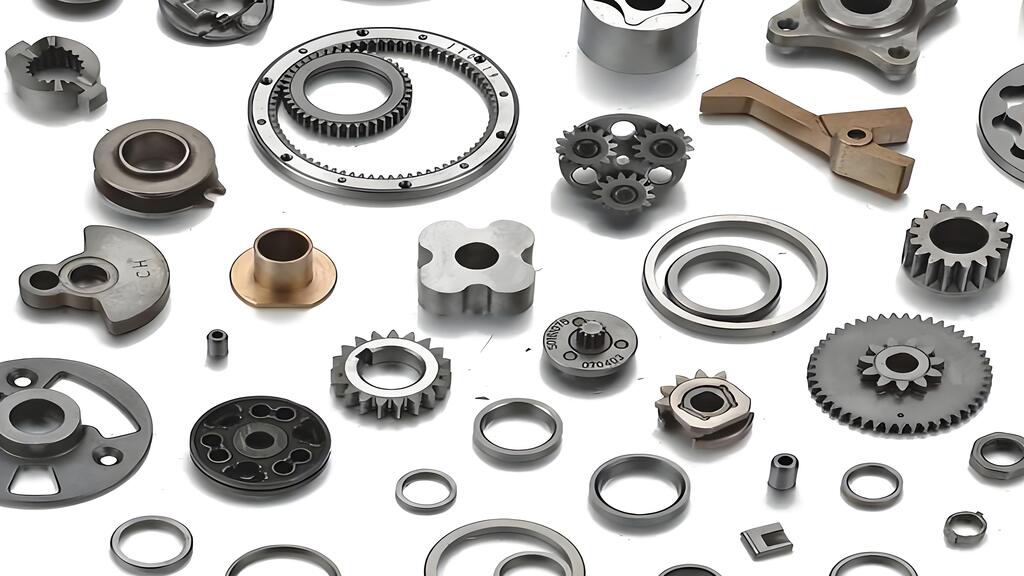
Hot pressing allows manufacturers to create complex shapes, offering significant versatility in design. This method utilizes heat and pressure to mold materials, enabling intricate geometries that traditional techniques may struggle to achieve. However, certain considerations must be addressed. For instance, issues such as incomplete density and high energy consumption can arise. Additionally, the costs associated with equiPment and the challenges of scalability may limit production capabilities. Understanding these factors is essential for the successful implementation of hot pressing in complex shape fabrication.
Key Takeaways
- Hot pressing combines heat and pressure to create complex shapes, offering versatility in design.
- This method produces high-density materials with minimal porosity, enhancing durability and strength.
- Challenges like dimensional control and material-specific behavior can affect the complexity of shapes achievable.
- Hot pressing excels in producing both geometric and organic complex shapes, meeting diverse industry needs.
- Advanced machinery and hybrid processes are improving the efficiency and capabilities of hot pressing.
- Industries such as automotive and aerospace benefit significantly from hot pressing for lightweight, durable components.
- Understanding the limitations of hot pressing is essential for successful implementation in manufacturing.
- Future trends in hot pressing include innovations in additive manufacturing and colloidal processing for even more complex shapes.
Capabilities of Hot Pressing
Overview of Hot Pressing
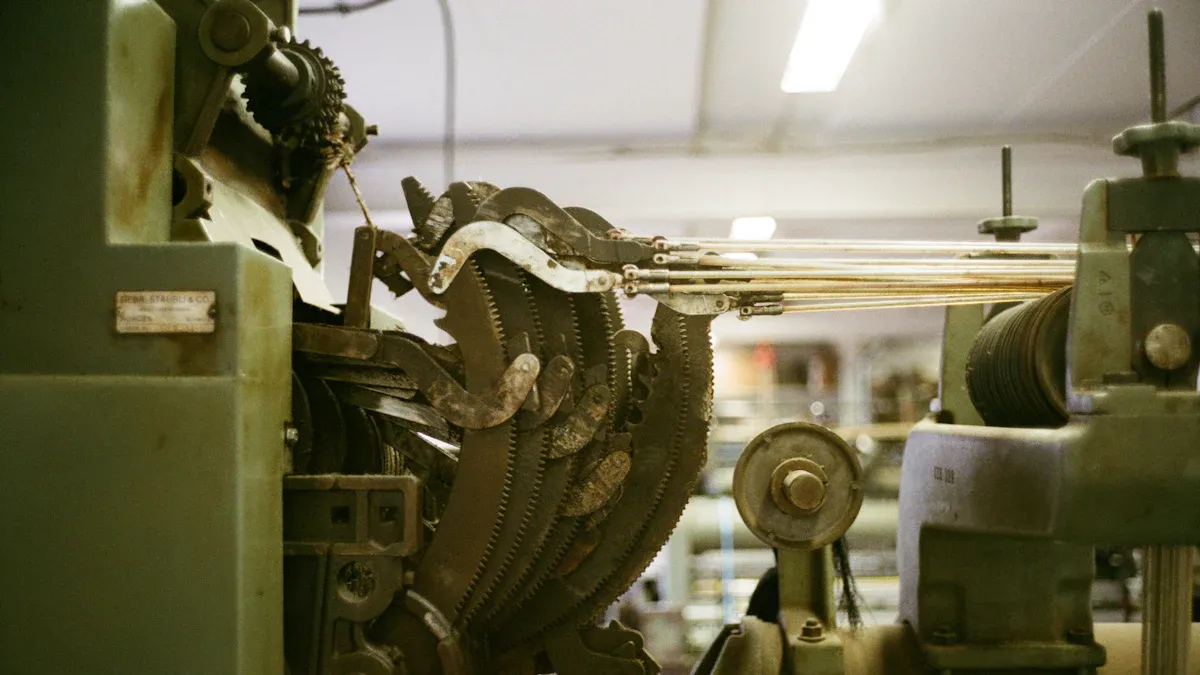
Hot pressing is a manufacturing process that combines heat and pressure to shape materials, typically in powder form, into desired geometries. This technique involves several key steps:
- Prepare the starting materials, typically in powder form, ensuring a homogeneous blend.
- Load the prepared mixture into the pressing machine.
- Raise the temperature of the hot-pressing machine to the desired level, considering the specific materials.
- Apply pressure while maintaining the elevated temperature to promote densification.
- Release the pressure after the required dwell time and allow the material to cool down slowly.
- Unload the material and perform any necessary finishing processes.
This method is particularly effective for producing complex shapes, as it allows for the simultaneous application of heat and pressure, enhancing the material's flow and enabling intricate designs.
Advantages for Complex Shapes
Hot pressing offers several advantages when it comes to creating complex shapes. The process can achieve high-density materials with minimal porosity, which is crucial for ensuring the durability and strength of the final product. The following table summarizes the key advantages of hot pressing:
| Advantages of Hot Pressing | Description |
|---|---|
| High Density Material | Produces materials with minimal porosity. |
| Fine Grain Structure | Achieves enhanced mechanical strength. |
| Consolidation of Difficult Materials | Can densify hard-to-sinter materials like carbides and ceramics. |
These benefits make hot pressing an attractive option for manufacturers looking to produce intricate geometries that require superior mechanical properties.
Limitations of Hot Pressing
Despite its advantages, hot pressing does have limitations that can affect the complexity of shapes achievable. Some of the primary technical challenges include:
- Dimensional Control: Significant challenges arise due to inherent volumetric changes during the hot pressing cycle. These changes can lead to non-uniform dimensional variations that depend on material composition and geometry.
- Material-Specific Behavior: Different materials respond uniquely to hot pressing conditions, complicating the process with varying shrinkage rates and anisotropic changes.
- Geometric Complexity: Intricate features and varying cross-sections can result in non-uniform stress distributions, causing differential shrinkage. This is particularly critical in applications such as aerospace and medical devices.
- Real-Time Monitoring Limitations: Extreme conditions during hot pressing hinder effective in-situ measurement, limiting adaptive control strategies to mitigate dimensional variations.
- Post-Hot Pressing Machining Needs: Dimensional uncertainties often necessitate additional machining, which can undermine the economic benefits of the hot pressing process.
These factors can restrict the complexity of shapes that manufacturers can achieve through hot pressing, making it essential to consider them during the design and production phases.
Types of Complex Shapes Achievable
Geometric Complex Shapes
Hot pressing excels in producing geometric complex shapes, which often feature intricate designs and precise dimensions. This method allows manufacturers to create components with high dimensional accuracy. Quality assurance standards, such as ASTM F3301 and NADCAP AC7102/8, guide the dimensional control necessary for these shapes, particularly in critical sectors like aerospace and medical applications.
Manufacturers can achieve maximum dimensional tolerances based on material type and component geometry. For instance, the following factors influence the dimensional tolerances:
- Quality assurance standards have evolved to meet the needs of dimensional control.
- Different alloys exhibit varying dimensional changes during the hot pressing process.
- Statistical process control (SPC) methodologies are essential, requiring Cpk indices of at least 1.33 for aerospace applications and 1.67 for medical applications.
These standards ensure that manufacturers can produce geometric complex shapes with the necessary precision and reliability.
Organic Complex Shapes
Organic complex shapes present unique challenges and opportunities in hot pressing. These shapes often mimic natural forms, requiring a high degree of flexibility in design. The hot pressing process can accommodate these organic geometries by allowing for smooth transitions and curves that traditional methods may struggle to replicate.
The ability to create organic shapes enhances the aesthetic appeal and functionality of products. For example, in the automotive industry, manufacturers can design components that not only fit seamlessly into the overall structure but also contribute to aerodynamic efficiency. The versatility of hot pressing enables the production of organic shapes that meet both aesthetic and performance criteria.
Multi-Part Complex Assemblies
Hot pressing also facilitates the creation of multi-part complex assemblies, which combine various components into a single, cohesive unit. This process involves several techniques, including thermo-clinching, hot-clinching, and insert clinching. Each method offers distinct advantages for joining different materials and shapes.
| Process Type | Description | Maximum Shear Load |
|---|---|---|
| Thermo-clinching | Joins thick thermoplastic composites and thin metal sheets. | 2.6 kilonewtons |
| Hot-clinching | A faster single-stage process with no special positioning requirements. | 2.2 kilonewtons |
| Insert clinching | Uses conventional tools, suitable for thin thermoplastic composites. | High shear loads |
However, challenges exist in joining multiple parts during hot pressing. Manufacturers must address issues such as uniform heat distribution, precise alignment, and quality control to ensure the integrity of the assembled components.
| Challenge | Description |
|---|---|
| Uniform heat distribution | Maintaining consistent heat levels to prevent improper bonding or melting of components. |
| Mechanical vibrations | Managing vibrations that can lead to wear and premature failures due to poor assembly. |
| Precise alignment | Ensuring components are correctly aligned to avoid misalignment and potential failures. |
| Handling heavy components | Managing the stability and safety of heavy parts during the assembly process. |
| Quality control | Implementing measures to ensure the integrity and performance of assembled components. |
| Integration of advanced technologies | Utilizing systems like vision systems and digital twins for real-time feedback and optimization. |
By overcoming these challenges, manufacturers can leverage hot pressing to create complex assemblies that enhance product performance and reduce production costs.
Suitable Materials for Hot Pressing
Metals for Complex Shapes
Metals play a crucial role in hot pressing, particularly for achieving complex shapes. Certain metals exhibit exceptional properties that make them ideal candidates for this process. Notable examples include:
- Tungsten carbide (WC)
- Titanium carbide (TiC)
- Refractory metals such as tungsten and molybdenum
- Nickel superalloys
- Rare earth metals
Hot pressing enhances the densification and shaping of these metals, resulting in materials with reduced porosity and significantly improved mechanical properties. These enhancements are vital for applications requiring high strength and durability in complex shapes.
Polymers for Complex Shapes
Polymers also find extensive use in hot pressing, especially for creating intricate designs. The following table highlights some commonly used polymers in this process:
| Polymer | Melting Point | Application |
|---|---|---|
| PEO | ~60 °C | Composite materials in hot pressing |
Hot pressing provides uniform heat and continuous pressure, which is essential for consolidating composite layers effectively. This method allows resin to flow through complex fiber orientations, preventing voids and ensuring a solid structure. Key benefits include:
- Elimination of interlaminar voids, critical for maintaining composite strength.
- Tight interlaminar bonding achieved through heat and pressure, resulting in a cohesive structural unit.
Composites for Complex Shapes
Composites are another material category that benefits from hot pressing. This process enhances the strength of composite materials by successfully fusing their components. The transformation of separate layers into a solid, monolithic structure is essential for improved mechanical performance. Key advantages of using composites in hot pressing include:
- Bonding different materials to create lightweight yet strong composites.
- Resistance to heat, corrosion, and mechanical stress due to controlled heat and pressure.
- Enhanced durability and performance from the combination of the best characteristics of constituent materials.
During hot pressing, heat softens the matrix material, allowing it to flow and properly wet the reinforcing fibers. Pressure compacts the layers together, eliminating trapped air and volatiles, which is crucial for achieving the desired mechanical properties in the final composite.
Real-World Applications of Complex Shapes
Automotive Applications
Hot pressing plays a pivotal role in the automotive industry, particularly in the production of lightweight components. Manufacturers utilize this technique to create complex shapes that enhance vehicle performance. The near-net-shape capability of hot pressing significantly reduces material waste and lowers machining costs. This efficiency is crucial as the automotive sector increasingly shifts towards electric vehicles, where weight reduction is essential for improving performance characteristics.
Key benefits of hot pressing in automotive applications include:
- Weight Reduction: The process preserves material properties, contributing to lighter components without compromising strength.
- Predictable Dimensional Changes: Hot isostatic pressing (HIP) achieves tight tolerances, minimizing the need for additional machining.
- Enhanced Performance: Components produced through hot pressing exhibit improved durability and strength, essential for modern automotive designs.
Aerospace Applications
The aerospace industry benefits immensely from hot pressing, particularly for producing complex shapes in critical components. This method allows manufacturers to create parts that withstand extreme conditions while maintaining structural integrity. Common aerospace components produced using hot pressing include:
- Aerospace turbine components
- Structural parts for spacecraft
- High-temperature engine components
- Advanced armor systems
Advanced hot pressing enhances material properties such as strength, durability, and resistance to extreme conditions. It also facilitates the bonding of dissimilar materials, resulting in lightweight yet strong composites. Notably, the aerospace and defense sectors account for nearly 35% of the total demand for components with complex geometries.
Consumer Product Applications
In the consumer products sector, hot pressing enables the creation of intricate designs that appeal to modern consumers. Manufacturers leverage this technique to produce items ranging from household appliances to sporting goods. The ability to create complex shapes allows for innovative designs that enhance functionality and aesthetics.
For example, hot pressing can produce ergonomic handles for tools or stylish casings for electronics. The versatility of this method supports the development of products that meet diverse consumer needs while maintaining high quality and performance standards.
By utilizing hot pressing, industries can achieve complex shapes that not only meet functional requirements but also enhance the overall user experience.
Innovations in Hot Pressing Techniques
Advanced Machinery for Complex Shapes
Modern manufacturing relies on advanced machinery to produce complex shapes efficiently. Key technologies include:
- Hydraulic presses: These machines are vital for forming intricate shapes across various industries, including automotive and aerospace. They provide precise control over force and speed, making them ideal for handling diverse materials.
- Hot stamping technology: This method is essential for creating high-strength, lightweight components, particularly in the automotive sector. Hot stamping involves heating metal sheets to make them malleable, allowing for the formation of complex shapes with high precision.
The demand for these advanced machines stems from the need for precise, lightweight components in electric vehicles and the emphasis on fuel efficiency. As manufacturers strive for innovation, these technologies play a crucial role in enhancing production capabilities.
Hybrid Processes in Hot Pressing
Hybrid processes combine traditional hot pressing with other manufacturing techniques to improve efficiency and expand design possibilities. For instance, integrating additive manufacturing with hot pressing allows for the creation of complex shapes that were previously challenging to achieve. This approach enables manufacturers to:
- Reduce material waste by optimizing designs.
- Enhance the mechanical properties of components through tailored material combinations.
- Accelerate production timelines by streamlining processes.
By leveraging hybrid processes, manufacturers can push the boundaries of what is possible in complex shape production, meeting the evolving demands of various industries.
Future Trends in Complex Shape Production
Looking ahead, several trends are likely to shape the future of hot pressing for complex shape production. Innovations in colloidal processing and additive manufacturing techniques will play a significant role. These advancements are particularly relevant for ultra-high-temperature ceramics (UHTCs), which have traditionally faced challenges in producing complex geometries.
Colloidal techniques, such as gel-casting, show promise for large-scale industrial applications. Meanwhile, additive manufacturing (3D printing) is gaining traction for its potential to fabricate intricate UHTC components. As these technologies evolve, they will enable manufacturers to create even more complex shapes, enhancing performance and functionality across various applications.
Hot pressing serves as a viable method for creating complex shapes, with ongoing innovations expanding its capabilities and applications. Recent advancements include:
- Computational modeling of HIP-induced shrinkage.
- Development of specialized powder formulations with controlled shrinkage characteristics.
- Innovative tooling designs that accommodate dimensional changes.
These innovations improve temperature control, enable faster heating rates, and allow for the integration of electrical currents in processes like Spark Plasma Sintering (SPS). As manufacturers continue to explore these advancements, hot pressing will likely play an increasingly critical role in producing intricate geometries across various industries.
FAQ
What is hot pressing?
Hot pressing is a manufacturing process that combines heat and pressure to shape materials, typically in powder form, into desired geometries. This technique enhances material flow and densification.
What materials can be used in hot pressing?
Hot pressing accommodates various materials, including metals, polymers, and composites. Each material type offers unique properties that enhance the final product's performance.
How does hot pressing compare to other manufacturing methods?
Hot pressing provides superior density and mechanical properties compared to traditional methods. It allows for intricate shapes and reduces material waste, making it efficient for complex designs.
What industries benefit from hot pressing?
Industries such as automotive, aerospace, and consumer products benefit significantly from hot pressing. This method enables the production of lightweight, durable components with complex geometries.
Are there any limitations to hot pressing?
Yes, limitations include challenges in dimensional control, material-specific behavior, and the need for post-processing. These factors can affect the complexity of achievable shapes.
How does hot pressing improve product performance?
Hot pressing enhances product performance by producing high-density materials with minimal porosity. This results in improved strength, durability, and resistance to wear and tear.
Can hot pressing be used for large-scale production?
Yes, hot pressing can be adapted for large-scale production. However, manufacturers must consider equipment costs and scalability challenges to optimize efficiency.
What innovations are emerging in hot pressing?
Emerging innovations include advanced machinery, hybrid processes, and improved material formulations. These advancements expand the capabilities of hot pressing for producing complex shapes.