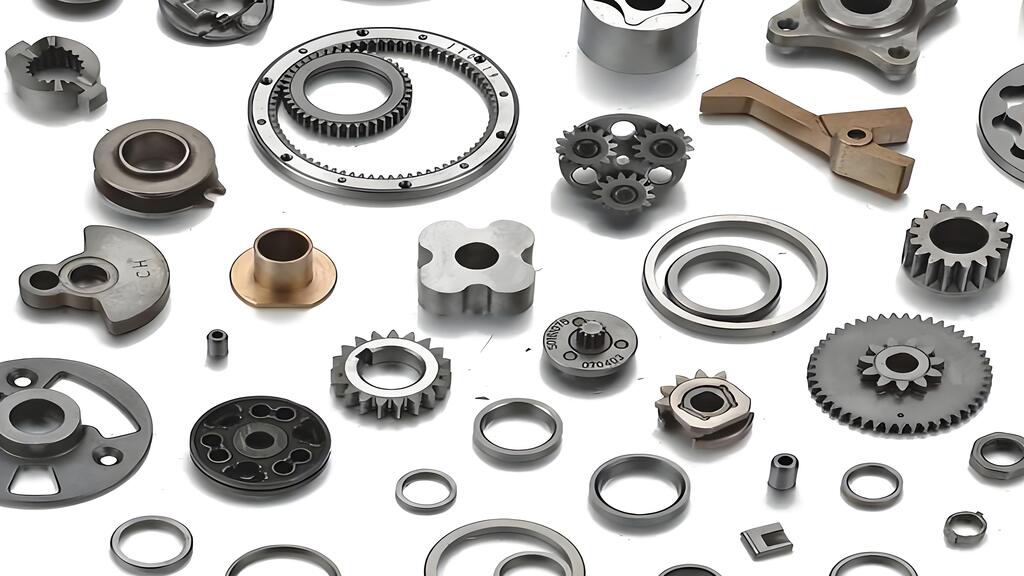
Is Powder Metallurgy Suitable for Electric Vehicle Components?
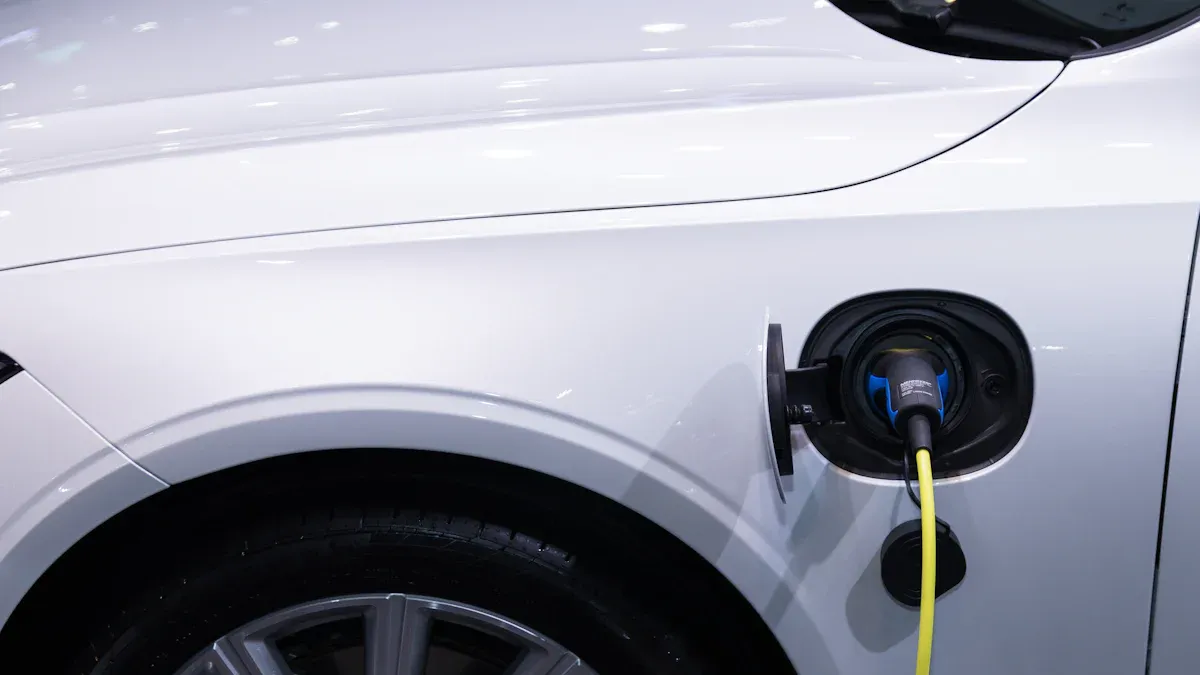
Powder Metallurgy enables manufacturers to create electric vehicle components that require high precision and complex shapes. Many automotive suppliers now rely on this process to produce parts like soft magnetic composites, lightweight structural elements, and motor housings. For example, the automotive sector consumes up to 65% of all powder metallurgy components, with a market size of USD 2.9 billion in 2024. The following table illustrates the leading electric vehicle parts produced by this method and their market presence:
| Component Type | Description / Role in EVs | Market Share / Volume / Value |
|---|---|---|
| Soft Magnetic Composites (SMCs) | Used in electric motors to reduce core losses by >20%, improving efficiency and performance | Electrical & Electronics sector accounts for 20-25% of Pm component volume; SMCs are a significant growth driver |
| Lightweight Structural Parts | Used for weight reduction and complex shapes in EVs | Part of automotive PM components, contributing to a USD 2.9 billion market size in 2024 |
| Gears and Motor Housings | High-volume production for EV platforms | The automotive sector accounts for 40-65% of PM component consumption; GKN Plc holds ~35%+ market share in these parts |
| E-drive Housings | Structural components for electric drive systems | Included in automotive PM components with significant demand in Asia-Pacific, Europe, and North America |
| Automotive PM Components Overall | Includes gears, timing components, sprockets, valve train elements, sintered hubs, etc. | Automotive sector dominates PM market with 40-65% consumption; market size approx. USD 2.9 billion in 2024 |
| Regional Market Shares | Asia-Pacific (23-40%), Europe (~30%), North America (>20%) | Asia-Pacific leads due to automotive output; North America is significant in EV platform sourcing |
Powder metallurgy also supports sustainability goals, as it reduces material waste and energy consumption during production.
Key Takeaways
- Powder metallurgy enables precise, complex, and lightweight electric vehicle parts, improving motor efficiency and reducing vehicle weight.
- This process reduces material waste by over 95%, lowers production costs up to 70%, and supports sustainable manufacturing with less energy use.
- Powder metallurgy delivers consistent quality and repeatability, ensuring reliable performance across large production volumes for EV components.
- Limitations include lower ductility and toughness compared to forged parts, size restrictions due to press capacity, and challenges in alloy selection.
- Powder metallurgy suits high-volume production of small to medium EV parts like gears, motor housings, battery connectors, and structural supports.
- Advanced techniques and hybrid manufacturing, including additive manufacturing, expand design flexibility and improve part performance.
- Leading automakers like Tesla, BMW, and Toyota successfully use powder metallurgy to reduce costs, improve efficiency, and meet strict quality standards.
- Ongoing innovation, collaboration, and standardization will drive powder metallurgy’s growing role in electric vehicle manufacturing and sustainability.
Powder Metallurgy Benefits for Electric Vehicle Components
Precision and Complex Geometries
Near-Net Shape Manufacturing
Manufacturers rely on powder metallurgy to achieve near-net shape manufacturing, which allows them to produce parts that closely match the final design with minimal finishing. This process enables precise control over material composition and porosity, resulting in components with tight tolerances. For example, powder metallurgy can achieve dimensional tolerances as fine as ±0.035 mm on critical features like press-fit inner diameters. This level of precision is essential for electric vehicle parts such as motor gears and battery connectors, where accuracy directly impacts performance and reliability.
Design Flexibility for Intricate Parts
Powder metallurgy supports the creation of intricate and lightweight designs that traditional methods often struggle to produce. Engineers can incorporate complex internal features, undercuts, and integrated mounting points directly into the part during the forming process. This design flexibility enables the production of high-performance components, such as soft magnetic composites for electric motors, which require both complex geometry and optimized magnetic properties. The ability to tailor material properties and shapes helps manufacturers meet the demanding requirements of modern electric vehicles.
Tip: Design flexibility in powder metallurgy not only improves part performance but also reduces the need for multiple assembly steps, streamlining the manufacturing process.
Material Efficiency and Cost-Effectiveness
Reduced Material Waste
Powder metallurgy stands out for its exceptional material efficiency. The process uses over 95% of the starting material, generating minimal scrap compared to machining or casting. This efficiency is particularly valuable in electric vehicle production, where lightweighting and resource conservation are top priorities. Manufacturers can select advanced materials such as high-strength steels and aluminum alloys, further reducing weight without sacrificing strength. The integration of additive manufacturing techniques with powder metallurgy also allows for the creation of customized parts with optimized material usage.
Lower Production Costs
Cost savings represent a significant advantage of powder metallurgy. The following table highlights key cost-saving aspects compared to traditional manufacturing methods:
| Cost-Saving Aspect | Description | Cost Reduction / Benefit |
|---|---|---|
| Custom Alloy Blends | Tailored alloys reduce reliance on expensive materials like nickel and cobalt | Material cost reduction by 15-30% |
| Soft Magnetic Composites (SMCs) | Fewer parts and lighter weight enable faster assembly in EV motors | Weight reduction by 10-15%, lower manufacturing cost |
| Iron-Copper Blends for Structures | Economical materials with strong performance | Cost 25-40% less than stainless steel or high-performance alloys |
| Automated Compaction and Sintering | High-speed, low-labor production lines | Labor cost reduction by 40-60% |
| Near-Net-Shape Manufacturing | Minimal finishing required, reducing secondary operations | Production time cut by 30-50% |
| Integrated Features | Multiple features combined into one part | Eliminates 3-4 minutes of labor per part |
| Overall Cost Reduction | Combined material, labor, and process efficiencies | Up to 70% reduction compared to traditional methods |
These efficiencies make powder metallurgy a cost-effective solution for high-volume electric vehicle component production.
Sustainability and Environmental Impact
Energy-Efficient Production Processes
Powder metallurgy offers notable sustainability benefits. The process consumes over 15% less energy than conventional metal forming technologies. Manufacturers achieve this through efficient compaction and sintering steps, which require lower temperatures and shorter cycle times. As a result, powder metallurgy aligns with the automotive industry’s push for greener manufacturing and reduced carbon emissions.
Recyclability and Circular Economy Benefits
The process also supports circular economy initiatives. Manufacturers can use recycled powders and eco-friendly materials, further reducing the environmental footprint. Powder metallurgy’s ability to produce complex shapes with minimal waste means less raw material ends up as scrap. This approach not only conserves resources but also helps companies meet regulatory requirements for sustainable production. As electric vehicles become more prevalent, the demand for environmentally responsible manufacturing methods like powder metallurgy continues to grow.
Performance and Reliability
Consistent Material Properties
Manufacturers in the electric vehicle industry demand components that deliver uniform performance under a wide range of operating conditions. Powder metallurgy meets this requirement by providing exceptional control over material properties. The process begins with the selection of powders that have uniform particle size, shape, and chemical purity. Technicians then blend these powders precisely to achieve the desired composition. During compaction, they apply consistent pressure and speed, which ensures each part reaches the same density and mechanical strength. The final sintering stage strengthens the bonds between particles and preserves critical features, such as the insulating coatings in soft magnetic composites. This careful control at every step results in parts with minimal porosity, high structural integrity, and reliable electrical or magnetic properties.
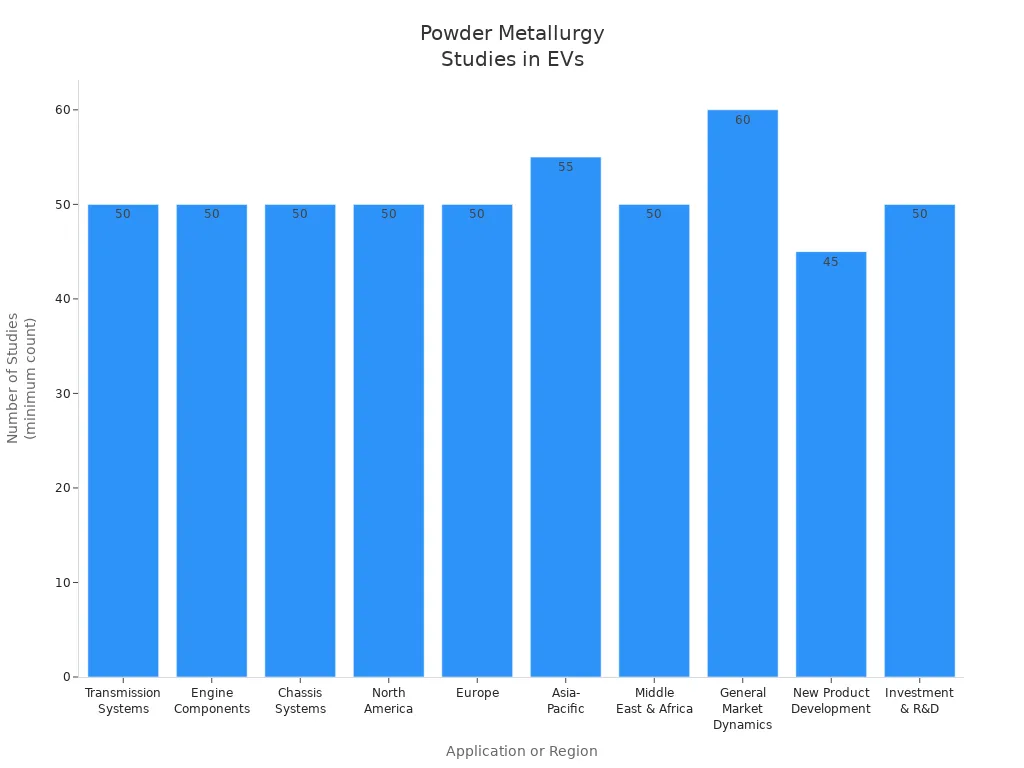
High batch-to-batch consistency is a hallmark of powder metallurgy. All parts are produced using the same molds, which guarantees dimensional accuracy and uniform performance across large production volumes. This consistency is crucial for electric vehicle drivetrains, where even minor variations can lead to premature wear, increased noise, or efficiency losses. The following table summarizes the results of numerous studies and trials that highlight the performance improvements and quality benchmarks achieved by powder metallurgy components in electric vehicles:
| Application/Region | Number of Studies/Trials | Key Performance Improvements | Quality Benchmarks Met | Notes |
|---|---|---|---|---|
| Transmission Systems | >50 independent evaluations, >55 controlled experiments, >50 pilot projects | Durability improved by 30+ units per cycle; friction reduced by 25+ units per cycle | >35 stringent benchmarks | Enhances gear performance and overall vehicle efficiency |
| Engine Components | >50 global manufacturing processes, >55 controlled experiments, >50 pilot projects | Strength improved by 30+ units per cycle; combustion efficiency and durability up by 25+ units | >35 stringent benchmarks | Validated in industry seminars; integral to EV performance |
| Chassis Systems | >50 production lines, >55 controlled experiments, >50 pilot projects | Structural integrity improved by 30+ units; vehicle weight reduced by 25+ units | >35 stringent benchmarks | Enhances stability, handling, and safety |
| North America | >50 installations, >50 independent evaluations, >50 pilot projects | Component performance improved by 30+ units; production variability reduced by 25+ units | >35 stringent benchmarks | Strong regional market traction |
| Europe | >50 advanced solutions, >50 pilot projects | Performance enhancements of 30+ units; energy losses reduced by 25+ units | >35 stringent benchmarks | High operational standards and robust adoption |
| Asia-Pacific | >55 pilot projects, >55 controlled experiments | Performance improvements exceeding 30 units; production variability reduced by 25+ units | >35 stringent benchmarks | Significant market expansion and technological advancements |
| Middle East & Africa | >50 advanced solutions, >55 controlled experiments | Operational efficiency improved by 30+ units; variability reduced by 25+ units | >35 stringent benchmarks | Steady market growth and adoption |
| General Market Dynamics | >60 studies, >55 controlled experiments, >60 pilot projects | Reliability improvements of 30+ units; manufacturing variability reduced by 30+ percentage points | >35 stringent benchmarks | Supported by collaborative R&D and technical audits |
| New Product Development | >45 prototypes, >50 technical tests | Performance improvements of 35+ units; manufacturing variability reduced by 25+ units | >35 stringent benchmarks | Innovations in sintering, powder blending, and heat treatment |
| Investment & R&D | >50 funding rounds, >40 R&D projects | Efficiency gains of 30+ units; production time reduced by 25+ units | >35 stringent benchmarks | Strategic partnerships and innovation centers established |
Note: Consistent material properties not only improve reliability but also simplify quality control and certification for electric vehicle manufacturers.
Repeatability in Mass Production
Automotive manufacturers require processes that deliver the same high-quality results, part after part, especially when producing thousands or millions of components. Powder metallurgy excels in this area. The use of standardized molds and tightly controlled process parameters ensures that each part matches the next in terms of dimensions, density, and mechanical properties. This repeatability reduces the risk of defects and supports efficient assembly on high-speed production lines.
Engineers rely on powder metallurgy to minimize production variability. The process achieves this by maintaining strict control over powder blending, compaction, and sintering. As a result, manufacturers see fewer deviations in part performance, which leads to greater reliability in electric vehicle systems. Studies across North America, Europe, and Asia-Pacific confirm that production variability can be reduced by up to 30 percentage points, while component performance improves by more than 30 units per cycle. These improvements translate directly into longer service life, lower maintenance costs, and enhanced customer satisfaction.
🚗 Tip: High repeatability in mass production helps electric vehicle makers meet demanding industry standards and deliver consistent quality to end users.
Powder Metallurgy Limitations and Challenges in EV Applications
Mechanical Property Constraints
Ductility and Toughness Limitations
Engineers often compare the mechanical properties of powder metallurgy components to those made by forging or casting. Forged parts display superior ductility and toughness because their grain structure aligns during the forging process, and they contain little to no porosity. Powder metallurgy parts, while cost-effective and precise, generally have lower ductility and toughness. Advanced sintering techniques such as ultra-high-temperature sintering (UHTS), hot isostatic pressing (HIP), and electric current-assisted sintering (ECAS) have improved these properties, but a gap remains for the most demanding applications.
| Property | Forged Parts | Powder Metallurgy Parts (Improved Processes) |
|---|---|---|
| Yield Strength | 19% higher than PM parts | Lower than forged but improved with UHTS, HIP, ECAS |
| Ultimate Tensile Strength | 8% higher than PM parts | Improved significantly via advanced sintering methods |
| Fatigue Life | 27% longer than PM parts | Improved but still less than forged parts |
| Porosity | None (fully dense) | Reduced by HIP and UHTS, but traditionally present |
| Grain Structure | Superior due to dynamic recrystallization | Improved uniformity with advanced sintering |
| Ductility and Toughness | Superior, better impact, and bending load resistance | Improved but still generally less than forged parts |
| Manufacturing Benefits | High strength and toughness, but more machining needed | Near-net shape, less machining, cost-effective at volume |
Automotive manufacturers still prefer forged parts for critical electric vehicle components where failure could pose safety risks. However, powder metallurgy remains a viable alternative for many EV parts, especially where cost and production volume take priority.
Fatigue and Impact Resistance Issues
Fatigue and impact resistance present additional challenges for powder metallurgy components. The presence of residual porosity, even after advanced sintering, can create weak points that reduce fatigue life and impact strength. Forged parts, with their dense microstructure, offer a 27% longer fatigue life compared to powder metallurgy parts. For structural or safety-critical EV components, engineers must carefully evaluate whether powder metallurgy can meet the required durability standards. Secondary treatments and design modifications can help, but these add complexity and cost.
⚠️ Note: For high-stress or impact-prone applications, engineers should consider the trade-off between powder metallurgy’s cost advantages and the superior mechanical properties of forged components.
Design and Size Restrictions
Large or Complex Assembly Challenges
Powder metallurgy excels at producing small to medium-sized parts with intricate geometries, but it faces limitations when scaling up. Press capacity restricts the maximum size of individual components. For example, a 500-ton press can handle parts with a planar area of about 11 square inches, while an 850-ton press can manage up to 17 square inches. Larger presses exist but are rare and expensive. To overcome these limits, engineers often segment large parts, such as stators for brushless DC motors, into smaller interlocking sections. Segmentation can simplify coil winding and assembly, but it may affect magnetic performance and require specialized epoxies to maintain strength.
| Design Aspect | Restriction / Guideline |
|---|---|
| Planar Surface Area | Maximum about 16 sq. in. per piece; larger surfaces require splitting due to press capacity (~1,500 tons) |
| Part Thickness | Should not exceed 3 inches in the pressing direction to avoid compaction issues |
| Wall Thickness | Minimum 1.52 mm (0.060 in.) to prevent fragile tooling and density variation |
| Length-to-Wall Thickness Ratio | Should not exceed 8:1 to avoid density variation and cracking risks |
| Aspect Ratio | Limited to about 3:1 |
| Fatigue Limit | Approximately 35% of tensile strength; critical for structural components |
| Complex Geometries | Require specialized tooling and multi-level compaction techniques |
| Segmentation | Used to overcome size limits and improve assembly, especially for motor stators; may affect magnetic performance |
These guidelines help ensure manufacturability and performance while keeping costs under control.
Tolerance and Surface Finish Considerations
Powder metallurgy enables the production of electric vehicle parts with tight tolerances and high precision. For instance, manufacturers have achieved inner diameter tolerances of ±0.0035 inches in pinion gears for EV motors without secondary resizing. This level of precision results from strict process control during sintering and careful tool maintenance. However, several factors influence the achievable tolerances and surface finishes:
- Sintering variables such as temperature, time, and atmosphere directly affect dimensional accuracy.
- Material selection impacts shrinkage and mechanical properties, which in turn influence tolerances.
- Smaller features and complex shapes tend to show greater dimensional variation.
- Secondary operations like sizing, repressing, or machining can improve tolerances and surface finishes but increase costs and tooling wear.
- Design-for-manufacturability practices, such as minimizing abrupt cross-section changes, help achieve better results.
Powder metallurgy offers closer tolerances than casting but generally falls short of the precision achieved by machining or stamping unless secondary finishing is applied. Surface finishes can be enhanced as needed, but this requires balancing cost and performance.
Production Scalability and Volume
High vs. Low Volume Suitability
Powder metallurgy provides significant advantages for high-volume electric vehicle production, but scalability presents several challenges. The global supply chain for metal powders remains vulnerable. For example, China supplies 58% of iron powder, and niche alloys depend on specialized producers. Disruptions such as the COVID-19 pandemic and energy crises have caused delays and price volatility. Raw material costs can fluctuate sharply, as seen with a 230% year-over-year increase in molybdenum prices and an 18% slowdown in steel powder deliveries during recent energy shortages.
Quality consistency also poses a challenge. Powders must meet strict particle size and purity standards. Some manufacturers have rationed production due to shortages of high-purity nickel powder. Logistics add further complexity, as metal powders require special handling and transport, increasing costs and compliance requirements.
Recycling inefficiencies limit the reuse of powder metallurgy scrap, with only 30–40% recycled into gear-grade powders. Capital allocation for inventory and advanced equipment can tie up resources, slowing investment in scaling production.
Tooling and Setup Investment
Scaling powder metallurgy production for electric vehicles requires significant upfront investment in tooling and equipment. Advanced sintering techniques, such as Spark Plasma Sintering and Microwave Sintering, improve component properties but come with high equipment costs and require precise process control. These factors limit their adoption in high-volume environments. Manufacturers must balance the benefits of improved part performance with the realities of capital expenditure and operational complexity.
💡 Tip: Companies planning to scale powder metallurgy for electric vehicle components should assess supply chain stability, raw material sourcing, and the cost-benefit of advanced processing technologies.
Material Selection and Compatibility
Alloy Availability
Selecting suitable alloys for electric vehicle components involves several technical challenges. Engineers must consider powder properties, such as flowability and the presence of oxide films, which can affect compaction and sintering quality. These factors influence the final density and the mechanical or magnetic properties of the part. Internal porosity remains a concern, as it reduces magnetization and increases energy losses in motor components. This can lower permeability and electrical performance, which are critical for efficient electric motors.
The following table summarizes the main challenges in alloy selection for powder-based EV components:
| Challenge Aspect | Description | Impact on Alloy Selection for PM in EV Applications |
|---|---|---|
| Powder Properties | Flowability and presence of oxide films on powder surfaces | Affect compaction and sintering quality, influencing final density and mechanical/magnetic properties |
| Porosity and Density Variations | Internal pores reduce magnetization, increase hysteresis, and iron losses | Lower permeability and electrical performance, critical for motor efficiency |
| Process Parameters | Molding pressure, temperature, sintering time, milling time, etc. | Need optimization to minimize defects, density deviations, and ensure uniform microstructure |
| Alloy Systems | Fe-Si (e.g., Fe-6.5 wt.%Si), Fe-Ni, Fe-Co, ferrite, Al-Si-Mg-Fe | Each has trade-offs: Fe-Si offers high hardness and resistivity but processing challenges; Fe-Ni has high permeability; ferrite is corrosion resistant but has lower conductivity |
| Microstructure Control | Difficulty in achieving uniform grain size and phase distribution | Affects brittleness, mechanical strength, and magnetic properties |
| Secondary Processing | Heat treatment, rolling, hot-working | Can improve density, hardness, corrosion resistance, and reduce brittleness, but require precise control |
| Powder Preparation Methods | Water atomization, gas atomization, mechanical alloying, and electrolysis | Influence powder morphology and flowability, impacting formability and final product quality |
Aluminum alloys, especially those in the Al-Si-Mg-Fe system, present unique difficulties. Oxide films on powder surfaces and poor flowability during compaction hinder uniform densification. These issues can reduce mechanical performance and make it harder to achieve the desired microstructure. Non-uniform grain size and secondary phase distribution often lead to lower tensile properties and increased brittleness. Engineers use secondary processing methods, such as hot rolling and heat treatments (T4, T5, T6), to improve density, hardness, and corrosion resistance. These treatments refine the microstructure and promote precipitation strengthening. However, research on optimal heat treatment conditions and recrystallization behavior remains limited. This creates ongoing challenges in fully optimizing these alloys for electric vehicle applications.
⚠️ Note: Careful control of powder characteristics and processing parameters is essential for achieving the desired performance in EV components.
Integration with Advanced Materials
Electric vehicle manufacturers increasingly demand components that combine lightweight design, high strength, and complex geometries. Powder-based processes support the production of such advanced parts, including electric motor components, battery connectors, and drivetrain elements. Compatibility with a wide range of advanced alloys—such as iron-based, copper-based, aluminum-based, stainless steel, and specialty alloys—enables engineers to tailor material properties for specific EV requirements.
- Soft magnetic composites (SMCs) produced by powder-based methods play a key role in modern electric motor designs, including permanent magnet and axial flux motors.
- Combining SMCs with traditional steel laminations can enhance motor performance and cost-effectiveness.
- Innovations in composite powders, sintering technologies, and additive manufacturing (3D printing) continue to improve the performance and reliability of powder-based EV components.
- The process supports sustainability goals by minimizing waste and enabling recyclability, which aligns with environmental regulations and government incentives.
- Market growth is driven by the demand for efficient, lightweight EV components and advances in powder materials and manufacturing processes.
- Versatile processes, such as pressing and sintering, hot isostatic pressing, metal injection molding, and laser sintering, allow for integration with advanced materials.
Manufacturers have found that powder-based methods remain viable for producing smaller, lighter, and more torque-dense drivetrain components. OEMs and Tier 1 suppliers continue to adopt these processes for many applications. However, high-torque and high-speed drivetrain parts still require further advancements in powder-based capabilities. This ongoing development highlights the adaptability of these methods to the evolving needs of electric vehicle technology.
💡 Tip: Collaboration between material scientists and process engineers is crucial for integrating advanced materials and achieving optimal performance in electric vehicle components.
Electric Vehicle Components Suited for Powder Metallurgy
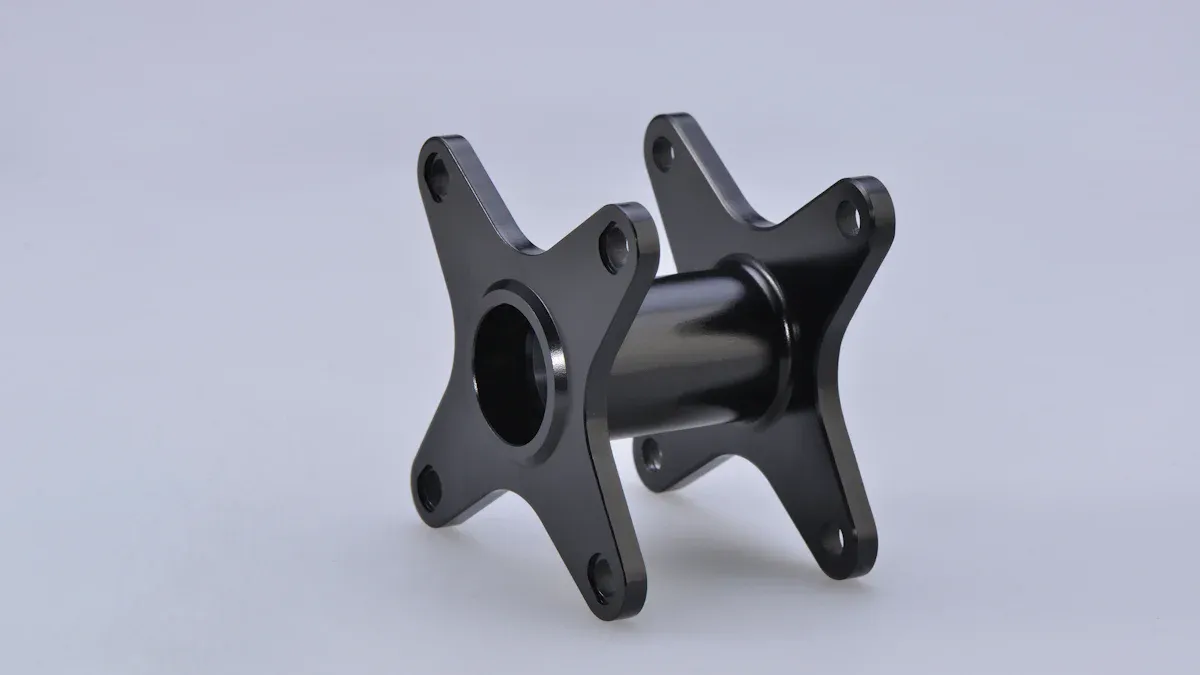
Electric Motor and Motion Control Parts
Soft Magnetic Components (Stators, Rotors)
Electric vehicles rely on efficient electric motors. Manufacturers use soft magnetic components, such as stators and rotors, to improve motor performance. These parts often require complex shapes and precise tolerances. Sintered soft magnetic composites (SMCs) allow engineers to design compact, lightweight stators and rotors. SMCs reduce core losses by more than 20%, which increases energy efficiency and extends battery range. The unique structure of powder-based parts also provides sound dampening, lowering noise and vibration. This benefit enhances the driving experience by reducing noise, vibration, and harshness (NVH).
Laminated Cores and SMCs
Laminated cores and SMCs play a critical role in motion control. SMCs enable the production of three-dimensional magnetic circuits, which support higher motor frequencies and reduce energy consumption. The net-shape forming process allows for material placement only where needed, minimizing weight. SMCs can reduce motor size by up to 30% and increase peak torque by 20%. These improvements help automakers create smaller, more powerful motors that fit within tight packaging constraints.
⚡ Note: SMCs also retain lubrication, which improves durability and further reduces NVH.
Transmission and Drivetrain Components
Gears and Sprockets
Gears and sprockets produced by powder-based methods are integral to electric powertrain systems. These components deliver the required torque and speed in motor drives, gearboxes, and differentials. The process enables the creation of gears with complex geometries and tight tolerances, improving load distribution and performance. Powder-based gears are about 10% lighter than solid steel gears, supporting vehicle lightweighting goals. Their inherent porosity provides excellent noise and vibration damping, which enhances driver comfort. Manufacturers also benefit from reduced material waste and the ability to recycle unused powder.
Bearings and Bushings
Bearings and bushings made from sintered metals offer high precision and durability. The process allows for the integration of self-lubricating features, which extend service life and reduce maintenance. These components support smooth motion in electric drivetrains and help minimize friction and wear. The ability to tailor material properties ensures that bearings and bushings meet the demanding requirements of modern EVs.
| Common EV Components via Powder Metallurgy | Materials Used | Performance and Manufacturing Benefits |
|---|---|---|
| Gear Components, Bearings, Piston Rings | Iron-based, Copper-based, Nickel-based, Cobalt-based alloys | Near-net shape manufacturing, reduced material waste, high precision, cost-effective |
| Transmission Components | Stainless steels, Soft magnetic composites | Support electrified drivetrains, tight tolerances, advanced magnetic properties |
Battery and Thermal Management Systems
Current Collectors and Connectors
Battery systems in electric vehicles require efficient current collectors and connectors. Powder-based manufacturing enables the production of these parts with complex shapes and high conductivity. Aluminum and copper alloys provide lightweight solutions with improved energy efficiency. The process supports net-shape forming, which reduces machining and assembly costs.
Thermal Management Plates and Housings
Thermal management plates and housings help maintain optimal battery temperatures. Advanced alloys, such as TC2000, offer up to double the thermal conductivity of conventional castings. This improvement enables better heat dissipation in densely packed battery modules. The process also allows for the creation of parts with corrosion resistance and matched thermal expansion, which are critical for safe and efficient operation. Manufacturers can optimize material selection to balance weight, strength, and thermal performance.
🔋 Tip: Powder-based thermal management components support sustainability by reducing waste and enabling the use of recycled materials.
Structural and Auxiliary Parts
Brackets, Mounts, and Sensor Housings
Electric vehicles require a wide range of brackets, mounts, and sensor housings to support electronic modules, wiring, and sensors. Manufacturers often select powder-based processes for these components because they deliver high dimensional accuracy and allow for the integration of multiple features into a single part. This approach reduces assembly steps and improves reliability. For example, sensor housings produced with this method can include built-in channels for wiring or cooling, which streamlines installation and enhances protection against vibration and moisture.
Engineers value the ability to create custom shapes that fit tight spaces within the vehicle chassis. The process supports the use of corrosion-resistant alloys, which extend the service life of these auxiliary parts. Many automotive suppliers report that powder-based brackets and mounts meet strict automotive standards for strength and durability, even in harsh environments.
🛠️ Tip: Integrating mounting features and cable guides directly into sensor housings can reduce assembly time and lower the risk of installation errors.
Lightweight Structural Supports
Lightweight structural supports play a crucial role in electric vehicle design. These supports reinforce battery enclosures, motor mounts, and subframes while minimizing overall vehicle weight. The powder-based process enables the production of thin-walled, high-strength supports that would be difficult to achieve with traditional casting or machining. Engineers can optimize the geometry for strength-to-weight ratio, which helps improve vehicle efficiency and range.
Some manufacturers use advanced alloys to further reduce weight without sacrificing performance. The ability to produce parts with consistent quality and repeatability ensures that structural supports meet safety and performance requirements across large production volumes.
Industry Examples and Case Studies
Automotive OEM Adoption
Leading automotive original equipment manufacturers (OEMs) have adopted powder-based manufacturing for a variety of electric vehicle components. Companies such as Tesla, BMW, and Toyota use these processes to produce gears, motor housings, and structural brackets. Their adoption demonstrates confidence in the reliability and scalability of the technology. Many OEMs report reduced production costs and improved part consistency after switching to powder-based methods.
A recent industry survey found that over 60% of global EV platforms now include at least one major component produced using this approach. OEMs cite benefits such as reduced material waste, faster production cycles, and easier integration of complex features.
Notable Success Stories in EV Manufacturing
Several case studies highlight the impact of powder-based manufacturing in electric vehicle production:
- Tesla: The company uses powder-based gears and motor components to achieve high efficiency and low noise in its drive units.
- BMW: Engineers at BMW have developed lightweight structural supports for battery packs, improving crash safety and reducing vehicle weight.
- Toyota: The automaker employs powder-based sensor housings and mounts to enhance reliability in hybrid and electric models.
These examples illustrate how leading manufacturers leverage advanced processes to meet the evolving demands of electric mobility.
Powder Metallurgy vs. Alternative Manufacturing Methods for EVs
Powder Metallurgy vs. Casting
Material Properties and Performance
When comparing powder-based processes to casting, several differences emerge in material properties and performance:
- Powder-based methods allow the use of a broader range of metals, including stainless steel, iron, nickel, titanium, copper, silicon, and phosphorus. This flexibility enables engineers to tailor properties for specific electric vehicle applications, such as high magnetic performance in motor components.
- Casting, especially die casting, typically uses non-ferrous metals like aluminum, magnesium, and zinc. These materials have lower melting points and result in softer, non-magnetic parts.
- Powder-based parts display finer, more uniform microstructures. This leads to higher hardness, strength, and toughness compared to die-cast parts.
- Die-cast components often show defects such as porosity and flow lines. These issues require extensive inspection and secondary processing. Powder-based parts offer better consistency and usually need less finishing.
- The ability to create lighter, more compact designs with stronger materials gives powder-based processes an advantage in electric motor design.
| Aspect | Powder-Based Methods | Casting (Die Casting) |
|---|---|---|
| Raw Materials | Wide range, including high-performance alloys | Non-ferrous, low-melting-point metals |
| Microstructure | Fine, uniform grains; controlled porosity | Prone to segregation, porosity, and flow lines |
| Mechanical Properties | High hardness, strength, toughness; magnetic materials available | Softer, non-magnetic, more fragile |
| Process Control | Consistent powder compaction and deposition | Dependent on cooling rate and geometry |
| Secondary Processing | Minimal finishing required | Often needs trimming, machining, and heat treatment |
Cost and Production Efficiency
Production efficiency and cost also differ between these two methods.
| Aspect | Powder-Based Methods | Casting |
|---|---|---|
| Initial Equipment Cost | Higher upfront investment in equipment and tooling | Lower tooling costs for some casting methods |
| Production Time | Faster for high-volume runs due to streamlined processes | Longer, especially for complex parts |
| Secondary Operations | Fewer secondary steps needed | More trimming and machining are required |
| Labor Costs | Mostly automated, reducing labor expenses | Higher labor involvement |
| Material Utilization | High efficiency, less waste | More waste due to trimming and machining |
| Dimensional Accuracy | High (~±0.04 mm) after sizing | Lower, especially in sand casting |
| Energy Consumption | Lower, as no melting of metals | Higher, due to melting requirements |
| Environmental Impact | Less waste and fewer emissions | More waste gases and contaminated cooling water |
| Suitability | Best for complex, small to medium parts in high volumes | Better for larger, simpler parts with low-melting-point metals |
⚡ Note: Powder-based manufacturing becomes most cost-effective at large production volumes, while casting may suit lower volumes or larger, less complex parts.
Powder Metallurgy vs. Forging
Strength and Durability Comparison
Forging and powder-based processes both produce strong components, but their mechanical properties differ. Forged parts achieve superior strength and durability due to grain flow alignment and the elimination of internal voids. These parts show about 8% higher tensile strength and 27% greater fatigue resistance than powder-based parts. Forged powder metallurgy (FPM) combines both methods, producing components with 15-30% better durability than wrought steels and up to 20% weight reduction. Post-forging heat treatments can further enhance hardness and toughness, making FPM ideal for high-stress drivetrain parts.
| Characteristic | Powder-Based Methods | Forging |
|---|---|---|
| Tensile Strength | Up to 900 N/mm² (as-sintered), up to 1200 N/mm² (heat-treated) | About 8% higher than powder-based parts |
| Fatigue Resistance | About 25% of forged parts | About 27% higher than powder-based parts |
| Density | 75-95% relative density | Greater than 99%, minimal porosity |
| Mechanical Benefits | Complex, precise, cost-effective for volume | Superior strength, ideal for high-stress |
Design Flexibility and Application Range
Powder-based processes excel in producing complex shapes with tight tolerances, supporting intricate designs that forging cannot easily achieve. This flexibility benefits electric vehicle manufacturers seeking lightweight, compact, and high-precision parts. Forging remains the preferred choice for components exposed to extreme loads or requiring maximum durability, such as connecting rods and differential gears.
Powder Metallurgy vs. Machining
Precision, Waste, and Material Utilization
Powder-based manufacturing achieves near-net-shape production, minimizing the need for secondary machining. Scrap rates remain low, around 3%, compared to machining, which can waste up to 50% of raw material. The process uses only the material required by the design, supporting sustainability and reducing costs. Machining produces significant waste, even though scrap can be recycled.
| Factor | Powder-Based Methods | Machining |
|---|---|---|
| Scrap Rate / Material Waste | Low (~3%) | High (up to 50%) |
| Raw Material Utilization | Over 95% | Lower due to waste |
| Suitability for Production | High-volume, efficient | Low-volume, longer per-part time |
| Dimensional Control | Tight, near-net-shape | Requires more secondary steps |
Production Speed and Scalability
Engineers favor powder-based processes for high-volume production. Automated batch processing enables rapid output of thousands of identical parts. Machining, by contrast, suits low-volume runs and requires more time per part. The ability to consolidate multiple features into a single powder-based part further streamlines assembly and reduces production time.
🏁 Tip: For electric vehicle manufacturers, powder-based methods offer a compelling combination of precision, efficiency, and sustainability, especially when scaling up production.
Hybrid and Emerging Manufacturing Approaches
Additive Manufacturing Integration
Additive manufacturing, often called 3D printing, has transformed how engineers approach electric vehicle component design. This technology enables the creation of intricate shapes and internal features that traditional methods cannot achieve. Engineers use advanced powder formulations and precise layer-by-layer deposition to produce lightweight, high-strength parts. These parts often improve battery efficiency and extend vehicle range.
The integration of additive manufacturing with metal injection molding and advanced sintering techniques allows for the production of components with tailored properties. For example, manufacturers can optimize thermal management plates or motor housings for both strength and heat dissipation. The flexibility of additive manufacturing supports rapid prototyping, which accelerates product development cycles and helps companies respond quickly to changing market demands.
Industry 4.0 technologies, such as IoT-enabled smart manufacturing, further enhance additive manufacturing. Automated systems monitor each stage of production, ensuring consistent quality and reducing material waste. This approach aligns with the automotive sector’s goals for sustainability and regulatory compliance. Companies also benefit from localized manufacturing, which strengthens supply chain resilience and reduces transportation emissions.
🚀 Tip: Additive manufacturing enables the production of self-lubricating and functionally integrated parts, supporting the miniaturization and performance needs of modern electric vehicles.
Multi-Process and Advanced Solutions
Hybrid manufacturing techniques combine the strengths of multiple processes to meet the complex requirements of electric vehicles. Engineers often blend additive manufacturing, metal injection molding, and traditional compaction to create components with unique geometries and enhanced properties. This approach expands the range of materials and part sizes that manufacturers can produce.
Emerging solutions include the use of nanostructured powders and hybrid material systems. These innovations allow for the creation of parts with improved durability, reduced weight, and better energy efficiency. Sustainable practices, such as eco-friendly binders and recycling initiatives, are now standard in many advanced manufacturing facilities. These efforts support environmental commitments and help companies meet strict emissions targets.
Industry leaders leverage automation and intelligent production systems to increase precision and reduce variability. Smart factories use real-time data to optimize every step, from powder preparation to final inspection. This level of control ensures that each component meets the high standards required for electric vehicle applications.
- Key benefits of hybrid and advanced solutions:
- Expanded design freedom for engineers
- Improved material utilization and reduced waste
- Enhanced durability and lightweighting
- Support for sustainable and localized production
🌱 Note: The adoption of hybrid manufacturing approaches positions companies to address the evolving demands of electric and hybrid vehicles, ensuring long-term competitiveness in a rapidly changing market.
Industry Trends and Future Outlook for Powder Metallurgy in EVs
Current Adoption and Market Penetration
Leading Manufacturers and Applications
Major automotive suppliers and original equipment manufacturers (OEMs) have embraced powder metallurgy for electric vehicle production. Companies such as GKN, Höganäs, and Sumitomo Electric lead the market by supplying critical components like rotors, stators, and battery module parts. These manufacturers focus on high-volume production and deliver parts that meet strict quality and performance standards. Their expertise supports the growing demand for lightweight, efficient, and cost-effective solutions in the EV sector. Applications extend across electric motors, chassis, and structural assemblies, highlighting the versatility of powder metallurgy.
Growth in the EV Sector
The electric vehicle industry continues to expand rapidly, driving increased adoption of powder metallurgy. In 2024, the market size for powder metallurgy in EVs reached approximately USD 1.5 billion. Projections indicate strong growth, with the market expected to reach USD 3.5 billion by 2033. This expansion reflects a robust compound annual growth rate and underscores the technology’s pivotal role in EV manufacturing. The widespread use of powder metallurgy in essential components, such as drivetrain parts and battery systems, demonstrates its established presence and growing influence. Regional trends show particularly strong adoption in Asia-Pacific and Europe, where regulatory pressures and technological advancements accelerate market penetration.
Technological Advancements in Powder Metallurgy
New Materials and Alloy Development
Material scientists continue to develop new alloys tailored for electric vehicle applications. Recent innovations include high-performance soft magnetic composites and advanced aluminum alloys. These materials improve energy efficiency, reduce weight, and enhance durability. The introduction of specialized powders enables manufacturers to produce parts with optimized magnetic, thermal, and mechanical properties. Ongoing research focuses on refining powder characteristics and alloy compositions to meet the evolving needs of electric mobility.
Process Innovations and Automation
Manufacturers invest in advanced processing techniques to boost productivity and quality. Technologies such as hot isostatic pressing, additive manufacturing, and automated compaction lines have transformed the industry. Automation ensures consistent part quality and supports large-scale production. Smart manufacturing systems, including real-time monitoring and data analytics, help reduce defects and improve efficiency. These innovations position powder metallurgy as a leading solution for next-generation electric vehicles.
Sustainability and Regulatory Influences
Environmental Standards and Compliance
Governments and industry bodies set strict environmental standards for automotive manufacturing. Powder metallurgy aligns with these requirements by minimizing material waste and reducing energy consumption. Manufacturers adopt eco-friendly practices to comply with regulations and support global sustainability goals. The process’s inherent efficiency helps companies lower their carbon footprint and meet emissions targets.
Circular Economy and Recycling Initiatives
The industry prioritizes circular economy principles by promoting recycling and resource conservation. Manufacturers use recycled powders and implement closed-loop systems to reduce raw material usage. These initiatives support environmental stewardship and enhance the sustainability of electric vehicle production. Companies that embrace recycling and circular economy strategies gain a competitive advantage in a market that values responsible manufacturing.
Future Potential and Research Directions
Expanding Application Areas in EVs
Electric vehicle technology continues to evolve rapidly. Manufacturers and researchers see new opportunities for advanced components that meet the demands of next-generation vehicles. Several trends point to a broader role for powder-based manufacturing in electric mobility:
- Engineers now integrate high-performance alloys and composites into component design. These materials improve durability and expand the range of possible applications.
- Additive manufacturing works alongside traditional methods. This combination allows for greater design flexibility and faster prototyping. Companies can bring new products to market more quickly.
- Sintering and binder jetting technologies have advanced. These improvements lead to higher precision and lower energy consumption during production.
- Automation and digitalization transform manufacturing lines. Factories achieve higher efficiency and consistent quality with smart systems and robotics.
- The push for lightweight and efficient parts grows stronger. Electric vehicles benefit from components that reduce overall weight and extend driving range.
- Sustainable manufacturing practices gain importance. Companies adopt processes that align with global environmental goals and reduce waste.
🚗 Note: The rise of electric and autonomous vehicles creates new demands for specialized components. Manufacturers must develop parts with enhanced performance, reliability, and safety features.
Ongoing research explores novel materials and process optimization. These efforts help diversify the types of products available and support the expansion of powder-based methods into new areas, such as advanced battery systems and integrated sensor modules.
Collaboration and Standardization Efforts
Industry leaders recognize the value of collaboration. Partnerships between manufacturers, research institutions, and technology providers accelerate innovation. These groups share knowledge, pool resources, and develop new solutions for electric vehicle challenges.
Standardization also plays a critical role. Consistent quality benchmarks and testing protocols ensure that components meet safety and performance requirements worldwide. Organizations work together to create guidelines for material selection, process control, and product validation.
- Strategic partnerships drive investment in emerging markets. Companies expand their reach and adapt to regional needs.
- Joint research projects focus on developing new alloys, improving process efficiency, and reducing environmental impact.
- Industry consortia promote best practices and support workforce training.
💡 Tip: Collaboration and standardization help the industry respond quickly to changing technology and regulatory landscapes. These efforts ensure that powder-based manufacturing remains a reliable choice for electric vehicle production.
Powder Metallurgy stands out as a reliable method for producing electric vehicle components. This process delivers precision, efficiency, and sustainability. Manufacturers see ongoing advancements that address previous limitations in mechanical properties and part size. They should evaluate each component’s requirements to determine the best fit.
Industry collaboration and innovation will shape the future of Powder Metallurgy in electric vehicles.
FAQ
What is powder metallurgy?
Powder metallurgy uses metal powders to create solid parts through compaction and sintering. This process allows manufacturers to produce complex shapes with high precision. Many industries, including automotive and electronics, use powder metallurgy for its efficiency and material savings.
Why do electric vehicles benefit from powder metallurgy?
Electric vehicles require lightweight, precise, and reliable components. Powder metallurgy enables the production of such parts with minimal waste. Manufacturers can achieve near-net shapes and integrate multiple features, which supports efficient assembly and improved performance.
Which electric vehicle parts use powder metallurgy most often?
Manufacturers commonly use powder metallurgy for gears, stators, rotors, bearings, bushings, and battery connectors. These components benefit from the process’s ability to deliver tight tolerances, consistent quality, and tailored material properties.
How does powder metallurgy support sustainability in EV manufacturing?
Powder metallurgy reduces material waste and energy consumption. The process uses recycled powders and supports closed-loop manufacturing. Many companies choose powder metallurgy to meet environmental regulations and lower their carbon footprint.
Are powder metallurgy parts as strong as forged or cast parts?
Forged parts usually offer higher strength and toughness. Powder metallurgy parts provide excellent precision and cost savings, but may have lower ductility and fatigue resistance. Advanced sintering techniques help close the performance gap for many electric vehicle applications.
Can powder metallurgy produce large electric vehicle components?
Powder metallurgy works best for small to medium-sized parts. Large components may require segmentation or assembly from smaller sections. Press capacity and tooling size limit the maximum part dimensions.
What are the main challenges of using powder metallurgy in EVs?
Engineers face challenges with mechanical properties, alloy selection, and production scalability. Achieving uniform density and integrating advanced materials requires careful process control. Manufacturers must balance cost, performance, and supply chain stability.
💡 Tip: Collaboration between material scientists and engineers helps overcome many powder metallurgy challenges in electric vehicle production.