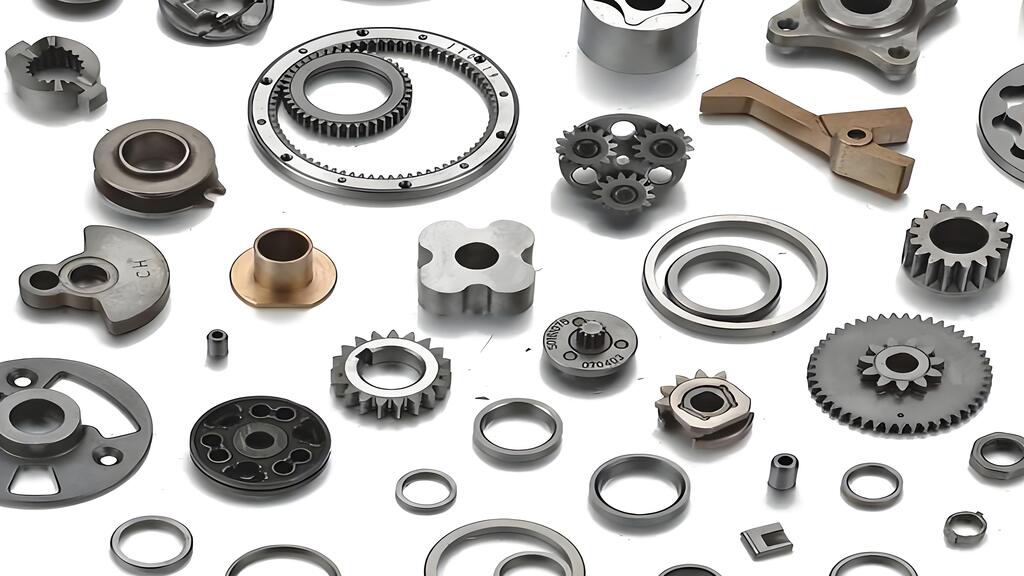
Does magnesium die casting rust?
Magnesium Die Castings do not rust; rust is a specific form of iron oxidation. However, these components are highly susceptible to another form of corrosion. This corrosion can significantly degrade both performance and appearance if not properly managed. In 2023, surface degradation, including corrosion, accounted for over 7% of reported failures in magnesium die-cast parts. Therefore, understanding and preventing this phenomenon is crucial for maintaining the integrity of magnesium die casting components.
Key Takeaways
- Magnesium die castings do not rust. Rust only affects iron.
- Magnesium corrodes easily. It is a very reactive metal.
- Moisture and salt speed up magnesium corrosion. They act as electrical pathways.
- Connecting magnesium with other metals causes faster corrosion. This is called galvanic corrosion.
- Protective coatings stop corrosion. They create a barrier on the magnesium surface.
- Choosing the right magnesium alloy helps prevent corrosion. Some alloys resist corrosion better.
- Good design prevents corrosion. Avoid places where water can collect.
- Unprotected magnesium parts break down. They lose strength and look bad.
Understanding Corrosion in Magnesium Die Casting
Why Magnesium Die Casting Doesn't Rust
Chemical Differences: Rust vs. Magnesium Corrosion
Rust specifically refers to the corrosion of iron and its alloys, a process requiring both oxygen and water. The chemical reactions involved in rust formation are complex. Iron atoms lose electrons, forming iron(II) ions: Fe(s) → Fe²⁺(aq) + 2e⁻. Oxygen and hydrogen ions consume these electrons, forming water: 4e⁻ + 4H⁺(aq) + O₂(aq) → 2H₂O(l). In very low pH conditions, hydrogen gas can also form: 2H⁺(aq) + 2e⁻ → H₂(g). Iron(II) ions then react with hydroxide ions to produce iron(II) hydroxides: Fe²⁺(aq) + 2OH⁻(aq) → Fe(OH)₂(s). Further oxidation occurs as iron(II) ions react with hydrogen ions and oxygen, producing iron(III) ions: 4Fe²⁺(aq) + 4H⁺(aq) + O₂(aq) → 4Fe³⁺(aq) + 2H₂O(l). Finally, iron(III) ions combine with hydroxide ions to form hydrated iron(III) oxides, which we recognize as rust: Fe³⁺(aq) + 3OH⁻(aq) → Fe(OH)₃(s). The overall chemical reaction for rust formation is 4Fe + 3O₂ + 2xH₂O → 2Fe₂O₃·xH₂O.
Magnesium, however, does not contain iron. Therefore, it cannot rust. Instead, magnesium undergoes its own distinct form of corrosion. This process is also an electrochemical redox reaction where magnesium atoms lose electrons. Magnesium readily reacts with oxygen to form magnesium oxide: 2Mg + O₂ → 2MgO. In the presence of moisture, magnesium also forms magnesium hydroxide (Mg(OH)₂) and, in chloride-rich environments, magnesium chloride (MgCl₂). Magnesium's low ionization energy means it easily loses electrons, forming these oxides, hydroxides, or sulfides, which initiate its corrosion.
Magnesium's High Reactivity in the Galvanic Series
The galvanic series ranks metals based on their electrochemical potential in a given environment. Metals higher in the series are more anodic, meaning they readily give up electrons and corrode more easily when coupled with a more cathodic (noble) metal. Magnesium sits at the very top of the galvanic series, making it one of the most reactive engineering metals. This high reactivity means magnesium acts as an anode to almost all other common metals. When magnesium comes into contact with a dissimilar metal in the presence of an electrolyte (like moisture or saltwater), it preferentially corrodes to protect the more noble metal. This inherent electrochemical characteristic makes magnesium highly susceptible to corrosion, especially galvanic corrosion, if designers do not properly isolate it from other metals.
The Nature of Magnesium Die Casting Corrosion
Electrochemical Process of Magnesium Oxidation
Magnesium corrosion is fundamentally an electrochemical process. At the anodic sites on the magnesium surface, magnesium atoms oxidize, losing two electrons to become magnesium ions: Mg → Mg²⁺ + 2e⁻. These electrons then travel through the metal to cathodic sites, where they react with water and dissolved oxygen. The primary cathodic reactions involve the reduction of water to produce hydrogen gas and hydroxide ions: 2H₂O + 2e⁻ → H₂ + 2OH⁻. In the presence of dissolved oxygen, oxygen reduction also occurs: O₂ + 2H₂O + 4e⁻ → 4OH⁻. The magnesium ions (Mg²⁺) then combine with the hydroxide ions (OH⁻) produced at the cathodic sites to form magnesium hydroxide: Mg²⁺ + 2OH⁻ → Mg(OH)₂. This magnesium hydroxide often forms a protective layer, but its effectiveness depends on environmental conditions. In aggressive environments, this layer can break down, allowing further corrosion.
Visual Characteristics of Magnesium Corrosion
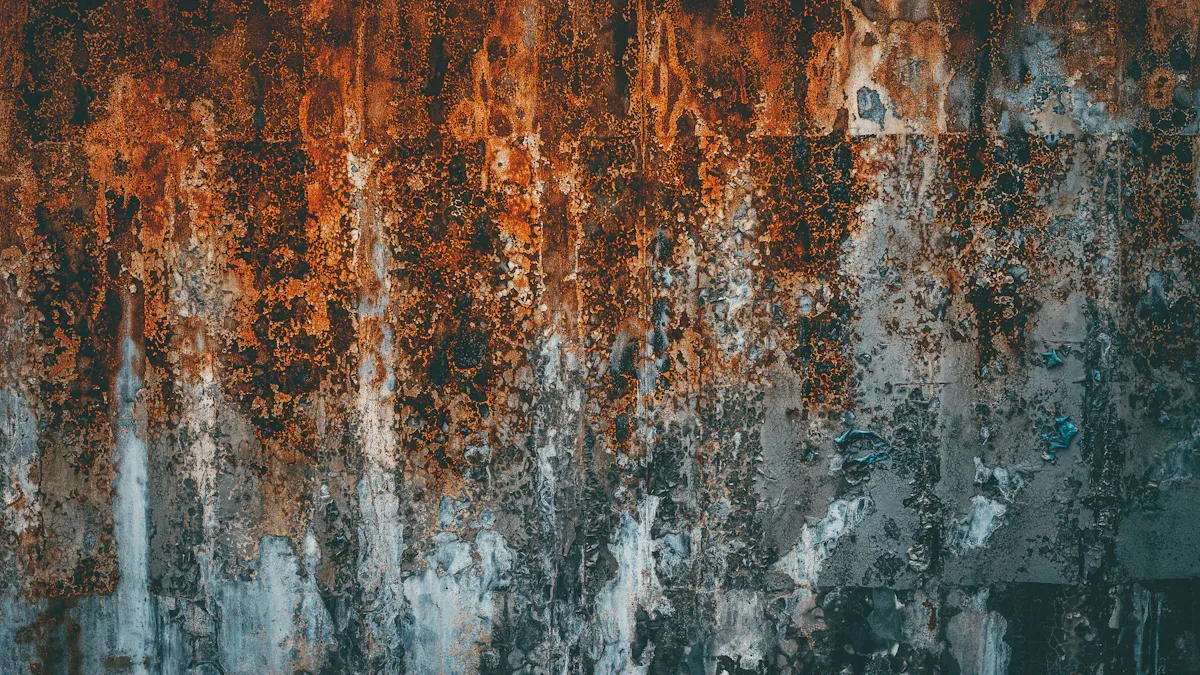
Magnesium corrosion manifests through several distinct visual indicators. One key sign is the evolution of hydrogen gas, visible as small bubbles forming on the surface of the corroding metal. The size, number, and rate of hydrogen bubble release from specific sites directly indicate the rate of ongoing corrosion. Areas with significant surface corrosion, such as pits, show a greater release of hydrogen bubbles. Rapid corrosion across the entire sample surface is indicated by the release of small but fast-evolving hydrogen bubbles.
Other common visual characteristics include pitting corrosion, where localized holes or depressions form on the surface, and filiform corrosion, which appears as thread-like filaments growing beneath a coating. Filiform corrosion fronts often exhibit a higher rate of hydrogen bubble evolution compared to uncorroded areas. As corrosion progresses, a white, powdery substance, primarily magnesium hydroxide, often forms on the surface. This white powder is the corrosion product. Surface imperfections like cracks, porosity (small holes or voids), and shrinkage cavities can also serve as initiation points for corrosion, making these areas more vulnerable to attack. These defects can result from issues during the manufacturing process of the magnesium die casting, such as improper die design or gas entraPment.
Key Factors Influencing Magnesium Die Casting Corrosion
Environmental Triggers for Magnesium Die Casting Corrosion
Impact of Moisture and Humidity
Moisture and humidity significantly accelerate magnesium corrosion. Water acts as an electrolyte, facilitating the electrochemical reactions that lead to material degradation. High humidity levels provide the necessary moisture for these reactions to occur continuously on the surface. Even seemingly dry environments can contain enough atmospheric moisture to initiate and sustain corrosion over time.
Role of Electrolytes (Salts, Acids, Bases)
Electrolytes, such as salts, acids, and bases, dramatically increase magnesium's corrosion rate. They enhance the electrical conductivity of the solution in contact with the metal, allowing electrons to flow more easily between anodic and cathodic sites. Chloride ions, commonly found in saltwater or industrial environments, are particularly aggressive. They can break down the protective magnesium hydroxide layer, exposing fresh metal to further attack. Coatings formed using low-concentration aluminate electrolytes exhibited the lowest thickness and poorest corrosion resistance, comparable to bare AM50 magnesium alloy. Coatings prepared with single low-concentration phosphate electrolytes and low-concentration phosphate-aluminate electrolytes showed improved potential for corrosion resistance compared to single low-concentration aluminate coatings. Significantly reducing the concentration of coating-forming ions in the electrolyte negatively impacted the coating growth rate.
Temperature's Effect on Corrosion Rate
Temperature directly influences the kinetics of corrosion reactions. Higher temperatures generally increase the rate of chemical reactions, including those involved in magnesium corrosion. Elevated temperatures can also reduce the solubility of oxygen in water, but they often increase the diffusion rates of ions and gases, leading to faster corrosion.
Galvanic Corrosion in Magnesium Die Casting
Accelerated Corrosion with Dissimilar Metals
Galvanic corrosion occurs when two dissimilar metals are connected in the presence of an electrolyte. Magnesium, being highly anodic, readily sacrifices itself to protect more noble metals. This process accelerates the corrosion of magnesium. Magnesium, when paired with practically any other metal, creates an incompatible combination with a high risk for galvanic corrosion in die casting assemblies.
Common Scenarios in Magnesium Die Casting Assemblies
Galvanic corrosion frequently appears in magnesium die casting assemblies where designers use steel fasteners, brass inserts, or aluminum components without proper isolation. For example, a steel screw directly contacting a magnesium housing in a humid environment will cause the magnesium around the screw to corrode rapidly.
Surface Imperfections and Contaminants in Magnesium Die Casting
Localized Corrosion from Surface Defects
Surface defects provide initiation sites for localized corrosion. Blowholes, a type of porosity, are predisposing factors for galvanic corrosion in magnesium alloys. Cracks are directly linked to stress corrosion cracking, which involves local preferential corrosion leading to fracture. Pitting corrosion, often initiated by micro-galvanic cells at impurities or second phases, accelerates the formation of fatigue cracks. These imperfections create areas where electrolytes can concentrate, leading to accelerated attack.
Influence of Casting Process Contaminants
Contaminants introduced during the casting process significantly reduce magnesium's corrosion resistance. Iron, copper, and nickel are particularly detrimental. These elements are considered the most dangerous contaminants for pure magnesium material due to their impact on corrosion resistance. Their tolerance limits are very low, indicating that even small amounts can significantly affect the material's integrity. These impurities form cathodic sites within the magnesium matrix, promoting micro-galvanic corrosion cells.
Preventing Corrosion in Magnesium Die Casting

Preventing corrosion in magnesium die casting involves a multi-faceted approach. This strategy includes applying protective coatings, selecting appropriate alloys, and implementing thoughtful design considerations. Each method plays a crucial role in extending the lifespan and maintaining the performance of magnesium components.
Protective Coatings for Magnesium Die Casting
Protective coatings form a barrier between the magnesium surface and corrosive environments. They significantly enhance corrosion resistance.
Chromate Conversion Coatings
Chromate conversion coatings offer a foundational layer of protection for magnesium. These coatings serve as either an undercoat to promote paint adhesion or as stand-alone films. They provide corrosion protection in storage and mildly corrosive environments.
Anodizing and Plasma Electrolytic Oxidation (PEO)
Anodizing and Plasma Electrolytic Oxidation (PEO) coatings provide robust corrosion protection. Anodized coatings inhibit corrosion by blocking the substrate surface area. They also retard the ingress of corrosive solutions and passivate defective or active points on the substrate. The significant improvement in corrosion resistance from these coatings comes from their blocking effect against corrosive solutions. A dense inner layer within the coating acts as a functional layer. This layer offers notable inhibition against the penetration of solutions to the metal surface.
Plasma electrolytic oxidation (PEO) coatings form a hard, conformal, and adhesive inorganic layer on the metal substrate. This layer develops through electrochemical reactions assisted by plasma discharges in alkaline-based electrolytes. The protective nature of PEO coatings is evident in their structural reliability, including tribological and corrosion performances. Most anodizing treatments, such as Chemical Treatment No. 17, HAE, and Cr-22, provide a hard, corrosion-resistant coating on magnesium.
Organic Coatings (Paints, Powder Coats)
Organic coatings, such as paints and powder coats, offer another layer of defense. These coatings encapsulate the magnesium surface, preventing direct contact with moisture and corrosive agents. They are often applied over conversion coatings or anodized layers for enhanced protection and aesthetic appeal.
Plating Techniques for Magnesium Die Casting
Electroplating is a highly effective technique for enhancing the corrosion resistance of magnesium die castings. This process involves several steps to ensure successful plating on magnesium alloys. These steps include acid pickling, an activation step with phosphoric acid and sodium acid fluoride, immersion zinc, and an initial cyanide copper strike. These steps are critical for forming an adherent and protective layer that enhances corrosion resistance.
The process, initially developed by Dow Chemical Company, involves a zincate barrier, followed by a copper strike, and then a secondary electroless nickel strike before further metallization. This multi-step approach is crucial for protecting the base magnesium material. After this dual strike process, various electroplating options like nickel chrome, black chrome, and satin chrome can be applied. These options further improve functionality and corrosion resistance.
Alloy Selection for Corrosion-Resistant Magnesium Die Casting
Choosing the right magnesium alloy is fundamental to preventing corrosion. Alloy composition significantly influences corrosion behavior.
High-Purity Magnesium Alloys
High-purity magnesium alloys offer superior corrosion resistance. A new magnesium-calcium alloy, developed by German scientists, exhibits an exceptionally low corrosion rate. This rate surpasses even ultra-high purity magnesium. This superior resistance is attributed to calcium's role in reducing cathodic water reduction kinetics. Calcium also facilitates the formation of a protective surface film and stabilizes impurities like iron and silicon within the alloy.
While high-purity magnesium (Mg ≥ 99.99 wt.% %) has reasonably good corrosion resistance (0.3~0.5 mm y⁻¹), its application is limited by low yield strength. Alloying elements typically compromise corrosion resistance. However, some reports indicate that adding small amounts of Nd or Y/Ca to AZ91-series alloys can improve corrosion resistance. This improvement occurs by reducing the potential difference between secondary phases and the magnesium matrix. Ultra-high-purity (UHP) Mg-Ge anodes demonstrate high corrosion resistance. Minimal impurity content and the development of a Ge-bearing surface layer contribute to their properties. Additionally, a dilute Mg-0.5La-0.3Ca-0.3Ge (wt%) alloy shows remarkably high corrosion resistance (0.15 mm·y⁻¹). This is primarily due to the formation of a dense protective product containing GeO.
Impact of Impurity Levels (Iron, Nickel, Copper)
Impurity levels critically affect magnesium's corrosion resistance. For AZ91D magnesium alloy, corrosion resistance is achieved by enforcing strict limits on three metallic impurities: iron, copper, and nickel. These elements must be limited to very low levels. This necessitates the use of primary magnesium in the production of AZ91D alloy to maintain its corrosion performance.
| Element | Critical Impurity Level (%) |
|---|---|
| Copper (Cu) | ≤ 0.030 |
| Nickel (Ni) | ≤ 0.002 |
| Iron (Fe) | ≤ 0.005 |
Design Considerations for Magnesium Die Casting Corrosion Prevention
Thoughtful design plays a vital role in preventing corrosion. Designers can mitigate corrosion risks by addressing potential problem areas during the initial stages.
Avoiding Moisture Traps and Ensuring Drainage
Designers must avoid creating moisture traps in magnesium components. Features that allow water to collect, such as blind holes or recessed areas, promote localized corrosion. Incorporating proper drainage paths and sloped surfaces ensures that moisture does not accumulate. This design approach minimizes the time the magnesium surface remains wet.
Isolating Dissimilar Metals in Magnesium Die Casting Designs
Galvanic corrosion occurs when dissimilar metals are connected in the presence of an electrolyte. Designers must isolate magnesium from other metals whenever possible. Using non-conductive spacers, gaskets, or coatings between magnesium and other metallic components prevents direct electrical contact. This isolation strategy effectively breaks the galvanic circuit, thereby preventing accelerated corrosion of the magnesium.
Real-World Applications of Magnesium Die Casting
Successful Use of Protected Magnesium Die Casting
Protected magnesium components find widespread use across various industries. Manufacturers leverage magnesium's lightweight properties and high strength-to-weight ratio. Effective corrosion prevention strategies make these applications possible.
Automotive Components Utilizing Magnesium Die Casting
The automotive industry extensively uses protected magnesium parts. Car manufacturers incorporate magnesium into steering wheel armatures, instrument panel frames, and transmission cases. These applications benefit from weight reduction, which improves fuel efficiency and handling. Protective coatings and careful alloy selection ensure these critical components withstand harsh operating environments, including exposure to moisture and road salts.
Electronics Housings Made from Magnesium Die Casting
Electronics benefit significantly from magnesium's light weight and excellent heat dissipation. Laptops, tablets, and mobile phones often feature magnesium housings. These housings provide robust protection for internal components while keeping devices slim and portable. Surface treatments prevent corrosion, maintaining the device's appearance and structural integrity over time.
Power Tools and Consumer Goods with Magnesium Die Casting
Power tools like drills, chainsaws, and lawnmowers also use magnesium components. The material reduces the overall weight of these tools, making them easier to handle and less fatiguing for users. Consumer goods, such as camera bodies and sports equipment, also utilize protected magnesium for similar reasons. Corrosion protection ensures these items remain durable and aesthetically pleasing through years of use.
Consequences of Unprotected Magnesium Die Casting Corrosion
Ignoring corrosion prevention for magnesium components leads to severe issues. Unprotected parts quickly degrade, compromising both function and appearance.
Loss of Structural Integrity and Mechanical Properties
Corrosion directly attacks the magnesium material. This attack reduces the effective cross-section of the component. As the material corrodes, it loses its original strength and stiffness. This degradation can lead to a significant reduction in the part's load-bearing capacity. The component becomes weaker and more susceptible to deformation or fracture under normal operating conditions.
Aesthetic Degradation and Surface Damage
Unprotected magnesium develops visible signs of corrosion. A white, powdery residue, primarily magnesium hydroxide, forms on the surface. Pitting and discoloration also occur. These changes severely impact the product's appearance. For consumer goods, aesthetic degradation can reduce perceived quality and customer satisfaction.
Potential for Component Failure in Magnesium Die Casting
The loss of structural integrity and surface damage ultimately increases the risk of component failure. A corroded part may suddenly break during operation. This failure can lead to safety hazards, costly repairs, or complete system shutdowns. For example, a corroded automotive part could fail, causing a vehicle malfunction. This highlights the critical importance of proper corrosion management for any magnesium die casting application.
Managing Magnesium Die Casting Corrosion in Specific Environments
Corrosion management for magnesium components requires tailored strategies depending on the specific environmental conditions they encounter. Different settings present unique challenges and necessitate specialized protective measures.
Magnesium Die Casting in Marine and Saltwater Environments
Marine and saltwater environments pose significant threats to magnesium alloys due to their highly corrosive nature.
Challenges with Chloride Exposure
Magnesium alloys face substantial challenges in marine environments. These environments feature high salinity, humidity, and abundant microorganisms. The high concentration of chloride ions in seawater disrupts the naturally loose and porous oxide film on the surface of magnesium alloys. This disruption leads to severe localized corrosion. Chloride ions accelerate corrosion through reactions like 2Cl⁻ + Mg(OH)₂ → MgCl₂ + 2OH⁻ and 2Cl⁻ + Mg → MgCl₂ + 2e⁻, which initiate corrosion pit formation. Chloride ions adsorb at defects in the passivation film, initiating pitting corrosion. Within these pits, magnesium dissolves to form Mg²⁺. This then hydrolyzes to Mg(OH)₂, increasing H⁺ concentration and attracting more Cl⁻ to maintain electroneutrality, thereby accelerating pitting. Marine atmospheric environments, characterized by high humidity and wet-dry cycles, make magnesium alloys highly susceptible to severe localized corrosion and crack formation.
Specialized Protection for Marine Magnesium Die Casting
Specialized protection methods are crucial for magnesium components in marine applications. Plasma Electrolytic Oxidation (PEO), also known as Micro-Arc Oxidation (MAO), creates a hard, ceramic-like oxide coating. This significantly enhances corrosion resistance and wear properties, substantially improving short-term corrosion performance. Electroless nickel plating applies a uniform nickel-phosphorus or nickel-boron coating through a chemical reaction, even on complex shapes. It forms a robust barrier against corrosive environments, enhancing magnesium's durability. Other effective protections include hard anodizing, PVD/CVD coatings, environmentally friendly anodizing, and well-applied organic coatings.
Magnesium Die Casting in Industrial and Chemical Settings
Industrial and chemical settings expose magnesium components to a variety of aggressive substances.
Resistance to Various Chemical Agents
Magnesium alloys exhibit varying resistance to different chemical agents. They generally perform well in contact with many organic compounds and some alkaline solutions. However, strong acids and certain salts can rapidly attack magnesium. Understanding the specific chemical environment is paramount for selecting appropriate alloys and protective schemes.
Considerations for Acidic or Alkaline Environments
Acidic environments are particularly aggressive towards magnesium, causing rapid dissolution. In contrast, magnesium often forms a more stable passive film in moderately alkaline solutions, offering some inherent protection. However, highly alkaline solutions can also cause corrosion. Engineers must carefully consider the pH range and chemical composition of the environment when designing magnesium components for industrial use.
High-Temperature Corrosion of Magnesium Die Casting
Elevated temperatures can also accelerate magnesium corrosion, particularly through oxidation.
Oxidation at Elevated Temperatures
At elevated temperatures, magnesium reacts more readily with oxygen in the air, forming magnesium oxide. This oxidation process can lead to material degradation and loss of mechanical properties over time. The rate of oxidation increases significantly with temperature.
Protective Measures for High-Heat Magnesium Die Casting Applications
For high-heat applications, protective measures focus on creating stable, high-temperature-resistant barriers. Specialized coatings, such as ceramic or intermetallic layers, can prevent oxygen ingress and reduce oxidation rates. Alloy selection also plays a role, with some magnesium alloys designed to offer better high-temperature performance.
Future Trends in Magnesium Die Casting Corrosion Protection
The future of magnesium component protection focuses on innovative coatings and advanced alloy development. These advancements aim to overcome magnesium's inherent reactivity. They ensure its broader application in demanding environments.
Advancements in Coatings for Magnesium Die Casting
New coating technologies offer enhanced protection and sustainability for magnesium. Researchers develop these coatings to address current limitations.
Environmentally Friendly Coating Alternatives
The industry moves towards more environmentally friendly coating solutions. These alternatives replace traditional chromate-based treatments. They often involve non-toxic conversion coatings or advanced polymer layers. These new coatings provide effective corrosion resistance without harmful chemicals. They also meet stricter environmental regulations.
Self-Healing Coatings for Magnesium Die Casting
Self-healing coatings represent a significant leap in corrosion protection. These coatings address the inevitable damage physical barriers sustain in complex service environments. Unlike traditional coatings, self-healing coatings possess a bionic self-healing function. This allows the damaged part of the coating to repair itself with minimal or no external intervention. This capability enhances the protective ability of the coatings. It prevents corrosive media from reaching the magnesium substrate. This extends the lifespan of magnesium alloys. Researchers categorize these coatings into autonomous and non-autonomous types. This depends on whether the healing process occurs automatically.
Development of New Corrosion-Resistant Magnesium Die Casting Alloys
Alloy development continues to push the boundaries of magnesium's corrosion performance. Scientists explore novel compositions and microstructural controls.
Research into Novel Magnesium Alloy Compositions
Researchers actively investigate novel magnesium alloy compositions for enhanced corrosion resistance. Examples include Mg-Ca-Sc alloys and Mg-6Zn-1Y-0.5Cu-0.5Zr alloy. Scientists also study various Mg-RE (Sc, Y, La, Ce, Pr, Nd, Sm, Eu, Gd, Tb, Dy, Ho, Er, Tm, Yb, and Lu) alloy systems. Other promising compositions include Mg-Zn-Ca alloys, Mg-Gd-Y(-Zn)-Zr alloys, and Mg-2Y-2Gd-1Ca alloy. Researchers also explore Mg-Al-Zn alloy with rare earth elements and Mg-Bi alloys with Ca addition. Novel EZ43 Mg alloys enriched with Ce and Nd are also being researched for their corrosion performance.
Enhanced Performance Through Microstructure Control
Controlling the microstructure significantly enhances the corrosion performance of new magnesium alloys. Heat treatments, specifically 400 °C solid-solution heat treatment, significantly enhance the corrosion resistance of Al-free Mg–Zn–Zr alloy (ZK60). This improvement occurs by homogenizing the matrix and eliminating internal defects. This addresses unfavorable corrosion behavior. Mechanical surface treatments like Laser Shock Peening (LSP) and Ball Burnishing (BB) also enhance corrosion resistance. They induce plastic straining, leading to microstructural changes such as grain refinement, grain reorientation, and altered surface roughness. LSP and BB create lower surface roughness and moderate nanograin refinement. This contributes to improved corrosion resistance. Plastic straining causes coarse Mg grains to undergo twinning. Sub-grain and nanograin formations then follow through dynamic recrystallization (DRX). Recrystallized nanograins exhibit a higher basal texture. This improves corrosion resistance and leads to a more consistent and compact corrosion product layer. The reorientation of prismatic facets to basal facets under compressive straining increases the basal texture of the exposed surface. This surface has the highest corrosion resistance among Mg's crystal facets.
Magnesium die castings do not rust, but they are highly susceptible to a distinct form of corrosion. Effective protection is achievable through careful alloy selection, advanced surface treatments, and thoughtful design. Ningbo Jiehuang Chiyang, a leading metal parts solution provider, understands these complexities. With proper management, magnesium die castings offer excellent performance across diverse applications. They provide lightweight strength and durability for various industries.
FAQ
What is the main difference between rust and magnesium corrosion?
Rust specifically affects iron and its alloys, requiring oxygen and water. Magnesium corrosion involves magnesium reacting with oxygen and moisture to form magnesium oxide or hydroxide. Magnesium does not contain iron, so it cannot rust.
Why is magnesium so susceptible to corrosion?
Magnesium is highly reactive. It sits at the top of the galvanic series. This means magnesium readily gives up electrons. It corrodes easily when coupled with most other metals in the presence of an electrolyte.
What are the common visual signs of magnesium corrosion?
Common signs include hydrogen gas bubbles on the surface. Pitting corrosion, thread-like filiform corrosion, and a white, powdery residue (magnesium hydroxide) also indicate corrosion. Surface imperfections can initiate these issues.
How do environmental factors like moisture affect magnesium corrosion?
Moisture acts as an electrolyte, accelerating electrochemical reactions. High humidity provides continuous moisture. Electrolytes like salts, acids, and bases dramatically increase corrosion rates by enhancing electrical conductivity.
What is galvanic corrosion in magnesium die casting?
Galvanic corrosion occurs when two dissimilar metals are connected in an electrolyte. Magnesium, being highly anodic, corrodes preferentially. It sacrifices itself to protect the more noble metal. This accelerates magnesium's degradation.
How can manufacturers prevent corrosion in magnesium die castings?
Manufacturers prevent corrosion using protective coatings like chromate conversion, anodizing, PEO, and organic coatings. They also select corrosion-resistant alloys. Thoughtful design, avoiding moisture traps and isolating dissimilar metals, is also crucial.
Are there specific magnesium alloys that resist corrosion better?
Yes, high-purity magnesium alloys offer superior corrosion resistance. Strict limits on impurities like iron, copper, and nickel are essential. Some novel alloys with elements like calcium, neodymium, or yttrium also show improved resistance.
What are the consequences of not protecting magnesium die castings?
Unprotected magnesium parts suffer a loss of structural integrity and mechanical properties. They also experience aesthetic degradation and surface damage. This ultimately increases the risk of component failure, leading to safety hazards or system shutdowns.