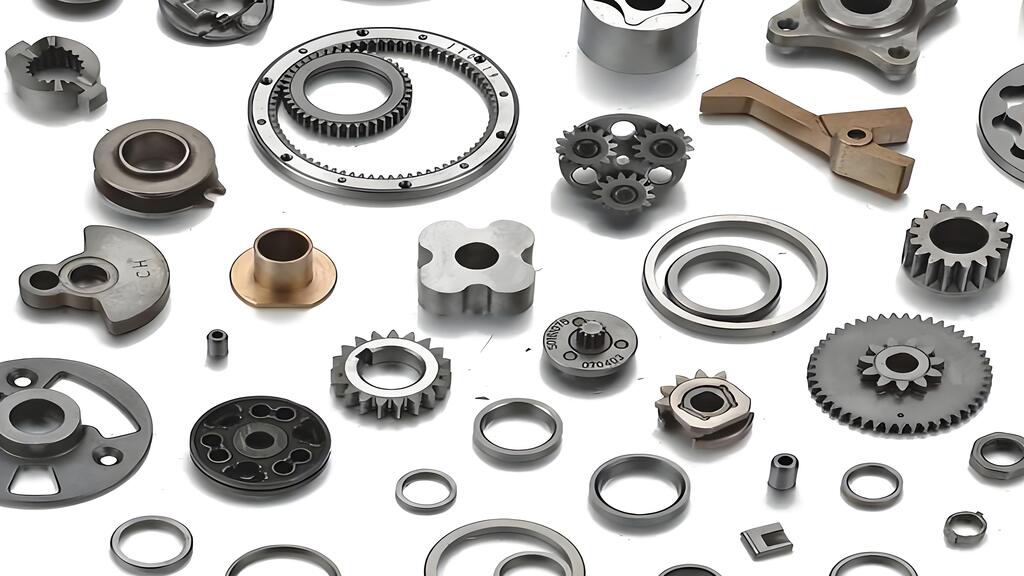


Common Magnesium Die Casting Alloys and Their Properties
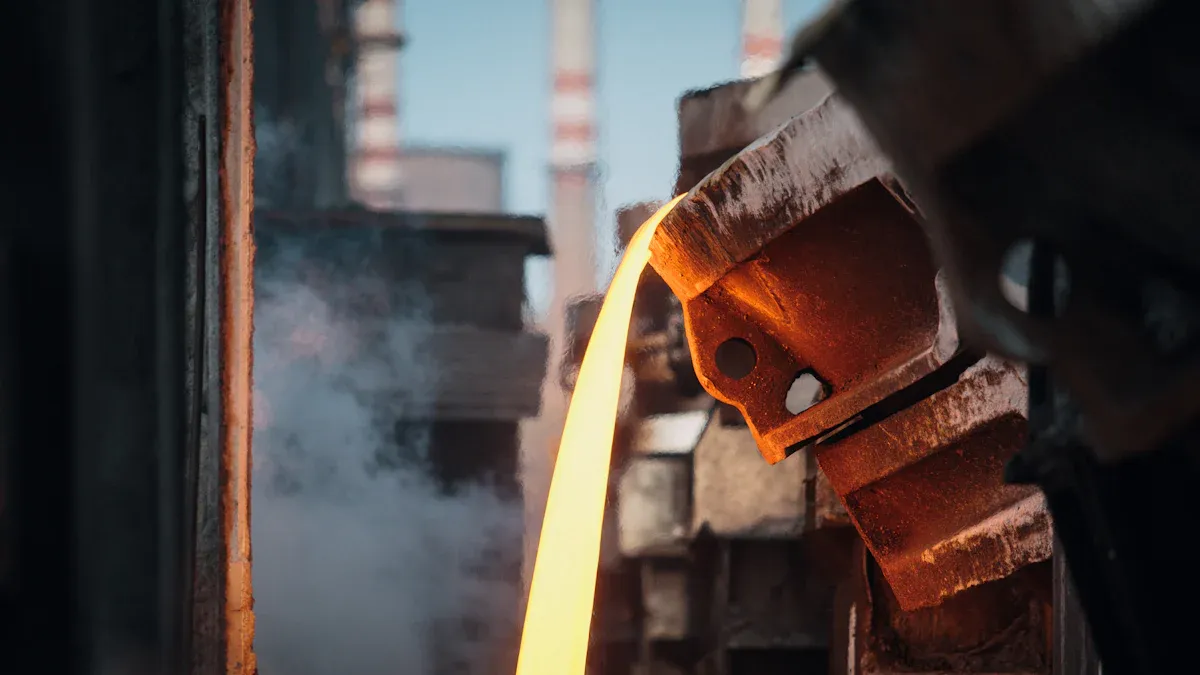
AZ91D, AM60B, and AS41B stand out as the most widely used Magnesium Die Casting Alloys today. The automotive industry, in particular, increasingly adopts these materials to meet the rising demand for lightweight components. This trend aims to boost fuel efficiency and significantly reduce carbon emissions. Beyond vehicles, these alloys find extensive applications in medical, aerospace, and defense sectors. Manufacturers value them for their inherent strength, durability, and superior thermal conductivity. These alloys also offer impressive high-temperature creep and corrosion resistance, making them essential for various engineering components.
Key Takeaways
- Magnesium alloys like AZ91D, AM60B, and AS41B are light. They help make cars use less fuel and reduce pollution.
- AZ91D is a common alloy. It balances strength, easy casting, and good protection against rust. It is good for car parts and electronics.
- AM60B is strong and bends well without breaking. It is good for car parts that need to absorb crashes, like steering wheels.
- AS41B works well in hot places. It resists bending under heat. This makes it good for engine parts.
- Other alloys like AE42 and AJ62A also offer special features. They are good for very hot or strong uses.
- Choosing the right alloy depends on many things. Consider how hot it will get, how much weight it will hold, and if it will get wet.
- Surface coatings help magnesium alloys. They protect them from rust and make them last longer.
- Magnesium parts can save money over time. They make things lighter and work better.
AZ91D Magnesium Die Casting Alloys: Properties and Applications
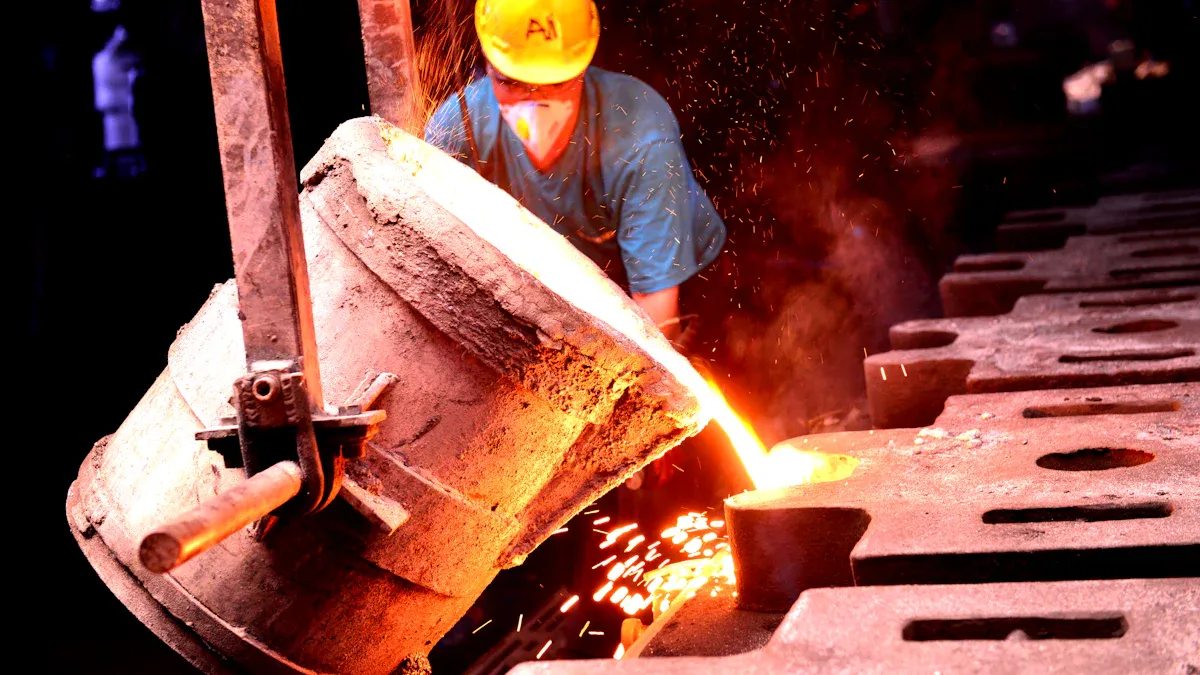
Composition and Characteristics of AZ91D Magnesium Die Casting Alloys
Aluminum and Zinc Content
AZ91D stands as a premier choice among Magnesium Die Casting Alloys, primarily due to its balanced composition. This alloy incorporates specific amounts of aluminum and zinc, which significantly contribute to its strength and castability. The table below details the typical chemical composition range for AZ91D.
| Element | Content (%) |
|---|---|
| Magnesium (Mg) | Balance |
| Aluminum (Al) | 8.3 – 9.7 |
| Zinc (Zn) | 0.35 – 1.0 |
| Manganese (Mn) | 0.15 – 0.5 |
| Silicon (Si) | ≤ 0.10 |
| Copper (Cu) | ≤ 0.030 |
| Nickel (Ni) | ≤ 0.002 |
| Iron (Fe) | ≤ 0.005 |
Microstructure and General Properties
The microstructure of AZ91D profoundly influences its overall properties. This structure comprises alpha-magnesium (α-Mg) grains, a beta-phase (β-Mg17Al12), and various porosities. A more homogeneous microstructure, featuring finer and more uniform α-Mg grains, results in superior mechanical properties. Cyclic loading on AZ91D magnesium alloy leads to significant microstructural changes. These changes include the formation of numerous twins and the β-Mg17Al12 second phase. Twins are identified as a primary cause of fatigue fracture. Conversely, the β-Mg17Al12 phase contributes to strengthening the alloy's mechanical properties. This indicates that the presence and characteristics of these microstructural elements, induced by loading conditions, directly influence the alloy's fatigue resistance and overall strength. Cracks typically initiate from gas-shrinkage and island-shrinkage pores. The propagation of these cracks is influenced by the β-phase. Cracks will fracture network β-phase but bypass island β-phase by detaching it from the surrounding α-Mg grains. This highlights the critical role of grain size, homogeneity, and the distribution and morphology of the β-phase and porosities in determining the alloy's deformation behavior and fracture resistance.
Mechanical Properties of AZ91D Magnesium Die Casting Alloys
Tensile and Yield Strength
AZ91D exhibits commendable mechanical strength, making it suitable for various structural applications. At room temperature (20 °C), the alloy demonstrates specific tensile and yield strength values.
| Property | Value (MPa) | Value (ksi) |
|---|---|---|
| Tensile strength | 220 | 32 |
| Yield strength | 130 | 19 |
Another common measurement for AZ91D magnesium die casting alloy at 20 °C (room temperature) shows a yield stress of 109 MPa and an ultimate tensile strength of 198 MPa. These values confirm its robust performance under typical operating conditions.
Elongation and Hardness
The ductility and hardness of AZ91D are also important considerations for its application. The alloy offers a balance between these properties, which contributes to its versatility.
| Property | Value |
|---|---|
| Elongation at Break, % | 3 |
| Hardness, Brinell | 63 |
| Hardness, Rockwell E | 75 |
Another set of data indicates an elongation of 2% and a hardness of 63 HBW. These characteristics allow AZ91D to withstand certain levels of deformation before fracture and resist surface indentation.
Corrosion Resistance of AZ91D Magnesium Die Casting Alloys
Salt Spray Performance
Magnesium alloys are generally known for their reactivity, but AZ91D shows improved corrosion resistance compared to pure magnesium. However, it still requires protection in harsh environments. Uncoated AZ91D magnesium die casting alloy exhibits significant corrosion on its exposed surface after just 24 hours of salt spray exposure. This rapid degradation highlights the need for protective measures.
Surface Treatment Options
To enhance the corrosion resistance of AZ91D, manufacturers commonly apply various surface treatments. For instance, AZ91D coated with a 35µm Keronite coating showed minimal visual signs of corrosion even after 1000 hours of exposure. This dramatic improvement demonstrates the effectiveness of such coatings. Other options include anodizing, chemical conversion coatings, and organic coatings. These treatments create a barrier that protects the alloy from corrosive agents, significantly extending its service life in challenging environments.
Typical Applications of AZ91D Magnesium Die Casting Alloys
AZ91D magnesium alloy finds widespread use across various industries. Its unique combination of strength, lightweight properties, and castability makes it a preferred material for many demanding applications. Manufacturers leverage these characteristics to produce components that enhance performance and efficiency.
Automotive Components
The automotive industry extensively utilizes AZ91D due to its significant weight reduction potential. Lighter components contribute directly to improved fuel efficiency and reduced emissions. This alloy helps car manufacturers meet stringent environmental regulations. AZ91D magnesium die casting alloy is commonly used in automotive applications for components such as car wheels, gearboxes, steering columns, seat frames, and fuel tank covers. These parts benefit from the alloy's high strength-to-weight ratio, ensuring structural integrity without adding unnecessary mass. Its excellent castability also allows for the production of complex shapes, which is crucial for intricate automotive designs.
Electronic Housings
AZ91D also serves as a popular material for electronic housings. Its lightweight nature is particularly beneficial for portable electronic devices, making them easier to handle. Beyond weight, AZ91D offers superior electromagnetic interference (EMI) shielding capabilities. This protects sensitive internal components from external electromagnetic disturbances. The alloy also provides excellent heat dissipation, which is vital for maintaining optimal operating temperatures in electronic devices. Manufacturers use AZ91D for laptop casings, mobile phone frames, and other consumer electronics where performance and durability are paramount.
Power Tool Casings
Power tool manufacturers frequently select AZ91D for casings. The alloy's robust mechanical properties ensure the tools withstand the rigors of daily use in demanding environments. Its high impact resistance protects internal mechanisms from accidental drops and impacts. Furthermore, the lightweight characteristic of AZ91D reduces user fatigue during prolonged operation. This enhances ergonomics and overall user experience. Examples include casings for drills, saws, and grinders, where durability and ease of handling are critical design considerations.
AM60B Magnesium Die Casting Alloys: Properties and Applications
Composition and Characteristics of AM60B Magnesium Die Casting Alloys
Aluminum and Manganese Content
AM60B is a prominent alloy within the family of Magnesium Die Casting Alloys. Its specific composition gives it distinct advantages, particularly in applications requiring high ductility and impact resistance. The alloy contains a carefully controlled amount of aluminum and manganese. This balance is crucial for its mechanical performance. The table below details the typical chemical composition range for AM60B.
| Element | Composition (% by Weight) |
|---|---|
| Aluminum (Al) | 5.6 - 6.4 % |
| Manganese (Mn) | 0.26 - 0.5 % |
| Zinc (Zn) | ≤ 0.22 % |
| Silicon (Si) | ≤ 0.10 % |
| Copper (Cu) | ≤ 0.008 % |
| Iron (Fe) | ≤ 0.004 % |
| Nickel (Ni) | ≤ 0.001 % |
| Other Impurities | ≤ 0.01 % (each) |
| Magnesium (Mg) | Balance |
Enhanced Ductility and Impact Resistance
The aluminum content in AM60B magnesium die casting alloy is optimized to achieve a balance of good strength and high ductility. This optimization minimizes the formation of the brittle Mg₁₇Al₁₂ phase. This phase can reduce the alloy's ability to deform without breaking. Manganese also plays a vital role in AM60B. It improves corrosion resistance by controlling iron impurities. This control helps prevent intergranular corrosion. The combined effect of these elements results in an alloy with enhanced ductility and superior impact resistance. These properties make AM60B suitable for components that must absorb energy without fracturing.
Mechanical Properties of AM60B Magnesium Die Casting Alloys
Tensile and Yield Strength
AM60B magnesium die casting alloy exhibits good mechanical properties, particularly its strength and ability to withstand stress. The alloy has a tensile strength ranging from 225-240 MPa. Its yield strength is 130 MPa. Another common measurement for AM60B shows a tensile strength of approximately 180 MPa and a yield strength of about 85 MPa. These values demonstrate its capability to perform under various load conditions.
| Property | AM60B (MPa) |
|---|---|
| Ultimate Tensile Strength | 225 |
| Yield Strength | 130 |
High Elongation and Impact Strength
A key characteristic of AM60B is its high elongation and impact strength. This alloy can deform significantly before fracturing. This property is crucial for safety-critical components. Its ability to absorb impact energy makes it ideal for applications where sudden forces are common. The optimized aluminum content and controlled microstructure contribute to these superior characteristics.
Corrosion Resistance of AM60B Magnesium Die Casting Alloys
Improved Performance
AM60B demonstrates excellent corrosion resistance. Its salt spray resistance is approximately 30% higher than that of AZ91D. This typically ranges from 150 to 250 hours. This enhanced resistance comes from manganese (Mn). Manganese forms high-melting-point compounds with impurities like iron (Fe) and nickel (Ni). This reduces the tendency for intergranular corrosion. However, AZ91D generally exhibits superior corrosion resistance compared to AM60B. This is due to its higher aluminum content. The higher aluminum content facilitates the formation of a stable passive layer on its surface. This protective layer shields the material from environmental degradation. In contrast, AM60B, with its lower aluminum content, typically shows slightly reduced corrosion resistance. Despite this, AM60B's corrosion performance is still acceptable for many uses. Surface treatments can further enhance its performance. Experimental studies involving laser melting of AZ91D and AM60B surfaces to improve corrosion resistance in salt-water (NaCl) solutions indicated that while the microstructure of both alloys was refined, their corrosion resistance was not significantly reduced. Observations of corroded surfaces provided insights into factors that might enhance corrosion in these alloys.
Protective Coatings
To further enhance the corrosion resistance of AM60B magnesium die casting alloy, manufacturers commonly apply various protective coatings. These coatings create a barrier against corrosive environments.
- Polymer Coatings: Manufacturers apply polymer coatings like Polytetrafluoroethylene (PTFE) and polyurethane as liquid formulations. They use spraying, dipping, or brushing methods. Curing then forms a protective film. PTFE coatings offer excellent non-stick properties and low friction. Polyurethane coatings provide high abrasion resistance, flexibility, and chemical resistance. These coatings significantly enhance the functional performance of magnesium parts. Proper surface preparation is crucial for good adhesion.
- Liquid Painting and E-coating: Liquid painting involves applying wet paint formulations. This is typically done by spraying or dipping. It offers a wide range of colors and finishes. E-coating (electrocoating) immerses the part in a paint bath. It uses an electric current to uniformly deposit paint. This provides exceptional coverage even on complex geometries. Both methods offer good corrosion protection. They can also serve as primers for subsequent layers.
- Anodizing Processes: Anodizing processes electrochemically convert the magnesium surface into an oxide layer. This enhances corrosion resistance and wear properties. Conventional anodizing (sulfuric acid anodizing) creates a relatively hard, adherent, and porous oxide layer. Manufacturers often seal this layer. Hard anodizing (Type III anodizing) uses higher current densities and lower electrolyte temperatures. This produces a much thicker, denser, and harder oxide layer. It offers superior corrosion protection and wear resistance compared to conventional anodizing.
- Composite Coatings: Composite coatings are applied for corrosion protection of AM60B magnesium alloy. These often involve anodic oxides. Due to their inherent porosity, manufacturers seal them with organo-functional silane top coats. The addition of nanoparticles like ZrO2 and Al2O3 to the anodizing solution can enhance adhesion strength and scratch hardness of the anodic oxides. For instance, an anodizing treatment using ZrO2 or Al2O3-containing solutions, followed by a silane top coat (e.g., octyltrimethoxysilane), creates an adherent, corrosion-resistant coating suitable for industrial applications. Other composite coatings mentioned include those combining plasma electrolytic oxidation (PEO) with polymeric coatings like superdispersed polytetrafluoroethylene (SPTFE) to improve corrosion resistance.
- Emerging Options: Emerging options for AM60B magnesium die casting alloys include combined treatment systems. These integrate multiple processes to achieve superior properties. Nanocoatings are also emerging. They involve applying ultra-thin layers with nanoscale structures or incorporating novel materials. This imparts specific functionalities, addressing challenges like corrosion and biocompatibility.
Typical Applications of AM60B Magnesium Die Casting Alloys
AM60B magnesium die casting alloy finds widespread use in applications demanding high ductility and superior impact resistance. Its unique properties make it invaluable for components requiring both strength and the ability to absorb energy without fracturing. Manufacturers leverage these characteristics across various industries, particularly in the automotive and sports equiPment sectors.
Steering Wheels and Seat Frames
The automotive industry extensively utilizes AM60B for critical interior components. Its high ductility and excellent impact resistance are paramount for passenger safety. Manufacturers specifically choose AM60B for steering wheels. This ensures the steering wheel can deform and absorb energy during a collision, protecting the driver. The alloy's lightweight nature also contributes to overall vehicle weight reduction. This directly improves fuel efficiency and reduces emissions.
Seat frames also benefit significantly from AM60B. This material provides the necessary structural integrity for occupant support. It also offers crucial protection in the event of an impact. The use of AM60B in these components helps car manufacturers meet stringent safety standards. It also contributes to the overall lightweighting strategy of modern vehicles. AM60B is a preferred choice among Magnesium Die Casting Alloys for these demanding applications.
Instrument Panels and Sports Equipment
AM60B is a key material for instrument panel structures. Its ability to withstand impacts protects vehicle occupants during accidents. The lightweight property of AM60B helps reduce the vehicle's total mass. This contributes to better performance and handling. Instrument panels made from AM60B offer a robust yet light solution for vehicle interiors.
Beyond automotive uses, AM60B extends into the realm of sports equipment. Its high strength-to-weight ratio is ideal for items like bicycle frames. It also suits components in racing equipment. The alloy's durability ensures long-lasting performance even under strenuous conditions. Its impact absorption capabilities enhance user safety in high-stress sports applications. This makes AM60B a versatile material for both performance and protection.
AS41B Magnesium Die Casting Alloys: Properties and Applications
AS41B magnesium alloy offers a unique set of properties, making it particularly suitable for applications requiring performance at elevated temperatures. Its specific composition provides enhanced creep resistance and maintains mechanical integrity under thermal stress. This alloy finds significant use in demanding environments where other magnesium alloys might falter.
Composition and Characteristics of AS41B Magnesium Die Casting Alloys
Aluminum and Silicon Content
AS41B distinguishes itself through its precise aluminum and silicon content. These elements are crucial for its high-temperature capabilities. Aluminum contributes to strength and castability, while silicon primarily enhances creep resistance. The table below details the typical chemical composition range for AS41B.
| Element | Range (%) |
|---|---|
| Al | 3.5–5.0 |
| Mn | 0.35–0.70 |
| Zn | ≤0.12 |
| Si | 0.5–1.5 |
| Cu | ≤0.02 |
| Ni | ≤0.002 |
| Fe | ≤0.0035 |
| Others | 0.02 |
This composition ensures a stable microstructure, which is vital for its performance characteristics. The controlled amounts of these alloying elements minimize undesirable phases that could compromise the alloy's integrity at high temperatures.
Elevated Temperature Performance
AS41B excels in applications demanding performance at elevated temperatures. The silicon content forms stable intermetallic phases within the magnesium matrix. These phases resist coarsening and dissolution at higher temperatures. This microstructural stability prevents the material from softening or deforming under heat. Consequently, AS41B maintains its structural integrity and mechanical properties even when exposed to prolonged heat. This characteristic makes it a preferred choice for components operating in hot environments.
Creep Resistance
Creep resistance is a critical property for materials used in high-temperature, load-bearing applications. Creep refers to the tendency of a solid material to deform permanently under the influence of mechanical stresses over a long period. AS41B exhibits superior creep resistance compared to other common magnesium alloys. The silicon in its composition plays a key role in this. It forms a fine dispersion of Mg2Si precipitates. These precipitates pin grain boundaries and hinder dislocation movement. This effectively reduces the rate of plastic deformation under sustained stress at elevated temperatures. This enhanced resistance to creep ensures the long-term reliability of components made from AS41B.
Mechanical Properties of AS41B Magnesium Die Casting Alloys
Tensile and Yield Strength at Temperature
AS41B maintains impressive tensile and yield strength even at elevated temperatures. While all metals experience some reduction in strength with increasing temperature, AS41B shows a more gradual decline. This allows it to perform reliably in hot environments where other alloys might lose significant strength. For instance, at temperatures up to 150°C, AS41B retains a substantial portion of its room-temperature strength. This makes it suitable for components that must withstand both mechanical loads and thermal stress simultaneously.
Creep Strength and Fatigue Resistance
AS41B's creep strength is one of its most significant mechanical advantages. It resists deformation under constant load at high temperatures for extended periods. This property is crucial for engine components and other parts subjected to continuous thermal and mechanical stress. Furthermore, AS41B demonstrates good fatigue resistance. It withstands repeated cycles of stress without fracturing. This combination of creep strength and fatigue resistance ensures the durability and longevity of parts in demanding applications.
Corrosion Resistance of AS41B Magnesium Die Casting Alloys
General Resistance
AS41B exhibits notable corrosion resistance, particularly when compared to some other magnesium alloys.
AS41B is a unique and rare magnesium alloy that exhibits remarkable corrosion and creep resistance.
The AS41B magnesium alloy, with a composition including 0.2% manganese, benefits from this element which helps improve its corrosion resistance. Manganese effectively scavenges iron impurities. These impurities can act as cathodic sites and accelerate corrosion. By reducing the detrimental effects of iron, manganese helps AS41B form a more stable passive film on its surface. This film provides a protective barrier against corrosive agents.
Environmental Factors
While AS41B offers improved general corrosion resistance, environmental factors still play a significant role in its long-term performance. Exposure to aggressive environments, such as saltwater or acidic conditions, can still initiate corrosion. Humidity, temperature fluctuations, and the presence of corrosive gases also influence the rate of degradation. Therefore, even with its inherent resistance, designers often consider additional protective measures for AS41B components in harsh environments. These measures might include specialized coatings or surface treatments to further enhance its durability and extend its service life.
Typical Applications of AS41B Magnesium Die Casting Alloys
AS41B magnesium alloy finds its niche in applications demanding exceptional performance under thermal stress. Its unique properties make it a preferred material for components operating in high-temperature environments. Manufacturers choose AS41B for parts that require sustained strength and creep resistance.
Engine Blocks and Transmission Casings
AS41B magnesium alloy is a valuable material for engine and transmission components. It offers improved strength at elevated temperatures. This alloy also provides excellent creep resistance, which is crucial for parts experiencing sustained stress in hot environments. Furthermore, AS41B exhibits good ductility and corrosion resistance. These combined properties make it highly suitable for these demanding applications. For example, engineers use AS41B in engine blocks and transmission casings. These parts must withstand constant heat and mechanical loads. The alloy's ability to maintain its structural integrity under such conditions ensures long-term reliability and performance.
High-Temperature Automotive Parts
The automotive industry extensively uses AS41B for various high-temperature components. Its superior creep resistance and strength at elevated temperatures are key advantages. This alloy helps reduce overall vehicle weight, which improves fuel efficiency and lowers emissions. Beyond engine and transmission parts, AS41B appears in other critical areas. These include brackets near exhaust systems or components within the engine bay that experience significant heat. The material's stability under thermal cycling ensures these parts perform reliably throughout the vehicle's lifespan. AS41B stands out among Magnesium Die Casting Alloys for its specialized high-temperature capabilities.
Other Notable Magnesium Die Casting Alloys and Their Properties
Beyond the widely used AZ91D, AM60B, and AS41B, other specialized magnesium alloys offer unique property profiles. These alloys cater to specific engineering demands, particularly in high-temperature or high-strength applications.
AE42 Magnesium Die Casting Alloys
Rare Earth Elements
AE42 magnesium alloy incorporates rare earth elements into its composition. These elements, such as cerium and lanthanum, significantly enhance the alloy's performance. They form stable intermetallic compounds within the magnesium matrix. This microstructural stability is crucial for maintaining mechanical properties at elevated temperatures.
High Temperature Creep Resistance
AE42 exhibits excellent high-temperature creep resistance, making it suitable for demanding thermal environments. Its properties include:
| Property | Value |
|---|---|
| Density | 1.79 g/cm³ (0.065 lb/in³) |
| Melting Point | ~ 620 - 640°C (1150 - 1185°F) |
| Thermal Conductivity | ~ 78 W/m·K |
| Coefficient of Thermal Expansion | ~ 26.1 µm/m·K at 20-100°C |
| Modulus of Elasticity | 45 GPa (6.5 x 10⁶ psi) |
| Tensile Strength, Ultimate (Room Temp) | 230 MPa (33,000 psi) |
| Tensile Strength, Yield (0.2% Offset, Room Temp) | 140 MPa (20,000 psi) |
| Elongation (Room Temp) | 10 % |
| Compressive Yield Strength (Room Temp) | 140 MPa (20,000 psi) |
| Tensile Strength (at 150°C) | ~ 175 MPa (25,000 psi) |
| Creep Resistance | Good (superior to AZ and AM series alloys up to ~175°C) |
| Die Castability | Excellent (fluidity, low hot cracking) |
| Corrosion Resistance | Good (comparable to other standard Mg alloys) |
| Strength-to-Weight Ratio | Good (inherits lightweight advantage) |
AE42 finds use in:
- Automotive Powertrain Components (where operating temperatures exceed common alloys like AZ91D):
- Transmission Cases and Housings (especially for automatic transmissions)
- Engine Components (oil pans, engine front covers, intake manifolds)
- Transfer Cases (for four-wheel-drive systems)
- Aerospace:
- Non-Critical Engine Accessory Housings
- Industrial:
- Housings for Power Tools and other heat-generating equipment
AJ62A Magnesium Die Casting Alloys
Strontium Addition
AJ62A is a die-castable alloy containing magnesium, aluminum, and strontium. The addition of strontium significantly modifies its properties. Strontium refines the microstructure and improves the stability of grain boundaries. This enhancement contributes to the alloy's overall performance.
Improved Creep Resistance
AJ62A offers good creep resistance at high temperatures. This makes it well-suited for high-heat and corrosive environments. The alloy's composition helps it maintain structural integrity under sustained stress at elevated temperatures. Manufacturers apply AJ62A in the automotive industry for components requiring enhanced thermal stability.
AZ81A Magnesium Die Casting Alloys
Higher Strength
AZ81A is a magnesium alloy known for its higher strength compared to some other magnesium grades. Its composition includes:
| Element | Content (%) | Element | Content (%) |
|---|---|---|---|
| Aluminum (Al) | 7.0 - 8.1 | Zinc (Zn) | 0.40 - 1.0 |
| Manganese (Mn) | 0.13 - 0.50 | Silicon (Si) | ≤ 0.30 |
| Copper (Cu) | ≤ 0.10 | Iron (Fe) | ≤ 0.005 |
| Nickel (Ni) | ≤ 0.01 | Other Impurities | ≤ 0.30 |
| Magnesium (Mg) | Balance |
This alloy provides a good strength-to-weight ratio, making it significantly lighter than aluminum and steel. Its ultimate tensile strength ranges from 240-275 MPa.
Reduced Ductility
AZ81A offers improved ductility and toughness, particularly with T4 heat treatment. This enhanced elongation allows for better impact absorption. Its excellent castability facilitates the production of complex and thin-walled castings. AZ81A also provides good corrosion resistance, especially in the T4 condition, due to its homogeneous microstructure. Manufacturers use AZ81A in aerospace for aircraft canopy frames, defense for lightweight chassis, and transportation for automotive components like clutch housings.
Comparative Analysis of Common Magnesium Die Casting Alloys
Strength and Ductility Comparison of Magnesium Die Casting Alloys
AZ91D vs. AM60B vs. AS41B
Manufacturers evaluate magnesium alloys based on their mechanical properties. Strength and ductility are key factors. AZ91D, AM60B, and AS41B each offer distinct profiles. AM60B stands out for its high ductility. This makes it suitable for applications requiring energy absorption. AZ91D and AS41B provide moderate strength and ductility.
The table below summarizes the general mechanical performance:
| Property | AZ91D | AM Series | AS41B & AE42 |
|---|---|---|---|
| Strength | Moderate | High | Moderate |
| Ductility | Moderate | High | Moderate |
More specifically, AM60B shows superior elongation compared to AZ91D. This indicates its ability to deform more before fracturing.
| Property | AM60B | AZ91D |
|---|---|---|
| Elongation at Break (%) | 11 | 2.3 to 4.5 |
| Tensile Strength: Ultimate (UTS), MPa | 230 | 160 to 220 |
| Tensile Strength: Yield (Proof), MPa | 130 | 80 to 130 |
AM60B exhibits higher ultimate tensile strength and yield strength than AZ91D. This combination of high strength and ductility makes AM60B a robust choice for impact-critical components. AS41B, while offering moderate strength and ductility at room temperature, excels in maintaining these properties at elevated temperatures.
Trade-offs in Mechanical Performance
Selecting a magnesium alloy involves understanding trade-offs in mechanical performance. High strength often comes with reduced ductility. Conversely, high ductility might mean lower ultimate strength. For example, AM60B offers excellent ductility and impact resistance. However, its strength might not match alloys designed for maximum load-bearing capacity. AZ91D provides a good balance of strength and castability for general-purpose applications. AS41B prioritizes performance at elevated temperatures. It sacrifices some room-temperature strength for superior creep resistance. Engineers choose the alloy that best meets the specific demands of the application. They consider factors like operating temperature, required impact absorption, and structural integrity.
Creep Resistance Comparison of Magnesium Die Casting Alloys
Performance at Elevated Temperatures
Creep resistance is crucial for components operating under sustained stress at high temperatures. AS41B demonstrates superior creep resistance among the common alloys. Its composition allows it to maintain structural integrity and resist deformation when exposed to prolonged heat. AZ91D and AM60B show lower creep resistance compared to AS41B. They are generally less suitable for applications above 120-150°C where creep is a significant concern. For instance, engine components or parts near exhaust systems require materials with excellent high-temperature stability. AS41B fulfills this requirement effectively.
Impact of Alloying Elements
Alloying elements significantly influence creep resistance. Silicon in AS41B forms stable intermetallic phases. These phases prevent the material from softening and deforming at high temperatures. Rare earth elements in alloys like AE42 also enhance creep resistance. They stabilize the microstructure and hinder grain boundary sliding. Strontium additions, as seen in AJ62A, similarly improve creep performance. These elements create microstructural barriers. These barriers resist the movement of dislocations and grain boundaries under thermal stress. This explains why alloys like AS41B and AE42 perform better in high-temperature environments than AZ91D or AM60B.
Corrosion Resistance Comparison of Magnesium Die Casting Alloys
Relative Performance in Environments
Magnesium alloys are generally reactive. However, their corrosion resistance varies significantly depending on the specific alloy and environmental conditions. AZ91D magnesium alloy is highly valued for its excellent corrosion resistance. It provides excellent resistance to corrosion and dents. This makes it a preferred choice for many applications where environmental exposure is a factor. AM60B offers good corrosion resistance, though it is generally considered slightly less resistant than AZ91D due to its lower aluminum content. The provided information does not specify AM60B's exact corrosion performance. AS41B also exhibits notable corrosion resistance, particularly when compared to some other magnesium alloys. Manganese in AS41B helps improve its corrosion resistance by scavenging iron impurities. These impurities can accelerate corrosion. Despite these differences, all magnesium alloys require careful consideration of their operating environment. Aggressive conditions like saltwater or acidic atmospheres can still initiate corrosion.
Importance of Surface Treatments
Surface treatments are critical for enhancing the corrosion resistance of all magnesium alloys. Even alloys with inherently better resistance, like AZ91D, benefit significantly from protective coatings. These treatments create a barrier between the alloy and corrosive agents. Common options include anodizing, chemical conversion coatings, and organic coatings. For example, a Keronite coating dramatically improves AZ91D's performance in salt spray tests. Polymer coatings, liquid painting, e-coating, and composite coatings also provide effective protection. These treatments extend the service life of components. They ensure reliable performance in challenging environments.
Castability and Cost Considerations for Magnesium Die Casting Alloys
Flow Characteristics
Magnesium alloys, including AZ91D, AM60B, and AS41B, are characterized by being extremely lightweight and possessing good castability. These properties make them ideal for weight-sensitive applications across various industries such as aerospace, automotive, and electronics, including handheld devices. Good flow characteristics are essential for die casting. They allow molten metal to fill complex die cavities completely and uniformly. This ensures the production of intricate parts with thin walls and fine details. The excellent fluidity of these magnesium alloys minimizes defects like cold shuts and incomplete fills. This leads to higher production yields and reduced scrap rates. Different alloys may exhibit slight variations in their flow behavior, which designers consider during die design and process optimization.
Material and Processing Costs
The overall cost of a die-cast component involves both material and processing expenses. While magnesium raw material costs can sometimes exceed those of aluminum, the benefits often outweigh this initial difference. AZ91D magnesium alloy is recognized for its good castability, high corrosion resistance, and superior strength-to-weight ratio, making it a common choice for die casting in automotive, aerospace, and electronics applications. Its excellent castability often translates into lower processing costs due to fewer defects and longer die life. AM60B is valued for its low density, lightweight, and good stiffness, often used in applications requiring energy efficiency and weight reduction, such as automotive parts. The ability to produce lightweight components with AM60B directly contributes to fuel savings and reduced emissions, offering long-term economic advantages. AS41B is known for being non-toxic, having a high melting point, and excellent electrical conductivity, suitable for specialized applications requiring these thermal and electrical properties. Its superior high-temperature performance can eliminate the need for more expensive, heavier materials in demanding environments. Processing costs also depend on factors like die design complexity and production volume. Simpler designs and higher volumes generally lead to lower per-unit costs. The inherent castability of these alloys helps manage processing costs effectively, making them economically viable for many applications.
Factors for Selecting Magnesium Die Casting Alloys

Choosing the correct magnesium die casting alloy is a critical decision. It directly impacts a product's performance, manufacturing efficiency, and overall cost. Engineers consider several key factors during this selection process. These factors ensure the chosen alloy meets specific application demands and production requirements.
Application Requirements for Magnesium Die Casting Alloys
Operating Temperature Range
The operating temperature range significantly influences alloy selection. Some alloys, like AS41B and AE42, maintain their mechanical properties well at elevated temperatures. They resist creep and deformation under heat. Other alloys, such as AZ91D and AM60B, perform optimally at moderate temperatures. Designers must match the alloy's thermal stability to the component's expected thermal environment. This prevents premature failure or performance degradation.
Load and Stress Conditions
Components experience various load and stress conditions during their service life. Engineers evaluate the required tensile strength, yield strength, and fatigue resistance. For parts needing high impact absorption, AM60B offers superior ductility. Components under constant static loads benefit from alloys with higher creep resistance. Designers select alloys that withstand the specific forces and stress cycles the application demands.
Environmental Exposure
Environmental factors play a crucial role in alloy choice. Magnesium alloys exhibit varying levels of corrosion resistance. AZ91D generally offers good resistance, but AM60B and AS41B also perform well in certain conditions. Exposure to moisture, salt, or aggressive chemicals necessitates careful consideration. Often, surface treatments become essential to protect the alloy from environmental degradation. These treatments enhance durability and extend service life.
Manufacturing Process Considerations for Magnesium Die Casting Alloys
Die Design Complexity
The complexity of the die design affects alloy selection. Alloys with excellent fluidity, like AZ91D, fill intricate die cavities more easily. This allows for the production of complex parts with thin walls and fine details. Good castability minimizes defects such as cold shuts and incomplete fills. This leads to higher production yields and reduces scrap rates.
Production Volume
Production volume influences the economic viability of an alloy choice. High-volume production often benefits from alloys with superior castability. These alloys allow for faster cycle times and fewer defects. This efficiency translates into lower per-unit costs. For lower volumes or specialized parts, the focus might shift more towards specific performance characteristics rather than pure castability.
Cost-Benefit Analysis for Magnesium Die Casting Alloys
Material Cost vs. Performance
Material cost is a significant factor, but performance often justifies a higher initial investment. Some specialized alloys, like AS41B or AE42, may have a higher material cost. However, their superior high-temperature performance can eliminate the need for more expensive, heavier alternatives. Designers balance the upfront material cost against the required performance attributes.
Lifecycle Cost Implications
Lifecycle cost considers the total expense over a product's lifespan. Lightweight magnesium components, for example, reduce fuel consumption in vehicles. This leads to significant operational savings. Durable alloys reduce maintenance and replacement costs. The long-term value derived from enhanced performance, fuel efficiency, and extended product life often outweighs initial material cost differences.
AZ91D, AM60B, and AS41B magnesium die casting alloys each provide unique property profiles. These distinct characteristics suit diverse applications. Choosing the correct magnesium die casting alloy is essential. This selection optimizes both product performance and overall cost. Ongoing advancements in material science continue to expand the capabilities of magnesium die casting alloys. This promises even broader future applications.
FAQ
What distinguishes AZ91D from other magnesium alloys?
AZ91D offers a balanced combination of strength, castability, and good corrosion resistance. Manufacturers widely use it for general-purpose applications like automotive components and electronic housings. Its aluminum and zinc content contribute to its robust properties.
Which magnesium alloy performs best at elevated temperatures?
AS41B magnesium alloy excels in high-temperature environments. Its silicon content provides superior creep resistance, maintaining structural integrity under sustained heat and stress. This makes it ideal for engine blocks and transmission casings.
Why do automotive manufacturers choose AM60B for safety-critical parts?
AM60B offers enhanced ductility and superior impact resistance. These properties allow components to absorb energy without fracturing during collisions. This makes it a preferred choice for steering wheels and seat frames, improving passenger safety.
How do manufacturers enhance the corrosion resistance of magnesium die casting alloys?
Manufacturers apply various surface treatments to improve corrosion resistance. These include anodizing, chemical conversion coatings, and organic coatings like polymer or e-coatings. These treatments create a protective barrier against corrosive environments.
What makes AZ91D suitable for electronic housings?
AZ91D's lightweight nature reduces the overall weight of electronic devices. It also provides excellent electromagnetic interference (EMI) shielding and good heat dissipation. These features are crucial for protecting sensitive internal components and maintaining optimal operating temperatures.
What role do alloying elements play in magnesium die casting alloys?
Alloying elements like aluminum, zinc, silicon, and manganese significantly influence alloy properties. They enhance strength, ductility, creep resistance, and corrosion performance. For example, silicon improves high-temperature creep resistance, while manganese controls impurities for better corrosion.
Are magnesium die castings cost-effective for manufacturing?
Magnesium die castings offer long-term cost benefits despite potentially higher material costs. Their lightweight nature reduces fuel consumption in vehicles. Excellent castability leads to efficient production and lower processing costs. This makes them economically viable for many applications.