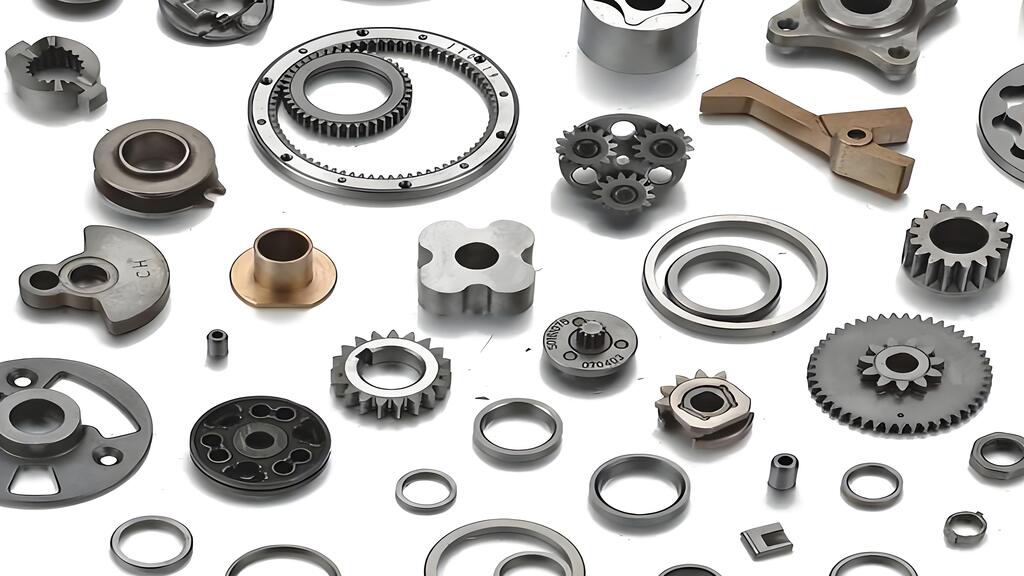


Surface Treatment Options for Magnesium Die Castings
The global automotive parts Magnesium Die Casting market reached USD 3.3 billion in 2024. This market, along with the broader magnesium die casting sector, shows significant growth. Analysts project a 6-8% Compound Annual Growth Rate over the next five years. This growth stems from increasing demand for lightweight components in automotive electrification and aerospace. Consequently, effective Surface Treatment Options become crucial. These include conversion coatings, anodizing, plating, and organic coatings. These treatments enhance corrosion resistance, improve wear properties, and prepare surfaces for further finishing. Selecting the right treatment depends on specific application requirements and desired performance characteristics.
Key Takeaways
- Magnesium die castings need surface treatments. These treatments improve corrosion resistance and wear.
- Conversion coatings change the magnesium surface. They create a protective layer for better corrosion resistance.
- Anodizing processes form an oxide layer. This layer makes magnesium stronger and more resistant to wear.
- Plating adds a metal layer to magnesium. This makes the surface more durable and looks better.
- Organic coatings put a polymer layer on magnesium. They offer good looks and protection from rust.
- New treatments combine different methods. They use advanced materials for better performance.
- Choose the right treatment carefully. Consider the environment, how it performs, and the cost.
- Different industries use specific treatments. This depends on their unique needs for magnesium parts.
Conversion Coatings: Essential Surface Treatment Options for Magnesium Die Castings
Conversion coatings chemically transform the magnesium surface into a protective layer. These layers offer improved corrosion resistance and provide an excellent base for subsequent organic coatings. They represent fundamental Surface Treatment Options for magnesium die castings.
Chromate Conversion Coatings
Process Overview
Chromate conversion coatings form through chemical immersion or spray processes. These processes use solutions containing hexavalent chromium compounds. The magnesium surface reacts with the solution, creating a thin, gelatinous film. This film then hardens into a durable, corrosion-resistant layer.
Key Advantages
Chromate coatings offer excellent corrosion protection for magnesium. They also provide an ideal primer for paint adhesion. Furthermore, these coatings maintain good electrical conductivity, which is beneficial for certain applications.
Limitations and Concerns
The primary limitation of chromate conversion coatings involves the toxicity of hexavalent chromium (Cr⁶⁺). This compound poses significant environmental and health risks. Consequently, global regulations increasingly restrict its use.
Regulatory Landscape for Chromate Coatings
Region Regulatory Landscape Market Drivers & Innovations France Focus on sustainable and environmentally compliant solutions; increasing regulatory pressure to reduce hazardous chemicals. Aerospace and automotive sectors drive demand for high-performance, corrosion-resistant coatings. Innovation centers on eco-friendly, non-chromate formulations, automation, digitalization, and nanostructured coatings. Malaysia Shift towards environmentally sustainable solutions, driven by government policies and international trade standards. Expanding manufacturing and export-oriented industries. Local manufacturers invest in modern coating techniques to meet global quality standards and reduce environmental impact. Singapore Stringent environmental regulations and commitment to sustainability accelerate the adoption of eco-friendly coating solutions. Advanced manufacturing sector (electronics, aerospace) demands high-performance treatments. Investments in R&D and smart manufacturing foster non-chromate alternatives and efficient application processes. Brazil Environmental regulations are becoming more stringent, prompting innovation in eco-friendly alternatives. Growing automotive, construction, and industrial sectors. Local companies invest in technological upgrades and R&D to meet global standards.
Regulations like RoHS/REACH specifically restrict hexavalent chromium. They promote safer trivalent chromium (Cr³⁺) alternatives. The U.S. Department of Defense (DoD) policies include exemptions for Cr⁶⁺ in critical applications, but the trend favors non-chromate solutions. Hexavalent chromium compounds are highly toxic due to their carcinogenic effects and environmental hazards as waste products. This leads to increasing regulatory restrictions worldwide.
Typical Applications
Historically, chromate coatings have found use in aerospace, automotive, and electronics industries. They provided crucial corrosion protection for magnesium components. However, due to environmental concerns, industries now actively seek and implement alternative coatings.
Phosphate Conversion Coatings
Process Overview
Phosphate conversion coatings form when magnesium parts react with an acidic solution containing phosphate salts. This process typically involves immersion or spraying. The reaction creates a crystalline phosphate layer on the metal surface.
Key Advantages
Phosphate coatings offer an excellent base for subsequent painting, oiling, or waxing. They improve adhesion and provide some corrosion resistance. These coatings are also relatively cost-effective to apply.
Limitations and Concerns
Phosphate coatings generally provide less inherent corrosion resistance compared to chromate or anodized layers. They can be porous, often requiring a topcoat for optimal protection. The coating thickness can also vary.
Typical Applications
Industries use phosphate coatings extensively in automotive components, industrial machinery, and fasteners. They prepare surfaces for further finishing, such as painting or lubrication.
Fluoride Anodizing (Magnesium Fluoride Coatings)
Process Overview
Fluoride anodizing is an electrochemical process. It forms a magnesium fluoride coating on the surface of magnesium alloys. The process involves immersing the magnesium part in an electrolyte containing fluoride compounds and applying an electric current. This creates a dense, hard film.
Key Advantages
Magnesium fluoride coatings offer good corrosion resistance and excellent wear properties. They produce a hard, dense film with good dielectric properties. This makes them suitable for electrical insulation.
Limitations and Concerns
These coatings can be relatively thin, sometimes requiring additional sealing for enhanced protection. The process requires specific equiPment and careful control of the electrolyte.
Typical Applications
Fluoride anodizing finds application in aerospace components, electronics, and medical devices. These industries benefit from the coating's corrosion resistance and electrical insulation properties.
Plasma Electrolytic Oxidation (PEO) / Micro-Arc Oxidation (MAO)
Process Overview
Plasma Electrolytic Oxidation (PEO), also known as Micro-Arc Oxidation (MAO), creates a hard, ceramic-like oxide coating on magnesium alloys. This electrochemical process immerses the magnesium part in an electrolyte solution. Then, it applies a high voltage, generating micro-discharges on the surface. These micro-discharges convert the magnesium surface into a dense, adherent ceramic layer. The process forms a protective barrier against environmental degradation.
Key Advantages
PEO/MAO significantly enhances the corrosion resistance and wear properties of magnesium die castings. Magnesium and its alloys possess poor corrosion resistance due to a standard electrochemical potential of -2.38 V. This makes them the most anodic structural metal. PEO overcomes this limitation, providing protection against corrosion. Research indicates PEO treatment significantly improves short-term corrosion performance. For example, PEO-LDH-BTA coatings show a 30% lower corrosion rate in 3.5 wt% NaCl solution compared to standard PEO samples. ZnAl-LA LDH films decrease corrosion current density by two orders of magnitude compared to the bare magnesium substrate. CM-LDH/MAO coatings achieve an even lower corrosion current density of 8.38 × 10⁻¹⁰ A/cm², significantly outperforming MAO and LDH/MAO alone. These coatings also exhibit self-healing properties, with impedance values increasing after prolonged immersion.
| Coating Type | Performance Metric | Improvement/Value | Reference |
|---|---|---|---|
| PEO-LDH-BTA | Corrosion rate in 3.5 wt% NaCl solution | 30% lower than PEO samples | Gnedenkov et al. |
| ZnAl-LA LDH film | Corrosion current density | Decreased by two orders of magnitude compared to Mg substrate | Song et al. |
| CM-LDH/MAO | Corrosion current density | 8.38 × 10⁻¹⁰ A/cm² (significantly lower than MAO and LDH/MAO) | Liu et al. |
| CM-LDH/MAO | Z | values at 0.01 Hz after 120 h immersion |
Limitations and Concerns
While PEO/MAO offers excellent protection, the coatings can exhibit porosity and a rough structure. These open and interconnected pores can limit long-term corrosion resistance. Researchers explore combinations with laser processes as pre- or post-treatments to address this. The process also requires careful control of parameters like voltage, current density, and electrolyte composition to achieve optimal coating quality.
Typical Applications
The PEO process is widely employed to create functional ceramic coatings on magnesium alloys, particularly for use in spacecraft. Industries also extensively use MAO in various sectors:
- Automotive Sector: Magnesium housings and covers benefit from MAO due to enhanced heat resistance and improved fatigue performance. Specific applications include EV battery casings and drivetrain components, where MAO enhances durability.
- Aerospace Sector: MAO is extensively used in structural housings, brackets, heat shields, and other aerospace components that require high wear and thermal performance.
- Industrial Applications: Industrial housings utilize MAO for enhanced insulation, corrosion resistance, and extended service life.
Anodizing Processes: Advanced Surface Treatment Options for Magnesium Die Castings

Anodizing processes electrochemically convert the surface of magnesium into an oxide layer. These layers offer enhanced corrosion resistance and improved wear properties. They represent advanced Surface Treatment Options for magnesium die castings.
Conventional Anodizing (Sulfuric Acid Anodizing)
Process Overview
Conventional anodizing involves immersing magnesium parts in an electrolyte, typically sulfuric acid, and applying an electric current. This electrochemical reaction forms a porous oxide layer on the surface. Subsequent sealing often improves the layer's protective qualities.
Key Advantages
This process creates a relatively hard and adherent oxide layer. It provides moderate corrosion resistance and offers a good base for painting or other organic coatings. The process is also well-established and cost-effective for many applications.
Limitations and Concerns
Conventional anodizing processes for magnesium die castings result in anodizing layers that are irregularly formed and heterogeneous. This inconsistency prevents them from adequately protecting the magnesium substrate, especially in harsh environments where robust corrosion resistance is critical. Furthermore, the anodizing process can sometimes initiate fatigue fractures at the interface between the coating and the substrate, posing another significant limitation for applications requiring high durability.
Typical Applications
Manufacturers use conventional anodizing for magnesium components in consumer electronics, decorative parts, and some automotive interior applications where extreme corrosion resistance is not the primary requirement.
Hard Anodizing (Type III Anodizing)
Process Overview
Hard anodizing, or Type III anodizing, uses higher current densities and lower electrolyte temperatures compared to conventional anodizing. This process creates a much thicker, denser, and harder oxide layer. It often employs sulfuric acid or mixed acid electrolytes.
Key Advantages
Hard anodizing significantly improves wear resistance and hardness. It also provides superior corrosion protection compared to conventional anodizing. The thick, dense layer offers excellent dielectric properties.
Limitations and Concerns
The process can be more expensive due to higher energy consumption and stricter process control. The thick coatings can also be brittle, potentially leading to cracking under stress. It may also alter the dimensional tolerances of precision parts.
Typical Applications
Industries apply hard anodizing to magnesium parts requiring high wear resistance and durability. These include aerospace components, military equipment, and high-performance automotive parts like brake calipers or engine housings.
Environmentally Friendly Anodizing (e.g., Dow 17, HAE)
Process Overview
Environmentally friendly anodizing processes, such as Dow 17 and HAE (Hard Anodize Electrolyte), utilize non-toxic electrolytes. These processes avoid hazardous compounds like chromates, fluorides, and phosphates, addressing environmental restrictions. They form robust, ceramic-like coatings through electrochemical reactions.
Key Advantages
These processes offer significant environmental benefits by eliminating hazardous chemicals. HAE process enhances corrosion resistance and improves bonding properties. Dow 17 anodize provides increased abrasion resistance and offers increased corrosion resistance. It also serves as an excellent base for paint or other post-treatments. These coatings provide excellent corrosion and wear resistance, often comparable to or exceeding traditional methods.
Limitations and Concerns
The initial setup costs for these newer processes can be higher. They may also require more specialized equipment and process control. The specific performance characteristics can vary depending on the exact formulation and process parameters.
Typical Applications
Environmentally friendly anodizing finds use in a wide range of industries. These include aerospace, automotive, and medical devices, where both high performance and environmental compliance are critical.
Plating and Metallization: Durable Surface Treatment Options for Magnesium Die Castings
Plating and metallization techniques apply metallic layers onto magnesium die castings. These processes significantly enhance surface properties, providing superior durability, corrosion resistance, and aesthetic appeal.
Electroless Nickel Plating
Process Overview
Electroless nickel plating applies a nickel-phosphorus or nickel-boron coating through a controlled chemical reaction. This process does not require an external electric current. It involves pretreatment, electroless coating, and activation steps. This method creates a uniform film, even on complex shapes.
Key Advantages
Electroless nickel deposition significantly enhances magnesium's applicability and endurance. It creates a barrier against corrosive environments. This method is particularly valuable for magnesium, known for its inferior corrosion resistance. It makes magnesium more competitive in industrial and defense sectors. This technique has been widely adopted in fields such as automotive, aerospace, and aeronautics. It effectively mitigates magnesium's vulnerability to environmental corrosion. Electroless nickel plating provides the best corrosion resistance, along with excellent wear factors and consistent thickness.
Limitations and Concerns
Electroless nickel plating can be more expensive than some other coating methods. The process requires careful control of the chemical bath composition and temperature. Improper pretreatment can lead to poor adhesion of the coating.
Typical Applications
Industries use electroless nickel plating for various applications:
- Aerospace components
- Medical devices
- Military equipment
- Automotive parts
- Commercial projects
- Oil and gas industry components
- Solar industry parts
- Electronics industry components
- Computer hard drive coatings
- Repair or salvage of complex machine components
Electroplating (Copper, Nickel, Chromium)
Process Overview
Electroplating uses an electric current to deposit a thin layer of metal onto a conductive surface. For magnesium, this often involves an initial strike layer, such as copper, followed by subsequent layers of nickel or chromium. The part acts as the cathode in an electrolytic cell.
Key Advantages
Electroplating offers excellent decorative finishes, high hardness, and improved wear resistance. It can also enhance electrical conductivity and provide good corrosion protection, especially with multiple layers.
Limitations and Concerns
Achieving good adhesion on magnesium can be challenging due to its reactive nature. The process can also introduce porosity, which may compromise corrosion resistance. Chromium plating, particularly hexavalent chromium, faces environmental and health regulations.
Typical Applications
Electroplating finds use in decorative automotive trim, plumbing fixtures, and some electronic components. It provides both functional and aesthetic benefits.
Physical Vapor Deposition (PVD) and Chemical Vapor Deposition (CVD)
Process Overview
Physical Vapor Deposition (PVD) involves vaporizing a solid material and then condensing it onto the substrate as a thin film. Common PVD methods include sputtering and evaporation. Chemical Vapor Deposition (CVD) uses chemical reactions of gaseous precursors on the substrate surface to form a solid coating.
Key Advantages
PVD and CVD coatings offer exceptional hardness, wear resistance, and low friction. They can be very thin, maintaining tight dimensional tolerances. These coatings also provide excellent barrier protection against corrosion. PVD coatings can be deposited with layer thicknesses ranging from 2-8 µm.
Limitations and Concerns
PVD and CVD processes require specialized, expensive equipment. They often involve high temperatures, which can limit their application to certain magnesium alloys. Adhesion can be an issue if the substrate is not properly prepared.
Typical Applications
These advanced coating technologies are used in high-performance applications. They include cutting tools, medical implants, and aerospace components. For example, CrN Multilayer PVD coatings, with layer thicknesses of 2–6 µm, are used in plastic injection molding, punching/forming, and magnesium-high-pressure die casting.
Organic Coatings: Protective Surface Treatment Options for Magnesium Die Castings

Organic coatings apply a polymer-based layer to the magnesium surface. These coatings offer aesthetic appeal, enhanced corrosion resistance, and improved wear properties. They represent versatile protective layers for magnesium die castings.
Powder Coating
Process Overview
Powder coating applies a dry powder electrostatically to the magnesium part. The charged powder adheres to the grounded surface. Workers then cure the part in an oven. This process melts the powder into a smooth, durable film.
Key Advantages
Powder coating provides a thick, uniform, and highly durable finish. It offers excellent corrosion and abrasion resistance. The process is environmentally friendly because it uses no solvents, eliminating volatile organic compounds (VOCs). This results in minimal waste.
Limitations and Concerns
Achieving very thin coatings can be challenging with powder coating. The initial equipment investment can be higher than for liquid painting. Color changes during production can also be time-consuming.
Typical Applications
Powder-coated magnesium die castings find use in many industries. Common applications include front-end carriers (FECs), grille opening reinforcements (GOR), and rear lift gates. Medical components and aircraft seating also utilize powder coating. Power-train components, such as automatic transmission housings, benefit from powder coating for high-temperature applications above 120 degrees C. Connectors and electrical housings use powder coating due to its outstanding EMI and RFI shielding properties. The 2017 Chrysler Pacifica, for example, used a magnesium die-casting for the structural inner of its liftgate, replacing multiple parts and significantly reducing weight.
Liquid Painting and E-coating
Process Overview
Liquid painting involves applying a wet paint formulation, typically by spraying or dipping. E-coating, or electrocoating, immerses the part in a paint bath. An electric current then deposits the paint uniformly onto the surface. This creates a consistent, protective layer.
Key Advantages
Liquid painting offers a wide range of colors and finishes, providing significant aesthetic flexibility. E-coating provides exceptional coverage, reaching complex geometries and internal surfaces. Both methods offer good corrosion protection and can serve as a primer for subsequent layers.
Limitations and Concerns
Liquid painting often uses solvents, which release VOCs and require proper ventilation and waste disposal. E-coating requires specialized equipment and careful control of the bath chemistry. Both processes can be susceptible to drips, runs, or uneven application if not properly managed.
Typical Applications
Manufacturers use liquid painting for decorative finishes on consumer electronics and automotive interior parts. E-coating is prevalent in the automotive industry for chassis and body components, providing a robust base coat for corrosion protection.
Polymer Coatings (e.g., PTFE, Polyurethane)
Process Overview
Polymer coatings, such as Polytetrafluoroethylene (PTFE) and polyurethane, apply as liquid formulations. Workers spray, dip, or brush these coatings onto the magnesium surface. They then cure the coatings, often at elevated temperatures, to form a solid, protective film.
Key Advantages
PTFE coatings offer excellent non-stick properties and a very low coefficient of friction. Polyurethane coatings provide high abrasion resistance, flexibility, and chemical resistance. These coatings can significantly enhance the functional performance of magnesium parts.
Limitations and Concerns
Adhesion of polymer coatings to magnesium can be challenging without proper surface preparation. Some polymer coatings have limited temperature resistance. The application process can be complex, requiring precise control over film thickness and curing conditions.
Typical Applications
PTFE coatings find use in applications requiring low friction, such as bearings or sliding mechanisms. Polyurethane coatings protect magnesium components in harsh environments, including industrial machinery and outdoor equipment, where chemical resistance and durability are crucial.
Hybrid and Emerging Surface Treatment Options for Magnesium Die Castings
Magnesium die castings benefit significantly from innovative approaches that combine existing technologies or introduce advanced materials. These hybrid and emerging Surface Treatment Options push the boundaries of performance and durability.
Combined Treatment Systems
Examples and Benefits
Combined treatment systems integrate multiple processes to achieve superior properties. These systems often involve advanced die-casting techniques followed by specific surface modifications. For instance, vacuum die-casting significantly reduces gas porosity and dissolved gases by evacuating air from the die cavity. This method has successfully produced AM60B magnesium alloy car wheel hubs, increasing the elongation rate of castings from 8% to 16%. Oxygen-filled die-casting, also known as pore-free die-casting, fills the die cavity with oxygen or reactive gases. These gases then mix with molten metal, forming metal oxide particles and removing internal gases. This allows for heat treatment strengthening. Companies in Japan have successfully used this method to produce AZ91 magnesium alloy integral magnetic head brackets for computers, replacing heavier multi-layer laminated brackets and achieving economic benefits. Semi-solid rheological die-casting injects semi-solid magnesium alloy under pressure into a die. Companies in the US, Japan, and the UK have successfully developed machines for this process, indicating its promise for magnesium alloy casting production. These advanced casting methods create a more robust substrate, enhancing the effectiveness of subsequent surface treatments.
Application Scenarios
These combined approaches find application in high-performance sectors. Automotive and aerospace industries utilize them for critical components requiring exceptional strength and ductility. The improved material integrity from advanced casting processes makes the magnesium parts more receptive to various surface treatments, leading to enhanced corrosion resistance and wear properties.
Nanocoatings and Advanced Materials
Overview of Technology
Nanocoatings and advanced materials represent the forefront of surface modification. These technologies involve applying ultra-thin layers with nanoscale structures or incorporating novel materials to impart specific functionalities. Researchers are developing advanced coatings for medical devices to enhance the performance and longevity of magnesium die-cast medical components. These coatings address corrosion and biocompatibility challenges inherent to magnesium in biological environments.
Potential Advantages
Nanocoatings offer several potential advantages. They can provide superior corrosion protection, enhanced wear resistance, and improved biocompatibility with minimal impact on dimensional tolerances. Examples include conversion coatings (phosphate, chromium-free) and deposition coatings (calcium phosphate, polymer coatings) that control degradation rates and improve initial biocompatibility for medical applications. These advanced materials also improve durability and functionality for applications like cardiovascular stents and bone fixation materials.
Future Outlook
The future outlook for nanocoatings and advanced materials is promising. Researchers are developing functional and smart coatings, such as self-healing coatings, for bioresorbable metallic implants. These innovations aim to counter rapid and non-homogeneous corrosion, extending the lifespan and effectiveness of medical devices. As research progresses, these technologies will likely find broader applications across various industries, offering unprecedented levels of protection and performance for magnesium die castings.
Selecting the Optimal Surface Treatment Option for Magnesium Die Castings
Choosing the most effective surface treatment for magnesium die castings requires a comprehensive evaluation. Engineers consider various factors to ensure the selected treatment meets specific application demands. This decision directly impacts the component's performance, longevity, and overall value.
Factors Influencing Selection
Several critical factors guide the selection of appropriate surface treatments for magnesium die castings. Each factor plays a significant role in determining the suitability and effectiveness of a given option.
Environmental Conditions
The operational environment significantly dictates the required level of protection. Components exposed to harsh conditions, such as saltwater, high humidity, or corrosive chemicals, demand treatments offering superior corrosion resistance. Conversely, parts used in benign indoor environments may require less robust protection. Temperature fluctuations and UV exposure also influence coating stability and durability.
Performance Requirements
Specific performance criteria drive treatment selection. Applications requiring high wear resistance, such as moving parts or friction surfaces, benefit from hard coatings like PEO or hard anodizing. Electrical conductivity or insulation needs also influence choices. For instance, some applications require conductive coatings, while others need dielectric properties. Mechanical properties, such as fatigue strength and impact resistance, can also be affected by the chosen surface treatment.
Cost Considerations
Budget constraints always play a role in the decision-making process. Some treatments, like basic conversion coatings, offer cost-effective protection. More advanced options, such as PVD/CVD or specialized anodizing, involve higher material and processing costs. Engineers must balance the initial investment with the long-term benefits, including extended part life and reduced maintenance. The overall cost-effectiveness often includes application complexity and production scalability.
Aesthetic Demands
The visual appearance of the final product can be a primary driver for certain applications. Decorative parts often require specific colors, textures, or finishes. Liquid painting, powder coating, and electroplating offer a wide range of aesthetic options. These treatments can provide a smooth, glossy, or matte finish, meeting specific design requirements.
Comparative Analysis of Treatment Options
A detailed comparison of available surface treatments helps identify the optimal solution for magnesium die castings. This analysis focuses on key performance indicators.
Corrosion Resistance Comparison
Magnesium inherently possesses poor corrosion resistance. Surface treatments aim to mitigate this weakness.
- Excellent Protection: PEO/MAO, hard anodizing, electroless nickel plating, and certain PVD/CVD coatings offer superior corrosion resistance, forming robust barriers.
- Good Protection: Chromate conversion coatings (though restricted), environmentally friendly anodizing, and well-applied organic coatings provide good protection.
- Moderate Protection: Phosphate conversion coatings and conventional anodizing offer moderate protection, often requiring additional topcoats.
Wear Resistance Comparison
Wear resistance is crucial for components subjected to friction or abrasion.
- High Wear Resistance: PEO/MAO, hard anodizing, and PVD/CVD coatings create extremely hard surfaces, significantly improving wear resistance.
- Good Wear Resistance: Electroless nickel plating and some polymer coatings offer good wear properties.
- Moderate Wear Resistance: Conventional anodizing and organic coatings provide moderate wear resistance, depending on the specific formulation.
Adhesion and Durability Comparison
The ability of a coating to adhere to the magnesium substrate and withstand operational stresses determines its durability.
- Excellent Adhesion: PEO/MAO and anodizing processes form integral layers with the substrate, ensuring excellent adhesion and durability.
- Good Adhesion: Properly pretreated electroless nickel plating and well-applied organic coatings typically exhibit good adhesion.
- Challenging Adhesion: Electroplating and some PVD/CVD processes can face adhesion challenges if surface preparation is inadequate.
Cost-Benefit Analysis
Evaluating the cost versus the benefits helps in making an informed decision.
- Low Cost, Moderate Benefit: Phosphate coatings and conventional anodizing are generally inexpensive but offer limited protection.
- Medium Cost, Good Benefit: Environmentally friendly anodizing, powder coating, and liquid painting provide a good balance of cost and performance.
- High Cost, High Benefit: PEO/MAO, hard anodizing, electroless nickel plating, and PVD/CVD offer premium performance at a higher cost, justified for critical applications.
Industry-Specific Recommendations
Different industries have unique requirements that dictate the most suitable surface treatments for magnesium die castings.
Automotive Applications
Automotive components demand high durability, corrosion resistance, and often lightweight solutions. Experts recommend several Surface Treatment Options for magnesium die castings in this sector.
- Chemical Conversion Films: These include dichromate, permanganate, phosphate, KMnO4, rare earth elements, and stannate systems. They provide a base layer for further protection.
- Electroplating/Chemical Plating: This often involves an initial chemical conversion film to dip zinc or manganese. Subsequent steps include copper plating, followed by other electroplating or chemical plating treatments. Examples include Zn, Ni, Cu Ni Cr, Zn Ni, Ni-P, and Ni-W-P.
- Laser Cutting: This encompasses laser surface thermal treatment (laser annealing) and laser surface alloying. These processes obtain alloy layers with improved properties.
- Polishing: This can achieve a high-luster, mirror-like finish. It often requires multiple stages of abrasive treatment.
- Plating: This requires a meticulously clean and defect-free surface for good adhesion. Specific pre-treatment chemistries, such as zinc immersion, are necessary before applying subsequent metallic layers like nickel or chrome.
- Machining Processes: CNC milling, drilling, turning, and grinding achieve small details, accurate measurements, and good surface quality.
- Surface Treatments: Vibratory finishing, shot blasting, and chemical etching enhance surface texture, improve appearance, and hide flaws.
Aerospace Applications
Aerospace components require exceptional strength-to-weight ratios, corrosion resistance, and reliability under extreme conditions.
- Hard Anodizing and PEO/MAO: These treatments provide superior wear and corrosion resistance, crucial for structural components and housings.
- Electroless Nickel Plating: This offers excellent corrosion protection and uniform coating thickness for complex parts.
- PVD/CVD Coatings: These are used for specialized applications requiring extreme hardness, low friction, or specific thermal properties. Environmental compliance is also a major factor, favoring non-chromate solutions.
Consumer Electronics Applications
Consumer electronics prioritize aesthetics, lightweight design, and moderate protection against everyday wear.
- Powder Coating and Liquid Painting: These offer a wide range of colors and finishes, meeting aesthetic demands while providing good protection.
- Conventional Anodizing: This provides a durable, colored finish suitable for casings and decorative parts.
- Environmentally Friendly Anodizing: This is increasingly preferred due to regulatory pressures and consumer demand for sustainable products.
Medical Device Applications
Medical devices require biocompatibility, sterilization resistance, and precise surface properties.
- Environmentally Friendly Anodizing: This offers biocompatible corrosion protection.
- Polymer Coatings (e.g., PTFE): These provide low friction and biocompatibility for specific internal components.
- Nanocoatings: Emerging nanocoatings are being developed to control degradation rates and enhance biocompatibility for bioresorbable implants. Strict regulatory compliance for biocompatibility is paramount.
A wide array of Surface Treatment Options exists to overcome magnesium's inherent challenges. Engineers must carefully consider application-specific needs for successful treatment selection. Choosing the right treatment significantly enhances the performance, longevity, and value of magnesium die castings.
This strategic approach ensures optimal component functionality and extends product lifespan.
FAQ
What is the primary reason for surface treating magnesium die castings?
Magnesium die castings require surface treatment primarily to enhance their corrosion resistance. Untreated magnesium corrodes easily when exposed to various environments. Treatments also improve wear properties and prepare surfaces for further finishing processes.
Which surface treatment offers the best corrosion resistance for magnesium?
Plasma Electrolytic Oxidation (PEO) or Micro-Arc Oxidation (MAO) generally provides superior corrosion resistance. Hard anodizing and electroless nickel plating also offer excellent protection. These treatments create robust barrier layers on the magnesium surface.
Are there environmentally friendly surface treatment options for magnesium?
Yes, several environmentally friendly options exist. Environmentally friendly anodizing processes, such as Dow 17 and HAE, avoid hazardous chemicals. Powder coating is also eco-friendly because it uses no solvents and produces minimal waste.
How does cost influence the choice of surface treatment?
Cost significantly influences treatment selection. Basic conversion coatings offer cost-effective protection for many applications. More advanced treatments like PVD/CVD or specialized anodizing involve higher costs. Engineers balance initial investment with long-term performance benefits.
Can magnesium die castings be plated for decorative purposes?
Yes, magnesium die castings can be electroplated for decorative purposes. This often involves an initial copper strike layer, followed by nickel or chromium. This process provides aesthetic appeal and can enhance surface hardness.
What are the main advantages of Plasma Electrolytic Oxidation (PEO) for magnesium?
PEO creates a hard, ceramic-like oxide coating on magnesium. This significantly enhances corrosion resistance and wear properties. It also provides excellent thermal insulation and dielectric properties, making it suitable for demanding applications.
Which surface treatments are commonly used in automotive applications for magnesium?
Automotive applications often use chemical conversion films as a base. Electroplating, such as nickel-phosphorus, also sees use. Powder coating is popular for components like front-end carriers due to its durability and environmental benefits.
What benefits do organic coatings provide for magnesium die castings?
Organic coatings, like powder coating and liquid painting, offer aesthetic appeal with a wide range of colors and finishes. They also provide good corrosion resistance and can improve wear properties. These coatings are versatile and cost-effective.