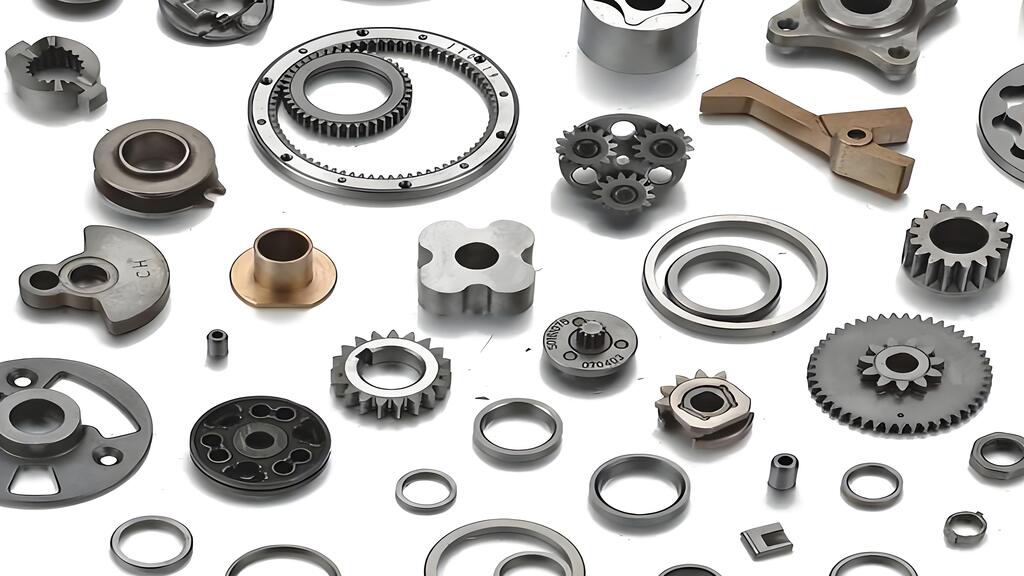


Magnesium Die Casting in Consumer Electronics

Magnesium Die Casting revolutionizes consumer electronics. This advanced manufacturing process offers an unparalleled combination of lightweight properties, a high strength-to-weight ratio, and superior EMI shielding. It directly addresses the industry's demand for thinner, lighter, and more durable devices. Manufacturers increasingly adopt this technology to enhance product performance and user experience. It truly transforms modern electronic design and functionality.
Key Takeaways
- Magnesium die casting makes electronic devices lighter and stronger. This helps make devices like laptops and phones easier to carry.
- Magnesium helps electronics stay cool. It moves heat away from important parts, so devices work better and last longer.
- Magnesium protects devices from electronic interference. This means your phone calls and Wi-Fi signals stay clear.
- Designers can make cool and thin devices with magnesium. It allows for fancy shapes and smooth surfaces.
- Magnesium is good for the environment. It can be recycled many times, which helps reduce waste.
- Magnesium is used in many devices. These include laptops, phones, cameras, and even gaming consoles.
- There are different ways to cast magnesium. Hot-chamber casting is for small parts, and cold-chamber casting is for bigger parts.
- Manufacturers work to make magnesium parts even better. They find ways to stop rust and make the process more affordable.
The Unmatched Advantages of Magnesium Die Casting for Consumer Electronics
Consumer electronics manufacturers constantly seek materials that enhance device performance and user experience. Magnesium die casting offers a compelling solution, providing a unique blend of properties that directly address these industry demands.
Lightweight and High Strength-to-Weight Ratio
Magnesium stands as the lightest structural metal, making it an ideal choice for portable electronic devices. Its exceptional strength-to-weight ratio allows for significant design flexibility without compromising durability.
Significant Weight Reduction for Portability
Magnesium's low density directly translates into lighter devices. This characteristic greatly improves the portability of consumer electronics like laptops, tablets, and smartphones. Users experience less fatigue when carrying these devices, enhancing overall convenience. A lighter product also reduces shipping costs and environmental impact during transportation.
Maintaining Structural Integrity with Less Mass
Despite its lightness, magnesium alloys possess impressive strength. This strength allows manufacturers to create thinner yet robust device casings and internal frames. These components effectively protect sensitive internal electronics from impacts and daily wear. Devices maintain their structural integrity, offering consumers durable products with a premium feel, all while minimizing overall mass.
Superior Thermal Management with Magnesium Die Casting
High-performance consumer electronics generate considerable heat. Effective thermal management becomes crucial for device longevity and consistent performance. Magnesium die casting excels in this area.
Efficient Heat Dissipation for High-Performance Devices
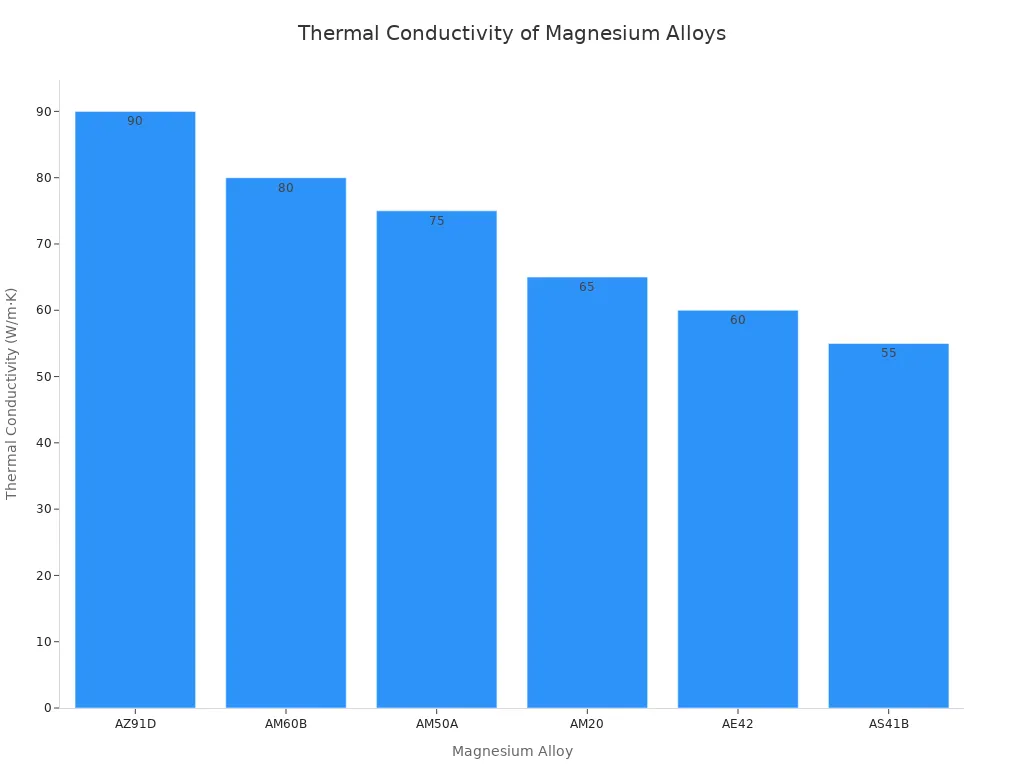
Magnesium alloys exhibit excellent thermal conductivity. This property allows them to efficiently draw heat away from critical components like processors and graphics units. The rapid heat transfer prevents thermal throttling, ensuring devices maintain peak performance even under heavy loads. This capability is vital for gaming consoles, high-end laptops, and other power-intensive electronics.
Protecting Sensitive Internal Components from Overheating
Effective heat dissipation safeguards sensitive internal components from thermal damage. Overheating can lead to reduced lifespan, performance degradation, or even permanent failure of electronic parts. Magnesium die-cast components act as integrated heat sinks, distributing heat evenly and radiating it away from delicate circuits. This protection ensures the stable operation and extended durability of electronic devices.
| Alloy | Thermal Conductivity (W/m·K) | Applications (relevant to electronics) |
|---|---|---|
| AZ91D | 80-100 | Electronic components (heat sinks) |
| AM60B | 70-90 | Robotics components |
| AM50A | 65-85 | Consumer electronics (laptop cases), Cameras |
| AM20 | 55-75 | Housings |
| AE42 | 50-70 | N/A |
| AS41B | 45-65 | N/A |
Inherent EMI/RFI Shielding Capabilities
In today's wirelessly connected world, electronic devices face constant exposure to electromagnetic and radio frequency interference. Magnesium die casting provides a built-in solution to these challenges.
Electromagnetic Interference Protection for Device Functionality
Magnesium alloys possess excellent electrical conductivity. This property allows them to act as a natural Faraday cage, effectively blocking external electromagnetic interference (EMI). This shielding prevents unwanted signals from disrupting the internal circuitry of electronic devices. For instance, in high-end audio equiPment, magnesium die-cast enclosures effectively block external electromagnetic fields, reducing noise and distortion. Integrating grounding features directly into these components further enhances EMI shielding effectiveness, ensuring stable operation of electronic devices.
Radio Frequency Interference Reduction for Signal Clarity
Beyond EMI, magnesium also offers superior radio frequency interference (RFI) shielding. This capability is crucial for devices relying on wireless communication, such as smartphones, Wi-Fi routers, and smart home devices. By reducing RFI, magnesium components help maintain signal clarity and integrity. This ensures reliable wireless connections and optimal device performance. Magnesium alloys provide superior RFI shielding, protecting sensitive electronics from interference while improving performance. The demand for materials with high electromagnetic shielding properties has remarkably increased due to the widespread presence of electromagnetic waves from electronic equipment. Magnesium (Mg) alloys have sparked great interest worldwide as potential electromagnetic shielding materials.
Design Flexibility and Aesthetic Appeal
Magnesium die casting offers designers significant freedom. It allows them to create innovative and visually appealing electronic devices. This flexibility extends to both intricate internal structures and sleek external casings.
Achieving Complex Geometries and Ultra-Thin Walls
The die casting process for magnesium enables the creation of highly complex parts. Manufacturers can achieve intricate geometries with precision. This capability is crucial for modern consumer electronics, which often require compact designs and integrated functionalities. Magnesium's strength and lightness make it beneficial for consumer electronics. It is frequently used in components such as laptop frames, camera bodies, and mobile device housings to achieve durability without adding excessive weight. Furthermore, magnesium alloys can be cast to wall thicknesses ranging from 0.035 to 0.045 inches (0.89 to 1.14 mm). This allows for ultra-thin yet robust enclosures, contributing to the slim profiles of contemporary gadgets. This precision helps optimize internal space, allowing for larger batteries or more components within the same device footprint.
Premium Surface Finishes for Enhanced Product Design
Magnesium die-cast parts readily accept various surface treatments. These treatments enhance both durability and aesthetic appeal. Manufacturers can apply anodizing, painting, or polishing to achieve a wide range of finishes. These options include smooth, matte, or textured surfaces. Such premium finishes elevate the perceived quality of a product. They give devices a sophisticated look and a pleasant tactile feel. This capability allows brands to differentiate their products in a competitive market, offering consumers devices that perform well and look exceptional.
Sustainability Aspects of Magnesium Die Casting
The environmental impact of manufacturing processes is a growing concern. Magnesium die casting presents a compelling solution for sustainable electronics production.
High Recyclability and Eco-Friendly Manufacturing Potential
Magnesium alloys are highly recyclable. This characteristic makes them an environmentally responsible material choice. The recycling process for magnesium is energy-efficient, contributing to sustainability in manufacturing. Manufacturers can reuse magnesium alloys multiple times without significant property degradation. This reusability helps reduce waste and conserves valuable natural resources. By incorporating recycled magnesium, companies decrease their reliance on virgin materials and lower their carbon footprint.
Contributing to Greener Consumer Electronics
The use of magnesium in consumer electronics directly supports the development of greener products. Its lightweight nature reduces the energy required for transportation, both during manufacturing and for the end-user. The high recyclability of magnesium components minimizes landfill waste at the end of a device's lifecycle. This aligns with circular economy principles. Magnesium Die Casting thus plays a vital role in creating more sustainable and environmentally friendly electronic devices, meeting the growing demand for eco-conscious products.
Key Applications of Magnesium Die Casting in Modern Consumer Electronics

Magnesium Die Casting plays a pivotal role across various segments of the consumer electronics industry. Its unique properties enable manufacturers to meet the demanding requirements of modern devices, from ultra-portable laptops to rugged cameras.
Laptops and Tablets Utilizing Magnesium Die Casting
Laptops and tablets benefit significantly from magnesium's lightweight and strong characteristics. Manufacturers leverage these properties to create devices that are both highly portable and exceptionally durable.
Ultra-Thin Chassis and Covers for Portability
Magnesium alloys allow for the production of incredibly thin yet rigid chassis and covers. This capability directly contributes to the sleek profiles and reduced weight of contemporary laptops and tablets. Consumers appreciate the ease of carrying these lighter devices. Many premium devices, such as the Surface Pro, some HP ENVY models, and certain Lenovo ThinkPad entries, utilize magnesium components for their outer shells. This material choice enhances portability without sacrificing structural integrity.
Internal Structural Frames for Robustness
Beyond external casings, magnesium forms robust internal structural frames for laptops and tablets. These frames provide essential support for sensitive components like screens, motherboards, and batteries. They protect against bending and twisting, common issues with larger, thinner devices. For example, Lenovo specifically employs AZ91D Magnesium Alloy for lightweight computer cases, particularly for their shells, ensuring both reduced mass and enhanced durability. This internal framework ensures devices withstand daily use and accidental impacts, extending their lifespan.
Smartphones and Wearables Benefiting from Magnesium Die Casting
The compact and high-performance nature of smartphones and wearables makes them ideal candidates for magnesium die-cast components. The material offers a blend of aesthetics, durability, and thermal efficiency crucial for these devices.
Premium Device Casings for Durability and Feel
Magnesium die-cast casings provide smartphones and wearables with a premium look and feel. The material's inherent strength offers superior protection against drops and scratches compared to plastics. Many smartphones and mobile devices incorporate magnesium alloys for their mid-frames or chassis. These critical internal structural components provide rigidity and support other parts, ensuring the device's overall integrity. This results in devices that not only feel substantial in hand but also withstand the rigors of daily use.
Integrated Heat Sinks for Performance
High-performance processors in smartphones and wearables generate considerable heat. Magnesium's excellent thermal conductivity makes it an effective material for integrated heat sinks. These components efficiently dissipate heat away from critical internal electronics, preventing overheating and maintaining optimal device performance. Wearables, such as smartwatch cases and internal structures, specifically utilize magnesium alloys due to their lightweight nature, strength, and crucial corrosion resistance, especially against sweat. This thermal management ensures consistent operation and extends the lifespan of these compact, powerful gadgets.
Cameras and Drones with Magnesium Die Casting Components
Cameras and drones require materials that can withstand harsh environments while remaining lightweight. Magnesium die casting provides the ideal solution for these demanding applications.
Durable, Lightweight Bodies for Field Use
Professional cameras and high-end drones often operate in challenging outdoor conditions. Magnesium die-cast bodies offer exceptional durability, protecting internal components from impacts, dust, and moisture. Simultaneously, the material's low density keeps the overall weight down. This lightweight characteristic is crucial for drones, maximizing flight time and maneuverability. For cameras, it reduces user fatigue during extended shooting sessions in the field.
Protection for Sensitive Optics and Electronics
The precise nature of magnesium die casting allows for the creation of intricate enclosures that perfectly house sensitive optics and electronic circuits. These robust bodies shield delicate lenses, sensors, and processors from external forces. They also provide a stable platform for precise alignment, essential for high-quality imaging. The inherent EMI shielding properties of magnesium further protect internal electronics from interference, ensuring reliable performance in various operational environments.
Gaming Consoles and Accessories Employing Magnesium Die Casting
Gaming consoles and their accessories demand high performance and durability. Magnesium components help these devices meet intense operational requirements. They provide both thermal efficiency and structural integrity.
Enhanced Heat Dissipation for Sustained Performance
Modern gaming consoles house powerful processors and graphics units. These components generate significant heat during extended gameplay. Magnesium's excellent thermal conductivity efficiently draws heat away from these critical areas. This prevents overheating and thermal throttling. Effective heat dissipation ensures consoles maintain peak performance for longer periods. It also extends the lifespan of internal components. This capability is vital for delivering a consistent and immersive gaming experience.
Structural Rigidity for High-Performance Hardware
Gaming consoles and their accessories require robust construction. They must withstand frequent handling and potential impacts. Die-casted magnesium components provide superior structural rigidity. This protects sensitive internal hardware. The process creates intricate internal frames. These frames deliver essential support and prevent warping or damage. This structural integrity is crucial for devices with powerful yet compact internals. It ensures the console's longevity and reliable operation.
Automotive Infotainment Systems and Magnesium Die Casting
Automotive infotainment systems integrate advanced electronics into vehicle interiors. These systems benefit from magnesium's lightweight properties and robust protection.
Lightweight Display Frames for Vehicle Integration
Automotive manufacturers prioritize weight reduction to improve fuel efficiency and performance. Magnesium die-cast display frames offer a lightweight solution for infotainment screens. These frames reduce the overall mass of the dashboard assembly. They also provide a strong, stable housing for large displays. This allows for seamless integration into modern vehicle interiors. The lightweight nature contributes to the vehicle's overall design goals.
Robust Enclosures for In-Car Electronics
In-car electronics face constant vibrations, temperature fluctuations, and potential impacts. Magnesium enclosures provide robust protection for sensitive infotainment components. These enclosures shield circuit boards and processors from harsh automotive environments. They ensure the reliable operation of navigation, audio, and connectivity systems. The material's inherent strength and durability contribute to the long-term reliability of in-car electronics.
The Magnesium Die Casting Process: Methods and Materials
Understanding the specific methods and materials involved in Magnesium Die Casting is crucial for appreciating its widespread application in consumer electronics. Manufacturers employ different techniques and select particular alloys to achieve desired product characteristics.
Understanding Hot-Chamber Magnesium Die Casting
Hot-chamber die casting is a common method for producing magnesium components. This process offers efficiency and precision for specific part types.
Molten Metal Injection and Rapid Cycle Times
In hot-chamber Magnesium Die Casting, a "gooseneck" mechanism submerges into a molten metal bath. It then injects the liquid magnesium into a die cavity under high pressure. This direct injection system allows for extremely rapid cycle times. The quick solidification of the metal within the mold contributes to high production rates.
Ideal for Smaller, High-Volume Parts
This method is particularly well-suited for manufacturing smaller, intricate parts in high volumes. Its efficiency and speed make it cost-effective for mass production of components found in consumer electronics, such as small housings or internal brackets.
Cold-Chamber Magnesium Die Casting for Larger Components
Cold-chamber die casting offers an alternative process, especially beneficial for larger or more demanding applications.
Processing Higher Melting Point Magnesium Alloys
Unlike the hot-chamber method, cold-chamber die casting involves pouring molten metal into a shot sleeve. A hydraulic plunger then forces the metal into the die cavity. This separation of the melting pot from the injection mechanism allows the process to handle magnesium alloys with higher melting points. This prevents excessive wear on machine components, extending equipment life.
Suited for Larger and More Complex Parts
Cold-chamber die casting produces parts with high dimensional accuracy and structural integrity. It replicates intricate details with minimal defects due to high-pressure injection. This process is ideal for materials like magnesium, which have high melting points. It prevents excessive wear on machine components, extending equipment life. High-pressure injection minimizes air entrapment, resulting in parts with lower porosity and higher mechanical strength. This is crucial for components requiring enhanced durability. It is ideal for larger, more complex parts requiring reinforced structures and mechanical strength, such as housings and frames. This method finds use in components like smartphone and laptop housings, and server chassis.
Key Magnesium Alloys for Die Casting in Electronics
The selection of specific magnesium alloys is critical. It determines the final properties and performance of the die-cast component.
Common Alloys (e.g., AZ91D, AM60B) and Their Properties
AZ91D magnesium alloy is highly valued for its excellent corrosion resistance and high strength. It also exhibits good castability, which makes it suitable for creating complex shapes. This high-purity alloy offers good mechanical and electrical properties. It provides high strength, stiffness, durability, and superior impact resistance. AZ91D is less resistant to cutting, making it easier for rapid machining. It offers superior electromagnetic interference (EMI) shielding. This alloy is easily recyclable, ductile, and absorbs vibration well. It provides excellent resistance to corrosion and dents. AZ91D has the lowest density of all structural metals, providing lightness. It offers greater strength and rigidity compared to plastic. It also has high electrical and thermal conductivity. This alloy withstands high operating temperatures. It provides high dimensional accuracy and stability, along with exceptional thin-wall capability. AM60B is another common alloy. It offers excellent ductility and impact resistance, making it suitable for applications requiring energy absorption.
Tailoring Alloy Selection for Specific Application Needs
Manufacturers carefully select magnesium alloys based on the specific requirements of the electronic device. For instance, a laptop housing might prioritize strength and EMI shielding, favoring AZ91D. A component requiring high ductility and impact absorption might use AM60B. This tailored approach ensures optimal performance and longevity for each electronic product.
Precision and Quality Control in Magnesium Die Casting
Precision and quality control are paramount in manufacturing consumer electronics. They ensure components meet stringent performance and aesthetic standards. Manufacturers implement rigorous measures throughout the magnesium die casting process.
Ensuring Dimensional Accuracy and Surface Finish
Electronic devices demand components with exact dimensions. This ensures proper assembly and functionality. Die designers create molds with extreme precision. They account for material shrinkage during cooling. Process engineers meticulously control parameters like molten metal temperature and injection pressure. This consistency minimizes variations in part dimensions.
The surface finish of die-cast parts also significantly impacts product quality. A smooth, flawless surface is crucial for aesthetic appeal in premium electronics. It also prepares parts for subsequent coatings or treatments. Manufacturers achieve superior surface finishes through optimized die design and careful control of the casting process. They ensure the molten magnesium fills the mold cavity uniformly. This prevents defects like flow lines or cold shuts. High-quality surface finishes contribute to the overall premium feel of electronic devices.
Advanced Inspection Techniques
Manufacturers employ advanced inspection techniques to verify the quality of die-cast magnesium components. These methods ensure every part meets design specifications.
Coordinate Measuring Machines (CMMs) precisely measure part dimensions. They detect even minute deviations from the design. This ensures components fit together perfectly during assembly. Visual inspections identify surface imperfections. These include scratches, dents, or incomplete fills. Trained technicians meticulously examine each part.
Non-destructive testing (NDT) methods provide insights into internal part quality. X-ray inspection reveals internal porosity or voids. Ultrasonic testing detects hidden cracks or inclusions. These advanced techniques guarantee the structural integrity of components. They prevent potential failures in the final electronic product. Quality control processes ensure consistent production of high-performance, reliable parts for consumer electronics.
Overcoming Challenges in Magnesium Die Casting for Electronics
Magnesium die casting offers numerous benefits for consumer electronics. However, manufacturers must address specific challenges. These include corrosion resistance, cost implications, and processing complexities. Successfully navigating these issues ensures optimal product performance and production efficiency.
Addressing Corrosion Resistance in Magnesium Die Casting
Magnesium alloys are highly reactive. This reactivity makes them susceptible to corrosion. Manufacturers must implement effective surface treatments. These treatments ensure the longevity of electronic components.
Essential Surface Treatment Requirements
Surface treatments are crucial for magnesium components. They enhance corrosion resistance. They also prepare surfaces for further processing. Chemical transition is one method. It forms a chemical conversion film on the magnesium surface. Examples include dichromate, permanganate, phosphate, KMnO4, rare earth element, and stannate systems. These films provide a protective layer. They also serve as an intermediate layer for other coatings. Chromium-free options are under development due to toxicity concerns.
Protective Coatings and Anodizing Solutions
Anodic oxidation creates base coatings. These coatings offer superior wear and corrosion resistance. They also provide good bonding, electrical insulation, and thermal shock resistance. Modern environmental technologies have significantly improved corrosion resistance. They distribute elements like Al and Si on the surface. This creates compact and integral oxide films. Adding silicon aluminum sol can reduce porosity. Metal coating is another option. It is applied after initial chemical conversion, like dip zinc or manganese, and copper plating. Electroplated coatings include Zn, Ni, Cu Ni Cr, and Zn Ni. Chemical coatings are mainly Ni-P and Ni-W-P. These coatings offer excellent corrosion resistance. They also provide electrical, electromagnetic, and decorative properties. Combining electroless nickel plating with alkaline Zn-Ni plating achieves significant salt spray corrosion resistance.
Cost Implications of Magnesium Die Casting
The adoption of magnesium in electronics involves cost considerations. Manufacturers weigh initial expenses against long-term benefits.
Initial Material and Processing Costs vs. Performance Benefits
Magnesium's initial material cost is higher than aluminum. Its extraction and refinement are more complex. Processing costs also present a challenge. Die-casting machines for magnesium can range from $30,000 to over $1,000,000. Alloy production costs are higher than other lightweight metals like zinc or copper. This is due to expenses associated with refining pure magnesium and producing its alloys. However, magnesium offers faster casting cycles. It also provides longer-lasting tools and faster machining speeds. These factors contribute to long-term efficiency.
| Feature | Magnesium Die Casting | Aluminum Die Casting |
|---|---|---|
| Initial Material Cost | More expensive due to complex extraction and refinement | Generally cheaper and more widely available |
| Processing Cost | Higher initial machinery cost, but faster casting cycles, longer-lasting tools, and faster machining speeds contribute to long-term efficiency | Lower production costs, efficient processes, and often requires less finishing work |
| Overall Cost-Effectiveness | Higher initial cost, but potential savings over time | Generally more cost-effective due to lower material and production costs |
Long-Term Value and Lifecycle Cost Considerations
Despite higher initial costs, magnesium offers long-term value. Its lightweight properties reduce transportation costs. Its durability extends product lifespan. This minimizes replacement needs. The superior performance benefits, such as thermal management and EMI shielding, enhance device functionality. These benefits justify the initial investment. They contribute to a lower total lifecycle cost for electronic products.
Processing Complexity in Magnesium Die Casting Operations
Magnesium die casting operations require specialized knowledge and stringent controls. The unique properties of magnesium alloys demand careful handling.
Specific Handling Requirements for Magnesium Alloys
Magnesium alloys generate flammable and toxic dust or gases during processing. Operators must wear protective gear. This includes glasses, masks, and gloves. Good ventilation is essential. Keeping away from ignition sources is critical. Magnesium alloys are prone to corrosion due to high chemical activity. This occurs in humid, acidic, or alkaline environments. Measures prevent exposure or apply anti-corrosion coatings. Strict temperature control is crucial during processing or melting. This prevents defects like pores or cracks. Heating temperature and holding time adjust based on the alloy's melting point. Magnesium alloys readily oxidize at high temperatures when exposed to air. Preventing oxygen contact during processing and smelting is vital. This involves using inert gas atmospheres or protective agents. Manufacturers must also pay attention to material selection. They choose the appropriate magnesium alloy ingot based on specific application and process needs. Different compositions affect properties.
Tooling Design and Maintenance for Optimal Production
Die temperatures can reach 700°C. This leads to thermal fatigue, cracking, and surface erosion. High-pressure environments increase wear and soldering. Solutions include using newer hot-working die steels, such as GYDCK-20. Carefully regulating casting pressure and applying surface coatings like AlCrN also helps. Incomplete breakdown or excessive application of water-based mold release agents can cause dimensional inaccuracies and surface defects. Precise concentration analysis using inline density and viscosity meters helps prevent buildup and unintended transfer. This ensures optimal performance and minimal residue. Variations in mold temperatures, release agent application, and pressure can lead to defects like macrosegregation and cold flakes. Controlled application of water-based release agents, combined with inline analysis and concentration testing, helps reduce thermal stresses. It also prevents sticking and supports smooth demolding. This ensures uniform quality and precise dimensions.
Supply Chain and Material Availability for Magnesium Die Casting
The global supply chain for magnesium presents unique considerations for electronics manufacturers. Securing a consistent and reliable material flow is paramount for uninterrupted production. Companies must navigate geopolitical factors and market dynamics to maintain their supply.
Global Magnesium Production and Sourcing Strategies
China dominates global magnesium production. It accounts for a significant majority of the world's primary magnesium output. This concentration creates both opportunities and challenges for international buyers. Other countries, including Russia, Turkey, and the United States, also produce magnesium, but in smaller quantities. Manufacturers often develop diversified sourcing strategies. They aim to mitigate risks associated with relying on a single region. This involves establishing relationships with multiple suppliers across different geographical locations. Such an approach enhances supply chain resilience. It protects against potential disruptions from trade policies, natural disasters, or economic shifts.
Ensuring Consistent and Reliable Supply
Ensuring a consistent and reliable supply of magnesium alloys requires proactive measures. Electronics companies often enter into long-term contracts with their chosen suppliers. These agreements provide stability in pricing and volume. They also foster stronger partnerships. Strategic inventory management plays a crucial role. Manufacturers maintain buffer stocks of magnesium ingots and alloys. This practice helps them absorb short-term supply fluctuations.
💡 Tip: Diversifying suppliers and maintaining strategic inventory levels are key to mitigating supply chain risks in magnesium die casting.
Furthermore, companies invest in supply chain visibility tools. These tools allow them to monitor material flow from extraction to delivery. Real-time data helps identify potential bottlenecks or delays early. This enables timely interventions. Collaboration with logistics partners also optimizes transportation routes and reduces lead times. Ultimately, a robust supply chain ensures manufacturers meet production demands for consumer electronics. It supports the continuous innovation within the industry.
The Future Landscape of Magnesium Die Casting in Consumer Electronics
The consumer electronics industry constantly evolves. Magnesium die casting will play an even more critical role in shaping future devices. Ongoing advancements in materials and processes, expanding applications, and a strong focus on sustainability define this future.
Advancements in Magnesium Alloys and Die Casting Processes
Manufacturers continuously seek to push the boundaries of material science and production techniques. These efforts lead to superior components for electronic devices.
Development of New High-Performance Alloys
Researchers develop new magnesium alloys. These alloys offer enhanced properties. They aim for improved strength, better corrosion resistance, and superior castability. These innovations enable the creation of even thinner, lighter, and more durable electronic devices. Future alloys will allow for more intricate designs and greater reliability in demanding applications.
Innovative Casting Techniques for Enhanced Properties
New casting methods are emerging. These techniques aim to reduce defects and improve the mechanical properties of magnesium parts. Advanced simulation tools optimize mold designs and process parameters. Techniques like semi-solid casting offer finer grain structures and reduced porosity. These innovations result in components with higher strength and better surface finishes.
Expanding Applications for Magnesium Die Casting
The versatility of magnesium die casting extends its reach beyond traditional consumer electronics. New markets recognize its unique benefits.
Emerging Device Categories and Market Trends
Magnesium die casting finds new applications in various sectors. Electric Vehicles (EVs) utilize it for lightweight properties, improving energy efficiency. The automotive sector remains the largest end-user. Aerospace and medical devices also adopt magnesium components. The push for electric vehicle production is particularly promising for automotive magnesium alloys. EVs require efficient battery management and reduced weight for better range and performance. This creates a significant opportunity for innovation in new applications within the automotive industry.
Integration with Smart Home Technology and IoT Devices
Magnesium components integrate well with smart home technology and IoT devices. Their durability, EMI shielding, and aesthetic appeal make them ideal. Smart home hubs, sensors, and other connected devices benefit from robust, lightweight enclosures. Thermal management capabilities also support the compact designs of integrated systems.
Sustainability Focus and Magnesium Die Casting
The electronics industry increasingly prioritizes environmental responsibility. Magnesium die casting aligns with these sustainability goals.
Increasing Use of Recycled Magnesium Content
The industry increases its use of recycled magnesium content. This trend reduces the environmental footprint of electronic devices. Recycling magnesium requires significantly less energy than primary production. Advancements in scrap sorting technologies make post-consumer recycling more efficient. This practice conserves natural resources and minimizes waste.
Energy-Efficient Production Methods and Environmental Impact
Manufacturers implement energy-efficient production methods. These methods reduce the environmental impact of magnesium die casting. Converting thermal reduction processes to low-carbon electric energy sources significantly reduces greenhouse gas emissions. This can bring emissions below 1 kg CO2/kg Mg. Substituting FeSi reductant with aluminum also reduces both reductant greenhouse gas emissions and energy requirements. Converting magnesium melting and holding furnaces, as well as die casting machines, to low-carbon electric energy sources, potentially reduces CO2 emissions from 0.6 kg CO2/kg Mg cast to 0.05-0.16 kg CO2/kg Mg cast. Eliminating SF6 cover gas, which has a very high global warming potential, and using low global warming potential cover gases instead, reduces emissions from several kilograms of CO2 per kilogram of magnesium cast to 10-20 g CO2/kg Mg processed. Enhancing post-consumer scrap recycling initiatives through advancements in scrap sorting technologies requires low energy input (2-3 kWh/kg Mg processed) and results in less than 1 kg/kg of recycled magnesium produced. These efforts contribute to greener manufacturing practices.
Miniaturization and Integration in Magnesium Die Casting
The relentless drive for smaller, more powerful electronic devices makes miniaturization a key trend. Magnesium die casting offers crucial advantages in this area. It allows manufacturers to create compact, efficient components.
Producing Smaller, More Complex Parts
Magnesium die casting excels at producing intricate, high-accuracy parts. This capability is vital for modern consumer electronics. The process allows for complex geometries, even with extremely thin walls. This reduces the need for post-casting machining. It also offers high-speed production capabilities for large volumes. Magnesium alloys like AZ91D are particularly suitable for these electronics applications. The process yields lightweight, strong, and corrosion-resistant components.
Small hot die casting machines are transforming manufacturing for consumer electronics. They enable the production of complex enclosures, connectors, and internal components with high accuracy. The need for miniaturization and aesthetic appeal drives this adoption. Devices like smartphones, tablets, and wearables benefit greatly. Advancements in automation and sensor integration further enhance capabilities. These improvements allow for even more complex geometries and greater precision.
Multi-Functional Components for Space Optimization
Magnesium die casting enables the creation of multi-functional components. These parts combine several features into a single unit. This approach significantly optimizes internal space within electronic devices. For example, a single die-cast magnesium frame can provide structural support, act as a heat sink, and offer EMI shielding. This integration reduces the total number of parts. It also simplifies assembly processes.
Combining functions into one component saves valuable space. This allows for larger batteries or additional features within the same device footprint. It also contributes to the overall lightness and slimness of the product. Manufacturers can design more compact and aesthetically pleasing devices. This integration enhances both performance and user experience. It ensures devices remain robust despite their reduced size.
-
Magnesium die casting produces intricate, high-accuracy parts.
-
It allows for complex geometries, even with extremely thin walls.
-
The process achieves good dimensional accuracy, reducing the need for post-casting machining.
-
It offers high-speed production capabilities for large volumes.
-
Magnesium alloys like AZ91D are suitable for electronics applications.
-
The process yields lightweight, strong, and corrosion-resistant components.
-
Small hot die casting machines are transforming manufacturing for consumer electronics.
-
They enable the production of complex enclosures, connectors, and internal components with high accuracy.
-
The adoption is driven by the need for miniaturization and aesthetic appeal in devices like smartphones, tablets, and wearables.
-
Advancements in automation and sensor integration enhance capabilities for complex geometries and precision.
Magnesium die casting is more than a manufacturing process. It forms a cornerstone for innovation in consumer electronics. Its unique properties enable lighter, stronger, and more efficient devices. This technology also supports environmentally responsible production. It plays an indispensable role in shaping the future of electronic devices. Manufacturers rely on its benefits for next-generation products.
FAQ
What makes magnesium die casting ideal for consumer electronics?
Magnesium die casting offers an unmatched combination of lightweight properties, high strength-to-weight ratio, and superior EMI shielding. These features directly address the industry's demand for thinner, lighter, and more durable devices. Manufacturers choose it for enhanced product performance.
What are the primary benefits of magnesium die casting for electronic devices?
Magnesium die casting provides significant weight reduction, improving portability. It also offers efficient heat dissipation, protecting internal components. Furthermore, its inherent EMI/RFI shielding capabilities ensure stable device functionality and signal clarity.
Which consumer electronics commonly use magnesium die-cast parts?
Laptops, tablets, smartphones, and wearables frequently incorporate magnesium die-cast components. Cameras, drones, and gaming consoles also benefit from its durability and lightweight properties. Automotive infotainment systems utilize magnesium for robust enclosures.
How does magnesium die casting contribute to device durability?
Magnesium alloys possess impressive strength despite their lightness. This allows manufacturers to create robust casings and internal frames. These components effectively protect sensitive electronics from impacts and daily wear, extending device lifespan.
Is magnesium die casting an environmentally friendly process?
Yes, magnesium alloys are highly recyclable. This makes them an environmentally responsible material choice. The recycling process for magnesium is energy-efficient, contributing to sustainability. Manufacturers also implement energy-efficient production methods.
What challenges do manufacturers face with magnesium die casting?
Manufacturers address corrosion resistance through essential surface treatments and protective coatings. They also manage initial material and processing costs against long-term value. Processing complexity and ensuring a consistent supply chain are other considerations.
What are the main types of magnesium die casting processes?
The two main types are hot-chamber and cold-chamber die casting. Hot-chamber is ideal for smaller, high-volume parts due to rapid cycle times. Cold-chamber processes higher melting point alloys and suits larger, more complex components.
💡 Tip: Ningbo Jiehuang Chiyang specializes in custom metal parts, including die casting, offering expertise in both hot-chamber and cold-chamber magnesium processes.